Video deraining aims to recover clean visual content from rainy videos for reliable perception under adverse weather. Existing methods mainly rely on RGB sequences and temporal redundancy, but RGB-only restoration remains ambiguous in dynamic rainy scenes, where rain streaks, textures, boundaries, motion, and occlusions may share similar visual patterns. Event cameras provide complementary motion-sensitive cues with high temporal resolution, but event streams also contain sensor noise and background-triggered responses, so direct RGB-Event fusion may introduce cross-modal interference. To address this issue, we propose RainDancer, a progressive RGB-Event video deraining framework based on a decompose-before-interact paradigm. The core idea is to separate rain and background components within each modality before cross-modal interaction. In the RGB branch, frame features are progressively decomposed into rain and background representations. In the event branch, a rain-oriented spiking neural network module captures sparse and bursty event dynamics associated with rain motion. Component-level fusion is then performed between semantically aligned representations for structure preservation and rain suppression. We further introduce event-domain supervision to regularize sparse event reconstruction, structural consistency, and gradient orientation. Experiments on synthetic and real RGB-Event video deraining datasets demonstrate superior quantitative performance, visual quality, and downstream perception robustness. Code is available at https://github.com/AE86-plus/RainDancer.
Vision-Language-Action (VLA) models have demonstrated significant potential in complex scene understanding and action reasoning, leading to their increasing adoption in end-to-end autonomous driving systems. However, the long visual tokens of VLA models greatly increase computational costs. Current visual token pruning methods in Vision-Language Models (VLM) rely on either visual token similarity or visual-text attention, but both have shown poor performance in autonomous driving scenarios. Given that human drivers concentrate on relevant foreground areas while driving, we assert that retaining visual tokens containing this foreground information is essential for effective decision-making. Inspired by this, we propose FastDriveVLA, a novel reconstruction-based vision token pruning framework designed specifically for autonomous driving. FastDriveVLA includes a plug-and-play visual token pruner called ReconPruner, which prioritizes foreground information through MAE-style pixel reconstruction. A novel adversarial foreground-background reconstruction strategy is designed to train ReconPruner for the visual encoder of VLA models. Once trained, ReconPruner can be seamlessly applied to different VLA models with the same visual encoder without retraining. To train ReconPruner, we also introduce a large-scale dataset called nuScenes-FG, consisting of 241K image-mask pairs with annotated foreground regions. Our approach achieves state-of-the-art results on the nuScenes open-loop planning benchmark across different pruning ratios.
Face restoration aims to recover high-quality face images from the low-quality ones. With the advent of deep learning, significant breakthroughs have been achieved in face restoration techniques. However, capturing human faces at night or in dimly lit environments has become commonplace, often resulting in low-light degradation that existing methods tend to overlook. Furthermore, most methods focus on restoring face images in the spatial domain. These methods may struggle to preserve both luminance and structural details simultaneously. In the Fourier transform, the amplitude component represents low-level statistics, such as lightness and contrast, while the phase component effectively characterizes high-level semantics, including facial structure and identity information, making Fourier transform particularly suited for this task. Therefore, we propose a novel spatial-frequency mutual learning network for low-light face restoration. Given the complementarity between spatial and frequency domains, as well as the intrinsic coupling of phase and amplitude, we propose a dual interactive coupling mechanism that includes spatial-frequency and amplitude-phase interactions. For the former, we develop a bi-directional frequency-spatial interaction block to mutually amalgamate the complementary spatial and frequency information, thereby enhancing the feature representation capability of the model. As for the latter, we construct an amplitude-phase interaction block to facilitate collaboration between amplitude and phase (low-level statistics and high-level semantic), resulting in improved low-light face restoration. Extensive experiments validate the effectiveness of our method and demonstrate its superior performance over prior art in recovering low-light face images, showcasing its potential in a wide range of applications.
Point cloud completion aims to recover missing regions in 3D point clouds caused by sensor limitations and environmental occlusions. Although recent methods have achieved remarkable progress in recovering the overall shape of incomplete objects, explicitly controlling the spatial distribution of reconstructed points remains challenging, often leading to outliers and non-uniform point distributions. In this paper, we propose a novel framework, VFC-Net, which generates a uniformly distributed coarse point cloud to effectively guide dense reconstruction. Specifically, VFC-Net adopts a generation-upsampling paradigm. In the generation stage, termed VoxGen, the input point cloud is first converted into a voxel-based representation, from which a coarse yet complete point cloud is generated via voxel occupancy classification, naturally encouraging a uniform spatial distribution. In the upsampling stage, termed VoxPu, voxel occupancy predictions are fused with voxel features to guide dense reconstruction, thereby preserving the distribution consistency of the final output. Furthermore, we introduce a lightweight VoxAttn module in both stages to efficiently capture missing geometric structures. By decomposing the voxel grid into a set of 2D slices and performing attention-based feature aggregation, VoxAttn significantly reduces the computational complexity. To compensate for the information loss introduced by slicing, we further employ alternating slicing axes together with cross-slice feature aggregation. Extensive experiments on multiple challenging benchmarks demonstrate that VFC-Net achieves state-of-the-art performance in point cloud completion.
All-in-one image restoration, addressing diverse degradation types with a unified model, presents significant challenges in designing task-aware prompts that effectively guide restoration across multiple degradation scenarios. While adaptive prompt learning enables end-to-end optimization, it often yields overlapping or redundant task representations. Conversely, explicit prompts derived from pretrained classifiers enhance discriminability but may discard critical visual information for reconstruction. To address these limitations, we introduce Contrastive Prompt Learning (CPL), a novel framework that fundamentally enhances prompt-task alignment through two complementary innovations: a Sparse Prompt Module (SPM) that efficiently captures degradation-specific features while minimizing redundancy, and a Contrastive Prompt Regularization (CPR) that explicitly strengthens task boundaries by incorporating negative prompt samples across different degradation types. Unlike previous approaches that focus primarily on degradation classification, CPL optimizes the critical interaction between prompts and the restoration model itself. Extensive experiments across comprehensive benchmarks demonstrate that CPL consistently enhances state-of-the-art all-in-one restoration models, achieving significant improvements in both standard multi-task scenarios and challenging composite degradation settings. Our framework establishes new state-of-the-art performance while maintaining parameter efficiency, offering a principled solution for unified image restoration. The code is available at https://github.com/Aitical/CPLIR.
Rigging is inherently task-dependent because the same mesh may require different skeletons and deformation behaviors across animation tasks. In practice, artists often inspect an initial rig and repeatedly edit its skeletal structure and deformation behavior to meet specific animation requirements. Existing automatic methods primarily generate a plausible rig from geometry, offering limited explicit control over the resulting skeleton and deformation behavior. In this work, we present ViP-Rig, a visual-prompted framework that supports both prompt-first rigging and result-guided editing by injecting features extracted from user-drawn or edited 2D skeletal and rigidity prompts into frozen pretrained backbones. Specifically, ViP-Rig consists of two stages, Skeleton Generation and Skinning Prediction. In the first stage, the skeletal sketch is processed by the Dense-to-Compact Visual Prompt Encoding to produce compact, fixed-length conditioning tokens. The resulting tokens are injected into a frozen pretrained autoregressive generator through gated adapters to control joint placement and branching structure while preserving the generator's geometric prior. In the second stage, the rigidity map is processed using the same visual encoding design, while the pretrained skinning backbone remains frozen. The resulting tokens are symmetrically injected into the point and joint streams to modulate point-joint compatibility and the resulting skinning weights. Experiments on Articulation-XL2.0 and zero-shot evaluation on ModelsResource show that ViP-Rig more accurately recovers target skeletons and skinning weights than geometry-conditioned baselines under prompt-guided evaluation. Qualitative results further demonstrate explicit and localized control in both prompt-first rigging and result-guided editing.
With recent advances, Feed-forward Reconstruction Models (FFRMs) have demonstrated great potential in reconstruction quality and adaptiveness to multiple downstream tasks. However, the excessive reliance on multi-view geometric annotations, e.g. 3D point maps and camera poses, makes the fully-supervised training scheme of FFRMs difficult to scale up.In this paper, we propose Reliev3R, a weakly-supervised paradigm for training FFRMs from scratch without cost-prohibitive multi-view geometric annotations. Relieving the reliance on geometric sensory data and compute-exhaustive structure-from-motion preprocessing, our method draws 3D knowledge directly from monocular relative depths and image sparse correspondences given by zero-shot predictions of pretrained models.At the core of Reliev3R, we design an ambiguity-aware relative depth loss and a trigonometry-based reprojection loss to facilitate supervision for multi-view geometric consistency.Training from scratch with the less data, Reliev3R catches up with its fully-supervised sibling models, taking a step towards low-cost 3D reconstruction supervisions and scalable FFRMs.
With the rapid development of video communication and social media, face video restoration (FVR) has become a prominent research area, with significant breakthroughs driven by deep learning techniques. However, to date, no comprehensive survey has systematically reviewed deep learning-based FVR methods. To bridge this gap and support future research, we present a comprehensive survey of deep learning-based FVR methods. We begin by providing a brief introduction to the FVR task. Next, we review commonly used datasets, evaluation metrics and loss functions in the field. We then categorize FVR tasks based on different types of degradation and systematically review representative methods from three perspectives: network architecture, temporal modeling strategies, and facial detail enhancement. Finally, we discuss current challenges and outline potential directions for future research. This survey aims to serve as a valuable reference for researchers and practitioners who are interested in advancing face video restoration technologies.
Volumetric images often encapsulate critical information, making it essential to employ lossless compression to preserve data integrity. Although various learned methods have demonstrated effective lossless compression for volumetric images, balancing high compression ratios with rapid coding speeds and lightweight architectures remains challenging. In this paper, we propose a 3D-scanning lightweight autoregressive model (3D-SLARM) for practical lossless volumetric image compression. 3D-SLARM integrates a novel 3D plane scanning module, a lightweight feature extraction (FE) module, and a lightweight distribution parameter and adaptive range predictor (DPARP) module. Initially, 3D-SLARM leverages a 3D plane scanning module to determine the scanning order of each voxel, allowing parallel coding of voxels within the same plane. Next, the lightweight FE module captures both intra-slice and inter-slice dependencies in the receptive field defined by the 3D plane scanning module. By incorporating our proposed serial re-parameterization (SerRep) technology alongside non-centric masked convolution (NCMC), the FE module attains a lightweight design while effectively capturing complex dependencies. Finally, 3D-SLARM employs a lightweight DPARP module to compute distribution parameters for both 8-bit and high bit-depth volumetric images. For high bit-depth images, the module further generates an adaptive probability range for each voxel, resulting in compact, voxel-specific PMF tables that facilitate efficient compression. Extensive experiments demonstrate that our 3D-SLARM achieves state-of-the-art lossless compression performance on majority volumetric image datasets and maintains fast coding speed with a lightweight design, underscoring its practical applicability.
Mesh denoising, aimed at removing noise from input meshes while preserving their feature structures, is a practical yet challenging task. Despite the remarkable progress in learning-based mesh denoising methodologies in recent years, their network designs often encounter two principal drawbacks: a dependence on single-modal geometric representations, which fall short in capturing the multifaceted attributes of meshes, and a lack of effective global feature aggregation, hindering their ability to fully understand the mesh's comprehensive structure. To tackle these issues, we propose SurfaceFormer, a pioneering Transformer-based mesh denoising framework. Our first contribution is the development of a new representation known as Local Surface Descriptor, which is crafted by establishing polar systems on each mesh face, followed by sampling points from adjacent surfaces using geodesics. The normals of these points are organized into 2D patches, mimicking images to capture local geometric intricacies, whereas the poles and vertex coordinates are consolidated into a point cloud to embody spatial information. This advancement surmounts the hurdles posed by the irregular and non-Euclidean characteristics of mesh data, facilitating a smooth integration with Transformer architecture. Next, we propose a dual-stream structure consisting of a Geometric Encoder branch and a Spatial Encoder branch, which jointly encode local geometry details and spatial information to fully explore multimodal information for mesh denoising. A subsequent Denoising Transformer module receives the multimodal information and achieves efficient global feature aggregation through self-attention operators. Our experimental evaluations demonstrate that this novel approach outperforms existing state-of-the-art methods in both objective and subjective assessments, marking a significant leap forward in mesh denoising.
Face super-resolution aims to reconstruct high-resolution face images from the given low-resolution input, which has long been a research hotspot due to its wide-ranging applications. While deep learning has driven remarkable advances in this domain, existing approaches still face two fundamental limitations. First, existing methods often function as black-box systems with limited interpretability and transparency in their internal representations and feature learning behavior. This limits the ability to understand and improve the model’s decision making process, then weakening the model’s trustworthiness. Second, both global and local information are essential for high-fidelity face reconstruction, existing methods still struggle to effectively model these complementary dependencies. To address these challenges, we propose an optimization-inspired structure-aware deep unfolding framework for face super-resolution. Specifically, we formulate the face reconstruction task as an explicit optimization problem and unfold its iterative solution into a deep neural network, where each stage corresponds to a well-defined optimization step with clear physical interpretation, enhancing model’s trustworthiness. To enable efficient global-local feature modeling within our unfolding framework, we propose a structure-aware Receptance Weighted Key-Value (RWKV)-based proximal operator, which leverages the linear-complexity architecture of RWKV for global context modeling. Furthermore, we design a structure-aware deformable shift mechanism to enhance its ability for preserving fine-grained facial geometry, which can dynamically adjust spatial aggregation patterns based on the facial structure to effectively capture local information. Extensive experiments conducted on benchmark datasets demonstrate that our method outperforms state-of-the-art approaches in both quantitative metrics and visual quality. The code will be released at https://github.com/wcy-cs/SANet.
Neural Radiance Field (NeRF) technology has made significant strides in creating novel viewpoints. However, its effectiveness is hampered when working with sparsely available views, often leading to performance dips due to overfitting. FreeNeRF attempts to overcome this limitation by integrating implicit geometry regularization, which incrementally improves both geometry and textures. Nonetheless, an initial low positional encoding bandwidth results in the exclusion of high-frequency elements. The quest for a holistic approach that simultaneously addresses overfitting and the preservation of high-frequency details remains ongoing. This study presents a novel feature-matching-based sparse geometry regularization module, enhanced by a spatially consistent geometry filtering mechanism and a frequency-guided geometric regularization strategy. This module excels at accurately identifying high-frequency keypoints, effectively preserving fine structural details. Through progressive refinement of geometry and textures across NeRF iterations, we unveil an effective few-shot neural rendering architecture, designated as SGCNeRF, for enhanced novel view synthesis. Our experiments demonstrate that SGCNeRF not only achieves superior geometry-consistent outcomes but also surpasses FreeNeRF, with improvements of 0.7 dB in PSNR on LLFF and DTU.
The alignment of large language models with human preferences is typically achieved via Reinforcement Learning from Human Feedback or Direct Preference Optimization. However, these methods are susceptible to the significant noise prevalent in real-world preference datasets. To address this critical issue, we present a theoretical framework for unbiased alignment, introducing the (URM) loss and the (UDPO) loss. These novel objectives allow for the training of unbiased models directly from noisy preferences by mathematically correcting for label noise without requiring clean ground-truth supervision. We provide rigorous theoretical analyses demonstrating that our methods are noise-tolerant, parameter downward compatible, and classification-calibrated. Comprehensive experiments across diverse datasets demonstrate that our approaches outperform state-of-the-art baselines.
With recent advances, Feed-forward Reconstruction Models (FFRMs) have demonstrated great potential in reconstruction quality and adaptiveness to multiple downstream tasks. However, the excessive reliance on multi-view geometric annotations, e.g. 3D point maps and camera poses, makes the fully-supervised training scheme of FFRMs difficult to scale up. In this paper, we propose Reliev3R, a weakly-supervised paradigm for training FFRMs from scratch without cost-prohibitive multi-view geometric annotations. Relieving the reliance on geometric sensory data and compute-exhaustive structure-from-motion preprocessing, our method draws 3D knowledge directly from monocular relative depths and image sparse correspondences given by zero-shot predictions of pretrained models. At the core of Reliev3R, we design an ambiguity-aware relative depth loss and a trigonometry-based reprojection loss to facilitate supervision for multi-view geometric consistency. Training from scratch with the less data, Reliev3R catches up with its fully-supervised sibling models, taking a step towards low-cost 3D reconstruction supervisions and scalable FFRMs.
Mamba and its variants excel at modeling long-range dependencies with linear computational complexity, making them effective for diverse vision tasks. However, Mamba’s reliance on unfolding 1D sequential representations necessitates multiple directional scans to recover lost spatial dependencies. This introduces significant computational overhead, redundant token traversal, and inefficiencies that compromise accuracy in real-world applications. To this end, we propose PH-Mamba, a novel framework integrating position encoding and harmonized attention for image deraining and beyond. PH-Mamba transforms Mamba’s scanning process into a position-guided, unidirectional scanning that selectively prioritizes degradation-relevant tokens. Specifically, we devise a position-guided hybrid Mamba module (PHMM) that jointly encodes perturbation features alongside their spatial coordinates and harmonized representation to model consistent degradation patterns. Within PHMM, a harmonized Transformer is developed to focus on uncertain regions while suppressing noise interference, thereby improving spatial modeling fidelity. Additionally, we employ a vector decomposition and synthesis strategy to enable the unified representation layout to global degradation by directional scanning while minimizing redundancy. By cascading multiple PHMM blocks, PH-Mamba combines global positional guidance with local differential features to strengthen contextual learning. Extensive experiments demonstrate the superiority of PH-Mamba across low-level image restoration benchmarks. For example, compared to NeRD, PH-Mamba achieves a 0.60 dB PSNR improvement while requiring 88.9% fewer parameters, 36.2% less computation, and 63.0% faster inference time.
Mitigating the negative impact of noisy labels has been aperennial issue in supervised learning. Robust loss functions have emerged as a prevalent solution to this problem. In this work, we introduce the Variation Ratio as a novel property related to the robustness of loss functions, and propose a new family of robust loss functions, termed Variation-Bounded Loss (VBL), which is characterized by a bounded variation ratio. We provide theoretical analyses of the variation ratio, proving that a smaller variation ratio would lead to better robustness. Furthermore, we reveal that the variation ratio provides a feasible method to relax the symmetric condition and offers a more concise path to achieve the asymmetric condition. Based on the variation ratio, we reformulate several commonly used loss functions into a variation-bounded form for practical applications. Positive experiments on various datasets exhibit the effectiveness and flexibility of our approach.
Vision-language models (VLMs) often generate massive visual tokens that greatly increase inference latency and memory footprint; while training-free token pruning offers a practical remedy, existing methods still struggle to balance local evidence and global context under aggressive compression. We propose Focus-Scan-Refine (FSR), a human-inspired, plug-and-play pruning framework that mimics how humans answer visual questions: focus on key evidence, then scan globally if needed, and refine the scanned context by aggregating relevant details. FSR first focuses on key evidence by combining visual importance with instruction relevance, avoiding the bias toward visually salient but query-irrelevant regions. It then scans for complementary context conditioned on the focused set, selecting tokens that are most different from the focused evidence. Finally, FSR refines the scanned context by aggregating nearby informative tokens into the scan anchors via similarity-based assignment and score-weighted merging, without increasing the token budget. Extensive experiments across multiple VLM backbones and vision-language benchmarks show that FSR consistently improves the accuracy-efficiency trade-off over existing state-of-the-art pruning methods. The source codes can be found at https://github.com/ILOT-code/FSR
Vision-Language Models (VLMs), such as CLIP, have significantly advanced zero-shot image recognition. However, their performance remains limited by suboptimal prompt engineering and poor adaptability to target classes. While recent methods attempt to improve prompts through diverse class descriptions, they often rely on heuristic designs, lack versatility, and are vulnerable to outlier prompts. This paper enhances prompt by incorporating class-specific concepts. By treating concepts as latent variables, we rethink zero-shot image classification from a Bayesian perspective, casting prediction as marginalization over the concept space, where each concept is weighted by a prior and a test-image conditioned likelihood. This formulation underscores the importance of both a well-structured concept proposal distribution and the refinement of concept priors. To construct an expressive and efficient proposal distribution, we introduce a multi-stage concept synthesis pipeline driven by LLMs to generate discriminative and compositional concepts, followed by a Determinantal Point Process to enforce diversity. To mitigate the influence of outlier concepts, we propose a training-free, adaptive soft-trim likelihood, which attenuates their impact in a single forward pass. We further provide robustness guarantees and derive multi-class excess risk bounds for our framework. Extensive experiments demonstrate that our method consistently outperforms state-of-the-art approaches, validating its effectiveness in zero-shot image classification.
Blind Face Restoration (BFR) aims to reconstruct high-quality face images from low-quality inputs without any prior knowledge of degradation types or levels. Recent advances, particularly through GAN- and diffusion-based approaches, have greatly improved perceptual realism and reconstruction fidelity. However, existing approaches typically rely solely on visual cues from degraded images. This often results in inaccurate reconstruction of facial details and noticeable identity distortion, particularly under severe or complex degradations. To address these limitations, we incorporate auxiliary textual information into BFR to facilitate the recovery of subtle facial attributes, such as wrinkles and moles, which are often overlooked by conventional visual priors. To support this idea, we first construct a large-scale dataset containing 30,000 detailed textual descriptions paired with CelebA-HQ images to capture fine-grained facial semantics. To bridge the gap between visual data and natural language, we further propose FaceCLIP, a fine-tuned vision-language model specifically tailored to human faces, enabling more accurate image-text alignment by capturing nuanced semantic cues critical for faithful reconstruction. Built upon these foundations, we propose Text-guided Blind Face Restoration (TBFR), a diffusion-based framework that explicitly integrates textual guidance into the restoration process. Within TBFR, a text-guided hybrid attention block fuses visual and textual features, and a text-aware loss enforces semantic consistency. Extensive experiments demonstrate that TBFR outperforms state-of-the-art BFR methods in both quantitative metrics and perceptual quality, establishing a new benchmark for BFR tasks.
 Junjun Jiang (江俊君)合作论文数School of Computer Science and Technology, Harbin Institute of Technology137
 Deming Zhai (翟德明)合作论文数哈尔滨工业大学46
 Xiangyang Ji (季向阳)合作论文数Department of Automation, Tsinghua University;Beijing National Research Center for Information Science and Technology, Tsinghua University44
 Debin Zhao (赵德斌)合作论文数School of Computer Science and Technology, Faculty of Computing, Harbin Institute of Technology44
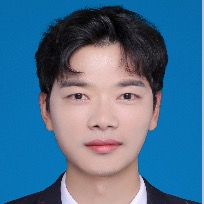 Kui Jiang (江奎)合作论文数School of Computer Science and Technology, Harbin Institute of Technology42
 Wen Gao (高文)合作论文数School of Electronics Engineering and Computer Science, Peking University;Pengcheng Laboratory, Peking University;School of Artificial Intelligence, Xidian University36
 Yitai Qian (钱逸泰)合作论文数School of Chemistry and Materials Science, University of Science and Technology of China;School of Chemistry and Chemical Engineering, Shandong University34
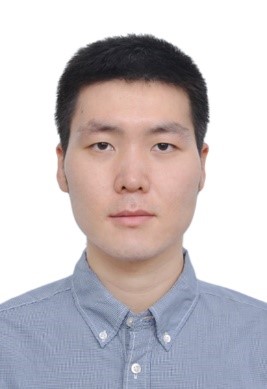 Yuanchao Bai (柏园超)合作论文数Faculty of Computing, Harbin Institute of Technology23
 Gang Wu (吴刚)合作论文数School of Computer Science and Technology, Harbin Institute of Technology19
 Jiayi Ma (马佳义)合作论文数Electronic Information School, Wuhan University;Multi-spectral Visual Information Processing Group, Wuhan University17
 Jiantao Zhou (周建濤)合作论文数Department of Computer and Information Science, Faculty of Science;and Technology, University of Macau17
 Kaibin Tang (唐凯斌)合作论文数Department of Chemistry, School of Chemistry and Materials Science, University of Science and Technology of China16
 Chenyang Wang (王晨扬)合作论文数School of Computer Science and Technology, Faculty of Computing, Harbin Institute of Technology14
 Wenbo Zhao合作论文数Peng Cheng Laboratory14
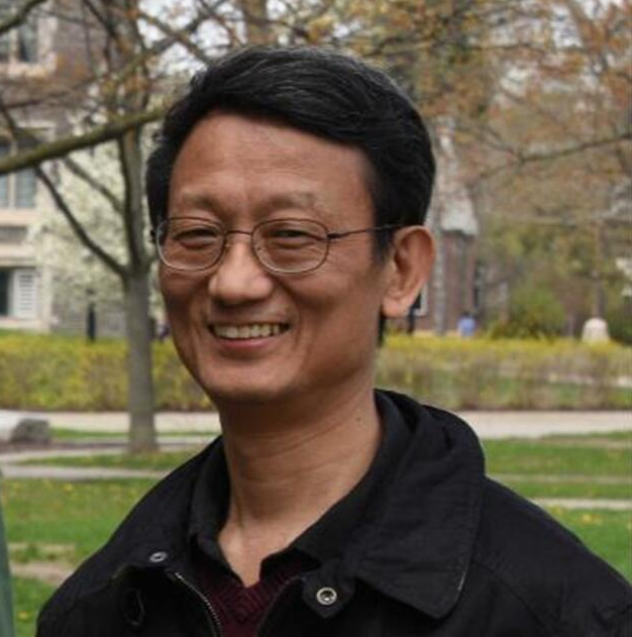 Xiaolin Wu合作论文数Department of Electrical & Computer Engineering, Faculty of Engineering, McMaster University13
 Xiong Zhou (周雄)合作论文数School of Computer Science and Technology, Harbin Institute of Technology12
 Hongxun Yao (姚鸿勋)合作论文数School of Computer Science and Technology, Harbin Institute of Technology12
 Junqing Hu (胡俊青)合作论文数College of Health Science and Environmental Engineering, Shenzhen Technology University12
 Cheng Guo (郭澄)合作论文数School of Computer Science and Technology, Faculty of Computing, Harbin Institute of Technology11
 Rongrong Ji (纪荣嵘)合作论文数School of Informatics, Xiamen University11
 Yi Xie (谢毅)合作论文数Institute of Advanced Technology, University of Science and Technology of China;School of Chemistry and Materials Science, University of Science and Technology of China11Bincheng Li (李斌成)合作论文数中国科学院光电技术研究所10
 Guangtao Zhai (翟广涛)合作论文数School of Integrated Circuits, Shanghai Jiao Tong University10Maosheng Ma合作论文数10
 Zhenyu Li (李震宇)合作论文数Advanced Imaging and Intelligent Analysis Laboratory, Computing Faculty, Harbin Institute of Technology10Mingrong Ji合作论文数10
 Feilong Zhang (张飞龙)合作论文数Institute of Ultra-Precise Opto-electric Instrumental Engineering, Harbin Institute of Technology9
 Xiaoshuai Sun (孙晓帅)合作论文数School of Informatics, Xiamen University;Media Analytics & Computing Laboratory, Xiamen University9
 Xiaojun Wu (武晓君)合作论文数Department of Materials Science and Engineering, School of Chemistry and Materials Sciences, University of Science and Technology of China;Key Lab of Energy Coversion Materials, Chinese Academy of Sciences9
 Qingyi Lu (陆轻铱)合作论文数School of Chemistry and Chemical Engineering, Nanjing University9
 Pengfei Xu合作论文数Didi Chuxing9Gui-En ZHOU (周贵恩)合作论文数8
 Siwei Ma (马思伟)合作论文数School of Computer Science, Peking University;National Engineering Research Center for Visual Technology, Peking University8Donald Shemansky合作论文数8Ge Zhou合作论文数7Jialei Xu合作论文数7Pengwei Liang合作论文数7
 Ke Gu (顾锞)合作论文数School of Information Science and Technology, Beijing University of Technology7
 Shiqi Wang (王诗淇)合作论文数Department of Computer Science, City University of Hong Kong7Jingsheng Zhu合作论文数7
 Zhiwei Zhong合作论文数School of Computer Science and Technology, Harbin Institute of Technology, Harbin, China6
 Gene Cheung合作论文数Dept. of Electrical Engineering & Computer Science, York University6
 Shaoyun Fu (付绍云)合作论文数College of Aerospace Engineering, Chongqing University6Donald E Shemansky合作论文数6
 Ruiqin Xiong (熊瑞勤)合作论文数School of Electronics Engineering and Computer Science, Peking University;School of Computer Science, Peking University6Pb Kelly合作论文数5Qiuping Huang合作论文数5




