PurposeFluid mud is highly disturbed during contaminated sediment capping when the settling velocity of the capping material is excessive. This study investigated how to reduce this disturbance in order to achieve better control efficiency.Materials and methodsSpherical, cubical, wafer-shaped, and sand materials were used as capping materials. The settling velocity, change in landing kinetic energy, and stable capping effect of the materials were studied through settling velocity, capping, and disturbance experiments.Results and discussionCompared to other capping materials, the use of wafer-shaped materials significantly reduced the turbidity (expressed in nephelometric turbidity units (NTU)) and total phosphorus (TP) concentration in the overlying water after capping under both static and dynamic disturbance conditions.ConclusionsThe results indicated that shaping capping materials into a wafer could effectively reduce the settling velocity and landing kinetic energy to reduce the disturbance of fluid mud during capping and achieve better control efficiency.
Clean soil is a potential capping material for controlling internal nutrient loading and helping the recovery of macrophytes in eutrophic lakes, but the long-term effects and underlying mechanisms of clean soil capping under in-situ conditions remain poorly understood. In this study, a three-year field capping enclosure experiment combining intact sediment core incubation, in-situ porewater sampling, isotherm adsorption experiments and analysis of sediment nitrogen (N) and phosphorus (P) fractions was conducted to assess the long-term perfor-mance of clean soil capping on internal loading in Lake Taihu. Our results indicate that clean soil has excellent P adsorption and retention capacity as an ecologically safe capping material and can effectively mitigate NH4+-N and SRP (soluble reactive P) fluxes at the sediment-water interface (SWI) and porewater SRP concentration for one year after capping. The mean NH4+-N and SRP fluxes of capping sediment were 34.86 mg m- 2 h-1 and-1.58 mg m- 2 h-1, compared 82.99 mg m- 2 h-1 and 6.29 mg m- 2 h-1 for control sediment. Clean soil controls internal NH4+-N release through cation (mainly Al3+) exchange mechanisms, while for SRP, clean soil can not only react with SRP due to its high Al and Fe content, but also stimulate the migration of active Ca2+ to the capping layer, thus precipitating as Ca-bound P (Ca-P). Clean soil capping also contributed to the restoration of macrophytes during the growing season. However, the effect of controlling internal nutrient loading only lasted for one year under in-situ conditions, after which the sediment properties returned to pre-capping conditions. Our results highlight that clean Ca-poor soil is a promising capping material and further research is needed to extend the longevity of this geoengineering technology.
Heavy metal pollution in sediments is a common environmental issue in small- and medium-sized reservoirs not only in China but also worldwide; however, few interpretations of the pollution pattern exist. Based on the analyses of accumulation characteristics, ecological risks, and source apportionments of eight heavy metals (As, Cd, Cr, Cu, Hg, Pb, Ni, and Zn) in sediments, we derived a paradigm to describe the pollution pattern of heavy metals in sediments of a typical small- and medium-sized Tongjiqiao Reservoir. The results showed high levels of Cd, Hg, and As pollutants in the surface and upper sediment layers of the pre-dam area. Additionally, As, Cd, Hg, and Pb pollutants peaked in the middle layers of the inflow area, indicating a high ecological risk in these areas. The positive matrix factorization results implied that industrial, agricultural, and transportation activities were the main sources of heavy metals. The heavy metal pollution pattern exhibited three distinct stages: low contamination, rapid pollution, and pollution control. This pattern explains the heavy metal pollution process in the sediments and will provide scientific guidance for realizing the green and sustainable operation and development of the reservoir.
Heavy metal pollution of sediments is a common environmental issue in small- and medium-sized reservoirs of China and worldwide; however, few interpretations of the pollution pattern exist. Based on the analyses of accumulation characteristics, ecological risks, and source apportions of eight heavy metals (As, Cd, Cr, Cu, Hg, Pb, Ni, and Zn) in sediments from our case study of the Tongjiqiao Reservoir, we derived a model for pollution pattern of heavy metals in sediments, representative for small- and medium-sized reservoirs. The results showed a high degree of Cd, Hg, and As pollutants in the surface and upper sediment layers of the pre-dam area. Additionally, As, Cd, Hg, and Pb pollutants peaked in middle layers of the inflow area, which indicate a high ecological risk in these areas. The positive matrix factorization results implied that industrial, agricultural, and transportation activities were the main sources of heavy metals. The heavy metal pollution presented a pattern with three distinct stages: low contamination, rapid pollution, and pollution control. This pattern explains the heavy metal pollution process in the sediments of small- and medium-sized reservoirs and will provide scientific guidance for realizing green and sustainable operation and development of these reservoirs.
内陆水体(湖泊、水库、沼泽、河流)和河口海洋等底部,广泛且连续分布着沉积物质,在其形成过程中受自然和人类活动影响,具有与污染物有关的环境意义和特征.中国区域差异大,环境问题较为突出,经过近几十年来围绕沉积物环境和污染控制开展的研究,我国相关成果不断涌现.首先介绍了国际上有关沉积物环境的若干里程碑性研究,回顾了前70年我国沉积物研究的发展历程.然后侧重于与人为活动有关的环境污染,分别从沉积物环境和污染控制修复两个方面,总结和归纳了近20年来中国在沉积物水环境中的作用及效应、污染物在沉积物-水界面环境行为与影响因素、沉积物生态风险与质量基准、污染沉积物的原位修复、污染沉积物疏浚及异位处置利用等方面的主要研究进展,评述了其中一些研究成果的联系和差异.最后对我国沉积物环境研究中存在的问题进行了分析,提出关于多学科交叉、复合污染、新兴/非传统污染物、质量基准、治理技术创新等几个亟需和深入开展研究的科学和技术问题,给出了解决的思路和途径,并进行了展望.
Sediment is an important source of matter that causes blackening and odor formation in a water body. The restoration of polluted sediment can suppress algae-induced black blooms to a certain degree. In this study, we compared the control effects of sediment dredging and capping with clean soil on algae-induced black blooms in Lake Taihu using indoor simulation experiments. In addition, we explored the driving effect of temperature on algae-induced black blooms using the method of gradual warming (18, 23, and 28 °C) during the experiment. No blackening of the water body was observed in the simulation stages I (18 °C) and II (23 °C), and the blackening and odor formation occurred within 3 d when the temperature increased to 28 °C in stage III, implying that high temperature was an important driving factor for algae-induced black blooms. Dredging and capping inhibited the blackening and odor formation to some extent, and the colorimetric values in the water columns were lower in the treatment groups than in the control group. At the end of the experiment, the colorimetric values of dredging and capping treatments were 56.5% and 96.7% of the colorimetric value of the control group, respectively. The control effect of dredging on the blackening elements, i.e., Fe2+ and S2- and the main odor forming compounds, i.e., dimethyl disulfide (DMDS) and dimethyl trisulfide (DMTS) was observed in stage II (11-20 d) and stage III (21-27 d), respectively, and the inhibition ability of dredging to suppress algal-induced black blooms was superior than that of capping with clean soil.
在深入研究太湖底泥污染特性和水生生物适生性低下等突出的环境和退化问题基础上,探索污染底泥环保疏浚、底质适生性构建等关键技术难题,为有效控制富营养化湖泊内源污染、修复底质生境、提高湖泊水体质量提供新方法. 太湖是无锡、苏州和上海市的主要或备用饮用水源,在地区的生产和生活中具有举足轻重的地位.近三四十年来,以水体氮、磷含量高企而形成的富营养化问题,成为太湖水污染最主要的特征.在春夏季,太湖一些滨岸还常出现一种被称为"湖泛(black bloom)"的极端水污染现象,其本质是藻类泛滥成灾.这些污染问题不仅会制约周边流域的社会和国民经济可持续发展,更严重的是对太湖水源地的供水安全构成威胁.
Sediment denitrification is a dominant mechanism for nitrogen removal and can help to minimize lake eutrophication. However, the spatio-temporal variability of denitrification rates and its controlling factors in sediments of large shallow lakes are poorly understood. In this study, we investigated the controlling factors on the temporal and spatial variability of denitrification rates in Meiliang Bay in Taihu Lake, China, to determine the contribution of denitrification on the total lacustrine nitrogen budget. We collected 18 intact monthly sediment cores and an additional 36 seasonal sediment cores from January 2013 to January 2014. Cores were collected from the inner and outer sections of Meiliang Bay for analysis of denitrification rates and sediment properties. We also collected in situ surface water samples for water quality analysis. Denitrification rates at the sediment-water interface (SWI) were measured using acetylene inhibition techniques and intact sediment core incubation. We used a t test to determine the differences in water quality and sediment properties between the two sites and a one-way ANOVA to identify seasonal differences in denitrification rates, water quality, and sediment properties. We also applied Pearson’s correlation, distance-based redundancy analysis (db-RDA) and random forest model to identify the relationships between denitrification rates and environmental factors. Denitrification rates ranged from 0.76 to 40.94 μmol N m−2 h−1 and 0.13 to 52.55 μmol N m−2 h−1, with annual mean values of 19.97 and 17.15 μmol N m−2 h−1 for the Inner and Outer Bay, respectively. Sediment denitrification rates in the Inner and Outer Bay showed similar seasonal variability, with the highest values in spring and summer and the lowest values in autumn. Nitrate addition was shown to significantly increase denitrification rates in summer and autumn (P < 0.05); however, carbon addition showed no significant influence on denitrification rates in the four seasons. Our results imply that denitrification rates were nitrate-limited in summer and autumn. Distance-based redundancy analysis (db-RDA) and random forest model showed that denitrification rates were mainly determined by nitrate, temperature, and chlorophyll a (Chla), and that nitrate in the water column was the most important predictor of denitrification rates. In general, denitrification rates showed significant seasonal variability in Meiliang Bay due to the co-regulation of both water temperature and nitrate concentrations. The dominance of each controlling factor on denitrification rates varied in different seasons. Based on our calculations, nitrogen removal by denitrification accounted for approximately 10.7% of the total nitrogen input to Taihu Lake. Therefore, we suggest the need for effective measures to reduce external nitrogen inputs of to Lake Taihu to prevent on-going eutrophication.
Internal nitrogen (N) loading of lakes is commonly controlled by sediment dredging, although its comprehensive effect on internal N loading remains unclear. Herein, we examined the long-term effects of sediment dredging on internal N loading from a new perspective on the N budget at the sediment-water interface (SWI) through a simulation of field dredging performed by incubating intact sediment cores from a shallow eutrophic lake (Lake Taihu). We further evaluated the role of settling particles (SP) in the recovery of N cycle processes after dredging and its potential impact on the N budget. Our results demonstrated that dredging could help reduce organic matter and total N in sediments; improve the redox environment of the SWI; slow down N mineralization, N fixation, denitrification, and anaerobic ammonia oxidation (anammox); and alter the N budget at the SWI and the contribution of various N cycle processes. However, the input of SP enriched in fresh organic matter and N could accelerate the recovery of N cycle processes at the SWI, reducing the variation in the N budget and the contribution of each N cycle process caused by dredging. Dredging significantly reduced the N flux at the SWI, which was evident from the reduction of inorganic N release flux and N removal through denitrification and anammox. Therefore, sediment dredging has its advantages and disadvantages in managing internal N loading in lakes. To maintain a long-term control on the release of internal N through sediment dredging, measures should be taken based on the in-lake and watershed to inhibit the inflow and settlement of particulate matter.
Sediment dredging is an effective method to reduce internal phosphorus (P) loading of eutrophic lakes. However, external P loading may diminish the longevity of the effect of sediment dredging on P internal loading, and the mechanism of the same is unclear. Here, we used one-year in-situ simulation experiments to study the migration and transformation processes of P under the effect of external loading (suspended particle matter, SPM) input and internal loading control by dredging. The results showed that dredging can effectively reduce the internal loading and mobility of P, increase the P adsorption and retention capacity of the sediment, and improve the oxidation environment at the sediment-water interface (SWI), thus, inhibiting the release of internal P. The input of SPM, however, can significantly inhibit the above processes and increase the risk of P resupply and release. Temperature, dissolved oxygen, and the P resupply capacity (R) are the key factors affecting the P flux across the SWI. Therefore, it is necessary to control the input of SPM to effectively inhibit eutrophication after dredging. More measures to control the input of SPM, such as establishing buffer zones, ecological wetlands, and forebays, should be explored and applied.
环保疏浚的决策研究主要涉及“是否疏浚”、“疏浚多少”、“如何疏浚”、“能否疏浚”等问题,关系到工程是否立项、资金投入、工艺选择和疏浚效果等.本文首先简要回顾了50年来环保疏浚研究和发展历史,系统总结了国内外在针对湖泊富营养化、潜在生态风险以及湖泛污染控制方面开展环保疏浚的研究进展,分析了疏浚决策理念的差异和需要完善的问题.然后就疏浚工程量设计,分析了湖泊环保疏浚区域的选定和疏浚面积的确定方法和实例,围绕环保疏浚深度的确定,介绍和分析了视觉分层法、拐点法、背景值法、标准偏差倍数法、频度控制法、生态风险指数法、分层释放法和吸附解析法等方法及其优缺点.接着总结了应用不同工艺疏浚过程中产生的底泥扩散、泄漏和残留原因及影响方面的研究成果,提出了疏浚决策对疏浚工艺的选用要求.最后从重视疏浚后环境效果的过程回溯、悬浮态颗粒物影响以及实质性融入生态风险理念等方面,对湖泊环保疏浚决策的研究进行了展望.本文认为,湖泊的疏浚效果未达到预期多与忽视决策研究有关.决策上的主观性和任意性,不仅可能造成资金的浪费,还容易造成生态环境效益的损害.湖泊的环保疏浚不可能一劳永逸,也不是每个污染的湖泊都需要或可以采用疏浚方式来改善水环境,即使达到了环保疏浚的必要性研究和工程量设计水平,仍需要外源的有效控制和高精度、低扩散、低泄漏的疏浚工艺作为保证.
Sulfur development in water-sediment systems is closely related to eutrophication and harmful algae blooms (HABs). However, the development of sulfur in water-sediment systems during heavy algae accumulation still remains unclear, especially in hyper-eutrophic shallow lakes. In this study, a quarterly field investigation was carried out for a year in the algae accumulated embay area of Lake Taihu, accompanied by a short-term laboratory experiment on algae accumulation. The results show that hydrogen sulfide and methanethiol dominated the volatile sulfur compounds (VSCs) in the water during non-accumulation seasons, whereas the concentrations of dimethyl sulfides increased during heavy algae accumulation, both in the field and the laboratory. An increase in the acid volatile sulfide (AVS) in the surface sediments was also discovered together with the increase in dimethyl sulfides. The depletion of oxygen in the overlying water and sediment–water interface during the heavy algae accumulation and decomposition was found to be closely related to both the increase in VSCs in the overlying water and increase in AVS in the sediment. The increased concentrations of these reductive sulfocompounds might aggravate the eutrophication and HABs and should be given more consideration in future eutrophication control plans for lakes.
聚藻区高有机负荷表层底泥已被证实是西巢湖黑臭频发的主要因素,但能否借鉴像控制湖泊内源污染的翻耕方式对黑臭进行预控,则有待于与过程有关的试验研究. 基于湖泊底泥再悬浮特征和耕作性能设计的底泥翻耕措施,借助能够模拟湖泊风浪与沉积物再悬浮的大型装置,通过藻体堆积诱发试验,研究黑臭诱发过程中上覆水水色,ρ( Fe2+)、ρ( S2-)的动态,新生沉积物-水界面底泥关键物化指标以及底泥间隙水Fe、S变化对底泥翻耕的响应过程. 结果表明:①翻耕深度对黑臭影响较大,PT15(15 cm深度的翻耕处理组)达到了对湖泛黑臭的控制,当第8~14天PT2、PT5、PT10(2、5和10 cm翻耕处理组),CK(对照组)和Blank (空白组)相继发生黑臭时,PT15上覆水主要致黑物质为Fe2+和S2-,其质量浓度分别为PT2、PT5、PT10、CK和Blank的68. 6%、79. 5%、48. 1%、46. 7%、51. 3%和75. 2%、65. 7%、57. 1%、74. 5%、75. 0%. ②PT15可明显提升新生泥-水界面对蓝藻堆积及缺氧环境的耐受力,黑臭诱导模拟后,其底部水体及泥-水界面的ρ( DO)、Eh 和pH均远高于发生湖泛黑臭处理组,ρ(∑H2S)却明显低于发生湖泛黑臭处理组,表层底泥间隙水中 ρ( Fe2+)为0. 54 mg∕L,仅为发生湖泛黑臭处理组的25. 3%~33. 7%,ρ( Fe2+)占ρ(TFe)的比例为25. 2%,远低于发生湖泛黑臭处理组(约40. 0%),表层底泥中w(AVS) (AVS表示酸可挥发性硫化物)为0. 51 μg∕g,仅为发生湖泛黑臭处理组的14. 6%~17. 2%. 研究显示,底泥翻耕作为一种底泥物理改良方式,对于聚藻区内底泥,因其将有机污染负荷较重的表层翻转至了下层,阻隔了表层污染底泥中物质迁移供给和对厌氧微生物参与的控制,在藻体大量聚集和死亡的水柱环境中可较好地阻止致黑致臭物的形成,有效控制了湖泛黑臭的发生.
湖泊沉积物-水界面是以水层/沉积层物相为基础、具有一定立体尺度的交接面,界面上所发生的由生物积极参与的物理、化学和生物学微小反应和微环境变化,都会对界面附近物质的状态和迁移转化行为产生着复杂影响.本文首先回顾了沉积物-水界面研究100多年来的发展历程及国内外近20年发展.然后系统介绍了国际上对沉积物-水界面的物理尺度与结构的宏观和微观认识;重点综述了沉积物间隙水的取样、物化性质的多维测定与结构表征、过程的静态和动态模拟等湖泊沉积物-水界面研究技术与方法;分析和展示了氮磷等营养物、重金属和持久性有机污染物在湖泊沉积物-水界面迁移转化过程的研究进展;总结和归纳了在沉积物-水界面过程的模型研究、沉积物-水界面物质交换的定量化、界面过程与湖泊生态环境灾害关系等模型与过程效应方面的研究成果.最后对沉积物-水界面信息获取技术的研发方向、界面物质交换定量化研究的关注点,以及加强模型的应用和构建等方面进行了展望.
Dredging is frequently implemented for the reduction of internal nitrogen (N) and phosphorus (P) loadings and the control of eutrophication. Residuals during dredging activities and external pollution loadings after dredging both commonly contribute to influence the effectiveness of dredging and have been widely discussed. In the current study, the exchanges of N and P across the sediment-water interface (SWI) to these two factors were compared in a six-month field incubation experiment. The results showed that the continuous deposition of external suspended particulate matter (SPM) led ammonium nitrogen (NH4+N) and soluble reactive phosphorus (SRP) fluxes across the newly formed SWI to increase by factors of 4.16 and 12.71, respectively, while residual material caused the same fluxes to increase by factors of 2.06 and 5.06. Both the deposition of external SPM and the residual matter led to higher increase of the fluxes of P across the SWI than those of the fluxes of N across the SWI after dredging. The SPM easily adsorbed P in the water due to extensive adsorption of water soluble organic matter (consisting primarily of easily-decomposed humic-like substances), iron, and aluminum. However, the decomposition of organic matter in the SPM after the deposition on the dredged sediment accelerated the dissolution of redox-sensitive P and organic P across the SWI after dredging. Both the increase in the fluxes of N and P across the SWI would further increase the concentrations of N and P in the overlying water and thereby aggravate the eutrophication status in lakes. More frequent dredging operations might be necessary to reduce the fluxes of N and P from the sediment due to the continuous influence of the external SPM and the residual matter.
Environmental sediment dredging is one of the most common methods for the remediation of contaminated sediments in lakes; however, debate continues as to whether the effectiveness of dredging methods contributes to this phenomenon. To determine sediment resuspension and nutrient release following dredging with a variety of dredging methods, four dredging treatments at wind speeds of 0–5.2 m/s were simulated in this study, namely suction dredging (SD), grab dredging (GD), ideal dredging with no residual sediments (ID), and non-dredging (ND). Field sediments from suction and grab dredging areas (including post-dredged and non-dredged sediments) of Lake Taihu were used to assess the release abilities of soluble reactive phosphorus (SRP) and ammonia nitrogen (NH4+-N) from the sediment-water interface. The effects of residual sediments on nutrient concentrations in water were also evaluated. The results reveal that inhibition of resuspension of particulate matter and nutrients released through sediment dredging decreases with increasing levels of residual sediment. Total suspended particulate matter content in the mean water columns of ID, SD, and GD under wind-induced disturbance (1.7–5.2 m/s) decreased by 67.5%, 56.8%, and 44.3%, respectively; total nitrogen and total phosphorus in ID (SD) treatments were 19.8% (12.9%) and 24.5% (11.2%) lower than that in ND treatment. However, there were ~ 1.6 and 1.5 times higher SRP and NH4+-N in the GD treatment compared with the ND treatment at the end of the resuspension experiment (0 m/s). A significant increase in the SRP and NH4+-N release rates at the sediment-water interface was also observed in field sediments from a grab dredging area, indicating that GD may pose a short-term risk of nutrient release to the water body. Hence, dredging methods with less residual sediments both during and after dredging improves the dredging quality.
The influence of dredging season on sediment properties and nutrient fluxes across the sediment–water interface remains unknown. This study collected sediment cores from two sites with different pollution levels in Meiliang Bay, Taihu Lake (China). The samples were used in simulation experiments designed to elucidated the effects of dredging on internal loading in different seasons. The results showed that dredging the upper 30 cm of sediment could effectively reduce the contents of organic matter, total nitrogen, and total phosphorus in the sediments. Total biological activity in the dredged sediment was weaker (p < 0.05) than in the undredged sediment in all seasons for both the Inner Bay and Outer Bay, but the effect of 30-cm dredging on sediment oxygen demand was negligible. Dredging had a significant controlling effect on phosphorus release in both the Inner Bay and Outer Bay, and soluble reactive phosphorus (SRP) fluxes from the dredged cores were generally lower (p < 0.05) than from the undredged cores. In contrast, NH4+-N fluxes from the dredged cores were significantly higher (p < 0.05) than from the undredged cores in all seasons for both sites, this indicates short-term risk of NH4+-N release after dredging, and this risk is greatest in seasons with higher temperatures, especially for the Inner Bay. Dredging had a limited effect on NO2−-N and NO3−-N fluxes at both sites. These results suggest that dredging could be a useful approach for decreasing internal loading in Taihu Lake, and that the seasons with low temperature (non-growing season) are suitable for performing dredging projects.
Dredging is widely applied to remediate contaminated sediments in aquatic ecosystems. However, the efficiency of thin-layer dredging for metal pollution control remains uncertain and even controversial. This study conducted an in-situ simulation experiment in Lake Taihu to investigate dredging effects on sediment metal release based on metal fractions, diffusion flux and kinetics parameters of metal resupply, using diffusive gradient in thin films (DGT), multi-microelectrode, and European Community Bureau of Reference (BCR) sequential extraction scheme. Results indicated that the exchange fluxes of metals did not necessarily correspond to total sediment metal concentrations or the contents of different sequentially-extracted metal fractions; there were appreciable decreases in Ni, Cd, Cu and Zn in terms of total sediment metal concentrations and metal fractions, whereas the bioavailability and release fluxes of labile Ni, Cu and Zn (but not Cd) were all notably promoted (by 136, 128 and 149%, respectively) in dredged area compared to those in un-dredged sediments. Further analysis on the kinetics of metal resupply by DGT technique and DGT-induced fluxes in sediments model (DIFS) showed higher concentrations of labile metals, with a larger resupply ability from sediments after dredging. Therefore, thin-layer dredging had the possibility to increase metal release from sediments to the water column. This was attributed to the remobilization of metal sulfides in anoxic deep sediments, as oxidation increased after dredging due to the introduction of oxygenated water, causing subsequent dissolution of sulfide-bound metals. In conclusion, dredging may not mitigate metal contamination, although it can reduce the total pollution load. Our findings indicated dual effects of dredging and provided new insights into the remobilization mechanism of metal release induced by dredging.
Because of global concerns regarding pollution and eutrophication in fresh water, China’s Taihu Lake has gained attention both for these issues and as a source of nitrous oxide (N2O) emissions. In this study, we investigated N2O fluxes and nitrification and denitrification rates at the sediment–water interface and analyzed monthly the relationships between these processes in different areas of Taihu Lake over a one-year period. Annual maximum nitrification and denitrification rate and N2O flux were observed during June in an algae-dominated area of the lake and measured 17.80, 235.51, and 31.49 µmol N m−2 h−1, respectively. The nitrification rate ranged from 0 to 1.18 µmol N m−2 h−1 at other sampling sites, with less variation. The denitrification rate showed clear seasonal variation, with lower levels between August and January (0.01–8.57 µmol N m−2 h−1; average = 1.49 µmol N m−2 h−1) and a rapid increase between February and July (1.03–235.51 µmol N m−2 h−1; average = 41.73 µmol N m−2 h−1).The N2O flux ranged from −0.64 to 1.5 µmol N m−2 h−1, with little variability except for a much higher rate (31.49 µmol N m−2 h−1) in June in algae-dominated areas. N2O flux was significantly positively correlated with nitrification and denitrification rates in most lake zones. By comparing the slopes of the regression equations, we found that N2O emissions from the sediment–water interface were influenced predominantly by nitrification, suggesting that lower N2O fluxes from the sediment–water interface in Taihu Lake are caused primarily by lower nitrification rates.
Algae‐induced black bloom, a kind of black water phenomenon in some severe eutrophic lake areas, is characterized by a black color and offensive odor and is one of the most serious environmental problems in certain eutrophic shallow freshwater lakes in China. Ferrous iron (Fe2+), soluble inorganic sulfides (ΣS2−, ΣS2− = S2− + HS− + H2S), and dissolved oxygen (DO) in the overlying water are presumed to be directly related to the formation of black blooms. In this study, the algae‐induced black bloom in Lake Taihu, China, is simulated in the laboratory by using a large‐scale lake process simulation apparatus. Changes in the characteristics of Fe2+, ΣS2−, DO, pH, and oxidation reduction potential (ORP) are investigated during the entire black bloom formation period. Results show that black blooms occurr in water columns with high Fe2+ and ΣS2−, but not in water columns with high Fe2+ and low ΣS2−, or low Fe2+ and ΣS2−. During the formation of black bloom, Fe2+ increases quickly as DO decreases but starts to decrease before the outbreak of black bloom. ΣS2− concentrations only increase sharply 12 h before the outbreak. Both Fe2+ and ΣS2−, affected by oxic and redox conditions, respectively, contribute to the formation of black bloom. However, ΣS2− is confirmed to be the limiting factor directly controlling the outbreak of the black bloom.
 Jicheng Zhong (钟继承)合作论文数57Qiushi Shen合作论文数39
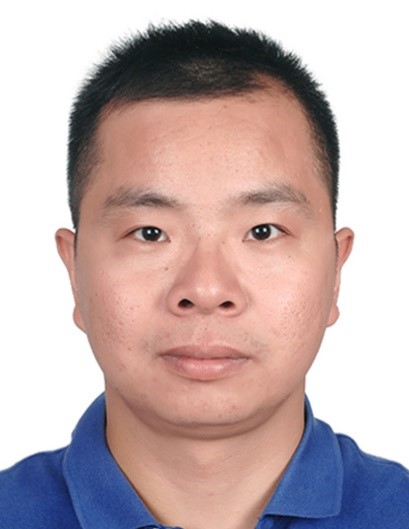 Lei Zhang (张雷)合作论文数Nanjing Institute of Geography and Limnology, Chinese Academy of Sciences;University of Chinese Academy of Sciences34Hongbin Yin (尹洪斌)合作论文数31
 Shiming Ding (丁士明)合作论文数School of Energy and Environment, Southeast University30
 Jingge Shang (商景阁)合作论文数23
 Juhua Yu合作论文数23Shiguang Shao合作论文数22
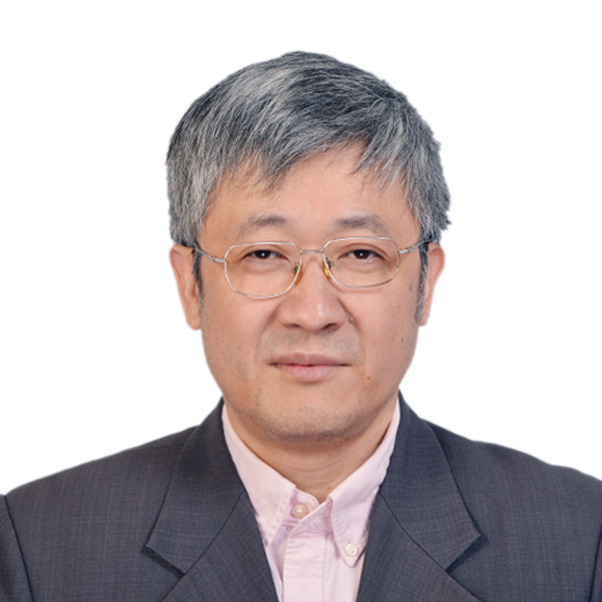 Boqiang Qin (秦伯强)合作论文数Nanjing Institute of Geography and Limnology, Chinese Academy of Sciences21
 Cheng Liu (刘诚)合作论文数School of Earth and Space Sciences, University of Science and Technology of China21Xiaozhi Gu (古小治)合作论文数Nangjing Institute of Geography & Limnology, Chinese Academy of Sciences;University of Chinese Academy of Sciences21
 Guofeng Liu (刘国锋)合作论文数20
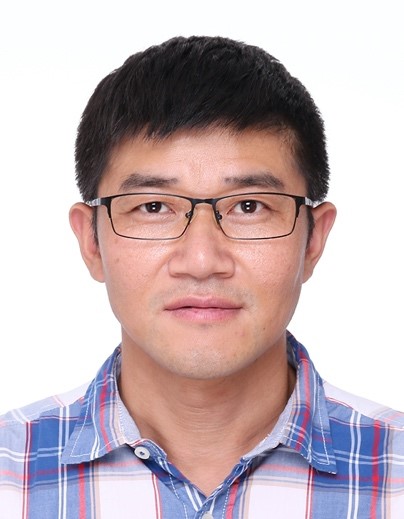 Jianjun Wang (王建军)合作论文数State Key Laboratory of Lake Science and Environment, Nanjing Institute of Geography and Limnology, Chinese Academy of Sciences;University of Chinese Academy of Sciences15Kaining Chen (陈开宁)合作论文数15Bao Li (李宝)合作论文数14Zhaode Wang合作论文数14Xiuling Bai合作论文数12Qilin Zhou合作论文数12
 Lu Zhang (张橹)合作论文数School of Water Resources and Hydropower Engineering, Wuhan University;State Key Laboratory of Water Resources Engineering and Management, Wuhan University11Yang Long-yuan合作论文数10Yan Shaohua合作论文数10Wei HE (何伟)合作论文数9
 Guang Gao (高光)合作论文数中国科学院大学中国科学院南京地理与湖泊研究所8
 Weiping Hu (胡维平)合作论文数中国科学院南京地理与湖泊研究所8PengZhu Xu (许朋柱)合作论文数7XianMing Bao (包先明)合作论文数7
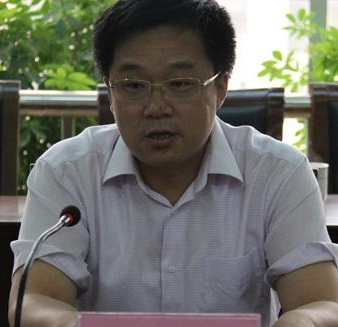 Yinlong Zhang (张银龙)合作论文数College of Ecology and Environment, Nanjing Forestry University7
 Zhonghua Zhao (赵中华)合作论文数Nangjing Institute of Geography & Limnology, Chinese Academy of Sciences;University of Chinese Academy of Sciences7Bensheng You (尤本胜)合作论文数7Da-Peng Li合作论文数6
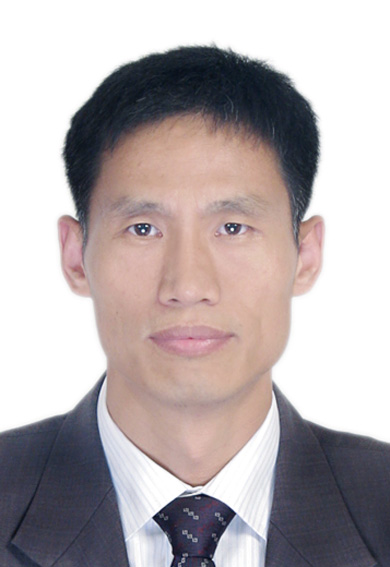 Guangwei Zhu (朱广伟)合作论文数Nanjing Institute of Geography & Limnology, Chinese Academy of Sciences;University of Chinese Academy of Sciences6
 Sumin Wang (王苏民)合作论文数Nanjing Institute of Geography & Limnology, Chinese Academy of Sciences6
 Shiqun Han (韩士群)合作论文数Institute of Agricultural Resources and Environment, Jiangsu Academy of Agricultural Sciences6
 Chao Chen (陈超)合作论文数College of Environmental Sciences, Sichuan Agricultural University6
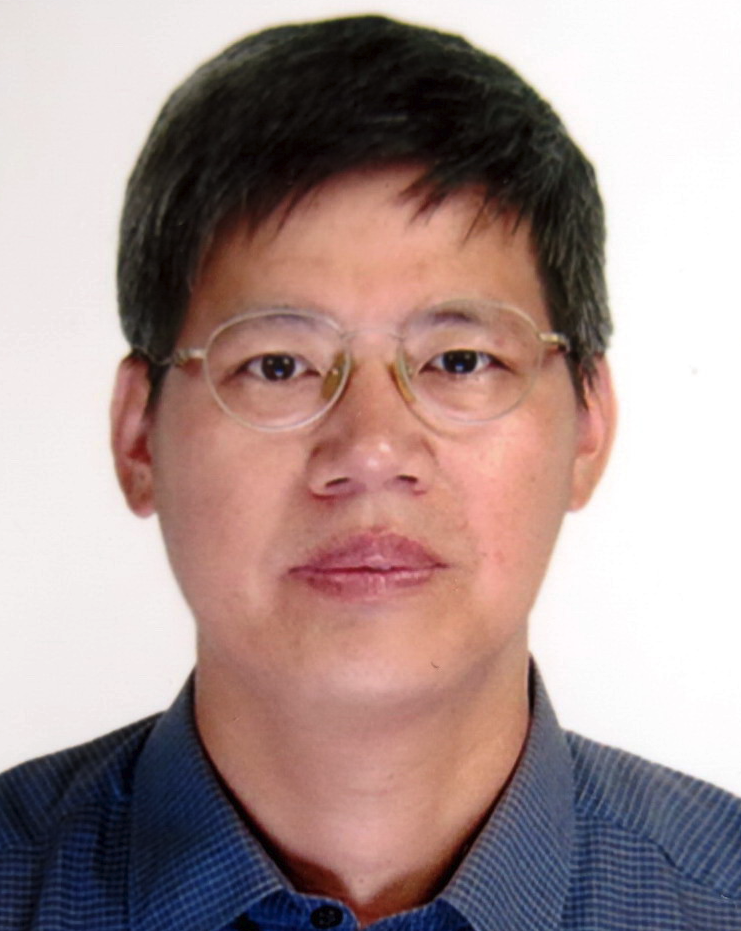 Jinglu Wu (吴敬禄)合作论文数Nanjing Institute of Geography and Limnology, Chinese Academy of Sciences;University of Chinese Academy of Sciences6
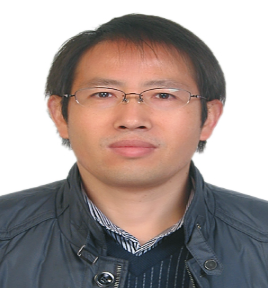 Jiancai Deng (邓建才)合作论文数Nangjing Institute of Geography & Limnology, Chinese Academy of Sciences;University of Chinese Academy of Sciences6Chaohai Zheng合作论文数5
 Ming Kong合作论文数5DeHong Liu (刘德鸿)合作论文数5
 Xiaohong Gu (谷孝鸿)合作论文数Nanjing Institute of Geography & Limnology, Chinese Academy of Sciences;University of Chinese Academy of Sciences5
 Chaosheng Zhang合作论文数School of Geography, Archaeology & Irish Studies, University of Galway5
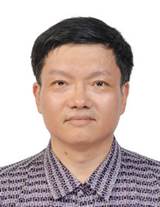 Yuwei Chen (陈宇炜)合作论文数The School of Hydraulic Engineering, Nanchang Institute of Technology5
 Xin Lu (路鑫)合作论文数CAS Key Laboratory of Separation Science for Analytical Chemistry, Dalian Institute of Chemical Physics, Chinese Academy of Sciences5Yong Huang (黄勇)合作论文数苏州科技学院环境科学与工程学院5Huixian Zou合作论文数5Shuailong Wen合作论文数4WenYu Huang (黄文钰)合作论文数4




