Correlation between [68Ga]Ga-CTR-FAPI uptake and FAP expression
Tumor uptake stratified by CEA levels
BACKGROUND:In preliminary studies, dabrafenib plus trametinib showed clinically beneficial results in patients with radioactive iodine-refractory BRAFV600E-positive differentiated thyroid cancer. However, the combination has not been studied in a phase 3 trial yet. To address this, we studied the efficacy and safety of dabrafenib plus trametinib in patients with radioactive iodine-refractory BRAFV600E-positive differentiated thyroid cancer. METHODS:In this phase 3, global, randomised, double-blind, placebo-controlled trial, previously treated patients aged ≥18 years with locally advanced or metastatic, radioactive iodine-refractory BRAFV600E-positive differentiated thyroid cancer and Eastern Cooperative Oncology Group performance status 0-2 were enrolled from 42 sites in 11 countries. Participants were randomly assigned (2:1) to receive either dabrafenib (150 mg orally; twice daily) plus trametinib (2 mg orally; once daily) or matching placebos. Randomisation was computer generated and was stratified by the number of previous vascular endothelial growth factor receptor-targeted therapies and previous lenvatinib treatment with block sizes of six per stratum combination. Patients, investigators, and funders were masked to treatment assignment. The primary endpoint was progression-free survival, defined as time from randomisation or start of the treatment to first progression or death, assessed by the blinded independent review committee per Response Evaluation Criteria in Solid Tumors version 1.1 in all randomly assigned patients. The secondary outcomes were overall survival, overall response rate, duration of response, and safety. This trial is registered with ClinicalTrials.gov, NCT04940052, and is ongoing. FINDINGS:From Dec 10, 2021, to May 09, 2024, 153 patients with differentiated thyroid cancer were assigned to receive either dabrafenib plus trametinib (n=101) or placebo (n=52). 73 (48%) participants were male and 80 (52%) participants were female, mean age was 62·6 years (SD 10·2), 18 (12%) participants were White, 131 (86%) were Asian, three (2%) were Black or African American, and one (1%) was from multiple races. With a median follow-up of 17·4 months (IQR 10·5-25·2), progression-free survival was significantly longer in patients in the dabrafenib plus trametinib group compared with those in the placebo group (median 12·8 months [95% CI 10·2-21·2] vs 3·7 months [2·3-7·5]; stratified hazard ratio [HR] 0·38, 95% CI 0·25-0·57; p<0·0001). Dabrafenib plus trametinib treatment resulted in a significantly higher overall response rate (58 [57%] of 101) compared with placebo (two [4%] of 52; stratified difference 53% [95% CI 42-64, p<0·0001]). An interim analysis of overall survival did not achieve significance for dabrafenib plus trametinib over placebo (stratified HR 0·66, 95% CI 0·36-1·19; p=0·083]. The median duration of response was not reached. The most common grade 3 or worse adverse event was pneumonia, which occurred in eight (8%) of 101 patients in the dabrafenib plus trametinib group and one (2%) of 52 patients in the placebo group. Any-grade serious adverse events occurred in 43 (43%) patients in the dabrafenib plus trametinib group and 13 (25%) patients in the placebo group. One (1%) on-treatment death occurred in the dabrafenib plus trametinib group due to cerebrovascular accident, which was assessed by the investigator as related to the study drug. The most common adverse event in the dabrafenib plus trametinib group was pyrexia (n=48; 48%). Adverse events leading to discontinuation occurred in eight (8%) patients in the dabrafenib plus trametinib group and three (6%) patients in the placebo group. Grade 5 adverse events of pneumonia (n=2; 2%), bradycardia (n=1; 1%), cerebrovascular accident (n=1; 1%), septic shock (n=1; 1%), and squamous cell carcinoma (n=1; 1%) occurred in the dabrafenib plus trametinib group and events of pericardial effusion and multiple organ dysfunction syndrome occurred in one patient each (2%) the placebo group. Serous retinopathy adverse events were seen in seven (7%) patients in the dabrafenib plus trametinib group and none in the placebo group. INTERPRETATION:In previously-treated patients with locally advanced or metastatic, radioactive iodine-refractory BRAFV600E-positive differentiated thyroid cancer, dabrafenib plus trametinib showed significant benefits for progression-free survival and overall response rate, with no new safety signals. These findings support the second-line use of dabrafenib plus trametinib in patients with radioactive iodine-refractory BRAFV600E-positive differentiated thyroid cancer. FUNDING:Novartis Pharmaceuticals.
Patient-based and region-based detection rates
Tumor uptake stratified by newly diagnosed or persistent MTC
Representativeness of study participants
Detection rate of patients with calcitonin >2000 pg/ml
Background:spaceThis exploratory study aimed to evaluate the clinical feasibility and added diagnostic value of the heterodimeric agent Ga-68-NOTA-3P-TATE-RGD, targeting both SSTR2 and integrin alphavbeta3, in patients with radioactive-iodine-negative differentiated thyroid cancer (DTC), through a comparison with F-18-FDG PET/CT.Patients and Methods:spaceTwenty-two patients with radioactive-iodine-negative DTC underwent both Ga-68-NOTA-3P-TATE-RGD and F-18-FDG PET/CT within 1 week. Diagnostic performance and semiquantitative parameters were compared between the two agents. Based on the collected gene mutation data, a preliminary analysis was conducted on differences in PET uptake among different gene mutation types.Results:spaceA total of 265 and 295 lesions were detected on Ga-68-NOTA-3P-TATE-RGD and F-18-FDG PET/CT, respectively. Ga-68-NOTA-3P-TATE-RGD detected 45 exclusive lesions (12.71%), predominantly in bone (6 lesions) and brain (5 lesions), while F-18-FDG identified 75 exclusive lesions in lymph nodes (24 lesions) and lungs (51 lesions). The dual-targeted agent exhibited superior total specificity (92.3% vs 70.6%) and significantly higher tumor-background ratio for bone metastases [3.4 (2.6, 4.0) vs 2.3 (1.6, 2.9), P = 0.008]. For PET comparison of different gene mutations, Ga-68-NOTA-3P-TATE-RGD showed highest uptake in TERT promoter-mutant lesions (P < 0.01), while F-18-FDG had maximal uptake in BRAF-mutant lesions (P < 0.01).Conclusions:space(68)Ga-NOTA-3P-TATE-RGD PET/CT is feasible for radioactive-iodine-negative DTC, providing complementary diagnostic information to F-18-FDG with enhanced detection of bone and brain metastases. The intense uptake observed in lesions with TERT-associated aggressive subtypes supports potential utility for specific disease identification.
Tumor uptake stratified by calcitonin levels
Abstract Purpose: Medullary thyroid carcinoma (MTC) is curable only by complete resection of all malignant lesions; however, biochemical cure rates remain suboptimal because of imprecise lesion localization. We previously developed a covalent targeted radioligand fibroblast activation protein inhibitor (CTR-FAPI-30) with superior MTC detection rate and accuracy. This study evaluated whether [68Ga]Ga-CTR-FAPI-30 positron emission tomography–computed tomography (PET-CT)–guided surgery improves patient outcomes. Patients and Methods: In this prospective, open-label phase II clinical trial, 50 patients with MTC were enrolled and underwent [68Ga]Ga-CTR-FAPI-30 PET-CT–guided surgery. Patients were stratified into three predefined arms: (i) newly diagnosed MTC, R0 resection; (ii) recurrent MTC, R0 resection; and (iii) unresectable disease or distant metastasis. The primary endpoint was the biochemical cure rate at 1 month postoperatively. Secondary endpoints included event-free survival, the diagnostic accuracy of [68Ga]Ga-CTR-FAPI-30, and surgical plan modification rate. Results: The biochemical cure rates were favorable under [68Ga]Ga-CTR-FAPI-30–guided surgery, with 84.2% [95% confidence interval (CI), 60.4%–96.6%] in arm 1 (newly diagnosed, R0 resection) and 46.7% (95% CI, 21.3%–73.4%) in arm 2 (recurrent, R0 resection), both of which exceeded historical data (P = 0.007–0.049). For 231 lesions with gold-standard pathology, [68Ga]Ga-CTR-FAPI-30 demonstrated superior diagnostic accuracy (96.5% vs. 72.7%, P < 0.0001), sensitivity (98.5% vs. 81.7%, P < 0.0001), and specificity (85.3% vs. 20.6%, P < 0.0001) compared with conventional imaging. Surgical plans were modified in 46% of patients based on [68Ga]Ga-CTR-FAPI-30 PET-CT compared with investigator-determined approaches, with 91% of these modifications histopathologically justified. Conclusions: [68Ga]Ga-CTR-FAPI-30–guided surgery achieved favorable biochemical cure rates for both newly diagnosed MTC and recurrent MTC, enabling precision surgical resection through accurate lesion localization.
Baseline characteristics of the enrolled patients
Incorporating a sulfur (VI)-fluoride exchange (SuFEx) chemistry-based linker, FAPI-based covalent targeted radioligand (CTR) showed better tumor binding affinity and longer retention time than FAPI-04 in animal studies. This study for the first time compared the lesion detection efficacy of [⁶⁸Ga]Ga-CTR-FAPI PET/CT and [⁶⁸Ga]Ga-FAPI-04 PET/CT in a radioiodine-refractory differentiated thyroid cancer clinical cohort. A single-center prospective comparative study was conducted, enrolling 40 RAIR-DTC patients with distant metastases. All patients underwent sequential [⁶⁸Ga]Ga-FAPI-04 PET/CT and [⁶⁸Ga]Ga-CTR-FAPI PET/CT examinations at a 24–48 h interval. Two experienced nuclear medicine physicians performed blinded visual analysis of the images to assess lesion detection status. Semi-quantitative analysis included the measurement of maximum standardized uptake value (SUVmax) and tumor-to-background ratio (TBR) of lesions in different anatomical regions. The reference standard for lesion confirmation was a combination of conventional imaging, histopathological results (when feasible), and long-term clinico-radiological follow-up. The detection performances of the two imaging modalities were compared at the patient and lesion levels. Of the 40 enrolled patients, 37 had detectable metastatic lesions on both imaging modalities. Two patients had lesions exclusively detected by [⁶⁸Ga]Ga-CTR-FAPI PET/CT. [⁶⁸Ga]Ga-CTR-FAPI PET/CT achieved superior visual detection performance in 17.5
BACKGROUND:This exploratory study aimed to evaluate the clinical feasibility and added diagnostic value of the heterodimeric agent 68 Ga-NOTA-3P-TATE-RGD, targeting both SSTR2 and integrin α v β 3 , in patients with radioactive-iodine-negative differentiated thyroid cancer (DTC), through a comparison with 18 F-FDG PET/CT. PATIENTS AND METHODS:Twenty-two patients with radioactive-iodine-negative DTC underwent both 68 Ga-NOTA-3P-TATE-RGD and 18 F-FDG PET/CT within 1 week. Diagnostic performance and semiquantitative parameters were compared between the two agents. Based on the collected gene mutation data, a preliminary analysis was conducted on differences in PET uptake among different gene mutation types. RESULTS:A total of 265 and 295 lesions were detected on 68 Ga-NOTA-3P-TATE-RGD and 18 F-FDG PET/CT, respectively. 68 Ga-NOTA-3P-TATE-RGD detected 45 exclusive lesions (12.71%), predominantly in bone (6 lesions) and brain (5 lesions), while 18 F-FDG identified 75 exclusive lesions in lymph nodes (24 lesions) and lungs (51 lesions). The dual-targeted agent exhibited superior total specificity (92.3% vs 70.6%) and significantly higher tumor-background ratio for bone metastases [3.4 (2.6, 4.0) vs 2.3 (1.6, 2.9), P = 0.008]. For PET comparison of different gene mutations, 68 Ga-NOTA-3P-TATE-RGD showed highest uptake in TERT promoter-mutant lesions ( P < 0.01), while 18 F-FDG had maximal uptake in BRAF-mutant lesions ( P < 0.01). CONCLUSIONS:68 Ga-NOTA-3P-TATE-RGD PET/CT is feasible for radioactive-iodine-negative DTC, providing complementary diagnostic information to 18 F-FDG with enhanced detection of bone and brain metastases. The intense uptake observed in lesions with TERT-associated aggressive subtypes supports potential utility for specific disease identification.
This file contains Supplementary Tables 1-18, Supplementary Figure 1-2, clinical protocol and notification to attending physicians.
Detection rate of patients with calcitonin <500 pg/ml
MethodsThis prospective cohort study was approved by the ethics committee of Peking Union Medical College Hospital (ethical approval number: ZS-2790) and registered in the Medical Research Registration and Filing Information System of the National Health Information Platform (registration No. MR-11-22-013518). This study enrolled postoperative patients with thyroid cancer who attended the outpatient clinic of the Department of Nuclear Medicine, Peking Union Medical College Hospital between January 2018 and April 2023. Inclusion criteria: ① Age≥18 years; ② All patients underwent total thyroidectomy, regardless of whether concomitant cervical lymph node dissection was performed or the type of neck dissection involved; ③ Postoperative histopathology confirming PTC; ④ Postoperative stimulated thyroglobulin (Tg) ≤10 ng/mL [stimulated is defined as a measurement obtained at a thyroid-stimulating hormone (TSH) level ≥30 mIU/L]; ⑤ Postoperative thyroglobulin antibody (TgAb) ≤115 IU/mL; ⑥ Initial postoperative DxWBS revealing non-specific findings [including no residual thyroid tissue (absence of iodine-avid foci in the neck exceeding the uptake levels of the salivary glands or gastric mucosa), residual thyroid tissue only (presence of an iodine-avid focus in the midline of the neck, reported as residual thyroid tissue or thyroglossal duct remnant) and suspected lymph nodes (presence of an iodine-avid focus in the anterior cervical region, reported as residual thyroid tissue not excluding concurrent metastatic lymph nodes)]; ⑦ Recurrence risk stratified as low-to-intermediate, intermediate-to-high, or high risk according to the 2025 American Thyroid Association (ATA) guidelines. Exclusion criteria: ① Patients undergoing reoperation (non-initial surgery); ② Patients with a prior history of RAI therapy; ③ Patients presenting with distant metastasis prior to surgery; ④ Patients with other tumors or other comorbidities that could affect survival. All patients were fully informed of the potential benefits and risks of ¹³¹I therapy at the outpatient clinic, voluntarily chose whether to receive ¹³¹I treatment, and completed follow-up. Fisher's exact test was used for association analysis, and Kaplan-Meier analysis with the log-rank test was used to compare event-free survival between groups. A two-sided significance level of α=0.05 was set, and P<0.05 was considered statistically significant.ResultsA total of 92 patients were included (49 in the observation group and 43 in the RAI therapy group). Except for T stage, there were no statistically significant differences in baseline characteristics (including age, gender, N stage, tumor size, extrathyroidal extension, ATA recurrence risk stratification and best response) between the two groups (all P>0.05). The median follow-up durations were 58.6 months for the observation group and 55.5 months for the RAI therapy group, respectively. The incidence of outcome events was 0.0% in the observation group and 4.7% in the RAI therapy group, with no statistically significant difference detected by Fisher's exact test (P=0.216). Kaplan-Meier analysis revealed highly overlapping event-free survival curves; The 1-, 3- and 5-year event-free rates were 100.0% vs 100.0%, 100.0% vs 100.0% and 100.0% vs 94.4%, respectively (log-rank χ²=2.602, P=0.107). Subgroup analyses stratified by ATA risk and best response consistently showed no significant differences in outcome event rates between the two groups (all P>0.05).ConclusionFor non-low-risk PTC patients without distant metastasis who had non-specific findings on DxWBS and a postoperative response evaluation of excellent response (ER) or indeterminate response (IDR), omitting RAI therapy was not observed to increase the risk of recurrence in this cohort. Nevertheless, the non-randomized nature of this study may introduce selection bias, limiting causal conclusions. Additionally, the small number of high-risk patients warrants careful interpretation.Background and purposeRadioactive iodine (RAI) therapy is a critical adjuvant therapy for papillary thyroid carcinoma (PTC) following surgery. However, current decision-making regarding RAI therapy primarily relies on static recurrence risk stratification at a single time point. Postoperative response evaluation can compensate for the limitations of static risk stratification by providing an objective and accurate assessment of real-time disease status. This prospective study aimed to investigate the feasibility of omitting RAI therapy in non-low-risk PTC patients without distant metastasis, utilizing diagnostic ¹³¹I whole-body scan (DxWBS) combined with postoperative response evaluation, thereby providing evidence for refined RAI management strategies.
Detection rate of patients with calcitonin 500 to 2000 pg/ml
Background: This exploratory study aimed to evaluate the clinical feasibility and added diagnostic value of the heterodimeric agent 68 Ga-NOTA-3P-TATE-RGD, targeting both SSTR2 and integrin α v β 3 , in patients with radioactive-iodine-negative differentiated thyroid cancer (DTC), through a comparison with 18 F-FDG PET/CT. Patients and Methods: Twenty-two patients with radioactive-iodine-negative DTC underwent both 68 Ga-NOTA-3P-TATE-RGD and 18 F-FDG PET/CT within 1 week. Diagnostic performance and semiquantitative parameters were compared between the two agents. Based on the collected gene mutation data, a preliminary analysis was conducted on differences in PET uptake among different gene mutation types. Results: A total of 265 and 295 lesions were detected on 68 Ga-NOTA-3P-TATE-RGD and 18 F-FDG PET/CT, respectively. 68 Ga-NOTA-3P-TATE-RGD detected 45 exclusive lesions (12.71%), predominantly in bone (6 lesions) and brain (5 lesions), while 18 F-FDG identified 75 exclusive lesions in lymph nodes (24 lesions) and lungs (51 lesions). The dual-targeted agent exhibited superior total specificity (92.3% vs 70.6%) and significantly higher tumor-background ratio for bone metastases [3.4 (2.6, 4.0) vs 2.3 (1.6, 2.9), P = 0.008]. For PET comparison of different gene mutations, 68 Ga-NOTA-3P-TATE-RGD showed highest uptake in TERT promoter-mutant lesions ( P < 0.01), while 18 F-FDG had maximal uptake in BRAF-mutant lesions ( P < 0.01). Conclusions: 68 Ga-NOTA-3P-TATE-RGD PET/CT is feasible for radioactive-iodine-negative DTC, providing complementary diagnostic information to 18 F-FDG with enhanced detection of bone and brain metastases. The intense uptake observed in lesions with TERT-associated aggressive subtypes supports potential utility for specific disease identification.
To further standardize clinical decision-making and unify the diagnostic and therapeutic criteria for differentiated thyroid carcinoma in children and adolescents in China, it is urgent to develop a national clinical practice guideline based on high-quality evidence to suit the characteristics of pediatric and adolescent patients with differentiated thyroid carcinoma. In accordance with the World Health Organization (WHO) methodology for standard guideline development, this protocol elaborates on the registration information, development background and significance, target population, collection of key clinical questions, selection and definition of outcome indicators, strategies for evidence retrieval and quality assessment, and the formulation methodology of recommendation statements for the Chinese guideline for the diagnosis and treatment of differentiated thyroid carcinoma in children and adolescents (2026 edition). This protocol also describes the plans for formal publication, academic dissemination and nationwide clinical implementation of the guideline. This protocol aims to ensure a scientific, standardized and complete guideline development process and to provide reliable evidence-based references and practical guidance for standardized and homogeneous whole-course diagnosis and treatment of differentiated thyroid carcinoma in children and adolescents in China.
 Jun Liang (梁军)合作论文数Peking University International Hospital;Beijing Cancer Hospital64
 Shaoyan Liu (刘绍严)合作论文数Cancer Hospital Chinese Academy of Medical Science27
 Fang Li (李方)合作论文数Peking Union Medical College Hospital26
 Yiming Zhu合作论文数25Zhu Li合作论文数25
 Zhibo Liu (刘志博)合作论文数College of Chemistry and Molecular Engineering, Peking University;Peking University-Tsinghua Centre for Life Sciences;Changping Laboratory25
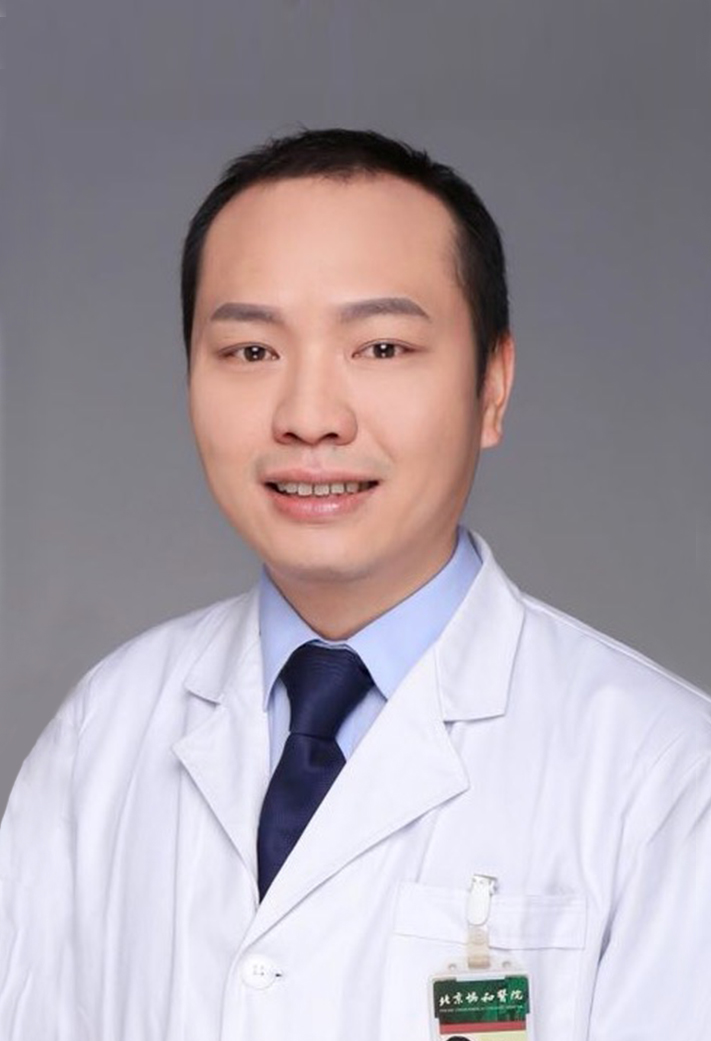 Jian Wang (王剑)合作论文数Peking Union Medical College Hospital25Song Ni合作论文数24
 Zongmin Zhang (张宗敏)合作论文数Cancer Hospital Chinese Academy of Medical Sciences24Changming An (安常明)合作论文数24Zhuan-Zhuan Mu合作论文数23YuQing Sun (孙雨晴)合作论文数22
 Zhi Yang (杨志)合作论文数Peking University National Biomedical Imaging Center;Beijing Cancer Hospital;Institute of Medical Technology, Peking University Health Science Center21Chen Liu合作论文数20Yuqin He合作论文数20Mengxin Xu合作论文数20Teng Zhao合作论文数20Junyi Chen合作论文数20
 Nan Li (李囡)合作论文数Beijing Cancer Hospital20
 Chen Wang (王宸)合作论文数Institute of Systems Medicine, Chinese Academy of Medical Sciences14
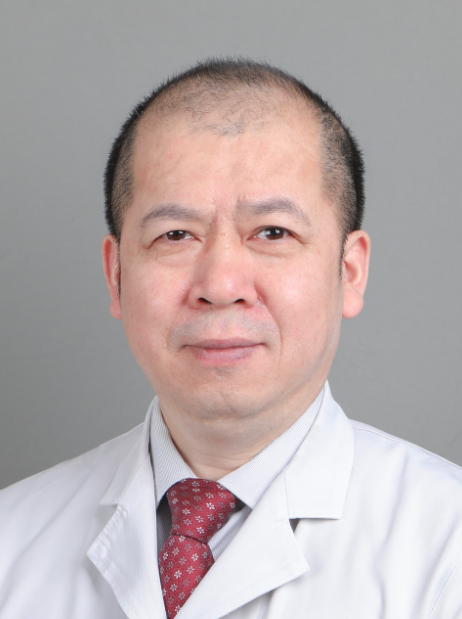 Zhiyong Liang (梁智勇)合作论文数Peking Union Medical College13Tianjun Li合作论文数12
 Yingqiang Zhang (张应强)合作论文数School of Sociology & Anthropology, Sun Yat-sen University11
 Xiaoyi Li (李小毅)合作论文数Peking Union Medical College Hospital11
 Zhengping Chen (陈正平)合作论文数Molecular Imaging Centre, Jiangsu Institute of Nuclear Medicine;School of Pharmacy, Nanjing Medical University11Di Sun合作论文数10Yanqing Liu (刘延晴)合作论文数Chinese Acad Med Sci & Peking Union Med Coll, Peking Union Med Coll Hosp10
 Zhaohui Zhu (朱朝晖)合作论文数Peking Union Medical College Hospital10
 Zairong Gao (高再荣)合作论文数Union Hospital Tongji Medical College, Huazhong University of Science and Technology;Tongji Medical College, Huazhong University of Science and Technology10Hui Cong合作论文数9LiHeng Qiu (邱李恒)合作论文数9Hui Li合作论文数9Chao Meng (孟超)合作论文数9Jie-Rui Liu合作论文数8Ke Yang合作论文数8
 Qinghai Ji (嵇庆海)合作论文数Fudan University Shanghai Cancer Center8
 Jian Tan (谭建)合作论文数The First Clinical School of Tianjin Medical University8
 Hui Yang合作论文数Institute of Semiconductors, Chinese Academy of Sciences8Xiaona Jin合作论文数8Xin Zhang合作论文数8Yingjie Zhang合作论文数7Linfa Li合作论文数7Shiyu DING (丁时禹)合作论文数7ZengShou Kang (康增寿)合作论文数7Wen Gao (高文)合作论文数7
 Guang Chen (陈光)合作论文数Bethune First Hospital of Jilin University7




