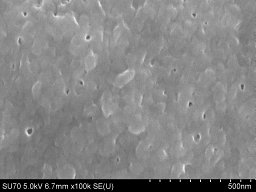
The increasing discharge of phenolic contaminants into marine ecosystems has created an urgent need for sensitive, environmentally sustainable detection systems for water-quality monitoring. This study aimed to develop a Schiff base-modified chitosan hydrogel sensor for the simultaneous electrochemical detection of catechol (CC) and hydroquinone (HQ) in seawater samples. The PY-CH hydrogel was synthesized via a Schiff base condensation reaction between chitosan amino groups and 1-pyrene carboxaldehyde, and then fabricated onto a screen-printed carbon electrode (SPCE). Structural, thermal, and morphological characteristics of the synthesized material were examined using FTIR, XRD, TGA, and SEM. At the same time, electrochemical properties were evaluated using cyclic voltammetry, electrochemical impedance spectroscopy, and square-wave voltammetry. The modified PY-CH/SPCE sensor exhibited enhanced electron-transfer behavior, with well-defined, well-separated oxidation peaks for CC and HQ. The sensor demonstrated low detection limits of 0.91 μM for CC and 0.98 μM for HQ with excellent selectivity against interfering compounds. Seawater analysis further showed recovery efficiencies above 98.7%, confirming high analytical precision and stability. These findings demonstrate that the PY-CH/SPCE platform provides a low-cost, eco-friendly, and highly efficient sensing strategy for monitoring hazardous phenolic pollutants in complex marine environments.
Oxytetracycline (OTC) residues seriously threaten human health, as they may trigger allergic responses, hepatotoxicity, and the development of bacterial resistance. Detecting OTC in samples is therefore important. This work developed a pyrene-based fluorescent molecularly imprinted polymer (Py-FMIP) for rapid and selective detection of OTC. N-allyl-4-(pyren-1-yl) butanamide (Al-Py), a new alkenyl functional monomer, was synthesized from 1-pyrenebutyric acid as the raw material through a simple synthesis process. Py-FMIP was then obtained with Al-Py as a functional monomer and OTC as a template molecule. The absolute fluorescence quantum yields of Al-Py and Py-FMIP were 74.05% and 69.27%, respectively, suggesting high fluorescence performances of the two materials. The fluorescence of Py-FMIP was strongly quenched by OTC through the inner filter effect. The prepared Py-FMIP sensor responded to OTC within 1 min, with a linear detection range of 0.5-150 µM, and its detection limit was 0.05 µM (S/N = 3). The prepared Py-FMIP sensor also exhibited notable selectivity toward OTC. The recoveries of the Py-FMIP fluorescent sensor ranged from 96.37% to 104.60% in milk and tap water, with relative standard deviations lower than 5.13%.
The construction of heterojunctions is a promising approach for enhancing photocatalytic activity. In this study, the S-scheme heterojunction of Bi5O7I/SnO2-x/CD-MOF (BSM) was successfully synthesized for the degradation of organic pollutants. This was achieved by optimizing the assembly of tin dioxide with γ-cyclodextrin metal-organic frameworks and Bi5O7I. The S-scheme heterojunction demonstrated superior photocatalytic degradation performance for tetracycline (97.7%), rhodamine B (99.5%) and ciprofloxacin (95.2%) compared to pure Bi5O7I and SnO2-x/CD-MOF (SM) under visible light. The unique three-dimensional structure of Bi5O7I nanosheets, which interconnect, intersperse, and encapsulate SM, creates a compact electron transport pathway. The larger specific surface area and the presence of oxygen vacancies in BSM provide plenty of adsorption sites and active centers, improving the charge separation and transfer, and significantly boosting the catalytic performance. Trapping experiments for active species and electron paramagnetic resonance (EPR) analysis revealed the crucial roles of superoxide radicals (·O2-), photogenerated holes (h+), and hydroxyl radicals (·OH) in the degradation of organic pollutants. This is a result of the distinct S-scheme charge transfer mechanism, which preserves the exceptional redox capacity of Bi5O7I and SM. The degradation pathways of tetracycline and the toxicity of various intermediates were further analyzed, confirming that BSM is an environmentally friendly composite. This study proposes a green and efficient methodology for the degradation of organic pollutants in wastewater, and BSM S-scheme heterojunction photocatalysts are promising candidates for the treatment of organic pollutants.
The prevention and management of solid waste are intricately linked to the control of water, air, and soil pollution, making it a critical aspect of environmental protection. In response to the escalating solid waste and air pollution caused by the coatings industry, we adopt a waste-to-resource approach by recycling and reusing paint residues. This study investigates the use of paint residue as a raw material, modified with urea, KOH, and HCl to synthesize high-quality activated carbon for o-xylene adsorption. Dynamic adsorption experiments reveal that PAU-K8H0.3 exhibits the highest o-xylene adsorption capacity (309 mg/g), surpassing previous findings. Comprehensive characterization indicates that micropores are the primary sites for o-xylene adsorption, while mesopores significantly enhance its diffusion. Additionally, the presence of nitrogen and oxygen-containing functional groups on the surface increases the chemical adsorption of o-xylene through electrostatic forces and π-π interactions. The pseudo-first-order kinetic model best describes o-xylene adsorption. The equilibrium adsorption data align closely with the Freundlich isotherm model, suggesting multilayer adsorption. The intraparticle diffusion model indicates that both boundary layer diffusion and intraparticle diffusion may contribute to the adsorption process. The adsorption mechanism of activated carbon on o-xylene involves van der Waals forces, hydrogen bonding, π–π interactions, and electrostatic forces. The adsorption–desorption cycling experiments indicate that activated carbon is difficult to completely desorb at room temperature. However, as the desorption temperature increases, its adsorption capacity significantly recovers, achieving full regeneration at 120 ℃. The pore structure and specific surface area play a decisive role in the adsorption–desorption performance and regeneration efficiency of activated carbon. Optimizing the pore structure is the key strategy to enhance the regeneration performance of adsorbents.
To enhance the performance of environmentally friendly cyclodextrin metal-organic framework (CD-MOF) materials for more effective removal of organic pollutants and wastewater treatment, also the composites underwent optimization, and the adsorption-enhanced photocatalytic mechanism was thoroughly investigated. This study presents the synthesis of novel SnO2-x/CD-MOF (SCM) photocatalysts were prepared by a simple solvothermal method, which were characterized by oxygen vacancies (OVs), high specific surface area and heterojunction. SCM exhibited outstanding photodegradation performance for rhodamine B (RhB) and tetracycline (TC) when exposed to visible light. Specifically, the RhB removal efficiency was an impressive 93.5 %, achieved with a degradation rate constant of 0.0484 min(-1), while the removal efficiency of TC was 83.1 %, with a degradation rate constant of 0.0246 min(-1). The photodegradation activity of SCM was predominantly influenced by center dot O-2(-) , h(+), and center dot OH. The mechanism of action involves three phases: adsorption, photocatalysis, and desorption-diffusion. The exceptional performance of SCM in terms of photocatalysis can be gave the credit to the synergistic effect of the high specific surface area of gamma-CD-MOF and the oxygen vacancy-induced enhancement of SnO2-x catalytic activity. TC degradation intermediates and possible degradation pathways were analyzed and the toxicity of the intermediates was assessed. This study introduces a novel approach to designing CD-MOFbased photocatalysts.
Due to its high energy density, non-toxic, economical and efficient, manganese oxide stands out as a promising cathode material for employment in aqueous zinc-ion batteries. However, the Jahn-Teller effect of Mn3+ and manganese dissolution impose limitations on the widespread application of aqueous zinc-ion batteries during charging and discharging. Herein, the Co doped Mn2O3 electrode material is introduced. Co atoms in the low valence state replace Mn in the manganese oxide lattice, which effectively regulates the layer spacing of Mn2O3. This modulation maintains the structural stability of the electrode during cycling, prevents structural collapse, and inhibits manganese dissolution and the Jahn-Teller effect. Additionally, Co doping increased oxygen vacancies and improved the conductivity of zinc-ion batteries. The Co-Mn2O3 electrode exhibits a high specific capacity of 478 mAh.g- 1 at 0.1 A g- 1 current density, with 93 % capacity retention 1000 cycles at 1 A g- 1 current density. This study delves into the role of Co doping in suppressing the Jahn-Teller effect, offering new insights for improving manganese oxide as an anode material for zinc-ion batteries.
Metal-organic frameworks (MOFs) have attracted attention in electrocatalysis due to their tunable structures and abundant active sites. However, their low conductivity, limited stability, and dependence on expensive precursors hinder their practical application. Therefore, developing MOF-based catalytic materials with high activity, strong stability, and resource utilization potential is a key challenge. This study introduces a novel electrocatalyst for the composite of CeFe-MOF and industrial paint sludge-derived activated carbon (PAC) named as CeFe-MOF/PAC-200. The Al from the PAC were incorporated into the MOF lattice, enabling multi-metal coordination and optimizing electronic properties, which enhances catalytic activity. Furthermore, CaCO3 from the PAC provided abundant oxygen vacancies and improved the dispersion and conductivity of CeFe-MOF. Low-temperature calcination was used to adjust the Ce3+/Ce4+ ratio, promoting oxygen vacancy formation, improving electron transfer, and lowering charge transfer resistance. Electrochemical tests demonstrate that the composite catalyst exhibits outstanding activity over a broad pH range (alkaline, acidic and neutral), achieving low overpotentials for both hydrogen evolution reaction (HER) and oxygen evolution reaction (OER) (HER η10 = 61-256 mV; OER η10 = 252-815 mV), and maintaining stability for 50 h. This work provides a waste-to-catalyst strategy for designing high-performance electrocatalysts, simultaneously advancing catalytic performance and resource upcycling, thereby offers a sustainable pathway toward cost-efficient energy conversion technologies.
Norfloxacin (NOR) pollution in water threatens ecosystems and human health by promoting antibiotic resistance. Bismuth oxybromide (BiOBr) degrades organics under light but suffers from low charge separation and light utilization, limiting practical antibiotic remediation. In situ constructed Bi/BiOBr nanoflower (BBOB-5) synergize built-in electric field and surface plasmon resonance (SPR) effect to achieve 100% NOR degradation within 20 min under visible light with a rate constant of 0.2063 min-1. In addition, BBOB-5 outperforms BiOBr in photocatalytic pollutant removal and hydrogen peroxide (H2O2) production due to its unique structure and synergistic effects. The system enhances charge separation and "hot electron" generation, validated by electron spin resonance (ESR) and density functional theory (DFT) analyses, while reducing ecotoxicity via defluorination pathways. BBOB-5 demonstrates robust photocatalytic performance in real natural water bodies (lake, river, and seawater), retaining 80% efficiency after five cycles via scalable synthesis, reducing environmental risks without resource recovery claims. Ecotoxicity assessments and wheat seed bioassays show significantly reduced toxicity of degradation intermediates, aligning with environmentally friendly principles. This work advances plasmonic-electric field photocatalysts, enabling high-performance antibiotic degradation coupled with the beneficial in situ generation of H2O2, thereby offering a sustainable paradigm for efficient wastewater purification and environmental risk mitigation.
The alkaline water electrolysis holds great potential in industrial green hydrogen production, and the design and synthesis of electrocatalysts with excellent alkaline hydrogen evolution reaction (HER) activity are a crucial step towards the industrialization of hydrogen energy. In recent years, hydrogen spillover-based binary component (HSBBC) electrocatalysts have garnered widespread attention due to their unique reaction mechanism. Herein, we have synthesized Cu/SnO2-X electrocatalysts with heterointerface using a simple and feasible strategy. Theoretical calculations and structural characterization reveal a synergistic mechanism between metal Cu and the SnO2 support, where hydrogen intermediate (H*) generated from water dissociation on SnO2 migrates via a moderate heterointerface to the Cu sites for H2 formation and release. Thus, establishing the hydrogen spillover channel of SnO2 -* interface -* Cu that is favorable both kinetically and thermodynamically. Additionally, the electronic interaction between metal and support induces charge redistribution via the heterointerface, reducing the steric blocking of active sites and facilitating water dissociation, ultimately accelerating the alkaline HER kinetics while enhancing durability. As a result, the hybridized Cu/SnO2-15 electrocatalyst readily acheves an overpotential of 214 mV at 10 mA cm- 2 and demonstrates excellent stability after 3000 CV cycles. Furthermore, the calculated turnover frequency (TOF) indicates that the intrinsic activity of Cu/SnO2-15 is approximately five times greater than that of pure SnO2. The concept elucidated in this work provides a straightforward approach to unlocking the potential of non-precious metals with low activity in the field of alkaline HER.
Under the global imperative of carbon neutrality, hydrogen energy has emerged as a pivotal clean energy carrier. Water electrolysis stands as a critical pathway for green hydrogen production, yet its economic viability remains constrained by the high cost of noble metal-based catalysts. Herein, we have developed a non-precious bifunctional Fe3O4/Cu2O heterojunction catalyst via a single-step solvothermal synthesis, effectively mitigating phase separation issues inherent in conventional multi-step approaches. The composite features Fe3O4 nanoparticles uniformly anchored on a Cu2O substrate, forming a hierarchically porous architecture that synergizes the mesoporous characteristics of Fe3O4 with the macroporous framework of Cu2O, thereby optimizing active site exposure and reactant diffusion. Various characterizations and theoretical calculation analyses reveal robust interfacial charge transfer between Cu and Fe, which significantly reduces energy barriers for both hydrogen evolution reaction (HER) and oxygen evolution reaction (OER), while the formation of a p-n heterojunction enhances charge transport kinetics. Electrochemical evaluations demonstrate exceptional bifunctional activity and stability in alkaline media, achieving low overpotentials of 107 mV (HER) and 157 mV (OER) at 10 mA cm-2, maintaining stable operation for over 50 h. Furthermore, the assembled alkaline electrolyzer requires only 1.42 V to drive overall water splitting. This work advances the rational design of cost-effective bifunctional catalysts through interfacial electronic modulation and structural engineering, offering a promising strategy to accelerate scalable green hydrogen production and support carbon-neutral energy systems.
Traditional photocatalytic technology for reducing hexavalent chromium (Cr(VI)) in wastewater suffers from crucial light-source dependence, with efficiency plummeting during light interruption due to the negligible effectiveness of dark-state photocatalysis. To address this limitation, a boron-doped cyanamide-modified carbon nitride (BCNM) was synthesized for efficiently continuous light-dark photocatalytic reduction of Cr(VI) by mimicking natural photosynthesis. B-doping optimized the band structure of g-C3N4 with narrower band gap and enhanced light absorption, while cyanamide modification provided electron storage sites for facilitating charges retention under light and subsequent release in dark-state. Consequently, BCNM achieved a Cr(VI) reduction rate of 34.6 mg/(L & sdot;h) under dark conditions, a 43-fold enhancement over the unmodified control with 99.9 % removal efficiency after 1 h of light-dark cycling, induced by the synergistic effect of B-doping and cyanamide-modification. Furthermore, structural and electrochemical analyses confirmed the charge storage-release mechanism. By converting intermittent solar energy into persistent catalytic power, BCNM pioneers new promising ways to round-the-clock wastewater treatment, offering a sustainable solution for heavy-metal pollution control.
Antibiotic residues like tetracycline hydrochloride (TCH) in water threaten ecosystems and human health, yet traditional photocatalysts struggle with low visible-light utilization and rapid photogenerated carriers recombination. This study presents a Bi/CAU-17 heterojunction designed as a photo-antenna/reaction center system, where metallic Bi acts as the light-harvesting antenna via the surface plasmon resonance (SPR) effect, and the CAU-17 metal-organic framework serves as the reaction center. The Bi/CAU-17 composite is synthesized via an in-situ reduction method, where Bi is generated on the surface of CAU-17, The research aims to elucidate the mechanisms by which the SPR effect influences the separation of photogenerated electron-hole pairs and improves the degradation efficiency of TCH. Under visible light, the optimized Bi/CAU-17 achieves 99.6 % TCH degradation within 60 min, with the pseudo-first-order rate constant (k) constant 9.45 times higher than pristine CAU-17. Mechanistic studies reveal that the SPR-enhanced heterojunction promotes the production of & sdot;O2- as the dominant reactive species. Ecotoxicity assays (fish, daphnid, green algae and rat) confirm mineralization into non-toxic end products. This study also evaluates the ecotoxicity of degradation processes, confirming safe mineralization of intermediates into non-toxic end products. Notably, the practical applicability of the Bi/CAU17 catalyst in real water sources maintain high degradation efficiency under sunlight irradiation. By integrating the photo-antenna concept with MOF-based reaction centers, this work demonstrates a scalable strategy for developing efficient plasmonic photocatalysts, providing valuable insights into the design of efficient photocatalyst for environmental remediation, particularly in the efficient degradation of antibiotic pollutants.
The application of metal-based catalysts derived from metal-organic frameworks (MOFs) to activate peroxymonosulfate (PMS) in wastewater decontamination has attracted enormous attention, but its common radical pathway extremely restricted its practical application due to the unavoidable quenching effect from water matrices. Herein, a biomass-derived carbon loading strategy was adopted to transform the reaction pathway from radical to non-radical. First, CuOx-C@CCDC (CCDC denotes the carboxylated cotton-derived carbon) was fabricated with Cu-MOFs/cotton as precursors. Serving as a PMS activator, CuOx-C@CCDC performs well for Fenton-like degradation of sulfoxazole (SIZ), attributing to the synergism between CuOx-C and CCDC, and its apparent rate constant (Kobs) for CuOx-C@CCDC was found to be 6.47 and 10.44 times higher than that of CuOxC and CCDC, respectively. Mechanistic analysis by a series of characterization technologies including in-situ Raman spectroscopy, in-situ Fourier infrared spectroscopy, electron paramagnetic resonance spectroscopy, and electrochemical analysis unveiled that the radical pathway dominated by center dot OH made the main contribution in the CuOx-C/PMS system. In contrast, the electron-transfer-mediated nonradical pathway was responsible for SIZ degradation in the CuOx-C@CCDC/PMS system, wherein CuOx-C@CCDC functioned as the conductive mediator to transfer electron from SIZ to the surface-confined PMS*. Benefited from this, other electron-rich refractory organic pollutants including sulfamethoxazole, ciprofloxacin and tetracycline hydrochloride could also be efficiently eliminated. In addition, its superiorities including good recyclability, robustness, wide pH range, strong anti-interference against various inorganic anions and adaptability for actual wastewater display a promising prospect. Overall, this work provides a facile and feasible strategy to regulate the reaction pathways in PMSbased advanced oxidation processes.
Here, we demonstrate that the iron (Fe) single-atom nanozyme (SAzyme) exhibits excellent peroxidase (POD)-like activity, triggering a unique electron-transfer oxidation mechanism in Fenton-like reactions. The Fe-SAzyme was fabricated by embedding an enzyme-mimicking single-atom iron (EMSA-Fe) site supported on nitrogen-rich graphene (NG). The EMSA-Fe-NG SAzyme showed exceptional POD-like activity (9.70 s(-)(1)) and high catalytic efficiency (6.47 x 10(5) M--(1) s(-)(1)), surpassing those of natural horseradish peroxidase, and the state-of-the-art SAzymes and nanozymes. Mechanism studies revealed that the medium-spin Fe(II) species in EMSA-Fe-NG possesses moderate adsorption affinity toward H2O2, facilitating H2O2 activation via an electron-transfer pathway. The EMSA-Fe-NG+H2O2 system exhibited outstanding performance in the oxidation of organic micropollutants and the inactivation of multidrug-resistant bacteria, achieving high pollutants' removal efficiency (> 95 %) and sterilization rate (>96 %). This study highlights the spin-dependent POD-like activity of artificial Fe-SAzymes and the potential application of advanced SAzymes for environmental remediation.
The catalytic hydrodechlorination (HDC) technology exhibits great flexibility and safety under mild conditions, and shows extremely promising application prospects for the degradation of 4-Chlorophenol (4-CP). Prepare the N-doped phenolic resin carbon support (PMF) using phenol, melamine and formaldehyde as raw materials, and load Pd nanoparticles (NPs) on it. The XPS results indicate that the Pd/PMF-800 has a higher Pyridine-N (24.8%) and a higher Pd0/(Pd2++Pd0) ratio (65.4%). Moreover, the difference in electronegativity between the N atom and the resin carbon support enhances the binding energy between them. This enhancement promotes the nucleation of Pd NPs on the surface of the resin carbon support, thereby imparting higher stability to the Pd NPs. Due to these comprehensive advantages, Pd/PMF-800 has the highest dechlorination activity (kobs = 0.0594 min⁻¹) and stability (dechlorination rate is 91.56% after 5 cycle). Additionally, it also demonstrates efficient dehalogenation rates for 2-Chlorophenol and 4-Bromophenol. It can provide a catalyst that has high-efficiency dehalogenation performance, strong acid and alkali stability and adaptability, and can be recycled for the degradation of halogenated phenols in the environment.
Selective generation and effective utilization of sulfate radicals (SO4-) in water treatment has been restrained by the multiple reaction pathways of Fenton-like catalysis and the short radical lifetime. Here, we designed a nanocomposite composed of hydroxyapatite (HAP) 'core' and single-atom Co (CoSA) catalyst 'shell' that creates a nanoconfined environment for selective generation of the surface-bound SO4- via peroxymonosulfate (PMS) activation. This surface-confinement strategy markedly prolongs the half-lifetime of sulfate radicals from 40.0 μs (free SO4-) to 72.7 μs (surface-bound SO4-), thus improving the utilization efficiency of SO4- radical. In situ spectroscopy and computations revealed that the CoSA 'shell' activated PMS and the HAP 'core' with abundant oxygen vacancy stabilized PMS and SO4-, resulting in oriented generation of the surface-confined SO4-. Mechanisms studies demonstrated that the HAP@CoSA/PMS system effectively degraded diverse emerging organic contaminants (EOCs) by the inner-surface-bound SO4-. Moreover, the HAP@CoSA catalyst flocculated natural organic matter (NOM) through outer-surface complexation by the released Ca2+ ions, excluding coexisting NOM from the nanoconfined inner-surface. The cooperative coupling of nanoclay-mediated flocculation and confined Fenton-like oxidation provides an efficient and robust platform for selective oxidation of EOCs in complex real waters.
CuFe 2 O 4 @CuFeS 2 heterostructure electrodes with covalent S–O bonds are synthesized. H 3 O + intermediates accumulate at electron-rich O δ − sites, forming a localized acidic microenvironment and accelerating the hydrogen spillover process.
Single-atom nanozymes (SAzymes), designed to mimic the active centers of natural enzymes, are emerging as a versatile catalytic platform for heterogeneous catalysis. Herein, enzyme-mimicking single-atom manganese (EMSA-Mn) sites supported on graphitic carbon nitride (g-C3N4) were constructed, marking a pioneering application of EMSA-Mn-C3N4 for periodate (PI; IO4-)-based advanced oxidation processes (AOPs). The EMSA-Mn-C3N4/PI system demonstrated remarkable efficiency in eliminating organic micropollutants across a broad pH range (pH 3-11). The positively charged EMSA-Mn sites facilitated the adsorption of the negatively charged IO4-, forming the EMSA-Mn-PI* complex, subsequently triggering a direct electron-transfer process (ETP) for oxidation of the organic pollutants. Experimental and theoretical results revealed that the EMSA-Mn site possesses higher intrinsic activity than conventional SA-Mn sites anchored on g-C3N4, thereby achieving higher efficiency for PI activation via the ETP. This work provides an advanced design strategy to construct Mn SAzymes for environmental catalysis and deeper insights into the nonradical PI-AOP systems.
Membrane bioreactor (MBR) has been widely applied in landfill leachate treatment, with significant efforts focusing on sustainable and non-toxic strategies for biofouling mitigation. This study investigated the potential of the quorum quenching (QQ) bacterium Brucella sp. ZJ1 to control biofouling in a MBR system treating landfill leachate. Results demonstrate that QQ-MBR extended the time to reach a transmembrane pressure of 35 kPa by 3 similar to 10-fold compared with the control. After being operated in MBR for 40 days, QQ beads retained about 40 % of their quorum sensing (QS) signals degradation activity. Biofouling reduction was driven by surface scouring, alongside a notable QQ effect, evidenced by 27-41 % lower extracellular polymeric substance (EPS) concentrations and 60 % lower QS signal levels. Metagenomic analysis revealed that QQ beads significantly reduced QS-related and EPS production genes while increasing QQ-related genes in the membrane biocake, effectively mitigating biofouling. This study highlighted the role of QQ in reshaping the microbial community to sustainably reduce biofouling in landfill leachate MBR treatment.
Effective catalytic combustion of volatile organic compounds (VOCs) requires catalysts with optimized structural and electronic properties. For alpha-MnO2, structural modulation, particularly via alkali metal integration, can enhance active site availability and stability, making it a promising candidate for VOC oxidation applications. Herein, structural modification of alpha-MnO2 through varying potassium ion concentrations and spatial distribution was explored by solid-phase grinding with KNOB treatment. The KMO-3 catalyst exhibited the lowest o-xylene oxidation temperature (199 degrees C) and activation energy (39.824 kJ/mol) with 60000 mL & sdot;g-1 & sdot;h-1 WHSV and 500 ppm o-xylene, outperforming other reported catalysts in literatures. Comprehensive characterization results demonstrated that the alkaline modification approach facilitated optimal ionic placement and active site exposure, effectively improving oxidation efficiency. Surface-distributed K was more conducive to the generation of reactive oxygen species and oxygen vacancies than channel-confined K in alpha-MnO2. Theoretical calculations provided insights into ion distribution and electronic structure adjustments within alpha-MnO2, showing the changes in electronic density around active sites. The structural modulation and K redistribution boosted O2 dissociation and lattice oxygen activation, contributing to the superior catalytic activity in o-xylene oxidation. This work offers inspiration for tailoring tunnel-structured catalysts and alkali metal modification research, with significant potential for the purification of industrial exhaust gases.
 Hongjun Lin (林红军)合作论文数College of Geography and Environmental Sciences, Zhejiang Normal University124
 Ai-Jun Wang (王爱军)合作论文数College of Geography and Environmental Sciences, Zhejiang Normal University77
 Jiuju Feng (冯九菊)合作论文数College Of Chemistry And Materials Science, Zhejiang Normal University62
 Huachang Hong合作论文数College of Geography and Environmental Sciences, Zhejiang Normal University51Xilin Wu合作论文数47YanChao Xu合作论文数beijing,China42
 Zhaosheng Qian (钱兆生)合作论文数College of Chemistry and Materials Science, Zhejiang Normal University42Hui Feng合作论文数38Shuxian Zhong (仲淑贤)合作论文数38Yang Jiao合作论文数35Xiaohua Wu合作论文数27
 Liguo Shen合作论文数26Haiying Yu合作论文数22
 Keming Fang (方克明)合作论文数School of Metallurgical and Ecological Engineering, University of Science and Technology Beijing18
 Yiming He (何益明)合作论文数Department of Materials Science and Engineering, College of Physics and Electronic Information Engineering, Zhejiang Normal University18Song Zhang (张松)合作论文数Shenyang University Of Technology18
 Xiangke Wang (王祥科)合作论文数College of Environmental Science and Engineering, North China Electric Power University17
 Baoqiang Liao合作论文数Department of Chemical Engineering and Applied Chemistry, University of Toronto17
 Chonghong Zhang (张崇宏)合作论文数Institute of Modern Physics, Chinese Academy of Sciences;University of Chinese Academy of Sciences16
 Yanmin Jia (贾艳敏)合作论文数College of Physics and Electronic Information Engineering, Zhejiang Normal University16
 Yuqing Mou (缪煜清)合作论文数School of Materials and Chemistry, University of Shanghai for Science and Technology16
 Xiaomei Su合作论文数15Song Bai合作论文数15Fangyuan Wang合作论文数13Wang Weiping合作论文数13Shanshan Li合作论文数13
 Jin Zhou (周晋)合作论文数School of Chemistry and Chemical Engineering, Shandong University of Technology13
 Faqian Sun合作论文数Institute of Environmental Science and Technology, Zhejiang University13Xiaoyue Shan合作论文数12Nana Wang合作论文数12
 Xiao Zhang合作论文数Univ Texas Austin, Mat Sci & Engn Program, Austin, TX 78712 USA12Ran Wang合作论文数12JiGen Mou (缪吉根)合作论文数12
 Hongjie Sun合作论文数Nanjing University, Nanjing University12Jiening Zheng合作论文数12Qiang Zhang合作论文数11J. B. Zhang合作论文数11Congcong Chen合作论文数11RongWu Mei (梅荣武)合作论文数11Meng Xie合作论文数11Chai Lujing合作论文数10
 Zheng Wu合作论文数10Lanju Wu合作论文数10Ling Zhang (张凌)合作论文数College of Chemistry and Molecular Sciences, Henan University10
 Yihe Zhang (张以河)合作论文数School of Materials Science and Technology, China University of Geosciences10
 Baowei Hu (胡保卫)合作论文数Shaoxing University10Chao Feng合作论文数9Lijun Huang合作论文数9




