This study investigated the efficacy and safety of magnesium alloy screws in repairing small bone fractures using goat lateral femoral condyle fracture models. The animals were randomized into an experimental group receiving magnesium alloy screws (CS/Ф 3.2 × 28 mm, Suzhou Zhuoqia Medical Technology) and a control group receiving titanium alloy screws (CS/Ф 3.2 × 28 mm, Samo Medical Technology Co., Ltd). Postoperative evaluations at 3- and 6-month intervals included assessments of fracture repair, animal health, hematological parameters, histology, and screw degradation. Hematological tests revealed no significant intergroup variations. While gas accumulation near the magnesium screws was noted, the fracture healing outcomes were similar between the magnesium and titanium screw groups, with no deleterious health effects attributed to magnesium screw degradation. Gas liberation during magnesium degradation had no detrimental effect on small fracture recovery. Magnesium screw implementation appears to present no general health risks. Consequently, magnesium alloy could be a promising biomaterial for future fixation screw applications in orthopedics.
BACKGROUND:Ulnar polydactyly, a common congenital hand anomaly, exhibits significant phenotypic variability. Existing classification systems have limitations, particularly in categorizing rare variants. This study introduces a new classification system for ulnar polydactyly that addresses these limitations. METHODS:We retrospectively reviewed the medical records of 35 patients with ulnar polydactyly treated at our institution between 2010 and 2022. Data collected included patient demographics, clinical presentation, radiographic findings, family history, associated anomalies, and surgical procedures. Based on detailed morphological and radiographic assessments, we developed a novel classification system comprising five main types (0-4) and associated subtypes. RESULTS:The 35 patients (23 males, 12 females) had a mean age of 3.2 years. Thirty patients had bilateral involvement, with 16 exhibiting symmetry. In total, 65 hands were affected, and one hand was excluded because the patient underwent surgery in another hospital. Type 0 was the most common (38 cases), followed by Type 4 (19 cases), Type 3 (4 cases), and Type 1 (3 cases). Our classification system effectively categorized all cases, including rare variants such as Type 1b (duplicated distal phalanx) and Type 4d (duplication originating from the deformed fourth metacarpal), which are not adequately addressed by previous classifications. CONCLUSIONS:Existing classification systems for ulnar polydactyly omit two key variants: Type 1b (duplicated distal phalanx) and Type 4d (duplication from the deformed fourth metacarpal). Our system specifically incorporates these types, providing a more comprehensive framework to guide diagnosis and improve surgical planning for these rare conditions. TRIAL REGISTRATION:Retrospectively registered.
Background: Currently, large-sample epidemiological studies on congenital upper limb differences (CULD) in China are relatively rare. This report presents our centre’s experience on the spectrum of diseases and related factors. Methods: Information was collected from patients with CULD who underwent surgical treatment at our centre from September 2018 to October 2023. Data collection included patient name, gender, age, clinical features and diagnosis, family history, parents’ age, parents’ medical history, pregnancy history and family income. Bivariate relationships between these variables were examined. Results: The average age of the patients was 4 years; 1,398 patients (99%) were aged 9 months to 18 years, and 17 patients (1%) were adults. There were 848 males (60%) and 567 females (40%), with a statistically significant gender distribution (p < 0.05). The most common differences were polydactyly and syndactyly, accounting for 47% and 14%, respectively. Syndromic patients accounted for 14%, and cardiac conditions were the most prevalent non-musculoskeletal issue (55%). First-born patients accounted for 54% of patients, and the average age of parents for first-born patients was 30 ± 5 years for fathers and 29 ± 2 years for mothers. For non-first-born patients, the average age of parents was 33 ± 6 years for fathers and 32 ± 5 years for mothers, with a statistically significant difference between the two groups (p < 0.001). Conclusions: In China, congenital limb differences are still dominated by polydactyly and syndactyly. Heart conditions occur most frequently in patients with syndromes. Level of Evidence: Level IV (Epidemiological)
Artificial intelligence can be indirectly applied to the repair of peripheral nerve injury. Specifically, it can be used to analyze and process data regarding peripheral nerve injury and repair, while study findings on peripheral nerve injury and repair can provide valuable data to enrich artificial intelligence algorithms. To investigate advances in the use of artificial intelligence in the diagnosis, rehabilitation, and scientific examination of peripheral nerve injury, we used CiteSpace and VOSviewer software to analyze the relevant literature included in the Web of Science from 1994-2023. We identified the following research hotspots in peripheral nerve injury and repair: (1) diagnosis, classification, and prognostic assessment of peripheral nerve injury using neuroimaging and artificial intelligence techniques, such as corneal confocal microscopy and coherent anti-Stokes Raman spectroscopy; (2) motion control and rehabilitation following peripheral nerve injury using artificial neural networks and machine learning algorithms, such as wearable devices and assisted wheelchair systems; (3) improving the accuracy and effectiveness of peripheral nerve electrical stimulation therapy using artificial intelligence techniques combined with deep learning, such as implantable peripheral nerve interfaces; (4) the application of artificial intelligence technology to brain-machine interfaces for disabled patients and those with reduced mobility, enabling them to control devices such as networked hand prostheses; (5) artificial intelligence robots that can replace doctors in certain procedures during surgery or rehabilitation, thereby reducing surgical risk and complications, and facilitating postoperative recovery. Although artificial intelligence has shown many benefits and potential applications in peripheral nerve injury and repair, there are some limitations to this technology, such as the consequences of missing or imbalanced data, low data accuracy and reproducibility, and ethical issues (e.g., privacy, data security, research transparency). Future research should address the issue of data collection, as large-scale, high-quality clinical datasets are required to establish effective artificial intelligence models. Multimodal data processing is also necessary, along with interdisciplinary collaboration, medical-industrial integration, and multicenter, large-sample clinical studies.
患儿男,13岁.因远端关节挛缩影响手部功能就诊于北京积水潭医院手外科.出生后发现其颜面畸形,眉弓突出.患儿自幼跛行,7岁时父母发现其双肩关节上举受限. 10岁时患儿听力下降,听力筛查未通过,体格检查耳廓、外耳道无畸形,鼓膜完整.
在以往的各种医学期刊上,已经有众多关于如何撰写医学论文的专文,杂志主编、编辑、编委们对医学论文的书写要求做出了详尽、严谨的阐述。本文仅从一名参与医学期刊审稿工作多年的审稿者的角度,谈谈在撰写医学论文中容易出现的一些具体问题,谨与同仁们商榷和讨论。
Congenital muscular hypertrophy is a rare overgrowth disorder in the phosphatidylinositol-3-kinase related spectrum. In the past 3 years, ten patients with 11 limbs involved were treated in our centre. The aim of the study was to describe the clinical and radiological deformities of these patients. We documented the characteristic clinical morphological changes, such as hypertrophy, loss of wrist flexion, thumb hyperabduction, finger deviation and skin crease changes in the palm. Radiologically, the mean first metacarpal radial deviation angle of the affected side measured 55° (range 34 to 67) compared to the normal contralateral side 42° (range 32 to 53). The mean intermetacarpal space ratio was 1.2 (range 1.1 to 1.4) and the mean palm width ratio was 1.2 (range 1.1 to 1.3). In this study, we were able to further characterize the radiological and morphological changes of congenital muscular hypertrophy of upper limbs, which would be helpful for establishing the diagnosis and monitor treatment of this rare condition.Level of evidence: IV.
Objective:To investigate the clinical efficacy of surgical treatment of osteochondroma with finger deviation deformity in chidren.Methods:From December 2014 to December 2019, 21 patients with 45 tubular bones diagnosed as osteochondroma of the hand by X-ray were included in this study. Among them, 18 patients (28 tubular bones) received tumor resection and wedge osteotomy. A total of 11 patients (21 tubular bones) were follow-up for 6 to 24 months. The pathological diagnosis of all patients was consistent with that before operation. According to the basic information of the patient collected by the electronic medical record system and the concomitant symptoms before operation, the palmar inclination angle, radial ulnar deviation angle and tubular bone length of the X-ray anterioposterior and lateral films of the fingers before and after operation were measured by the electronic imaging system, and whether there were concomitant symptoms after operation was followed up. The above factors were statistically analyzed.Results:After osteochondroma resection, the radial and ulnar deviation angle of the tubular bone in the hand was (5.94±6.62)°, which was significantly improved from (17.06±15.40)° ( P=0.005). The palm inclination angle was (15.03±21.43)° after operation, which was significantly improved compared with (24.01±25.91)° before operation ( P=0.006). Children aged 0 to 6 years had the most obvious improvement in postoperative deflections and deformities, and the length of tubular bone was not significantly shortened after operation. Among the 21 tubular bones that were followed up, 3 (14.3%) showed new tumors on postoperative X-ray films. Conclusion:The osteochondroma resection and wedge osteotomy can effectively correct finger deviation on the basis of tumor resection.
We proposed a modification of the Rotterdam classification for thumb triplication and tetraplication. Twenty-one patients were included (24 cases of thumb triplication and four cases of tetraplication). These were analysed and classified according to a modification of the Rotterdam classification involving three steps; from the radial to ulnar side, we first identified each thumb on radiographs and gross appearance to divide into triplication or tetraplication. Second, we define the levels of duplication and established the nomenclature. Third, the aberrant features and their location were assigned for each thumb, again from radial to ulnar side. A surgical algorithm was also proposed. This modified classification may be helpful for characterizing the rare conditions of thumb triplication and tetraplication for use in patient and management and communication between surgeons.Level of evidence: III.
先天性多发关节挛缩 ( arthrogryposis multiple congenital contractures,AMC ) 等 ) [1-3] 一般用来描述先天性、可累及身体两个或更多部位的关节异常屈曲的疾病 [3].目前对于 AMC 的认识有限,甚至在众多研究和文献中使用的名称也较为混乱 [1].一般认为,AMC 是一个基于形态学特征的临床诊断 [3],包含了一组临床表现、病因各异的疾病 [1].有学者认为,与 AMC 相关的综合征可超过 400 种 [4-6],这一类疾病的表现复杂多样,关节挛缩可以出现在全身各个大、小关节,包括上肢、下肢、脊柱及颞下颌关节,挛缩表现的程度轻重不一,此外有的还可以合并中枢神经系统、呼吸系统、消化系统、泌尿生殖系统的症状 [1].
目的 探讨足部游离皮瓣修复手部中小面积创面的手术方法及临床疗效.方法 采用回顾性病例系列研究分析2012年12月至2020年6月,我院收治的19例手部中小面积创面患者临床资料,其中男15例,女4例;年龄19~59岁,平均(35.4±10.8)岁.致伤原因:机器伤11例,切割伤2例,挤压伤6例.皮肤缺损面积2.0 cm×2.5 cm~4.0 cm×10.0 cm,12例为掌侧创面,7例为侧方或背侧创面.该组病例分别采用足内侧皮瓣、足底内侧皮瓣、足背皮瓣和拇趾腓侧皮瓣进行修复.观察皮瓣供区和受区的外形、质地、厚度、色泽、感觉,用以评价皮瓣的修复效果.采用Weber两点辨别试验,评价皮瓣感觉功能的恢复.结果 术后随访6~45个月,平均(13.9±9.0)个月.所有皮瓣均顺利成活,皮瓣质地好,外形无明显臃肿.受区感觉功能重建病例8例,最终随访时两点辨别试验6~10 mm,平均(7.9±1.6)mm.结论 足部与手部的皮肤条件类似,选择合理的足部游离皮瓣修复手部中小面积创面能够满足手部受区功能和外观的要求,为该类型创面的治疗提供安全合理的治疗方式.
目的 分析镜影手畸形的临床特征和形态学特点,为准确及全面了解该罕见畸形的形态学规律提供依据.方法 纳入2011年至2020年就诊于我院手外科,形态学诊断为镜影手的患儿18例,依据首次就诊时查体及检查结果对患儿形态学特征展开分析.结果 18例均符合镜影手Al-Qattan诊断标准,均无家族遗传史.男55.6%,女44.4%,初次手术平均月龄为39.6个月(n=16).15例为单侧发病,另有Laurin-Sandrow综合征(Laurin-Sandrow syndrome,LSS)1例,Martin综合征2例;11例伴有尺骨复肢畸形.11例为7指畸形,3例8指畸形,3例6指畸形和1例罕见的5指畸形.常见手部伴发畸形:并指(n=11/18),指间及掌指关节挛缩(n=10/18)和指间关节发育不良(n=8/18).10例存在优势指蹼,7例位于尺侧4~5指间,2例位于尺侧5~6指间,1例位于尺侧3~4指间.结论 镜影手畸形以镜像性多指为特征表现,散发发病为主,并指、关节挛缩和关节发育不良是其常见伴发畸形,也可伴发手指偏斜、腕关节桡偏及肉赘样多指.
目的 介绍应用部分腕关节神经支去神经化治疗腕关节慢性疼痛的手术方法和临床治疗效果,提出本方法的临床适应证和适用范围.方法 纳入2010年8月至2020年10月就诊于本院,应用部分腕关节神经支切除术(Berger术式)治疗的25例腕关节慢性疼痛、握力显著下降、腕关节功能受限患者.其中舟月进行性塌陷(scapholunate advanced collapse,SLAC)腕3例,舟骨不愈合进行性塌陷(scaphoid non-union advanced collapse,SNAC)腕4例,创伤性腕关节炎2例,月骨缺血坏死4例,炎症性关节炎10例,无明确病因腕关节疼痛2例.本组25例术后均获1.5~8年的随访,平均5.5年.随访指标包括术后腕关节疼痛程度、腕关节活动度、握力、患侧X线检查、是否恢复原工作及对手术的满意度.疼痛视觉模拟评分(visual analogue scale,VAS)评价疼痛程度.腕关节总体功能评价采用上肢功能评分(qaick disabilities of the arm shonlder and hand,DASH)表以及并发症发生情况.结果 32%(8/25)患者获得完全疼痛缓解,48%(12/25)患者获得大部分的疼痛缓解,20%(5/25)患者未获得疼痛缓解或轻度疼痛缓解.腕关节屈伸活动度术后(83%)较术前(65%)有明显提高,桡尺偏活动和旋前旋后活动度术后较术前无明显提高.握力测量术前平均为对侧55%,术后平均为对侧75%,有明显提高.术前VAS评分平均为7.5分,术后平均为1.5分,VAS评分对比差异有统计学意义(P<0.05).术前DASH评分平均为18分,术后平均为31分,术前与术后之间差异有统计学意义(P<0.05).本组的全部病例均未发现术后伤口感染、术后感觉及肌力异常、本体感觉异常、痛性神经瘤和复杂局域疼痛综合征、Charcot关节等并发症.术后X线检查中发现48%(12/25)病例出现关节炎的进展,3例由于持续性疼痛进行了翻修手术,2例行局限性关节融合手术,1例行全腕关节融合手术.85%的患者对手术效果满意,90%的患者愿意选择相同的术式.结论 应用部分腕关节神经支去神经化手术方法简单,不影响原有的腕关节活动度,可以获得满意的疼痛缓解率.如果效果不佳,不影响二期补救性手术的进行.对于无法接受术后活动度丧失,高龄患者手术耐受性差,病因不清的腕关节慢性疼痛患者是较为理想的手术选择.
Clinical exome sequencing (CES) has shown great utility in the diagnosis of Mendelian disorders. CES can unravel secondary findings (SFs) unrelated to the primary diagnosis but with potential health implications. The American College of Medical Genetics and Genomics (ACMG) has published a guideline for reporting secondary findings and recently updated an ACMG SF v3.0 list comprising 73 genes. Several studies have been performed to explore the prevalence of SFs. However, the data were limited in the Chinese population. In this study, we evaluated the genetic data of 2987 individuals from the Deciphering Disorders Involving Scoliosis and COmorbidities (DISCO) study group in accordance with the ACMG SF v3.0 list. The detected variants were evaluated using the ACMG classification guidelines, HGMD, and ClinVar database. Totally, 157 (157/2987, 5.3%) individuals had reportable variants within genes associated with cancer, cardiovascular, metabolic, and miscellaneous phenotypes. We identified 63 known pathogenic (KP) variants in 72 individuals (72/2987, 2.4%) and 96 expected pathogenic (EP) variants in 105 individuals (3.5%). Forty-five individuals carried SFs in v3.0 newly added genes, which accounted for 1.5% of our cohort. Our findings could contribute to existing knowledge of secondary findings in different ethnicities and indicate the necessity for clinicians to update the SFs gene list.
目的 探究改良Snow-Fink肌腱移位术对重建先天性拇指发育不良患儿拇指对掌功能的效果.方法 回顾性分析我科从2014年至2021年收治的25例拇指发育不良患儿(Ⅱ型7例,ⅢA型8例,ⅢB型7例,Ⅳ型3例)的临床资料,其中Ⅱ型及4例ⅢA型患儿行改良Snow-Fink肌腱移位术,另4例ⅢA型患儿行一期虎口开大术及二期改良Snow-Fink肌腱移位术,ⅢB型及Ⅳ型患儿行一期虎口开大术+掌骨重建术,二期行改良Snow-Fink肌腱移位术.术后对患儿进行随访.从拇指外展功能、拇指对指功能、拇指对捏功能、拇指综合功能4个方面进行评价.结果 本组25例平均19.9个月,拇指桡侧外展角度平均61.0°,掌侧外展角度平均68.8°,Kapandji评分平均7.4分(满分10分),拇指对捏功能评分平均1.84分(满分2分),Goldfarb评分平均3.12分(满分4分).其中1例术后出现环指指屈肌腱粘连.结论 改良Snow-Fink肌腱移位术可用于重建Ⅱ型及一期或多期拇指重建术后的Ⅲ、Ⅳ型拇指发育不良患者的对掌功能,其操作简便,损伤小,术后可恢复良好的拇指对掌功能,是重建拇指发育不良对掌功能的手术选择之一.
Congenital contractural arachnodactyly (CCA) is a rare autosomal dominant disorder of connective tissue characterized by crumpled ears, arachnodactyly, camptodactyly, large joint contracture, and kyphoscoliosis. The nature course of CCA has not been well-described. We aim to decipher the genetic and phenotypic spectrum of CCA. The cohort was enrolled in Beijing Jishuitan Hospital and Peking Union Medical College Hospital, Beijing, China, based on Deciphering disorders Involving Scoliosis and COmorbidities (DISCO) study (http://www.discostudy.org/). Exome sequencing was performed on patients' blood DNA. A recent published CCA scoring system was validated in our cohort. Seven novel variants and three previously reported FBN2 variants were identified through exome sequencing. Two variants outside of the neonatal region of FBN2 gene were found. The phenotypes were comparable between patients in our cohort and previous literature, with arachnodactyly, camptodactyly and large joints contractures found in almost all patients. All patients eligible for analysis were successfully classified into likely CCA based on the CCA scoring system. Furthermore, we found a double disease-causing heterozygous variant of FBN2 and ANKRD11 in a patient with blended phenotypes consisting of CCA and KBG syndrome. The identification of seven novel variants broadens the mutational and phenotypic spectrum of CCA and may provide implications for genetic counseling and clinical management.
Background Skeletal deformity is characterized by an abnormal anatomical structure of bone and cartilage. In our previous studies, we have found that a substantial proportion of patients with skeletal deformity could be explained by monogenic disorders. More recently, complex phenotypes caused by more than one genetic defect (i.e., dual molecular diagnosis) have also been reported in skeletal deformities and may complicate the diagnostic odyssey of patients. In this study, we report the molecular and phenotypic characteristics of patients with dual molecular diagnosis and variable skeletal deformities. Results From 1108 patients who underwent exome sequencing, we identified eight probands with dual molecular diagnosis and variable skeletal deformities. All eight patients had dual diagnosis consisting of two autosomal dominant diseases. A total of 16 variants in 12 genes were identified, 5 of which were of de novo origin. Patients with dual molecular diagnosis presented blended phenotypes of two genetic diseases. Mendelian disorders occurred more than once include Osteogenesis Imperfecta Type I ( COL1A1 , MIM:166200), Neurofibromatosis, Type I ( NF1 , MIM:162200) and Marfan Syndrome ( FBN1 , MIM:154700). Conclusions This study demonstrated the complicated skeletal phenotypes associated with dual molecular diagnosis. Exome sequencing represents a powerful tool to detect such complex conditions.
多发内生软骨瘤病是一种常见于儿童的罕见病,多表现为管状骨内生软骨瘤引发的畸形。多发内生软骨瘤病常在儿童时期发病,随肿瘤进展可出现肢体畸形、病理骨折及恶性变等并发症。影像是其诊断的金标准,X线表现为管状骨的干骺端呈囊状或膨胀性骨质破坏,伴有不同程度的钙化。多发内生软骨瘤病依赖外科手术治疗,在繁多的术式中,皮质骨成形术展示出较高的有效率,目前手术指征和术后监测尚无定论。IDH1/2等基因已被发现与多发内生软骨瘤病发病相关,其下游蛋白可能是未来靶向治疗的突破点。
 Guanglei Tian (田光磊)合作论文数Department of Hand Surgery,Beijing Jishuitan Hospital,Beijing ,China95
 JunHui Zhao (赵俊会)合作论文数54
 ShanLin Chen (陈山林)合作论文数Beijing Jishuitan Hospital45WenYao Zhong (钟文耀)合作论文数41
 Yang Guo (郭阳)合作论文数Beijing Jishuitan Hospital27
 Zhongzhe Li (李忠哲)合作论文数Beijing Jishuitan Hospital25
 Chun Li (李淳)合作论文数Beijing Jishuitan Hospital23Yuehan Yin合作论文数22
 Yong Yang (杨勇)合作论文数Hospital for Skin Diseases, Chinese Academy of Medical Sciences22Jin Zhu (朱瑾)合作论文数Beijing Jishuitan Hospital17Yaobin Yin合作论文数15
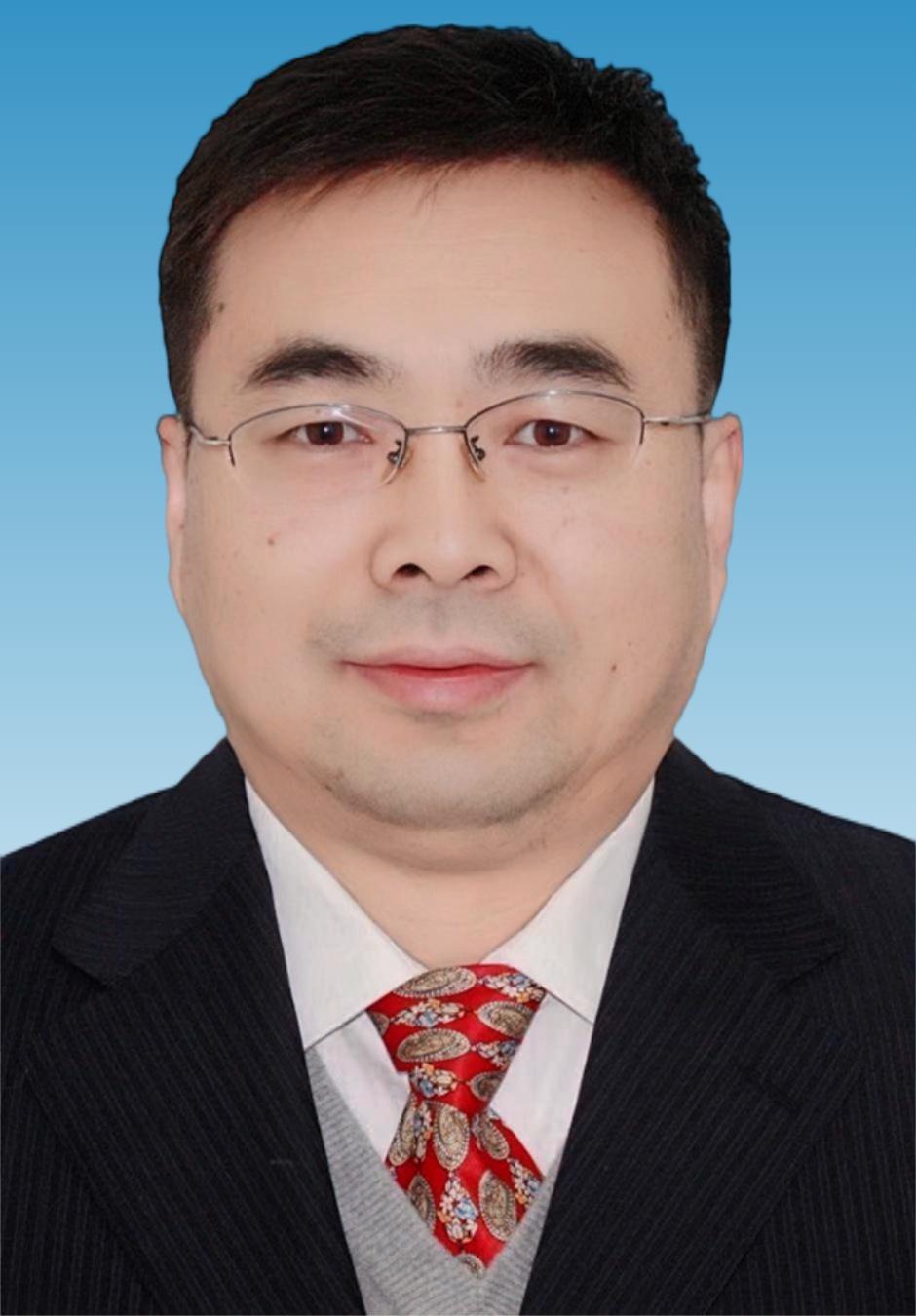 Wenjun Li (李文军)合作论文数Beijing Jishuitan Hospital15ZHAO Zong-xuan (赵宗璇)合作论文数13
 Youle Zhang (张友乐)合作论文数Beijing Jishuitan Hospital13Xue Yun-hao合作论文数12Wei Ma (马炜)合作论文数11
 Yongwei Pan (潘勇卫)合作论文数Tsinghua University Affiliated Beijing Tsinghua Changgung Hospital11
 Chuanjun Yi (易传军)合作论文数Beijing Jishuitan Hospital11
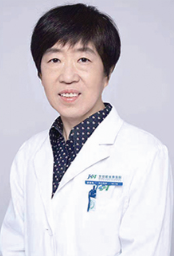 Chunmei Hou (侯春梅)合作论文数Beijing Jishuitan Hospital10
 Yingzhao Huang合作论文数DISCO (Deciphering disorders Involving Scoliosis and COmobidities) study group9Kun Liu (刘坤)合作论文数9
 Bo Liu (刘波)合作论文数Peking University People's Hospital9qingyang li (李清扬)合作论文数7YongBin Gao (郜永斌)合作论文数7Junhui Zhao (赵俊会)合作论文数7Nan Wu (吴南)合作论文数7Nan ZHANG (张楠)合作论文数6Peng Lu (卢鹏)合作论文数6Wei Zheng (郑炜)合作论文数6
 Sen Zhao合作论文数Beijing Key Laboratory for Genetic Research of Skeletal Deformity, Peking Union Medical College6
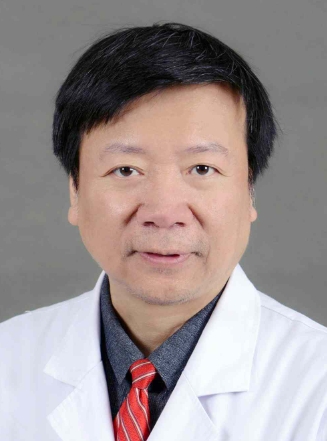 Zhihong Wu (吴志宏)合作论文数Peking Union Medical College Hospital6
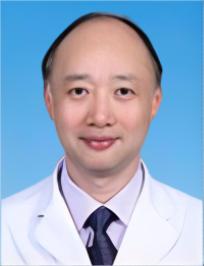 Ge Xiong (熊革)合作论文数Beijing Jishuitan Hospital6
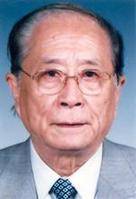 Shuhuan Wang (王澍寰)合作论文数Beijing Jishuitan Hospital6
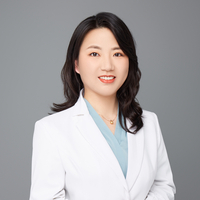 Liying Sun (孙丽颖)合作论文数Beijing Jishuitan Hospital6Yin Zhu (诸寅)合作论文数5QingTai Li (李庆泰)合作论文数5HaiHua Wang (王海华)合作论文数5
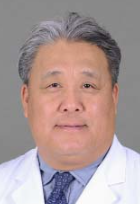 Jianguo Zhang (仉建国)合作论文数Peking Union Medical College Hospital5
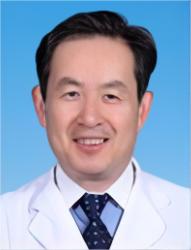 Shufeng Wang (王树锋)合作论文数Beijing Jishuitan Hospital5Nan Zhang合作论文数4JiaNing Wei (韦加宁)合作论文数4Fang Yin (尹芳)合作论文数4
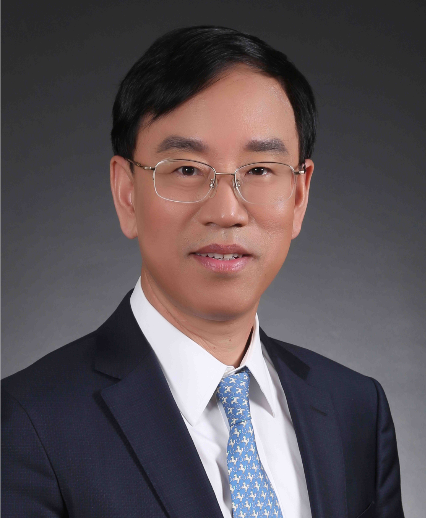 Baoguo Jiang (姜保国)合作论文数Department of Trauma and Orthopaedics, Peking University People’s Hospital;Institute for Artificial Intelligence, Peking University4
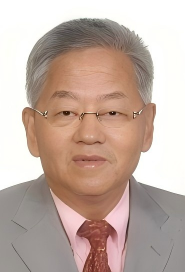 Guixing Qiu (邱贵兴)合作论文数Peking Union Medical College Hospital4Lu-fei Dai合作论文数3Long-biao YU (于龙彪)合作论文数3YanNong Su (苏彦农)合作论文数3Qi Hu (胡琪)合作论文数3




