To address the challenge of efficient coverage by multi-robot systems in non-convex regions with multiple obstacles, this paper proposes a coverage control method based on the Generalized Voronoi Graph (GVG), which has two phases: Load-Balancing Algorithm phase and Collaborative Coverage phase. In Load-Balancing Algorithm phase, the non-convex region is partitioned into multiple sub-regions based on GVG. Besides, a weighted load-balancing algorithm is developed, which considers the quality differences among sub-regions. By iteratively optimizing the robot allocation ratio, the number of robots in each sub-region is matched with the sub-region quality to achieve load balance. In Collaborative Coverage phase, each robot is controlled by a new controller to effectively coverage the region. The convergence of the method is proved and its performance is evaluated through simulations.
Networked smart building systems require coordinated energy management to ensure voltage safety, regulation performance, and scalability under limited information sharing. However, existing multi-agent reinforcement learning (MARL) methods often exhibit poor scalability in large-scale systems and may lead to unsafe behaviors during online exploration. To address these challenges, this paper formulates smart building energy management as a constrained MARL problem and proposes a safe and scalable decentralized learning framework. Specifically, a networked Markov decision process is constructed by explicitly incorporating distribution-network topology and regional communication mechanisms, thereby enabling agent coordination through structured local interactions. This formulation reduces reliance on global information and allows computational complexity to scale approximately linearly with system size. An ideal transition model is further introduced, and theoretical analysis is provided to establish probabilistic convergence of the algorithm to a near-optimal joint policy within bounded error. In addition, a state enhancement module based on hazardous-state modeling is developed to suppress unsafe exploration while preserving policy consistency. Experimental results on the IEEE 33-bus system and a customized 86-bus real-world distribution network demonstrate that the proposed framework consistently outperforms representative baselines in terms of regulation performance, voltage safety, and scalability. In large-scale scenarios, the proposed framework maintains satisfactory regulation performance with up to 1,020 agents while reducing computation time by an order of magnitude.
Autonomous surface vehicles (ASVs) are deployed in maritime missions requiring target pursuit capabilities. However, reliance on base stations for target positioning exposes ASVs to cyberattacks that corrupt sensor observations. This paper proposes a robust target pursuit framework with a long short-term memory based variational autoencoder (LSTM-VAE) and an adaptive unscented Kalman filter (UKF), based on proximal policy optimization (PPO). The LSTM-VAE, trained on normal trajectories, computes anomaly scores to gate UKF measurement updates, preventing state drift during cyberattacks. The PPO-based agent operates on the filtered state estimates, learning robust and energy-efficient pursuit policies. The effectiveness of the proposed method is validated through simulations.
Lifelong Multi-Agent Pathfinding (Lifelong MAPF) is an extension of the Multi-Agent Pathfinding (MAPF) problem. It has significant applications in scenarios such as warehouse logistics and delivery services. Narrow passages that restrict side-by-side traversal are common in such scenarios, posing a major challenge to lifelong MAPF problem.To address this issue, this paper proposes dual-layer PIBT, a lifelong MAPF method specifically designed for biconnected environments containing narrow passages. The method leverages loop decomposition of the biconnected graph to establish coordinated unidirectional constraints - all narrow passages belonging to the same loop are assigned consistent traversal directions, enabling rapid conflict-free navigation decisions.The experimental results demonstrate significant reductions in both makespan and task service time compared to the baseline method.
Traffic signal control (TSC) is still one of the most challenging and promising research issues in the field of transportation. Since traditional methods have difficulty in handling dynamically changing traffic flows, reinforcement learning (RL) methods have been introduced into TSC. However, the cost of practical application is critically high due to multiple sampling trials and long learning process. The Transformer architecture has recently attained remarkable results in natural language processing (NLP), but when applied to the field of RL, the standard Transformer architecture is difficult to optimize and faces the problem of hyperparameter sensitivity. In the paper, we transform TSC into a sequence modeling issue and propose a new evolution Transformer architecture to adjust the autoregressive model through reward, past states and actions in the traffic environment to directly generate the best predicted action. In addition, we use the feature evolution module (FEM) instead of residual connections to make the learning process more stable and efficient. Through experiments on public datasets, we demonstrate that our ETLight model achieves a state-of-the-art (SOTA): 1) It achieves the overall best performance on average travel time (ATT) metric, with improvements of up to 6.85%, 3.73% and 3.10% over the best conventional, RL and Transformer methods, respectively; 2) It has a more stable learning process, faster learning speed and better convergence compared to published TSC methods so far; and; 3) it has good robustness and is less sensitive to hyperparameter selection.
Precise and robust control of autonomous underwater vehicles (AUVs) in six degrees of freedom (6-DOF) is critical for tasks such as ocean exploration, environmental monitoring, and infrastructure inspection. Traditional model-based controllers often require accurate knowledge of vehicle dynamics, which is difficult to obtain due to environmental uncertainties and nonlinearities. In this work, we propose a model-free deep reinforcement learning (DRL) framework for 6-DOF AUV control that effectively fuses multimodal observations, including proprioceptive measurements and visual inputs from an onboard RGB camera. Low-dimensional proprioceptive states are processed through a multi-layer perceptron (MLP), while high-dimensional visual observations are encoded via a convolutional neural network (CNN). The resulting features are combined and fed into a policy trained with the Proximal Policy Optimization (PPO) algorithm to generate continuous control commands. Simulation experiments with a BlueROV2 AUV in the HoloOcean platform demonstrate that the proposed approach achieves accurate and stable pose tracking while producing smooth control actions. Ablation studies further highlight the importance of visual inputs in enhancing control performance.
Unlike most existing coverage control works that an event occurring at a location is monitored and handled by a single homogeneous robot, this work addresses scenarios requiring coordinated responses from K ≥ 2 heterogeneous robots, which is termed as heterogeneous K-order Voronoi coverage in the paper. Specifically, we incorporate different weights into the coverage cost to emphasize different aspects of performance, yielding several coverage cost functions tailored to diverse application needs. A distributed partitioning algorithm is also presented to allow heterogeneous robots to determine their monitoring cells. Based on these, a distributed control law is developed to drive the system toward an optimal configuration. The convergence of the proposed law is rigorously proved, and its effectiveness is validated through simulations and experiments.
Modern underwater acoustic sensor networks (UASNs), as vital infrastructure for marine surveillance, face dual challenges in energy-efficient sensor scheduling and correlation-aware data fusion for underewater target tracking under resource-constrained conditions. Existing UASNs-based target tracking methods suffer from key limitations, including environment-dependent scheduling with poor adaptability, reliance on predefined correlation models for multi-sensor fusion, and the separate optimization of inherently coupled tasks. To address these issues, we develop a cooperative deep reinforcement learning (CDRL)-based framework for underwater target tracking that performs joint optimization through coordinated policy design. In this framework, a scheduling agent adaptively selects energy-efficient sensing platforms under dynamic conditions, while a fusion agent implements a model-free strategy to alleviate the need for precise correlation models. Both agents are trained using Proximal Policy Optimization (PPO) within a multi-agent coordinate architecture equipped with a global critic, enabling collaborative decision-making across tasks. In addition, a mock data method is introduced to reduce reliance on accurate ground truth, enhancing robustness against non-cooperative targets. Numerical simulation and real-world experiment confirm that the proposed framework consistently outperforms conventional approaches, achieving no less than a 15% improvement in energy efficiency.
In multi-robot coverage control, ground robots aim to cover and monitor a domain optimally. However, when covering an extensive domain like a densely forested potential fire site, the sensing capabilities of ground robots are limited, resulting in poor coverage. Leveraging the aerial robots’ ability to expand sensing ranges through high-altitude flight, this paper proposes a fully distributed, air-ground coverage control scheme to address this challenge. First, aerial robots provide a low-resolution coverage of the domain. Then, they use coarse but broad sensing information to guide ground robots, with short-range but high-resolution sensing, to achieve a high-resolution coverage. Simultaneously, each aerial robot dynamically adjusts its cell size to match its load, enhancing the coverage performance. The convergence of the control scheme is proved and its performance is evaluated through simulations and experiments.
This work addresses the collaborative multi-robot autonomous online exploration problem, particularly focusing on distributed exploration planning for dynamically balanced exploration area partition and task allocation among a team of mobile robots operating in obstacle-dense non-convex environments. We present a novel topological graph structure that simultaneously characterizes both spatial connectivity and global exploration completeness of the environment. The topological graph is updated incrementally to utilize known spatial information for updating reachable spaces, while exploration targets are planned in a receding horizon fashion under global coverage guidance. A distributed weighted topological graph Voronoi algorithm is introduced implementing balanced graph space partitions of the fused topological graphs. Theoretical guarantees are provided for distributed consensus convergence and equitable graph space partitions with constant bounds. A local planner optimizes the visitation sequence of exploration targets within the balanced partitioned graph space to minimize travel distance, while generating safe, smooth, and dynamically feasible motion trajectories. Comprehensive benchmarking against state-of-the-art methods demonstrates significant improvements in exploration efficiency, completeness, and workload balance across the robot team. Note to Practitioners-This paper is motivated by the problem of collaboratively explore complex, obstacle-dense environments, such as disaster sites, warehouses, or large-scale industrial facilities. In practice, existing multi-robot exploration methods often lead to inefficiencies, redundant coverage, or an imbalance exploration load among robots. Our core innovation is a practical distributed planning framework that ensures robots dynamically balance the exploration load while efficiently covering the entire area. A novel hybrid topological graph efficiently constructs the relationship between reachable spaces and unknown exploration targets. A distributed weighted graph Voronoi partition algorithm guarantees the balancing exploration loads between robots in real-time. A local motion planner that provides safe and smooth trajectories. The performance and robustness of the proposed algorithm across different environments and parameters have been validated in multiple simulation and real-world scenarios.
Mini-light-emitting diodes (LEDs), known for their compact size and high integration, have become pivotal in the modern display industry. Accurate and efficient automated inspection of foreign mini-LEDs is essential in industrial applications to ensure reliability and quality. However, detecting defects with significant scale heterogeneity remains a formidable challenge. Current object detectors often struggle with inadequate cross-hierarchical feature fusion and limited scale awareness in localization. To address these issues, we propose a scale-adaptive representation and fusion network (SARF-Net), a novel and scale-adaptive model designed for high-precision defect detection. SARF-Net first introduces a multiscale distributed fusion neck, which adaptively aligns receptive fields and integrates hierarchical semantics through feature alignment, global fusion, and feature injection modules, enabling comprehensive perception across complex spatial scales. To enhance efficiency and preserve defect-relevant representation, we develop a cross-partial convolutions module that leverages partial convolution to selectively emphasize the most informative channels while suppressing computational redundancy. Furthermore, we incorporate a new scale center intersection over the union loss function to improve scale-sensitive optimization through pixel variance, facilitating accurate localization for defects with ambiguous boundaries. Extensive experiments on an industrial mini-LED dataset, a supplementary micro-LED dataset, and a comparable public benchmark confirm the remarkable advantages of SARF-Net in multiscale defect detection tasks. Our method achieves state-of-the-art performance, with 98.9% mAP(50)and 94.9% mAP(50:95)on the mini-LED dataset, surpassing the accuracy requirementsfor real-world production lines. The code is available at https://github.com/zhuojiama/SARF-Net
Cooperative scalar field mapping is an important task for multi-robot systems. However, the limited communication and computation resources of robots have hindered the application of cooperative field mapping in large-scale scenarios. This letter proposes an adaptive-resolution Gaussian process mapping with event-triggered distributed map fusion to overcome these resource limitations. A novel event-triggered communication mechanism is proposed for distributed map fusion under range-limited communication. A resolution adaptation method is developed to balance the mapping computation, communication resources, and accuracy. A closed-form approximated information metric is derived for faster map resolution optimization. Finally, the performances of the proposed algorithms are validated by real online light field mapping experiments.
Efficient multi-agent path finding (MAPF) is essential for large-scale warehousing and logistics systems. Despite the potential of reinforcement learning (RL) methods, current approaches struggle with challenges such as inefficient exploration, poor generalization and inadequate deadlock resolution. To address these issues, we propose a novel evolutionary reinforcement learning (ERL) framework to address the MAPF problem in large-scale warehouse environments. Specifically, the framework leverages distributed policy evolution methods to provide diverse experiences, thereby improving policy training efficiency and policy performance. We further integrate curriculum learning into this framework to improve the generality of the policy and make it scalable to larger environments. Additionally, we introduce a deadlock-breaking mechanism based on expert experience, helping to mitigate deadlock issues in large-scale and high-density scenarios. Experiments show that our method outperforms existing methods across various environments, particularly excelling in complex scenarios with over 1,000 agents.
This paper proposes a periodic dynamic event triggering depth control strategy for the uncertain nonlinear Autonomous Underwater Vehicles (AUVs) subject to time delay, which is modeled by the Interval Type-2 (IT2) fuzzy approach. To reduce the burden of network communication, a fuzzy control strategy is designed based on the periodic dynamic event triggering strategy (PDETS). The system performance of the closed-loop system is analyzed using Lyapunov functions, and the solution to the concerned control parameters is also proposed. Finally, the effectiveness of the proposed control law is validated through numerical simulations.
In many real-world applications, such as covering a potential forest fire site, homogeneous ground robots are insufficient to respond to the fire. Moreover, when the forest is dense, the sensing capabilities of ground robots are severely limited, resulting in poor coverage. To address these challenges, this paper introduces an air-ground team-based coverage control scheme, where each team consists of one aerial robot that acts as the "eye" to assist several sensing-limited ground robots in coverage. Within this scheme, two weight settings are introduced to design diverse forms of coverage cost functions, meeting diverse needs. Based on these functions, distributed coverage control laws are developed for aerial and ground robots to achieve optimal coverage collaboratively. Simulations are conducted to validate the effectiveness of the control laws.
As industrial manufacturing quality standards rise, demand for advanced defect detection models has surged. Compared to generic objects, industrial defects exhibit more diverse and complex shapes and sizes. Traditional detection models typically process each instance in isolation, leading to incomplete detections (e.g. fragmented or redundant bounding boxes) when facing such complex defect patterns. To address these challenges, we propose Relational Enhancement Network for defect detection, which enhances defect features by exploring implicit spatial and semantic relations. Our model introduces a position embedding module to map geometric features into a high-dimensional space. A relational enhancement module is proposed to integrate geometric and semantic features, capturing complex interactions among defects to enhance the original features. This process is dynamically adjusted through a relational refining mechanism. The proposed position-sensitive loss further aligns classification task with localization task using spatial metrics. Experiments on three industrial defect benchmark datasets (metals, bearings, engines, and LEDs) show our method outperforms state-of-the-art approaches in detection precision and addresses incomplete defect detection. Additionally, our method exhibits strong transferability, theoretically offering clear improvements to any similar-structured methods. The code is available at https://github.com/lhht/Relational-Enhancement-Network
Advancements in ocean reanalysis and satellite remote sensing products have opened unprecedented opportunities for using large-scale data sets to analyze and model ocean dynamics. This article utilizes the China Ocean Reanalysis Second Edition (CORA2) data set to model and estimate parameters for the ocean dynamics off the East Coast of China. A novel approach combining physics-informed neural networks with characteristic-based split is innovatively proposed to effectively analyze dynamics issues, such as surface waves and tides under open boundary conditions. This method estimates the boundary amplitude of incoming waves using multiple time-series flow field data from coastal areas in China, and uses these estimates to predict future flow field changes. By comparing with the CORA2 data set, the method not only confirms its high accuracy and reliability but also significantly improves the alignment between model predictions and actual observational data by incorporating estimates of seabed friction coefficients. This reveals the effectiveness of using large-scale data sets in conjunction with physical equations to enhance the accuracy and computational precision of ocean dynamics modeling.
With the rapid development of 5G communication, a large number of base stations with storage units have been built, and the energy storages of base stations have significant potential for utilization. Studying reasonable scheduling algorithms to efficiently integrate these units into grid demand response is of great importance. This paper focuses on the stochastic environment in which 5G base station energy storages interact with power grid scheduling and proposes a two-stage scheduling framework. This framework consists of day-ahead mathematical optimization and intra-day reinforcement learning correction to reduce the impact of uncertainty on the scheduling algorithms and enhance their adaptability to environmental randomness. Additionally, to improve the decision-making effectiveness of the intra-day correction algorithm, an algorithm named Time2Vec-Decision Transformer (T2V-DT) is proposed. This algorithm improves the extraction of time features, enhances the quality of actions, and optimizes the overall decision-making performance. A series of experiments have validated the effectiveness of the proposed two-stage framework and algorithm model. The proposed strategy offers an effective solution for 5G base station energy storages to participate in power grid scheduling, fully utilizing the advantages of energy storages.
This letter is concerned with a three-dimensional target motion analysis issue using azimuth and elevation measurements. The nonlinear relationship between these measurements and target dynamics often poses challenges for conventional methods, especially in high-noise environments. To address this challenge, a novel multi-agent deep reinforcement learning (MADRL)-based estimator is proposed for target motion parameter estimation. Specifically, by modeling each component of the target motion parameter as an individual agent, the target motion parameter estimation process is framed as a cooperative Markov game. An MADRL framework is then introduced to solve this problem. Simulation results demonstrate that the proposed algorithm achieves higher estimation accuracy than existing estimators.
Identifying articulation points (APs) is fundamental to assessing the robustness of time-varying networks. In such dynamic environments, topological changes including edge additions and deletions can instantly alter the set of APs, demanding rapid and efficient re-assessment. This paper proposes a fully distributed algorithm for identifying APs and monitoring biconnectivity. Our core contribution is an incremental update protocol. Unlike static methods that require global re-initialization which incurs high communication overhead, our algorithm propagates information from the site of the change, updating only the affected nodes' state values. This approach, which builds upon a maximum consensus protocol, not only ensures convergence to the correct AP set following topological changes but also preserves network privacy by preventing nodes from reconstructing the global topology. We provide rigorous proofs of correctness for this eventual convergence and demonstrate its applicability and efficiency through experiments.
 Meiqin Liu (刘妹琴)合作论文数College of Artificial Intelligence, Xi'an Jiaotong University;College of Electrical Engineering, Zhejiang University263
 Ronghao Zheng (郑荣濠)合作论文数College of Electrical Engineering, Zhejiang University100
 Zhen Fan (樊臻)合作论文数College of Electrical Engineering, Zhejiang University53
 Shanling Dong (董山玲)合作论文数College of Electrical Engineering, Zhejiang University47
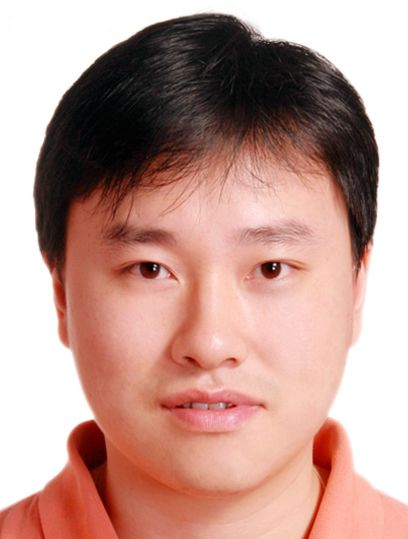 Weihua Sheng合作论文数Silexica22
 Ping Wei (魏平)合作论文数College of Artificial Intelligence, Xi'an Jiaotong University13
 Meikang Qiu合作论文数Department of Computer & Cyber Sciences, School of Computer and Cyber Sciences, Augusta University;Department of Computer Science, Texas A&M University Commerce;Department of Electrical Engineering, Columbia University13
 Qunfei Zhang (张群飞)合作论文数School of Marine Science and Technology, Northwestern Polytechnical University10
 Badong Chen (陈霸东)合作论文数Institute of Artificial Intelligence and Robotics, Xi'an Jiaotong University;College of Artificial Intelligence, Xi'an Jiaotong University10
 Yang Xu (徐阳)合作论文数Zhejiang University9
 Haiyang Chen合作论文数9
 Jianhai Zhang (张建海)合作论文数School of Computer Science, Hangzhou Dianzi University9
 Qiang Zhang合作论文数9
 Jian Lan (兰剑)合作论文数Lanzhou University8
 Gangfeng Yan (颜钢锋)合作论文数College of Electrical Engineering, Zhejiang University8
 Linlin Shi合作论文数Zhejiang Univ, Coll Elect Engn, Hangzhou, Peoples R China7Xie Wang合作论文数7Tong-yang Jiang合作论文数7Liang-fang Qian合作论文数7
 Sailing He (何赛灵)合作论文数Centre for Optical and Electromagnetic Research, College of Optical Science and Engineering, Zhejiang University7Zixiang Wang合作论文数7
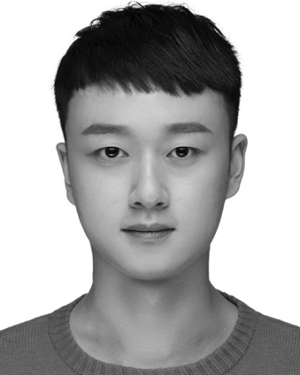 Jiaxin Zhang合作论文数6
 Xuguang Lan (兰旭光)合作论文数Institute of Artificial Intelligence and Robotics, College of Artifcial Intelligence, Xi'an Jiaotong University6
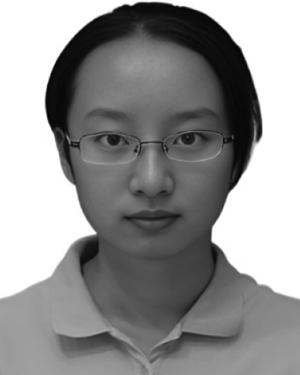 Yiwei Tian合作论文数5
 Zhengdong Yong合作论文数5
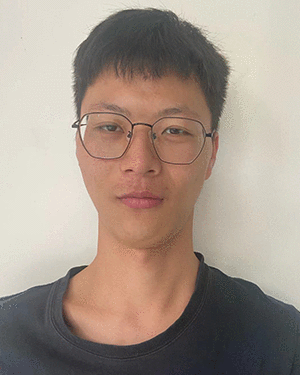 Qi Wang合作论文数State Key Laboratory of Industrial Control Technology, College of Control Science and Engineering, Zhejiang University, Hangzhou, China5
 Xueyan Han合作论文数5Huayan Chen合作论文数5
 Yan He (何衍)合作论文数College of Electrical Engineering, Zhejiang University5
 Zhunga Liu (刘准钆)合作论文数School of Automation, Northwestern Polytechnical University5Hejin Liu (刘和进)合作论文数5Tianyi Ding合作论文数4
 Jiaxi Huo合作论文数4
 Shiyou Zheng (郑时有)合作论文数School of Materials and Chemistry, University of Shanghai for Science and Technology4Yan Li合作论文数3
 Xiuquan Hou合作论文数National Key Laboratory of Human-Machine Hybrid Augmented Intelligence, Xi’an Jiaotong University;Institute of Artificial Intelligence and Robotics, Xi'an Jiaotong University3Linyao Zheng合作论文数3Chaofan Zhou合作论文数3
 Yixing Wang合作论文数3
 Yuguang Zhang合作论文数3Duo Zhang合作论文数3weihong jiang (姜位洪)合作论文数3Hong-bin LU (陆洪斌)合作论文数3Zhen Dong (董震)合作论文数3
 Yaocheng Shi (时尧成)合作论文数College of Optical Science and Engineering, Zhejiang University3
 Tian Zhou (周天)合作论文数College of Underwater Acoustic Engineering, Harbin Engineering University3
) Zhejing Bao (包哲静)合作论文数College of Electrical Engineering, Zhejiang University3Xiaofang Tang合作论文数3Qunmin Wu (吴群民)合作论文数3
Zhejing Bao (包哲静)合作论文数College of Electrical Engineering, Zhejiang University3Xiaofang Tang合作论文数3Qunmin Wu (吴群民)合作论文数3




