Introduction: Morbidity remains a common problem following pancreaticoduodenectomy. Whether preoperative body weight is associated with short-term outcomes in patients after pancreaticoduodenectomy is controversial. This study aims to investigate the relationship between preoperative body mass index and postoperative short-term outcomes in patients after pancreaticoduodenectomy. Method: The patients undergoing pancreaticoduodenectomy from January 2016 to December 2020 in our center were consecutively enrolled in this study. These patients were divided into 3 groups according to the preoperative body mass index (BMI): low-BMI group (BMI ≤ 18.4 kg/m2), normal- BMI group (BMI 18.5∼24.9 kg/m2) and high-BMI group (BMI ≥ 25.0 kg/m2). Univariable and multivariable logistic regression analyses were performed to identify the risk factors of postoperative morbidity after pancreaticoduodenectomy. Results: Of 475 patients, 41(8.6%), 288 (60.6%), and 146 (30.7%) were low-BMI, normal-BMI, and high-BMI, respectively. Postoperative overall mortality and morbidity were 1.7% and 49.5% in the whole cohort. There were no differences in 30-day mortality among the three groups. Compared with normal- BMI group, 30-day morbidity were significantly higher in low-BMI group (63.4% vs. 44.1%, P = 0.020) and high-BMI group (55.5% vs. 44.1%, P = 0.025). Multivariable analyses identified both low-BMI and high-BMI were independent associated with overall morbidity (OR 1.790, 95% CI 1.158-2.912, P = 0.005, and OR 1.635, 95% CI 1.094-2.785, P = 0.015). The similar results were also confirmed for the incidence of postoperative 30-day pancreatic fistula and surgical site infection. Conclusions: BMI could be used to predict postoperative morbidity and mortality for patients treated with pancreaticoduodenectomy.
Background: RBM10MODIFIER LETTER PRIMEs function in hepatocellular carcinoma (HCC) has rarely been addressed. We intend to explore the prognostic significance and therapeutic meaning of RBM10 in HCC in this study. Methods: Multiple common databases were integrated to analyze the expression status and prognostic meaning of RBM10 in HCC. The relationship between RBM10 mRNA level and clinical features was also assessed. Multiple enrichment analyses of the differentially expressed genes between RBM10 high-and low-transcription groups were constructed by using R software (version 4.0.2). A Search Tool for Retrieval of Interacting Genes database was used to construct the protein-protein interaction network between RBM10 and other proteins. A tumor immune estimation resource database was employed to identify the relationship between RBM10 expression and immune cell infiltrates. The prognostic value of RBM10 expression was validated in our HCC cohort by immunohistochemistry test. Results: The transcription of RBM10 mRNA was positively correlated with tumor histologic grade (p < 0.001), T classification (p < 0.001), and tumor stage (p < 0.001). High transcription of RBM10 in HCC predicted a dismal overall survival (p = 0.0037) and recurrence-free survival (p < 0.001). Kyoto Encyclopedia of Genes and Genomes, Gene Ontology, and Gene Set Enrichment Analysis all revealed that RBM10 was involved in the regulation of cell cycle, DNA replication, and immune-related pathways. Tumor immune estimation analysis revealed that RBM10 transcription was positively related to multiple immune cell infiltrates and the expressions of PD-1 and PD-L1. Conclusion: RBM10 was demonstrated to be a dismal prognostic factor and a potential biomarker for immune therapy in HCC in that it may be involved in the immune-related signaling pathways.
Objective:To investigate the expression of RNA binding motif protein 5 (RBM5) and its effect on clinical prognosis of hepatocellular carcinoma (HCC) patients after hepatectomy.Methods:Clinical data of 241 patients with HCC who underwent hepatectomy in Eastern Hepatobiliary Surgery Hospital of the Second Military Medical University from January 2007 to January 2009 were retrospectively analyzed. Among them, 209 patients were male and 32 female, aged from 29 to 72 years with a median of 52 years. The informed consents of all patients were obtained and the local ethical committee approval was received. All patients were divided into the high-expression group (n=101) and low-expression group (n=140) according to the optimal cut-off value of RBM5 expression level. The expression level of RBM5 in HCC was analyzed using t test. Survival analysis was performed by Kaplan-Meier method and Log-rank test. The risk factors for prognosis of HCC patients were identified by Cox's proportional hazard regression model.Results:The mean optical density of RBM5 expression in HCC was 16±7, significantly higher than 13±7 in para-carcinoma (t=2.372, P<0.05). In low-expression group, the postoperative 3-, 5-year overall survival rates were 60%, 57%, and the postoperative 3-, 5-year tumor-free survival rates were 48%, 42%, respectively, and were 48%, 40%, and 33%, 27% correspondingly in high-expression group. The postoperative overall survival and tumor-free survival in low-expression group were significantly better than those in high-expression group (χ2=5.548, 6.035; P<0.05). Cox's multivariate analysis indicated that high expression of RBM5 was an independent risk factor for the overall survival and tumor recurrence of HCC patients after hepatectomy (HR=1.853, 1.650; P<0.05).Conclusions:RBM5 is highly expressed in HCC patients, which is an independent risk factor for overall survival and tumor recurrence of HCC patients after hepatectomy. The overall prognosis of patients with low expression of RBM5 is better than patients with high expression of RBM5.
肝细胞癌(肝癌)高居我国所有恶性肿瘤发病率第4位,病死率第2位 [1].肝癌发展过程中易侵犯门静脉形成门静脉癌栓(portal vein tumor thrombus,PVTT),其发生率高达44.0%~62.2%, PVTT可引起门静脉高压症、顽固性腹腔积液、黄疸等严重并发症,中位生存时间为2.7个月 [2].如果选择合适的治疗,可延长到5个月至5年,存活时间的巨大差异反映该类患者个体差异较大,肿瘤的异质性较强,留给临床医师探索努力的空间很大.
Intrahepatic cholangiocarcinoma (ICC) is the second most common tumor in primary liver cancer, but the prognostic factors associated with long-term outcomes after surgical resection remain poorly defined. This study aimed to develop a novel prognostic classifier for patients with ICC after surgery. Using a proteomics approach, we screened tumor markers that up-regulated in ICC tissues, and narrowed down by bioinformatics analysis, western blot and immunohistochemistry. Prognostic markers were identified using Cox regression analyses in primary training cohort and the predictive models for time to recurrence (TTR) were established. The predictive accuracy of predictive model was validated in external validation cohort and prospective validation cohort. MTT assay, clonal formation assay and trans-well assays were used to verify the effect on the proliferation and migration in ICC cell line. Triosephosphate isomerise (TPI1) was significantly up-regulated in ICC tissues and Kaplan–Meier analysis reveals that higher TPI1 expression was strongly correlated with higher recurrence rate of ICC patients. In the primary training cohort, mean TTR was significantly longer (p < 0.0001) than in the low-risk group (26.9 months for TTR, 95% CI 22.4–31.5) than in the high-risk group (14.5 months for TTR, 95% CI 10.6–18.4). Similar results were observed in two validation cohorts. In addition, a nomogram to predict recurrence was developed. Moreover, Knockdown of TPI1 by shRNA inhibited ICC cell growth, colony information, migration, invasion in vitro. Current prognostic models were accurate in predicting recurrence for ICC patients after surgical resection.
BACKGROUND & AIM:Shortage of donor hepatocytes limits hepatocyte transplantation for clinical application. Induced hepatic stem cells (iHepSCs) have capacities of self-renewal and bipotential differentiations. Here, we investigated whether iHepSCs could be extensively expanded, and whether they could differentiate into sufficient functional hepatocytes as donors for transplantation therapy after their extensive expansions.METHODS:Murine extensively expanded iHepSCs (50-55 passages) were induced to differentiate into iHepSC-Heps under a chemically defined condition. iHepSC-Heps were proved for carrying morphological hepatocyte characters and hepatocytic functions including low-density lipoprotein uptake, glycogen storage, CLF secretion, ICG uptake and release, Alb secretion, urea synthesis and metabolism-relative gene expressions respectively. Next, both iHepSCs and iHepSC-Heps were transplanted into Fah-/- mice respectively. Both liver repopulation and alleviation of liver function were compared between two transplantation groups.RESULTS:Murine iHepSCs still maintained the capacities of self-renewal and bipotential differentiations after extensive expansion. The efficiency for the functional hepatocyte differentiation from extensively expanded iHepSCs reached to 72.64%. Transplantations of both extensively expanded iHepSCs and iHepSC-Heps resulted in liver engraftment in Fah-/- mice. Survival rate of Fah-/- mice recipients and level of liver repopulation were 50% and 20.32 ± 4.58% respectively in iHepSC-Heps group, while 33% and 10.4 ± 4.3% in iHepSCs group.CONCLUSIONS:Extensively expanded iHepSCs can efficiently differentiate into hepatocytes in chemical defined medium. Transplantation of iHepSC-Heps was more effective and more efficient than transplantation of iHepSCs in Fah-/- mice. Our results suggested an innovative system to obtain sufficient hepatocytes through hepatic differentiation of iHepSCs generated by lineage reprogramming.
The single-phase Fe-doped PbPdO2 film was prepared using a sol-gel spin-coating method. The film had a nanograin structure consisting of compacted particles with an average crystallization size of about 35.2 nm. Large amount of Pb vacancies were found in the film. The valences of the Pb, Pd and Fe ions of the film were confirmed to be near 2+, 2+ and 3+, respectively. The additional electron provided by Fe3+ and the high ionization energy of Fe3+ ensure the stability of the valence of doped Fe ions. The measurement of hysteresis loops and the theoretical fitting of the zero-field-cooled and field-cooled magnetization versus temperature curve indicated that the ferromagnetism and the paramagnetism coexist in the Fe-doped PbPdO2. And the ferromagnetism persisted up to 380 K. A bound magnetic polaron model based on the Pb vacancies, the carriers and the doped Fe ions was utilized to account for the origin of the film's ferromagnetism. The isolated Fe ions or magnetic polarons were believed to be responsible for the paramagnetism in the film.
Most intrahepatic cholangiocarcinoma (ICC) patients experienced tumor recurrences even after curative resection, but the optimal cut-off time point and the specific risk factors for early and late recurrences of ICC have not been clearly defined. The objective of the current study was to define specific risk factors for early and late recurrences of ICC after radical hepatectomy.
We aim to investigate the safety and efficacy of radiofrequency ablation in the treatment of solitary hepatocellular carcinoma (3–5 cm) in comparison with surgical resection. Included in this study were 388 patients with primary and solitary hepatocellular carcinoma, of whom 196 patients underwent surgical resection and the other 192 patients received radiofrequency ablation. Clinicopathological characteristics, prognosis, post-treatment complications, hospital stay, and financial expenditures between the two groups were compared retrospectively. The result of propensity score matching and subgroup analysis showed that the 1-, 3-, and 5-year overall survival and disease-free survival were comparable in patients with tumors of 3–4 cm in diameter between surgical resection and radiofrequency ablation groups. However, when the tumor size exceeded 4 cm in diameter, surgical resection exhibited a superior long-term prognosis compared with radiofrequency ablation. Nevertheless, hepatectomy was associated with high occurrences of postoperative complications, long hospital stay, and high hospitalization cost as compared with radiofrequency ablation. Further analysis of the relationship between tumor size and pathological features of hepatocellular carcinoma showed that tumors larger than 4 cm were positively correlated with a high rate of microvascular invasion and satellite nodule formation. For solitary hepatocellular carcinoma of 3–4 cm in diameter, radiofrequency ablation could achieve a comparable prognosis with a low incidence of post-treatment complications and low hospitalization costs, while surgical resection is recommended for solitary hepatocellular carcinoma tumors of 4–5 cm in diameter when long-term prognosis is considered.
Objective To analyze many indicators during perioperative period of liver transplantation in patients with end-stage liver disease ,only to seek related factors that can accurately predict short-term(≤ three months)outcome .Methods We analyzed retrospectively clinical data of consecutive patients with end-stage liver diseases undergone liver transplantation in a single treatment center .Logistic regression analysis was used to analyze the perioperative indicators including recipient gender ,age ,body mass index ,preoperative serum albumin level ,serum sodium concentration ,urea nitrogen level and donor-recipient blood group ,et al .Correlated factors were analyzed by the method of multivariate logistic regression .Statistical processing package was SAS 9 .1 .3 soft .The difference was statistically significant with P< 0 .05 .Results 18/165 patients died within 3 months after transplantation(mortality rate :10 .9 % ) .According to the result of univariate analysis ,the indicators correlated with early mortality which were statistically significant were preoperative serum sodium , blood urea nitrogen ,PT-INR ,CTP score ,MELD score and MELD-Na score .On the base of the result of Logistic multiple regression . However ,only MELD-Na score was associated with 3 months prognosis(P=0 .001 ,β=-2 .510 ,OR=0 .088 ,95 % CI=0 .037~0 .349) .Conclusions Preoperative MELD-Na score is an independent risk factor for short-term survival in patients with end-stage liver disease .Higher MELD-Na score is ,the early mortality is higher .
The aim of this study was to evaluate the feasibility of hepatectomy in elderly patients with hepatocellular carcinoma (HCC). A total of 1,142 patients, undergoing hepatectomy for HCC from January 2010 to December 2013, were recruited into this retrospective study. Samples were classified into three groups according to age: young group (< 65 years), young-old group (65-79 years), and old-old group (>= 80 years). Compared to the young group, lower BMI, lower hepatitis B virus infection rate, higher ASA grade, and Child-Pugh grade A were more frequent both in young-old and old-old groups. Rate of overall complications was elevated along with increasing age. Rate of severe complications, similar in the young (5.1%) and young-old (5.8%) groups, sharply surged in the old-old group (18.8%). Multivariate analysis displayed that risk of overall complications was strongly associated with age, Child-Pugh grade, ASA grade, and multiple comorbidities. Rates of overall survival (OS) were 31.9%, 57.1% and 63.0% in young, young-old, and old-old groups, respectively. These suggest that OS rates reduce with age. Multivariate analysis also showed that OS rate was negatively related to the number of tumors, satellite nodule, vascular invasion, portal vein thrombosis, TNM stage, and BCLC stage. When adjusted for confounding factors, young-old age was not a risk factor for poor outcomes but old-old age was. Thus, hepatectomy is relatively safe and beneficial for the young-old, while the decision to conduct hepatectomy for the old-old should be made carefully.
 Mengchao Wu (吴孟超)合作论文数Naval Medical University64
 Ning Yang合作论文数57HaiBin Zhang (张海斌)合作论文数53Junhua Lu (卢军华)合作论文数Naval Medical University53MaHui Si (司马辉)合作论文数21Nan Zhu (朱楠)合作论文数18
 Tian Yang (杨田)合作论文数Third Affiliated Hospital of Naval Medical University18
 Lixin Wei (卫立辛)合作论文数第二军医大学东方肝胆外科医院肿瘤免疫与基因治疗中心15Han Chen (陈汉)合作论文数14M. Ji合作论文数13QiGen Li (李齐根)合作论文数13Yong Fu合作论文数12Wenchao Zhao (赵文超)合作论文数12X. Liang合作论文数11D. L. Chen合作论文数10L. G. Shi合作论文数10Anan Liu合作论文数10ChengHao Shao (邵成浩)合作论文数10Ming Zong (宗明)合作论文数10Qing Yang (杨庆)合作论文数10Tang Liang合作论文数10Fengqi Jia合作论文数10Zhuo Shao合作论文数9Shujie Pang合作论文数9
 Jiamei Yang (杨家梅)合作论文数The Second Affiliated Hospital of Zhengzhou University9Yinan Shen合作论文数8Xueping Zhou (周学平)合作论文数8XiaoPing Yao (姚晓平)合作论文数8WenXi Zhu (朱闻溪)合作论文数8GuangMing Cheng (程广明)合作论文数8WenPing Zhou (周文平)合作论文数8
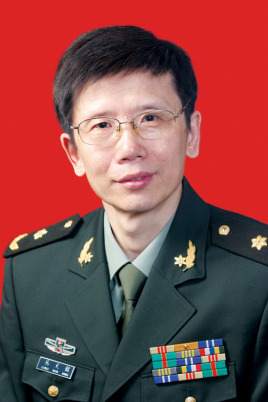 Wenming Cong (丛文铭)合作论文数Department of Pathology, Eastern Hepatobiliary Surgery Hospital, Second Military Medical University/Key Laboratory of Signaling Regulation and Targeting Therapy of Liver Cancer, Second Military Medical University, The Ministry of Education8ZhouChong Wang (王舟翀)合作论文数7GuoPing Liu (刘国平)合作论文数7Bendong Chen (陈本栋)合作论文数7Wen-Ke Cai合作论文数6
 Tuanjie Li (李团结)合作论文数6TianBao Zhou (周天保)合作论文数6BoWen Wu (吴伯文)合作论文数6
 Weifeng Yu (俞卫锋)合作论文数Renji Hospital, School of Medicine, Shanghai Jiao Tong University6
 Yongjie Zhang (张永杰)合作论文数中国人民解放军第二军医大学第三附属医院腹腔镜科6Ai-Jun Li合作论文数6qingwang ye (叶庆旺)合作论文数5WEI Yongpeng (魏勇鹏)合作论文数5HaiGuan He (何海冠)合作论文数5TianGeng You (尤天庚)合作论文数5TianTian Wu (吴田田)合作论文数5




