Biological activated carbon (BAC) filtration integrates adsorption and biodegradation to control trace odorants in drinking water, yet sustaining high efficiency in long-aged BAC systems across seasons remains challenging. Here we disentangle the sensitivity of each pathway to operational and environmental drivers using odorous acetals and terpene as key probes. Neither aged BAC adsorption alone (40-60 % removal) nor sand filter biodegradation (70-80 % removal) sustained > 90 % removal at 20 °C. Adsorption correlated primarily with odorant hydrophobicity/molecular weight and empty bed contact time (EBCT), whereas biodegradation was dominated by temperature (5-20 °C) and largely unresponsive to EBCT or backwash frequency, especially in winter. UV254 absorbance tracked odorant removal but required temperature correction for higher accuracy. Even with optimized operation, cold-season performance (5-12 °C) often fell short, indicating the need for staged BAC replacement and/or powdered activated carbon dosing. Microbial profiling indicated that aged BAC, characterized by higher biomass and greater metabolic potential, may host more functionally focused communities, which could contribute to the more consistent removal of odorants and dissolved organic carbon compared with younger GAC. Our results identify the mechanistic and operational factors sustaining BAC performance, providing actionable guidance for resilient odorant control under variable temperature regimes.
Efficient separation of ferric flocs is a critical challenge in iron-based homogeneous Fenton treatment due to the poor settleability and shear sensitivity of the generated flocs. In this study, a hydrocyclone-based separation strategy was systematically optimized to provide an intensified alternative to conventional gravity-driven sedimentation. Among the investigated hydrocyclone outlines, a wide-angle design exhibited superior separation performance and was further optimized by integrating single-factor experiments, response surface modeling, and NSGA-II optimization. The optimized hydrocyclone achieved a suspended solids removal efficiency of 96.09% and a concentration factor of 5.62. Mechanistic analysis based on floc morphology revealed that coordinated structural modifications, including elimination of vortex finder insertion, enlargement of the cylindrical diameter, extension of the cylindrical length, and increase of underflow pipe diameter, effectively alleviated shear-induced floc breakage and enhanced separation efficiency. The optimized hydrocyclone demonstrated robust performance within the recommended operating conditions, which are a feed flow rate below 15 L/h, a split ratio of 14%, and a FeSO4 concentration below 7 mM. The effectiveness of the optimized hydrocyclone was successfully validated using real refractory industrial wastewaters without inducing organic matter release. Economic evaluation showed that, compared with typical gravity-driven sedimentation, the optimized hydrocyclone reduced footprint by 50%similar to 88.6%, capital costs by 51.28%similar to 80.65%, and operation costs by 40.99%similar to 83.11%. Overall, this study presents a compact, cost-effective, and environmentally sustainable solution for Fenton ferric floc separation, with strong potential for practical engineering application.
Water pollutants, in particular emerging contaminants, pose severe risks to aquatic ecosystems and public health due to their high persistence and bioaccumulation potential. While advanced oxidation processes (AOPs) offer sustainable solutions for pollutant degradation, plasma-based AOPs often suffer from low energy efficiency and slow mass transfer of active species. Here we report a spatially-confined plasma AOP, generated in situ by electrical discharge within microchannel during bubble formation. By reducing the aperture from 1.0 to 0.1 mm, we achieve an energy yield of 4.68 g/kWh for the degradation of diclofenac, with an extremely low specific energy input (6.75 kJ/L), breaking through the energy efficiency limit of existing plasma reactors (e.g., pulsed corona discharge, dielectric barrier discharge, and atmospheric pressure plasma jet) by a factor of two, which is also highly competitive among current AOPs. This is accomplished by the elevated electron temperature (from 0.80 to 1.35 eV) by decreasing aperture size, enhancing the excitation and dissociation of oxygen molecules within the confined space. Furthermore, the intensified discharge breaks gas bubbles into micrometer-scale or even smaller ones within microsecond period, which effectively enhances the mass transfer of the short life-time species through gas-liquid interface. Mechanistic studies verify ·OH as the primary oxidant, enabling efficient degradation via decarboxylation and hydroxylation pathways. This study sheds light on the energy-effective abatement of water pollutants, providing a promising water purification paradigm.
Traditional Fenton oxidation shows low efficiency in treating coking wastewater. A high dosage of iron reagents is commonly required while the improvement in efficiency remains limited with significant iron sludge production. Here, we designed and demonstrated an integrated sustainable hydroxyl radical (•OH) oxidation and hydrolyzed iron adsorption process. Hydroxylamine was introduced to effectively accelerate the Fe3+ reduction, enabling sustained generation of •OH and thus enhancing oxidation of refractory organics. Crucially, the mean oxidation number of carbon changed from -0.8 to +1.2, revealing that sustainable •OH oxidation transforms hydrophobic organics to hydroxylated and carboxylated intermediates (such as maleic and tartaric acids). X-ray photoelectron spectroscopy, Fourier-transform infrared analyses confirmed that the oxygen-containing groups from sustainable depth oxidation improved the interaction between modified organic pollutants and hydrolyzed iron flocs. As a result, the adsorption efficiency of hydrolyzed iron for dissolved organic matter is significantly enhanced, increasing from 10.2 % to 42.4 %. The integrated sustainable oxidation and adsorption processes decrease hard chemical oxygen demand (COD) from 106 to 11 mg/L, achieving 88.6 % removal with low iron sludge yield of 0.06 kg/m3. This work provides an efficient strategy towards solving the major challenges of hard COD removal in wastewater.
Activated carbon (AC) adsorption is a practical process for the removal of perfluorooctanoic acid (PFOA) in aquatic environments, but the relationship between its pore structure and adsorption performance is not well understood. In this study, the KOH-activated carbons (KACs) with different tailored pore structures were prepared, and presented a 2.61-fold higher adsorption capacity and a 2.21-fold higher adsorption rate than the raw AC. An in situ characterization method and a modified adsorption model were introduced to investigate the impact of pore size, which demonstrated that the ultra-micropores (<1.2 nm) and small mesopores (2.0-3.0 nm) contributed significantly to the adsorption of PFOA, with the highest mean contribution factor (k) of 0.45 and the second highest of 0.39, respectively. Molecular dynamics simulations revealed that PFOA molecules tend to attach to the pore walls at various pore sizes. The adsorption of PFOA in the ultra-micropores was dominated by enhanced interactions due to the overlapping potentials of the bilateral pore walls (maximum of -567.32 Kcal center dot mol- 1) and hydrophobic interactions. PFOA micelles or hemi-micelles could be formed in the small mesopores, allowing them to function as both the molecule transportation channels and strong adsorption sites. This study would guide the development of activated carbon tailored for the selective adsorption of PFOA from water.
Activated carbon is widely used to remove effluent organic matter (EfOM) from bio-treated coking wastewater. However, the critical carbon properties affecting adsorption performance are still unclear. Nine commercial powdered activated carbons (PACs) with different pore structures, surface functional groups, and surface charges were used to adsorb EfOM from bio-treated coking wastewater, which was fractionated according to their molecular weight (MW) and hydrophobicity. Good correlations were observed between the adsorption of biopolymers (MW > 20,000 Da, 7 %) and macropore volume (>50 nm), as well as between the adsorption of humics (MW = 1000 ~ Da, 36 %) and mesopore volume (2-50 nm), suggesting that the adsorption sites of EfOM depended on their molecular size. Higher isoelectric points and fewer acidic groups promoted the adsorption of the most negatively charged hydrophobic acids (HPOA, 39.5 %). According to variation partitioning analysis (VPA), mesopore-macropore greatly contributed to the adsorption capacities of EfOM (71.3 %), whereas the sum of phenolic hydroxyl and carboxyl (26.3 %) and isoelectric point (12.2 %) affected the normalized adsorption capacities of EfOM. In conclusion, PAC with a higher mesopore volume, fewer acidic groups, and a higher isoelectric point was desirable for removing EfOM from bio-treated coking wastewater. This study provides guidance for the selection of PAC for the removal of EfOM from bio-treated coking wastewater.
While abundant volatile compounds (VOCs) have been identified in coking wastewater, the structures and occurrence of non-volatile organic compounds (non-VOCs) have remained unknown. In this study, 3966 non-VOCs belonging to 24 groups were tentatively identified for the first time in wastewater from four biological coking wastewater treatment systems in northern China using a non-target screening technique. A total of 227 compounds with CHNO, CHO, CHOS, and CHNOS elemental compositions were assigned with level 2 identification confidence, and 19 of them were confirmed with authentic standards, with 9-methyl-9H-carbazole-3-carbaldehyde (1706.3-2032.7 μg/L) and 3-Indolyl acetic acid monomethyl terephthalate (773.7-1449.9 μg/L) as the top two compounds in the influents, and 9-methyl-9H-carbazole-3-carbaldehyde (31.8-130.1 μg/L) and monomethyl terephthalate (13.9-196.6 μg/L) as the top two in the effluents. The four groups of substances accounted for 93.4% and 71.5% of the total responses of tentatively identified compounds in the influents and biological effluents, respectively, and were estimated to contribute 32.3-48.9% of the chemical oxygen demand in the biological effluents. In comparison with those in the influent, abundant S-containing compounds (CHOS and CHNOS, 35.2% of the total responses) were observed in the biological effluents, suggesting their highly bio-refractory characteristics. The advanced treatment process using synchronized oxidation-adsorption could almost completely remove the CHOS and CHNOS compounds from the biological effluents.
Oil-inorganic material interactions at the oil/water interface have been extensively investigated as a fundamental research area. However, less focus has been placed on the oil/water interfacial process during the oily waste treatment process. In this study, the detailed oil/water interfacial destabilization process of a floated oily sludge (FOS) solution during Fenton-like treatment is investigated. A maximum of 66.1% of oil recovery was obtained from the FOS samples after the treatment. The influence of experimental conditions such as pH, hydrogen peroxide concentration, and reaction time on the oil percentage of sediments after treatment is also studied. The reduction of oil percentage in the FOS reached 77.5%, which indicated the high efficiency of the treatment. Rheological experiments showed that the bridge between the oil and coagulant mixtures in the FOS was destroyed after the addition of H2O2. Half of the H2O2 (a total of 50 mM) was consumed, though nearly no free Fe2+ could be detected in the FOS solution at a neutral pH. Electron paramagnetic resonance experiments demonstrated an enhanced generation of center dot OH that occurred due to the catalytic decomposition of H2O2 by interfacial-active complexes (IAC). The interfacial destabilization process was triggered using a direct reaction of H2O2 and iron-containing components in the IAC, as well as center dot OH induced oxidation of the sulfurcontaining components in the IAC at the oil/water interface. This research may provide a better understanding of oil-inorganic interactions at the oil/water interface during oily waste treatment and provide insight for the development of future processing strategies for oil recovery from oily sludge.
工业废水深度处理技术的研发和应用是目前的热点问题,针对深度处理技术去除生化出水中难降解有机物所面临的挑战,提出基于特征污染物识别进行深度处理技术研发和应用的技术思路,在此基础上总结了工业废水中特征污染物的识别方法和应用,并以焦化废水、制药废水、印染废水和造纸废水作为典型高浓度难降解有机废水为代表,概述了工业废水深度处理技术的研究进展,重点介绍了焦化废水和制药废水中基于特征污染物识别的深度处理成功应用的典型案例,并对未来工业废水深度处理技术的发展方向提出了建议,以期为工业的可持续发展提供技术支持和科学依据.
落地油泥是油田产生的一类危险固体废弃物,其无害化处理是目前各大油田所面临的重大挑战之一.为了深入认识超声处理过程中油泥土壤性质与超声处理除油效果之间的关系,以不同油田典型落地油泥为研究对象,超声处理后对其土壤残留含油量、土壤颗粒级配、土壤化学组成等进行分析.结果 表明:油泥中土壤颗粒粒径较大的大庆、大港落地油泥经超声处理后的除油效果均在60%以上,而土壤颗粒粒径较小的冀东落地油泥超声除油率仅为11%;同时,超声除油效果较好的大庆、大港落地油泥中的钙氧化物含量较低(分别为4.84%和5.94%),而超声除油效果差的冀东落地油泥中的钙氧化物含量较高(11.57%).进一步的模拟实验结果表明,钙氧化物含量高的土壤对原油的吸附量大、吸附强度高、超声除油效果差,而钙氧化物含量低的土壤吸附量小、吸附强度低、超声除油效果好.以上结果可为油田落地油泥超声处理技术的开发及规模化应用提供指导.
针对焦化废水生物处理后COD难于达标排放的问题,以焦化废水生化出水为对象,对微波强化Fenton技术(频率915 MHz)的深度处理效果和反应机理进行了探讨.结果 表明:在Fe2+和H2O2投加量分别为1.8 mmol·L-1和15.6 mmol·L-1条件下,Fenton处理方法对COD的最佳去除率仅为18%,利用微波强化Fenton技术对COD的去除率可提升到77%,出水COD可降至52 mg·L-1,满足《炼焦化学工业污染物排放标准》;通过比较Fenton和微波强化Fenton反应出水过滤后的COD,发现Fenton反应对COD的去除率可由18%提升至72%,表明泥相可进一步吸附部分COD;而微波强化Fenton反应的COD去除率仅略微提高至81%,表明氧化是微波强化Fenton反应的主要作用机理,这可能与微波辐射通过热效应或非热效应可加快羟基自由基的生成、从而提高了氧化反应效率有关.以上结果表明,微波强化Fenton反应是焦化废水达标排放的一种可供选择的技术,可为目前我国焦化废水处理和达标排放处理技术的选择提供借鉴.
采用混凝沉淀+水解酸化+ MBR+活性炭吸附组合工艺来回用纸箱厂废水.MBR膜采用的是新型纳米平板陶瓷膜.介绍了各处理段的工艺特点、构筑物的设计尺寸、设备选型等,并对新型纳米平板陶瓷膜的清洗进行了介绍.系统运行一年,出水水质稳定,优于≤城市污水再生利用城市杂用水水质≥GB/T 18920-2002表1中的城市绿化排放标准,即BOD5≤20 g/L,浊度≤10 NTU,色度≤30,并分析了本工程的处理成本及所产生的经济效益.
A novel electrostimulated ZVI-assisting functional ceramic filter-UBF/ceramic membrane MBR was evaluated for possessing low COD/(sulfate plus organic sulfur) high-strength para-ester wastewater in terms of COD, NH4+-N abatement and para-ester degradation. The porous functional ceramic filter was prepared as new biofilm material in the novel UBF. The 200 days' successive operation indicated that the combined UBF system is an on-site upgrading anaerobic technology for methanogenesis, gaving a satisfied performance even at a COD/(sulfate plus organic sulfur) ratio as low as 1.57 with OLR up to 6.8 g COD/L/day. Bacteroidetes, Chloroflexi, Firmicutes and Proteobacteria phyla were prevalent on day 200. The appearance of the Mesotoga genus can in charge of the para-ester degradation. Desulfovibrio with a relative abundance of 2.68% was the dominant sulfate-reducing bacterium (SRB) followed by Desulfarculus. The ceramic membrane MBR was then fed with the UBF effluent at a COD/(sulfate plus organic sulfur) of 1.57 at the optimal OLR. After 75 days of operation, the final effluent quality with a COD, para-ester, and NH4+-N of 171 mg/L, 22 mg/L and 27 mg/L, respectively, was discharged up the standard required. The result suggested the potential applicability of the integrated system in treating para-ester wastewater. (C) 2020 Taiwan Institute of Chemical Engineers. Published by Elsevier B.V. All rights reserved.
建立了化学絮凝-分光光度法分析焦化废水中氰化物的新型技术,与传统蒸馏-分光光度法相比,简化了操作步骤,提高了检测灵敏度.方法 验证结果表明,絮凝剂硫酸亚铁(FS)和聚合硫酸铁(PFS)复合投加可以使焦化废水中氰化物检测相对误差达到1%以内;对9个模拟水样进行检测的精密度结果为0.56% ~0.98%,准确度为0.97% ~2.01%,加标回收率为82.87%~99.56%;对实际水样的检测加标回收率为98.6%,均达到了分析化学要求.
有机硫化合物对位酯生产废水具有COD高、含硫酸盐和有机硫高以及碳硫比低的特点,针对单一厌氧反应器在处理废水时只能在较低COD容积负荷(OLR)下运行的问题,在提高有机硫对位脂生产废水产甲烷反硝化效能的基础上,采用微电场-零价铁联合方式处理该类废水.实验结果表明:OLR(以COD计)为6.67 g·(L·d)-1,进水COD为20 000 mg·L-1时,复合床的COD去除率为70%,产甲烷率为1.41 L·(L·d)-1,反硝化率为87%,对位脂降解率为74%;在COD/TSO42-(总硫酸盐)为1.57时,COD去除率、产甲烷率和反硝化率可分别能稳定在60%、1.18 L·(L·d)-1和79%;在COD/TSO2-为0.88时,产甲烷菌受到中等程度的抑制;当COD/TSO2-恢复为1.57时,厌氧系统在7d后恢复,说明联合系统有很强的恢复能力.综合上述结果,与单一的UBF处理相比,采用微电场-零价铁能显著提高UBF的运行负荷和同步产甲烷反硝化能力,同时也能使反应器承受更低的碳硫比.
Efficient removal of the non-biodegradable organics from the biological effluent of industrial wastewater is becoming more and more important with the increasing demand for stringent discharge regulation. In this study, a synchronized oxidation-adsorption (SOA) technology was proposed for the removal of hardly biodegradable COD (hard COD) from the biological effluent of coking wastewater, and its performance was verified in a full-scale coking industrial park wastewater treatment plant (Q = 5,000 m3/d). The SOA was performed by coupling oxidation by hydroxyl radical (molar ratio of Fe2+ to H2O2 of 1:1 and pH = 5.0 ± 0.2) and adsorption by in-situ-formed nano hydrolyzed Fe3+ particles (nano-FeOOH). The nano hydrolyzed Fe3+ particles formed during the SOA exhibited a much higher specific surface area (22.83 m2/g) than the particles (10.87 m2/g) formed during the polyferric sulfate coagulation (PFSC). In comparison to PFSC, SOA performed better in terms of average COD removal (39% vs 18%) from the biological effluent. Wastewater fractionation result showed that SOA performed better in the removal of the hydrophobic acid matters, which was supported by the experiment using fulvic acid as the model organics. Mechanism studies using both biological effluent and fulvic acid solution showed that more carboxylic substances were adsorbed by the in-situ-formed nano-hydrolyzed Fe3+ particles formed by SOA than by PFSC, which was likely due to the generation of carboxylic substances by hydroxyl radical oxidation. In the full-scale, the COD was reduced from 118.5-198.0 mg/L in the PFSC-pretreated effluent to 61.5-104.0 mg/L through SOA treatment. The SOA treatment characterized with a mild pH condition (pH 5) and low molar ratio of Fe2+ to H2O2 (1:1) is particularly suitable for the polishing purpose to remove limited amount of organic pollutants from wastewater before discharge.
It is a challenging environmental issue to develop a cost-efficient approach for the removal of low-concentration refractory organics in industrial wastewater. In this study, the Fenton-coagulation process was utilised to remove the organics from the industrial effluent. The operational conditions of the Fenton-coagulation process were optimised, and then, the molecular weight (MW) and resin fraction distribution of dissolved organic matter (DOM) were investigated before and after the Fenton-coagulation process. The results showed that the efficiency of organic matter removal was affected by the Fe2+/H2O2 molar ratio, pH, and reaction time. The removal rate of chemical oxygen demand (COD) by Fenton-coagulation process reached 37.8% under the following conditions: pH = 4.0 - 5.0, H2O2 concentration = 34 mg/L, Fe2+/H2O2 molar ratio = 1.5, and reaction time = 120 min. The resin fraction distribution results showed that hydrophobic bases (HoB) were almost completely removed, and the removal rate of hydrophobic acids (HoA) reached 58%, while hydrophilic matter (HiM) became the dominant form in the final effluent after the Fenton-coagulation process due to the appearance of hydrophilic charged fractions (HiC). The results were explained by a two-step mechanism (Fenton oxidation and Fe3+ coagulation). According to the molecular weight (MW), 35.7% removal of the main fractions of organic matter with MW < 1 kDa was achieved. Furthermore, a pilot test proved that the final effluent quality after the Fenton-coagulation process conformed to the first class of the A discharge standard of pollutants for municipal wastewater treatment plants in Tianjin.
In this study, the distribution profiles, emission characteristics, and health risks associated with 43 volatile and semi-volatile organic compounds, including 15 phenols, 18 polycyclic aromatic hydrocarbons (PAHs), 6 BTEX, and 4 other compounds, were determined in the wastewater treatment plant (WWTP) of a coking factory (plant C) and the succeeding final WWTP (central WWTP). Total phenols with a concentration of 361,000 mu g L-1 were the predominant compounds in the influent wastewater of plant C, whereas PAHs were the major compounds in the final effluents of both coking WWTPs (84.4 mu g L-1 and 30.7 mu g L-1, respectively). The biological treatment process in plant C removed the majority of volatile organic pollutants (94.1%-99.9%). A mass balance analysis for plant C showed that biodegradation was the main removal pathway for all the target compounds (56.6%-99.9%) except BTEX, chlorinated phenols, and high molecular weight (MW) PAHs. Chlorinated phenols and high MW PAHs were mainly removed via sorption to activated sludge (51.8%-73.2% and 60.2%-75.9%, respectively). Air stripping and volatilization were the dominant mechanisms for removing the BTEX compounds (59.8%-73.8%). The total emission rates of the detected volatile pollutants from plant C and the central WWTP were 1,640 g d(-1) and 784 g d(-1), respectively. Benzene from the equalization basins of plant C and the central WWTP corresponded to the highest inhalation carcinogenic risks (1.4 x 10(-3) and 3.2 x 10(-4), respectively), which exceeded the acceptable level for human health (1 x 10(-6)) recommended by the United States Environmental Protection Agency. The results showed that BaP exhibited the highest inhalation non-cancer risk, with a hazard index ratio of 70 and 30 for plant C and the central WWTP, respectively. Moreover, the excess sludge generated during wastewater treatment should also be carefully handled because it adsorbed abundant PAHs and chlorinated phenols at coking plant C (58,000 mu g L-1 and 3,500 mu g L-1) and the central WWTP (622 mu g L-1 and 54 mu g L-1). (C) 2020 Elsevier Ltd. All rights reserved.
Due to the severe restrictions imposed by legislative frameworks, the removal of polyacrylamide (PAM) rapidly and effectively from produced wastewater in offshore oilfields before discharge is becoming an urgent challenge. In this study, a novel advanced oxidation process based on plasma operated in the gas–liquid interface was used to rapidly decompose PAM, and multiple methods including viscometry, flow field-flow fractionation multi-angle light scattering, UV–visible spectroscopy, and attenuated total reflectance-Fourier transform infrared spectroscopy were used to characterize the changes of PAM. Under a discharge voltage of 25 kV and pH 7.0, the PAM concentration decreased from 100 to 0 mg/L within 20 min and the total organic carbon (TOC) decreased from 49.57 to 1.23 mg/L within 240 min, following zero-order reaction kinetics. Even in the presence of background TOC as high as 152.2 mg/L, complete removal of PAM (100 mg/L) was also achieved within 30 min. The biodegradability of PAM improved following plasma treatment for 120 min. Active species (such as O3 and H2O2) were produced in the plasma. Hydroxyl radical was demonstrated to play an important role in the degradation of PAM due to the inhibitory effect observed after the addition of an ·OH scavenger, Na2CO3. Meanwhile, the release of ammonia and nitrate nitrogen confirmed the cleavage of the acylamino group. The results of this study demonstrated that plasma, with its high efficiency and chemical-free features, is a promising technology for the rapid removal of PAM.
 Min Yang (杨敏)合作论文数Research Center for Eco-Environmental Sciences, Chinese Academy of Sciences;University of Chinese Academy of Sciences71
 Yu Zhang (张昱)合作论文数Research Center for Eco-Environmental Sciences, Chinese Academy of Sciences;University of Chinese Academy of Sciences43
 WeiCheng Li (李伟成)合作论文数15Li Yu-You合作论文数10
 Zhe Tian合作论文数9
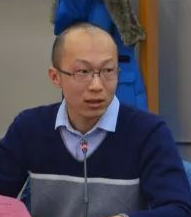 Weikang Qi (戚伟康)合作论文数College of Environmental and Energy Engineering, Beijing University of Technology8
 Qigui Niu (牛启桂)合作论文数School of Environmental Science and Engineering, Shandong University6
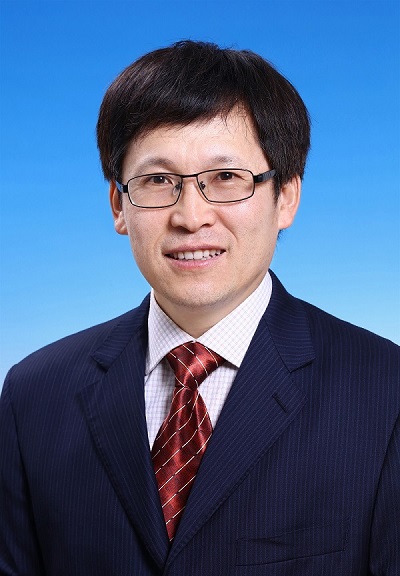 Jianwei Yu (于建伟)合作论文数Research Center for Eco-Environmental Sciences, Chinese Academy of Sciences;University of Chinese Academy of Sciences6
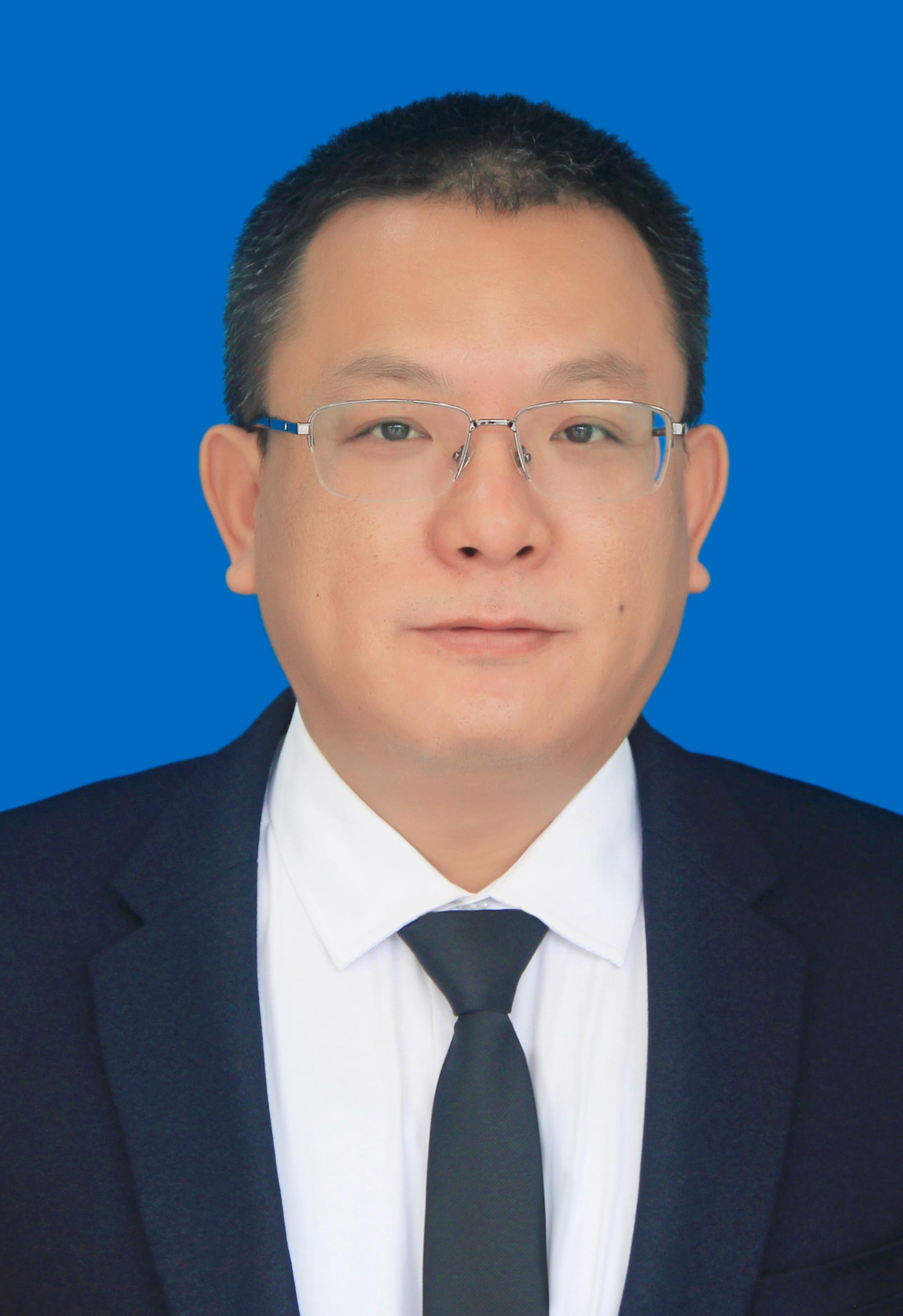 Shilong He (何士龙)合作论文数School of Environment and Spatial Informatics, China University of Mining and Technology5
 Jianying Hu (胡建英)合作论文数Department of Environmental Science and Engineering, Fudan University5Ruyin Liu (刘如铟)合作论文数5
 Hong Zhang合作论文数5Qizhen Yi合作论文数4Guangxi Sun合作论文数4
 Jiang Wu (吴江)合作论文数4
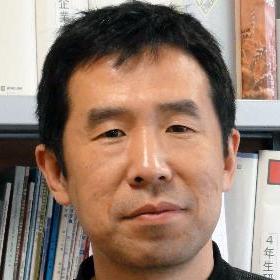 Yuyu Liu (刘予宇)合作论文数上海大学理学院能源研究院4
 Xing Chen (陈兴)合作论文数中国科学院电子学研究所4Haifeng Zhang (张海峰)合作论文数National Science Library, Chinese Academy of Science4
 Yujiang Li (李玉江)合作论文数School of Environmental Science and Engineering, Shandong University4
 Miaomiao Liu (刘苗苗)合作论文数School of the Environment, Nanjing University4Xiaogang Han合作论文数3
 Qi Wang合作论文数3Wenzhe Song合作论文数3Nian-Si Fan (范念斯)合作论文数3Haiming YUAN (袁海明)合作论文数3Ni Jialing合作论文数3
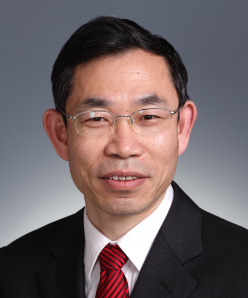 Dejun Sun (孙德军)合作论文数School of Chemistry and Chemical Engineering, Shandong University3Ran Ding (丁然)合作论文数3
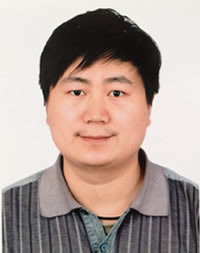 Wei An (安伟)合作论文数State Key Laboratory of Environmental Aquatic Chemistry3
 Yi Wan (万祎)合作论文数College of Urban and Environmental Sciences, Peking University3
 Xia Huang (黄霞)合作论文数School of Environment, Tsinghua University3
 Abd El-Latif Hesham合作论文数Research Center for Eco-Environmental Sciences, Chinese Academy of Sciences3Zhaobo Gong (宫兆波)合作论文数3Osamu Nishimura合作论文数2Ningyu Zhou合作论文数2Lili Zhang (张丽丽)合作论文数2Wenli Fan合作论文数2
 Siming Jiao (焦思明)合作论文数Institute of Process Engineering, Chinese Academy of Sciences;University of Chinese Academy of Sciences2Zhi-liang LI (李志良)合作论文数2Wenju WANG (王文菊)合作论文数2Li Dong合作论文数2Bo Zhang合作论文数2Beili Wang合作论文数2Guo WEI (魏国)合作论文数2Wu Song合作论文数2Qin Wang合作论文数2




