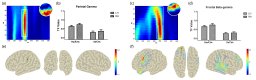
Background Electroconvulsive therapy (ECT) is effective for schizophrenia but often impairs delayed memory, whereas magnetic seizure therapy (MST) typically spares cognition. We investigated whether these modalities differentially affect 40-Hz auditory steady-state responses (ASSR)—a marker of gamma synchrony critical for memory—and if these changes predict cognitive outcomes. Methods This study is a secondary analysis of a randomized clinical trial for schizophrenia comparing ECT (n = 16) and MST (n = 17). Clinical symptoms and cognition were assessed using Positive and Negative Syndrome Scale (PANSS) and Repeatable Battery for the Assessment of Neuropsychological Status (RBANS) at baseline and after 10 treatment sessions. 40-Hz ASSR were recorded via EEG at baseline and after the first treatment session. Results Both treatments improved psychotic symptoms. However, ECT induced cognitive deficits (particularly delayed memory) and significant reductions in acute ASSR power and phase-locking. In contrast, MST preserved both cognitive function and ASSR integrity. Notably, within the ECT group, greater acute suppression of ASSR power predicted better preservation of delayed memory. Conclusion MST demonstrates a superior safety profile compared to ECT, preserving both gamma synchrony and memory. The association between acute gamma suppression and better memory retention in ECT suggests this reduction may be an adaptive physiological response. Thus, early ASSR changes may serve as a predictive biomarker for cognitive tolerability.
BACKGROUND:Covert cerebrovascular changes, particularly cerebral small vessel disease (CSVD) and silent brain infarction (SBI), may contribute to neurobiological vulnerability in schizophrenia but remain underrecognized. This meta-analysis aimed to estimate their prevalence and identify associated demographic and clinical factors. METHODS:Systematic searches of international and Chinese databases (through December 2024) were conducted to identify studies reporting CSVD and SBI prevalence in schizophrenia. Pooled prevalence estimates, sensitivity analyses, subgroup analyses, and meta-regressions were performed. RESULTS:From 6371 records, 124 studies (11,611 patients) were included. Pooled prevalence was: white matter hyperintensities (WMH) 26.3% (95% CI: 16.8-38.8), perivascular spaces 45.7% (95% CI: 1.3-98.2), brain atrophy (BA) 34.8% (95% CI: 31.0-38.8), and SBI 12.8% (95% CI: 6.2-24.7). Lacune ranged from 2.5% to 12.5%, and one study reported cortical superficial siderosis at 4.4%. Subgroup analyses indicated that age, imaging modality, exclusion of stroke/diabetes, and study region may influence prevalence. Meta-regression showed associations of BA prevalence with older age, family history, and more recent publication year. BA prevalence was significantly higher in patients than controls (PR = 6.5), whereas differences for WMH (PR = 1.3) and SBI (PR = 2.0) were not statistically significant. CONCLUSION:This meta-analysis synthesizes neuroimaging evidence on covert cerebrovascular changes in schizophrenia. WMH, SBI, and BA are frequently reported, although pooled estimates are highly heterogeneous. Case-control comparisons indicate a robust elevation in BA, whereas evidence for increased WMH or SBI relative to controls remains inconclusive. STRIVE-based definitions and systematic vascular risk assessment are needed to test schizophrenia-specific associations with covert vascular lesions.
As Large Language Models (LLMs) continue to advance, they exhibit certain cognitive patterns similar to those of humans that are not directly specified in training data. This study investigates this phenomenon by focusing on temporal cognition in LLMs. Leveraging the similarity judgment task, we find that larger models spontaneously establish a subjective temporal reference point and adhere to the Weber-Fechner law, whereby the perceived distance logarithmically compresses as years recede from this reference point. To uncover the mechanisms behind this behavior, we conducted multiple analyses across neuronal, representational, and informational levels. We first identify a set of temporal-preferential neurons and find that this group exhibits minimal activation at the subjective reference point and implements a logarithmic coding scheme convergently found in biological systems. Probing representations of years reveals a hierarchical construction process, where years evolve from basic numerical values in shallow layers to abstract temporal orientation in deep layers. Finally, using pre-trained embedding models, we found that the training corpus itself possesses an inherent, non-linear temporal structure, which provides the raw material for the model's internal construction. In discussion, we propose an experientialist perspective for understanding these findings, where the LLMs' cognition is viewed as a subjective construction of the external world by its internal representational system. This nuanced perspective implies the potential emergence of alien cognitive frameworks that humans cannot intuitively predict, pointing toward a direction for AI alignment that focuses on guiding internal constructions.
Background Frontotemporal neural synchronization and hemispheric lateralization imbalances are core features of major depressive disorder (MDD), but objective Functional near-infrared spectroscopy (fNIRS) - derived biomarkers capturing these abnormalities remain underdeveloped. Methods We recruited 236 MDD patients and 124 healthy controls (HCs) who completed a verbal fluency task (VFT) during 52-channel fNIRS scanning. Regional Homogeneity (ReHo) and hemispheric Laterality Index (LI) were computed to assess local neural synchronization and interhemispheric balance across four VFT phases (pre-task, task-period, post-task, whole-process). Interhemispheric functional connectivity (Spearman partial correlation) and a random forest classifier (5-fold stratified cross-validation) were further analyzed, with false discovery rate (FDR) correction for multiple comparisons. Results Compared to HCs, MDD patients showed reduced ReHo in left inferior frontal gyrus (LIFG) and left temporal lobe (LT) across all phases (FDR-corrected p < 0.05), a pathological rightward shift in LI (most pronounced during task-period: LI_T = 0.006, LI_IFG = 0.015, LI_F = 0.015), and impaired interhemispheric connectivity in LIFG-RIFG (task-period z = 2.39, p = 0.017). The random forest model integrating ReHo features achieved robust diagnostic performance, with the highest area under the curve (AUC) of 0.831 in the whole-process phase. Conclusions MDD is characterized by left-lateralized frontotemporal synchronization deficits, pathological rightward lateralization, and disrupted interhemispheric coordination during cognitive processing. fNIRS-derived ReHo features hold promise as non-invasive biomarkers for MDD diagnosis, advancing objective psychiatric assessment.
Gamma-band neural oscillations are critically involved in working memory and are disrupted in schizophrenia. Transcranial alternating current stimulation (tACS) at gamma frequency is a promising noninvasive approach to restore oscillatory synchrony and enhance cognition. This randomized, double-blind trial tested whether 40 Hz tACS targeting frontoparietal networks modulates gamma-band activity and connectivity during working memory, and whether these electrophysiological changes relate to cognition in schizophrenia. Patients with schizophrenia (n = 33) were randomized to 10 sessions of active or sham tACS over the left dorsolateral prefrontal cortex (F3) and right parietal cortex (P4), with cognition assessed using standardized neurocognitive measures (MATRICS Consensus Cognitive Battery, MCCB) and an n-back working-memory task. EEG during an n-back task was recorded pre- and post-intervention to assess gamma power, phase-locking value (PLV), and phase-amplitude coupling (PAC). A significant Group × Time interaction indicated that 1-back minus 0-back PLV increased in the active group but not in sham (P = 0.048, Cohen's d = 1.08). For PAC, a significant interaction showed that delta-high gamma coupling at F3 remained stable in the active group but declined in sham (P = 0.036, Cohen's d = 1.00). There was no significant correlation with n-back measures of working memory, but an exploratory significant finding linking this modulation to visual learning at 4-week follow-up. No significant group differences were found for MCCB total scores; however, a significant Group × Time interaction emerged for 0-back accuracy during EEG recording (P = 0.029, Cohen's d = 1.19). These findings demonstrate that 40 Hz tACS can enhance and preserve gamma synchrony in frontoparietal circuits during working memory. The maintained delta-gamma coupling in our exploratory findings on visual learning may suggest a relationship to sustained improvements in cognition over time, but needs additional confirmation.
Serum cytokine alterations are associated with the usage of antipsychotic medications (AP). However, few studies have been designed to longitudinally measure cytokine changes during AP exposure in individuals at clinical high risk (CHR) for psychosis. This study aimed to assess changes in levels of cytokines after initiating AP in the prodromal phase. This longitudinal study involved individuals with CHR who completed the 1-year follow-up reassessment. Individuals with CHR were grouped into those treated with AP (AP + group) and those without (AP- group). Levels of vascular endothelial growth factor (VEGF), granulocyte-macrophage colony-stimulating factor (GM-CSF), tumor necrosis factor-α (TNF-α), interleukin (IL)-1β, 2, 6, 8, and 10 were measured at baseline and 1 year after completion of the clinical assessment. This study included 88 CHR individuals (median age, 18 years and 40.9
BACKGROUND:Antipsychotic drugs are the established treatment for acute schizophrenia but differ in receptor-binding profiles. In 2024, a new-in-class muscarinic receptor agonist (xanomeline-trospium) was licenced, acting upstream of antidopaminergic agents, and providing hope to decrease the adverse effects burden of antipsychotics. We aimed to compare the efficacy and tolerability of antipsychotics by performing network meta-analysis of randomised controlled trials (RCTs). METHODS:This systematic review (PROSPERO, CRD42022380708) included blinded and open RCTs investigating antipsychotic drugs in participants of any age with acute psychotic symptoms of schizophrenia over 3 weeks to 3 months. Included antipsychotics comprised 23 primarily dopamine-receptor blocking medications and the muscarinic receptor agonist xanomeline-trospium in different applications. We searched Cochrane Schizophrenia group's register, previous reviews, and five Chinese databases for trials published from database inception until July 26, 2024 and contacted authors to assess trials' methodological quality; only trials with appropriate randomisation indicated were included. The primary outcome was rating scale-measured overall symptoms of schizophrenia (efficacy) analysed with random-effects frequentist network meta-analysis. Secondary outcomes comprised 32 further efficacy and tolerability outcomes. The confidence in the estimates was assessed using the Confidence in Network Meta-Analysis approach. FINDINGS:After screening 18 859 references and contacting authors of 5428 trials, we included 438 RCTs. Of those, 388 RCTs with 78 193 participants (28 448 women and 49 745 men) provided usable data for at least one outcome. 5117 Chinese trials were identified but most were excluded because authors did not reply or reported serious methodological concerns. 256 double-blind studies with 58 948 participants provided usable data for the primary outcome. All antipsychotics reduced symptoms more than placebo with standardised mean differences ranging from -0·90 (95% CI -1·03 to -0·77) to -0·23 (-0·39 to -0·06). Particularly clozapine, as well as amisulpride, olanzapine, and risperidone were more efficacious than at least three other antipsychotics (confidence in estimates were low-to-moderate). Adverse effects varied across medications. INTERPRETATION:This network meta-analysis provides evidence for small-to-medium clinically relevant differences between antipsychotics in efficacy; this finding warrants stronger and more specific emphasis in clinical guidelines. Nonetheless, important differences in tolerability need to be considered for individualised drug choice, with partial dopamine agonists having overall better tolerability and xanomeline-trospium lacking adverse effects of dopamine-blocking agents but resulting in cholinergic and anticholinergic adverse events. Future research should directly compare xanomeline-trospium with other antipsychotics to confirm its efficacy; modern trials using clozapine early in schizophrenia are needed to establish whether it improves outcomes and prevents chronification. FUNDING:German Research Foundation, German Ministry of Research, Technology and Space, and National Natural Science Foundation of China.
BACKGROUND:Cognitive impairment in first-episode schizophrenia (FES) is a major contributor to functional decline, but antipsychotics provide limited cognitive improvement, and few repetitive transcranial magnetic stimulation (rTMS) studies have targeted the orbitofrontal cortex (OFC). This study investigated whether right OFC rTMS enhances specific cognitive functions in FES and its relationship with symptom reduction. METHODS:Ninety drug-naive FES patients were enrolled, with 48 receiving active right OFC rTMS and 42 sham stimulation for 20 sessions over 8 weeks, while all patients took olanzapine (10-20 mg/day). Cognitive function was assessed using the Chinese version of the MATRICS Consensus Cognitive Battery (MCCB) at baseline and week 4, and psychotic symptoms were rated with the Positive and Negative Syndrome Scale (PANSS). RESULTS:Repeated-measures analysis of variance (RMANOVA) demonstrated a significant Time×Group interaction for visuospatial memory (assessed via the Brief Visuospatial Memory Test-Revised, BVMT; F = 5.079, df = 1, 83, p = 0.027, η2 = 0.058). Post hoc tests revealed significant BVMT improvement in the active group (p < 0.001) but not in the sham group (p = 0.312). In the active group, improvements in BVMT and Neuropsychological Assessment Battery (NAB) scores were significantly correlated with lower PANSS total scores after Bonferroni correction. CONCLUSIONS:These findings indicate that right OFC rTMS improves specific cognitive functions in FES, with cognitive benefits associated with symptom alleviation, supporting the right OFC as a promising target for cognitive intervention in FES.
Aims:To investigate the efficacy and safety of transcutaneous auricular vagus nerve stimulation (taVNS) in improving cognitive function in older inpatients with schizophrenia. Design:Randomised controlled trial. Setting:Cognitive improvement in hospitalised older patients with schizophrenia in Shanghai. Participants:Fifty-one older inpatients with schizophrenia in Shanghai Mental Health Center. Intervention:The taVNS electrodes were placed on the skin with vagus nerve distribution in the taVNS group, whereas the electrodes were placed on the skin without vagus nerve distribution in the sham taVNS group. taVNS parameters included 25 Hz, the maximum tolerated current intensity (apparatus maximum load current ≤ 6 mA) and one 30-min session per day for 2 weeks, for a total of 10 interventions. Measurements:The primary outcome was a neurocognitive assessment. Safety was the secondary outcome measure. After each treatment session, adverse reactions were assessed using the self-administered Adverse Reaction Assessment Scale. Four subtests of the Cambridge Neuropsychological Test Automated Battery were further considered: reaction time (RTI), paired associate learning (PAL), multitasking test (MTT) and spatial working memory (SWM). Results:The time and interaction effects of between-group search errors were statistically significant (F = 9.51, p < 0.001). Compared to the sham taVNS, taVNS improved SWM performance in older patients with schizophrenia. Furthermore, the SWM performance after a single session of taVNS showed fewer errors in the taVNS group, whereas no such improvement was observed in the sham taVNS group. Unlike in SWM, there were no significant between-group differences in RTI, PAL or MTT after either a single stimulation or a session of 10 stimulations. Conclusions:taVNS may have the potential to improve SWM in older patients with schizophrenia.
BACKGROUND:Anxiety is highly prevalent and undertreated in first-episode schizophrenia(FES), but repetitive transcranial magnetic stimulation(rTMS) data for this comorbidity are scarce. The orbitofrontal cortex(OFC) is a key anxiety-regulating node, supporting its potential as a target. This study aimed to explore 1-Hz right OFC-rTMS's symptom-specific effects on FES mood. METHODS:This is a secondary analysis of a randomized controlled trial. Participants were drug-naive FES patients randomized to the active rTMS group(n = 51) or sham group(n = 45). All completed 20 intervention sessions, 20 sessions of active OFC-rTMS or sham, with 4-week follow-up, initiating oral olanzapine(10-20 mg/day) concurrently with the first rTMS session. Mood symptoms were assessed using the 24-item Hamilton Depression Rating Scale(HAMD) and the 14-item Hamilton Anxiety Rating Scale(HAMA). Psychopathological symptoms were assessed using the Positive and Negative Syndrome Scale(PANSS). The main outcome was the changes in HAMD and HAMA scores from baseline to 2 weeks and 4 weeks. RESULTS:The active group showed greater PANSS total(t = -3.260, p = 0.002; Cohen's d = 0.672) and subscale improvements vs. the sham group. Repeated-measures ANOVA(controlling for covariates) revealed significant Time×Group interactions for HAMA total(F = 4.698, p = 0.010; partial η2 = 0.059) and psychic anxiety(F = 5.735, p = 0.004; partial η2 = 0.072), but not somatic anxiety. For HAMD, only anxiety/somatization(F = 8.397, p = 0.031; partial η2 = 0.099) and cognitive impairment(F = 6.240, p = 0.002; partial η2 = 0.076) showed interactions, with no specific effects on overall depressive symptoms. In the sham group, HAMD anxiety/somatization correlated with all PANSS subscales(r = 0.311-0.477, p < 0.05), but this correlation was absent in the active group(all p > 0.05). CONCLUSIONS:Right OFC-rTMS improves FES anxiety (not depression), supporting it as a targeted non-pharmacological option.
Clinical subtypes of individuals at clinical high risk for psychosis (CHR), classified by baseline symptoms and cognitive performance, may follow distinct trajectories of symptom progression and functional outcomes. Baseline symptom, cognitive and EEG data were collected from 204 CHR individuals aged 13-38 years, who subsequently completed clinical assessments at 2 months, 1 year, and 2 years. Although baseline positive symptom scores and highest past-year global functioning did not differ significantly, the subtypes demonstrated divergent progression patterns across follow-ups. Baseline cognitive performance exerted sustained influence over subsequent assessments, with visuospatial learning and working memory showing significant long-term effects on positive symptoms or global functioning, highlighting them as core cognitive domains with longitudinal, cross-subtype impact on CHR progression. Brain network features also contributed to long-term outcomes. The involvement of microstate D was sustained over time, with its occurrence linked to functional outcomes in the most impaired subtype and its coverage associated with positive symptom trajectories in the moderately impaired subtype. We further constructed a predictive model incorporating the interaction between microstate D and subtype that effectively identified individuals who converted to psychosis, underscoring its potential as a dynamic biomarker for more precise CHR clinical profiles.
Background and Hypothesis Antipsychotics (APs) are often used among individuals with clinical high risk (CHR) for psychosis and affect cortical thickness (CT). Whether clinical and CT changes after initial AP use correlate with long-term clinical outcomes remains largely unknown. Study Design One hundred and thirty-eight CHRs and 65 healthy controls accepted 2 MRI scans at an interval of 2 months. CHRs were categorized as responders (n = 53) and non-responders (n = 69) based on their response to APs after 2-month treatment. According to 2-year outcomes, they were also subdivided into converters (n = 26) and non-converters (n = 96). The relationships among short-term CT changes, AP effects, and long-term outcomes were explored. Study Results At baseline, CHRs had CT reduction in the right inferior temporal cortex with a correlation with clinical symptoms. At 2 month, CHRs showed steeper gray matter loss in bilateral frontotemporal regions than healthy controls. Cortical thickness change rates of the clusters located in bilateral middle temporal and right lateral orbitofrontal cortex were negatively correlated with the cumulative AP dose. Furthermore, 2-year psychosis conversion rate was significantly higher in non-responders than responders (33.3% vs 5.1%). A random forest model based on demographic, clinical, baseline, and longitudinal CT variables predicted 2-year conversion with an AUC of 0.90 (accuracy: 0.83, sensitivity: 0.78, and specificity: 0.89), with model predictive power driven primarily by symptom and CT variables. Conclusions These findings contribute valuable insights into the potential impact of early AP treatment on brain morphology and clinical trajectories and highlight the importance of monitoring the initial treatment responses.
The T Helper (Th)1-Th2 imbalance has been observed during the transition from the clinical high-risk (CHR) state to psychosis. However, it remains unclear whether the complement system influences this imbalance during psychosis onset. This study aimed to investigate the dynamic interplay between complement activation and the Th1-Th2 balance during the progression of psychosis. A prospective case-control study was conducted to evaluate the Th1-Th2 balance, as indicated by interleukin(IL)-1Beta and IL-6 levels, in 49 individuals at CHR for psychosis and 26 age- and sex-matched healthy controls(HC). Based on the Th1-Th2 balance, the samples were divided into two groups: Th1 > Th2 and Th1 < Th2. Additionally, the levels of thirteen complement proteins (C1q, C2, C3, C3b, C4, C4b, C5, C5a, factor B, D, I, H, and Mannose-Binding Lectin) were measured at baseline. Correlations between cytokines and complement factors were examined, and longitudinal changes were assessed through a 1-year follow-up period. At baseline, significant differences were observed in complement characteristics (C4, C4b, C5, and B) between Th1 > Th2 and Th1 < Th2 balance states, highlighting variations in complement factors between the CHR and HC groups. In the CHR group, a negative association was noted between Th1-Th2 balance and complement factors, with significant correlations observed for components C4b, C5, I, C3, C4, and B. However, no significant correlation was found in the HC group. At follow-up, the Th1 < Th2 group exhibited a higher proportion of CHR individuals who converted to psychosis compared to the Th1 > Th2 group, indicating a significant association between Th1-Th2 balance and the onset of psychosis (χ2 = 12.09, p = 0.001). This shift in balance was notably linked to baseline complement C4b and C4 levels. Our study reveals a complex interplay between complement and inflammatory factor balance in psychosis onset, highlighting the potential role of complement, particularly associated with baseline C4b and C4 levels, in modulating Th1-Th2 balance and contributing to the pathogenesis of psychosis.
Background: The number of randomized-controlled trials (RCTs) originating from China is considerable. However, linguistic barriers and concerns regarding methodological rigor impede their inclusion in meta-analyses. Methods: We searched 5 major Chinese databases for RCTs investigating antipsychotics in schizophrenia and contacted study authors to request information about reliability and methods of randomization and blinding using a semi-structured telephone interview and a specifically-designed online questionnaire in Chinese. Results: Among 11,306 articles, 5117 purported RCTs were eligible. After 1232 telephone calls, 698 emails and 7126 letters, 378 authors responded on 349 studies (response rate: 6.9% of 5117 studies). Of those 29 (8.3%) employed randomization procedures and 35 (10.0%) blinding methods with low risk of bias. 125 (35.8%) used suboptimal randomization methods with high risk of bias. In 83 (23.8%) claimed RCTs clinicians chose the antipsychotic based on patients' symptoms and side effects indicating an observational instead of a randomized study design. For 13 (3.7%) modification of some specific outcome data was revealed and for 15 (4.3%) authors indicated that the study results are not reliable. For 57 (16.3%), authors answered "Not sure" to the direct question whether the trial was conducted in reality. There was no clear improvement of quality from 1998 to 2024. Conclusion: The main limitations of the study are the low response rate, which reduces representativeness, and that many authors answered they cannot recall which introduces uncertainty. From the answers received, it appears that the methodological quality of many RCTs on antipsychotics in schizophrenia published in Chinese language journals is limited despite initiatives of Chinese research institutions. Therefore, it is advisable that systematic reviewers seek direct confirmation of trial methodology before including Chinese studies in evidence synthesis and perform sensitivity analyses. Moreover, further training for Chinese clinical researchers and stricter quality assurance mechanisms by research institutions and publishers appear warranted.
People with psychotic disorders have higher dementia risk. This study aimed to investigate the prevalence and incidence of dementia in this population. Data were synthesized through meta-analysis (including subgroup and sensitivity analyses) and narrative synthesis. The pooled dementia prevalence was 24.3% (95% CI: 20.5%-28.5%, I2 = 84.7%, p < 0.001) in older adults after excluding one outlier. Factors contributing to heterogeneity included prevalence types, settings, geographical regions, and age. The dementia incidence varied widely. This review identified elevated but heterogeneous dementia rates in psychotic disorders, calling for more population-based studies to provide evidence for integrated service planning.
Objectives Suicide risk assessments currently rely on subjective clinical judgement, lacking objective measures. This study aimed to evaluate the association between biomarkers and suicide risk and to explore their predictive potential using machine learning (ML).Methods We analysed data from 2785 first-admission psychiatric inpatients across three institutions, including 103 biomarkers and 13 demographic and clinical variables. Suicide risk was assessed 1 week after admission using the Nurses’ Global Assessment of Suicide Risk.Results A total of 2785 patients met the inclusion criteria, from which 978 were selected via propensity score matching to minimise confounding from demographic factors, treatment differences and symptom severity. Multivariate random effects logistic regression identified nine biomarkers associated with elevated suicide risk and six with potential protective effects. Time-trend analyses further revealed that nine biomarkers showed significant changes following risk escalation. Integrating biomarkers with demographic data, treatment information and psychological scale scores substantially improved ML model performance, achieving an area under the receiver operating characteristic curve of 0.808 in the external testing cohort. The inclusion of biomarkers significantly enhanced predictive accuracy.Conclusion This study highlights the potential of biomarkers with ML to predict future risk, offering objective assessments and supporting early interventions.
Auditory verbal hallucinations (AVHs), the experience of hearing voices in the absence of corresponding external stimuli, are widely attributed to failures of self-monitoring. However, theoretical models and empirical investigations have primarily localized the underlying dysfunction to abnormalities within auditory cortices. Recent studies have revealed that the motor system exerts predictive regulation over auditory processing, suggesting that AVHs are not merely an abnormal auditory processing but also involve distinct, functionally dissociable impairments in motor-to-sensory transformation. How these impairments dynamically manifest in motor-to-sensory neural circuits remains unclear. This review synthesizes recent findings on the functional interactions between motor and sensory systems and proposes a hierarchical neurobiological framework for predictive coding in AVHs across two dimensions: temporal precision and spatial circuit architecture. In the temporal dimension, mismatches between motor-based predictions and sensory feedback disrupt the precision of predictive coding and Bayesian inference, giving rise to three forms of predictive dysfunction: excessively weak predictive signals, excessively strong predictive signals, and impaired predictive updating. In the spatial dimension, we characterize the spatiotemporal disintegration of the frontal-temporal-thalamic circuit underlying AVHs, focusing on both circuit-level disruption and hierarchical computational misalignment between predictive and perceptual signals. By explicitly linking the temporal precision of predictive coding to the spatial architecture of sensorimotor circuits, this study provides a unified mechanistic framework that bridges cognitive, computational, neurobiological, and clinical perspectives on AVHs.
Previous studies have shown that both cognitive training and aerobic exercise benefit cognition and brain structure in healthy older adults, yet direct comparisons are limited. This study aimed to compare the effects of three months of cognitive training and aerobic exercise on regional gray matter volume and inter‑regional covariance in community‑dwelling older adults. Structural magnetic resonance imaging (MRI) was conducted at baseline and 12-month follow-up. Repeated-measures analysis of covariance (ANCOVA) revealed nominally significant time-by-group interactions in the left posterior orbital gyrus (POrG), left posterior insula (PIns), left subcallosal area (SCA), and left transverse temporal gyrus (TTG), with only the left POrG remaining significant after false discovery rate (FDR) correction. At the 12-month follow-up, left POrG volume increased only in the aerobic exercise group, whereas the control group showed decreases in the left POrG, left PIns, and left SCA. Inter-regional covariance analyses revealed weaker covariance between volume changes in the left SCA and left TTG in the aerobic exercise group compared with controls, although this effect did not survive FDR correction, suggesting a lower degree of coordinated structural change between these regions. Overall, these findings suggest that both cognitive training and aerobic exercise are associated with attenuated age-related gray matter volume reduction, though they differ in the extent and coordination patterns of these volume changes.
 Jijun Wang (王继军)合作论文数Shanghai Mental Health Center, School of Medicine, Shanghai Jiao Tong University;Institute of Psychology and Behavioral Science, Shanghai Jiao Tong University227
 Tianhong Zhang (张天宏)合作论文数Shanghai Key Laboratory of Psychotic Disorder, Shanghai Mental Health Center130
 Yingying Tang (唐莺莹)合作论文数Shanghai Key Laboratory of Psychotic Disorders, Shanghai Mental Health Center105
 Huiru Cui (崔慧茹)合作论文数101
 Lihua Xu合作论文数95
 Wenyuan Wu (吴文源)合作论文数同济大学医学院92
 XiaoChen Tang (唐晓晨)合作论文数Shanghai Mental Health Center, Shanghai Jiao Tong University School of Medicine83Yanyan Wei合作论文数80YeGang Hu合作论文数50
 Xinyi Cao合作论文数50
 Yikang Zhu合作论文数47Haichun Liu合作论文数Shanghai Jiao Tong University44Tao Chen合作论文数44
 Yuan Shen (申远)合作论文数School of Medicine, Tongji University;Tongji Hospital, Tongji University37Lijuan Jiang (蒋丽娟)合作论文数School of Environment, Nanjing University34
 Jiangling Jiang (蒋江灵)合作论文数School of Medicine, Tongji University;Department of Psychiatry, Tongji Hospital of Tongji University33Hui Li合作论文数31
 Qingwei Li (李清伟)合作论文数School of Medicine, Tongji University;Department of Psychiatry, Tongji Hospital, Tongji University;Department of Clinical Psychiatry, Shanghai Mental Health Center29
 Jianhua Sheng (盛建华)合作论文数Shanghai Mental Health Center26
 Wei Li (李伟)合作论文数Shanghai Ninth People’s Hospital, Shanghai Jiao Tong University School of Medicine25
 Wei Feng (冯威)合作论文数Department of Psychiatry, Tongji Hospital, Tongji University;School of Medicine, Tongji University24
 Qian Guo合作论文数23MingYuan Zhang (张明园)合作论文数23
 Xiaohua Liu (刘晓华)合作论文数Shanghai Mental Health Center22Qian ZhenYing合作论文数20
 Zhenghui Yi (易正辉)合作论文数Shanghai Mental Health Center20
 Zeping Xiao (肖泽萍)合作论文数School of Medicine, Shanghai Jiao Tong University20Zhi Yang (杨志)合作论文数19
 Qiang Hu (胡强)合作论文数Cooperative Medianet Innovation Center, School of Integrated Circuits, Shanghai Jiao Tong University19Yan Cheng (成燕)合作论文数18Huijun Li合作论文数17ZiXuan Wang合作论文数16ZhiPei Zhu (朱智佩)合作论文数16
 Stefan Leucht合作论文数Klinik und Poliklinik für Psychiatrie und Psychotherapie, Technische Universität München;Department of Psychiatry and Psychotherapy, School of Medicine and Health, Technical University of Munich16
 Cheng Luo (罗程)合作论文数School of Life Science and Technology, University of Electronic Science and Technology of China16
 Junjie Yang合作论文数14
 Wang Junjie合作论文数14
 John Davis合作论文数Department of Psychiatry, College of Medicine, University of Illinois at Chicago14
 Yanli Luo (骆艳丽)合作论文数Renji Hospital, School of Medicine, Shanghai Jiao Tong University14
 Juanjuan Ren (任娟娟)合作论文数Department of Road and Railway Engineering, School of Civil Engineering, Southwest Jiaotong University13
 Li Ting合作论文数13
 Jianfeng Feng (冯建峰)合作论文数Institute of Science and Technology for Brain-Inspired Intelligence, Fudan University;Centre for Scientific Computing and Computer Science, Warwick University13
 Dezhong Yao (尧德中)合作论文数School of Life Science and Technology, University of Electronic Science and Technology of China;Center for Information in Medicine, University of Electronic Science and Technology of China13Zhiguang Lin (林治光)合作论文数13Jiaoyan Pang合作论文数12
 Jiahui Zeng合作论文数12
 Bin Zhang合作论文数Cincinnati Children's Hospital Medical Center, Cincinnati Children's Hospital Medical Center12
 Yanling He (何燕玲)合作论文数Shanghai Mental Health Center12
 Kaida Jiang (江开达)合作论文数School of Medicine, Shanghai Jiao Tong University;Shanghai Key Laboratory of Psychotic Disorders, Shanghai Mental Health Center12




