Background/Objectives: Autonomous cortisol secretion (ACS), including mild autonomous cortisol secretion (MACS), nonfunctioning adrenal tumors (NFAT), and overt Cushing's syndrome (CS), is common in patients with adrenal incidentaloma (AI). Although ACS has been linked to adverse cardiometabolic outcomes, its association with renal function and electrolyte homeostasis has not been well characterized. To examine the associations of different degrees of ACS with renal function and serum electrolyte profiles in patients with AI. Methods: This retrospective single-center study included 575 adult patients with AI who underwent an overnight low-dose dexamethasone suppression test (LDDST). Patients were classified as having NFAT (n = 30), MACS (n = 236), or overt CS (n = 309) according to biochemical findings and clinical presentation. Clinical characteristics, hormonal parameters, estimated glomerular filtration rate (eGFR), and serum electrolyte levels were collected. Multivariable regression analyses were performed after adjustment for age, sex, tumor size, body mass index, hypertension, diabetes mellitus, smoking status, and alcohol consumption. Results: Compared with the NFAT and MACS groups, patients with overt CS were younger and predominantly female (84.5%), more frequently hypertensive, and had the highest serum and urinary free cortisol, the lowest ACTH, and the most pronounced electrolyte disturbances, with higher serum sodium and lower serum potassium (all p < 0.001). A pattern of electrolyte alterations was observed across the spectrum of cortisol autonomy (CS ≈ MACS > NFAT). Compared with NFAT, cortisol-secreting tumors were associated with higher serum sodium levels and lower serum potassium and calcium levels (p < 0.001). These associations remained significant after multivariable adjustment (p < 0.001). By contrast, although median eGFR differed among groups and tended to be higher in cortisol-secreting tumors, ACS was not significantly associated with clinically overt renal impairment based on categorical eGFR analysis. Conclusions: In patients with AI, increasing degrees of ACS are associated with alterations in electrolyte homeostasis, particularly involving sodium, potassium, and calcium. In contrast, no clear association was identified between ACS and clinically overt renal impairment in this cross-sectional cohort. Routine monitoring of electrolyte balance may be warranted in patients with cortisol-secreting adrenal tumors.
Primary aldosteronism (PA), a leading cause of secondary hypertension, remains vastly underdiagnosed due to unreliable screening tools. We developed an integrated platform combining a high-gradient magnetic separation three-dimensional (HGMS-3D) chip and locked nucleic acid (LNA)-enhanced droplet digital polymerase chain reaction (ddPCR) for noninvasive detection of potassium inwardly rectifying channel subfamily J member 5 (KCNJ5) mutations in plasma small extracellular vesicles (sEVs). The HGMS-3D chip uses a nickel mesh-based stereoscopic immunoaffinity capture system, achieving a vesicle isolation efficiency 4.4-fold higher than ultracentrifugation. Coupled with LNA-ddPCR, the platform detects KCNJ5 hotspot mutations [p.Gly151Arg, (G151R); p.Leu168Arg (L168R)] at minor allele frequencies of ≤0.05% (R2 ≥ 0.99), overcoming plasma-derived noise. Clinical validation in 106 patients with PA demonstrated 64.58% sensitivity and 96.88% specificity for sEV-based mutation profiling. The assay identified one aldosterone-producing adenoma (APA) case missed by tissue genotyping, achieving area under the receiver operating characteristic curve (AUC) values of 0.767 ~ 0.852 across mutations. This noninvasive approach could enable curative treatment for millions with undiagnosed PA, advancing precision management of endocrine hypertension through sEV-based liquid biopsy.
TRIM21, a member of the TRIM family of E3 ubiquitin ligases, is increasingly recognized for its role in immune regulation and has been implicated in various malignancies. However, its function in oral squamous cell carcinoma (OSCC) remains undefined. Here, we show that TRIM21 is significantly upregulated in human OSCC tissues and serves as an independent adverse prognostic factor for overall survival. Consistently, systemic Trim21 deficiency significantly suppressed OSCC tumorigenesis in a 4-nitroquinoline 1-oxide-induced oral carcinogenesis model. In contrast, TRIM21 knockdown did not significantly affect OSCC cell proliferation or migration in vitro, suggesting that its tumor-promoting effects may not be primarily mediated by the tumor cell-intrinsic behaviors examined under these conditions. Supporting this notion, bioinformatic analyses revealed strong associations between TRIM21 expression, immune checkpoint-related pathways, and immune cell infiltration. To further assess the contribution of TRIM21 in the tumor microenvironment in vivo, we established an orthotopic tongue allograft model and found that microenvironmental Trim21 deficiency markedly suppressed tumor growth. CyTOF and mIHC analyses further showed that microenvironmental Trim21 deficiency reduced PD-L1 expression on conventional dendritic cells (cDCs) and enhanced the cytotoxic activity of tumor-infiltrating CD8+ T cells. Collectively, TRIM21 promotes OSCC progression predominantly through modulation of the tumor immune microenvironment. This role may involve supporting an immunosuppressive cDC phenotype and restraining CD8+ T-cell-mediated antitumor immunity. TRIM21 may therefore serve as an independent prognostic biomarker and a potential therapeutic target in OSCC, with possible relevance to combination strategies involving immune checkpoint blockade.
Objectives: Mild autonomous cortisol secretion (MACS) leads to the clustered manifestations of hypertension (HT), diabetes, and metabolic syndromes. However, whether the effect of MACS on myocardial remodeling and cardiac function is similar to that of Cushing's syndrome remains unclear. This study aimed to compare the metabolic risks and impact on cardiac structure and function between MACS and Cushing's syndrome. Methods: This retrospective study evaluated patients with nonfunctioning adrenal tumors (NFAT), MACS, and Cushing's syndrome. Metabolic parameters and cardiac structure/function indices were compared among the groups. Results: Overall, 208 patients with NFAT ( n = 20), MACS ( n = 108), and Cushing's syndrome ( n = 80) were included. HT, diabetes, and metabolic syndrome were significantly more prevalent in the MACS group than in the NFAT group. Compared with the NFAT group, the MACS group showed significantly higher left ventricular mass index (LVMI) ( P = 0.011) and rates of pathological LVMI elevation ( P = 0.025). LVMI was significantly higher in both the MACS ( P = 0.002) and Cushing's groups ( P < 0.001) than in the NFAT group. Meanwhile, the metabolic parameters and LVMI were not significantly different between the MACS and Cushing's groups. Conclusions: Autonomous cortisol secretion (ACS), including MACS, is associated with higher metabolic risk and LVMI than is NFAT. The metabolic risk and LVMI elevation in MACS are comparable to those in Cushing's syndrome. Hence, all patients with ACS require clinical attention, regardless of the clinical manifestations.
Background:The combination of disitamab vedotin (DV), a novel human epidermal growth factor receptor 2 (HER2)-targeting antibody-drug conjugate, with immunotherapy represents a promising strategy for locally advanced or metastatic solid tumors. However, comprehensive evidence regarding its efficacy and safety is lacking. This systematic review and meta-analysis aimed to synthesize available data on this combination regimen. Methods:We systematically searched PubMed, Scopus, Embase, and the Cochrane Library for studies published up to December 31, 2025. The primary outcomes were objective response rate (ORR) and treatment-related adverse events (TRAEs). Secondary outcomes included disease control rate (DCR) and median progression-free survival (mPFS). Pooled analyses were performed using a random-effects model. Results:21 studies involving 1183 patients were included. The pooled ORR was 53% (95% CI: 46%-60%), and the DCR was 82% (95% CI: 77%-86%). The pooled mPFS was 7.8 months (95% CI: 6.6-8.9). Subgroup analyses indicated superior efficacy in urothelial carcinoma, HER2-positive tumors, and first-line treatment settings. Any-grade and grade ≥3 TRAEs occurred in 91.1% and 36.8% of patients, respectively, with a toxicity profile dominated by DV-related adverse events such as fatigue, peripheral neuropathy, and hematological toxicities. Conclusion:The combination of DV and immunotherapy demonstrates encouraging antitumor activity and a manageable safety profile in patients with locally advanced or metastatic solid tumors, particularly in HER2-expressing populations and when used in the first-line setting. These findings support further investigation of this combination in randomized controlled trials. Systematic Review Registration:https://www.crd.york.ac.uk/prospero/, identifier CRD420251154446.
BackgroundClear cell renal carcinoma (ccRCC) is the most frequent form of kidney tumors with high recurrence and progression rates. Early diagnosis of ccRCC could significantly improve survival rate. Liquid biopsies could capture molecular information which would not only shed more light on the signatures of the onset of ccRCC, but also discover potential biomarker for early diagnosis.MethodWe applied LC-MS to profile the urine proteome and metabolome of 314 ccRCC, 341 healthy control and 49 kidney benign disease enrolled from three cohorts. Further cell origin annotation and protein-protein correlation analysis were performed to explain the possible TME mechanistic.ResultsWe revealed significant changes of extracellular matrix (ECM) organization, complement and coagulation cascades, amino acid metabolism and fatty acid metabolism in ccRCC. Cell origin annotation of cancer proteins revealed the potential role of myofibroblast cell during ECM organization. Finally, we discovered six potential urinary biomarkers, FGB,CILP, ITIH1, GUCA2B, anserine, oxindole and established models for ccRCC diagnosis with the AUC value of 0.84, 0.80 and 0.86 for protein model, metabolites model and multi-omics model in an external cohort. The protein model also showed discriminatory ability for ccRCC and benign with the AUC value of 0.75.ConclusionPresent study provided urinary molecular changes, which could reflect TME disorder and cellular metabolism reprogramming.
Eleven years ago, a 25-year-old female patient developed hypertension. Eight years ago, her BP worsened and tests showed hypokalemia and elevated 24-hour urinary potassium. Enhanced CT revealed a left renal upper pole nodule. Three months ago, enhanced MRI and CTU showed a huge left retroperitoneal cystic-solid mass. Endocrine tests revealed significantly elevated supine/upright renin activity and angiotensin II concentrations, slightly elevated aldosterone, and serum potassium value of 3.5 mmol/L. She underwent open radical left nephrectomy and postoperative pathological examination confirmed the diagnosis of juxtaglomerular cell tumor. The endocrine tests and blood pressure turned completely normal 2 weeks after surgery.
Small cell lung cancer (SCLC), a highly aggressive neuroendocrine malignancy, exhibits poor response to immunotherapy, and the underlying mechanisms remain unclear. Here, we identify a blood-brain barrier-like vascular gate (BVG) in SCLC, distinct from non-SCLC (NSCLC) and other cancers, composed of tightly connected endothelial cells, a thickened basement membrane, and dense pericyte coverage. Functionally, this blood-brain barrier-like vascular gate restricts immune cell infiltration, contributing to SCLC’s immunotherapy resistance. Mechanistically, achaete-scute family basic-helix-loop-helix (bHLH) transcription factor 1 (ASCL1), the master transcription factor of SCLC, is essential for BVG formation by regulating insulin-like growth factor-binding protein 5 (IGFBP5), which activates the IGF1 signaling in endothelial cells. IGFBP5 knockout or treatment with the IGF1R inhibitor OSI-906 enhances CD8+ T cell infiltration and synergizes with anti-PD1 therapy. Furthermore, this ASCL1-IGFBP5-IGF1R axis and the BVG are conserved across multiple neuroendocrine cancers (NECs). Our findings reveal a previously unrecognized vascular gate in NECs and propose novel therapeutic strategies to enhance immunotherapy efficacy in these recalcitrant cancers.
Primary aldosteronism (PA), the most common form of endocrine hypertension, is evolving from a simple hormonal disorder to a complex molecular syndrome. While somatic mutations in genes like KCNJ5 and CACNA1D illuminate part of the pathogenesis, the integrated role of epigenetic dysregulation remains a critical frontier. This review argues that the traditional "one-size-fits-all" approach, reliant on conventional mineralocorticoid receptor antagonists (MCRAs), is inadequate due to its off-target effects and failure to address residual cardiovascular risk. We comprehensively synthesize emerging evidence that the future of PA management lies in molecular subtyping. This paradigm shift is already being catalyzed by next-generation agents-including non-steroidal MCRAs and aldosterone synthase inhibitors(ASIs), which promise targeted intervention. By critically appraising the path from molecular mechanisms to precision therapeutic strategies, this review delineates a roadmap for overcoming the current dissociation between hypertension control and long-term organ protection, ultimately paving the way for a personalized medicine era in PA.
Upper tract urothelial carcinoma (UTUC) is characterized by a high incidence of muscle invasion and distinct molecular heterogeneity, with tumor microenvironment (TME) heterogeneity playing a pivotal role in its malignant progression. However, the spatial distribution patterns of functional cell populations in UTUC and their regulatory mechanisms driving high-grade (HG) and muscle-invasive (MI) progression remain largely unelucidated. Herein, we integrated single-cell RNA sequencing (scRNA-seq) and spatial transcriptome sequencing (ST-seq) to systematically characterize the cellular landscape, spatial molecular network, and intercellular communication profile of UTUC tissues. Six tumor cell subpopulations were identified in UTUC, among which SLC14A1⁺ tumor cells were correlated with favorable clinical prognosis, whereas S100A8/9⁺ tumor cells were associated with poor clinical outcomes. Mechanistically, SLC14A1⁺ tumor cells decelerated UTUC progression via modulating cell apoptosis mediated by the FASLG-TNFRSF10B ligand-receptor pair. In contrast, S100A8/9⁺ tumor cells promoted the malignant progression of UTUC by regulating extracellular matrix remodeling and epithelial-mesenchymal transition (EMT) via the CCL19-CCR7, CCN2-EGFR, ADAM28-ITGA4 and CD14-ITGB2 ligand-receptor pairs. Collectively, our study uncovers the cellular and spatial heterogeneity of the UTUC TME, identifies SLC14A1⁺ tumor cells as a tumor-suppressive subpopulation and S100A8/9⁺ tumor cells as a key driver of UTUC malignant progression, and further delineates the core spatial signaling pathways underlying HG and MI progression of UTUC. These findings provide novel prognostic biomarkers and potential therapeutic targets for UTUC, and advance our mechanistic understanding of spatial TME regulation in urothelial carcinoma.
This study aimed to compare the diagnostic performance of CAIX-targeted [68Ga]Ga-NY104 PET/CT versus standard [18F]FDG PET/CT in metastatic clear cell renal cell carcinoma (ccRCC). In this prospective single-center trial (NYCRM), 45 patients with histologically confirmed metastatic ccRCC underwent paired [68Ga]Ga-NY104 and [18F]FDG PET/CT scans within 7 days. Lesions were evaluated using a standardized composite reference (histopathology, imaging, and follow-up). Primary endpoints were lesion- and region-level sensitivity/specificity; secondary endpoints included SUVmax, tumor-to-background ratios (TBR), and clinical management impact. Among 682 analyzed lesions, [68Ga]Ga-NY104 demonstrated superior sensitivity (94.4
BackgroundSpecimen extraction in massive splenomegaly remains a major challenge in laparoscopic splenectomy. To address this, the Completely Enclosed Laparoscopic Isolation System (CELIS) was utilized to enable contained morcellation without incision enlargement.MethodsThis single-arm retrospective study included 14 patients undergoing CELIS-assisted laparoscopic splenectomy with fully enclosed morcellation under intrabag pneumoperitoneum.ResultsAll procedures were completed without conversion or incision enlargement. Mean operative time was 182.86 ± 52.84 min, with efficient CELIS deployment and morcellation. Postoperative pain was low (VAS 2.64 on day 1), and cosmetic outcomes were favorable. Within this small, single-arm retrospective cohort (n = 14), 0/14 cases of clinically or radiologically detectable splenosis or ectopic splenic implantation were observed during the 5-year follow-up (95% CI: 0.0%–23.2%), suggesting the preliminary safety and feasibility of this technique.ConclusionsThis preliminary study suggests that CELIS-assisted contained morcellation is technically feasible for large to massive spleens. The 5-year follow-up provides preliminary observational data regarding the absence of detectable splenosis in this selected cohort, though larger comparative studies are required.
BACKGROUND:Sweet syndrome (SS), also known as acute febrile neutrophilic dermatosis, is characterized by painful erythematous plaques or nodules with diffuse infiltration of mature neutrophils in the dermis. Most patients respond well to systemic corticosteroids, except for a few resistant cases. SS may be idiopathic or triggered by trauma, infection, drugs and immune disorders. The exact pathogenesis, pathophysiology and precise treatment options beyond corticosteroids remain unclear. OBJECTIVES:The objectives of this study were to gain a better understanding of the role of interleukin (IL)-36 signalling in SS and to examine the effect of treatment with spesolimab, an anti-IL-36R monoclonal antibody, in patients with SS. METHODS:We used spesolimab to treat two patients with SS and achieved favourable outcomes; however, the molecular mechanism of action involved in this treatment has not been proven. Here, we applied spatiotemporal transcriptomics at single-cell resolution and multiplex immunofluorescence on the skin lesion and blood samples from patients with SS before, during and after anti-IL-36R treatment. RESULTS:The release of neutrophil extracellular traps (NETs) was observed in the distinct NETosis neutrophil lineage infiltrating SS lesions, which secreted neutrophil elastase to splice full-length IL-36 proteins into their active forms, amplifying the inflammatory signal. The colocalized niches of neutrophils with heterogeneous maturation and IL36RN+ differentiated keratinocytes were found at dermoepidermal junction. The neutrophil-activated IL-36 signalling was considered as rapid inflammatory response and was eliminated after treatment. Meanwhile, CD8+ T cells were also recruited and participated in the interferon signalling and interacted with keratinocytes and neutrophils in the SS lesion, which was considered a delayed inflammatory response. CONCLUSIONS:Overall, a forward loop consisting of keratinocytes, neutrophils with heterogenous maturation and CD8+ T cells was constructed to decipher the potential pathogenesis of SS. IL-36 activated by neutrophil elastase released from these neutrophils was one of the drivers of the loop. Moreover, IL-36 signalling was confirmed as a novel and effective treatment target for SS, which may serve as an alternative option for corticosteroid-resistant cases and patients with contraindications.
Urology presents unique challenges for AI systems, requiring both extensive medical knowledge and advanced reasoning. While large language models (LLMs) like GPT-4 have shown promise in medical education and decision support, their performance in urology remains underexplored. To provide a time-stamped comparison of two representative large language models available at the time of evaluation, ChatGPT-4o and DeepSeek R1, in answering urology-related single-choice questions, and to evaluate their accuracy, stability, and response consistency across different response configurations. A total of 809 single-choice questions from the Chinese National Qualification Examination for Attending Physicians in Urology were administered to ChatGPT-4o and DeepSeek R1. Each model was tested under three configurations: basic mode, deep-thinking mode, and web-enabled retrieval. Accuracy was calculated for each configuration, and statistical comparisons were performed using McNemar’s test. Stability across reasoning modes was assessed by comparing performance variability. Additional analyses examined performance differences between short-answer and case-based clinical questions. ChatGPT-4o achieved accuracy rates of 78.12
Adrenocortical carcinoma (ACC) is a rare tumor with highly aggressive malignancy. Its two main pathological subtypes, conventional ACC (CAC) and oncocytic ACC (OAC), are hypothesized to differ in clinical behavior, but comparative studies are limited due to the rarity of OAC. This study aimed to compare the clinical characteristics, pathological features, and prognosis between CAC and OAC. A retrospective review was conducted on 128 ACC patients (105 CAC, 23 OAC) during the period of October 2015 and October 2025. Data on clinical presentation, hormonal status, pathological findings, and survival outcomes were collected and analyzed. Statistical comparisons were performed using t-tests, Mann–Whitney U tests, chi-square tests, Cox proportional hazards regression analysis, multivariable Cox proportional hazards regression analysis, and Kaplan–Meier survival analysis with log-rank test. Compared with CAC, OAC patients had a significantly lower prevalence of Cushing’s syndrome (13.0
ABSTRACT The incidence of early‐onset prostate cancer (EOPC) is rising, and by 2045 a 24.5% increase in cases and a 50% rise in mortality are projected. Accumulating evidence indicates that EOPC represents a distinct disease entity, characterized by unique molecular features, risk factor profiles, and clinical behavior that differ from standard‐onset prostate cancer (SOPC). Nevertheless, research in this field remains nascent, and no consensus exists regarding the optimal management of EOPC. We synthesize current evidence on the epidemiology, molecular pathology, clinicopathological characteristics, survival, management, and early detection of EOPC. EOPC exhibits a distinctive molecular landscape, with TMPRSS2–ERG fusions occurring in 63–90% of cases as a hallmark alteration, whereas mutations in PTEN, SPOP, and CHD1 are significantly less frequent. Notably, the prevailing focus on hereditary EOPC has inadvertently led to the neglect of sporadic cases, which dominate clinical practice. Although localized EOPC confers no significant prognostic advantage over SOPC, high‐risk or metastatic early‐onset disease substantially elevates prostate‐cancer‐specific mortality. By critically appraising the existing evidence, we identify key knowledge gaps, such as the understudied sporadic EOPC subgroup and the lack of dedicated clinical trials, and propose future research directions to inform early detection and optimize therapeutic strategies for this unique patient population.
Ectopic ACTH-secreting pheochromocytomas are rare and life-threatening endocrine tumors responsible for hypertension, paroxysmal symptoms, and Cushing's syndrome. The cellular origin of ACTH and the tumor's molecular characteristics remain poorly understood. Single-cell RNA sequencing was performed on tumor specimens and adjacent adrenal tissues from three patients with ectopic ACTH-secreting pheochromocytomas. Integrated bioinformatic analyses, including differential expression, functional enrichment, cell-cell communication, and pseudotemporal trajectory inference, were conducted. Key findings were supported by immunofluorescence and immunohistochemical staining. Our study integrated single-cell transcriptomic profiling with detailed clinical characterization of three cases of ectopic ACTH-secreting pheochromocytomas. All patients presented classic Cushing's features and variable catecholamine secretory patterns. Hormone levels improved after surgical resection. Single-cell analysis revealed a complex tumor microenvironment comprising 11 distinct cell populations. Chromaffin cells expressing the ACTH precursor gene POMC were identified within the tumor cell population, suggesting that these cells may represent the source of ectopic ACTH production. This finding was further supported by immunofluorescence and immunohistochemical staining demonstrating ACTH expression in CHGA-positive chromaffin tumor cells and absence of staining for the adrenocortical marker α-inhibin. These tumor cells exhibited metabolic reprogramming characterized by upregulation of oxidative phosphorylation pathways and downregulation of adaptive immune responses. Cell-cell communication analysis suggested interactions between POMC-expressing chromaffin cells and cytotoxic immune cells. Pseudotemporal trajectory analysis further suggested that these chromaffin cells did not transition toward a steroidogenic fate. This study provided a single-cell atlas of ectopic ACTH-secreting pheochromocytomas. Our integrated analysis suggested POMC-expressing chromaffin cells may represent the cellular source of ectopic ACTH production and revealed a transcriptional signature involving metabolic activation and immune modulation that might contribute to tumor progression. These findings offered new insights into the pathophysiology of this rare disease and provided a framework for future investigations into the molecular mechanisms underlying ectopic ACTH production.
Adrenocortical carcinoma (ACC) is a rare malignancy; however, its specific characteristics within the Chinese population remain poorly characterized. This study investigates the clinical and pathological characteristics of classic adrenocortical carcinoma in a Chinese cohort to improve understanding of the disease and inform management strategies. We retrospectively investigated the clinical and pathological features of 138 classic ACC patients treated at Peking Union Medical College Hospital from January, 1984 to January, 2024. The gene expression profile of 79 ACC patients with survival data was downloaded from the TCGA database. P < 0.05 was considered statistically significant. We found that classic ACC was more common in women than in men, and the majority of classic ACC patients were diagnosed over 40. The tumor exhibited a slight right-sided laterality, with the incidence on the right side being 1.28 times that of the left. The median tumor diameter was 9.05 cm at diagnosis. We revealed that the Ki-67 index of most patients was over than 5% and the median of Ki-67 index was 20%. The majority of classic ACC patients were categorized into ENSAT stage II (47.1%) and III (27.54%) at diagnosis. In addition, classic ACC patients with advanced stage tended to get higher levels of Ki-67 index (P = 0.002). Patients with higher Ki-67 index (P = 0.036) and Ki-67 gene expression (P < 0.001) had worse overall survival rate. Pathway analysis in patients with high MKI67 expression revealed an enrichment of genes associated with cell cycle regulation and p53 signaling, suggesting a potential link between high proliferative activity and these molecular pathways. In conclusion, this study provides valuable insights into the clinical and pathological profiles of ACC in the Chinese population, facilitating better diagnostic approaches.
CAIX-targeted PET/CT imaging has demonstrated utility for detecting primary clear-cell renal cell carcinoma (ccRCC), but current monoclonal antibody tracers require delayed imaging, limiting same-day evaluation. This study was designed to evaluate the performance of same-day [68Ga]Ga-NY104 PET/CT for detecting ccRCC in patients with indeterminate renal masses (IDRMs). This prospective, single-centre phase II trial included fifty-five patients with IDRMs. The primary outcome was the diagnostic sensitivity for detecting ccRCC, using histopathology as the reference standard. Semiquantitative PET parameters, including SUVmax, lesion-to-normal cortex ratio, lesion-to-blood pool ratio, and lesion-to-liver ratio, were also assessed. CAIX immunohistochemistry was performed in available specimens. Visual interpretation yielded a sensitivity of 92.3
A highly simple and practical Cp & lowast;Co(III)-catalyzed C-H amidation of 2-arylimidazo[1,2-alpha]pyridines was developed, during which dioxazolones were used as the amidating reagents. This method features excellent regioselectivity, operational simplicity, and good substrate compatibility, and various amidated 2-arylimidazoheterocycles were efficiently synthesized in 34-81 % yields. Furthermore, mechanistic studies reveal that the C-H bond cleavage may be involved in the turnover-limiting stage.
 Li Han-Zhong合作论文数126
 Zhigang Ji (纪志刚)合作论文数 Department of Urology,PUMC Hospital,CAMS and PUMC,Beijing ,China55Wenda Wang合作论文数Chinese Acad Sci, Inst Bot, Photosynth Res Ctr, Key Lab Photobiol, Beijing 100093, Peoples R China35
 Weigang Yan (严维刚)合作论文数PEKING UNION MEDICAL COLLEGE HOSPITAL31
 Xuebin Zhang (张学斌)合作论文数Peking Union Medical College Hospital30Guoyang Zheng合作论文数29Zhan Wang合作论文数27
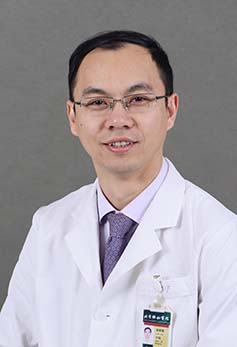 Weifeng Xu (徐维锋)合作论文数Peking Union Medical College Hospital26
 Hanzhong Li (李汉忠)合作论文数Peking Union Medical College Hospital26Anli Tong (童安莉)合作论文数26Xu Wang (王旭)合作论文数22
 YueHua Liu (刘跃华)合作论文数北京燕化医院22
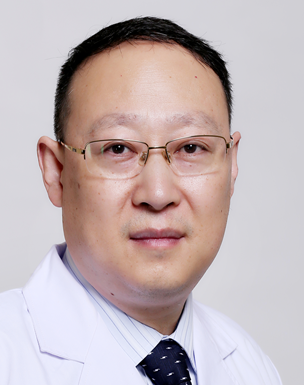 Qiang Wei (魏强)合作论文数West China Hospital, Sichuan University21Yi Cai合作论文数20
 Jin Wen (文进)合作论文数Peking Union Medical College Hospital19DeXin Dong (董德鑫)合作论文数17JianHua Deng (邓建华)合作论文数17
 Aihua Liang (梁爱华)合作论文数Institute of Chinese Materia Medica, China Academy of Chinese Medical Sciences17
 Li Huo (霍力)合作论文数Peking Union Medical College Hospital17Chunying Li (李春英)合作论文数15Yan Yi (易艳)合作论文数15
 Xinyang Liao合作论文数14Hua Fan (樊华)合作论文数14Zhangcheng Liao合作论文数13Xingyu Xiong合作论文数13Jiayin Han (韩佳寅)合作论文数Institute of Chinese Materia Medica China Academy of Chinese Medical Sciences13Jingzhuo Tian (田婧卓)合作论文数Institute of Chinese Materia Medica, China Academy of Chinese Medical Sciences13
 Mingxin Zhang (张明鑫)合作论文数12
 Lianmei Wang (王连美)合作论文数Beijing University of Chinese Medicine12Yong Zhao (赵雍)合作论文数12Hang Xu (徐航)合作论文数College of Electrical Engineering, Sichuan University12
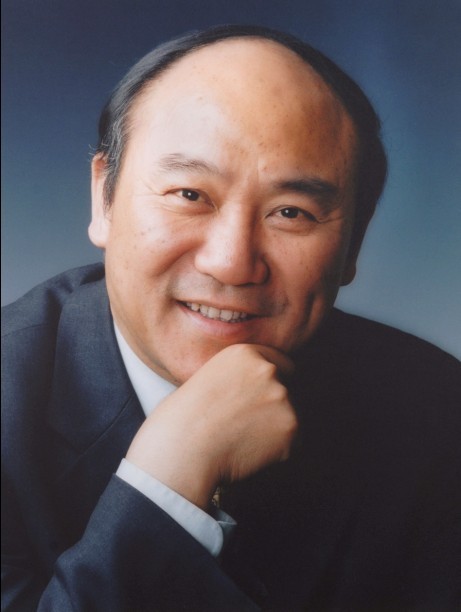 Shusen Zheng (郑树森)合作论文数The First Affiliated Hospital, Zhejiang University School of Medicine11
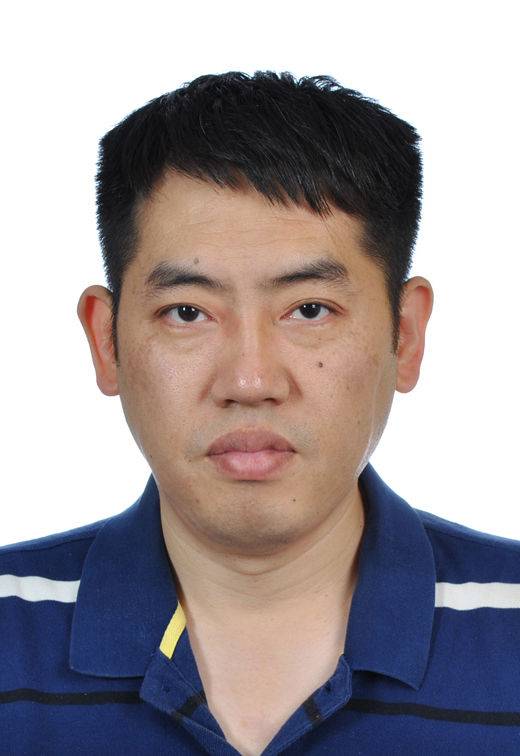 Wei Sun (孙伟)合作论文数Peking Union Medical College11Suyan Liu合作论文数10Guanghua Liu (刘广华)合作论文数10Xiaoyan Liu合作论文数9Yinjie Gao合作论文数9Haidan Sun合作论文数9Xiaonan Zheng合作论文数Institute of Urology, Sichuan University9Ping Tan合作论文数9Jie Ding合作论文数9
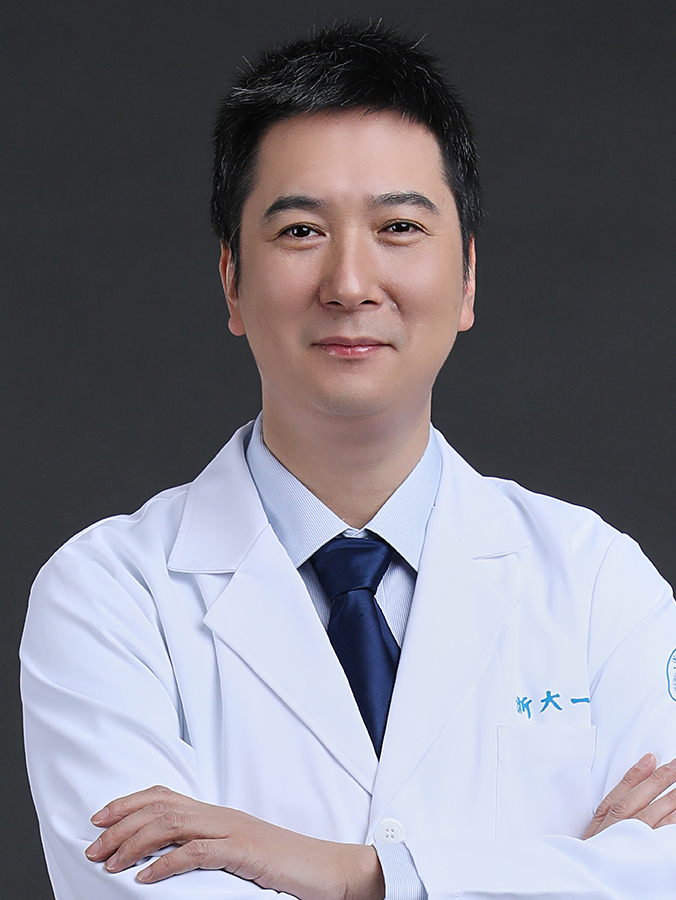 Haiyang Xie (谢海洋)合作论文数The First Affiliated Hospital, Zhejiang University School of Medicine9Lu Yang合作论文数8Yunying Cui合作论文数8Zhong Xian合作论文数8Anjie Xia合作论文数8Jianzhong Ai合作论文数8Guifeng Lin合作论文数7




