BACKGROUND:This study aimed to compare the real-world efficacy and safety of rituximab and inebilizumab in patients with aquaporin-4 immunoglobulin G (AQP4-IgG) seropositive neuromyelitis optica spectrum disorder (NMOSD). METHODS:This retrospective study included patients treated with rituximab or inebilizumab at two tertiary hospitals in China between January 2015 and June 2025. Propensity score matching was conducted to reduce between-group imbalance. The primary endpoint was time to first confirmed relapse. Secondary outcomes included changes in annualized relapse frequency, EDSS scores, and serum IgG and AQP4-IgG levels. Safety profiles were also assessed. RESULTS:A total of 276 patients were analyzed (rituximab: 211; inebilizumab: 65), yielding 61 well-balanced pairs after propensity score matching. In terms of efficacy, clinical outcomes and AQP4-IgG dynamics were comparable between groups in pre- and post-matching analyses, although inebilizumab exhibited a significantly greater reduction in serum IgG levels at 6 months. Safety profiles differed. Rituximab was associated with a higher incidence of overall adverse events, driven primarily by infusion-related reactions, whereas other adverse events remained comparable. CONCLUSIONS:In our real-world study of 276 patients, rituximab and inebilizumab demonstrated comparable efficacy in the medium term but differed in their safety profiles, with a significantly higher incidence of infusion-related reactions observed in the rituximab group.
Background and ObjectivesNeuromyelitis optica spectrum disorder (NMOSD) is a severe autoimmune disease mainly driven by aquaporin-4 antibodies (AQP4-IgG). During an attack, AQP4-IgG activates the complement system, leading to astrocyte destruction, inflammation, neuronal damage, and thus devastating and often irreversible neurologic deficits. Terminal complement inhibitors such as eculizumab and ravulizumab effectively prevent relapses, yet their therapeutic potential in stopping ongoing complement-mediated injury during acute attacks remains insufficiently explored.MethodsWe conducted a multinational retrospective case series across NMOSD-specialized centers in 6 countries, analyzing 33 AQP4-IgG-positive patients (mean age: 48.1 years; 28 women) treated with component 5 (C5) inhibition during or shortly after acute relapse (mean 20.1 days from symptom onset; range 2-62). Eculizumab was used in 25 patients and ravulizumab in 8. Two additional patients were excluded because of delayed treatment initiation beyond 62 days.ResultsLesion locations included myelitis (57.6%) and optic neuritis (30.3%). Expanded Disability Status Scale scores worsened from a pre-relapse median of 0 (interquartile range [IQR] 0-2) to a nadir of 6.5 (IQR 3.5-8), improving to 3.5 (IQR 3-6.5) at 1-3 months and 2.5 (IQR 2-6) at 6 months. All patients stabilized clinically; 20 continued C5 inhibition as attack-preventing therapy. Good, moderate, and poor/absent recovery were observed in 15, 11, and 7 patients, respectively. Earlier treatment was associated with better outcomes: treatment within 21 days yielded an odds ratio of 1.58 (95% CI 0.32-8.52) for good response. Plasma exchange was administered in 57.6% and was associated with higher overall response rates, but not with good response alone.DiscussionThese findings highlight the potential of complement inhibition as a treatment option for acute NMOSD attacks, particularly in patients with insufficient response to standard therapies. Given the absence of clinical worsening and the encouraging course observed in most of the patients, further investigation into the role of C5 inhibition in acute attack management is warranted.Classification of EvidenceThis retrospective case series provides Class IV evidence that the C5 complement inhibitors eculizumab or ravulizumab may improve disability in patients with NMOSD when given during or shortly after acute relapse.
Maternal immune activation (MIA) shapes fetal growth and neurodevelopment, in part by disrupting immune homeostasis at the maternal-fetal interface, thereby contributing to developmental abnormalities such as autism spectrum disorder (ASD). In women with a history of influenza A virus (IAV) infection, we found an enrichment off CD56dimCD16+CD49a- natural killer (NK) cells displaying enhanced NKG2D expression in the decidua basalis, as assessed at delivery. Using IAV- and poly I:C-induced MIA mouse models, we demonstrated that MIA significantly increases the proportion of NK cells at the maternal-fetal interface, characterized by elevated expression of NKG2D, with this local accumulation persisting until late gestation. Importantly, in the poly I:C model, blocking maternal NKG2D through two administrations alleviated prenatal cortical dysplasia, as well as enhancing dendritic plasticity, neural progenitor cells proliferation, and the morphological and transcriptomic changes in cortical excitatory neurons, accompanied by improved ASD-like behaviors in the offspring. However, a single peripheral NKG2D blockade failed to rescue neurodevelopment retardation. In addition, NKG2D blockade through two administrations altered neurodevelopment-related gene signatures, particularly in L2-4 Itpr1-expressing excitatory neurons. Key findings were further corroborated in the IAV model, highlighting NK cell modulation as a potential therapeutic strategy for maternal infection-associated neurodevelopmental disorders.
OBJECTIVE:The objective of this study was to compare clinical features and prognosis of late-onset neuromyelitis optica spectrum disorder (LO-NMOSD, onset age ≥60 years) with adult-onset NMOSD (AO-NMOSD, onset age 18-59 years), and to provide insights for individualized management in elderly patients. METHODS:Data from 748 patients with NMOSD (diagnosed according to the 2015 International Panel for NMO Diagnosis criteria) in the China National Registry of Neuro-Inflammatory Diseases (CNRID) were analyzed. Patients were stratified into AO-NMOSD (18-59 years, n = 617) and LO-NMOSD (≥ 60 years, n = 131). Demographics, clinical manifestations, imaging, treatments, and outcomes were compared using appropriate statistical methods including Kaplan-Meier survival curves and Cox proportional hazards regression. RESULTS:LO-NMOSD showed distinct traits: a lower female predominance (76.34% vs 86.55%), higher transverse myelitis (TM) incidence at onset (57.36% vs 40.17%), elevated annualized relapse rate (ARR; 0.52 ± 0.03 vs 0.38 ± 0.01), and accelerated disability (median Expanded Disability Status Scale [EDSS] 4.75 vs 3.0). TM-predominant relapses (39 of 45, 86.67% in LO vs 96 of 148, 64.86% in AO) contributed significantly to disability. Kaplan-Meier analysis showed LO-NMOSD had a higher risk of relapse (hazard ratio [HR] = 1.932, 95% confidence interval [CI] = 1.427-2.615), disability (HR = 3.192, 95% CI = 1.932-5.274) and reaching visual acuity (VA) ≤20 of 30 (HR = 3.523, 95% CI = 1.585-7.828). Cox regression confirmed that onset age ≥60 years was an independent risk factor for relapse (HR = 2.05, 95% CI = 1.60-2.59), disability (HR = 3.16, 95% CI = 2.14-4.62), and reaching VA ≤20 of 30 (HR 3.26, 95% CI = 1.83-5.48). INTERPRETATION:LO-NMOSD is characterized by myelitis-predominance with recurrent spinal cord involvement, high risk of relapses, and severe disability. It thus underscores the need for heightened clinical attention, with rigorous monitoring that balance safety and efficacy for elderly patients with NMOSD. ANN NEUROL 2026;99:1139-1151.
BACKGROUND AND OBJECTIVES:Neuromyelitis optica spectrum disorder (NMOSD) is a severe autoimmune disease mainly driven by aquaporin-4 antibodies (AQP4-IgG). During an attack, AQP4-IgG activates the complement system, leading to astrocyte destruction, inflammation, neuronal damage, and thus devastating and often irreversible neurologic deficits. Terminal complement inhibitors such as eculizumab and ravulizumab effectively prevent relapses, yet their therapeutic potential in stopping ongoing complement-mediated injury during acute attacks remains insufficiently explored. METHODS:We conducted a multinational retrospective case series across NMOSD-specialized centers in 6 countries, analyzing 33 AQP4-IgG-positive patients (mean age: 48.1 years; 28 women) treated with component 5 (C5) inhibition during or shortly after acute relapse (mean 20.1 days from symptom onset; range 2-62). Eculizumab was used in 25 patients and ravulizumab in 8. Two additional patients were excluded because of delayed treatment initiation beyond 62 days. RESULTS:Lesion locations included myelitis (57.6%) and optic neuritis (30.3%). Expanded Disability Status Scale scores worsened from a pre-relapse median of 0 (interquartile range [IQR] 0-2) to a nadir of 6.5 (IQR 3.5-8), improving to 3.5 (IQR 3-6.5) at 1-3 months and 2.5 (IQR 2-6) at 6 months. All patients stabilized clinically; 20 continued C5 inhibition as attack-preventing therapy. Good, moderate, and poor/absent recovery were observed in 15, 11, and 7 patients, respectively. Earlier treatment was associated with better outcomes: treatment within 21 days yielded an odds ratio of 1.58 (95% CI 0.32-8.52) for good response. Plasma exchange was administered in 57.6% and was associated with higher overall response rates, but not with good response alone. DISCUSSION:These findings highlight the potential of complement inhibition as a treatment option for acute NMOSD attacks, particularly in patients with insufficient response to standard therapies. Given the absence of clinical worsening and the encouraging course observed in most of the patients, further investigation into the role of C5 inhibition in acute attack management is warranted. CLASSIFICATION OF EVIDENCE:This retrospective case series provides Class IV evidence that the C5 complement inhibitors eculizumab or ravulizumab may improve disability in patients with NMOSD when given during or shortly after acute relapse.
Transient ischemia attack (TIA) is a brief episode of neurological dysfunction caused by a transient but reversible disruption of blood supply to a specific region of brain without demonstrated tissue injury. Although TIA has long been regarded as a benign cerebral ischemia event, it in fact represents a critical warning for patients and their caregivers, as approximately 23
SUBJECT:To analyze the treatment response in patients with primary angiitis of the central nervous system (PACNS) in a large vasculitis cohort. METHOD:In this single-center retrospective observational study, we assessed treatment, relapses, remission, and outcome of patients with PACNS. We pooled the patients' relapses under different treatments as well as various immunotherapies. Multivariate logistic regression analysis was performed to determine factors independently associated with relapse and those associated with good functional status. The time of observation was 96 months. RESULT:The cohort comprised 80 patients, with 38 diagnosed with pathologically confirmed PACNS and 42 with clinically diagnosed PACNS, with a median follow-up duration of 18 months (range 3-96). Treatment comprised acute-phase induction therapy with high-dose corticosteroids, alone or combined with immunosuppressive agents, followed by remission-phase maintenance immunosuppressive therapy, primarily with cyclophosphamide, rituximab, or mycophenolate mofetil. Following treatment, 49 patients (61.3%) achieved remission and 70 (87.5%) attained favorable functional outcomes. The overall relapse rate was 35%. Group 3 demonstrated significantly higher baseline disease severity (p < 0.05). Multivariate analysis identified seizures and cognitive impairment as predictors of relapse. CONCLUSION:This study demonstrates that a majority of PACNS patients exhibit a favorable response to therapy. For patients presenting with more severe disease at diagnosis, long-term maintenance therapy following remission induction with glucocorticoids or immunosuppressive agents is required.
Multiple sclerosis (MS) is a chronic inflammatory disease of the central nervous system mediated by autoimmune demyelination. While treatments targeting the peripheral immune system have been effective in reducing relapse risks for MS patients, the neuroinflammation within the central nervous system, which is believed to contribute to neurodegeneration, has not been successfully addressed. Human Dental Pulp Stem Cells (hDPSCs) have shown potential in entering the CNS and exerting anti-inflammatory effects, making them a promising candidate for treating neurological disorders. In experimental autoimmune encephalomyelitis (EAE) models, intravenously administered hDPSCs ameliorated clinical scores, decreased demyelinated lesion volume, and reduced inflammatory infiltration. Given the established safety profile, hDPSCs could potentially be developed as a new approach to combat disease progression of MS by inhibiting compartmentalized neuroinflammation.
Background:The necessity and optimal duration of post-thymectomy immunoregulatory medication (IM) in myasthenia gravis (MG) remain unclear. Objectives:This study aimed to evaluate whether IM is required after thymectomy in MG patients and to determine the appropriate duration of IM in patients without postoperative deterioration by comparing long-term clinical outcomes. Design:This triple-center, retrospective study included 1248 MG patients who underwent thymectomy. Among these patients, we compared outcomes between 483 patients without post-thymectomy IM and 765 patients receiving IM. Methods:Efficacy outcomes included post-thymectomy deterioration and minimal manifestation status (MMS) at 1 year. Safety outcomes, tumor growth, and serious complications were assessed between groups. Subgroup analyses were performed in mild cases (Myasthenia Gravis Foundation of America clinical classification (MGFA) ⩽2a at discharge), patients receiving IM for >1 year, and patients receiving IM for >2 years. Propensity score matching (PSM) was conducted for validation. Results:Relative to 438 MG patients underwent thymectomy with no-IM therapy, 756 thymectomized MG patients receiving concomitant IM showed significantly superior outcomes, including lower deterioration (hazard ratio (HR) = 0.44, adjusted p < 0.001), lower deteriorated MGFA class (adjusted coefficient = 0.94, p < 0.001), and higher odds of achieving MMS at 1 year (odds ratio = 2.06, adjusted p < 0.001). No significant differences were observed in tumor development (3 years: p = 0.78; 5 years: p = 0.27) or serious complications (p = 0.53). Similar trends were observed across subgroups. Among patients without postoperative deterioration, IM longer than 1 year reduced deterioration risk compared with ⩽1 year (HR = 0.67 (0.50-0.91), p = 0.01), whereas extending IM beyond 2 years offered no additional benefit (p = 0.137). PSM analysis confirmed these findings. Conclusion:Our real-world analysis of 1248 MG patients suggests that thymectomy alone is not sufficient to achieve satisfactory outcomes. Post-thymectomy IM is recommended for at least 1 year, while extending treatment beyond 2 years appears to offer no further advantage in patients without deterioration.
BACKGROUND:Myasthenia gravis (MG) is an autoimmune disease predominantly driven by autoantibodies targeting acetylcholine receptor (AChR), resulting in muscle weakness. Efgartigimod, a neonatal Fc receptor (FcRn) blocker, reduces pathogenic immunoglobulin G in anti-AChR antibody-positive generalised MG (gMG). This study aimed to identify immune mechanisms underlying MG pathology and response to efgartigimod. METHODS:We constructed a single-cell atlas of peripheral immune cells from treatment-naïve and efgartigimod-treated patients with gMG. Comprehensive immunophenotyping was performed to compare the clonal diversity of B- and T-cell populations, alongside experimental validation to assess the activation of Th17-related pathways before and after FcRn blockade. RESULTS:B cells in patients with gMG exhibit heightened activation and differentiation, while T cells display distinct pro-inflammatory phenotypes. Enhanced intercellular signalling contributed to the pathogenicity associated with gMG. Efgartigimod mitigated upregulated antigen processing and presentation pathways in MG. Additionally, B-cell clonal diversity and IGHG1-bearing B-cell receptors increased. Transcriptional factor alterations were noted in suboptimal responders. Regulation of T-cell activity, particularly within Th17-related pathways, was associated with remission rates. CONCLUSIONS:These findings underscore immune heterogeneity and dynamics during efgartigimod treatment, providing mechanistic insights into therapeutic response in gMG. KEY POINTS:Aberrant B cells and pro-inflammatory T cells contribute critically to generalised myasthenia gravis (gMG) pathogenesis. Neonatal Fc receptor (FcRn) blockade induces immunoglobulin G (IgG) depletion feedback, reflected by increased class-switched BCRs. Th17 cell proliferation is attenuated following FcRn blockade. Antigen processing and presentation pathways are downregulated after FcRn blockade in gMG.
Ischemic stroke is a devastating neurological disease. Brain ischemia impairs systemic immune responses and heightens susceptibility to infections, though the underlying mechanisms remain incompletely understood. Natural killer (NK) cells exhibited decreased frequency and compromised function after acute stage of stroke, resulting in NK cell-associated immune deficiency and increased risk of infection. MicroRNAs (miRNAs) are post-transcriptional molecular modulators. Our previous study revealed a significant upregulation of miR-451a in circulating NK cells from patients with ischemic stroke, but its effects and precise mechanism on immune defense remain elusive. In this study, we observed a substantial elevation of miR-451a level in brain and splenic NK cells in murine model of ischemic stroke miR-451a mimics suppressed NK cell activation and cytotoxicity within the ischemic brain and periphery, including a downregulation of activation marker CD69, and reduced production of effector molecules IFN-γ and perforin. Conversely, miR-451a inhibitor preserved NK cell activation and cytotoxicity, rescuing local inflammation, and reducing bacterial burden in the lung. Pharmacological inhibition of Akt-mTOR pathway with AZD8055 effectively blocked the impacts of miR-451a on NK cell functions. Collectively, these findings suggest miR-451a negatively regulates NK cell cytotoxicity in both the brain and periphery, which could be re-addressed by modulating the Akt-mTOR signaling pathway.
Background Central nervous system (CNS) accessibility constitutes a major hurdle for drug development to treat neurological diseases. Existing drug delivery methods rely on breaking the blood-brain barrier (BBB) for drugs to penetrate the CNS. Researchers have discovered natural microchannels between the skull bone marrow and the dura mater, providing a pathway for drug delivery through the skull bone marrow. However, there has been no research on the feasibility, safety, and efficacy of this delivery method for drug treatment of stroke. Methods We used a microporous method for intracalvariosseous (ICO) injection to deliver drugs directly into brain parenchyma through skull bone marrow. Safety of ICO was assessed by monitoring changes in skull and peripheral blood neutrophil counts, and FITC-dextran extravasation across the BBB. Drug delivery pathways were observed through transparent skull-dura mater-brain tissue. In a rodent stroke model, NA-1 or Y-3 neuroprotective agents were administered via ICO to evaluate safety and efficacy by assessing neurological deficits, infarct size, neuroinflammatory factors, neuronal apoptosis, and liver/kidney function. Drug concentration in tissues was measured using fluorescence tracing and high-performance liquid chromatography to gauge ICO delivery efficiency. Findings ICO injection delivers drugs to the brain parenchyma through microchannels between the skull bone marrow and the dura mater, offering higher delivery efficiency than intravenous injection. After ICO injection, there were no changes in neutrophil counts in the skull bone marrow and peripheral blood, and the amount of FITCdextran passing through the BBB remained unchanged. This confirmed that ICO injection does not cause skull infection or break BBB, which suggested ICO injection is safe and feasible. In the treatment of stroke with neuroprotective agents, although the drug dosage of ICO injection was lower than intravenous injection, drug accumulation in the brain increased after ICO injection, which helped repair nerve damage, reduce neuronal apoptosis, and decrease the expression of inflammatory factors. Interpretation ICO injection is a central nervous system drug delivery method that utilizes natural microchannels between the skull and dura mater for efficient drug delivery. Our results assessed the feasibility and safety of ICO injection at the preclinical level and evaluated its efficacy in animal models of stroke. The findings provided a foundation for the clinical translation of ICO injection.
Neuroglial cells perform numerous physiological functions and contribute to the pathogenesis of all diseases of the nervous system. Neuroglial neuroprotection defines the resilience of the nervous tissue to exo- and endogenous pathological challenges, while neuroglial defence determines the progression and outcome of neurological disorders. IN this paper, we overview previously unknown but recently discovered roles of various types of neuroglial cells in diverse physiological and pathological processes. First, we describe the role of ependymal glia in the regulation of cerebrospinal fluid flow from the spinal cord to peripheral tissues through the spinal nerves. This newly discovered pathway provides a highway for the CNS-body volume transmission. Next, we present the mechanism by which astrocytes control migration and differentiation of oligodendrocyte precursor cells (OPCs). In pre- and early postnatal CNS, OPCs migrate using vasculature (which is yet free from glia limitans perivascularis) as a pathfinder. Newly forming astrocytic perivascular endfeet signal (through semaphorin-plexin cascade) to OPCs that detach from the vessels and start to differentiate into myelinating oligodendrocytes. We continue the astrocyte theme by demonstrating the neuroprotective role of APOE-laden astrocytic extracellular vesicles in neuromyelitis optica. Next, we explore the link between astrocytic morphology and stress-induced depression. We discuss the critical role of astrocytic ezrin, the cytosolic linker defining terminal astrocyte arborisation and resilience to stress: overexpression of ezrin in prefrontal cortical astrocytes makes mice resistant to stress, whereas ezrin knockdown increases animals vulnerability to stress. Subsequently, we highlight the pathophysiological role of oligodendroglial lineage in schizophrenia by describing novel hypertrophied OPCs in the post-mortem patient's tissue and in a mouse model with OPCs overexpressing alternative splice variant DISC1-Δ3. These DISC1-Δ3-OPCs demonstrated overactivated Wnt/β-catenin signalling pathway and were sufficient to trigger pathological behaviours. Finally, we deliberate on the pathological role of astrocytic and microglial connexin 43 hemichannels in Alzheimer's disease and present a new formula of Cx43 hemichannel inhibitor with increased blood-brain barrier penetration and brain retention.
Neuromyelitis optica spectrum disorders (NMOSD) and multiple sclerosis (MS) are autoimmune demyelinating diseases with overlapping clinical features but distinct patterns of brain and spinal cord atrophy. The precise atrophy subtypes specific to each disease remain elusive. This study aimed to identify shared and distinct atrophy subtypes in NMOSD and MS, using neuroimaging to explore their clinical significance and potential implications for tailored treatment strategies. Clinical and MRI data of 278 AQP4 + NMOSD and 391 MS patients were retrospectively and prospectively collected, alongside 1,065 healthy controls. 3D T1-weighted image derived structural measurements were used in a Subtype and Stage Inference model, to identify distinct brain and spinal cord atrophy subtypes of NMOSD and MS. The clinical characteristics of disease atrophy subtypes and clinical associations of atrophy stage were investigated. The results showed that in NMOSD, three atrophy subtypes were identified: (1) cortical subtype with severe cognitive and physical disability; (2) spinal cord subtype with high number of relapses; and (3) cerebellum subtype with a favorable prognosis. In MS, three atrophy subtypes were identified: (1) cortical subtype featuring severe cognitive decline; (2) spinal cord subtype featuring high number of relapses; and (3) subcortical subtype featuring severe physical disability. Advanced stages in MS spinal cord and subcortical atrophy subtypes were associated with severe physical disability and cognitive decline, while advanced stage in all MS subtypes correlated with disability worsening. These novel imaging subtypes in NMOSD and MS may help interpret disease heterogeneity, develop stratified management, and assess prognosis.
[This corrects the article DOI: 10.1016/j.lanwpc.2023.100846.].
The activation and infiltration of immune cells are hallmarks of ischemic stroke. However, the precise origins and the molecular alterations of these infiltrating cells post-stroke remain poorly characterized. Here, a murine model of stroke (permanent middle cerebral artery occlusion [p-MCAO]) is utilized to profile single-cell transcriptomes of immune cells in the brain and their potential origins, including the calvarial bone marrow (CBM), femur bone marrow (FBM), and peripheral blood mononuclear cells (PBMCs). This analysis reveals transcriptomically distinct populations of cerebral myeloid cells and brain-resident immune cells after stroke. These include a novel CD14+ neutrophil subpopulation that transcriptomically resembles CBM neutrophils. Moreover, the sequential activation of transcription factor regulatory networks in neutrophils during stroke progression is delineated, many of which are unique to the CD14+ population and underlie their acquisition of chemotaxis and granule release capacities. Two distinct origins of post-stroke disease-related immune cell subtypes are also identified: disease inflammatory macrophages, likely deriving from circulating monocytes in the skull, and transcriptionally immature disease-associated microglia, possibly arising from pre-existing homeostatic microglia. Together, a comprehensive molecular survey of post-stroke immune responses is performed, encompassing both local and distant bone marrow sites and peripheral blood.
Background:The effect of colchicine on subsequent stroke among patients with and without symptomatic intracranial artery stenosis (sICAS) and whether age modifies such effect are not known. Methods:In this prespecified subgroup analysis of CHANCE-3, a randomized, double-blind, placebo-controlled clinical trial conducted at 244 centers in China between 11 August 2022 and 13 April 2023 (ClinicalTrials.gov number, NCT05439356), we included 7567 patients with ischemic stroke or transient ischemic attack and assessments of intracranial arteries at baseline. The primary efficacy outcome was a new stroke at 90 days. The main secondary outcome was a combined vascular event including ischemic stroke, hemorrhagic stroke, TIA, myocardial infarction, and vascular death. The primary safety outcome was any serious adverse event within 90 days. Findings:In patients with sICAS, 141 (10.5%) patients on colchicine and 115 (8.5%) on placebo had recurrent stroke within 90 days (adjusted HR 1.30, 95% CI 1.01-1.69; p = 0.04); in patients without sICAS, the corresponding event rates were 4.2% and 5.2% (adjusted HR 0.80, 95% CI 0.62-1.05; p = 0.10) (adjusted interaction p = 0.01). A significant interaction was also observed between sICAS status and the effect of colchicine on the secondary outcome of combined vascular events (adjusted p = 0.02). The interaction was more apparent in the elderly patients (adjusted p < 0.001). In the elderly patients with sICAS (n = 1648), the risk of stroke was higher in the colchicine group (n = 829, 50.3%) compared to the placebo group (n = 819, 49.7%) (adjusted HR 1.58, 95% CI 1.13-2.20; p < 0.001). There was no interaction of status of sICAS with treatment groups on primary safety outcome of any serious adverse event (p = 0.54). In patients with sICAS, 24 (1.8%) patients on colchicine and 7 (0.5%) on placebo had diarrhea within 90 days (p = 0.002). In patients without sICAS, diarrhea occurred in 43 (1.8%) patients on colchicine and in 20 (0.8%) patients on placebo (p = 0.004). Interpretation:The effect of colchicine on subsequent stroke within 90 days may differ according to the presence of sICAS. Aging might be associated with an increased risk of early recurrent stroke in the patients with sICAS receiving colchicine treatment. Future prospective studies are needed to confirm these results. Funding:National Key R&D Program of China, National Natural Science Foundation of China, the Capital's Funds for Health Improvement and Research and Chinese Academy of Medical Sciences Innovation Fund for Medical Sciences. China Kunming Pharmaceuticals supplied colchicine and placebo. Guangdong Wesail Biotech Co. provided assistance in measurement of hsCRP levels.
Background Stroke-induced transient immune suppression is believed to contribute to post-stroke infections. The β-adrenergic receptor antagonist, propranolol, has been shown to prevent stroke-associated pneumonia (SAP) via reversing post-stroke immunosuppression in preclinical studies and in retrospective analysis in stroke patients. However, whether propranolol can reduce the risk of SAP has not been tested in prospective, randomised controlled trials.Aim To describe the rationale and design of a multicentre, prospective, open-label, endpoint-blinded, randomised controlled study to evaluate the safety and efficacy of propranolol hydrochloride injection for the prevention of SAP in patients with intracerebral haemorrhage (ICH) (PROCHASE).Design In this investigator-initiated trial, we compare the safety of the standard medical treatment to standard medical treatment plus intravenous propranolol hydrochloride administration (5 mg daily on days 1–7) in patients with ICH and the efficacy of this intervention to reduce the occurrence of SAP. All patients will be followed up for 90±7 days.Study outcomes The primary efficacy outcome is SAP within 7±1 days diagnosed by the defined algorithm based on a diagnosis of SAP recommendations from the pneumonia in stroke consensus group. The primary safety outcome is defined as severe or moderate bradycardia within 7±1 days. The secondary outcome is a modified Rankin score of 0–3 at 90±7 days after randomisation.Discussion The PROCHASE trial aims to generate clinical evidence regarding the safety and efficacy of propranolol in preventing SAP in patients with ICH.
 Qiang Liu (刘强)合作论文数General Hospital, Tianjin Medical University56
 Wei-Na Jin合作论文数42Kaibin Shi (史凯斌)合作论文数Tianjin Medical University General Hospital42De-Cai Tian合作论文数40
 Yaou Liu (刘亚欧)合作论文数Beijing Tiantan Hospital, Capital Medical University;Graduate School of Capital Medical University40
 Chao Zhang (张超)合作论文数Tianjin Medical University General Hospital35
 Antonio La Cava合作论文数David Geffen School of Medicine, University of California Los Angeles34
 Li Yang (杨丽)合作论文数The First Clinical School of Tianjin Medical University29
 Tim Vollmer合作论文数Department of Neurology, School of Medicine, University of Colorado;Children's Hospital Colorado;Center for Neuroscience, College of Arts and Sciences, University of Colorado;Rocky Mountain Multiple Sclerosis Center29
 Chunsheng Yang (杨春生)合作论文数Tianjin Medical University General Hospital28
 Denise Campagnolo合作论文数28
 Junwei Hao (郝峻巍)合作论文数Department of Neurology, Xuanwu Hospital, Capital Medical University26Yunyun Duan合作论文数26
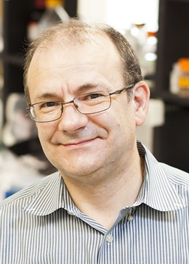 Luc Van Kaer合作论文数Vanderbilt Institute for Infection, Immunology and Inflammation, Vanderbilt University Medical Center;Department of Pathology, Microbiology and Immunology, Vanderbilt University Medical Center23
 Ying Fu合作论文数22
 Kristofer Wood合作论文数22Min-Shu Li合作论文数Tianjin Med Univ, Gen Hosp, Dept Neurol, Tianjin, Peoples R China21
 Xinghu Zhang (张星虎)合作论文数Department of Neurology, Beijing Tiantan Hospital,Capital Medical University19
 Hans-Gustaf Ljunggren合作论文数Department of Medicine, Huddinge, Karolinska Institutet;NextGenNK Competence Center19
 Hans Link合作论文数Department of Neurology, Karolinska Institutet19Su Lei合作论文数18
 Xuefeng Bai (白雪峰)合作论文数School of Electrical Engineering and Automation, Harbin Institute of Technology18
 Yaping Yan (闫亚平)合作论文数College of Life Sciences, Shaanxi Normal University17Ruolan Liu合作论文数17
 Linjie Zhang合作论文数16Moli Fan合作论文数16
 Samuel Shi合作论文数Clinical Neuroscience Research Center, Tulane University School of Medicine15
 Kevin Sheth合作论文数Department of Neurology and Neurosurgery, Yale School of Medicine, Yale University;Yale Center for Brain & Mind Health, Yale School of Medicine, Yale University15Jia Dongmei合作论文数15
 Chunshui Yu (于春水)合作论文数Tianjin Medical University General Hospital;Tianjin Medical University15
 Frederik Barkhof合作论文数Centre for Medical Image Computing, Faculty of Engineering, University College London;Department of Medical Physics, Faculty of Engineering, University College London15
 Li Ting合作论文数13
 Kuncheng Li (李坤成)合作论文数Xuanwu Hospital of Capital Medical University;Graduate School, Capital Medical University13
 Friedemann Paul合作论文数Experimental and Clinical Research Center, Universitätsmedizin Berlin13Tian-Xiang Zhang合作论文数12Li Yu-Jing合作论文数12Qi Yuan合作论文数12
 Allen Zhuang Zhuo (卓壮)合作论文数Institute of Advanced Photonics, School of Information Science and Engineering, Shandong University12
 Hulun Li (李呼伦)合作论文数哈尔滨医科大学神经生物学教研室12
 Rayna Gonzales合作论文数11Zhiguo Li合作论文数11Tian Song合作论文数11
 Yan Gan合作论文数11Yuan Meng (孟元)合作论文数11
 Yongjun Wang (王拥军)合作论文数Beijng Tiantan Hospital, Capital Medical University11
 Alexei Verkhratsky合作论文数Division of Neuroscience, School of Biological Sciences, Faculty of Biology, Medicine and Health, The University of Manchester11Zhang Ningnannan合作论文数11Hengri Cong合作论文数10Mary Price合作论文数10




