Phycobilisomes (PBSs) are supramolecular pigment-protein complexes composed of phycobiliproteins and linker proteins, serving as the major light-harvesting complexes that capture and transfer light energy to photosystem II (PSII) and photosystem I (PSI) in cyanobacteria and eukaryotic red algae. In cyanobacteria, a rod-type PBS that does not have a core is specifically connected to PSI by a linker protein CpcL to form a PSI-CpcL-PBS supercomplex. However, the mechanism of CpcL-PBS association to PSI remains unclear. Here, we report the cryoelectron microscopic structures of PSI-CpcL-PBS at 2.98 Å and CpcL-PBS at 2.93 Å resolution from a cyanobacterium Anabaena sp. PCC 7120, respectively. CpcL-PBS is located on the stromal side of a PSI tetramer and exhibits a structure of three-layered PBS consisting of four linkers (CpcL, CpcC1, CpcC2, PecC) and 18 pairs of phycocyanin αβ monomers. The C-terminal transmembrane helix of CpcL inserts to the membrane and interacts with PsaA, PsaB, and PsaM of PSI at an interface I between two PSI monomers, enabling the formation of the PSI-CpcL-PBS supercomplex. The exact structure of protein subunits and arrangement of bilin and chlorophyll pigments are revealed, which provide a structural basis for the assembly of PSI-CpcL-PBS and possible excitation energy transfer pathways from antennas to PSI within this supercomplex, shedding light on the organization and attachment of CpcL-PBS in cyanobacterial thylakoids.
The light-harvesting complexes of photosystem I (PSI) and PSII (LHCI and LHCII) in Bryopsis corticulans (B. corticulans) are homologous to those in Chlamydomonas reinhardtii and land plants but exhibit a distinct chlorophyll (Chl) and carotenoid composition. Here, we report cryo-electron microscopy structures of the PSI-LHCI10-LHCII9 supercomplex, comprising three LHCII trimers, and the C2S2M2N2-type PSII-LHCII supercomplex from B. corticulans. In the PSI supercomplex, ten LHCI subunits assemble into two belts and one heterodimer, coordinating a total of 86 Chl a and 65 Chl b molecules (Chl a/b ratio of 1.3, compared with 3.4 in C. reinhardtii), as well as 18 siphonaxanthin, 2 siphonein, and 13 α-carotene molecules. Of the three LHCII trimers bound to the PSI-LHCI supercomplex, two are anchored to the PSI core primarily via phosphorylated subunits, whereas the third, non-phosphorylated trimer is stabilized through interactions with Lhca-d and the adjacent LHCII trimer. In the C2S2M2N2-type PSII-LHCII supercomplex, the N-LHCII is positioned closer to the PSII core than in C. reinhardtii, likely owing to loss of the linker motif in the N-terminal region of B. corticulans CP29. Structure-based energy transfer analysis suggests that this spatial rearrangement enhances the efficiency of excitation energy transfer from N-LHCII to the PSII core. Collectively, these findings reveal structural adaptations that underlie the acclimation strategies of siphonous green algae inhabiting intertidal environments.
China's Three-North Region hosts of the world's largest wind and solar installations, yet renewable curtailment persists due to insufficient local demand and congested transmission. Simultaneously, this region faces chronic forage protein shortages, widespread grassland degradation, and weak carbon sink capacity. We propose a Green Biomanufacturing Infrastructure (GBI) paradigm that transforms these intersecting challenges into a fourfold synergy: renewable energy utilization, forage production, ecological restoration, and carbon sequestration. Surplus wind/solar power drives five integrated modules: (1) Direct current (DC)-driven desalination and atmospheric water harvesting for fresh water, (2) Agrivoltaic forage cultivation and ecological grassland restoration, (3) Adaptive plant-factories powered by photovoltaic (PV) and thermal storage with smart light-emitting diode (LED) lighting, (4) Artificial intelligence (AI)-assisted microalgal photobioreactors coupled with green ammonia synthesis, and (5) Renewable-powered biomass drying and processing. Together, these systems form flexible “biological loads” that dynamically follow the renewable supply profile. Rather than moving electricity far away or storing it chemically, the green electricity is directly used to create forage, vegetation cover and carbon sinks in situ, thus simultaneously addressing power curtailment, feed security, ecosystem restoration and carbon sequestration. This perspective outlines the concept, supporting technologies, and policy measures for realizing such a co-beneficial infrastructure in North China.
Photosystem I (PSI) is a pigment-protein complex, which converts light energy into chemical energy in photosynthesis. Among photosynthetic organisms, PSI-LHC (light-harvesting complex) structures exhibit substantial differences in their sizes, reflecting adaptation to different light environments. Here we report the structure of a PSI-fucoxanthin chlorophyll a/c binding protein (FCPI) supercomplex from the coccolithophore Emiliania huxleyi (Eh) at 2.79-angstrom resolution by cryo-electron microscopy, which showed a huge Eh-PSI-FCPI supercomplex containing 38 peripheral Eh-FCPI antennae and a linker protein (EhLP) in addition to the PSI core. A network of 819 pigments was found in Eh-PSI-FCPI, which functions to capture and transfer light energy with 95% quantum efficiency. This elucidates how its modular Eh-FCPI arrangement contributes to the expansion of PSI cross section and efficient light harvesting.
Cryptophyte algae are an important group of photosynthetic eukaryotes and originated evolutionarily from a secondary endosymbiosis with a red algal ancestor. Photosystem I (PSI) of cryptophyte algae binds alloxanthin-chlorophyll a/c-binding proteins (ACPs) equivalent to the light harvesting complexes (LHCs) of green algae and higher plants. Here, we report a high resolution (2.25 Å) structure of the PSI-ACPI supercomplex purified from the cryptophyte Chroomonas placoidea (C. placoidea) by cryo-electron microscopy. The PSI-ACPI supercomplex consists of a monomeric PSI core, 14 ACPI subunits and a Chl-binding subunit, CCPI-S. The 14 ACPI subunits are divided into two layers, with an inner layer including 11 ACPIs, and an outer layer consisting of 3 ACPIs. The CCPI-S mediates the connections and energy transfer between the outer and inner ACPI layers. Due to the current higher resolution, a unique PsaQ subunit bound at the lumenal side was identified in the PSI core. Two new pigment molecules Chl a856PsaA and Mon 627ACPI − 8 as well as 18 new lipids were identified, compared to the previously reported PSI-ACPI structure from the cryptophyte alga C. placoidea (Zhao et al. 2023). These lipids mediate the interactions of subunits and the assembly of PSI-ACPI. These results provide structural insights for the assembly of the PSI-ACPI complex and pathways of light-energy absorption and transfer in cryptophyte PSI-ACPI, as well as the possible adaptation mechanisms to fluctuating light conditions.
Acaryochloris marina is a unique cyanobacterium using chlorophyll d (Chl d ) as its major pigment and thus can use far-red light for photosynthesis. Photosystem II (PSII) of A. marina associates with a number of prochlorophyte Chl-binding (Pcb) proteins to act as the light-harvesting system. We report here the cryo-electron microscopic structure of a PSII-Pcb megacomplex from A. marina at a 3.6-angstrom overall resolution and a 3.3-angstrom local resolution. The megacomplex is organized as a tetramer consisting of two PSII core dimers flanked by sixteen symmetrically related Pcb proteins, with a total molecular weight of 1.9 megadaltons. The structure reveals the detailed organization of PSII core consisting of 15 known protein subunits and an unknown subunit, the assembly of 4 Pcb antennas within each PSII monomer, and possible pathways of energy transfer within the megacomplex, providing deep insights into energy transfer and dissipation mechanisms within the PSII-Pcb megacomplex involved in far-red light utilization.
Cryptophyte algae are an evolutionarily distinct and ecologically important group of photosynthetic unicellular eukaryotes. Photosystem II (PSII) of cryptophyte algae associates with alloxanthin chlorophyll a/c-binding proteins (ACPs) to act as the peripheral light-harvesting system, whose supramolecular organization is unknown. Here, we purify the PSII-ACPII supercomplex from a cryptophyte alga Chroomonas placoidea (C. placoidea), and analyze its structure at a resolution of 2.47 Å using cryo-electron microscopy. This structure reveals a dimeric organization of PSII-ACPII containing two PSII core monomers flanked by six symmetrically arranged ACPII subunits. The PSII core is conserved whereas the organization of ACPII subunits exhibits a distinct pattern, different from those observed so far in PSII of other algae and higher plants. Furthermore, we find a Chl a-binding antenna subunit, CCPII-S, which mediates interaction of ACPII with the PSII core. These results provide a structural basis for the assembly of antennas within the supercomplex and possible excitation energy transfer pathways in cryptophyte algal PSII, shedding light on the diversity of supramolecular organization of photosynthetic machinery.
Diatom is the most flourishing group of ocean photosynthetic organism, whose living success relies largely on the light-harvesting and photoprotection potency of its antenna complex, i.e. the fucoxanthin chlorophyll (Chl) a/c binding protein (FCP). With reference to the light-harvesting antennae of higher plants and green algae, FCP binds weakly coupled Chls, among which the intra-complex excitation energy transfer (EET) is more susceptive to the protein conformation and surrounding. Particularly, the fucoxanthin molecules bound in FCP are highly interactive with the thylakoid membrane, which may influence the intra-complex EET processes. To investigate the effect of lipid microenvironment on the conformation and the energetics of FCP, we reconstituted Chaetoceros gracilis FCP dimer into L-alpha-PC lipid nanodisc, and investigated the fluorescence dynamics among different pools of Chls using time-resolved fluorescence spectroscopy. The lipid-protein interactions lead to obvious conformational change of the blue-absorbing fucoxanthin molecule, and about 30 % decrease in Chl a-fluorescence quantum yield and 20 % shortening in fluorescence lifetime, which is ascribed to the quenching of major fluorescent component at 677 nm by non-radiative quencher.
Diatoms rely on fucoxanthin chlorophyll a/c-binding proteins (FCPs) for light harvesting and energy quenching under marine environments. Here we report two cryo-electron microscopic structures of photosystem I (PSI) with either 13 or five fucoxanthin chlorophyll a/c-binding protein Is (FCPIs) at 2.78 and 3.20 Å resolutions from Thalassiosira pseudonana grown under high light (HL) conditions. Among them, five FCPIs are stably associated with the PSI core, these include Lhcr3, RedCAP, Lhcq8, Lhcf10, and FCP3. The eight additional Lhcr-type FCPIs are loosely associated with the PSI core and detached under the present purification conditions. The pigments of this centric diatom showed a higher proportion of chlorophylls a, diadinoxanthins, and diatoxanthins; some of the chlorophyll as and diadinoxanthins occupy the locations of fucoxanthins found in the huge PSI-FCPI from another centric diatom Chaetoceros gracilis grown under low-light conditions. These additional chlorophyll as may form more energy transfer pathways and additional diadinoxanthins may form more energy dissipation sites relying on the diadinoxanthin-diatoxanthin cycle. These results reveal the assembly mechanism of FCPIs and corresponding light-adaptive strategies of T. pseudonana PSI-FCPI, as well as the convergent evolution of the diatom PSI-FCPI structures.
Marine photosynthetic dinoflagellates are a group of successful phytoplankton that can form red tides in the ocean and also symbiosis with corals. These features are closely related to the photosynthetic properties of dinoflagellates. We report here three structures of photosystem I (PSI)-chlorophylls (Chls) a/c- peridinin protein complex (PSI- AcpPCI) from two species of dinoflagellates by single- particle cryoelectron microscopy. The crucial PsaA/B subunits of a red tidal dinoflagellate Amphidinium carterae are remarkably smaller and hence losing over 20 pigment- binding sites, whereas its PsaD/ F/I/J/L/M/R subunits are larger and coordinate some additional pigment sites compared to other eukaryotic photosynthetic organisms, which may compensate for the smaller PsaA/B subunits. Similar modifications are observed in a coral symbiotic dinoflagellate Symbiodinium species, where two additional core proteins and fewer AcpPCIs are identified in the PSI-AcpPCI supercomplex. The antenna proteins AcpPCIs in dinoflagellates developed some loops and pigment sites as a result to accommodate the changed PSI core, therefore the structures of PSI-AcpPCI supercomplex of dinoflagellates reveal an unusual protein assembly pattern. A huge pigment network comprising Chls a and c and various carotenoids is revealed from the structural analysis, which provides the basis for our deeper understanding of the energy transfer and dissipation within the PSI-AcpPCI supercomplex, as well as the evolution of photosynthetic organisms.
Diatoms, a group of prevalent marine algae, significantly contribute to global primary productivity. Their substantial biomass is linked to enhanced absorption of blue-green light underwater, facilitated by fucoxanthin chlorophyll a/c-binding proteins (FCPs), exhibiting oligomeric diversity across diatom species. Utilizing mild CN-PAGE analysis on solubilized thylakoid membranes, we displayed monomeric, dimeric, trimeric, tetrameric and pentameric FCPs in diatoms. Mass spectrometry analysis revealed each oligomeric FCP has specific protein compositions, constituting a large Lhcf family of FCP antennas. In addition, we resolved the structures of Thalassiosira pseudonana FCP (Tp-FCP) homotrimer and Chaetoceros gracilis FCP (Cg-FCP) pentamer by cryo-electron microscopy at 2.73 Å and 2.65 Å resolutions, respectively. The distinct pigment composition and organization in various oligomeric FCPs change their blue-green light-harvesting, excitation energy transfer pathways. In comparison to dimeric and trimeric FCPs, Cg-FCP tetramer and Cg-FCP pentamer exhibit stronger absorption by Chls c, red-shifted and broader Chl a fluorescence emission, as well as more robust circular dichroism signals originating from Chl a-carotenoid dimers. These spectroscopic characteristics indicate that Chl a molecules in Cg-FCP tetramer and Cg-FCP pentamer are more heterogeneous than in both dimers and Tp-FCP trimer. The structural and spectroscopic insights provided by this study contribute to a better understanding of the mechanisms that empower diatoms to adapt to fluctuating light environments.
Many plans to establish human settlements on other planets focus on adapting crops to growth in controlled environments. However, these settlements will also require pioneer plants that can grow in the soils and harsh conditions found in extraterrestrial environments, such as those on Mars. Here, we report the extraordinary environmental resilience of Syntrichia caninervis, a desert moss that thrives in various extreme environments. S. caninervis has remarkable desiccation tolerance; even after losing >98% of its cellular water content, it can recover photosynthetic and physiological activities within seconds after rehydration. Intact plants can tolerate ultra-low temperatures and regenerate even after being stored in a freezer at -80°C for 5 years or in liquid nitrogen for 1 month. S. caninervis also has super-resistance to gamma irradiation and can survive and maintain vitality in simulated Mars conditions; i.e., when simultaneously exposed to an anoxic atmosphere, extreme desiccation, low temperatures, and intense UV radiation. Our study shows that S. caninervis is among the most stress tolerant organisms. This work provides fundamental insights into the multi-stress tolerance of the desert moss S. caninervis, a promising candidate pioneer plant for colonizing extraterrestrial environments, laying the foundation for building biologically sustainable human habitats beyond Earth.
Diatoms achieve great survival success in the fluctuating oceanic environment, rely on fucoxanthin chlorophyll a / c -binding proteins (FCPs) to complete light harvesting and quenching, which provide about 20% primary productivity on earth. We report two cryo-electron microscopic structures of photosystem I (PSI) with 13 or 5 FCPIs respectively at 2.78 Å and 3.20 Å resolution from Thalassiosira pseudonana under high light conditions. 8 Lhcr FCPIs are found detached from the PSI-13FCPI supercomplex under high light conditions, remaining 5 FCPIs are stably combined with the PSI core including Lhcr3, RedCAP, Lhcq8, Lhcf10, and FCP3 subunits. The specific pigment network in this centric diatom T. pseudonana demonstrates a higher proportion of Chlorophylls a , diadinoxanthins, and diatoxanthins but fewer fucoxanthins compared with the huge PSI-FCPI from another centric diatom Chaetoceros gracilis , thus exhibiting more efficiency in energy transfer and dissipation among FCPI antennas. These results reveal the assembly mechanism of several types of peripheral FCPIs and corresponding light-adaptive strategies in T. pseudonana , as well as the convergent evolution of the diatoms PSI-FCPI structures. ### Competing Interest Statement The authors have declared no competing interest.
Diatoms are dominant marine algae and contribute around a quarter of global primary productivity, the success of which is largely attributed to their photosynthetic capacity aided by specific fucoxanthin chlorophyll-binding proteins (FCPs) to enhance the blue-green light absorption under water. We purified a photosystem II (PSII)-FCPII supercomplex and a trimeric FCP from Cyclotella meneghiniana (Cm) and solved their structures by cryo-electron microscopy (cryo-EM). The structures reveal detailed organizations of monomeric, dimeric and trimeric FCP antennae, as well as distinct assemblies of Lhcx6_1 and dimeric FCPII-H in PSII core. Each Cm-PSII-FCPII monomer contains an Lhcx6_1, an FCP heterodimer and other three FCP monomers, which form an efficient pigment network for harvesting energy. More diadinoxanthins and diatoxanthins are found in FCPs, which may function to quench excess energy. The trimeric FCP contains more chlorophylls c and fucoxanthins. These diversified FCPs and PSII-FCPII provide a structural basis for efficient light energy harvesting, transfer, and dissipation in C. meneghiniana .
Fucoxanthin-chlorophyll proteins (FCPs) are a family of photosynthetic light-harvesting complex (LHC) proteins found in diatoms. They efficiently capture photons and regulate their functions, ensuring diatom survival in highly fluctuating light. FCPs are present in different oligomeric states in vivo, but functional differences among these FCP oligomers are not yet fully understood. Here we characterized two types of antenna complexes (FCP-B/C dimers and FCP-A tetramers) that coexist in the marine centric diatom Chaetoceros gracilis using both time-resolved fluorescence and transient absorption spectroscopy. We found that the FCP-B/C complex did not show fluorescence quenching, whereas FCP-A was severely quenched, via an ultrafast excitation energy transfer (EET) pathway from Chl a Qy to the fucoxanthin S1/ICT state. These results highlight the functional differences between FCP dimers and tetramers and indicate that the EET pathway from Chl a to carotenoids is an energy dissipation mechanism conserved in a variety of photosynthetic organisms.
Diatoms rely on fucoxanthin chlorophyll a/c -binding proteins (FCPs) for their great success in oceans, which have a great diversity in their pigment, protein compositions, and subunit organizations. We report a unique structure of photosystem II (PSII)–FCPII supercomplex from Thalassiosira pseudonana at 2.68-Å resolution by cryo–electron microscopy. FCPIIs within this PSII-FCPII supercomplex exist in dimers and monomers, and a homodimer and a heterodimer were found to bind to a PSII core. The FCPII homodimer is formed by Lhcf7 and associates with PSII through an Lhcx family antenna Lhcx6_1, whereas the heterodimer is formed by Lhcf6 and Lhcf11 and connects to the core together with an Lhcf5 monomer through Lhca2 monomer. An extended pigment network consisting of diatoxanthins, diadinoxanthins, fucoxanthins, and chlorophylls a/c is revealed, which functions in efficient light harvesting, energy transfer, and dissipation. These results provide a structural basis for revealing the energy transfer and dissipation mechanisms and also for the structural diversity of FCP antennas in diatoms.
Light-harvesting complexes of photosystem II (LHCIIs) in green algae and plants are vital antenna apparatus for light harvesting, energy transfer, and photoprotection. Here we determined the structure of a siphonous-type LHCII trimer from the intertidal green alga Bryopsis corticulans by X-ray crystallography and cryo-electron microscopy (cryo-EM), and analyzed its functional properties by spectral analysis. The Bryopsis LHCII (Bry-LHCII) structures in both homotrimeric and heterotrimeric form show that green light-absorbing siphonaxanthin and siphonein occupied the sites of lutein and violaxanthin in plant LHCII, and two extra chlorophylls (Chls) b replaced Chls a. Binding of these pigments expands the blue-green light absorption of B. corticulans in the tidal zone. We observed differences between the Bry-LHCII homotrimer crystal and cryo-EM structures, and also between Bry-LHCII homotrimer and heterotrimer cryo-EM structures. These conformational changes may reflect the flexibility of Bry-LHCII, which may be required to adapt to light fluctuations from tidal rhythms.
Photosystem I (PSI) possesses a variable supramolecular organization among different photosynthetic organisms to adapt to different light environments. Mosses are evolutionary intermediates that diverged from aquatic green algae and evolved into land plants. The moss Physcomitrium patens ( P. patens ) has a light-harvesting complex (LHC) superfamily more diverse than those of green algae and higher plants. Here, we solved the structure of a PSI–LHCI–LHCII–Lhcb9 supercomplex from P. patens at 2.68 Å resolution using cryo-electron microscopy. This supercomplex contains one PSI–LHCI, one phosphorylated LHCII trimer, one moss-specific LHC protein, Lhcb9, and one additional LHCI belt with four Lhca subunits. The complete structure of PsaO was observed in the PSI core. One Lhcbm2 in the LHCII trimer interacts with PSI core through its phosphorylated N terminus, and Lhcb9 mediates assembly of the whole supercomplex. The complicated pigment arrangement provided important information for possible energy-transfer pathways from the peripheral antennae to the PSI core.
我是超级能量苹果嘻嘻,遇到院士就会变成嘻嘻苹果镜. 我是超级能量菠萝哈哈,遇到院士就会变成哈哈菠萝镜. 苹果嘻嘻快起立, 伸伸懒腰变镜子. 想啊想啊看仔细, 马上出现小秘密 变 菠萝哈哈跳一跳, 拍拍脑瓜笑一笑. 变成镜子照一照, 点石成金办法妙! 嘻嘻哈哈在一起,遇到院士才神奇! 瞧,匡院士来啦,快来变变变! 大难题,小难题,遇到我们不稀奇! 难题1 绿色的叶子喜欢绿光、红光,还是蓝光呢? 悠悠马上说:"绿色的叶子当然喜欢绿光啦,吸收了绿光才能变成绿色啊." 乐乐说:"不对,不对,绿光、红光、蓝光,叶子都喜欢." 匡院士笑了笑,给苹果嘻嘻下了个小命令: 苹果嘻嘻快起立, 伸伸懒腰变镜子. 快快放大看仔细, 发现绿叶的小秘密.
Improving far-red light utilization could be an approach to increasing crop production under suboptimal conditions. In land plants, only a small part of far-red light can be used for photosynthesis, which is captured by the antenna proteins LHCAs of photosystem I (PSI) through the chlorophyll (Chl) pair a603 and a609. However, it is unknown how the energy level of Chls a603-a609 is fine-tuned by the local protein environment in vivo. In this study, we investigated how changing the amino acid ligand for Chl a603 in LHCA4, the most red-shifted LHCA in Arabidopsis thaliana, or one amino acid near Chl a609, affected the energy level of the resulting PSI-LHCI complexes in situ and in vitro. Substitutions of the Chl a603 ligand N99 caused a blue shift in fluorescence emission, whereas the E146Q substitution near Chl a609 expanded the emission range to the red. Purified PSI-LHCI complexes with N99 substitutions exhibited the same fluorescence emission maxima as their respective transgenic lines, while the extent of red shift in purified PSI-LHCI with the E146Q substitution was weaker than in the corresponding transgenic lines. We propose that substituting amino acids surrounding red Chls can tune their energy level higher or lower in vivo, while shifting the absorption spectrum more to the red could prove more difficult than shifting to the blue end of the spectrum. Here, we report the first in vivo exploration of changing the local protein environment on the energy level of the red Chls, providing new clues for engineering red/blue-shifted crops.
 Liangbi Li合作论文数115Chong-Qin Tang合作论文数52
 Wenda Wang (王文达)合作论文数Institute of Botany, The Chinese Academy of Sciences;University of Chinese Academy of Sciences48Kezhi Bai合作论文数48
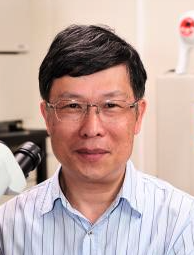 Jian-Ren Shen (沈建仁)合作论文数Research Institute for Interdisciplinary Science, Okayama University47
 Boliang Li (李伯良)合作论文数Center for Excellence in Molecular Cell Science, Chinese Academy of Sciences43
 Guangye Han (韩广业)合作论文数Institute of Botany, The Chinese Academy Of Sciences;University of Chinese Academy of Sciences39Sc Wang合作论文数38Junfang He合作论文数36
 Congming Lu (卢从明)合作论文数College of Life Sciences, Shandong Agricultural University34
 Nanming Zhao (赵南明)合作论文数Tsinghua Medicine, Tsinghua University30
 Yandao Gong (公衍道)合作论文数School of Life Sciences, Tsinghua University29Cq Tang合作论文数28
 Yinong Xu (许亦农)合作论文数Institute of Botany, The Chinese Academy of Sciences/University of Chinese Academy of Sciences 28Peisong Tang (汤佩松)合作论文数25
 Qide Zhang合作论文数23
 Xiaochun Qin (秦晓春)合作论文数School of Biological Science and Technology, University of Jinan22
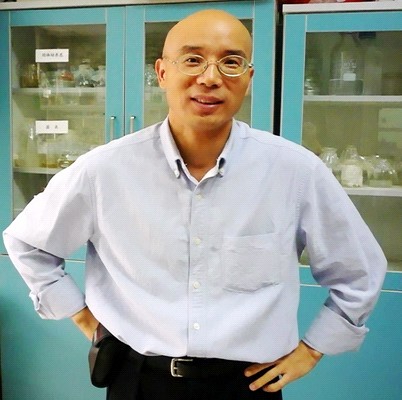 Zhenle Yang (阳振乐)合作论文数中科院植物研究所21Xia Cai (蔡霞)合作论文数The College of Life Sciences, Northwest University19Ju-fang PENG (彭菊芳)合作论文数18Kebin Wang合作论文数18Peng De-chuan合作论文数16Xiao Liu (刘晓)合作论文数The College of Life Sciences, Northwest University16
 Jianping Zhang (张建平)合作论文数School of Chemistry and Life Resources, Renmin University of China16Jian-Min Hou合作论文数15Yueyong Xin合作论文数15
 Qiang Xu合作论文数14Gui-Zhen Jiang合作论文数14
 Qingtao Lu (卢庆陶)合作论文数University of Chinese Academy of Sciences;Key Laboratory of Photobiology, Institute of Botany, The Chinese Academy of Sciences13
 Chunxi Zhang (张纯喜)合作论文数Institute of Chemistry, Chinese Academy of Sciences;University of Chinese Academy of Sciences13
 Zhaoyu Ren (任兆玉)合作论文数Institute of Photonics & Photon-Technology, Northwest University;School of Physics, Northwest University13Jixiu Shan合作论文数13Xing-Kang Zhang合作论文数13
 Shihua Shen (沈世华)合作论文数Institute of Botany, Chinese Academy of Sciences;University of Chinese Academy of Sciences13Kun-Yun Yang (杨昆云)合作论文数13QiaoYing Ge (戈巧英)合作论文数12
 Sen-Fang Sui (隋森芳)合作论文数School of Life Sciences, Tsinghua University12Qiyuan Zhang合作论文数12DC PENG合作论文数11Lu Rong-he合作论文数11NaiBin Hao (郝乃斌)合作论文数11
 Yaodong Chen (陈耀东)合作论文数The College of Life Sciences, Northwest University11
 Jinxing Lin (林金星)合作论文数College of Biological Sciences and Technology, Beijing Forestry University11
 Yu-xiang Jing (荆玉祥)合作论文数Chinese Academy of Sciences Key Laboratory of Photosynthesis and Environmental Molecular Physiology11Min Sang (桑敏)合作论文数11Jushuo Wang合作论文数11Mao Da-zhang合作论文数10zepu zhong (钟泽璞)合作论文数10
 Zhensheng Li (李振声)合作论文数Institute of Genetics and Developmental Biology, Chinese Academy of Sciences;University of Chinese Academy of Sciences10




