This study reports a congenital heart disease, characterized by ventricular wall thinning and septal defects, caused by a heterozygous missense mutation (R755 W) in the glycolytic gene PFKP (platelet isoform of phosphofructokinase-1). The pathogenic mechanism involves the PFKP mutation impairing enzyme activity, which inhibits cardiomyocyte proliferation and leads to the thinning of the compact myocardium. In the mouse model, we found that administering the downstream metabolite, fructose-1,6-bisphosphate, reversed the myocardial hypoplasia in fetal mice, providing proof-of-concept for in utero intervention. Clinically, we successfully prevented the transmission of the disease using preimplantation genetic testing, resulting in the birth of a healthy infant.
To assess IVF/ICSI outcomes and their determinants in young patients with low basal AMH stratified by basal FSH levels. This retrospective cohort study included 70,644 IVF/ICSI cycles conducted at a tertiary reproductive center between 2017 and 2022. After 1:2 propensity score matching for age and AMH, women aged 20–39 years with low AMH (< 1.1 ng/mL) were categorized into two extreme basal FSH phenotypes: low FSH (< 5 mIU/mL, n=298) an high FSH (> 25 mIU/mL, n=149). Among young women with low AMH, those with low basal FSH exhibited higher BMI and AFC, as well as longer stimulation duration and higher total Gn doses (all P < 0.01). They yielded more retrieved oocytes, fertilized embryos, and good-quality embryos than those in the high-FSH group (all P < 0.01). The cumulative clinical pregnancy and live birth rates were significantly higher in the low-FSH group (19.80
The convergence of delayed childbearing and modern lifestyle transitions has coincided with a global rise in female infertility and ovarian reserve disorders, positioning ovarian aging as a growing biomedical and public health concern. Accumulating evidence suggests that ovarian aging is not merely a time-dependent biological process but is increasingly shaped and accelerated by systemic metabolic stressors, including obesity, insulin resistance, and dyslipidemia. In contemporary reproductive-age populations, lipid metabolic abnormalities are disproportionately prevalent among infertile women and are closely associated with diminished ovarian reserve (DOR), menstrual irregularities, and adverse reproductive outcomes. Nevertheless, the mechanistic pathways through which systemic lipid overload is transduced into ovarian dysfunction remain incompletely elucidated. In this review, we advance a unified metabolic framework in which disruption of systemic cholesterol and bile acid homeostasis represents a central upstream driver of ovarian functional decline under pathological metabolic conditions. The ovary relies predominantly on peripheral lipoprotein-derived cholesterol to meet the demands of cyclic steroidogenesis and has limited capacity for cholesterol elimination or bile acid synthesis, features that render it susceptible to systemic metabolic disturbances. Efficient steroid hormone production requires coordinated sterol sensing, intracellular trafficking, and mitochondrial utilization, whereas disruption of this coordination impairs steroidogenic function. Obesity and chronic high-fat diet (HFD) exposure disrupt systemic lipid handling, such that lipid availability can exceed adipose storage capacity and hepatic processing, thereby driving the spillover of cholesterol and fatty acids into non-adipose tissues. Ectopic ovarian lipid deposition promotes lipotoxic stress, characterized by the accumulation of cytotoxic free cholesterol and free fatty acids, impaired mitochondrial fatty acid oxidation, increased reactive oxygen species, and activation of endoplasmic reticulum stress pathways. These insults suppress key steroidogenic checkpoints, particularly pathways governing mitochondrial cholesterol import, restricting steroid output. Consistent with this cellular phenotype, HFD is associated with depletion of primordial follicles, increased follicular atresia, macrophage infiltration, and chronic inflammatory activation, collectively accelerating ovarian reserve decline. In parallel, obesity remodels the circulating bile acid (BA) pool through coordinated changes in hepatic enzymatic activity and gut microbiota structure. Because the ovary expresses FXR and TGR5 but does not synthesize BAs, attenuation of FXR/TGR5 signaling plausibly weakens BA-dependent anti-inflammatory and mitochondrial protective programs, amplifying microenvironmental instability under metabolic stress. Finally, hypercholesterolemia-associated accumulation of oxysterols, particularly 27-hydroxycholesterol (27-HC), may further compromise granulosa cell function by acting as an LXR agonist and an endogenous ER antagonist, thereby perturbing differentiation programs and limiting aromatase expression when present above physiological ranges. We integrate clinical and translational evidence supporting the relevance of this axis in reproductive pathology. In patients with polycystic ovary syndrome (PCOS), dyslipidemia and bile acid alterations are associated with steroidogenic pathway reprogramming, insulin resistance, and hyperandrogenism, independent of body mass index. In DOR, follicular fluid metabolomic and transcriptomic profiles consistently reveal lipid overload, reduced secondary BAs, and coordinated downregulation of cholesterol transport and utilization pathways, indicating early attenuation of bile acid-dependent ovarian protective signaling. We further discuss emerging data suggesting that maternal lipid imbalance may exert transgenerational effects by shaping fetal sterol exposure and predisposing offspring ovaries to epigenetic vulnerability. Finally, we propose that therapeutic strategies targeting the cholesterol-bile acid-gut microbiota axis may offer a novel avenue for delaying ovarian aging. Interventions aimed at reducing systemic lipid burden, restoring bile acid composition, and reconstituting gut microbial function may provide a metabolism-informed approach to preserving ovarian function and extending female reproductive lifespan.
BACKGROUND:Hydrosalpinx affects 10-30% of infertile women, creating a hostile tubal microenvironment that impairs embryonic development. Although fluid embryotoxicity is recognised, specific toxic metabolites and their molecular mechanisms remain elusive. METHODS:We performed untargeted metabolomics on fallopian tube fluid from 49 patients with hydrosalpinx and 52 controls. The functional impact of the identified key metabolite, inosine, was validated in mouse embryos both in vivo and in vitro. Mechanisms were deciphered using integrated transcriptome and translatome sequencing (T&T-seq), and the inosine-induced embryonic arrest was rescued by the purine nucleoside phosphorylase (PNP) inhibitor forodesine and siPNP. FINDINGS:Purine metabolism was the most significantly upregulated pathway in hydrosalpinx fluid, with inosine being a highly elevated metabolite. Functional studies demonstrated that inosine induced a developmental arrest at the 2- to 4-cell stage in mouse embryos. Multi-omics analysis revealed that inosine disrupted the maternal-to-zygotic transition (MZT) and significantly reduced global translation efficiency, leading to cytoskeletal dysfunction and suppression of zygotic genome activation. Critically, both the PNP inhibitor forodesine and siPNP partially rescued the inosine-induced embryonic arrest. INTERPRETATION:Our findings establish inosine accumulation as a key metabolic cause of embryonic arrest in hydrosalpinx, functioning through the disruption of translation efficiency and the MZT process. This study not only provides a mechanistic understanding of tubal factor infertility but also highlights the PNP pathway as a potential target for non-surgical interventions to improve fertility. FUNDING:National Key R&D Program of China (2022YFC2702204 and 2023YFA1800300), National Natural Science Foundation of China (NSFC) under the Youth Student Basic Research Project (Grant No. 825B2046), and NSFC (82201838 and 82495190).
Non-invasive preimplantation genetic testing (niPGT) using cell-free DNA (cfDNA) extracted from spent embryo culture medium (SECM) has shown great potential, providing economic and practical advantages for embryo ploidy testing and quality assessment, while minimizing the risk of embryo damage. However, maternal DNA contamination, which can result in sex discordance and false-negative findings, remains a critical barrier to its clinical application in embryo prioritization. In this study, we present the NICE (Non-Invasive CfDNA-based Embryo assessment) framework, designed to enable contamination-resistant evaluation and support accurate embryo selection. The workflow integrates a two-step strategy: first, embryonic cfDNA is effectively purified using DECENT-plus-an enhanced version of our previously established deep CNV reconstruction algorithm (DECENT)-that minimizes interference from polar body-derived maternal DNA and improves signal resolution between maternal and embryonic origins. Subsequently, machine learning models based on biometric features extracted from the purified cfDNA are constructed to classify embryo quality, providing intelligent decision support for clinical embryo prioritization. By addressing the challenge of maternal contamination, NICE establishes a more automated, standardized and non-invasive paradigm for embryo quality assessment and underscores the critical role of cfDNA-based analysis in facilitating non-invasive selection of high-quality embryos to improve outcomes in assisted reproductive technology.
Abstract. Female reproductive health encompasses fertility, safe pregnancy and childbirth, and is vital throughout the entire life of women. Tryptophan, an essential amino acid in humans, is involved in protein synthesis and the generation of bioactive substances related to the health and disorders of multiple systems. An increasing number of studies have shown that tryptophan metabolism is closely related to female reproductive health. Tryptophan metabolism occurs mainly through the kynurenine, serotonin, and indole pathways and yields various bioactive substances. The homeostasis of this metabolism modulates the ovarian function by influencing follicle development and hormone secretion. The regulation of the female reproductive system by tryptophan metabolism may be related to its role in the maternal internal environment and its influence on the reproductive axis systemically. In pregnant women, tryptophan metabolism affects the entire process from embryo implantation to childbirth. Factors involved in tryptophan metabolism may represent new targets for the treatment of female reproductive system-related diseases. Here, we summarize the possible mechanisms by which tryptophan metabolites affect female reproductive health and discuss potential related treatments.
Polycystic ovary syndrome (PCOS) is characterized by heterogeneous ovarian responsiveness and a heightened risk of ovarian hyperstimulation syndrome (OHSS) during gonadotropin stimulation. Strictly unstimulated in vitro maturation (IVM) avoids ovarian stimulation and may reduce treatment burden; however, long-term cumulative live birth outcomes remain insufficiently defined, especially across baseline ovarian phenotypes. This retrospective matched cohort study included women aged 20–42 years with PCOS, diagnosed by the Rotterdam criteria, treated at a university-affiliated fertility center between January 2010 and December 2022 (follow-up through December 2023). Women undergoing unstimulated IVM (n = 545) were matched 1:3 by age and BMI to women undergoing conventional in vitro fertilization (IVF) using a GnRH antagonist protocol (n = 1,635). The primary outcome was the 36-month cumulative live birth rate (CLBR) per initiated oocyte retrieval cycle. Secondary outcomes included implantation and live birth after the first transfer (fresh vs. frozen), OHSS, and obstetric/perinatal outcomes. Odds ratios (ORs) were calculated for the freeze-all subset. The 36-month CLBR per initiated retrieval cycle was significantly lower with IVM than IVF (22.20
STUDY QUESTION:Does ICSI improve the live birth rate in couples without severe male factor infertility compared to conventional IVF (cIVF)? SUMMARY ANSWER:High-quality evidence showed no benefit of ICSI over cIVF in improving live birth or cumulative live birth rates among couples without severe male factor infertility. WHAT IS KNOWN ALREADY:Although ICSI is an effective method within ART for severe male factor infertility, it is frequently used for other infertility etiologies despite insufficient evidence. The effectiveness of ICSI compared with cIVF in couples with mild male or without severe male factor infertility remains uncertain. STUDY DESIGN, SIZE, DURATION:Systematic review and meta-analysis. PubMed, EMBASE, MEDLINE, Web of Science, Cochrane Library, ProQuest Dissertations & Theses Global, Scopus, CINAHL Plus, Chinese Wan Fang, and CNKI databases were searched from inception to 31 May 2025 without language restrictions. The search strategy encompassed three key domains: ICSI, cIVF, and ART treatment outcomes. PARTICIPANTS/MATERIALS, SETTING, METHODS:We included randomized controlled trials (RCTs) comparing outcomes of ICSI versus cIVF per couple. Exclusion criteria were duplicate studies, conference abstracts or proceedings, trial registry records, editorials, letters, non-randomized designs, RCTs that did not randomize participants to ICSI or cIVF, studies comparing effects per oocyte rather than per couple, studies lacking complete outcome data, and those not meeting predefined criteria for trustworthiness. Study characteristics and ART outcomes were extracted. The risk of bias and study trustworthiness were independently evaluated by two investigators using the Cochrane Collaboration's Risk of Bias 2 Tool and TRACT checklist, respectively. GRADE decision-making was used to evaluate the quality of evidence. MAIN RESULTS AND THE ROLE OF CHANCE:Six RCTs reporting on couples without severe male factor infertility were included. The meta-analysis showed no benefit from ICSI over cIVF in live birth rate (four studies, N = 1438, 32.8% vs 34.5%, pooled risk ratio (RR) = 0.96, 95% CI: 0.85-1.09, I2 = 37%, high-quality evidence) or cumulative live birth rate (three studies, N = 1911, 43.2% vs 47.4%, pooled RR = 0.92, 95% CI: 0.84-1.01, I2 = 41%, high-quality evidence). ICSI was associated with a lower preterm birth rate (three studies, N = 222, 4.6% vs 6.0%, pooled RR = 0.77, 95% CI: 0.59-1.00, P = 0.0447, I2 = 0, high-quality evidence). No significant differences were observed for other fertility or pregnancy outcomes. LIMITATIONS, REASONS FOR CAUTION:The findings should be interpreted with caution due to the limited number of high-quality studies reporting live birth data, limited subgroup-specific evidence, and some heterogeneity in outcome measures. WIDER IMPLICATIONS OF THE FINDINGS:Evidence from this meta-analysis shows no advantage of ICSI over cIVF in improving live birth or cumulative live birth rates among couples without severe male factor infertility. Based on current evidence, ICSI should not be routinely recommended for indications other than severe male infertility. STUDY FUNDING/COMPETING INTEREST(S):The study was funded by the National Natural Science Foundation of China (No. 82204052), the National Key Research and Development Program of China (No. 2022YFC2703102), and Peking University Third Hospital (No. BYSYDL2022001, BYSYDL2024003) with salaries for J.Q., Y.W., K.K., Y.F., Y.Y., T.T., F.L., and J.G. The funders of the study played no role in study design, data collection, data analysis, data interpretation, or writing of the report. S.B. has received scientific grants from Gedeon Richter and Læge Sofus Carl Emil Friis og Hustru Olga Doris Friis' Fond. K.V. has received speakers' fees from Gedeon Richter, Merck, and IBSA. L.N.V. has received grants, speakers' fees, and conference fees (including travel support) from Merck Sharp & Dohme, and Ferring, and scientific board fees from Ferring. T.M.H. has received speakers' fees from Merck, Merck Sharp & Dohme, and Ferring. A.P. has received speakers' fees (including those classified as honoraria) from Ferring Pharmaceuticals, Merck, Gedeon Richter, IBSA, Abbott and Consulting fees from Gedeon Richter and Ferring and travel support from Gedeon Richter. H.S.N. received speakers' fees from Ferring Pharmaceuticals, Merck, Astra Zeneca, Cook Medical, Gedeon Richter, Ibsa Nordic, Novo Nordisk, and Bessins. B.W.M. reports consulting fees, travel support, and research funding from Merck and consulting fees from Ferring, Organon, Repronovo, UNILAB, Vitra, and Norgine. N.l.C.F. has received speakers' fees from Merck and Ferring Pharmaceuticals, consulting fees from Merck, and meeting support/registration fees from Merck, Ferring Pharmaceuticals, IBSA, and Gedeon Richter (paid to institution). She is also an unpaid chair in the steering committee for the guideline groups of The Danish Fertility Society. All other authors declare no competing interests. REGISTRATION NUMBER:CRD42023479967.
Aneuploidy is the most common genetic abnormality in human embryos and is one of the leading causes of embryo transfer failure. We aimed to identify candidate genes linked to mitotic-origin aneuploidy. A control group of 588 euploid embryos and a case group of 236 mosaic embryos were utilized. Sequence alignment was first conducted to identify single nucleotide polymorphism (SNP) loci. Quality control (QC) and principal component analysis (PCA) were then performed to filter the SNPs and samples. The association test was carried out to identify significant variants. Fine mapping and gene sorting were used to screen and sort the candidate genes. Following variant identification, 10,650,011 SNPs were detected in 824 enrolled embryos. After quality control (QC), principal component analysis (PCA), and imputation, 496,728 SNPs across 762 embryos (226 cases and 536 controls) were retained. Association analysis identified 70 SNPs reaching genome-wide significance (p < 5e−8). Following annotation, 37 variants within 27 genes were considered functional. Gene Ontology (GO) analysis revealed enrichment in innate immune and protein homeostasis pathways. Fine mapping and gene prioritization highlighted EMP2 as a candidate gene of mitotic error. We found that EMP2 may play a critical role in cell-cycle control and endometrial receptivity. In this study, we performed genome-wide association analysis on embryonic sequencing data and identified EMP2 on chromosome 16 as a potential gene implicated in mitotic-origin aneuploidy. Further verification experiments are required to confirm the functions of candidate genes during embryogenesis.
Polycystic ovary syndrome (PCOS) is the leading cause of anovulatory infertility. Although metformin improves metabolic dysfunction in PCOS, its therapeutic potential in non-insulin-resistant patients and the role in mediating gut fungi remain unexplored. We followed up with PCOS patients who received metformin for clinical treatment, and the results showed that metformin significantly improved reproductive function in non-insulin resistant PCOS patients. We identified Alternaria alternata (A. alternata) as a metformin-enriched gut fungus that alleviates PCOS in mice by suppressing the intestinal SMPD3, thereby reducing ceramide levels and endoplasmic reticulum stress in granulosa cells to improve ovarian function. Notably, we validated γ-tocotrienol as the key A. alternata metabolite mediating these therapeutic effects, and conformed its upregulation post-metformin treatment in PCOS patients, correlating with improved clinical characteristics. Our findings reveal that metformin improves PCOS by modulating gut fungi and inhibiting ceramide synthesis, offering a promising therapeutic strategy for non-insulin-resistant PCOS.
Human ovarian folliculogenesis is a complex, tightly regulated process that is challenging to study directly in vivo. Although in vitro models are essential for mechanistic research, existing systems remain suboptimal because they cannot recapitulate the spatiotemporal dynamics of follicle development. This study presents a 3D culture model that supports human follicle development from the secondary to the antral stage. This model successfully recapitulates key in vivo morphological events, including sustained follicular growth, a distinct diameter expansion phase from day 10, and antral cavity formation around day 20. Importantly, this developmental progression culminated in the successful retrieval of viable oocytes at the germinal vesicle (GV) stage. Furthermore, immunofluorescence analysis revealed distinct expression patterns of gonadotropin receptors in somatic cells, consistent with granulosa and theca cell identity. Inner granulosa-like cells exhibited high follicle-stimulating hormone receptor (FSHR), whereas outer theca-like cells showed high luteinizing hormone receptor (LHR) expression. This model offers a valuable platform for studying human folliculogenesis and reproductive toxicology and provides a reference for optimizing in vitro follicle culture systems for secondary-to-antral stage development.
Abstract Age-related infertility remains a major reproductive challenge, with ovarian ageing increasingly associated with progressive tissue fibrosis. In this study, salvianolic acid B (SALB) was identified as a novel bioactive compound capable of ameliorating ovarian senescence. In vitro, SALB effectively inhibited TGFβ1 -induced myofibroblast activation and extracellular matrix (ECM) accumulation. In vivo administration of SALB to aged mice significantly attenuated ovarian fibrosis, restored ovarian weight, and normalized the estrous cycle. Furthermore, SALB improved oocyte quality—characterized by increased mitochondrial membrane potential and reduced spindle abnormalities—leading to a significant increase in litter size. Mechanistically, SALB acts through a dual-action mechanism to restore ECM homeostasis: at the transcriptional level, SALB downregulates TIMP1 gene transcription through inhibition of Wnt/β-catenin signalling; at the posttranslational level, SALB directly binds to MMP13 to competitively displace the inhibitor TIMP1, thereby alleviating the TIMP1-mediated suppression of the proteolytic activity of MMP13 and promoting ECM degradation. Collectively, these findings demonstrate that SALB effectively restores the ovarian microenvironment and enhances fertility, positioning it as a promising therapeutic candidate for delaying reproductive ageing and treating age-associated fibrotic diseases.
BACKGROUND:Microdissection testicular sperm extraction is the preferred method for sperm retrieval in men with non-obstructive azoospermia. However, the effects of sperm retrieval quantity and freezing on intracytoplasmic sperm injection outcomes remain incompletely understood. OBJECTIVES:To evaluate the impact of sperm quantity and freezing status on fertilization and cumulative live birth rate following intracytoplasmic sperm injection using microdissection testicular sperm extraction spermatozoa in non-obstructive azoospermia patients. MATERIALS AND METHODS:We retrospectively analyzed 1394 microdissection testicular sperm extraction-intracytoplasmic sperm injection cycles performed between 2017 and 2022 at a single tertiary center. Sperm retrieval yield was stratified into three groups: sufficient sperm count (> 10 spermatozoa/100 fields), low sperm count (6-10/100), and extremely low sperm count (1-5/100). Fertilization rate (two pronuclei) and cumulative live birth rate were compared across sperm retrieval yield and freezing subgroups. Multivariable regression and interaction models assessed the independent and combined effects of sperm quantity and freezing status. RESULTS:Fertilization and cumulative live birth rate declined significantly with reduced sperm counts (two pronuclei: 53.6%→32.2%; cumulative live birth rate: 49.8%→21.8%; p < 0.001). Frozen spermatozoa yielded comparable outcomes to fresh spermatozoa overall, but in the extremely low sperm count group, frozen spermatozoa were associated with a significantly lower cumulative live birth rate than fresh spermatozoa (12.3% vs. 29.3%; p = 0.015). Interaction analysis confirmed this adverse effect (OR = 0.39; 95% CI 0.16-0.95; p = 0.038). No significant freezing effect was observed in the other groups. CONCLUSION:Sperm retrieval quantity is an important predictor of intracytoplasmic sperm injection success in men with non-obstructive azoospermia. Freezing generally does not affect outcomes, but may significantly reduce live birth rates when sperm availability is extremely limited. Prioritizing the use of fresh spermatozoa in such cases may improve clinical outcomes.
In vitro maturation (IVM) presents a potential alternative to conventional IVF for special subgroups of infertile couples. Anti-Müllerian Hormone (AMH) is widely regarded as the most robust biomarker for assessing ovarian reserve. However, the relationship between AMH and subsequent pregnancy success rates following IVM remains poorly characterized. This was a retrospective cohort study. Infertile patients undergoing IVM treatment at Peking University Third Hospital Reproductive Medicine Center between January 2016 and June 2024. Participants were stratified by AMH (ng/ml) quartiles: Group A (1 < AMH ≤ 7.77, n = 99), B (7.77 < AMH ≤ 11.91, n = 98), C (11.91 < AMH ≤ 17.53, n = 100), and D (AMH > 17.53, n = 96). The primary outcome was cumulative live birth rate. While baseline characteristics (age, BMI, infertility duration/type, FSH) were comparable across groups, Group D demonstrated significantly higher immature oocyte yield (P < 0.001), and embryological parameters (transferable/high-quality embryos: P < 0.001) versus other groups. Paradoxically, Group A achieved superior clinical outcomes, including: cumulative live birth rate (48.8
Trial designAcute Respiratory Distress Syndrome (ARDS) remains a life-threatening critical illness with high mortality and limited specific therapies. This open-label, multicenter Phase I clinical trial aimed to evaluate the safety, tolerability, and preliminary efficacy of allogeneic human umbilical cord mesenchymal stem cells (hUC-MSCs, BC-U001) in patients with mild-to-moderate ARDS. A total of 12 eligible patients were enrolled into three dose groups following a “3 + 3” dose-escalation design from 2019 to 2024.MethodsAll patients received standard ARDS care plus a single intravenous infusion of BC-U001, with 28-day follow-up to assess safety and efficacy as well as exploratory immunological indicators (immunoglobulins, inflammatory cytokines, lymphocyte subsets).ResultsBaseline characteristics were balanced across groups except for more severe baseline lung injury in high dose patients (P = 0.027). No dose-limiting toxicity, treatment-related severe adverse events (SAE), or Suspected Unexpected Serious Adverse Reactions (SUSAR) were observed across all dose groups. The overall 28-day all-cause mortality rate was 8.3% (1/12), with 0% mortality among 5 COVID-19-related ARDS patients. Efficacy analysis showed significant improvements in the middle dose group, including a marked increase in PaO2/FiO2 (+100.07 mmHg, P < 0.001) and PaO2 (+21.88 mmHg, P = 0.002), as well as significant reductions in Lung Injury Score (LIS), Sequential Organ Failure Assessment (SOFA), and Acute Physiology and Chronic Health Evaluation (APACHE) II scores, without dose-dependent effects observed. Exploratory analyses preliminarily revealed that hUC-MSCs modulated the inflammatory response and restored immune balance.ConclusionsThese findings demonstrate that hUC-MSCs are safe and well-tolerated in mild-to-moderate ARDS patients, with the middle dose showing promising therapeutic effects. This trial provides critical data to support the design of future large-scale, randomized controlled trials to confirm the efficacy of hUC-MSCs for ARDS.
Polycystic ovary syndrome (PCOS) is a well-documented endocrine disorder associated with metabolic abnormalities. Research has indicated potential links between PCOS and the gut microbiome, and the presence of microbial communities in follicular fluid (FF) has been demonstrated; however, their functional interplay with metabolites has not been elucidated. This case-control study involved 40 patients with PCOS and 40 controls matched for age. A comprehensive analysis of FF metabolites and microbial communities by means of metabolomics analysis and 16S rDNA sequencing was performed. Twelve metabolites and 15 microbial communities were significantly different between the PCOS and control groups. AMH and AFC were significantly associated with the majority of the differentially abundant metabolites and bacteria, suggesting a potential association between FF components and ovarian function. In this study, we found that D-glucose and Alicyclobacillus were the most important variables in the metabolite model and microbial model, respectively. Mechanistically, Alicyclobacillus acidoterrestris, Terrimonas ferruginea, or Terrimonas pekingense can efficiently utilize glucose thereby reducing FF glucose levels, which provides insights into the microbiome-metabolite connection. These findings suggest a potential link among bacteria-metabolite-ovarian function, which could have implications for understanding the pathophysiology of PCOS and developing novel diagnostic and therapeutic strategies targeting metabolic and microbial aspects.
Early embryonic development in mammals involves extensive intercellular communication and interaction. The rapidly changing signaling pathways, governed by signaling pathway-related genes (SPGs), underlie these intricate communication networks and mediate a series of developmental events, including blastulation and gastrulation. However, the detailed expression patterns of SPGs remain to be clearly illustrated. In this study, we used mouse and human transcriptomic and epigenomic data to systematically depict the dynamics of signaling pathway networks during early embryonic development. Our results indicate that zygotic genome activation (ZGA) triggers considerable remodeling of SPGs transcriptional patterns, which coincides with noticeably elevated promoter accessibility after ZGA in both humans and mice. In addition, most SPGs are maternally inherited and are more conserved between humans and mice compared to those activated by the zygotic genome. Interestingly, we found that various extracellular matrix (ECM)-related signaling pathways were highly enriched during early embryogenesis. Two enriched and conserved receptors in several ECM-related pathways, SDC1 and SDC4, were expressed on the cell membrane from oocyte to blastocyst stage both in humans and mice. Knockdown of Sdc1 and Sdc4 in mice resulted in an impaired developmental rate from the 8-cell stage via different mechanisms. Collectively, our study provides new insights into understanding the underlying mechanisms of early embryo development.
To evaluate the incidence of new-onset Hypertensive Disorders of Pregnancy (HDP) in donor sperm IVF (DS-IVF) compared with partner sperm IVF (PS-IVF) pregnancies. We retrospectively analyzed a total of 855 DS-IVF cycles and 4,816 PS-IVF cycles of pregnancies delivering after 20 weeks’ gestation achieved live birth between January 2010 and December 2022. All patients underwent fresh embryo transfer after oocyte retrieval. The incidence of new-onset HDP was compared between the two groups. The overall incidence of new-onset HDP was 1.7
Polycystic ovary syndrome (PCOS), a prevalent endocrine disorder, is characterized by hyperandrogenism, ovulatory dysfunction, and polycystic ovarian morphology. In light of the critical role of bile acids in metabolic regulation and the therapeutic potential of acupuncture for endocrine–metabolic disorders, this study aims to explore the effects of acupuncture on bile acid metabolism and insulin sensitivity in both PCOS patients and rat models. 33 PCOS participants and 28 age/BMI-matched controls were enrolled in a clinical trial (NCT04193371). PCOS participants received 4 month acupuncture plus lifestyle (A L) or a sham acupuncture plus lifestyle (SA L) intervention followed by 4 month observation. Serum bile acids were profiled by LC–MS/MS. Multiple hormones and inflammatory markers were analyzed by enzyme-linked immunosorbent assay and insulin sensitivity was evaluated through oral glucose tolerance test and insulin tolerance test. A dihydrotestosterone -induced PCOS rat model was established and treated with acupuncture. The estrous cycle and ovarian morphology were assessed using HE staining, insulin resistance was evaluated and hormone levels were measured. Transcriptome profiling of hepatic tissues was conducted in a PCOS rat model to delineate molecular alterations associated with acupuncture intervention, with particular emphasis on genes involved in bile acid biosynthesis. The homeostasis assessment of insulin resistance (HbA1c, HOMA, AUC) of PCOS is significantly reduced after acupuncture compared to the pre-intervention (p < 0.05). Surprisingly, simultaneously ameliorated outcomes included the body mass index (BMI), sex hormone-binding globulin (SHBG), free androgen index (FAI) and anti-Müllerian hormone (AMH). The potency lasted for another 4 months, indicating the enduring effects of the acupuncture regimen. Metabolic improvements were associated with changes in specific bile acids (e.g., taurocholic acid, lithocholic acid). In PCOS rat models, acupuncture restored regular estrous cycles, reduced the incidence of ovarian cysts and improved the insulin resistant. Transcriptomic analysis of rat liver revealed that acupuncture significantly reversed the expression of genes associated with bile acid metabolism and the FXR signaling pathway. Acupuncture therapy offers potential therapeutic benefits to PCOS women, with mechanisms involving the bile acid–FXR axis potentially contributing to improvements in insulin resistance and other disease-related symptoms.
STUDY QUESTION:Can preimplantation genetic testing for monogenic defects (PGT-M) be achieved by performing third-generation sequencing (TGS) only on the proband for families with de novo variants or incomplete pedigrees? SUMMARY ANSWER:Whole-genome TGS facilitates a simplified PGT-M workflow by establishing reliable haplotypes solely from proband sequencing involving de novo variants or incomplete pedigrees. WHAT IS KNOWN ALREADY:PGT-M enables the accurate exclusion of embryos carrying pathogenic variants. However, its application to de novo variants or incomplete pedigrees is hindered by haplotype phasing. Moreover, direct variant detection suffers from detection failure and erroneous genotyping due to uneven coverage and allele dropout caused by whole-genome amplification. Current solutions, such as gamete or embryo analysis and targeted TGS, remain constrained by procedural complexity and lack of universality across different genes and mutation types. STUDY DESIGN, SIZE, DURATION:This prospective study enrolled 16 families requiring PGT-M with de novo variants or incomplete pedigrees at the Reproductive Medicine Center of Peking University Third Hospital from July 2023 to August 2025. PARTICIPANTS/MATERIALS, SETTING, METHODS:This study included 9 families with incomplete pedigrees and 7 families with de novo variants, covering 10 distinct disease-causing genes or regions. To assess the capability of TGS for haplotype phasing, we evaluated its performance regarding genomic coverage and the retrieval of informative single-nucleotide polymorphisms (SNPs). Haplotypes were constructed using proband TGS data, and linkage analysis was performed by integrating linked heterozygous SNPs with next-generation sequencing data from the couple and embryos to determine pathogenic status. Subsequently, we developed a simplified strategy that inferred inheritance by comparing heterozygous SNPs from the proband's haplotype directly against corresponding homozygous sites in the embryos. The diagnostic outcomes of this simplified workflow were statistically evaluated and compared with those of the standard TGS strategy to assess concordance. MAIN RESULTS AND THE ROLE OF CHANCE:Phase blocks generated by TGS achieved >75% coverage for the vast majority of OMIM genes, most of which contained more than 100 heterozygous informative SNPs located in the gene body and their 1 Mb flanking regions, indicating a wide range of applicability in a variety of gene variants. Haplotypes were successfully constructed for all 16 enrolled families using TGS data, with 14 families having completed embryo testing, while the 2 families withdrew due to personal reasons. To date, prenatal diagnosis via amniocentesis in three families has confirmed the fetuses to be free of pathogenic variants. A simplified strategy was further applied to 14 families that completed the embryo testing process. This approach achieved applicability rates of 91.9% and 80.0% in embryos from non-D4Z4 and D4Z4 families, respectively. While diagnosis was precluded in a subset of embryos due to aneuploidy or insufficient SNP retrieval, the diagnostic outcomes for all remaining embryos were fully concordant with those of the standard TGS strategy. LIMITATIONS, REASONS FOR CAUTION:The applicability of this approach is primarily contingent upon embryo chromosomal euploidy and sufficient retrieval of informative SNPs. Additionally, the relatively high cost of whole-genome TGS remains a barrier to widespread adoption. Given the limited cohort size (n = 16) of this study, the applicability of this method necessitates further validation in larger clinical populations. WIDER IMPLICATIONS OF THE FINDINGS:Direct haplotype construction via proband whole-genome TGS provides an effective clinical strategy to expand the applicability of PGT-M, particularly for families with de novo variants or incomplete pedigrees. Furthermore, the simplified TGS workflow demonstrates the potential to improve clinical efficiency and reduce costs relative to the standard TGS protocol within its applicable scope. STUDY FUNDING/COMPETING INTEREST(S):This work was supported by the National Natural Science Foundation of China (82125013, 82288102, 825B2046). The authors declare no competing interests. TRIAL REGISTRATION NUMBER:N/A.
 Rong Li (李蓉)合作论文数Peking University Third Hospital378
 Ping Liu (刘平)合作论文数Reproductive Medicine Center, Peking University Third Hospital;State Key Laboratory of Female Fertility Promotion, Peking University Third Hospital259
 Liying Yan (闫丽盈)合作论文数Institute of Advanced Clinical Medicine, Peking University;Center for Reproductive Medicine, Department of Obstetrics and Gynecology, Peking University Third Hospital203
 Rui Yang (杨蕊)合作论文数Reproductive Medical Center, Department of Obstetrics and Gynecology, Peking University Third Hospital134
 Caihong Ma (马彩虹)合作论文数Peking University Third Hospital98
 Ying Lian (廉颖)合作论文数93Lixue Chen (陈立雪)合作论文数66Xiaohui Zhu合作论文数Peking Univ, Hosp 3, Dept Obstet & Gynecol, Beijing 100191, Peoples R China61
 Yangyu Zhao (赵扬玉)合作论文数Department of Obstetrics, Peking University Third Hospital60
 Huang Jin合作论文数59
 Yang Yu (于洋)合作论文数Institute of Advanced Clinical Medicine, Peking University;Department of Obstetrics and Gynecology, Peking University Third Hospital57
 Lina Wang (王丽娜)合作论文数Center for Reproductive Medicine, Department of Obstetrics and Gynecology, Peking University Third Hospital52
 Hongbin Chi (迟洪滨)合作论文数Center of Reproductive Medicine, Department of Obstetrics and Gynecology, Peking University Third Hospital51Jie Yan合作论文数50XinNa Chen (陈新娜)合作论文数49Yue Zhao (赵越)合作论文数Peking University Third Hospital49
 Fuchou Tang (汤富酬)合作论文数Beijing Advanced Innovation Center for Genomics, Peking University48
 Ying Wang (王颖)合作论文数Peking University Third Hospital47
 Zhiqiang Yan (闫志强)合作论文数East China Normal University46
 Yuan Wei (魏瑗)合作论文数Peking University Third Hospital45
 Shuo Yang (杨硕)合作论文数Department of Obstetrics and Gynecology, Peking University Third Hospital44
 Xiumei Zhen (甄秀梅)合作论文数Department of Obstetrics and Gynecology, Peking University Third Hospital43Peng Yuan (袁鹏)合作论文数Peking University Third Hospital41
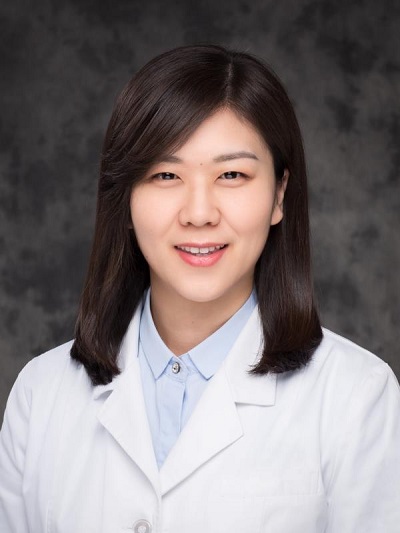 Xiaoyu Long (龙晓宇)合作论文数Department of Obstetrics and Gynecology, Peking University Third Hospital;Center for Reproductive Medicine, Peking University Third Hospital37
 Lu Wen (文路)合作论文数Peking University31QiuFang Zhang (张秋芳)合作论文数30MeiZhi Li (李美芝)合作论文数29
 Wenhao Tang (唐文豪)合作论文数Department of Urology, Peking University Third Hospital26
 Xueling Song (宋雪凌)合作论文数Center for Reproductive Medicine, Department of Obstetrics and Gynecology, Peking University Third Hospital26Ming Li (李明)合作论文数26Xinyu Qi合作论文数25Yuqian Wang合作论文数Center for Reproductive Medicine, Department of Obstetrics and Gynecology, Peking University Third Hospital, Beijing, China25Xiaoying Zheng合作论文数25Fei Kong合作论文数24YongJian Chen (陈咏健)合作论文数24
 Zhi Xu (徐智)合作论文数Peking University Third Hospital24Hongzhen Li合作论文数24Ying Kuo合作论文数Center for Reproductive Medicine, Department of Obstetrics and Gynecology, Peking University Third Hospital, Beijing, China23
 Haiyan Wang (王海燕)合作论文数Peking University Third Hospital23Li Rong合作论文数22HuiYu Xu (许惠玉)合作论文数22
 Hongyan Guo (郭红燕)合作论文数Peking University Third Hospital;Peking University22Zhao Hongcui合作论文数21
 Qin Li (李钦)合作论文数School of Public Health, Health Science Center, Peking University21
 Shuo Huang (黄铄)合作论文数Centre of Reproductive Medicine, Department of Obstetrics and Gynecology, Peking University Third Hospital21Yuanyuan Wang合作论文数20
 Yanli Pang (庞艳莉)合作论文数Peking University Third Hospital20Yixin Ren合作论文数19
 Yan Yang (杨艳)合作论文数Center of Reproductive Medicine, Peking University Third Hospital19




