The CO2 Ultimate Reduction System for Cool Earth 50 (COURSE50) project has been implemented in Japan to develop low-carbon operations of blast furnaces using hydrogen-based reductant gases. A series of experiments were conducted on an experimental blast furnace constructed at Nippon Steel's East Nippon Works in Kimitsu area. In these experiments, coke oven gas (COG) and H2 gas at room temperature were injected from tuyeres. The maximum injection volume of the hydrogen-based reductants of COG at 190 Nm3/ton-hot metal (tHM) and H2 gas at 315 Nm3/tHM resulted in carbon reduction rates of approximately 5.7% and 16%, respectively. In this study, we present summaries of the experimental trials and their numerical analysis for the above two cases using the three-dimensional mathematical blast furnace model. Furthermore, a numerical prediction was conducted to assess the impact of larger volumes of COG and H2 injections than those of the trials that actually conducted. Accordingly, it was estimated that achieving a carbon reduction rate greater than 20% through hydrogen-based reductant gas injection at room temperature would be challenging. This finding indicates that compensation for input heat not derived from carbon combustion is essential to achieve further low-carbon blast furnace operation using hydrogen-based reductant gases.
CO2 Ultimate Reduction System for Cool Earth 50 (COURSE50) successfully carried out operational trials with an experimental blast furnace in which the effect of the reaction -control by COG (Coke Oven Gas) injection, top gas recycling, and use of high reducibility sinter on the carbon rate were determined. The conditions of the operational trials were designed by applying the mathematical blast furnace model that was developed. The results obtained in the operational trials indicate that the proportion of carbon direct reduction can be decreased while maintaining that of CO reduction, by the reaction -control by COG injection, top gas recycling, and use of high reducibility sinter. A reduction in the carbon rate of approximately 10% was achieved as predicted by the mathematical blast furnace model.
Many researchers and research organisations recognise the value of engaging with consumers with the consistent message being that people who have a personal experience of cancer bring a unique perspective and a wealth of diversity, knowledge, and capabilities to research and health initiatives. In addition, funding bodies almost always insist on researchers demonstrating this perspective has been sought for applications to be considered favourably. However, some hesitation still exists and connecting effectively is often easier said than done. Can a lay person really understand research concepts and provide meaningful input? This session will provide examples of working partnerships and what it takes for individual researchers, research organisations, and consumers to work collaboratively to bring better health outcomes for people affected by cancer.
Complicated phenomena take place in a blast furnace: raw materials are charged into it, and while gradually descending, they undergo chemical reactions and phase transformations. Mathematical models for blast furnaces have been developed: one is a three-dimensional unsteady state model to express the operation behavior of a blast furnace, and the other is a model for estimating the wear and erosion of the hearth wall and bottom bricks. With these models, it is now possible to express conditions inside the furnace at steady operation, follow the same unsteady operation after blow-in, and predict the erosion of the hearth wall and bottom bricks. They are proving instrumental for analyzing the actual operation of blast furnaces.
COURSE50 (CO2 Ultimate Reduction in Steelmaking process by innovative technology for cool Earth 50) aims to increase the proportion of hydrogen reduction in the blast furnace. This objective raises the key issue of heat balance changes in individual regions as well as in the overall blast furnace. In order to compensate for the endothermic reactions of hydrogen, a decrease in direct reduction by carbon, a huge endothermic reaction, is being executed. Among the various hydrogen sources available in the industry, coke oven gas (COG) was chosen because of its availability and stability. However, COG requires reforming for it to be injected into the shaft of the blast furnace because this zone cannot combust the hydrocarbon components of COG. COURSE50 has carried out successful COG and reformed COG injection trials at LKAB’s experimental blast furnace in Luleå, Sweden, in cooperation with LKAB and Swerea MEFOS. Carbon consumption in both the COG and reformed COG injection periods decreased compared with the base period because of the planned increase in hydrogen reduction instead of direct reduction by carbon. These results indicate the possibility of increasing the amount of hydrogen reduction in the blast furnace.
Since FY2008, four Japanese blast furnace steelmakers and one engineering company have been working on the CO2 Ultimate Reduction in Steelmaking Process by Innovative Technology for Cool Earth 50 (COURSE50) project, which is one of the national projects commissioned by the New Energy and Industrial Technology Development Organization of Japan, aimed at developing powerful new CO2 emission mitigation technologies for steelworks. The goal is to mitigate those emissions in the steelmaking process by approximately 30% under the precondition of establishment of economic rationality of the process and availability of CCS infrastructure. This is done through a technology that reduces iron ore using hydrogen-amplified coke oven gas to curb CO2 emissions from blast furnaces and that separates and recovers CO2 from blast furnace gas using unused exhaust heat from steelworks. In this chapter, an overview of the COURSE50 project is provided.
The placement control of iron ore and carbon in the blast furnace is one of the effective methods to improve the reaction efficiency and permeability. To clarify the increasing the reaction rate and decreasing the high temperature gas flow resistance, softening-melting test which changed the placement conditions in the packed bed of carbon composite iron-ore and the mixture of coke and ore was carried out. The effect of placement (i.e. packing structure) and reactivity of iron-ore and carbon on soften-melting properties at lower part of blast furnace were evaluated, and following results were obtained.1) The starting temperature of solution loss reaction decreased using high reactivity coke by close placement between iron-ore and carbon (i.e. by using carbon composite iron-ore and coke and ore mixture in packed bed).2) The final reduction degree of iron-ore with iron-ore rise by high reactivity coke or iron-ore and close placement between iron-ore and carbon and the high temperature gas flow resistance decreased3) The shrinkage resistance at high temperature decreased by using a carbon composite, and increased by using mixture of coke and ore.
An active carbon-recycling energy system (ACRES) has been proposed to reduce emission carbon dioxide (CO2) emission from industrial energy processes. Application of a smart iron-making system based on ACRES (iACRES) in a shaft furnace is modeled numerically as a new low-carbon process. It was assumed that a proportion of the CO2 in the furnace gas was extracted via gas separation, and reduced into carbon monoxide (CO) by electrolysis, after which regenerated CO was mixed with a reduction gas and recycled continuously in the furnace. The use of a solid oxide electrolysis cell (SOEC) was assumed for the electrolysis process. A one-dimensional model for the shaft furnace was employed for feasibility evaluation of the carbon recycling process.The mixing ratio of electrolysis gas, m [-], was defined as the flow amount of CO2 separated from the furnace gas for recycling (which was electrolyzed into CO/CO2 mixture) relative to total inlet reduction gas for the furnace. Electrolysis degree, ed [-], was defined as CO production yield by electrolysis of the separated CO2. The effects of m and ed on the reduction process in the furnace were evaluated. At ed > 70%, metallization degree of > 90% was maintained at m > 10%. The furnace system was envisaged as a pre-reduction process for iron-ore material. When 70% metallization was acceptable for the pre-reduction process, m of 14% was achievable even at ed of 40%. The value of m is equal to primary fuel saving. It is expected that the shaft furnace with iACRES would have potential as a low-carbon iron-making process.
An active carbon recycling energy system (ACRES) based on carbon recycling has been proposed as a new energy transformation system. This energy transformation system reduces the carbon dioxide (CO2) emissions in the atmosphere during the iron-making process. An experimental study for electrochemical CO production by CO2 electrolysis based on the ACRES concept was carried out using a tubular solid oxide electrolysis cell. Experimental results show that the CO and oxygen (O-2) production rates at 800, 850, and 900 degrees C were almost proportional to the current passing through the cell. Both ionic conductivity and the chemical kinetics of CO2 decomposition increased with increasing temperature. The highest current density and CO production rate at 900 degrees C were 2.97 mA/cm(2) and 0.78 mu mol/(min cm(2)), respectively. On the basis of the electrolytic characteristics of the cell, the scale of the combined ACRES CO2 electrolysis/iron-making system was estimated. (C) 2015 Elsevier Ltd. All rights reserved.
The mathematical model which describes the behavior of ferrocoke in blast furnace was developed and incorporated into the mathematical blast furnace model. The effect of ferrocoke on the reduction of reducing agent rate and carbon rate of blast furnace was investigated with the mathematical blast furnace model.The effect of ferrocoke on the reduction of reducing agent rate and carbon rate depends on the ore/coke distribution of burden and operational conditions of blast furnace. High reducible sinter is required for the reduction of reducing agent rate of blast furnace by charging a large quantity of ferrocoke into blast furnaces. The gasification degree of ferrocoke calculated by the mathematical blast furnace model agreed well with the experimental results.
A new energy transformation system based on carbon recycling is proposed called the active carbon recycling energy system (ACRES). A high-temperature gas reactor was used as the main energy source for ACRES. An experimental study based on the ACRES concept of carbon monoxide (CO) regeneration via high-temperature reduction of carbon dioxide (CO2) was carried out using a tubular solid oxide electrolysis cell employing Ni-LSM cermet|YSZ|YSZ-LSM as the cathode|electrolyte|anode. The current density increased with increasing CO2 concentration at the cathode, which was attributed to a decrease in cathode activation and concentration overpotential. Current density, as well as the CO and oxygen (O2) production rates, increased with increasing operating temperature. The highest CO and O2 production rates of 1.24 and 0.64μmol/mincm2, respectively, were measured at 900°C. Based on the electrolytic characteristics of the cell, the scale of a combined ACRES CO2 electrolysis/iron production facility was estimated.
一种基于碳循环的新型能源交换系统被认为是零CO2排放.这种能源系统被称为活性碳循环能源系统,简称ACRES.基于热力学对炼铁系统使用活性碳循环能源系统的可行性进行了讨论.活性碳循环能源系统包含三个部分,即CO2的回收、分离,以及从CO2中进行碳材料的再生和再生碳材料的使用.活性碳循环能源系统使用初级能源,不会释放CO2,这如同可再生能源和核能.在活性碳循环能源系统中含碳物质作为能源载体,并被重复循环使用.与使用氢能源系统相比,活性碳循环能源系统在热力学方面是可行的.CO的能量密度高于氢气,而且CO与传统炼铁工艺具有较高的兼容性.因此,在活性碳循环能源系统中,CO是适宜的循环介质.用碳作为介质的活性碳循环能源系统其可行性是基于热焓分析来评估的.CO的有效再生是建立活性碳循环能源系统的一个关键技术.评价了基于CO2氢化而获得CO再生方法的能源平衡,该再生过程需要超过800℃的热量输入.高温过程产生的800℃左右的剩余热量可用于反应.高温气体冷却反应堆可作为一种备用的初级能源.探讨了用氢还原CO2的活性碳循环能源系统在炼铁系统中应用的可行性.活性碳循环能源系统有望成为新型低CO2排放炼铁工艺的基础.
The use of high reactivity coke is proposed to realize low reducing agent rate blast furnace operation. The reducing agent rate was reduced by use of high reactivity coke in an actual blast furnace. The reduction of reducing agent rate is caused by the improvement of the reaction efficiency due to the decrease of the thermal reserve zone temperature. On the other hand, it is suggested that sinter reducibility will affect on the effect of the high reactivity coke. Therefore, in this paper, the quality of high reducibility sinter and the effectiveness of high reactivity coke coexistence of high reducibility sinter were verified by the experimental blast furnace and following results were obtained.1) The top gas utilization was improved and the reducing agent rate was reduced by use of high reducibility sinter.2) The permeability was improved by use of high reducibility sinter. The improvement of permeability will be expected in actual blast furnaces.3) The top gas utilization was improved by use of high reactivity coke. The improvement was caused by the improvement of reaction efficiency due to the decrease of the thermal reserve zone temperature.4) The degradation of coke was decreased due to the decrease of the amount of reaction.5) The high reactivity coke works effectively when high reducibility sinter co-exists.
A new energy system, called Active Carbon Recycling Energy System (ACRES), based on nuclear power has been introduced for reduced carbon dioxide emissions and the establishment of carbon supply security. In this study, the feasibility of ACRES were estimated thermodynamically by using the reaction enthalpy balance for select recycling hydrocarbons. Carbon monoxide (CO) and simple carbon are appropriate media for ACRES because of their high energy quality, energy density, and reactivity. A high-temperature gas-reactor (HTGR), the first candidate primary energy source for ACRES, was found to be applicable to high-temperature CO2 electrolysis for CO production. An iron-making process using ACRES is expected to produce lower CO2 emissions than hydrogen-based iron-making processes. The applicability of ACRES recycling with CO to iron-making was evaluated by enthalpy analysis. ACRES is expected to be a technological solution for a low-carbon society.
In future blast furnace operation which aims at low carbon consumption, it is indispensable to optimize the quality of carbonaceous and ferrous burdens, not evaluations of each individual but both sides of them considering interactions under the coexistence. Therefore, a simultaneous evaluation method of carbonaceous and ferrous burdens at cohensive zone of blast furnaces by softening-melting test which simulated the temperature profile in blast furnaces determined by reactivity of coke was developed. The effect of sinter ore reducibility and coke reactivity on sinter soften-melting property at cohensive zone of blast furnaces were evaluated. With increasing CRI, coke reactivity, gasification start temperature lowers as a result of increasing the reduction rate of sinter at 900-1000 degrees C and increasing softening shrinkage resistance at the initial stage of the shrinkage near 1200 degrees C.
As an iron source of blast furnace which can adapt to recent high production rate operation and CO2 problem, reduced iron may attract attention in the near future. In this study, reduced iron melting test was performed using an experimental blast furnace with use of HBI (Hot Briquette Iron) which is one of the reduced irons in order to quantify effect of increase in production and reduction effect of reducing agent rate for blast furnace.
The technology which reduces the reducing agent rate by the improvement in the reaction efficiency of blast furnace leads to reduction of hot metal manufacturing cost, but also solution of recent CO2 emission reduction. The subjects for achievement of the blast furnace operation with low reducing agent rate were described on reduction measures of the carbon consumption and problem of the measures referring to the example of reducing agent rate of the present state blast furnace concerning blast operation and reactive improvement. And, carried out concrete measures were introduced in order to aim at the low reducing agent rate operation.The following results were obtained.1) Since it has reached the already high reaction efficiency in present state blast furnace, it is not easy to attempt further reduction of the reducing agent rate.2) The blast furnace use of high reactivity coke or reduced iron is equal level or over it in comparison with the reduction effect by the assumed blast operation in this paper.3) The promotion of coke reaction load with the gasification is worried, when it aims at the low reducing agent rate operation by the high reactivity coke use.4) It is estimated that the threshold also exists for the reducibility of competing ore, when it aims at the low reducing agent rate operation using the high reactivity coke.5) The use of the low SiO2 sinter is effective for the improvement on the permeability in the blast furnace, when it aims at the low fuel rate operation. However, the new technology of the permeability improvement is desired, since there is some a limit for low SiO2 of the sintered ore, when future raw material supply and demand is considered.
Decreasing of the reducing agent rate can be expected by using the high reactivity coke to the blast furnace. However, it is predicted that the reaction form of the coke and permeability in the blast furnace change.In this study, three kinds of coke were used for the solution-loss reaction and the smelting reduction experiments. The coke strength which was evaluated by using 1-type tumbler after each reaction was different, even if these reaction quantities were equivalent. In addition, the effect of the solution-loss reaction on the coke degradation was larger than that of the smelting reduction.On the basis of these experiments, the coke strength after direct reduction and results of the blast furnace operation with high reactivity coke were quantitatively estimated. According to the calculation of the operation with high reactivity coke, decreasing the coke rate and increasing the productivity by decreasing pressure drop in the blast furnace are expected.
 Kohei Sunahara合作论文数7Yoshinori Matsukura合作论文数6Kaoru Nakano合作论文数5Koki Nishioka合作论文数5
 Yukitaka Kato (加藤之貴)合作论文数Tokyo Institute of Technology5Takaiku Yamamoto合作论文数5
 Arnoldus Lambertus Dipu合作论文数Dept Chem Sci & Engn, Tokyo Inst Technol4Takuya Natsui合作论文数3
 Junichi Ryu合作论文数Nucl Reactors Res Lab, Tokyo Inst Technol3Takanobu Inada合作论文数2T Inada合作论文数2yuki nabeshima合作论文数2N Ishiwata合作论文数2Hiroshi Sakai合作论文数2Shigeaki Tonomura合作论文数2Hirokazu Yokoyama合作论文数2Matsukura Y合作论文数2
 Hiroaki Ishida合作论文数School of Medicine, Toho University2Kouji Takatani合作论文数Department of Chemical Engineering, Kyoto University2Peter Sikström合作论文数1
 Jong-Jin Pak合作论文数1Ikuhiro Sumi合作论文数1kyoichiro shizawa合作论文数1
 Zhiyuan Chen合作论文数1
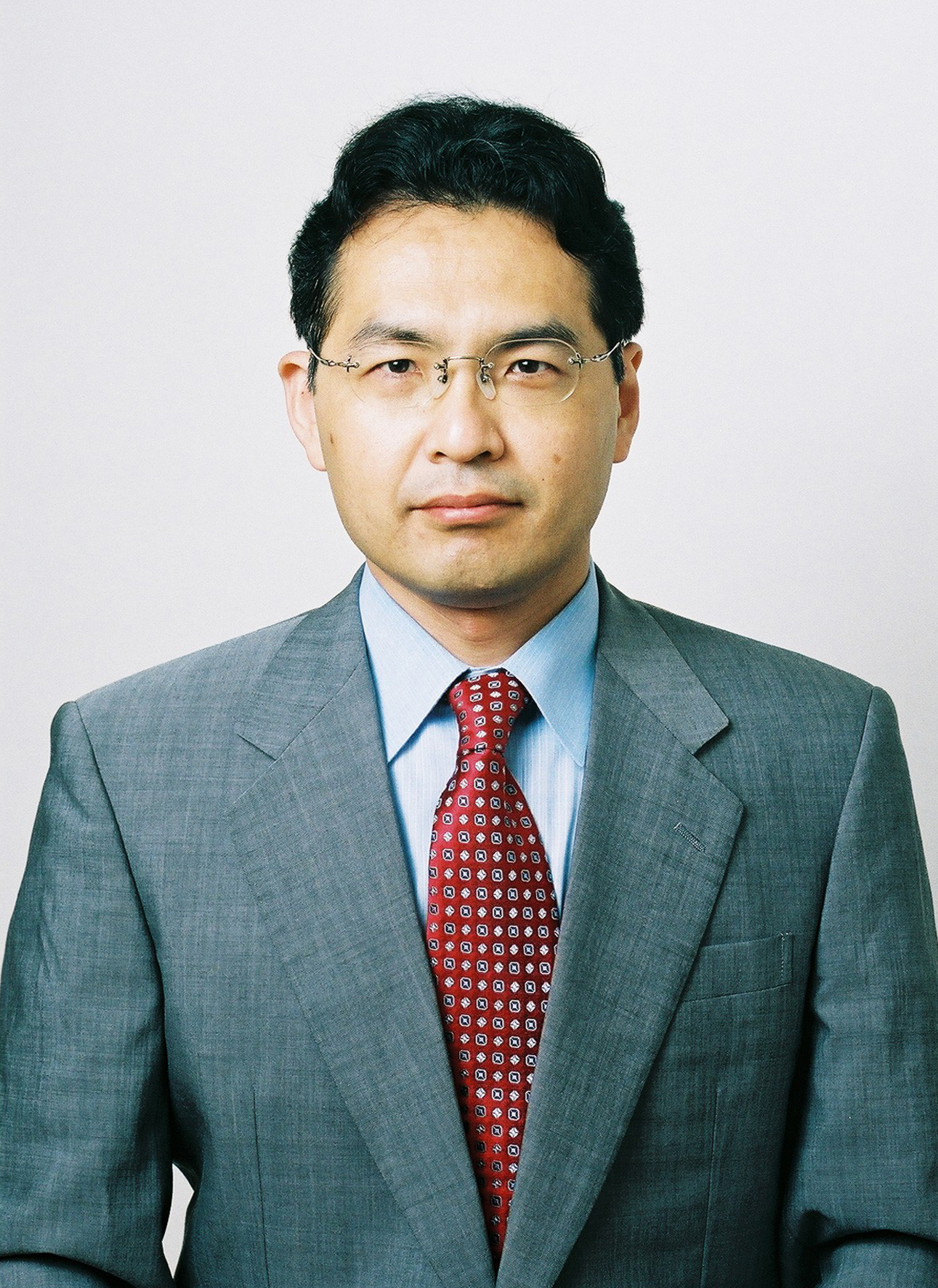 Yamanaka Ichiro (山中一郎)合作论文数Department of Chemistry and Materials Science, Graduate School of Science and Engineering, Tokyo Institute Of Technology1
 Eiki Kasai合作论文数Graduate School of Environmental Studies, Tohoku University1
 Hirotaka Sato合作论文数School of Mechanical and Aerospace Engineering, College of Engineering, Nanyang Technological University1
 Masaaki Suzuki合作论文数Tokyo Institute of Technology1Shinsuke Mori合作论文数1Chikashi Kamijo合作论文数1Hidetoshi Matsuno合作论文数1bing yuan (袁兵)合作论文数1Taihei Nouchi合作论文数1Taichi Murakami合作论文数1Syusaku Komatsu合作论文数1Koji Saito合作论文数1Kazumoto Kakiuchi合作论文数1
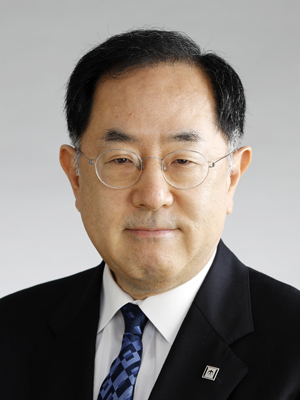 Toru Obara (小原徹)合作论文数OBARA Rsearch Group, Laboratory for Zero-Carbon Energy, Institute of Innovative Research, Tokyo Institute of Technology;Nuclear Energy Division, Laboratory for Zero-Carbon Energy, Institute of Innovative Research, Tokyo Institute of Technology1




