This study analyzed clinical pregnancy outcomes in patients undergoing in vitro fertilization-embryo transfer with donor sperm (IVF-D) using different ovulation induction protocols, to provide reference data for selecting appropriate protocols. Data from 1801 cycles in patients who underwent IVF-D in Peking University Third Hospital between June 2010 and June 2021 were retrospectively analyzed. Participants were divided into three groups based on the controlled ovarian hyperstimulation protocol: follicular-phase ultralong gonadotropin-releasing hormone agonist (GnRH-a), luteal-phase GnRH-a long, and gonadotropin-releasing hormone antagonist (GnRH-ant) protocol groups. Significant differences were observed among the groups in gonadotropin (Gn) starting dose, Gn administration duration, total Gn dose, estradiol level on the day of human chorionic gonadotropin (hCG) administration (hCG day), progesterone level on hCG day, luteinizing hormone level on hCG day, endometrial thickness on hCG day, and number of embryos transferred (p < 0.05). We also found significant group differences in the number of eggs retrieved, two pronucleizygotes, and cleavages (p < 0.05), but not in high-quality embryos (p < 0.05). Clinical pregnancy and live birth rates significantly differed among the three groups (p < 0.05), whereas ectopic pregnancy, early miscarriage, and multiple pregnancy rates did not (p < 0.05). In fresh embryo transfer cycles, the GnRH-ant protocol required the shortest duration of Gn administration and lowest total Gn dose, whereas the GnRH-a long protocol had the highest clinical pregnancy rate. Therefore, the GnRH-a long protocol is considered the preferred method for female patients who can undergo fresh transfers during IVF-D cycles.
To investigate the impact of autoimmune thyroiditis (AIT) on IVF/ICSI outcomes in patients with polycystic ovary syndrome (PCOS) and chronic endometritis (CE). This retrospective cohort study analyzed 444 oocyte retrieval cycles from patients with PCOS and CE who underwent IVF/ICSI treatment at Peking University Third Hospital between January 2018 and December 2020. Eligible patients were infertile women who had undergone hysteroscopic surgery with endometrial pathology available. CE was defined as CD138 positivity on endometrial biopsy, and AIT was defined as positivity for TPOAb or TGAb. Of 444 cycles, 96 were AIT-positive and 348 were AIT-negative. Baseline characteristics, controlled ovarian stimulation (COS) parameters, embryological outcomes, fresh-cycle pregnancy outcomes, and cumulative live birth rate (CLBR) were compared between groups. Multivariable logistic regression was performed to identify independent predictors of CLBR. The prevalence of AIT was not significantly different between patients with and without endometritis (20.63
Congenital anomalies are a critical public health concern and warrant prioritization in research. However, the teratogenic potential of dydrogesterone (DYG) remains uncertain and a subject of ongoing debate. This retrospective cohort study included patients undergoing embryo transfer between January 2010 and December 2018. It analyzed 124,815 embryo transfer cycles (80,103 [64.2
OBJECTIVES:Tuberculosis (TB) is a common cause of infertility in humans, especially in regions with high TB prevalence. However, the impact of latent TB infection (LTBI) on pregnancy outcomes following assisted reproduction in patients with infertility remains unclear. This systematic review and meta-analysis aimed to assess significant differences in pregnancy outcomes after assisted reproduction between infertile patients with and without LTBI. DESIGN:Systematic review and meta-analysis using the Grading of Recommendation, Assessment, Development and Evaluation approach. DATA SOURCES:PubMed, Embase and Web of Science were searched from inception to 1 September 2025. ELIGIBILITY CRITERIA:Case-control or cohort studies comparing assisted reproduction outcomes between infertile patients with and without LTBI, diagnosed via tuberculin skin test or interferon-gamma release assay, were included. Outcomes of interest were clinical pregnancy rate, miscarriage rate and live birth rate. DATA EXTRACTION AND SYNTHESIS:Two independent reviewers used standardised methods to search, screen and code included studies, extracted data and assessed study quality using the Newcastle-Ottawa Scale. Meta-analysis was performed using a fixed-effects model. Heterogeneity was evaluated with the I² statistic. Sensitivity analysis was performed using the leave-one-out method, and publication bias was assessed using funnel plots and Egger's test. RESULTS:Four studies met the inclusion criteria for this meta-analysis. The included studies showed low heterogeneity for clinical pregnancy rate (I²=45.9%), miscarriage rate (I²=0%) and live birth rate (I²=8.9%). The miscarriage rate was significantly higher in the LTBI group than in the non-LTBI group (OR 1.14; 95% CI 1.00 to 1.31; p=0.049). No significant differences were observed between the two groups in terms of clinical pregnancy rate (OR 0.98; 95% CI 0.91 to 1.06; p=0.692) and live birth rate (OR 0.96; 95% CI 0.88 to 1.04; p=0.305). Sensitivity analysis confirmed the robustness of the miscarriage rate outcome. Publication bias was low for clinical pregnancy and miscarriage rates but potential bias was detected for live birth rate (Egger's test p=0.029). The overall certainty of evidence was rated as low due to the observational nature of included studies and limited number of studies. CONCLUSIONS:Infertile patients with LTBI might have a higher miscarriage rate after assisted reproduction compared with non-LTBI patients, although no differences were observed in clinical pregnancy or live birth rates. These results, particularly regarding miscarriage, should be interpreted with caution due to the limitations of the available evidence. Further high-quality studies are needed to strengthen the evidence base. PROSPERO REGISTRATION NUMBER:CRD42024605623.
BackgroundTuberculosis can negatively impact both overall health and female reproductive function. This study investigated the relationship between the interferon-gamma release assay (IGRA) status and pregnancy outcomes in infertile women, with untreated “inactive” tuberculosis lesions observed on chest radiography, who are undergoing in vitro fertilization and embryo transfer (IVF-ET).MethodsThis ambispective cohort study, which includes retrospective (2012–2019) and prospective (2020–2024) cohorts, enrolled infertile women with untreated inactive tuberculosis lesions visible on chest imaging who are planning to undergo IVF-ET. All patients underwent IGRA testing. Baseline characteristics, such as age, body mass index (BMI), infertility factors, ultrasound follicle count, and hormone levels, were collected. Pregnancy outcomes, including live birth rates, oocyte retrieval numbers, embryo quality, clinical pregnancy, miscarriage, and preterm birth rates, were followed and compared between the IGRA-positive and IGRA-negative groups.ResultsAmong 836 patients, the IGRA positivity rate was 42.5%. The cumulative miscarriage rate was higher in the IGRA-positive group than in the IGRA-negative group (21.5% vs. 15.0%, p = 0.047). No significant differences were found in clinical pregnancy or live birth rates. Age, BMI, and endometrial thickness were independent risk factors influencing clinical pregnancy and live birth rates, while the IGRA status was not.ConclusionIn infertile women with untreated inactive tuberculosis lesions on chest radiography, IGRA positivity is associated with higher cumulative miscarriage rates following IVF-ET. Early IGRA screening and intervention may help improve pregnancy outcomes.
To study the correlation between anti-Müllerian hormone levels and pregnancy outcomes after in vitro fertilization/intracytoplasmic sperm injection in women with polycystic ovary syndrome, which remains controversial. This retrospective cohort study recruited 4,719 women with infertility and polycystic ovary syndrome aged 20–40 years who underwent treatment at the Reproductive Center of Peking University Third Hospital between February 2017 and June 2023. We divided the participants into three groups according to the 25th and 75th percentile cutoffs of serum anti-Müllerian hormone: low (≤ 4.98 ng/mL, n = 1,198), average (4.98 − 10.65 ng/mL, n = 2,346), and high (≥ 10.65 ng/mL, n = 1,175). Pregnancy outcomes included live birth rate, miscarriage rate, clinical pregnancy rate, and cumulative live birth rate. The live birth rate for fresh embryo transfer was 39.8
RESEARCH QUESTION:Does vitamin D deficiency affect phenotypes and pregnancy outcomes in women with polycystic ovary syndrome (PCOS) who are undergoing IVF/intracytoplasmic sperm injection (ICSI)? DESIGN:This prospective cohort study recruited 725 infertile women with PCOS undergoing IVF/ICSI at the Reproductive Center of Peking University Third Hospital. The participants were divided into two groups according to the serum vitamin D concentration: the vitamin D deficiency group (serum 25(OH)D <20 ng/ml, n = 491) and vitamin D non-deficiency group (serum 25(OH)D ≥20 ng/ml, n = 234). Measurements were made of serum hormone concentrations and parameters relating to lipid and glucose metabolism. Pregnancy outcomes were clinical pregnancy and early miscarriage. RESULTS:Serum concentrations of anti-Müllerian hormone (P = 0.042), testosterone (P = 0.035) and androstenedione (P = 0.016) were higher in the vitamin D deficiency group than the non-deficiency group. Vitamin D deficiency was still associated with increased androstenedione concentrations after adjustment for confounders (regression coefficient -0.851, 95% confidence interval [95% CI] -1.661 to -0.042, P = 0.039). No significant difference was found in parameters of lipid and glucose metabolism or in clinical pregnancy and early miscarriage rates between two groups. There was no correlation between vitamin D deficiency and clinical pregnancy (odds ratio [OR] 1.193, 95% CI 0.852-1.671, P = 0.303) or early miscarriage (OR 1.360, 95% CI 0.668-2.767, P = 0.397). CONCLUSIONS:Vitamin D deficiency is correlated with worse parameters, especially higher androstenedione concentrations in infertile women with PCOS. Vitamin D deficiency has no correlation with clinical pregnancy or early miscarriage in women with PCOS undergoing IVF/ICSI treatment.
STUDY QUESTION Do the infertility core outcome set and standardized definitions affect the outcome selection for randomized controlled trials, and what aspects should be further improved in the future?SUMMARY ANSWER Intrauterine pregnancy demonstrated the highest uptake level, whereas others were low, especially in neonatal outcomes; as time progresses, the target sample size increases, and with prospective registration, the consistency between outcomes reported in registrations and infertility core outcome set improves significantly.WHAT IS KNOWN ALREADY The infertility core outcome set, published on 30 November 2020, aims to standardize outcome reporting and prevent selective reporting bias; however, there is a paucity of research evaluating its actual adoption, which is crucial for the timely promotion of transparency, standardization, adjustment of development strategies, and efficient resource utilization.STUDY DESIGN, SIZE, DURATION This cross-sectional study included 1673 eligible randomized controlled trial registrations for infertility in 18 registries from March 2004 to July 2024 based on registry entries.PARTICIPANTS/MATERIALS, SETTING, METHODS A total of 4625 infertility-related studies from 1 November 1999 to 26 July 2024 were retrieved in the World Health Organization International Clinical Trials Registry Platform. Finally, 1673 randomized controlled trial registrations were selected and divided into four period groups. Period, target sample size, prospective registration, blinding, support, and countries/regions were potential influencing factors. The consistency of outcomes, definitions, and standardized denominators of randomized controlled trial registry entries with the recommendations of the infertility core outcome set were the main outcomes. Independent retrieval, screening, data extraction, and consistency evaluations by two assessors and expert consultations were conducted to assess the uptake and potential influencing factors of the infertility core outcome set in randomized controlled trials involving infertile patients undergoing in vitro fertilization.MAIN RESULTS AND THE ROLE OF CHANCE Results reveal that the reporting level in the pregnancy domain was significantly higher than that in the neonatal domain (13.6% vs 5.7%). Intrauterine pregnancy (66.9%), live birth (27.6%), and miscarriage (26.5%) had relatively high uptake levels. The uptake of most core outcomes and domains, as well as the total number of reported core outcomes, showed statistically significant differences based on period, target sample size, and prospective registration. Multivariable analyses supported the above finding. Reasons responsible for the results may be attributed to the lack of effective promotional measures, as well as the limited researcher awareness regarding this core outcome set.LIMITATIONS, REASONS FOR CAUTION Some results in this study may have been influenced by the subjective judgment of the evaluators due to the complexity of the information in registries.WIDER IMPLICATIONS OF THE FINDINGS Uptake of most core outcomes or domains is increasing but is not yet ideal. Moreover, the upward trend cannot be solely attributed to the publication of the infertility core outcome set. The key to promoting uptake is to thoroughly explore and recognize the factors that both facilitate and hinder the uptake of the infertility core outcome set, further expand and publicize the core outcome set, and foster multidisciplinary or multiple stakeholder cooperation. STUDY FUNDING/COMPETING INTEREST(S) This study was supported by the Capital's Funds for Health Improvement and Research (CFH 2024-2G-4097), as well as the special fund of Beijing Key Clinical Specialty Construction Project. The authors have no conflicts of interest to declare.TRIAL REGISTRATION NUMBER http://www.comet-initiative.org/Studies/Details/3184
STUDY QUESTION:What is the minimum effective dose of SHR7280, a novel oral GnRH antagonist, to prevent a premature LH surge in women undergoing controlled ovarian hyperstimulation for ART? SUMMARY ANSWER:SHR7280 at 200 mg once every 12 h (Q12h) was the minimal effective dose to suppress an LH surge and was associated with high-quality embryos, and a high clinical pregnancy rate. SHR7280 was well-tolerated and safe. WHAT IS KNOWN ALREADY:Currently, all approved GnRH antagonists for preventing a premature LH surge are injectable, peptide-based formulations, which can cause inconvenience and injection site reactions. There is a significant unmet need for an orally available GnRH antagonist to address this issue. SHR7280 has previously demonstrated effective suppression of LH levels in healthy volunteers in phase 1 trials. STUDY DESIGN, SIZE, DURATION:This multi-center, open-label, dosing-finding phase 2 trial was conducted between 26 January 2022 and 3 August 2023 in 85 infertile women. PARTICIPANTS/MATERIALS, SETTING, METHODS:The starting dose of SHR7280 was 300 mg Q12h, followed by dose exploration in two lower dose groups (200 mg Q12h and 200 mg Q24h) sequentially. Dose exploration was terminated if an LH surge occurred. SHR7280 was administrated orally starting on Day 5 of recombinant human FSH stimulation until hCG administration. The primary endpoint was the rate of premature LH surge inhibition during SHR7280 treatment. MAIN RESULTS AND THE ROLE OF CHANCE:Eighty-five patients received SHR7280: 300 mg Q12h, n = 40; 200 mg Q12h, n = 42; 200 mg Q24h, n = 3. The mean ( ± SD) duration of SHR7280 treatment was 5.7 ± 1.2, 5.7 ± 1.3, and 3.7 ± 0.6 days, respectively. The rate of LH surge inhibition was 99% (95% CI 94-100) in all patients, 100% (95% CI 91-100) in the 300 mg Q12h group, 100% (95% CI 92-100) in the 200 mg Q12h group, and 67% (95% CI 9-99) in the 200 mg Q24h group. Two hundred milligrams Q12h was established as the minimal effective dose. Embryological and pregnancy outcomes were comparable in the 300 and 200 mg Q12h groups. In the 200 mg Q12h group, the mean ( ± SD) number of oocytes retrieved per patient, two-pronucleate zygotes, and high-quality embryos was 10.7 ± 4.6, 6.9 ± 3.2, and 3.9 ± 2.6, respectively; among patients receiving fresh embryo transfer, 62% (95% CI 44-78) were tested positive for serum β-hCG and 53% (95% CI 35-70) were confirmed to be clinically pregnant per transfer. No spontaneous ovulation occurred on the day of oocyte retrieval. In all 85 patients, treatment-related adverse events were reported in 1 (1%; mild in severity) patient. LIMITATIONS, REASONS FOR CAUTION:The sample size was moderate and there was no standard peptide-based GnRH antagonist as a control group. Additionally, the performance of SHR7280 in specific populations, such as patients with diminished ovarian reserve and at high risk of OHSS, remains to be established. Further research is also needed to determine the recommended dose in patients with high BMI, intending for frozen embryo transfer, and using a GnRH agonist as trigger. Moreover, the study included only Chinese patients and allowed up to 2 embryos per transfer. The efficacy and safety of SHR7280 in other racial groups and regions require further investigation. WIDER IMPLICATIONS OF THE FINDINGS:Findings from this phase 2 trial suggest that an oral GnRH antagonist could be an effective alternative for preventing a premature LH surge in ART. STUDY FUNDING/COMPETING INTEREST(S):This study was funded by Jiangsu Hengrui Pharmaceuticals. Z.L., Yu.S., C.S., Hong.C., and K.S. were employees of Jiangsu Hengrui Pharmaceuticals at the time of study. All other authors have no conflicts of interests to declare. TRIAL REGISTRATION NUMBER:NCT05082233.
Background:Women display marked variability in ovarian reserve, which is pivotal for fertility and menopausal timing. Traditional criteria, such as Bologna and Poseidon, classify women into broad groups but do not provide individualized predictions for ovarian aging or reproductive milestones. This study aims to refine the AA model (AMH + age) to enhance clinical usability, robustness, and interpretability. Materials and Methods:Single-center retrospective ART cohort (GnRH-antagonist cycles, 2017-2021). Training: 15,241 cycles (2017-2019); Testing: 14,498 cycles (2020-2021). Poor ovarian response (POR) was defined as <5 oocytes. Three logistic-regression specifications were compared: categorical (Model-0), continuous (Model-1), and polynomial (age quadratic, AMH cubic; Model-2). Discrimination (AUC), calibration, and net reclassification improvement (NRI) were evaluated. A two-parameter logistic curve was fitted to age versus predicted POR (used population-level as "predicted DOR") to construct an ovarian-aging trajectory and derive an interpretable "endocrine-age" index. Sensitivity analyses assessed cycle-day AMH variation; a community dataset was used to compare age-stratified AMH distributions. Results:While all models achieved comparable discrimination (AUC ≈ 0.85), a cubic transformation model (Model-2) demonstrated superior calibration and was selected as the final algorithm. A two-parameter logistic curve allowed translation of ovarian reserve scores into an "endocrine age" and enabled individualized prediction of future milestones, such as diminished reserve with ovarian score of 50 and perimenopause, the lowest ovarian reserve score in our ART population. AMH sampling on different cycle days showed only modest effects from minor fluctuations; only substantial AMH decreases significantly affected prediction accuracy. Age-stratified AMH distributions were similar between ART and community cohorts in women <40, supporting external relevance. The updated OvaRePred (HerTempo) model is cost-effective, scalable, and operationally simple. Conclusion:OvaRePred (HerTempo) delivers individualized, well-calibrated estimates of ovarian reserve and an interpretable endocrine-age index and future fertility milestone onset. While the tool can inform personalized fertility planning and may have broader public-health utility, the algorithm is trained on ART endpoints. Any projections of future reproductive milestones derived from the population ovarian-aging curve-and the fixed-interval hypothesis that underpins that curve-are hypothesis-generating and require prospective validation, particularly in non-ART cohorts with longitudinal follow-up.
PURPOSE:Tuberculosis (TB) is a significant factor contributing to infertility. For some infertile patients, chest radiography (CXR) screenings prior to assisted reproductive treatment (ART) reveal old/inactive TB lesions. However, the pregnancy outcomes after ART for such patients who had a history of prior anti-TB treatment remain unclear. DESIGN:Retrospective cohort study. SETTING:Peking University Third Hospital, a tertiary care centre. PARTICIPANTS:This study analysed and focused on infertile patients aged 20-50 years with prior TB lesions on CXR (treated/untreated) and normal CXR. Active TB cases were excluded from this study. Patients were categorised into three groups based on CXR findings and prior anti-TB treatment: treated prior-pulmonary TB (PTB) group, untreated prior-PTB group and a non-PTB control group with normal CXR. PRIMARY AND SECONDARY OUTCOME MEASURES:ART outcomes, including clinical pregnancy rate, miscarriage rate and live birth rate, were compared among the groups. FINDINGS TO DATE:Among 8769 patients analysed, including treated prior-PTB group (n=171), untreated prior-PTB group (n=791) and non-PTB group (n=7807). The treated prior-PTB group showed a similar clinical pregnancy rate (41.5% vs 38.1%, p=0.360) and live birth rate (35.3% vs 30.6%, p=0.187) compared with the non-PTB group. The miscarriage rate was slightly lower in the treated prior-PTB group than in the non-PTB group (11.3% vs 15.5%, p=0.325), although the discrepancy was not statistically significant. Compared with the untreated prior-PTB group, the treated prior-PTB group exhibited significantly higher live birth rate (35.3% vs 23.8%, p<0.05), clinical pregnancy rate (41.5% vs 31.7%, p<0.05) and with a lower miscarriage rate (11.3% vs 19.1%, p=0.123), although the latter was not statistically significant. Multivariable regression confirmed significantly higher live birth rates in the treated prior-PTB group versus untreated prior-PTB group (aOR: 1.69, 95% CI: 1.01 to 2.83, p=0.045). CONCLUSIONS AND FUTURE PLANS:Anti-TB treatment in infertile women with prior PTB lesions was associated with improved ART outcomes, comparable to those in patients without TB lesions. This suggests a potential clinical benefit of anti-TB treatment in improving reproductive outcomes in this population. Further research is warranted to explore ART outcomes in patients with untreated prior TB lesions.
Research Question To investigate whether vitamin D deficiency affects phenotypes and pregnancy outcomes of women with polycystic ovarian syndrome (PCOS) undergoing in vitro fertilization/intracytoplasmic sperm injection (IVF/ICSI). Design This prospective cohort study recruits 725 infertile women with PCOS undergoing IVF/ICSI at the Reproductive Center of Peking University Third Hospital. We divide the participants into two groups according to the serum vitamin D concentration: vitamin D deficiency group (serum 25(OH)D < 20 ng/mL, n=491), vitamin D non-deficiency group (serum 25(OH)D ≥ 20 ng/mL, n=234). Phenotypes include serum hormone levels, metabolism of lipid and glucose. Pregnancy outcomes include clinical pregnancy and early miscarriage. Results The serum anti-Müllerian hormone (AMH) level (P=0.042), testosterone level (P=0.035), and androstenedione level (P=0.016) were higher in vitamin D deficiency group than non-deficiency group. Vitamin D deficiency was still associated with increased androstenedione level after adjustment for confounders (Regression Coefficient, -0.851, 95% CI, -1.661- -0.042, P=0.039). No significant difference was found in metabolism of lipid and glucose, clinical pregnancy, and early miscarriage between two groups. There is no correlation between vitamin D deficiency and clinical pregnancy (Odds ratio (OR), 1.071, 95% Confidence interval (CI), 0.731-1.568, P=0.726) or early miscarriage (OR, 1.359, 95% CI, 0.575-3.214, P=0.484). Conclusions Vitamin D deficiency is correlated with worse phenotypes, especially higher androstenedione level in infertile women with PCOS. Vitamin D deficiency has no correlation with clinical pregnancy or early miscarriage in women with PCOS undergoing IVF/ICSI treatment.
ABSTRACT:Tuberculosis (TB) is a prominent infectious disease globally that imposes a substantial health burden. Genital TB (GTB), an extrapulmonary manifestation, leads to complications such as tubal adhesions, blockage, and diminished ovarian function, culminating in infertility, and is recognized as a prevalent cause of infertility in nations with high-burden TB. In regions with low TB rates, infertility and active TB during pregnancy have been reported to be most common among female immigrants from countries with high-burden TB. In the context of TB, pregnant women often exhibit exacerbated symptoms after in vitro fertilization-embryo transfer (IVF-ET), heightening the risk of dissemination. Miliary pulmonary TB and tuberculous meningitis pose a serious threat to maternal and fetal health. This article integrates recent epidemiological data and clinical research findings, delineating the impact of TB on infertility and assisted reproduction and particularly focusing on the diagnosis and treatment of GTB, underscored by the imperative of TB screening before IVF-ET. Our objective is to increase awareness among respiratory and reproductive health professionals, promoting multidisciplinary management to enhance clinical vigilance. This approach seeks to provide patients with judicious reproductive plans and scientifically rigorous pregnancy management, thereby mitigating adverse pregnancy outcomes related to TB activity.
Background Cumulative live birth rate (CLBR) is considered as the most important endpoint for assessing the probability of having a baby in a complete in vitro fertilization/intracytoplasmic sperm injection (IVF/ICSI) treatment cycle. Many previous studies have focused on the association between thyroid autoimmunity (TAI) and live birth rate after first embryo transfer cycle, however, evidence on whether the presence of TAI affects the CLBR is lacking. The purpose of this study is to investigate the impact of TAI on the CLBR in a complete IVF/ICSI cycle.Methods This retrospective study included 12,796 women who underwent their first IVF/ICSI treatment between January 2019 and February 2021. Based on the levels of thyroid antibodies, 2,603 women were assigned to the TAI group, and 10,193 women were assigned to the control group. Subgroup analysis was performed according to the different causes of infertility (including male factor only, ovulation disorder, tubal factor, endometriosis and unexplained infertility) and different types and titres of thyroid antibodies. The primary outcome in this study was CLBR, which included live births from the fresh embryo transfer cycle and all subsequent frozen-thawed embryo transfer cycles performed before December 2021.Results There was no significant difference in the CLBR between the TAI and control groups, even after adjusting for relevant confounders including age, body mass index, cause of infertility, thyroid function, protocols of controlled ovarian stimulation, type of transfer (fresh vs. frozen), type of transferred embryo (cleavage-stage embryo vs. blastocyst), and fertilization method (IVF vs. ICSI) (cumulative live birth: 50.6% vs. 52.1%, OR 0.94, 95% CI 0.86-1.02, adjusted OR 0.97, 95%CI 0.89-1.06). Subgroup analysis showed that no significant difference was observed in CLBR between the TAI and control groups for all causes of infertility, except for infertility attributed to endometriosis. Among women with endometriosis, the CLBR was significantly lower in the TAI group than that in the control group; however, this difference was not significant after adjusting for potential confounders including age, body mass index, thyroid function, protocols of controlled ovarian stimulation, type of transfer (fresh vs. frozen), type of transferred embryo (cleavage-stage embryo vs. blastocyst), and fertilization method (IVF vs. ICSI) (cumulative live births: 43.1% vs. 51.0%, OR 0.73, 95% CI 0.53-0.99, adjusted OR 0.74, 95% CI 0.53-1.02). Another subgroup analysis demonstrated that the type and titre of thyroid antibody did not affect CLBR in women with TAI.Conclusions In our study, there was no significant difference in the CLBR between women with TAI and those without TAI, which suggests that TAI did not affect the chances of having a baby in a complete IVF/ICSI treatment cycle.
To evaluate the difference in the number of euploid blastocysts and cumulative live birth rate (LBR) between dual and human chorionic gonadotropin (hCG) triggers in poor and normal ovarian responders undergoing preimplantation genetic testing (PGT) cycles. This retrospective cohort study was enrolled from July 2018 to December 2021 and followed up until June 2024 at a single reproductive medical center. Overall, 1040 in vitro fertilization (IVF)-PGT and 784 frozen-thawed embryo transfer (FET) cycles were assessed. Dual (triptorelin acetate 0.2 mg and recombinant hCG [rhCG] 250 µg) or hCG (rhCG 250 µg) trigger was used for oocyte maturation in the gonadotropin-releasing hormone antagonist protocol and PGT cycles. We assessed the embryo outcomes and FET cumulative pregnancy outcomes. The number of oocytes retrieved (10.17 ± 5.22 vs 10.27 ± 5.14, P = 0.789), MII oocytes (8.24 ± 4.26 vs 8.28 ± 4.05, P = 0.888), blastocysts (2.16 ± 1.50 vs 2.12 ± 1.49, P = 0.729), euploid blastocysts (1.06 ± 1.14 vs 1.09 ± 1.23, P = 0.726), and the rate of cumulative LBR (24.9
Congenital anomaly is a critical public health issue and should be a research priority. Here, 52,175 newborn babies conceived by in vitro fertilization (IVF) or intracytoplasmic sperm injection (ICSI) in our reproductive center from 2010 to 2018 were studied. We found, in frozen cycles, the incidence of musculoskeletal anomalies was significantly lower in the dydrogesterone (DYG)-exposed group than that in the DYG-unexposed group, both before (0.60‰ vs. 2.37‰; P = 0.020) and after (OR: 0.19, 95% CI: 0.05–0.66) adjusting for confounders. The remaining classifications of congenital anomalies were not different between the groups in frozen cycles. In multivariate logistic regression analysis, first-trimester DYG therapy did not increase the risk of congenital anomalies. Due to the limitations of this cohort study, further follow-up and in-depth data analysis are planned for future studies.
Abstract Study question Can serum AMH levels affect pregnancy outcomes particularly live birth rate (LBR) and cumulative live birth rate (CLBR) in PCOS women receiving IVF/ICSI treatment? Summary answer Higher serum AMH indicated a decreased LBR and increased miscarriage rate in PCOS women undergoing IVF/ICSI cycle. However, AMH has no association with CLBR. What is known already AMH could reduce follicle sensitivity to FSH and acts as an inhibitor of primordial follicle recruitment, which is essential for follicle growth. Therefore, AMH has widely been suggested to reflect ovarian reserve and predict ovarian response to assisted reproductive technology (ART). Women with PCOS presented AMH level around 2 to 4-fold higher than normal female. The pathological mechanisms of PCOS are complex. Ovarian follicular arrest is regarded as an important pathophysiology of PCOS, which is a consequence of insufficient FSH secretion or inhibition FSH action. Consequently, increased AMH arise might be associated with severity and poor pregnancy outcomes of PCOS. Study design, size, duration This was a retrospective cohort study included 4719 PCOS patients undergoing IVF/ICSI treatment at the Reproductive Center of Peking University Third Hospital from February 2017 to January 2022. Participants/materials, setting, methods Participants were divided into three groups according to the cutoffs defined by the 25th and 75th percentiles of serum baseline AMH level, low-AMH group, n = 1198 (AMH ≤ 4.98 ng/mL); average-AMH group, n = 2346 (4.98 < AMH < 10.65 ng/mL); high-AMH group, n = 1175 (AMH ≥ 10.65 ng/mL). Baseline parameters and pregnancy outcomes including clinical pregnancy rate (CPR), miscarriage rate, LBR and CLBR were compared among three groups. Main results and the role of chance In our cohort, we observed a significant progressively increase in the number of oocytes retrieved and the number of good-quality embryos per cycle from low- to average- to high-AMH group. No statistical significance was observed in fertilization rate (62% vs 60% vs 60%, P = 0.453). In addition, there was no significant difference in CPR among three groups (44.8% vs 42.8% vs 36.8%, P = 0.069). The miscarriage rate was progressively increased from low, average, and high AMH group (11.2% vs 18.5% vs 20.0%, P = 0.023). Importantly, LBR in fresh transfer was progressively decreased from low, average, and high-AMH group (39.6% vs 33.9% vs 29.0%, P = 0.004). However, no statistical difference but an increasing trend was observed in the CLBR among three groups (55.2% vs 56.9% vs 58.1%, P = 0.753). After adjusting by logistic regression analysis, the results indicated that elevated AMH was still strongly associated with decreased LBR in fresh transfer. In addition, BMI, endometrial thickness, and fertilization rate also have correlations with LBR. Nevertheless, the positive relationship between AMH and miscarriage rate remained only in low and average AMH group. Finally, no significant association was shown between AMH and CLBR in logistic regression analysis. Limitations, reasons for caution Firstly, this was a single-center study and might result in bias. Another limitation was due to its retrospective and non-randomized design. Besides, our study indicated an increasing trend in CLBR without statistical significance. Therefore, further large-scale, high-quality prospective cohort studies are still needed to confirm these findings. Wider implications of the findings These findings bring into consideration the potential role of AMH as the guidance in clinical regime. Since high AMH level might act as a biomarker in predicting worse pregnancy outcomes of PCOS women with IVF/ICSI fresh cycle. Trial registration number not applicable
Background: It has been reported that intracytoplasmic sperm injection (ICSI) may be the preferred fertilization method for women with thyroid autoimmunity (TAI) seeking assisted reproduction. We compared the reproductive outcomes of women with TAI who were treated with ICSI compared with in vitro fertilization (IVF). Methods: In this retrospective cohort study, we included women with infertility who were referred to the Reproductive Centre of Peking University Third Hospital for their first IVF/ICSI and embryo transfer (ET) treatment cycle from January 2019 to February 2021. In total, 2171 and 743 women with TAI underwent IVF and ICSI, respectively, while 8702 and 2668 women without TAI underwent IVF and ICSI, respectively. We examined the cumulative live birth rate (primary outcome) from the initiated stimulative cycle as well as the secondary outcomes of fertilization rate, rates of clinical pregnancy, and live birth after the first ET cycle. We compared the reproductive outcomes of women treated with IVF and ICSI according to TAI status. Multivariable logistic regression analyses were performed to adjust for relevant confounders. Results: Women who underwent ICSI had significantly higher fertilization rates than those who underwent IVF (median [interquartile range]: 0.6 [0.5-0.8] in the TAI-positive and IVF group vs. 0.7 [0.5-0.8] in the TAI-positive and ICSI group vs. 0.6 [0.5-0.8] the TAI-negative and IVF group vs. 0.7 [0.5-0.8] in the TAI-negative and ICSI group, p < 0.001). However, the rates of cumulative live births, clinical pregnancies, and live births were significantly lower among women with TAI who underwent ICSI than those who underwent IVF (cumulative live birth: 51.8% vs. 47%, adjusted odds ratio [aOR]: 0.80 [confidence interval, CI: 0.67-0.97]; clinical pregnancy: 43.0% vs. 38.8%, aOR: 0.81 [CI: 0.67-0.97]; live birth: 36.2% vs. 32.4%, aOR: 0.81 [CI: 0.66-0.98]). Conclusion: We observed that the use of ICSI in women with TAI was not associated with better assisted reproductive outcomes compared with IVF. Further prospective clinical trials are needed to confirm our findings.
To the Editor: Polycystic ovary syndrome (PCOS), characterized by oligo-anovulation, hyperandrogenism, and polycystic ovaries, is the most common endocrinopathy affecting 5–15% of women of reproductive age.[1,2] It can result in a wide range of endocrine and metabolic disorders, including anovulatory infertility, insulin resistance, impaired glucose tolerance, diabetes, obesity, dyslipidemia, and cardiovascular disease, which can occur in different combinations and with different intensities.[2] Thyroid dysfunction is another common endocrine disorder associated with ovarian dysfunction, menstrual irregularities, subfertility, and infertility in women of reproductive age. The most prevalent cause of thyroid dysfunction is autoimmune thyroid disease (AITD), which is very frequent in infertile women and associated with adverse assisted reproduction technology (ART) outcomes.[3] Considering the high prevalence of AITD and PCOS in reproductive-age women, the common etiology and pathogenesis have been elucidated, including the polymorphisms of susceptibility genes, thymus disorders, vitamin D deficiency, and sex hormone dysregulation.[4] Several studies have elucidated the negative association between thyroid function and autoimmunity indicators and in vitro fertilization/intracytoplasmic sperm injection (IVF/ICSI) outcomes and pregnancy outcomes.[3] However, there is still a lack of evidence on the associations between thyroid function and autoimmunity indicators and IVF/ICSI outcomes among PCOS women. We aim to investigate the potential effects of thyroid function and autoimmunity indicators on IVF/ICSI early development and pregnancy outcomes among euthyroid PCOS women. The study was approved by the Institutional Review Board of Peking University Third Hospital (No. 2021SZ-011). Written informed consent was obtained from all participants included in the study. We initially retrospectively included 1801 PCOS women aged between 20 years and 45 years undergoing their first fresh IVF/ICSI cycles with autologous oocytes at the Center for Reproductive Medicine of Peking University Third Hospital from January 1, 2018, to December 30, 2020. According to the Rotterdam criteria, PCOS is diagnosed by at least two of the three symptoms: oligo- or anovulation (oligo- or amenorrhea), hyperandrogenism (clinical or biochemical), and/or polycystic ovary morphology.[1] The exclusion criteria were as follows: (1) history of hyperthyroidism, hypothyroidism, thyroid neoplasms, thyroid hormone/antithyroid medication, or thyroid surgery (n = 15); (2) history of recurrent spontaneous abortion (n = 2); (3) history of congenital adrenal hyperplasia, hyperprolactinemia, Cushing's syndrome, or androgen-secreting tumors (n = 1); (4) chromosomal abnormalities in either of the spouses (n = 19); (5) in vitro maturation (IVM) cycles or preimplantation genetic testing (PGT) cycles (n = 27); and (6) missing information and other important medical conditions that may affect IVF outcomes (i.e., endometriosis, severe oligospermia) (n = 187). Finally, a total of 1550 women were involved in the present study. All enrolled patients received standardized and individualized IVF protocols. Details on ovarian stimulation, oocyte retrieval, insemination technique, embryo culture, and embryo transfer have been previously described.[5] Data were extracted from electronic medical records. Serum total thyroxin (T4), free thyroxin (FT4), TSH, thyroid peroxidase antibody (TPOAb), and thyroglobulin antibody (TGAb) levels were determined by a fully automatic chemiluminescence immunoassay analyzer (ADVIA Centaur XP, Siemens Healthcare Diagnostics, Germany) within six months before the initiation of ovarian stimulation. All lab technicians were blinded to other information about the participants. Positive TPOAb and TGAb were defined as >60 U/mL in concentrations according to the manufactory's instructions. The definition of the study outcomes, including normal fertilization, high-quality embryos, implantation, clinical pregnancy, and live birth, have been previously described.[6] Deliveries of multiple pregnancies were counted as one live birth. The baseline reproductive and cycle characteristics were described using median (interquartile range [IQR]) or n (%). Thyroid function and autoimmunity indicator levels were transformed by natural logarithm due to right skewness and categorized into tertiles. Multivariate generalized linear models were conducted to analyze the effects of thyroid function and autoimmunity indicators on IVF/ICSI early development and pregnancy outcomes. A Poisson distribution and log link function were specified for retrieved oocyte count, MII oocyte count, normal fertilized embryo count, normal cleavage embryo count, high-quality embryo count, and blastocyst formation count; a binomial distribution and logit link function were specified for implantation, clinical pregnancy, and live birth. To better interpret the results, we calculated the percentage change and associated 95% CI as follows: [exp (β) – 1] × 100. Tests for linear trends were conducted using an ordinal number (1, 2, and 3) for each tertile of thyroid function and autoimmunity indicators. We retained the potential covariates in the final models when they led to >10% changes in the effect estimates.[7] All models were adjusted for the same set of covariates for consistency. Data were further stratified by BMI (<30 kg/m2vs. ≥30 kg/m2), age (<35 years vs. ≥35 years), and androgen level (normal vs. hyperandrogenism) to evaluate the possible modification effect of obesity and age. Multivariate generalized additive models (GAMs) were used to analyze the potential non-linear effects. Sensitivity analyses were conducted by: (1) restricting the analyses to women applying a GnRH antagonist protocol for ovulation stimulation; and (2) restricting the analyses to women with a primary infertility diagnosis. Statistical analyses were performed with R (R version 4.0.3, R Foundation, Vienna, Austria). GAM was conducted using the R package "mgcv" (version 1.8-40). P-values of <0.05 was considered statistically significant. The baseline reproductive and cycle characteristics of the study population are listed in Supplementary Table 1, https://links.lww.com/CM9/B918. Women in the positive thyroid autoimmunity (TAI) group had less AFC, retrieved oocyte count, MII oocyte count, normal fertilization count, and normal cleavage count (all P <0.05) and higher serum T4, FT4, TSH, TGAb, and TPOAb levels (all P <0.01). No other characteristics differed significantly across positive and negative TAI groups. As shown in Supplementary Table 2, https://links.lww.com/CM9/B918, declining trends were observed in the six early development outcomes when considering TGAb levels in PCOS women (all Ptrend <0.05). Compared with PCOS women in the T1 of TGAb, women in the T3 had significant declines in retrieved oocyte count (adjusted percent change of −4.72; 95% CI: −8.09, −1.23), MII oocyte count (adjusted percent change of −4.78; 95% CI: −8.24, −1.19), normal fertilized embryo count (adjusted percent change of −8.10; 95% CI: −12.22, −3.81), normal cleavage embryo count (adjusted percent change of −8.03; 95% CI: −12.17, −3.71), high-quality embryo count (adjusted percent change of −6.46; 95% CI: −11.29, −1.38), and blastocyst formation count (adjusted percent change of −11.58; 95% CI: −20.24, −2.07), respectively. Similarly, blastocyst formation count was statistically significantly declined (adjusted percent change of −11.78; 95% CI: −20.53, −2.15) for PCOS women in the T3 of TPOAb in comparison with those in the T1, with significant declining trends (Ptrend = 0.02). These associations remained largely unchanged when these thyroid function and autoimmunity indicators were modeled as continuous variables. Besides, we observed that continuous variables rather than tertiles of TPOAb were associated with decreased retrieved oocyte count, MII oocyte count, normal fertilized embryo count, and normal cleavage embryo count (all P <0.05). There was no significant association between thyroid function and autoimmunity indicators and pregnancy outcomes in PCOS women [Supplementary Table 3, https://links.lww.com/CM9/B918]. The results of analyses focused on TAI indicators classified by clinical reference value are listed in Supplementary Table 4, https://links.lww.com/CM9/B918. Stratified analyses were further performed to explore the potential interaction effect. We found obesity-, age-, and androgen-specific negative associations between TAI and IVF/ICSI early development outcomes [Supplementary Tables 5–7, https://links.lww.com/CM9/B918]. The results of GAMs are listed in Supplementary Figures 1 and 2, https://links.lww.com/CM9/B918. Two sensitivity analyses confirmed the robustness of the results [Supplementary Tables 8–11, https://links.lww.com/CM9/B918]. We found significant adverse effects of TAI indicators on IVF/ICSI early development outcomes but not pregnancy outcomes, suggesting the adverse effect of TAI on oogenesis and early embryogenesis in PCOS women. So far, scarce studies have reported the impact of thyroid dysfunction and/or TAI on oocyte maturation, fertilization, and embryo quality in PCOS women.[8,9] Our findings provide supporting evidence for research in this field. Many studies have explored the mechanism of impaired oogenesis and embryogenesis caused by thyroid dysfunction and/or TAI, including autoimmune activity and cytotoxic reactions.[10] Moreover, since AITD and PCOS have possible common etiology and pathogenesis (i.e., polymorphisms of susceptibility genes, sex hormone dysregulation, and vitamin D deficiency),[4] the negative associations between TAI and IVF/ICSI outcomes may also be related to the sensitivity of PCOS women to immune inflammatory responses and cytotoxicity caused by thyroid autoantibodies. We found that thyroid autoantibodies have more significant effects on IVF/ICSI early development outcomes in obese PCOS women, those aged under 35 years, and those with hyperandrogenism. Therefore, we emphasize the importance of preconception thyroid monitoring in PCOS women, especially in obese, young, and hyperandrogenic PCOS women. This present study has several limitations. First, we cannot rule out bias in retrospective data collection due to its retrospective nature. Second, residual confounding may influence our findings. Third, we did not consider possible changes in thyroid function during pregnancy. Lastly, we did not consider the use of levothyroxine on account of the retrospective design, whereas our previous randomized clinical trial has shown no effect of levothyroxine on IVF/ICSI outcomes.[5] In conclusion, in the present study, our findings support the impact of TAI on oogenesis and early embryogenesis in PCOS women. These results were more significant in obese, young, and hyperandrogenic PCOS women. Although further experimental and more large-scale multicenter prospective studies will help to confirm our findings, we emphasize that PCOS women must attach importance to preconception thyroid testing and management.
 Jie Qiao (乔杰)合作论文数Health Science Center, Peking University;Beijing Advanced Innovation Center for Genomics, Peking University;Peking University Third Hospital51
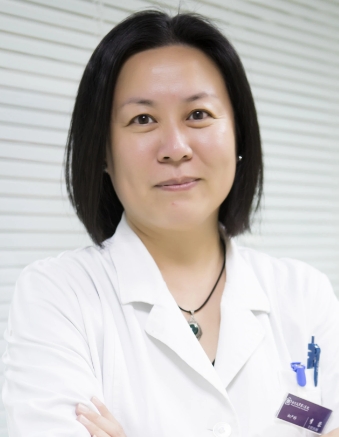 Rong Li (李蓉)合作论文数Peking University Third Hospital30
 Lixue Chen (陈立雪)合作论文数22
 Ning Huang合作论文数Huazhong Univ Sci & Technol17
 Ping Liu (刘平)合作论文数Reproductive Medicine Center, Peking University Third Hospital;State Key Laboratory of Female Fertility Promotion, Peking University Third Hospital16
 Rui Yang (杨蕊)合作论文数Reproductive Medical Center, Department of Obstetrics and Gynecology, Peking University Third Hospital15Lin Zeng合作论文数13Ying Lian (廉颖)合作论文数7
 Xiaoyan Gai (盖晓燕)合作论文数Respiratory Medicine Department, Peking University Third Hospital7
 Yongchang Sun (孙永昌)合作论文数Peking University Third Hospital7
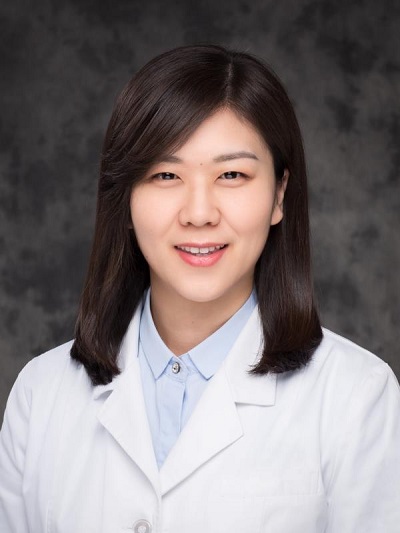 Xiaoyu Long (龙晓宇)合作论文数Department of Obstetrics and Gynecology, Peking University Third Hospital;Center for Reproductive Medicine, Peking University Third Hospital6
 Caihong Ma (马彩虹)合作论文数Peking University Third Hospital6Hongzhen Li合作论文数6Huahua Jiang合作论文数5
 Huifeng Shi合作论文数5LiNan Cheng (程利南)合作论文数5Zining He合作论文数4Yalong Liu (刘雅龙)合作论文数4Zeng Lin合作论文数4
 Haining Wang (王海宁)合作论文数Department of Endocrinology, Peking University Third Hospital4
 Yongxiu Hao合作论文数3Wan Yang合作论文数3XinNa Chen (陈新娜)合作论文数3GuiYing Hu (胡桂英)合作论文数3
 Haiyan Wang (王海燕)合作论文数国家海洋局第三海洋研究所3
 Shengli Lin (林胜利)合作论文数Key Laboratory of Assisted Reproduction Ministry of Education3
 Wenli Cao (曹文利)合作论文数Beijing Geriatric Hospital3
 Lina Wang (王丽娜)合作论文数Center for Reproductive Medicine, Department of Obstetrics and Gynecology, Peking University Third Hospital3
 Tianpei Hong (洪天配)合作论文数Peking University Third Hospital3
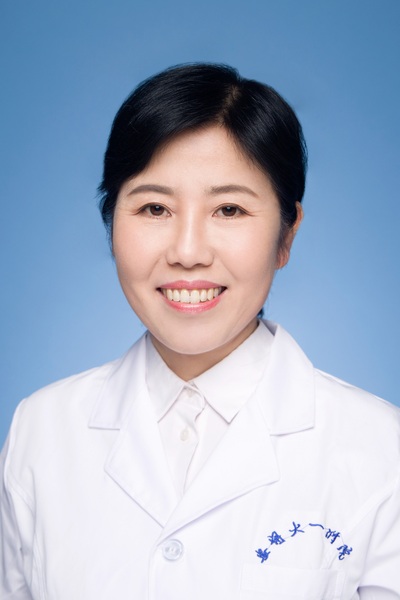 Yunxia Cao (曹云霞)合作论文数The First Affiliated Hospital of Anhui Medical University3T. Hamatani合作论文数2zhihai kang (康志海)合作论文数2Yuanyuan Wang合作论文数2M. Yamada合作论文数2P. Perry合作论文数2Yang Wang合作论文数2N Kuji合作论文数2Hai-qin ZHANG (张海琴)合作论文数2Xiaofan Li (厉晓帆)合作论文数2Hongping Wu合作论文数2Jie-Jing Wang合作论文数2
 Mariette Goddijn合作论文数Amsterdam UMC2Baiyan Wu (吴白燕)合作论文数2XueRu Song (宋学茹)合作论文数2Ga Zhuo (卓嘎)合作论文数2HuiYu Xu (许惠玉)合作论文数2Yan Li (李岩)合作论文数2
 Jie Yan (严杰)合作论文数Zhejiang University2
 Xiaoyan Liang (梁晓燕)合作论文数The Sixth Affiliated Hospital of Sun Yat-sen University2




