A simple, efficient, and environmentally friendly methodology for the dibromination of anisoles using Fe(NO3)(3)9H(2)O/FeBr3 at room temperature was developed. In general, anisoles bearing electron-donating or weak electron-withdrawing groups gave the dibrominated product in good to excellent yields, while anisoles bearing a strong electron-withdrawing group gave a high yield of the monobromination product. This protocol was also suitable for the bromination of 2- or 4-substituted substrates. Importantly, this protocol was also applicable for gram-scale synthesis. It is hopeful that this methodology will have great use in organic synthesis.
Atomically dispersed iron-nitrogen-carbon (Fe-N-C) catalysts have emerged as promising alternatives for oxygen reduction reaction (ORR) owing to their highly atomic utilization. However, maintaining both Fe atomic dispersion and dense Fe-Nx sites (typically below 2 wt%) in Fe-N-C catalysts is still a key challenge. In this investigation, a template (1,2-dicyanobenzene; DCB) assisted strategy has been reported to achieve hierarchically porous Fe-N/CDCB0.2-900 degrees C catalysts, which have atomically dispersed Fe-N4C active sites with a 5.45 wt% Fe loading and served for robust ORR. 1,2-dicyanobenzene containing abundant nitrogen source not only efficiently enhances the coordinated environment for dense Fe sites, but also facilitates the formation of a hierarchical porous structure in Fe-N/CDCB0.2-900 degrees C catalyst. Computational analysis demonstrated that template-assisted structural modification effectively reduces the energy barrier associated with *OOH intermediate formation while simultaneously adjusting the d-band center position of Fe-N4C coordination sites within the Fe-N/CDCB0.2-900 degrees C system. This optimization enhances the stabilization of oxygen-bearing intermediates and promotes accelerated kinetics of the ORR. Consequently, the Fe-N/CDCB0.2-900 degrees C exhibited a half-potential of 0.9 V versus RHE when evaluated in 0.1 M KOH electrolyte and achieved a peak power density of 220 mW cm-2 in a zinc-air battery, surpassing commercial Pt/C (0.88 V vs. RHE, 194 mW cm-2). Such methodology provides a new avenue for constructing dense metal active sites for achieving functional, but not limited to, ORR, catalysts and applications. (sic)(sic)(sic)(sic)(sic)(sic)-(sic)-(sic)(Fe-N-C)(sic)(sic)(sic)(sic)(sic)(sic)(sic)(sic)(sic)(sic)(sic),(sic)(sic)(sic)(sic)(sic)(sic)(sic)(sic)(sic)(sic)(sic)(sic)(sic)(ORR)(sic)(sic)(sic)(sic)(sic).(sic)(sic),(sic)Fe-N-C(sic)(sic)(sic)(sic)(sic)(sic)(sic)(sic)(sic)(sic)(sic)(sic)(sic)(sic)(sic)(sic)(sic)(sic)(sic)Fe-Nx(sic)(sic)((sic)(sic)(sic)(sic)2 wt%)(sic)(sic)(sic)(sic)(sic)(sic)(sic)(sic).(sic)(sic)(sic)(sic)(sic),(sic)(sic)(sic)(sic)(sic)(sic)(sic)(sic)(sic)(1,2-(sic)(sic)(sic)(sic)(sic); DCB)(sic)(sic)(sic)(sic),(sic)(sic)(sic)(sic)(sic)(sic)(sic)(sic)(sic)(sic)(sic)(sic)Fe-N/CDCB0.2-900 degrees C(sic)(sic)(sic),(sic)(sic)(sic)(sic)(sic)(sic)(sic)(sic)(sic)(sic)(sic)Fe-N4C(sic)(sic)(sic)(sic),(sic)(sic)(sic)(sic)(sic)5.45 wt%,(sic)(sic)(sic)(sic)(sic)(sic)ORR.(sic)(sic)(sic)(sic)(sic)(sic)(sic)1,2 -(sic)(sic)(sic)(sic)(sic)(sic)(sic)(sic)(sic)(sic)(sic)(sic)(sic)(sic)(sic)(sic)(sic)(sic)(sic)(sic)(sic)(sic),(sic)(sic)(sic)(sic)(sic)Fe-N/CDCB0.2-900 degrees C(sic)(sic)(sic)(sic)(sic)(sic)(sic)(sic)(sic)(sic)(sic)(sic).(sic)(sic)(sic)(sic)(sic)(sic)(sic)(sic),(sic)(sic)(sic)(sic)(sic)(sic)(sic)(sic)(sic)(sic)(sic)(sic)(sic)(sic)(sic)*OOH(sic)(sic)(sic)(sic)(sic)(sic)(sic)(sic)(sic)(sic),(sic)(sic)(sic)(sic)(sic)Fe-N/CDCB0.2-900 degrees C(sic)(sic)(sic)Fe-N4C(sic)(sic)(sic)d(sic)(sic)(sic)(sic)(sic).(sic)(sic)(sic)(sic)(sic)(sic)(sic)(sic)(sic)(sic)(sic)(sic)(sic)(sic)(sic)(sic)(sic)(sic)(sic),(sic)(sic)(sic)(sic)ORR(sic)(sic)(sic)(sic)(sic)(sic)(sic)(sic).(sic)(sic),(sic)0.1 M KOH(sic)(sic)(sic)(sic)(sic)(sic)(sic),Fe-N/CDCB0.2-900 degrees C(sic)(sic)(sic)(sic)(sic)(sic)0.9 V,(sic)(sic)(sic)(sic)(sic)(sic)(sic)(sic)(sic)(sic)220 mW cm-2(sic)(sic)(sic)(sic)(sic)(sic)(sic),(sic)(sic)(sic)(sic)(sic)Pt/C(0.88 V,194 mW cm-2).(sic)(sic)(sic)(sic)(sic)(sic)(sic)(sic)(sic)(sic)(sic)(sic)(sic)(sic)(sic)(sic)(sic)(sic)(sic)(sic)(sic)(sic),(sic)(sic)(sic)(sic)(sic)(sic)(sic)(sic)(sic)(sic)(sic)((sic)(sic)(sic)(sic)ORR)(sic)(sic)(sic)(sic)(sic).
Solar-powered desalination technology is an effective way to solve the current problem of freshwater scarcity. However, some of the photothermal materials have the disadvantages of complicated preparation, high cost and unfriendly to the environment. Therefore, the preparation of more energy-efficient, convenient and green photothermal materials is an urgent problem we need to solve now. In this study, we investigated the synthesis of porous carbonized waste coffee grounds@chitosan (CWCGs@CS) aerogels with high efficient photothermal conversion performance by vacuum freeze-drying method using waste coffee grounds (CWCGs) as a photothermal material, mixed with chitosan (CS), and glutaraldehyde as a cross-linking agent. The results of the experiment demonstrated that the evaporation rate of 2-CWCGs@CS could reach 2.24 kgm(-2)h(-1) when exposed to a single solar irradiation. The evaporation efficiency was 95.12 %. The aerogel also had good durability and self-cleaning properties, and can reduced the appearance of salt crystals. In addition, the aerogel could be used to desalinate seawater, purify strong acid and alkali solutions, and dye wastewater. This research provided new ideas for solving the global water scarcity problem and was expected to be applied in large-scale production and practical industries.
Oily wastewater and oil spills occurred frequently in complex offshore environments, there was an urgent need to develop a new type of oil-absorbing material that had a good oil removal effect. This study presented a new approach for oil-water separation using hand-fermented white buns made from biomass material wheat. Porous carbon material CWB@PDMS was prepared by carbonizing the white steamed bread and adding PDMS for modification. The results showed that this material had excellent hydrophobicity (WCA up to 147.13 degrees) and good absorption capacity (3.5-10.3 g/g). And it could be recycled for multiple absorptions. The separation efficiency of oil-water mixture could still reach 99.12% after 10 cycles of the material. CWB@PDMS had a good photothermal conversion efficiency and surface temperature of the material was able to warm up to 67.5 degrees C in 220 s at a controlled optical power density of 1.0 kw/m2, which transferred heat to the oil, resulting in a reduction in viscosity. This provided a solution to address the recovery of high-viscosity oils.
Solar-powered seawater desalination is widely regarded as a promising solution to mitigate the global freshwater shortage. However, the development of evaporators that are efficient, stable, salt-resistant, antibacterial, and corrosion-resistant remains a significant challenge. To tackle this issue, this study employed carbonized waste coffee grounds (CWCGs) as the photothermal material, sodium alginate (SA) as a hydrophilic binder, polyurethane (PU) foam as a flexible substrate, and a lignin-silver nanocomposite antimicrobial agent (L-Ag NCAA) as the antibacterial component. A carbonized coffee grounds@sodium alginate@polyurethane sponge (CWCGs@SA@PU) was synthesized through an impregnation-crosslinking method. The resulting CWCGs@SA@PU evaporator demonstrated rapid water transport and efficient photothermal conversion, yielding an evaporation rate of 2.26 kg center dot m-2 center dot h-1 at 99.36% efficiency. The material also demonstrated excellent mechanical stability, cycling durability, effective purification performance, and antibacterial activity targeting Escherichia coli and Staphylococcus aureus. This work successfully developed a multifunctional evaporator that integrates high-efficiency photothermal conversion, water evaporation, anti-fouling, and antibacterial properties, positioning it as a promising candidate for seawater desalination and wastewater purification.
How to deal with the random discharge of oily wastewater had become an urgent environmental problem in recent years. In this study, turning waste into treasure: CFSB@PDMS based on discarded fermented steamed buns was developed for the recovery of high-viscosity oil. The discarded fermented steamed buns were derived from biomass material wheat, which was renewable and environmentally friendly. This study demonstrated CFSB@PDMS had multifaceted superior properties. The water contact angle of CFSB@PDMS was 145.39 degrees, although slightly lower than the typical values for fluorinated superhydrophobic coatings (>150 degrees), it was entirely based on fluorine-free, environmentally friendly materials, offering superior environmental sustainability. In 10 times gravity oil-water separations, the separation efficiency was still as high as 97.69 % with good cyclic stability. Under the condition of an optical power density of 1.0 kW/m(2), the surface temperature could be increased to 85.5 degrees C within 240 s. 73.05 % of crude oil and 65.00 % of hotpot oil could be recovered within 1 h. The excellent photothermal conversion characteristics provided a new solution for efficient recycling and treatment of high-viscosity oil, which had potential application prospects.
Carbonized coffee grounds exhibit excellent light absorption properties, while sodium alginate hydrogel is characterized by good biocompatibility, low toxicity, and low cost, rendering it suitable for the fabrication of multi-functional photothermal materials. In this study, polyurethane (PU) sponge and sodium alginate were used as the matrix, onto which coffee ground-derived carbon and silver nanoparticles (AgNPs) were loaded to construct a three-dimensional (3D) porous network. A high-performance, recyclable photothermal-steam conversion composite hydrogel sponge was successfully prepared via a simple drying method. The microstructure, physicochemical stability, mechanical properties, and photothermal performance of the composite sponge were systematically characterized, and the interfacial interaction mechanism between the components was clarified. The results showed that stable interactions were formed between coffee ground-derived carbon and sodium alginate, which regulated the water evaporation rate during the photothermal process. The introduction of AgNPs not only enhanced the mechanical strength of the composite material but also achieved a high photothermal conversion efficiency of up to 92.32%. This study broadens the application prospects of waste coffee ground-derived carbon in the field of photothermal conversion.
Petroleum coke, as a reusable waste material from the petroleum refining process, could be used to reduce the viscosity of crude oil due to its good photothermal properties. In this study, multifunctional hydrophobic PDMS@PC@MS was obtained by loading petroleum coke (PC) powder onto MS (melamine sponge) by means of polydimethylsilane (PDMS). The results showed that the oil-absorption capacity of PC@PDMS@MS decreased with the increase of PC loading. 50-PDMS@PC@MS had a superhydrophobic surface (WCA of 150.88 degrees) that adsorbs and separates heavy and light oils in oil-water mixtures, respectively. It remains hydrophobic under a wide range of liquids and acid-base environments. After 10 successive cycles of separation, the separation efficiencies were all greater than 96 %. In addition, the surface temperature of 50-PC@PDMS@MS at 1sun (1 kW/ m2) could reach 82.9 degrees C after 180 s. The adsorption of butter on top of 50-PC@PDMS@MS could be completed within 7 min. Under the simulated crude oil leakage, the crude oil could be continuously adsorbed and separated under 1-3 kW/m2 of light, in which the separation efficiency of 50-PC@PDMS@MS (3sun) on crude oil could reach 71.42 %. This study provides a new direction for the treatment and value-added of waste petroleum coke, and a new method for the adsorption separation of offshore high-viscosity spills, which realizes the benign strategy of "taking from the oil, using for the oil".
The interfacial photo-hot water evaporation technique combined with salt crystallization treatment is expected to be applied in practice. In this study, a 0.5-MC@FP evaporator was assembled by loading MWCNTs through filter paper and using cotton swabs as water delivery channels. The 0.5-MC@FP evaporators with different filter paper layers were prepared and tested to verify the evaporation efficiency and salt recovery performance of the 0.5-MC@FP evaporator. The results showed that the evaporation rate of 0.5-MC@FP-1 could reach 1.33 kg/m2h under light (1 kW/m2), and the efficiency of separating vapors and salt was 80.35 %. The surface temperature of the 0.5-MC@FP evaporator could reach more than 70 degrees C after 240 s of light during drying time. The average evaporation rate of the 0.5-MC@FP-1 over 10 cycle days and salt recovery were 1.31 kg/(m2 h) and 39.77 g/(m2 h), respectively. Moreover, continuous water evaporation and marginal salt crystallization separation for 144 h could be achieved. In addition, the 0.5-MC@FP evaporator can continuously output voltage within 600 s. This work demonstrates an interfacial photothermal evaporator with cyclic continuous steam generation, salt collection, and continuous power generation, which provides a new direction for solving the problem of salt crystallization during water evaporation and water transport regulation of the evaporator.
Frequent oil spills at sea and the large-scale marine fires caused by them seriously jeopardize the marine ecosystem and human health. In this study, the use of multifunctional oil-absorbing materials was expected to solve the problems triggered by marine oil spills. Herein, a multifunctional coated polyurethane foams (FPMA-PUF) were prepared by immersing polyurethane foams (PUF) into a coating containing fluorinated polydimethylsilane (F-PDMS), silica, hydroxylated multi-walled carbon nanotubes (MWCNTs-OH), and ammonium polyphosphate (APP). The results showed that FPMA-PUF exhibited superhydrophobicity, chemical stability, and mechanical durability, which was capable of adsorbing and separating a variety of oils in a stable manner. FPMA-PUF had excellent flame retardancy and self-extinguishing after 65 s of combustion, which could reduce the risk of fire. In addition, FPMA-PUF also had a certain degree of fire resistance in the simulation of marine oil fire. FPMA-PUF could be used in combination with a pump to achieve the recovery of oil within 52 s for fire extinguish. This work provided a new direction for dealing with the adsorption and separation of high-viscosity oils, safety prevention and control of fires caused by marine oils, as well as fire extinguishing treatment, and realizing the benign strategy of extinguishing the fire by pumping the oil strike at the root of the trouble.
Exploitation of stable & efficient FeNx-based electrocatalysts for oxygen reduction reaction (ORR) is a key challenge in commercialization as an alternative for Pt/C catalyst. Herein, a series of carbon matrix hybridized iron phthalocyanine electrocatalysts (FePc#Cxs) were prepared for investigating the effect of various carbon matrix on ORR performance. All of the FePc#Cxs show comparable ORR activities to the commercial Pt/C. Impressively, the FePc#CKB exhibits a half-wave potential of 0.947 V and limited current density of 6.5 mA cm-2 in alkaline media, while achieves a maximum power density of 307.4 mW cm-2 in primary Zn-air battery, which is mainly contributed to the Fe2+/Fe3+ redox enhancement in FePc#CKB created between FePc and Ketjen Black (KB) carbon matrix, leading to a faster ORR kinetics process and an increased ORR activity in FeN4 site. This work on regulating Fe2+/Fe3+ redox environment in FePc by carbon matrix might provide a valuable path to construct desired carbon-based catalysts, but not confined to ORR electrocatalyst.
Using MoO3 nanorods as the precursor, an one-dimensional MoOxSy@NC nanorod is successfully prepared via in-situ sulfuration and hydrothermal synthesis. The resultant MoOxSy nanorod exhibits a unique composite structure: S atoms are in-situ doped into the intrinsic crystal lattice of MoO3 to obtain MoO3-xSx, which is hybridized with another component, MoO2, to produce the virgulate MoO3-xSx/MoO2 composite, i.e., MoOxSy. This MoOxSy is uniformly deposited with a N-containing hydrothermal carbonization (N-HTC) layer of similar to 10 nm thickness, finally forming the core/shell MoOxSy@NC nanorod. It is demonstrated that the doped S atoms change the inherent band structure of MoO3 and successfully reduce its bandgap energy. At the interface of MoO3-xSx and MoO2, a type-II heterojunction is yielded and efficiently separates the photogenerated h(+) /e(-) pairs. Meanwhile, the N-HTC coating not only facilitates the rapid transfer of surface e(-) on the MoOxSy core, but also significantly improves the adsorption capacity of the MoOxSy@NC for Cr(VI) ions. As a result, the MoOxSy@NC nanorod presents superior photocatalytic performance in the Cr(VI) reduction under the illumination of visible light. Finally, the photocatalytic mechanism of MoOxSy@NC is explored to figure out the synergistic effect of its band structure and surface property on the photoreduction of Cr(VI), which would induce the development of more photocatalysts with high activity.
Salvianolic acid F (Sal-F) is one of the most active components in the traditional Chinese medicine Danshen, and is a key intermediate in the synthesis of salvianolic acid A (Sal-A). In this paper, a simple, efficient, and scalable route for the total synthesis of Sal-F was developed. The total synthesis of Sal-F was done through only 5 steps with high overall yield (45%). This synthetic technology was started from inexpensive materials, in which, some unpleasant reactants such as Br2 and n-BuLi were avoided. More importantly, this protocol was also applicable for 19 gram-scale synthesis. This protocol is crucial for the synthesis of Sal-A.
MXene is one kind of a promising anode material due to its graphene-like structure, excellent electrochemical characteristics and low lithium ion diffusion barrier. But the lower specific capacity couldn’t meet the demands in practical application. Here, we have constructed coconut-derived carbon anchored within the MXene layers, which improves the conductivity to prompt the kinetics upon redox reactions, in the meantime, shorts the transfer distance and buffers volume changes, synergistically improving the electrochemical reversibility during charge and discharge processes. Naturally, the MXene/C hybrid anode delivers a high initial discharge specific capacity of 1951.7 mAh g[Formula: see text] at 0.1 A g[Formula: see text]. Additionally, it maintains a stable cycle with a reversible capacity of 511.7 mAh g[Formula: see text] after 500 cycles at 0.5 A g[Formula: see text]. This work paves a straightforward avenue to developing a versatile MXene-based anode for high performance LIBs.
Functional compounds (FCs) had some functions, which are affected easily by digestion and transmembrane transport leading to low absorption rates, such as lutein, quercetin, xylo-oligosaccharide. Protein from blue foods is a potential bioactive compound, which had higher bioavailability, especially for bioactive peptides (BBPs). The BBPs has great limitations, especially the variability under pepsin digestion. However, the limitation of single FCs and BBPs in bioavailability might can be complemented by mixture of different bioactive compounds. Therefore, this review provides an in-depth study on the function and mechanism of different FCs/BBPs and their mixtures. Specifically, digestion effect of mixtures on function and transmembrane transport mechanisms of different bioactive compounds were exhibited to elaborate interactions between BBPs and FCs in delivery systems (function and bioavailability). Combination of FCs/BBPs could enhance bioactive compounds function by mutual complement of function mechanisms, as well as improving the function after digestion by regulating digestion process. Moreover, transmembrane absorption and transport of FCs/BBPs also could be facilitated by mixtures due to complement of transmembrane mechanism (endocytosis, protein channels, cell bypass way). This manuscript lays a foundation for the development of active ingredient bioavailability in functional food processing.
To better enhance printing effects meanwhile casting functionality, antioxidation and absorption of bioactive component in printed Ca2+-nano starch (NS)-lutein (L)-surimi were investigated. Results shown that Ca2+-NS-L promoted surimi printability due to enhanced gel strength and denser structure. Mixing Ca2+-NS-L endowed printed surimi with antioxidation (DPPH, ABTS, hydroxyl radical, Fe2+ reduction were 42 %, 79 %, 65 %, 0.104 mg·mL-1, respectively) due to the ability of lutein with more -OH groups and conjugate bonds to capture free radicals. It also manifested in cellular antioxidation that Ca2+-NS-L-surimi regulated the level of Nrf2 to protect gene expression of antioxidases (SOD, CAT, GSH-Px increased by 30-180 %, compared to damaged cells) through keap1-Nrf2-ARE pathway. Additionally, lutein absorption and transportation of Ca2+-NS-L-surimi increased by 20 %, compared to NS-L. Possibly, combination of samples and membrane was facilitated by surface hydrophobic, promoting endocytosis. Meanwhile, digestive surimi (peptides) with acidic-alkaline amino acids and negative charges made samples be attracted and moved in bypass parts under electrostatic traction and repulsion (electrostatic domain) to promote transport process. Also, Ca2+ facilitated CaM expression in membrane and formed Ca2+ channel by combining with CaM to accelerate entry of samples into cells. Conclusively, Ca2+-NS-L both strengthened printability of surimi and antioxidation, promoting application of printed functional surimi.
An ultralight 3D carbon fiber aerogel with good flexibility is developed via soaking cotton in water and then calcinating at a high temperature. This cotton-derived carbon material is constituted by amorphous carbon and retains slight oxygen-containing groups. Besides, a lot of hollow carbon nanocapsules are yielded on the inside surface, resulting in abundant micropores and mesopores. Systemic investigations explore the molecular transformation from cotton to carbon fiber, and the formation of carbon nanocapsules. In the adsorption process for methyl orange (MO), this carbon fiber aerogel exhibits both a rapid adsorption rate and the ultrahigh adsorbability of 862.9 mg/g, outclassing most of carbon materials reported. Therefore, a dynamic sewage treatment system is built and consecutively removes hydrosoluble pollution for a long-term running time. For the cotton-derived carbon fiber aerogel, the good mechanical flexibility, excellent adsorption property, and high stability jointly provide a vast application prospect in future industrial wastewater remediation.
With favorable electrochemical activity, NaNi0.5Mn0.5O2(NNMO) has been a key cathode material in sodium-ion batteries. However, the phase-transition irreversible and kinetics sluggish issues in NaNi0.5Mn0.5O2 greatly limit its application in sodium-ion batteries. Here, various Ti-doped O3-NaNi0.5Mn0.5-xTixO2 cathode materials were fabricated via solid-phase method. The extra Ti-doping treatment effectively stabilized the transition layer of metal and enlarged the Na layer spacing, as well as suppressed the Na+/vacancy ordering. In particular, the obtained O3-NaNi0.5Mn0.46Ti0.04O2 (NNMOTi-4) exhibits initial reversible capacity of 108.6 mAh g-1 at 0.1C and remarkable 65.2% capacity retention after 100 cycles at 1C. Accordingly, this work provides a facile Ti-doping strategy to regulate the structure and electrochemical performance of layered NaxTMO2 for sodium-ion batteries.
The use of solar desalination is expected to solve the problem of water scarcity. Based on this, MWCNTs were loaded on filter paper and assembled into a MWCNTs disc evaporator using cotton threads as water channels in this paper. MCED with different loadings were prepared, and the photothermal conversion performance of MCED was evaluated through experiments. The results showed that the evaporation rate of 0.7-MCED at one solar intensity could reach 1.3134 kg/m2 h; the efficiency of solar separation of vapor and salt was 77.63 %. Meanwhile, after a 7 -day evaporation cycle of 0.3-MCED, salt crystallizes at the edge of MCED under light and is recovered by gravity shedding during darkness, and the freshwater collection rate and salt recovery rate are 0.82 kg m- 2 h-1 and 38.24 g m- 2 h-1, realizing efficient and continuous water collection and salt recovery. In addition, MCED can generate voltage through water evaporation. This work demonstrates a solar evaporator that can be used for continuous seawater desalination as well as salt recovery and power generation, and provides a new direction for the design of photothermal modulation of MWCNTs and solving the salt crystallization problem for solar desalination.
 Jieshan Qiu (邱介山)合作论文数College of Chemical Engineering, Beijing University of Chemical Technology15
 Zongbin Zhao (赵宗彬)合作论文数School of Chemical Engineering, Dalian University of Technology;Carbon Research Laboratory, Dalian University of Technology14
 Han Hu (胡涵)合作论文数College of Chemical Engineering, China University of Petroleum;College of New Energy, China University of Petroleum9
 Peng Zhang (张鹏)合作论文数School of Environmental Science and Engineering, Tiangong University7
 Zhuwei Gao (高助威)合作论文数School of Chemistry and Chemical Engineering, Hainan University7
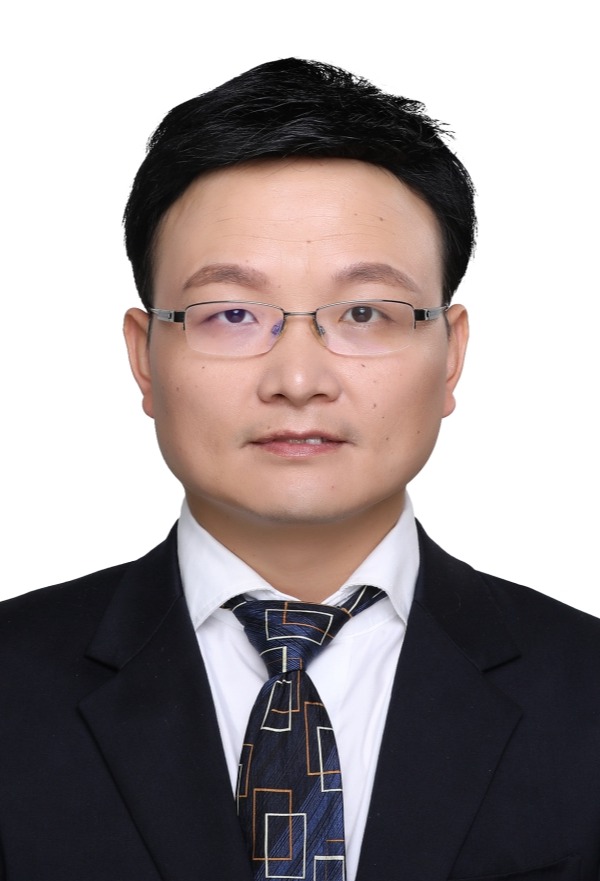 Feng He (何锋)合作论文数School of Environment and Civil Engineering, Jiangnan University;College of Environment, Zhejiang University of Technology7
 Timothy Hughes合作论文数5
 JieQun Liu (刘洁群)合作论文数5Shengkui Zhong合作论文数Department of Material and Chemistry, Guilin University of Technology5
 Xiaojuan Hao合作论文数Polymer Science Group, The University of Melbourne5Shi Yaqin (史亚琴)合作论文数4
 Jin Li (李进)合作论文数School of Chemistry and Chemical Engineering, Hainan University4Quan Zhou合作论文数4Weijie Wei合作论文数3Mingming Chi合作论文数3Lan He合作论文数3
 Xuzhen Wang (王旭珍)合作论文数School of Chemistry, Dalian University of Technology3Yanru Fan (范彦如)合作论文数3
 Yury Gogotsi合作论文数Department of Materials Science and Engineering, College of Engineering, Drexel University;Department of Mechanical Engineering and Mechanics, College of Engineering, Drexel University;A.J. Drexel Nanomaterials Institute, Drexel University3Zehao Zhang合作论文数2Xiaqing Zhang合作论文数2Changhua Liu合作论文数2yaqin wu (吴亚琴)合作论文数2chuntao wu (吴春桃)合作论文数2Gaoshang Li合作论文数2Junqi Zhan合作论文数2Lei Zhang合作论文数2Zhijian Liao合作论文数2Yiying Li合作论文数2Xinyu Qi合作论文数2Wenjian ZUO (左文健)合作论文数2
 Xiaoyan Yang (杨晓燕)合作论文数School of Nanoscience and Materials Engineering, Henan University2
 Wenge Yang (杨文鸽)合作论文数College of Food and Pharmacy, Ningbo University2
 Shuhua Peng合作论文数School of Mechanical & Manufacturing Engineering, Faculty of Engineering, University of New South Wales2Wu Chunhua合作论文数2Huanjun Xu合作论文数2
 Wan Shunli合作论文数2
 Qingrong Chen (陈庆荣)合作论文数School of Psychology, Nanjing Normal University2Zhuang Yang (杨壮)合作论文数2
) Yaqin Hu (胡亚芹)合作论文数College of Biosystems Engineering and Food Science, Zhejiang University2
Yaqin Hu (胡亚芹)合作论文数College of Biosystems Engineering and Food Science, Zhejiang University2 Liyuan Liang合作论文数Geo consultants Corp2
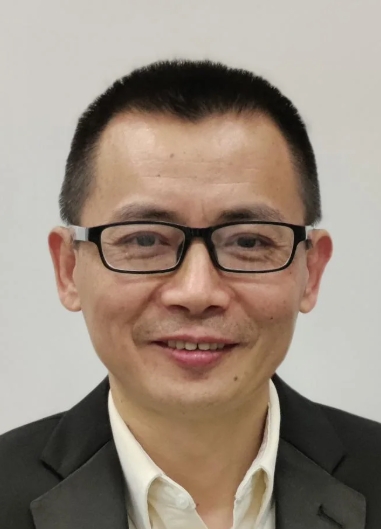 Bin Gao合作论文数Department of Civil and Environmental Engineering, School of Engineering, Rensselaer Polytechnic Institute2Jiang Wang合作论文数1
 Luxiang Wang (王鲁香)合作论文数1Jingjing He合作论文数1Yan Li合作论文数1Ying Pan合作论文数1




