In Asia-Pacific region, hepatocellular carcinoma is a serious health threat attributing to over 600,000 deaths each year and account for over 70% of global cases. Clinically, the major unmet needs are recurrence after curative-intent surgery, liver transplantation or local ablation and disease progression in those with hepatocellular carcinoma not eligible for resection or failed locoregional therapy. In the recent few years, new targeted therapy and immune-checkpoint inhibitors have been registered as systemic therapy to address these issues. Notably, new forms of systemic therapy, either as first-line or second-line therapy for unresectable hepatocellular or those not eligible for locoregional therapy, are now available. New data is also emerging with the use of systemic therapy to prevent hepatocellular carcinoma recurrence after curative-intent resection or local ablation therapy and to retard disease progression after locoregional therapy. In the future, further implementation of immune-checkpoint inhibitors and other forms of immunotherapy are expected to bring a new paradigm to the management of hepatocellular carcinoma. New insight related to immune-related adverse events with the use of immunotherapy has allso enabled optimization of the therapeutic approach to patients with hepatocellular carcinoma. The purpose of this clinical practice guideline is to provide an up-to-date recommendation based on clinical evidence and experience from expert Asia-Pacific key opinion leaders in the field of hepatocellular carcinoma. Three key questions will be addressed, namely: (1) Which patients with hepatocellular carcinoma should be considered for systemic therapy? (2) Which systemic therapy should be used? (3) How should a patient planned for immune checkpoint-based systemic therapy be managed and monitored?
PDF - 924K, Supplementary Figure 1: Morphology and growth curves of MHCC97L, MHCC97L/CisR and MHCC97L/DoxR cells. Supplementary Figure 2: In vivo growth rate of MHCC97L, MHCC97L/CisR and MHCC97L/DoxR cells in nude mice. Supplementary Figure 3: Experimental flow for identification of chemoresistant targets. Supplementary Figure 4: Expression profiles of candidate genes in chemoresistant cells. Supplementary Figure 5: The persistence of TMEM98 expression after drug treatment. Supplementary Figure 6: The expression level of TMEM98 after transfection of TMEM98 siRNA. Supplementary Figure 7: MTT cytotoxic assay of PLC-pcDNA3.1 and PLC-TMEM98 cells in cisplatin or doxorubicin treatment. Supplementary Figure 8: MTT cytotoxic assay of MHCC97L-pcDNA3.1 and MHCC97L-TMEM98 cells under the treatment of sorafenib.
Supplementary Table 1. Clinico-pathological features of HCC in relation to sGEP and sMICA levels. Supplementary Table 2. Cox regression analyses for recurrence-free survival on sGEP/sMICA levels and tumor stage. Supplementary Figure 1. Cytotoxicity of NK cells isolated by positive and negative selection. Supplementary Figure 2. Correlation between NKG2D expression on NK cells with (A) sGEP and (B) sMICA in sera of HCC patients. Supplementary Figure 3. Association of serum GEP or MICA levels with recurrence-free survival in HCC patients.
Supplementary Figures 1-6 from The Kringle 1 Domain of Hepatocyte Growth Factor Has Antiangiogenic and Antitumor Cell Effects on Hepatocellular Carcinoma
Objective: The pancreatic fistula rate is high when pancreaticojejunostomy is performed in patients with soft pancreas, narrow pancreatic duct, major intraoperative bleeding and pathology of the resected pancreas other than pancreatic cancer and pancreatitis. Binding pancreaticogastrostomy (BPG) was proposed to reduce pancreatic fistula. This study aims at evaluation of BPG in prevention of pancreatic fistula. Methods: One hundred and thirteen patients had BPG after pancreaticoduodenectomy (n = 105) or central pancreatectomy (n = 8). The BPG consisted of two purse string sutures around the pancreas stump and inner anchoring within the stomach and without suturing of the pancreas outside the stomach. The patients were categorised as negligible risk, low risk, intermediate risk and high risk of developing pancreatic fistula according to the presence of risks factors such as pancreas texture, size of pancreatic duct, volume of intraoperative bleeding and pathology of the resected pancreas. Pancreatic fistula of Grade B and C were considered as clinically relevant pancreatic fistulas (CRPF). Results: Patients with negligible and low risk did not have pancreatic fistula. Three (6%) of 50 patients with intermediate risk and four (8.6%) of 46 patients with high risk developed CRPF (Grade B, 3 patients; Grade C, 4 patients). The overall CRPF rate was 6.2%. Non-fistulous complication rate was 14.2%. Conclusion: BPG is a feasible alternative to pancreaticojejunostomy for patients with high risk of developing pancreatic fistula.
PDF - 150K, Supplementary Table 1: List of primers. Supplementary Table 2: List of commonly up-regulated genes in drug resistant sublines. Supplementary Table 3: List of commonly down-regulated genes in drug resistant sublines. Supplementary Table 4: List of differential genes with 10-fold changes in MHCC97L/CisR and MHCC97L/DoxR sublines. Supplementary Table 5: Expression pattern of 5 up-regulated differential genes in 37 pairs of HCC patients. Supplementary Table 6: Cox proportional hazard regression analysis.
Supplementary Figure S1: IgG negative control demonstrated no added effect on the chemotherapy induced apoptosis; Supplementary Figure S2: Secretory GEP levels in Hep3B and Huh7 culture supernatants; Supplementary Figure S3: Combined GEP antibody and high dose cisplatin eradicated the established intrahepatic xenografts.
During hepatectomy the liver may sustain various forms of injury due to inflow occlusion, congestion, raised intraductal pressure from bile duct obstruction, choledochoscopy and electrohydraulic lithotripsy, and portal hyperperfusion related to small liver remnant. This review elaborates the possible mechanism of liver injury during hepatectomy and their prevention.
Objective: To evaluate the efficacy of right or left portal vein retrieved from patient's own hepatectomy specimen as a graft for reconstruction of the middle hepatic vein. Methodology: Three patients had resection of cranial half of the middle hepatic vein with the adjacent tumor. The right or left portal vein was removed from the hepatectomy specimen and used as a graft for reconstruction of the middle hepatic vein. Results: After a follow up period of 2 months to 13 years, the vein graft remained patent. Tumor recurrence was not seen. Conclusion: Autologous graft from portal vein in hepatectomy specimen is an effective source for reconstruction of the middle hepatic vein after hepatectomy.
Since the publication of the Tokyo Guidelines in 2007 and their revision in 2013, appropriate management for acute cholecystitis has been more clearly established. Since the last revision, several manuscripts, especially for alternative endoscopic techniques, have been reported; therefore, additional evaluation and refinement of the 2013 Guidelines is required. We describe a standard drainage method for surgically high-risk patients with acute cholecystitis and the latest developed endoscopic gallbladder drainage techniques described in the updated Tokyo Guidelines 2018 (TG18). Our study confirmed that percutaneous transhepatic gallbladder drainage should be considered the first alternative to surgical intervention in surgically high-risk patients with acute cholecystitis. Also, endoscopic transpapillary gallbladder drainage or endoscopic ultrasound-guided gallbladder drainage can be considered in high-volume institutes by skilled endoscopists. In the endoscopic transpapillary approach, either endoscopic naso-gallbladder drainage or gallbladder stenting can be considered for gallbladder drainage. We also introduce special techniques and the latest outcomes of endoscopic ultrasound-guided gallbladder drainage studies. Free full articles and mobile app of TG18 are available at: . Related clinical questions and references are also included.
Antimicrobial therapy is a mainstay of the management for patients with acute cholangitis and/or cholecystitis. The Tokyo Guidelines 2018 (TG18) provides recommendations for the appropriate use of antimicrobials for community-acquired and healthcare-associated infections. The listed agents are for empirical therapy provided before the infecting isolates are identified. Antimicrobial agents are listed by class-definitions and TG18 severity grade I, II, and III subcategorized by clinical settings. In the era of emerging and increasing antimicrobial resistance, monitoring and updating local antibiograms is underscored. Prudent antimicrobial usage and early de-escalation or termination of antimicrobial therapy are now important parts of decision-making. What is new in TG18 is that the duration of antimicrobial therapy for both acute cholangitis and cholecystitis is systematically reviewed. Prophylactic antimicrobial usage for elective endoscopic retrograde cholangiopancreatography is no longer recommended and the section was deleted in TG18. Free full articles and mobile app of TG18 are available at: http://www.jshbps.jp/modules/en/index.php?content_id=47. Related clinical questions and references are also included.
We propose a new flowchart for the treatment of acute cholecystitis (AC) in TG18. Grade III AC was not indicated for straightforward laparoscopic cholecystectomy (Lap-C). Following analysis of subsequent clinical investigations and drawing on Big Data in particular, TG18 proposes that some Grade III AC can be treated by Lap-C when performed at advanced centers with specialized surgeons experienced in this procedure and for patients that satisfy certain strict criteria. For Grade I, TG18 A cc ep te d A rt ic le This article is protected by copyright. All rights reserved. recommends early Lap-C if the patients meet the criteria of Charlson Comorbidity Index (CCI)≤5 and American Society of Anesthesiologist physical status classification (ASA-PS)≤2. For Grade II AC, if patients meet the criteria of CCI≤5 and ASA-PS≤2, TG18 recommends early Lap-C performed by experienced surgeons; and if not, after medical treatment and/ or gall bladder drainage, Lap-C would be indicated. TG18 proposes that Lap-C is indicated in Grade III patients with strict criteria. These are that the patients have favorable organ system failure (FOSF), and negative predictive factors, who meet the criteria of CCI≤3 and ASA-PS≤2 and who are being treated at an advanced center (where experienced surgeons practice). If the patient is not considered suitable for early surgery, TG18 recommends early/urgent biliary drainage followed by delayed Lap-C once the patient’s overall condition has improved.
Bile duct injury ( BDI ) during laparoscopic cholecystectomy remains a serious iatrogenic surgical complication. BDI most often occurs as a result of misidentification of the anatomy; however, clinical evidence on its precise mechanism and surgeons’ perceptions is scarce. Surgeons from Japan, Korea, Taiwan, and the USA, etc. ( n = 614) participated in a questionnaire regarding their BDI experience and near‐misses; and perceptions on landmarks, intraoperative findings, and surgical techniques. Respondents voted for a Delphi process and graded each item on a five‐point scale. The consensus was built when ≥80% of overall responses were 4 or 5. Response rates for the first‐ and second‐round Delphi were 60.6% and 74.9%, respectively. Misidentification of local anatomy accounted for 76.2% of BDI . Final consensus was reached on: (1) Effective retraction of the gallbladder, (2) Always obtaining critical view of safety, and (3) Avoiding excessive use of electrocautery/clipping as vital procedures; and (4) Calot's triangle area and (5) Critical view of safety as important landmarks. For (6) Impacted gallstone and (7) Severe fibrosis/scarring in Calot's triangle, bail‐out procedures may be indicated. A consensus was reached among expert surgeons on relevant landmarks and intraoperative findings and appropriate surgical techniques to avoid BDI .
Management bundles that define items or procedures strongly recommended in clinical practice have been used in many guidelines in recent years. Application of these bundles facilitates the adaptation of guidelines and helps improve the prognosis of target diseases. In Tokyo Guidelines 2013 ( TG 13), we proposed management bundles for acute cholangitis and cholecystitis. Here, in Tokyo Guidelines 2018 ( TG 18), we redefine the management bundles for acute cholangitis and cholecystitis. Critical parts of the bundles in TG 18 include the diagnostic process, severity assessment, transfer of patients if necessary, and therapeutic approach at each time point. Observance of these items and procedures should improve the prognosis of acute cholangitis and cholecystitis. Studies are now needed to evaluate the dissemination of these TG 18 bundles and their effectiveness. Free full articles and mobile app of TG18 are available at: http://www.jshbps.jp/modules/en/index.php?content_id=47 . Related clinical questions and references are also included.
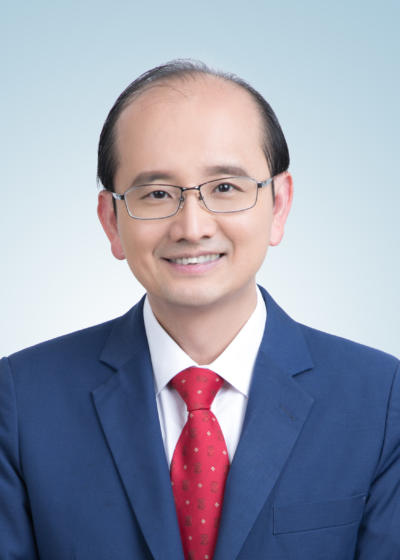 Poon Tung Ping Ronnie (潘冬平)合作论文数Gleneagles Hospital Hong Kong;Department of Surgery, The University of Hong Kong190
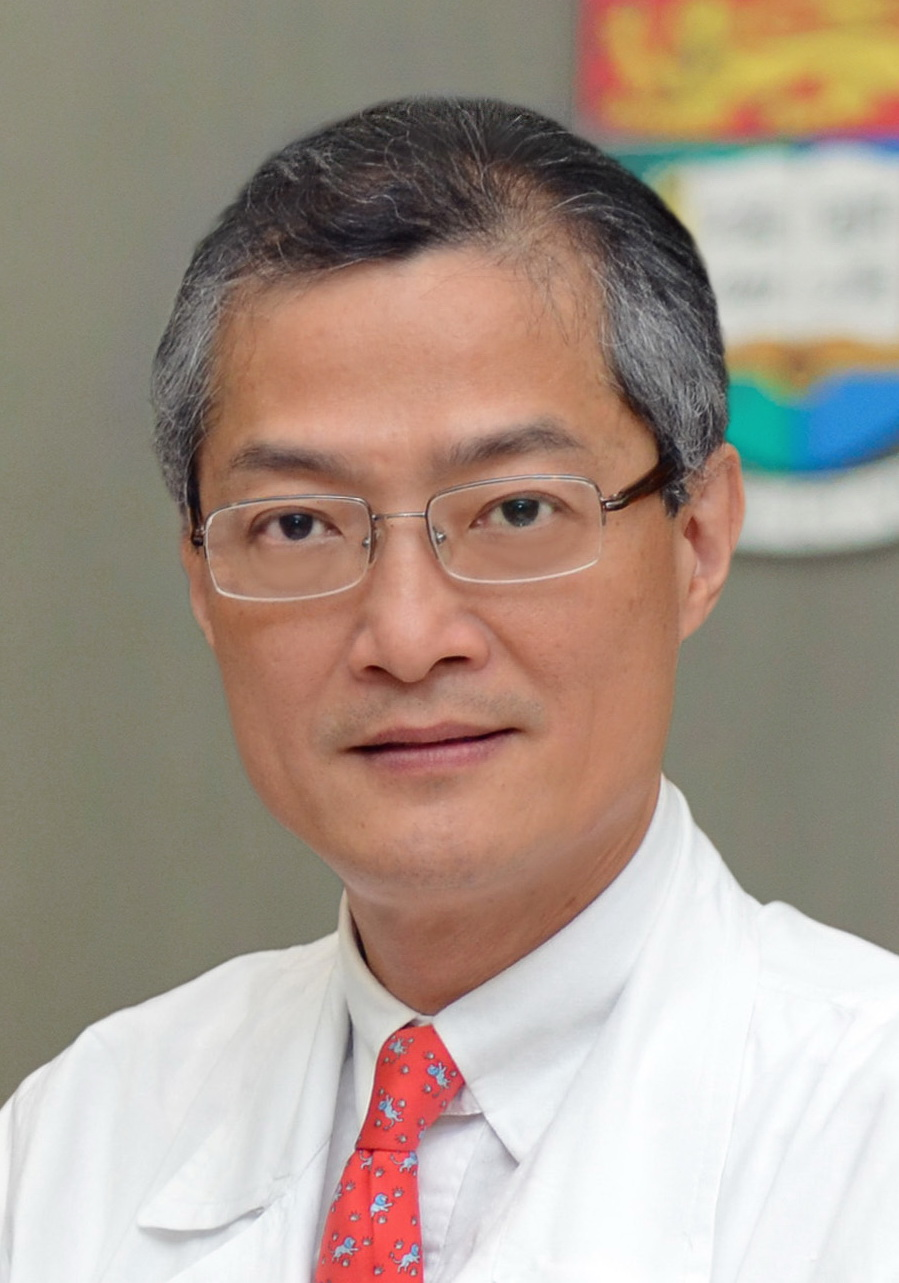 Chung-Mau Lo (盧寵茂)合作论文数Department of Surgery, School of Clinical Medicine, LKS Faculty of Medicine, University of Hong Kong182
 Chan See Ching合作论文数Dept Surg, Univ Hong Kong97
 Chi-Leung Liu (廖子良)合作论文数Department of Surgery, University of Hong Kong74
 Chok Siu Ho Kenneth (竺兆豪)合作论文数Gleneagles Hospital Hong Kong;Department of Surgery, School of Clinical Medicine, Li Ka Shing Faculty of Medicine, The University of Hong Kong;State Key Laboratory for Liver Research, The University of Hong Kong67
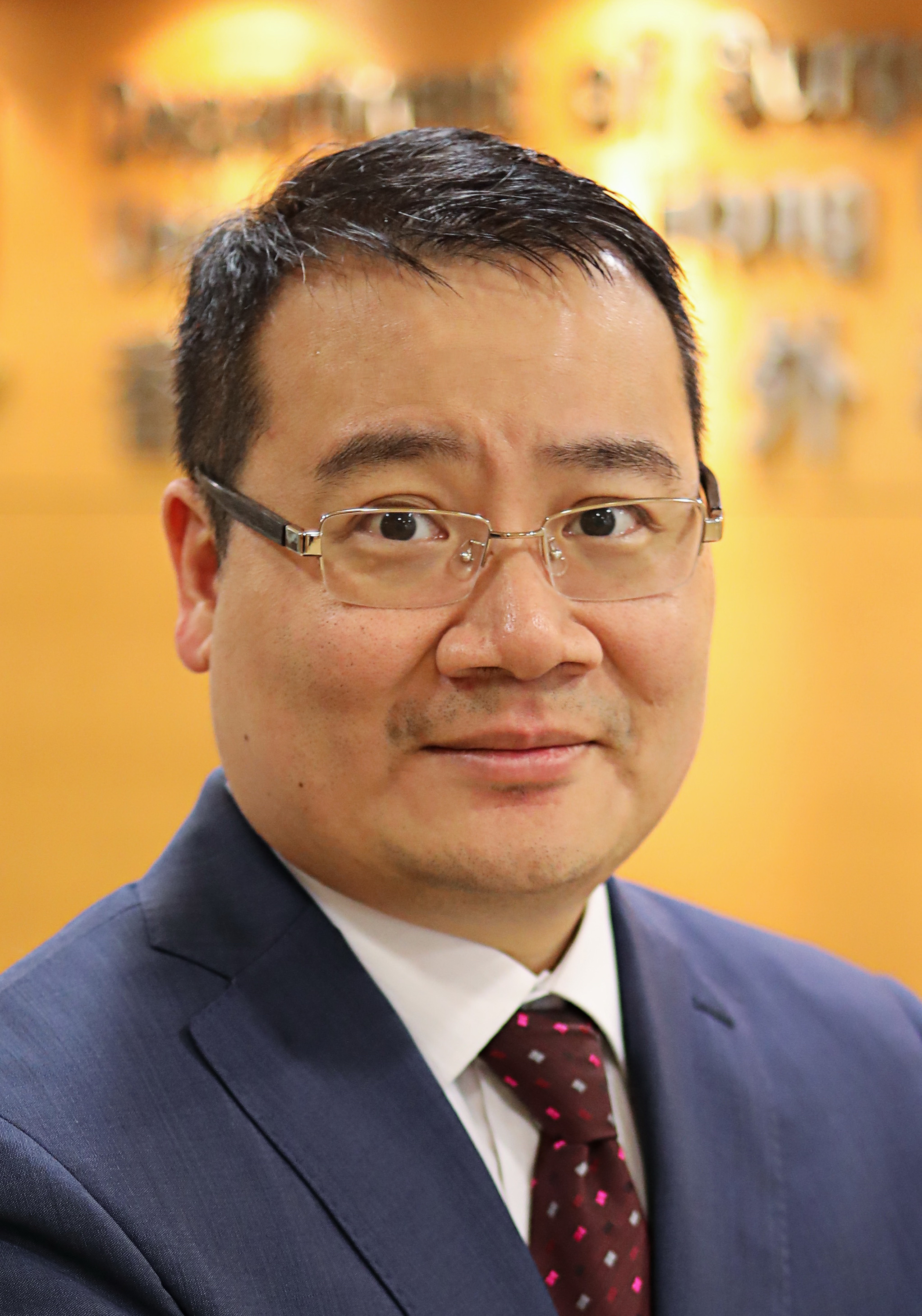 Tan-To Cheung (張丹圖)合作论文数Department of Surgery, School of Clinical Medicine, Li Ka Shing Faculty of Medicine, The University of Hong Kong;College of Surgeons of Hong Kong65
 Nancy Kwan Man (萬鈞)合作论文数Clinical and Translational Research Laboratory, Department of Surgery, School of Clinical Medicine, University of Hong Kong55
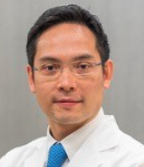 Albert Chi-Yan CHAN (陳智仁)合作论文数Division of Liver Transplantation, Department of Surgery, School of Clinical Medicine, Li Ka Shing Faculty of Medicine, The University of Hong Kong50
 Irene Ng (吳呂愛蓮)合作论文数Department of Pathology, Li Ka Shing Faculty of Medicine, The University of Hong Kong;State Key Laboratory of Liver Research, Li Ka Shing Faculty of Medicine, The University of Hong Kong;Queen Mary Hospital;Peking Union Medical College Hospital42
 Kelvin Kwok Chai Ng合作论文数Department of Surgery, Faculty of Medicine, The Chinese University of Hong Kong42
 Siu Tim Cheung合作论文数Univ Hong Kong, Dept Surg, Hong Kong, Hong Kong, Peoples R China38John M. Luk合作论文数37
 Kevin Tak Pan Ng (吳德斌)合作论文数Department of Surgery, School of Clinical Medicine, The University of Hong Kong35Zhen Fan Yang合作论文数34
 John D. Wong合作论文数School of Modern Languages & Cultures, Faculty of Arts, The University of Hong Kong28Sharr William W合作论文数26Chi-Ming Lam合作论文数26John Wong合作论文数22RTP Poon合作论文数20Lau Chi Keung合作论文数20
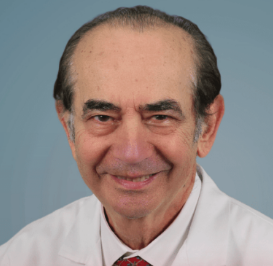 Steven Strasberg合作论文数Department of Surgery, School of Medicine, Washington University in St Louis19
 Nikki P. Lee合作论文数Department of Surgery, The University of Hong Kong19Yoshida Masahiro合作论文数18
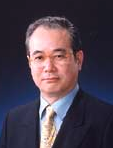 Tadahiro Takada (高田忠敬)合作论文数Department of Surgery, School of Medicine, Teikyo University 18
 Thomas Chung Cheung Yau (邱宗祥)合作论文数Department of Medicine, Li Ka Shing Faculty of Medicine, The University of Hong Kong18
 Henry A. Pitt合作论文数Rutgers Cancer Institute of New Jersey;Robert Wood Johnson University Hospital;Rutgers Robert Wood Johnson Medical School, Rutgers University18Wai-Kuen Tso合作论文数Queen Mary Hospital, University of Hong Kong18
 Fumihiko Miura合作论文数18De Santibañes Eduardo合作论文数17
 David D. Ho (何大一)合作论文数Aaron Diamond AIDS Research Center, Columbia University Irving Medical Center17Toshihiko Mayumi合作论文数Department of Emergency Medicine, University of Occupational and Environmental Health17George K.K. Lau合作论文数17
 Ching-Lung Lai (黎青龍)合作论文数Department of Medicine, School of Clinical Medicine, LKS Faculty of Medicine, The University of Hong Kong17Dai Wing Chiu合作论文数15CT Lam合作论文数14
 Dervenis Christos合作论文数Surgery, University of Cyprus14
 P. F.-Y. Cheung合作论文数14Robert T. A. Padbury合作论文数Flinders Univ S Australia14Chris K. Sun合作论文数14Roberta Pang合作论文数14Cl Liu合作论文数13Qiao Cheng合作论文数13
 James Fung (馮恩裕)合作论文数Division of Gastroenterology and Hepatology, Department of Medicine, School of Clinical Medicine, Li Ka Shing Faculty of Medicine, The University of Hong Kong;Queen Mary Hospital13Ka Ho Tam合作论文数13Giulio Belli合作论文数13
 O James Garden合作论文数University of Edinburgh;Edinburgh World Heritage Trust13Keita Wada合作论文数12Yuji Nimura合作论文数School of Medicine, Nagoya University12




