The Computing Power Network (CPN) is a distributed system that integrates computing resources to optimize utilization, but ensuring Quality of Service (QoS) is challenging due to high demand and complex heterogeneous connections. Accurate workload prediction is essential for maintaining QoS, yet the diverse and complex user requirements in CPN make prediction difficult. To address this challenge, we propose an ensemble workload prediction model with fluctuation division control for workload prediction in CPN, comprising three key components. First, we use the Three-Way Decision (3WD) approach to partition workload fluctuations, controlling granularity thickness and applying clustering to capture dynamic workload characteristics. Second, we develop tailored prediction methods for each of the three partitioned regions and ensembles them to enhance overall prediction performance. Third, the ensemble prediction method is applied to each region to obtain the final predicted values. The proposed method introduces an innovative fluctuation division control strategy for characteristic mining to capture dynamic workload fluctuation patterns and designs the effective ensemble workload prediction model deal with the problem of non-stationary workload prediction in CPN. Experimental results on trace datasets from Alibaba and Dinda demonstrate that the proposed model improves the higher average prediction accuracy by up to 26.06% $\sim$similar to 66.4% than the comparison methods.
Federated Learning (FL) has emerged as a powerful paradigm for collaborative machine learning, enabling model training without the need to centralize user data and aiming to reduce privacy risks. However, FL systems remain vulnerable to Gradient Inversion Attacks (GIAs), which pose significant security risks. Existing GIAs rely on unrealistic assumptions, scale poorly to deep models, and incur high computational overhead, limiting practical use in large-scale and large-batch FL deployments. To address these limitations, we propose TLG, a Two-stage Layer-wise Gradient inversion attack framework. TLG introduces a hybrid objective that combines Cosine Similarity with a modified Gaussian kernel, enhancing gradient alignment and reconstruction fidelity. It also removes dependence on batch-normalization–based assumptions. The two-stage matching strategy updates gradient-aligned layers at different stages, progressively refining the reconstruction process from coarse to fine, and accelerating gradient alignment. This design also improves stability in large-batch and deep-model FL settings. Experiments on high-resolution images (224×224) from the ImageNet dataset demonstrate that TLG outperforms current state-of-the-art methods, reducing runtime by more than 25% and improving PSNR by over 2.5 dB. Furthermore, TLG maintains high-quality reconstruction performance even with a gradient pruning rate of up to 80% or added Gaussian noise. TLG provides an efficient and scalable framework for gradient inversion and reveals persistent privacy vulnerabilities in FL systems.
Federated learning enables collaborative model training across distributed clients while preserving data privacy. However, in practical deployments, device heterogeneity and non-independent and identically distributed (Non-IID) data often lead to unstable and biased gradient. When differential privacy is enforced, conventional fixed gradient clipping and Gaussian noise injection may further amplify gradient perturbations, resulting in training oscillation and degraded model performance. To address these challenges, we propose an adaptive differentially private federated learning framework that explicitly targets model efficiency under heterogeneous and privacy-constrained settings. On the client side, a lightweight local dimensionality reduction module is introduced to learn reduced-dimensional intermediate representations and produce more structured gradients during backpropagation, thereby mitigating noise amplification during local optimization. On the server side, an adaptive gradient clipping strategy dynamically adjusts clipping thresholds based on historical update statistics to avoid over-clipping and noise domination. Furthermore, a constraint-aware robust aggregation mechanism is designed to suppress unreliable or noise-dominated client updates and stabilize global optimization. Extensive experiments on CIFAR-10, SVHN, and STL-10 demonstrate that the proposed method consistently improves convergence stability and classification performance under differential privacy.
With the rapid development of unmanned aerial vehicle (UAV) technology, UAV-aided integrated sensing and communication (ISAC) systems have become one of the core technologies for next-generation wireless networks. However, in multi-UAV collaborative scenarios, the problem of jointly optimizing trajectory planning and resource allocation for energy management, makespan minimization, and load balancing is inherently a complex mixed- integer nonlinear programming problem. Existing methods fail to strike an effective balance between solution quality, computational efficiency, and scalability. To tackle this challenge, we propose a hierarchical optimization-based multi-UAV collaborative ISAC framework (HO-ISAC), which facilitates efficient multi-UAV collaboration via a two-stage mechanism: offline global trajectory planning and online flight control integrated with resource allocation. In the offline trajectory planning phase, multi-UAV trajectory coordination optimization is achieved through the integration of k-means clustering, simulated annealing, 2-OPT local optimization, and adaptive large neighborhood search techniques. In the online phase, dynamic adjustment of sensing and communication resources is realized through discretized parameter space search. Experimental results demonstrate that HO-ISAC significantly outperforms baseline algorithms in key metrics such as makespan, total energy consumption, and service fairness, while exhibiting excellent scalability and high solving efficiency.
Fast domain adaptation remains a fundamental challenge for deploying multi-agent systems across diverse environments in Vehicle-to-Everything (V2X) collaborative perception. Despite the success of Parameter-Efficient Fine-Tuning (PEFT) in natural language processing and conventional vision tasks, directly applying PEFT to multi-agent settings leads to significant performance degradation and training instability. In this work, we conduct a detailed analysis and identify two key factors: (i) inter-frame redundancy in heterogeneous sensory streams, and (ii) erosion of fine-grained semantics in deep-layer representations under PEFT adaptation. To address these issues, we propose FlowAdapt, a parameter-efficient framework grounded in optimal transport theory, which minimizes information transport costs across both data distributions and network hierarchies. Specifically, we introduce a Wasserstein Greedy Sampling strategy to selectively filter redundant samples via a bounded covering radius. Furthermore, Progressive Knowledge Transfer module is designed to progressively inject compressed early-stage representations into later stages through learnable pathways, alleviating semantic degradation in late-stage adaptation. Extensive experiments on three benchmarks demonstrate that FlowAdapt achieves state-of-the-art performance with only 1
Multi-agent combinatorial optimization problems are notoriously challenging due to their NP-hard nature. Recent parallel autoregressive neural solvers improve inference efficiency by allowing agents to make decisions simultaneously, but their performance often degrades on large-scale instances. This is largely attributable to weak modeling of local geometric structures and the fact that conflicting task selections are handled only after action generation. To address these limitations, we propose GeoPAR, a geometry-guided parallel autoregressive reinforcement learning framework for scalable multi-agent combinatorial optimization. GeoPAR integrates three key components: (1) a projection-window sparse geometry mechanism that builds lightweight local candidate neighborhoods through multi-directional projections, (2) sparse edge-biased attention that injects these geometric relations into node representations, and (3) cache-guided conflict-aware assignment that reuses the geometric cache during decoding to suppress duplicate selections of exclusive tasks. Experiments on heterogeneous vehicle routing and open multi-depot pickup-and-delivery problems show that GeoPAR improves large-scale zero-shot generalization while substantially reducing rollout steps and maintaining efficient inference.
Although Computing Power Network (CPN) as the new network computing paradigm which can fully improve the utilization rate of decentralized computing power resources, the dynamic and heterogeneous characteristics of multivariate workloads present significant challenges to maintaining the Quality of Service (QoS) under dynamic resource scheduling. Therefore, workload prediction should be considered to ensure elastic demand services. However, the existing workload prediction methods mainly focus on (1) a single-granularity perspective, and (2) struggle to adapt to dynamic and heterogeneous multivariate workload environments, such as traditional LSTM-based or CNN-based methods that fail to capture cross-granularity dependencies under varying workload patterns. To consider above problems, we propose Multi-Granularity Workload Ensemble and Feature Inference for Multivariate Computing Power Prediction (MG-WEP), which address the problem from a multi-granularity perspective. First, we develop a mutual information feature selection method using a variational inference network to identify key features, facilitating a comprehensive exploration of the relationships among workload variables from an attribute perspective. Then, the clustering method is used to cluster similar workloads, effectively capturing the relationships among them. Furthermore, a combined ensemble prediction method is applied on all clustered workloads to improve prediction accuracy by leveraging the distinctive characteristics of each cluster from object perspective. Finally, we have fully compared the proposed algorithm with eleven comparison methods and four evaluation metrics on three real-world workload trace datasets. The results show that the proposed method has superior prediction performance.
With the rapid advancement of uncrewed aerial vehicle (UAV) swarms, UAV-enabled aerial target monitoring has emerged as a promising paradigm. However, real-time aerial target monitoring via UAV swarms remains challenging due to target mobility, limited per-UAV local observations, and limited onboard resources. These practical limitations result in a high-dimensional multi-agent decision-making problem that involves coupled 3D trajectory control, target assignment, service association, power allocation, and computation offloading. To tackle this mixed-integer non-convex optimization problem, we propose a hybrid recurrent multi-agent soft actor-critic (HR-MASAC) algorithm within the multi-agent deep reinforcement learning (MADRL) framework. Specifically, HR-MASAC adopts a hybrid action structure that decouples computation offloading from the MADRL action space and derives closed-form offloading solutions. This design reduces the continuous action dimension and mitigates the learning burden. Furthermore, a gated recurrent unit (GRU)-based recurrent encoder is embedded into the policy architecture to capture implicit spatio-temporal dependencies and enhance decision robustness under partial observability. Extensive simulations verify that the proposed HR-MASAC achieves the lowest weighted delay-energy cost. It reduces total delay and energy consumption by 24.3%–55.3% and 53.1%–84.4% compared with baseline schemes, demonstrating its superior delay-energy tradeoff, convergence efficiency, and constraint satisfaction capability.
Tensor-valued data, increasingly common in distributed big data applications like autonomous driving and smart healthcare, poses unique challenges for privacy protection due to its multidimensional structure and the risk of losing critical structural information. Traditional local differential privacy methods, designed for scalars and matrices, are insufficient for tensors, as they fail to preserve essential relationships among tensor elements. We introduce TLDP, a novel LDP algorithm for Tensors, which employs a randomized response mechanism to perturb tensor components while maintaining structural integrity. To strike a better balance between utility and privacy, we incorporate a weight matrix that selectively protects sensitive regions. Both theoretical analysis and empirical findings from real-world datasets show that TLDP achieves superior utility while preserving privacy, making it a robust solution for high-dimensional tensor data.
Collaborative perception, fusing information from multiple agents, can extend perception range so as to improve perception performance. However, temporal asynchrony in real-world environments, caused by communication delays, clock misalignment, or sampling configuration differences, can lead to information mismatches. If this is not well handled, then the collaborative performance is patchy, and what's worse safety accidents may occur. To tackle this challenge, we propose CoDynTrust, an uncertainty-encoded asynchronous fusion perception framework that is robust to the information mismatches caused by temporal asynchrony. CoDynTrust generates dynamic feature trust modulus (DFTM) for each region of interest by modeling aleatoric and epistemic uncertainty as well as selectively suppressing or retaining single-vehicle features, thereby mitigating information mismatches. We then design a multi-scale fusion module to handle multi-scale feature maps processed by DFTM. Compared to existing works that also consider asynchronous collaborative perception, CoDynTrust combats various low-quality information in temporally asynchronous scenarios and allows uncertainty to be propagated to downstream tasks such as planning and control. Experimental results demonstrate that CoDynTrust significantly reduces performance degradation caused by temporal asynchrony across multiple datasets, achieving state-of-the-art detection performance even with temporal asynchrony. The code is available at https://github.com/CrazyShout/CoDynTrust.
Loosely coupled microservice architectures have been widely adopted in cloud-native applications due to their inherent advantages in modularity, development agility, and scalability. However, the resulting complex and dynamic service topologies introduce intricate inter-service dependencies, which often lead to backpressure effects and queuing delays. These phenomena significantly challenge traditional monolithic and rule-based resource management approaches, which struggle to capture the non-linear performance characteristics and long-term effects of resource allocation decisions in such environments. To address these challenges, we propose DDRM, a two-stage predictor-decider collaborative framework for dynamic resource management in microservice systems. DDRM integrates deep learning to model inter-service interactions and predict the probability of Service Level Objective (SLO) violations, and employs reinforcement learning to optimize resource allocation decisions by maximizing long-term cumulative rewards while meeting SLO targets. Extensive evaluations demonstrate that DDRM outperforms state-of-the-art baselines by up to 29.8 %, while exhibiting strong stability and adaptability under highly varying workloads.
Cloud-edge collaborative computing (CECC) facilitates the sharing of computing resources by collaboratively scheduling tasks among servers, thereby maximizing task execution efficiency. Task scheduling and resource allocation (TS-RA) are two interrelated issues that significantly affect the efficient utilization of computing resources. In this paper, we decouple the joint optimization problem of TS-RA and propose a novel model based on multi-agent reinforcement learning (TRMARL), which is applicable to distributed task scheduling and resource allocation in a heterogeneous CECC system. TRMARL consists of two modules: 1) the task scheduling module, where we introduce a value factorization algorithm to maximize joint rewards of distributed scheduling actions; 2) the resource allocation module, where we present a proximal policy optimization (PPO) algorithm based mechanism to optimize resource allocation. TRMARL efficiently captures the state difference among heterogeneous servers through a graph attention network-based recurrent deep Q-network (GAT-based recurrent-DQN) architecture and learns different strategies for heterogeneous services through a multi-expert schema. The experimental results demonstrate that TRMARL effectively improves the task completion rate, reduces average system latency, and enhances convergence stability in a heterogeneous CECC system.
Knowledge graph completion (KGC) aims to predict missing links between entities based on known relational facts. Text-based methods typically leverage pretrained language models to extract semantic representations of entities, and some of these methods further incorporate graph structure information to enhance the representations. Despite these advances, current approaches face two significant limitations: insufficient integration of semantic and structural information, and incomplete neighborhood context representation that neglects tail-entity perspectives. In this work, we introduce a progressive semantic framework enhanced by structural signals, which is trained in stages by first establishing robust semantic representations and then gradually integrating graph attention to incorporate structural context. It also includes a bidirectional neighborhood aggregation mechanism that captures both head- and tail-entity contexts to enrich relational understanding. Experiments on two public datasets demonstrate the effectiveness of our method in improving KGC performance while keeping the architecture simple and lightweight.
Collaborative perception systems overcome single-vehicle limitations in long-range detection and occlusion scenarios by integrating multi-agent sensory data, improving accuracy and safety. However, frequent cooperative interactions and real-time requirements impose stringent bandwidth constraints. Previous works proves that query-based instance-level interaction reduces bandwidth demands and manual priors, however, LiDAR-focused implementations in collaborative perception remain underdeveloped, with performance still trailing state-of-the-art approaches. To bridge this gap, we propose INSTINCT (INSTance-level INteraCtion ArchiTecture), a novel collaborative perception framework featuring three core components: 1) a quality-aware filtering mechanism for high-quality instance feature selection; 2) a dual-branch detection routing scheme to decouple collaboration-irrelevant and collaboration-relevant instances; and 3) a Cross Agent Local Instance Fusion module to aggregate local hybrid instance features. Additionally, we enhance the ground truth (GT) sampling technique to facilitate training with diverse hybrid instance features. Extensive experiments across multiple datasets demonstrate that INSTINCT achieves superior performance. Specifically, our method achieves an improvement in accuracy 13.23
With the widely use of mobile consumer electronics devices, location-based services becomes more and more popular in our lives, e.g., mapping services and ride-hailing services. Most of location-based services rely on the support of efficient and accurate route planning. However, existing route planning algorithms mainly aim to plan for a single query in dynamic road networks, while ignoring the internal flows caused by massive planned route themselves, i.e., many vehicles may take the same road segments and thus cause traffic congestion and increase the global travel time. Therefore, in this paper, we focus on massive route planning in dynamic road networks to avoid such traffic congestion caused by the internal traffic flows. We first formally define the massive route planning with minimizing the global travel time (MRP-GTT) problem. Then, we prove that the MRP-GTT problem is NP-hard. To effectively solve it, we first design a novel game theory based algorithm (GTA) to reduce the global travel time for massive route queries. Because of the low efficiency of the global gaming for all queries, we then devise a game theory with query clustering algorithm (GTA-QC) in the paper, which first clusters queries based on the source and destination locations of queries, so that only queries in the same cluster can participate in a game to improve gaming efficiency. Extensive experiments on both synthetic and real datasets demonstrate the efficiency and effectiveness of our algorithms.
The computing power network links distributed and heterogeneous computing resources via the network, to enable efficient configuration and utilization of computing power. However, scheduling computing resources within this network presents several challenges, such as resource heterogeneity, vast search spaces, uncertainty, high constraints, and real-time requirements. To simulate the real-world computing power network scheduling problem, this paper integrates cloud servers, fog servers, and edge servers into a unified computing power network, considering their respective GPU, CPU, and bandwidth resources. We introduce a Dual-Tree Genetic Programming (DTGP) approach that simultaneously optimizes two critical decisions—routing and sequencing—to automatically evolve computing power network scheduling heuristics for real-time decision-making. Additionally, to improve the performance of DTGP, we propose new terminal sets tailored to fit within these two GP trees. Experimental results demonstrate that the proposed method significantly outperforms existing state-of-the-art methods in six test scenarios, achieving up to 40% reduction in completion time.
With multi-agent systems developing rapidly in various fields, cooperative perception has attracted much attention as a critical technology to enhance the intelligence level of autonomous systems. However, in the face of actual complex scenes, the perception ability of a single intelligent agent is often constrained by problems such as occlusion and limited perception range. To this end, multi-agent inter-intelligence cooperative sensing has emerged to enhance the overall perception performance by sharing perception information cooperatively. In this paper, we structurally study the multi-agent cooperative perception in depth and propose a novel and comprehensive evaluation framework to address the current situation in existing literature, which mainly focuses on latency or communication factors in cooperative perception evaluation. The framework covers four key modules: feature extraction, feature compression, feature fusion, and target detection, and aims to address the multifaceted challenges in multi-agent perception. Through an in-depth evaluation of existing cooperative perception algorithms, we comprehensively map the performance of each algorithm under the guidance of the framework. Particularly, we find that in the absence of aligning the correct pose, the detection performance degrades drastically as the latency increases. Our comprehensive framework will drive the development of multi-agent cooperative perception by providing researchers with a transparent and standardised methodology for evaluating, comparing, and improving existing cooperative perception approaches.
Competitive influence maximization (CIM) has been studied for years due to its wide application in many domains. Most current studies primarily focus on the microlevel optimization by designing policies for one competitor to defeat its opponents. Furthermore, current studies ignore the fact that many influential nodes have their own starting prices, which may lead to inefficient budget allocation. In this article, we propose a novel competitive bidding influence maximization (CBIM) problem, where the competitors allocate budgets to bid for the seeds attributed to the platform during multiple bidding rounds. To solve the CBIM problem, we propose a fairness-aware multiagent CBIM (FMCBIM) framework. In this framework, we present a multiagent bidding particle environment (MBE) to model the competitors’ interactions and design a starting price adjustment mechanism to model the dynamic bidding environment. Moreover, we put forward a novel multiagent CBIM (MCBIM) algorithm to optimize competitors’ bidding policies. Extensive experiments on five datasets show that our work has good efficiency and effectiveness.
Coded computing has proven its efficiency in tolerating stragglers in distributed computing. Workers return the sub-computation results to the master after computing, and the master recovers the final computation result by decoding. However, the workers may provide incorrect results, which leads to wrong final result. Therefore, it is meaningful to improve the resilience of coded computing against errors. Most existing verification schemes only use the workers’ fully correct computations to recover the final result, and the defective computations are not considered for decoding. In this paper, we focus on matrix multiplication and design a general Test-and-Decode (TD) scheme to recover the final result efficiently. Furthermore, we divide each sub-computation result into multiple parts and fully use the correct parts for partial recovery, which can improve the tolerance for errors in computations. Decoding is performed only when the verification result satisfies the permission, which avoids repetitive decoding. We conduct extensive simulation experiments to evaluate the probability of successful recovery of the results and the computation time of the TD scheme. We also compare the TD scheme with other verification schemes and the results show that it outperforms the current schemes in terms of efficiency in verifying and recovering computational results.
Federated learning (FL) empowers privacypreservation in model training by only exposing users' model gradients. Yet, FL users are susceptible to gradient inversion attacks (GIAs) which can reconstruct ground-truth training data such as images based on model gradients. However, reconstructing high-resolution images by existing GIAs faces two challenges: inferior accuracy and slow-convergence, especially when duplicating labels exist in the training batch. To address these challenges, we present an Accurate and Fast-convergent Gradient Inversion attack algorithm, called AFGI, with two components: Label Recovery Block (LRB) which can accurately restore duplicating labels of private images based on exposed gradients; VME Regularization Term, which includes the total variance of reconstructed images, the discrepancy between three-channel means and edges, between values from exposed gradients and reconstructed images, respectively. The AFGI can be regarded as a white-box attack strategy to reconstruct images by leveraging labels recovered by LRB. In particular, AFGI is efficient that accurately reconstruct ground-truth images when users' training batch size is up to 48. Our experimental results manifest that AFGI can diminish 85 ImageNet dataset. At last, our study unveils the shortcomings of FL in privacy-preservation, prompting the development of more advanced countermeasure strategies.
 Kejie Lu (吕可劼)合作论文数Department of Computer Science and Engineering, College of Engineering, University of Puerto Rico at Mayagüez41
 Jianping Wang (汪建平)合作论文数Multimedia Software Engineering Research Centre, City University of Hong Kong;Department of Computer Science, College of Computing, City University of Hong Kong37
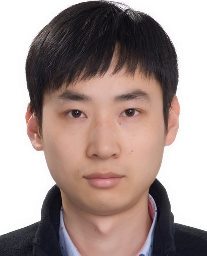 Jingya Zhou (周经亚)合作论文数School of Computer Science & Technology, Soochow University, Soochow University26
 Lingzhi Li (李领治)合作论文数School of Future Science and Engineering, Soochow University18
 Jianxi Fan (樊建席)合作论文数School of Computer Science and Technology, Soochow University17
 Shukui Zhang (张书奎)合作论文数苏州大学计算机技术学院15
 Juncheng Jia (贾俊铖)合作论文数School of Computer Science & Technology, Soochow University12
 Fei Gu (谷飞)合作论文数School of Computer Science & Technology, Soochow University11
 Yanqin Zhu (朱艳琴)合作论文数School of Computer Science and Technology,Soochow University11
 Xiaoqiang Dong (董晓强)合作论文数苏州大学附属第一医院10
 Xiumin Wang (汪秀敏)合作论文数School of Computer Science & Engineering, South China University of Technology9
 Naijie Gu (顾乃杰)合作论文数School of Computer Science and Technology, University of Science and Technology of China7
 Zheng-Hong Qin (秦正红)合作论文数College of Pharmaceutical Sciences, Suzhou Medical College of Soochow University;Suzhou Global Institute6
 Xin Zhao (赵鑫)合作论文数School of Nursing, Suzhou University6
 Songbing He (何宋兵)合作论文数6Can Liu合作论文数5Ruimin Zhao合作论文数Soochow Univ, Dept Comp Sci & Technol, Suzhou, Peoples R China5
 Shucheng Liu (刘树成)合作论文数5YaYun Wu (武亚运)合作论文数5
 Jing Ren (任婧)合作论文数School of Information and Communication Engineering, University of Electronic Science and Technology of China5Deli Mao合作论文数4
 Yachao Yuan合作论文数Univ Goettingen, Inst Comp Sci, D-37077 Gottingen, Germany4
 Baolei Cheng (程宝雷)合作论文数School of Computer Science & Technology, Soochow University4Chengjin Jia合作论文数3
 Zhaobo Lu合作论文数3Zhi ZHANG (张志)合作论文数3
 Chunming Cao合作论文数3Zhengqing Wen合作论文数Soochow Univ, Dept Comp Sci & Technol, Suzhou, Peoples R China3Weiwei Ding合作论文数3Hao Long (龙浩)合作论文数3Zhi Zhang (张志)合作论文数3
 Caiqin Wang (王彩琴)合作论文数College of Science, Nanjing Forestry University3
 Admela Jukan合作论文数Faculty of Electrical Engineering, Information Technology, Physics, Technische Universitat Braunschweig3
 Yukou Du (杜玉扣)合作论文数College of Chemistry, Chemical Engineering and Materials Science of Soochow University3
 Xin Wang (王新)合作论文数School of Computer Science, Fudan University3
 Bin Xiao (肖斌)合作论文数Department of Computing, The Hong Kong Polytechnic University3Lianmin Shi (施连敏)合作论文数苏州经贸职业技术学院数字化校园管理中心3
 Sheng Wang (王晟)合作论文数School of Information and Communication Engineering, University of Electronic Science and Technology of China3
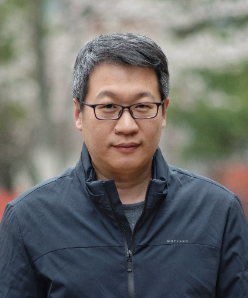 Xiangmao Chang (常相茂)合作论文数College of Computer Science and Technology, Nanjing University of Aeronautics and Astronautics3
 Cedric Westphal合作论文数Huawei3Dongyang Yu合作论文数2Yingyao Yang (杨迎尧)合作论文数2Guojing Li合作论文数2Mengjia Zhai合作论文数2Xiaotian Zou合作论文数2
 Mingjia Fu合作论文数2
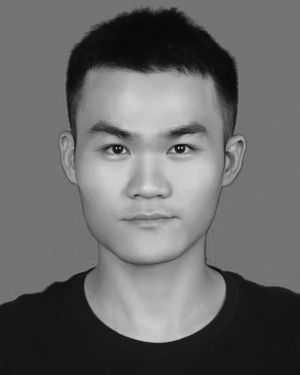 Yuanzhao Fan合作论文数2Ziyao Huang合作论文数2Shifang Dai (代仕芳)合作论文数2




