Large Vision-Language Models (LVLMs) enhance the capabilities of Large Language Models by integrating visual inputs, thereby enabling advanced multimodal reasoning across diverse applications. However, these enhanced reasoning capabilities introduce new security risks, particularly to jailbreaking attacks that bypass built-in safety mechanisms to elicit harmful or unauthorized outputs. While recent efforts have explored adversarial and typographic prompts, most existing attacks suffer from three key limitations: reliance on auxiliary models, limited effectiveness in black-box scenarios, and inadequate exploitation of the LVLMs' intrinsic reasoning abilities. In this work, we propose TVChain, a novel black-box jailbreaking framework that explicitly intervenes in both the visual and textual reasoning processes of LVLMs. TVChain decomposes malicious prompts into a sequence of semantically meaningful sub-images that represent relevant objects and behaviors, thereby circumventing direct exposure of illicit content. In parallel, a carefully designed chain-of-thought (CoT) textual prompt is employed to steer the model's reasoning toward reconstructing the intended activity in a covert yet effective manner. We demonstrate that this compositional prompting strategy reduces the likelihood of triggering safety mechanisms while preserving attack efficacy. Extensive evaluations on eleven LVLMs (seven open-source and four commercial) across two benchmark datasets and three state-of-the-art defenses validate the effectiveness and robustness of TVChain.
Single-cell multi-view clustering enables the exploration of cellular heterogeneity within the same cell from different views. Despite the development of several multi-view clustering methods, two primary challenges persist. Firstly, most existing methods treat the information from both single-cell RNA (scRNA) and single-cell Assay of Transposase Accessible Chromatin (scATAC) views as equally significant, overlooking the substantial disparity in data richness between the two views. This oversight frequently leads to a degradation in overall performance. Additionally, the majority of clustering methods necessitate manual specification of the number of clusters by users. However, for biologists dealing with cell data, precisely determining the number of distinct cell types poses a formidable challenge. To this end, we introduce scUNC, an innovative multi-view clustering approach tailored for single-cell data, which seamlessly integrates information from different views without the need for a predefined number of clusters. The scUNC method comprises several steps: initially, it employs a cross-view fusion network to create an effective embedding, which is then utilized to generate initial clusters via community detection. Subsequently, the clusters are automatically merged and optimized until no further clusters can be merged. We conducted a comprehensive evaluation of scUNC using three distinct single-cell datasets. The results underscored that scUNC outperforms the other baseline methods.
Anchor-based multi-view clustering has attracted increasing interest due to its high clustering efficiency. Nevertheless, most existing methods construct a consensus anchor graph by considering only view-level contributions, neglecting the diverse significance of individual samples across different views. Additionally, these methods do not account for prior knowledge regarding the balance of sample distributions among clusters. To overcome these challenges, we propose a novel and efficient approach, named Rényi Entropy Induced Efficient and Balanced One-Step Multi-View Clustering (REIEBO). Our method introduces a sample-specific weighting strategy based on anchor self-representation learning, allowing the consensus anchor graph to better capture the sample importance disparities across views. To further enhance clustering performance, we introduce Rényi entropy as a regularization mechanism to dynamically adjust the clustering distribution by prior knowledge about sample balance. This adjustment is particularly beneficial for correctly assigning samples located near cluster boundaries. Moreover, an orthogonality constraint is imposed to directly yield final cluster assignments in a one-step fashion, effectively avoiding the information loss in conventional two-stage frameworks. Extensive experiments demonstrate that our method consistently outperforms state-of-the-art multi-view clustering methods. The code of REIEBO is publicly available at https://github.com/tangchuan2000/REIEBO.
Tensor-based multi-view clustering has been widely studied to capture high-order correlations among multiple views. Nevertheless, existing tensorial methods still exhibit several limitations. First, many approaches rely on full similarity graphs, leading to quadratic or cubic complexity in the number of samples and poor scalability. Second, view-specific anchor graphs are often tensorized without cross-view anchor alignment, yielding structurally inconsistent tensor representations and reduced cross-view comparability. Third, low-rank regularization is typically imposed via the tensor nuclear norm (TNN), which uniformly shrinks singular values and may bias the estimation of the intrinsic tensor rank. To this end, we propose a novel framework, named Align then Tensorize: Multi-level Consistent Anchor Graph Learning for Scalable Multi-View Clustering (ATTMVC). It adopts an anchor-based graph learning framework in which each view is reconstructed from a small set of anchors with sample-wise sparse noise, substantially reducing computational complexity. Unlike existing tensor-based methods that directly tensorize unaligned view-wise anchor graphs, ATTMVC first aligns view-specific anchor graphs into a shared latent space, thereby enforcing structural consistency across views and enabling more reliable modeling of cross-view higher-order correlations. Furthermore, we introduce a Threshold Tensor Rank (TTR) surrogate on the aligned anchor graph tensor, which effectively promotes low-rank structure while mitigating the over-shrinking effect commonly caused by TNN-based regularization. Finally, extensive experiments demonstrate that ATTMVC outperforms state-of-the-art multi-view clustering methods. The code is publicly available at https://github.com/tangchuan2000/ATTMVC.
Fair clustering is crucial for mitigating bias in unsupervised learning, yet existing algorithms often suffer from quadratic or super-quadratic computational complexity, rendering them impractical for large-scale datasets. To bridge this gap, we introduce the Anchor-based Fair Clustering Framework (AFCF), a novel, general, and plug-and-play framework that empowers arbitrary fair clustering algorithms with linear-time scalability. Our approach first selects a small but representative set of anchors using a novel fair sampling strategy. Then, any off-the-shelf fair clustering algorithm can be applied to this small anchor set. The core of our framework lies in a novel anchor graph construction module, where we formulate an optimization problem to propagate labels while preserving fairness. This is achieved through a carefully designed group-label joint constraint, which we prove theoretically ensures that the fairness of the final clustering on the entire dataset matches that of the anchor clustering. We solve this optimization efficiently using an ADMM-based algorithm. Extensive experiments on multiple large-scale benchmarks demonstrate that AFCF drastically accelerates state-of-the-art methods, which reduces computational time by orders of magnitude while maintaining strong clustering performance and fairness guarantees.
Anchor graph learning has become a widely used technique for significantly reducing the computational complexity in existing multi-view clustering methods. However, most existing approaches select anchors independently for each view and then generate the consensus graph by directly fusing all anchor graphs. This process overlooks the correspondence between anchor sets across different views, i.e., the column order correspondence of the anchor graphs. To address this limitation, we propose a novel anchor-based tensor multi-rank constraint multi-view clustering method (TMC). Specifically, TMC captures the high-order structural information of the original data by constructing an anchor graph tensor and enforcing a multi-rank constraint to induce a block-diagonal structure. Additionally, to enhance anchor consistency across all view, we construct the anchor graph of each view into an anchor tensor and impose a low-rank constraint on it. In this way, the block-diagonal structure of each anchor graph maintains an approximate alignment between anchors. Furthermore, we provide theoretical proof that the generated anchor graphs inherently exhibit a block-diagonal structure. Extensive experimental results on six multi-view datasets demonstrate that TMC outperforms existing state-of-the-art methods, highlighting its effectiveness in multi-view clustering task.
Anchor-based clustering methods have emerged as an effective paradigm for improving clustering efficiency, particularly in the context of large-scale data analysis. By introducing a compact set of representative samples, these methods significantly reduce computational complexity while preserving essential structural information within the original data. However, in multi-view scenarios, heterogeneous data distributions often lead to anchor misalignment, where anchors from different views fail to establish accurate correspondence. This Anchor Unalignment Problem (AUP) causes an incorrect graph fusion and disrupts the global structural consistency across views, ultimately degrading clustering performance. To this end, we propose a novel framework, named Threefold Consensus-Driven Anchor Alignment for Efficient Multi-View Clustering (TCAA), which jointly enforces representation consistency, spectral consistency, and discrete clustering consistency across views under an adaptive weighting scheme. Specifically, permutation matrices are employed to align anchor graphs across views under the guidance of representation similarity, while spectral structural signatures capture the global roles of anchors to ensure robust alignment. Furthermore, discrete clustering consistency directly couples the consensus anchor graph with cluster assignments, eliminating the information loss of two-stage methods. Extensive experiments on real-world datasets demonstrate that TCAA outperforms state-of-the-art multi-view clustering methods.
Constrained multi-view clustering aims to integrate external prior knowledge and complementary information from multiple views to enhance clustering performance. However, existing approaches typically employ Euclidean distance to learn view-specific and consensus embeddings, which often fail to capture the intrinsic geometric structure of high-dimensional data. Moreover, the dependence on limited external constraints or pre-defined anchors usually leads to suboptimal generalization and sensitivity to anchor quality. To address these limitations, we propose a novel deep constrained multi-view clustering framework, namely SeSCE. Specifically, we encode view embeddings into a spherical space, leveraging pairwise constraints to maximize intra-class compactness and inter-class separability. Crucially, a confidence-aware pseudo-constraint mining mechanism is designed to distill reliable pairwise constraints from high-confidence predictions iteratively. This effectively bridges the gap between unsupervised feature learning and discriminative clustering by progressively sharpening cluster boundaries. Finally, a globally aware attention mechanism is introduced to facilitate adaptive multi-view fusion. Extensive experiments demonstrate the superiority of our algorithm over state-of-the-art methods.
Anchor graph-based multi-view clustering has attracted increasing attention due to its ability to improve scalability through compact sample-anchor representations. However, most existing methods directly fuse view-specific anchor graphs and overlook two critical issues, namely anchor mismatch and unreliable cross-view disagreement. When anchors are independently generated in different views, the column-wise correspondence among anchor graphs may be inconsistent, which makes direct fusion unreliable. In addition, some sample-anchor connections may be prominent in one view but weak or unsupported in others, reflecting view-specific noise or unstable local structures. Directly incorporating such inconsistent connections into the consensus graph may obscure the underlying clustering structure. To address these issues, we propose a Disagreement-Aware Multi-View Clustering method with permutation-aligned anchor graphs (DAMVC). Specifically, view-specific anchor graphs are first aligned by hard permutation matrices to establish one-to-one anchor correspondence across views. Based on the aligned graphs, a consensus anchor graph is learned with adaptive view weights, while a disagreement-aware regularization term is introduced to explicitly suppress sample-anchor connections that are inconsistent across views. In this way, the proposed model jointly performs anchor alignment, view weighting, and consensus graph learning within a unified framework. Extensive experiments on several benchmark datasets demonstrate the effectiveness and scalability of the proposed method.
Graph-based multi-view clustering methods have demonstrated satisfying performance by effectively capturing relationships among data samples. However, most existing methods primarily emphasize direct pairwise relationships, neglecting the exploration of high-order correlations present within each view. To this end, a novel approach, called multiview clustering via high-order bipartite graph learning and tensor low-rank representation (HBGTLRR), is proposed. Specifically, we first construct high-order bipartite graphs to capture latent relationships and concatenate them into a tensor. By applying tensor nuclear norm (TNN) minimization, we obtain a low-rank representation that reduces noise and preserves high-order consistency. Subsequently, a consensus graph is constructed by adaptively fusing the high-order bipartite graphs with corresponding weights, and then a Laplacian low-rank constraint is imposed on it to effectively capture the intrinsic data structure. Finally, extensive experimental results show that HBGTLRR significantly outperforms existing methods, thereby validating the effectiveness of our proposed method.
Most existing multi-view clustering methods aim to generate a consensus partition across all views, based on the assumption that all views share the same sample arrangement. However, in real-world scenarios, the collected data across different views is often unsynchronized, making it difficult to ensure consistent sample correspondence between views. To address this issue, we propose a scalable sample-alignment-based multi-view clustering method, referred to as SSA-MVC. Specifically, we first employ a cluster-label matching (CLM) algorithm to select the view whose clustering labels best match those of the others as the benchmark view. Then, for each of the remaining views, we construct representations of non-aligned samples by computing their similarities with aligned samples. Based on these representations, we build a similarity graph between the non-aligned samples of each view and those in the benchmark view, which serves as the alignment criterion. This alignment criterion is then integrated into a late-fusion framework to enable clustering without requiring aligned samples. Notably, the learned sample alignment matrix can be used to enhance existing multi-view clustering methods in scenarios where sample correspondence is unavailable. The effectiveness of the proposed SSA-MVC algorithm is validated through extensive experiments conducted on eight real-world multi-view datasets.
With the development of bridge steel towards higher strength, higher requirements have been put forward for its yield ratio, low-temperature toughness, and other properties. This study focuses on 550 MPa grade high performance steel for bridge construction to explore microstructure control strategies that achieve high strength, low yield ratio, and high low-temperature toughness. Firstly, a multiphase structure consisting mainly of ferrite and bainite was obtained in the experimental steel through thermo-mechanical control process (TMCP) + intercritical quenching and tempering (IQT) process. Compared with the steel treated with TMCP + tempering (T) processes, the yield ratio decreased from 0.82 to 0.77 while ensuring a yield strength of similar to 600 MPa. The yield ratio of the experimental steel is related to the microstructural parameters b (morphology and content of ferrite and bainite) and the strain-hardening index N of the steel. IQT treatment can not only introduce soft ferrite but also change the morphology of microstructure, resulting in a decrease in ln(b/N-2) value and thus a decrease in yield ratio. Further, by increasing the cooling rate after intercritical quenching, the bainite morphology changes from granular to lath. The -40 degrees C V-notch impact energy of the tested steel increases from 236 J to 287 J. Compared to steel treated by TMCP + T, the ductile-brittle transition temperature (DBTT) of steel treated by IQT with faster cooling rate decreases from -54.5 degrees C to -91 degrees C. The improvement of low-temperature impact toughness is attributed to the weakening of variant selection, which increases the density of high-angle grain boundaries and significantly enhances crack propagation resistance. In addition, the existence of film-like retained austenite in lath bainite further enhances the low-temperature toughness.
Electrode materials undergo complex structural variations during the operation of secondary batteries. Three-dimensional characterization of these changes offers researchers a more in-depth and comprehensive insight into the dynamically evolving complex interactions compared to the conventional two-dimensional characterization. Synchrotron radiation X-ray tomography technology, which is capable of non-destructively conducting multi-scale and 3D imaging of battery components in both static and operational states, has emerged as an indispensable tool for enhancing further understanding of secondary battery research in recent years. Here, in this chapter, the integration of synchrotron radiation X-ray tomography technology and pertinent knowledge within the context of secondary battery research is undertaken, which is aimed at advancing the application of synchrotron radiation X-ray tomography technology in future secondary battery research. This chapter initiates by elucidating the essential principles and experimental apparatus of synchrotron X-ray tomography technology, followed by exploring its applications in both positive and negative electrode materials of secondary batteries. Last, typical application software and cases of data processing are presented and introduced. We anticipate that this chapter will enhance the readers' understanding of synchrotron X-ray tomography technology, and provide novel insights to inspire its application in secondary battery investigations.
IntroductionAt present, the double balloon represented by the COOK Cervix Ripening Balloon and the single balloon represented by the Foley catheter are the commonly used intrauterine balloons. The application of intrauterine balloons in cervical ripening has evolved over 100 years. Although intrauterine balloons have been widely used in cervical ripening, the effect of labor induction in clinical practice does not satisfy all clinicians, especially patients with poor cervical maturity.Areas coveredThe research in this review is about intrauterine balloons and cervical ripening.Expert opinionThis article reviews the historical evolution and different application methods of intrauterine balloons in cervical ripening, such as application range, placement method and placement duration of intrauterine balloons, volume and temperature of the solution fillings, and whether to apply traction to the catheter. We aim to better understand the principle of intrauterine balloons in cervical ripening and make this method more effective.
Under the background of the phased examination of practicing physicians, the connotation construction of promoting learning evaluation system of classroom evaluation, internship evaluation and practice evaluation is established to cultivate the medical moral quality and clinical practice ability of medical students, grasp the core content of process management and process evaluation centered on medical students in promoting learning evaluation system, actively explore the practice promoting learning evaluation system, and further improve the teaching quality.
Small molecule antioxidants have little impact on oxidative stress in vivo because of their poor bioavailability. To explore an antioxidant for in vivo applications, a polymeric antioxidant containing a ferrocene moiety was developed. The ferrocene-containing monomer was synthesized through the robust tricomponent Biginelli reaction with a high yield. The corresponding water-soluble copolymer was conveniently prepared via radical polymerization. Both the ferrocene moiety and the Biginelli structure (dihydropyrimidin-2(H)-one) contributed to the remarkable radical scavenging ability of this highly biocompatible copolymer. It was more efficient than traditional small molecule antioxidants at protecting cells against fatal oxidative stress. This copolymer also showed clear therapeutic activity in counteracting oxidation-induced acute liver damage in a live mouse model. Our study into functional organometallic polymers resulted in a promising polymeric biomaterial that may find therapeutic applications and have important implications in the fields of organic chemistry and polymer chemistry.
SiCN ceramics are one of the most important electromagnetic wave (EMW) absorbing materials for application in harsh environments, but research studies on optimizing phase distribution in SiCN ceramics for excellent EMW absorbing properties are still lacking. Herein, continuous SiCN fibers with an interfacial SiC xN y phase were prepared through nanochannel diffusion-controlled nitridation of polycarbosilane fibers with an NH3 gas flow. The existence of the interfacial SiC xN y phase distributed between the carbon-rich SiC phase and Si3N4 phase can improve the impedance matching and efficiently promote the production of macroscopic dipole moments in the heterointerfaces of SiC xN y-SiC and SiC xN y-Si3N4 for an enhanced multifarious polarization relaxation loss. The EMW absorption properties can be further improved by optimizing the microstructure with a continuous carbon-rich SiC phase for possessing an excellent conductive loss by converting the EMW energy into current flow. Finally, under the synergy of the interfacial SiC xN y phase and the continuous carbon-rich SiC phase, SiCN fibers can present excellent EMW absorption properties with extremely strong absorption ability (reflection loss of -63.7 dB), ultrathin thickness (1.78 mm), and wide effective absorption bandwidth (4.20 GHz). These obtained SiCN fibers also possess excellent mechanical properties with the tensile strength higher than 2.0 GPa and excellent high-temperature stability up to 1500 °C. This work provides a strategic method for optimizing the microstructure of SiCN ceramics for admirable EMW absorption properties, and the obtained SiCN fibers can be used as reinforcements of ceramic matrix composites for stealth applications under harsh environments.
Research into the high-temperature microstructural evolution of SiCN ceramic fibers is important for the aerospace application of advanced ceramic matrix composites in harsh environments. In this work, we studied the microstructural evolution of SiCN fibers with different C/N ratios that derived from polycarbosilane fibers at the annealing temperature range of 1400 similar to 1600 degrees C. These results showed that the phase separation of SiCxNy phase and the two-dimension grain growth process of free carbon nanoclusters could be processed at the researched temperature range. As the annealing temperature increased to 1600 degrees C, the crystallization of amorphous SiC and Si3N4 could be detected. SEM and Raman analysis showed that the decomposition and carbothermal reduction of the Si3N4 phase at high temperatures played primary roles in contributing to the fiber strength degradation. Thus, a higher C/N ratio, which is beneficial for inhibiting the decomposition of amorphous Si3N4, helps SiCN fibers retain high tensile strength at high temperatures.
Diversified SiCN fibers with gradient-SiC xN y phase in the interfacial regions between the major phases of carbon-rich SiC phase and Si3N4 phase were prepared via nanochannel diffusion-controlled nitridation of polycarbosilane fibers under different NH3 flow rates. The obtained fibers with excellent mechanical properties showed a different nanostructure and improved high-temperature behavior compared with polysilazane- and polysilylcarbodiimide-derived SiCN ceramics. The enhanced high-temperature properties could be contributed to the inhibition of carbothermal reduction of the Si3N4 phase by the gradient-SiC xN y phase in the interfacial region between the Si3N4 phase and carbon-rich SiC phase. Meanwhile, a suitable amount of interfacial SiC xN y phase as well as the fine distributed microstructure can be helpful to inhibit the high-temperature crystallization of both the SiC phase and Si3N4 phase. Additionally, a nanostructural model has been proposed to understand the effect of interfacial gradient-SiC xN y phase and compositional-dependent high-temperature behavior of obtained SiCN fibers. Our findings provide a novel strategy to prepare SiCN-based ceramic materials with excellent high-temperature stabilities, which we expect to possess great potential in structural and (multi)functional applications at high temperatures and under harsh environments.
 Wang Hao (王浩)合作论文数58
 Haifeng Cheng合作论文数27Xiaodong Li (李效东)合作论文数National University of Defense Technology23Xiaozhou Wang合作论文数22Shao Changwei合作论文数15
 Yanzi Gou合作论文数13
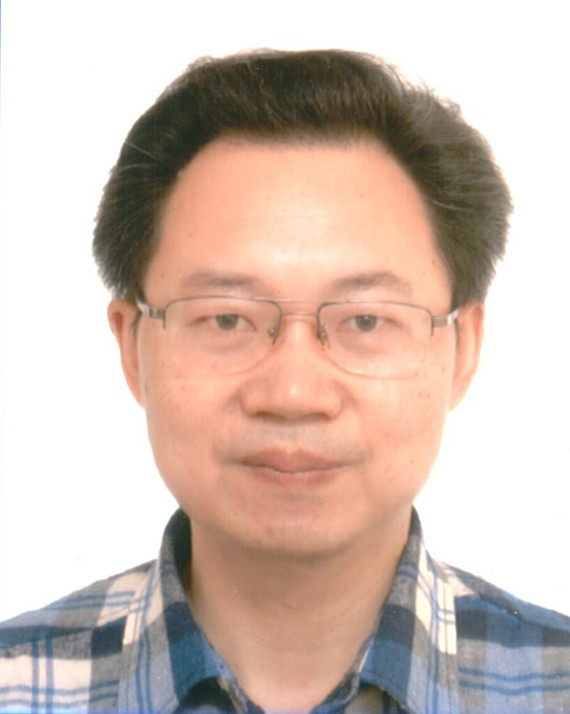 Yun Tang (唐赟)合作论文数School of Pharmacy, East China University of Science and Technology12Wenhua Li合作论文数11Xin Long合作论文数10Zhengfang Xie (谢征芳)合作论文数国防科技大学9Yingde Wang (王应德)合作论文数State Key Laboratory of Advanced Ceramic Fibers & Composites,College of Aerospace & Materials Engineering,National University of Defense Technology,Changsha ,China9
 Xinwang Liu (刘新旺)合作论文数School of Computer, National University of Defense Technology9Jun Cheng合作论文数8Haitao Liu (刘海韬)合作论文数8HaiTao Liu (刘海韬)合作论文数8
 Miaomiao Li合作论文数8Zengyong Chu合作论文数Key Lab of Advanced Ceramic Fibres & Composites, National University of Defense Technology8GengPing Tang (唐耿平)合作论文数7
 Chang Tang (唐厂)合作论文数School of Software Engineering, Huazhong University of Science and Technology7Yongcai Song (宋永才)合作论文数National University of Defense Technology7Chuan Tang合作论文数6CHEN Shugang (陈树刚)合作论文数6Tengfei Mao合作论文数Tsinghua Univ, Dept Chem, Minist Educ, Key Lab Bioorgan Phosphorus Chem & Chem Biol, Beijing 100084, Peoples R China6Shiyi Cao合作论文数6Xiaoyi Han合作论文数6Xuan Hu合作论文数5
 En Zhu (祝恩)合作论文数National University of Defense Technology5Ke Jian合作论文数5Xin Xing (邢欣)合作论文数4
 Shaoqian Li (李少谦)合作论文数National Key Laboratory of Wireless Communications, University of Electronic Science and Technology of China4
 Lei Tao (陶磊)合作论文数Department of Chemistry, Tsinghua University4
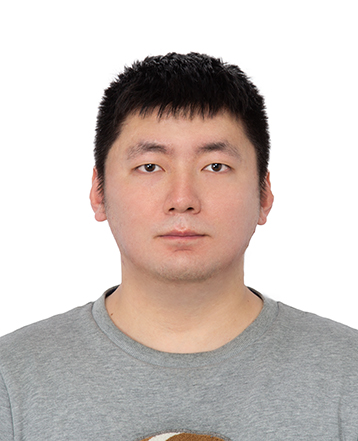 Siwei Wang (王思为)合作论文数Intelligent Game and Decision Lab, Academy of Military Sciences4
 Chunman Zheng (郑春满)合作论文数National University of Defense Technology4Chun-Xiang Feng合作论文数4
 Ke Liang合作论文数College of Computer Science and Technology, National University of Defense Technology3Wang Zhou合作论文数3Zhi-Yan Chen (陈志彦)合作论文数3WenWei Zheng (郑文伟)合作论文数3Kai Xie合作论文数3
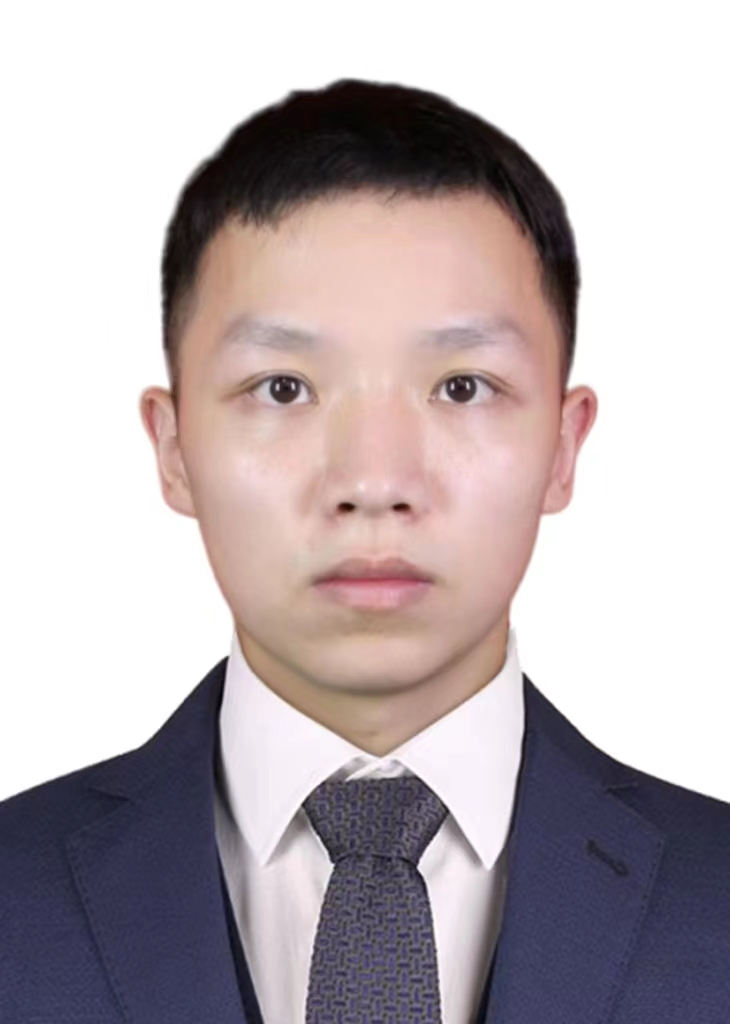 Suyuan Liu合作论文数College of Computer Science and Technology, National University of Defense Technology3Xiang Liu (刘相)合作论文数3
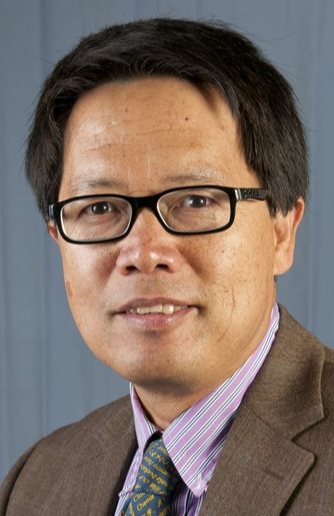 Yuehe Lin合作论文数School of Mechanical and Materials Engineering, Washington State University3
 Guodong Liu合作论文数Dept. of Chemistry and Biochemistry, North Dakota State University3
 Tian-Jiao Hu合作论文数3Gong-yi Li合作论文数3
 Qingsong Ma (马青松)合作论文数National University of Defense Technology3Yao Shang合作论文数2xingbo chen合作论文数2Xiaoyu Ji合作论文数2




