It was shown previously that Arabidopsis (Arabidopsis thaliana) desaturase 2 (ADS2) cDNA was isolated and it was shown that the expression of ADS2 was organ-dependent and up-regulated by low temperature. However, little is known about the role of ADS2 gene in heavy metal resistance in plants. In this study, we showed that ADS2 gene is involved in the regulation of cadmium (Cd) and lead (Pb) resistance.
As sessile organisms, plants usually experience several stresses simultaneously. It was shown that stress cross-tolerance may be induced by different stressors, including biotic factors as well as heavy metal, hypoxia, ultraviolet-B radiation, heat, high salt, drought, and cold stresses. However, it is unclear whether there is a cross-tolerance toward cold and lead (Pb) stresses in Arabidopsis. In this study, we showed that cold pretreatment enhanced Pb(II) resistance in Arabidopsis, as indicated by lower reduction of root length, fresh weight, and chlorophyll content in the cold-treated plants than the control ones. In the cold-treated seedlings, lower Pb contents were detected in roots and shoots in comparison to the control. This was associated, at least in part, with the activation of the expression of AtPDR12 gene, a pump excluding Pb(II) and/or Pb(II)-containing toxic compounds from the cytoplasm to the exterior of the cell. This finding was further supported by genetic evidence showing that cold treatment was unable to enhance resistance of atpdr12 mutant to Pb(II) stress but could enhance Pb(II) resistance of the wild type. In addition, we also found that cold-induced enhanced Pb(II) resistance was glutathione-independent. Taken together, all these results suggest that cold treatment enhanced Pb(II) resistance in Arabidopsis, at least in part, by activating the expression of AtPDR12 gene.
The Arabidopsis Ethylene-Insensitive 2 (EIN2) gene has been shown to be involved in the regulation of abiotic and biotic stresses, including ozone stress, high salt, oxidative stress and disease resistance. However, little is known about the role of EIN2 gene in lead (Pb) resistance in Arabidopsis. In this study, we showed that EIN2 gene is required for Pb(II) resistance in Arabidopsis. EIN2 gene was induced by Pb(II) treatment, and the ein2-1 mutant showed enhanced sensitivity to Pb(II). A higher Pb content was detected in ein2-1 plants than in wild-type plants when subjected to Pb(II) treatment, which was associated, at least in part, with reduction in expression of AtPDR12 gene, a pump excluding Pb(II) and/or Pb(II)-containing toxic compounds from the cytoplasm. Moreover, the ein2-1 mutation also impaired glutathione (GSH)-dependent Pb(II) resistance, which was related to constitutive reduction of express of GSH1 gene involved in GSH synthesis and consequently reduced GSH content. Taken together, all these results suggest that EIN2 gene mediates Pb(II) resistance, at least in part, through two distinct mechanisms, a GSH-dependent mechanism and a GSH-independent AtPDR12-mediated mechanism.
[Objective] The purpose was to study the effect of VB1 on methylviologen(MV)-mediated oxidative stress injury of seedlings of Brassica campestris L.[Method] With the seeds of B.campestris as the tested materials,they were treated by 4 kinds of medium of MS,MV,VB1 and MV+VB1 with different concn..Fresh weight of seedlings and SOD,CAT and APX activity,as well as content of malondialdehyde(MDA) and proline(Pro) in B.campestris plants dealt with different treatments were measured to study the effect of VB1 on alleviating the oxidative stress in seedlings of B.campestris.[Result] MV could inhibit the growth of B.campestris plants,induce the increase of contents of MDA and Pro as well as contents of CAT,SOD and APX enzyme activity in plants;VB1 could alleviate the MV-mediated oxidative stress injury in B.campestris seedlings to some extent.The remission extent was related to concn.of VB1 and the alleviating effect was the best when VB1 was 2.0 mmol/L.[Conclusion] VB1 had certain regulation on MV-mediated oxidative stress in seedlings of B.campestris and the remission extent was related to concn.of MV and VB1.
Potassium (K+) is an essential element for plant growth and development. Under low-K+ stress, Arabidopsis (Arabidopsis thaliana) plants show K+-deficient symptoms, typically leaf chlorosis and subsequent inhibition of plant growth and development. The non-protein amino acid β-amino-butyric acid (BABA) has been shown to have roles in protecting Arabidopsis against various pathogens as well as drought, high salinity, and cadmium stresses; However, little is known about the role of BABA in protecting Arabidopsis against low-K+ stress. Here, we showed that BABA protects Arabidopsis against low-K+ stress by increasing K+ uptake under low-K+ condition. Leaf chlorosis of plants subjected to low-K+ stress was abolished by BABA pretreatment, as indicated by a lower reduction in chlorophyll content in BABA-treated plants than water-treated plants. Low-K+ stress-induced decreases in both lateral root length and the numbers of lateral roots were improved by BABA pretreatment. In addition, under low-K+ stress, a significantly higher K+ concentration was detected in BABA-pretreated plants than in water-treated plants, and the transcript levels of AtHAK5 and LKS1 genes involved in K+ uptake in BABA-treated plants were higher than those of water-treated plants. Taken together, our results suggest that BABA plays a role in enhancing low-K+ stress tolerance by increasing K+ uptake, at least in part, via modulation of AtHAK5 and LKS1 under low-K+ condition.
 Shuqing Cao (曹树青)合作论文数School of Food and Biological Engineering, Hefei University of Technology5
 Hongyong Jian (简红勇)合作论文数4Zhengyi Chen合作论文数4
 Li Jiang (江力)合作论文数School of Food and Biological Engineering, Hefei University of Technology3
 Guang Ren合作论文数2
 Huaibo Yuan (袁怀波)合作论文数School of Food and Biological Engineering, Hefei University of Technology2
 Zehua Sun (孙泽华)合作论文数Medical School, University of Pittsburgh1Xueping Chen合作论文数1bin yu合作论文数1Wang Rongfu合作论文数1
 Xin-Liang Ma (马新亮)合作论文数Thomas Jefferson University1
 Shaotong Jiang (姜绍通)合作论文数School of Food and Biological Engineering, Hefei University of Technology;Institute of Agricultural Products Processing of Anhui Province1
 Guoqing Liu (刘国庆)合作论文数School of Food and Biological Engineering, Hefei University of Technology1
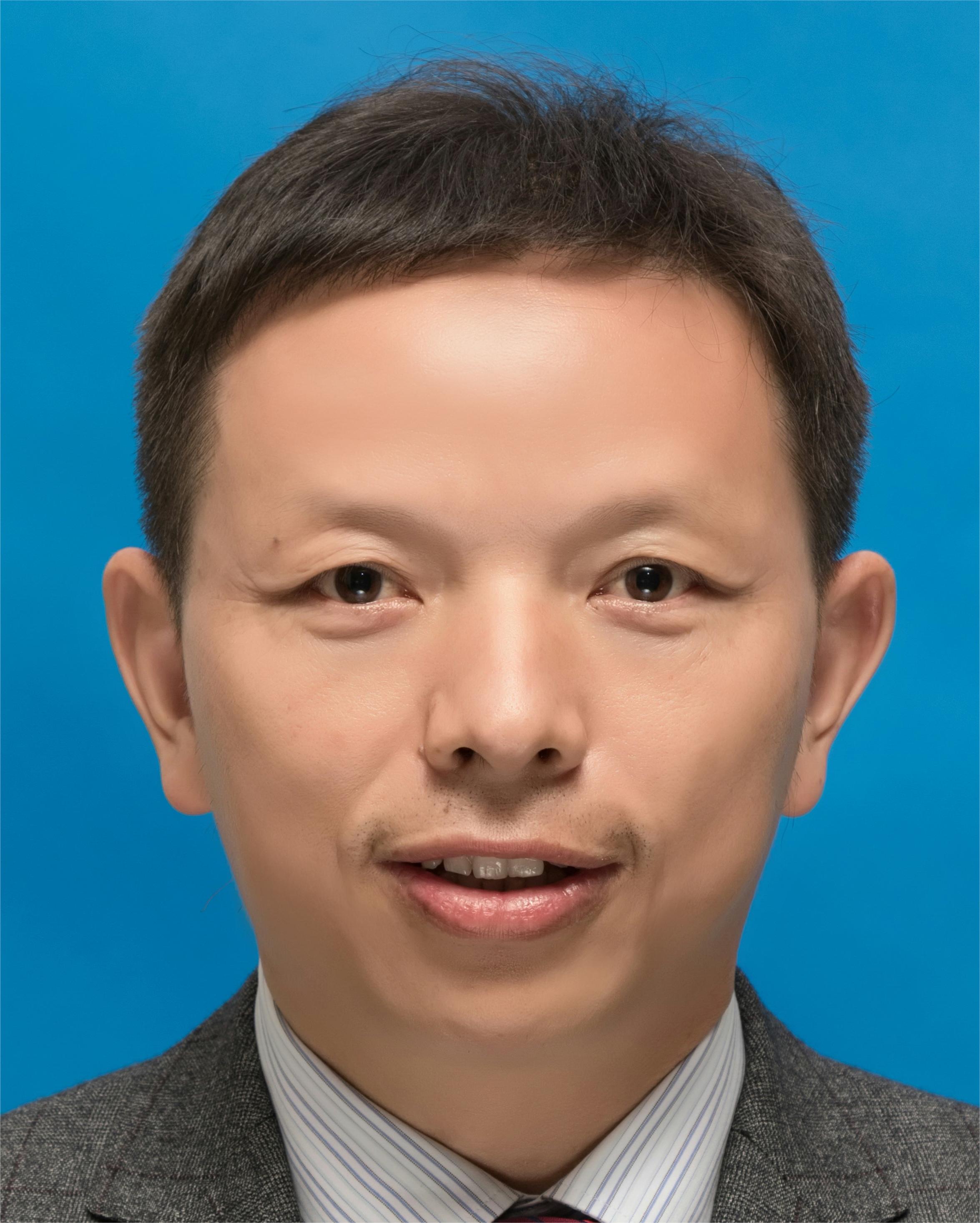 Jiazhong Qian (钱家忠)合作论文数School of Resources and Environmental Engineering, Hefei University of Technology1




