The interaction of the oxazine dye gallocyanine with reactive oxygen ( $$^{\centerdot }{\text{O}}_{2}^{ - },$$ Н2О2) and halogen (HOCl) species has been studied by spectrophotometry, mass spectrometry, and spectrofluorimetry. It has been shown that gallocyanine reacts with HOCl and $$^{\centerdot }{\text{O}}_{2}^{ - }$$ (but not with Н2О2) to form fluorescent products. It has been found using the inhibition assay that, both in the xanthine/xanthine oxidase system and in activated human blood neutrophils, the main contribution to the conversion of gallocyanine to a fluorophore comes from its reaction with $$^{\centerdot }{\text{O}}_{2}^{ - }{\text{.}}$$ The results obtained suggest that gallocyanine can act as a fluorogenic chemosensor and be used for estimating the activation of neutrophils and the NADPH-dependent production of superoxide anion radical by neutrophils and other blood cells, as well as for testing antioxidant drugs designed with the aim to correct diseases associated with oxidative stress.
Методами спектрофотометрии, масс-спектрометрии и спектрофлуориметрии исследовано взаимодействие красителя оксазинового ряда галлоцианина с активными формами кислорода и галогенов (HOCl).Показано, что галлоцианин реагирует с HOCl и (но не с Н 2 О 2 ) с образованием флуоресцирующих продуктов.С использованием ингибиторного анализа установлено, что как в системе ксантин/ксантиноксидаза, так и в присутствии активированных нейтрофилов крови человека основной вклад в превращение галлоцианина во флуорофор вносит его реакция с Полученные результаты позволяют заключить, что галлоцианин может выполнять роль флуорогенного хемосенсора и использоваться для оценки активации нейтрофилов, NADPH-зависимой продукции супероксидного анион-радикала нейтрофилами и другими клетками крови, а также для тестирования антиоксидантных препаратов,
Fluorescence assay and Raman spectroscopy were used to study the mechanisms of action of 2-isopropyl-5-methyl- 1,4-benzoquinone (thymoquinone) on HEp-2 human larynx carcinoma cells. Thymoquinone was found to have a more pronounced toxic effect than 1,4-benzoquinone and 2,3,5-trimethyl-1,4-benzoquinone. The action of thymoquinone leads to a decrease in the mitochondrial membrane potential and release of cytochrome c from the mitochondria, indicating activation of apoptosis of tumor cells through the mitochondrial-mediated pathway. These results indicate the possibility of using Raman spectroscopy in the study of programmed cell death.
Pharmacological modification of the redox properties of tumor cells is a promising approach to enhance the efficiency of antitumor therapy. Currently, the transcription factor Nrf2 is considered as a new target for the development of selective chemosensitizers. Nrf2 plays a key role in regulation of cellular redox homeostasis against stress and during adaptation processes. Many natural and synthetic phenolic antioxidants are inducers of Nrf2 transcriptional activity. Due to differences in Nrf2 transcriptional activity between normal and tumor cells, phenolic antioxidants at certain concentrations act as biological regulators the antioxidant activity of which has two different effects: in tumor cells they promote the development of oxidative stress and enhance the effect of antitumor drugs, in normal cells these antioxidants exhibit protective properties. The review discusses the possible molecular mechanisms of action and the prospects for the clinical use of natural and synthetic phenolic antioxidants in antitumor therapy.
Nowadays neuroscience strongly demands application of the mathematical methods for description of many neurophysiological and neurochemical processes among which the synaptic transmission outstands. One of the main problems in synaptic transmission modelling is the lack of the accurate values of dynamic parameters of biomolecules and complexes taking part in this process. The goal of this study is to elaborate the method for evaluation of synaptic transmission parameters that cannot be measured directly (so-called hidden parameters) and apply its results for investigation of the main stages of synaptic transmission in neuronets of hippocampus. The method is based on the parametric identification of the synaptic transmission deterministic model, which includes equations for description of inhibitors action on the main biochemical participants. We used three inhibitors: cilnidipine, 1,2-bis(2-aminophenoxy)ethane-N,N,N',N'-tetraacetic acid tetrakis(acetoxymethyl ester) (BAPTA-AM), 6-cyano-7-nitroquinoxaline-2,3-dione (CNQX). The parametric identification was performed by minimization of deviation of modeled field excitatory postsynaptic potential from those measured in rat hippocampus slices with microelectrode technique when inhibitors were applied. The results of the parametric identification of proposed model show that the model can adequately describe the generation of field excitatory postsynaptic potentials and their inhibition. The elaborated method afforded to evaluate the numerical meanings of eleven synaptic transmission hidden parameters. Using these parameters we have modelled the key synaptic transmission stages and got the time courses of the main biochemical participants: calcium ions in presynaptic bouton, SNARE complexes, synaptic vesicles in different states, glutamate in the synaptic cleft and open channels of AMPA receptor on the postsynaptic membrane. Thus, we propose method of hidden parameters evaluation that can be applied for different synaptic contacts in the brain of mammalians.
The mechanisms of 2-isopropyl-5-methyl-1,4-benzoquinone (thymoquinone) action on human larynx carcinoma cells of the HEp-2 line were studied using methods of fluorescence assay and Raman spectroscopy. It was found that thymoquinone has a more pronounced toxic effect compared to 1,4-benzoquinone and 2,3,5-trimethyl-1,4-benzoquinone. A decrease of the mitochondrial potential and the release of cytochrome c from the mitochondria are observed under the action of thymoquinone , which indicates the activation of apoptosis of the tumor cells along the mitochondrial-mediated pathway. The obtained results demonstrate the prospects of using Raman spectroscopy in the study of programmed cell death.
Pharmacological modification of the redox properties of tumor cells is a promising approach to enhance the efficiency of antitumor therapy. The Nrf2 transcription factor is considered as a new target for the development of selective chemosensitizers. Nrf2 plays a key role in the regulation of cellular redox homeostasis against stress and during adaptation processes. Many natural and synthetic phenolic antioxidants are inducers of Nrf2 transcriptional activity. Because of differences in Nrf2 transcriptional activity between normal and tumor cells, phenolic antioxidants at certain concentrations act as biological regulators of the antioxidant activity, which has two different effects. They promote the development of oxidative stress and enhance the effect of antitumor drugs in tumor cells and exhibit protective properties in the normal cells. This review discusses possible molecular mechanisms of the action and the prospects for clinical use of natural and synthetic phenolic antioxidants in antitumor therapy.
Objective — the study of hypochlorous acid (HOCl) and its derivatives production, which catalyzed by human neutrophil myeloperoxidase, using “turn-on” fluorescent sensor — celestine blue B. Materials and methods. Neutrophils were isolated from the venous blood of healthy donors. Phorbol 12-myristate 13-acetate, N-formyl-methionyl-leucyl-phenylalanine, plant lectins, HOCl-modified proteins were used as agonists. N-acetylcysteine, 4-aminobenzoic acid hydrazide, isoniazid and ceruloplasmin were used as regulators of neutrophil myeloperoxidase activity and/or HOCl scavengers. Results. Using a wide range of agonists and inhibitors, it has been shown that celestine blue B is oxidized in vitro by HOCl and its derivatives as a result of neutrophil myeloperoxidase activity. The oxidation of celestine blue B by HOCl-modified human serum albumin (HSA-Cl) and inhibition of this process by monoclonal antibody against HSA-Cl (IgM class) was also found. Conclusion. Based on the developed method using celestine blue B, it is possible to conduct a sensitive analysis for the presence of HOCl-modified proteins (chloramines, etc.), to investigate the effect of various agonists and drugs on myeloperoxidase activity and exocytosis from the neutrophil granules.
Lactoferrin is a non-heme iron-binding glycoprotein with multiple health-beneficial functions including antimicrobial, antioxidant, anticarcinogenic, and immunomodulatory effects. There is emerging evidence that neutrophils may serve as targets of lactoferrin in vivo, and here we show how recombinant human lactoferrin (rhLf) can contribute to this regulation. Indeed, our results demonstrate that rhLf binds efficiently to human neutrophils and induces a variety of early cellular responses such as mobilization of intracellular Ca2+, remodeling of actin cytoskeleton, and degranulation (release of lysozyme and myeloperoxidase). In addition, rhLf facilitates lectin-induced H2O2 production and stabilization of lectin-induced cellular aggregates. The role of calcium signaling seems to be essential for rhLf-induced activation of neutrophils, as Ca2+-chelators inhibit degranulation response while lectin-induced H2O2 production correlates significantly with cytoplasmic Ca2+ elevation. Taken together, our findings justify that rhLf can activate neutrophil functions in a calcium-dependent manner and hence, can potentiate innate immune responses.
Lactoferrin (Lf) was discovered in the thirties of the twentieth century. Since that time a number of useful properties of Lf (antibacterial, antiviral, pro- and anti-inflammatory, etc.) have been found. That’s why Lf became a promising candidate for pharmaceuticals use. The concentration of Lf strikingly increases in inflammatory focuses due to neutrophil degranulation. At the same time, activated neutrophils starts to generate reactive oxygen and halogen species (ROS and RHS), which leads to the development of oxidative/halogenative stress. In this work, using the fluorescence analysis we found the change of the Lf structure and properties in the inflammation conditions (under oxidatives/halogenative stress). We use two forms of Lf – human Lf, excreted from human milk, and recombinant Lf, excreted from milk of transgenic goats. It was established that the amino acids of Lf (decreasing the number of tryptophanils and primary amines) and protein restructuring undergo modification under the HOCl action, while H2O2 has no influence. These changes in the molecule under the HOCl treatment result in decreasing the iron-binding capacity of Lf.
Hypochlorous acid (HOCl), one of the major precursors of free radicals in body cells and tissues, is endowed with strong prooxidant activity. In living systems, dinitrosyl iron complexes (DNIC) with glutathione ligands play the role of nitric oxide donors and possess a broad range of biological activities. At micromolar concentrations, DNIC effectively inhibit HOCl-induced lysis of red blood cells (RBCs) and manifest an ability to scavenge alkoxyl and alkylperoxyl radicals generated in the reaction of HOCl with tert-butyl hydroperoxide. DNIC proved to be more effective cytoprotective agents and organic free radical scavengers in comparison with reduced glutathione (GSH). At the same time, the kinetics of HOCl-induced oxidation of glutathione ligands in DNIC is slower than in the case of GSH. HOCl-induced oxidative conversions of thiolate ligands cause modification of DNIC, which manifests itself in inclusion of other ligands. It is suggested that the strong inhibiting effect of DNIC with glutathione on HOCl-induced lysis of RBCs is determined by their antioxidant and regulatory properties.
Usage of electric fields for forming a certain cellular response finds application in various fields of biology and medicine. The efficiency of the methods based on the electric field action was discussed repeatedly. However, the process of developing stimulation protocols is being complicated by the absence of the specification of the precise mechanism of the electric stimulation action upon cells in the culture. Thus, the identification of signal transduction mechanism in cells under the electric field action is of current interest. The objective of this work is to investigate the role of potassium potential-dependent channels in forming the cellular response at long-term electrical stimulation. Studies were carried out using glioma cells C6. The pulsed electric field with the strength of 3-20 V/m, with 2 ms biphase pulses and with a frequency of 10 Hz was used for electric stimulation. 4-Aminopyridine was used for inhibitory analysis. It was shown that the change in the membrane potential under the electric field action takes place involving the potassium potential-dependent ion channels. It was revealed that the use of a potassium potential-dependent ion channels inhibitor partially levels the field effects. Thus, potassium potential-dependent channels play a significant role in the processes of signal transduction in cells at long-term electrical stimulation of the culture of cells.
Myeloperoxidase (MPO), an oxidant-producing enzyme, stored in azurophilic granules of neutrophils has been recently shown to influence red blood cell (RBC) deformability leading to abnormalities in blood microcirculation. Native MPO is a homodimer, consisting of two identical protomers (monomeric MPO) connected by a single disulfide bond but in inflammatory foci as a result of disulfide cleavage monomeric MPO (hemi-MPO) can also be produced. This study investigated if two MPO isoforms have distinct effects on biophysical properties of RBCs. We have found that hemi-MPO, as well as the dimeric form, bind to the glycophorins A/B and band 3 protein on RBC's plasma membrane, that lead to reduced cell resistance to osmotic and acidic hemolysis, reduction in cell elasticity, significant changes in cell volume, morphology, and the conductance of RBC plasma membrane ion channels. Furthermore, we have shown for the first time that both dimeric and hemi-MPO lead to phosphatidylserine (PS) exposure on the outer leaflet of RBC membrane. However, the effects of hemi-MPO on the structural and functional properties of RBCs were lower compared to those of dimeric MPO. These findings suggest that the ability of MPO protein to influence RBC's biophysical properties depends on its conformation (dimeric or monomeric isoform). It is intriguing to speculate that hemi-MPO appearance in blood during inflammation can serve as a regulatory mechanism addressed to reduce abnormalities on RBC response, induced by dimeric MPO.
Reactive oxygen species (ROS) have a crucial role in human physiological and pathophysiological processes. Prolonged exposure to high ROS concentrations may lead to cardiovascular, neurodegenerative, etc. diseases. In this study, gallocyanine has been proposed to register the ROS production. The gallocyanine spectral properties changes under ROS (•О2ˉ, H2O2) and reactive halogen (HOCl) species are analyzed. It is shown that the dye is oxidized in solution, both under the action of ROS and reactive halogen species. Based on the data obtained, it is possible to suggest that superoxide anion radicals make a major contribution to chemical conversion of the dye in suspensions of activated neutrophils. It is that gallocyanine can be used to assess the functional activity of neutrophils, namely, the NADPH-oxidase, as well as to design and test novel therapeutic agents for diseases associated with developing oxidative stress.
Lactoferrin (Lf) is a biologically important molecule, that accomplishes a number of useful functions in an organism. Lf can be situated in conditions associated with enrichment of reactive halogen species (asthma, infectious disease, heart-disease etс.). It was shown using spectrophotometric and fluorescence methods that HOCl and particularly HOBr lead to significant destruction of Trp residues and iron-binding capacity of Lf.
Myeloperoxidase (MPO) is an oxidant-producing enzyme that can also regulate cellular functions via its nonenzymatic effects. Mature active MPO isolated from normal human neutrophils is a 145 kDa homodimer, which consists of 2 identical protomers, connected by a single disulfide bond. By binding to CD11b/CD18 integrin, dimeric MPO induces neutrophil activation and adhesion augmenting leukocyte accumulation at sites of inflammation. This study was performed to compare the potency of dimeric and monomeric MPO to elicit selected neutrophil responses. Monomeric MPO (hemi-MPO) was obtained by treating the dimeric MPO by reductive alkylation. Analysis of the crucial signal transducer, intracellular Ca2+, showed that dimeric MPO induces Ca2+mobilization from the intracellular calcium stores of neutrophils and influx of extracellular Ca2+whereas the effect of monomeric MPO on Ca2+increase in neutrophils was less. It was also shown that monomeric MPO was less efficient than dimeric MPO at inducing actin cytoskeleton reorganization, cell survival, and neutrophil degranulation. Furthermore, we have detected monomeric MPO in the blood plasma of patients with acute inflammation. Our data suggest that the decomposition of dimeric MPO into monomers can serve as a regulatory mechanism that controls MPO-dependent activation of neutrophils and reduces the proinflammatory effects of MPO.
The effect of ascorbate in physiological concentrations on the proliferative activity and chemoresistance in human larynx carcinoma HEp-2 cells was studied. Ascorbate in a concentration of 60 mu M was found to increase the cancer cells proliferation rate 1.5 times. Ascorbate changes the functional state of the cancer cells, thereby increasing their resistance to doxorubicin and thymoquinone. It was shown that apocynin (NADPH oxidase inhibitor) blocks the stimulating effect of the antioxidant. The results obtained suggest that reactive oxygen species produced by NADPH oxidase participate in the mechanism of cell adaptive response induced by ascorbate.
On-chip cell sorting is a promising technique for sorting stem cells in culture. On-chip cell sorting allows minimization of lab personnel involvement in cells processing, dramatically reducing the risk of cell culture contamination. We developed a fluorescence-activated On-Chip Cell Culture Sorting (O3CS) system, which combines a biocompatible semiconductor light addressable microarray (chip) and optical setup for chip addressing and cell culture observation.
The development of adequate methods for monitoring the functional state of neutrophils is an urgent task due to their important role in the development of the inflammatory response. In this study, the functional activity of neutrophils has been assessed using a complex approach, including the registration of generation of ROS by neutrophils as a result of the functioning of the NADPH oxidase complex; degranulation of azurophilic granules; as well as production of AFG, formed in reactions catalyzed by the enzyme azurophilic granules of neutrophils – MPO in the presence of substrates (Н2О2 and halide ions).
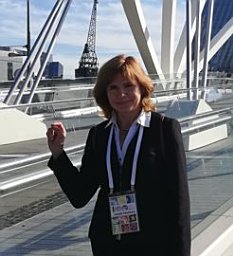 Irina V Gorudko合作论文数Byelorussian State University50
 Oleg M Panasenko合作论文数34
 Galina N. Semenkova合作论文数Physics Faculty, Belarus State University33
 Daria V Grigorieva合作论文数24
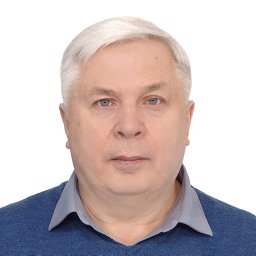 Vladimir Zorin合作论文数Physics Faculty, Belorussian State University24A B Samal'合作论文数19
 Grigory G. Martinovich合作论文数Department of Biophysics, Belarusian State University19
 E. V. Shamova合作论文数Byelorussian State University18N F Khmara合作论文数16
 Valeria A. Kostevich合作论文数16
 Martinovich Irina合作论文数15
 Maria Starodubtseva合作论文数14
 Vadim B. Vasilyev合作论文数Department of Molecular Genetics, Institute of Experimental Medicine;Saint-Petersburg State University14Te Zorina合作论文数11
 Sokolov Alexey V合作论文数Institute for Experimental Medicine, N-W Branch of the Russian Academy of Medical Sciences, 197376 Saint-Petersburg, Acad. Pavlov street 12, Russia. biochemsokolov@gmail.com11
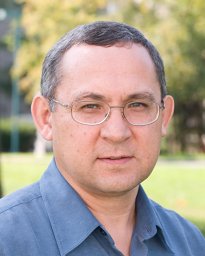 Alexander Timoshenko合作论文数Lomonosov State Academy of Fine Chemical Technology11a n pisarevskii合作论文数10A V Timoshenko合作论文数9V I Levin合作论文数8Pitlik Taras N合作论文数8
 Denisov Andrey A合作论文数8I. Buko合作论文数Ctr Hyg, Minsk, BELARUS7T. E. Zorina合作论文数7G. P. Gurinovich合作论文数7I. V. Reznikov合作论文数7
 Pavel Bulai合作论文数Physics Faculty, Belarusian State University6T. G. Kuznetsova合作论文数5AI KHMELNITSKY合作论文数5AV TIMOSHENKO合作论文数5Sergey A. Chizhik合作论文数5A I Khmel'nitskiĭ合作论文数5N. K. Zenkov合作论文数5A. I. Komyak合作论文数5
 Alena I. Kavalenka合作论文数5E I Kovalenko合作论文数4
 Elena Mikhalchik合作论文数4Av Pogirnitskaya合作论文数4Maria S Terekhova合作论文数4MV SARZHEVSKAYA合作论文数4
 A. V. Vcherashniaya合作论文数Belarusian State University4Kvacheva Z B合作论文数4
 Hans-Joachim Gabius合作论文数Ludwig-Maximilians University4
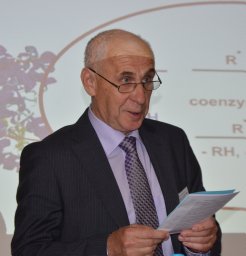 Oleg I Shadyro合作论文数Belarusian State University4N. N. Khovratovich合作论文数4D. M. Spitkovskii合作论文数4V. T. Andrianov合作论文数4Konstantin B Shumaev合作论文数4
 Elena Menshchikova合作论文数Research Center of Clinical and Experimental Medicine, the Russian Academy of Medical Sciences4E. S. Drozd合作论文数3




