Title: Real spinal cord injury without radiologic abnormality in pediatric patient with tight filum terminale following minor trauma: a case report Authors: Qin Chuan Liang (liangqinchuan@126.com) Bo Yang (yangboscmc@126.com) Yun Hai Song (songyunhaiscmc@126.com) Pin Pin Gao (gaopinpinscmc@126.com) Ze Yang Xia (xiazeyangscmc@126.com) Nan Bao (baonanscmc@126.com) Version: 1 Date: 03 Dec 2019 Author’s response to reviews: Dear Prof. Zenon Pogorelić: Thank you very much for your comments about our paper submitted to BMC Pediatrics. We have carefully checked the manuscript and revised it as following. (1) We have updated some of the references. (2) We have rewritten the introduction and discussion sections of the manuscript. Besides the above changes, we have corrected some expression errors. Thank you very much. If you have any question about this paper, please don’t hesitate to let me know.
Objective To study the timing of surgical resection of congenital dermal sinus complicated with the infection of central nervous system.Methods We retrospectively analyzed 10 cases of congenital dermal sinus complicated with the infection of central nervous system admitted to Department of Neurosurgery,Shanghai Children's Medical Center between October 2005 to December 2015.Among them,5 cases had appropriate antibiotic administration prior to operation and underwent surgery immediately after infection was controlled.The other 5 cases received surgical treatment when the infection was not controlled.Results Among the 10 cases,infection was effectively controlled and no recurrence was observed.Compared with that in patients with uncontrolled infection,the average operative time was reduced by 1.3 ± 0.3 hours in 5 cases who had the operation after the infection was preliminarily controlled.The number of opened vertebral segments was less and the recovery of neurological function was better in patients with controlled infection.The average length of hospitalization was 16 days longer in infection-controlled than infection-uncontrolled patients.Conclusion Appropriate antibiotic administration prior to operation and immediate surgery following controlled infection could reduce operative difficulty and surgical trauma and facilitate recovery of neurological function.However,it might increase length of hospitalization and treatment costs.
Objective: To investigate infection prevention by antibiotic-impregnated shunts (AIS) relative to conventional ones after pediatric hydrocephalus treatment.Methods: This single center, retrospective analysis comprised 807 consecutive pediatric cases of hydrocephalus shunting performed by the same neurosurgeon between January 2001 and February 2013. Conventional and AIS catheters were used in 303 and 504 cases, respectively. Study outcomes were infection rates at 6 months (primary), and at 1 month and between 1 and 6 months (secondary). An infant (<1 year) subgroup was also analyzed.Results: The AIS relative to the conventional catheter group had significantly lower infection rates at 6 months (1.98% [10/504] vs. 5.95% [18/303], two-tailed p=0.0046; central nervous system: 60% and 55.56%; abdominal: 20% and 27.77%; wound: 20% and 16.67%, respectively) and 1 month (0.19% [1/504] vs. 2.65% [8/303], p =0.0023, respectively), but statistically similar rates between 1 and 6 months (1.79% [9/504] vs. 3.30% [10/303], p =0.2296, respectively). In the infant subgroup, AIS application was also associated with reduction in shunt infection (1.49% [7/470] vs. 3.76% [10/266], p = 0.0489, respectively).Conclusion: AIS as compared to conventional catheter use appears to lower infection risk at 6 months, mainly during the first month, after hydrocephalus therapy in children. (C) 2016 Elsevier B.V. All rights reserved.
Background: Juvenile xanthogranuloma (JXG) is a disorder of histiocyte proliferation. Most cases present with a solitary cutaneous lesion. JXG with systemic involvement is rare with significant morbidity. Intracranial solitary JXG may be misdiagnosed before operation.Methods: A 5-month-old boy showed an elevated anterior fontanel but no other abnormalities on admission. Brain MRI showed a large mass in the right parietal region.Results: The tumor was removed with the encroached meninges. A JXG in the right parietal region was diagnosed pathologically.Conclusion: Total excision of the tumor may be curative with a prerequisite of ensuring normal vital signs and nervous function.
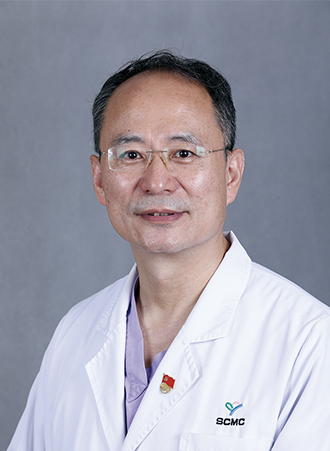 Nan Bao (鲍南)合作论文数Shanghai Children's Medical Center, School of Medicine, Shanghai Jiao Tong University3
 PingPing Gao (高俜娉)合作论文数2YunHai Song (宋云海)合作论文数2Zeyang Xia (夏泽阳)合作论文数1XiangRu Wu (吴湘如)合作论文数1LianPing Sun (孙莲萍)合作论文数1
 Huiming Jin (金惠明)合作论文数Xinhua Hospital Affiliated to Shanghai Jiaotong University School of Medicine1




