Few-shot defect detection holds significant importance for adapting to complex industrial environments and enhancing detection accuracy. Addressing the issue where existing few-shot defect detection methods are prone to compromised feature representation under varying defect scales, this study proposes a distance-guided prototype network (DGPN) with explicit meta learning. Building upon the prototype network, our method leverages distance information between normal and anomalous image features to guide feature transformation and fusion processes. An attention gating block (AGB) is introduced to convert distance representation vectors into feature maps while enhancing the capture capability for fine-grained targets. A multiscale feature fusion module (MSFF) is proposed to further strengthen the network’s ability to extract multiscale features and semantic information. Additionally, an upsample fusion module (UF) is designed to fully integrate and exchange multiscale contextual information between shallow and deep layers, decoding semantic information and spatial details to improve the precision of small defect detection. Extensive experiments on Industrial-5i, Visa, and a self-built chip dataset validate the superiority of the proposed method and the practical applicability.
Background: Radiotherapy is a cornerstone of cancer treatment; however, treatment planning remains highly dependent on the expertise of medical physicists and often involves a subjective, time-consuming trial-and-error process. Recent advancements in deep learning have enabled the rapid generation of accurate dose distribution maps, significantly enhancing planning efficiency and consistency while addressing key limitations in conventional radiotherapy workflows. Methods: A dose prediction method, MF-Diff, based on the diffusion model, is proposed for dose distribution prediction in liver tumor radiotherapy, effectively addressing the over-smoothing issue often seen in previous methods. The method incorporates a Mamba-based Feature Fusion (MFF) module that integrates information from computed tomography (CT) images, organ segmentation masks, and other sources, thereby enhancing the noise predictor’s performance. Additionally, a Full-scale Deformable Skip Connections (FSC) module is introduced to leverage multi-scale features and focus on targets of varying sizes, further improving the accuracy and robustness of dose prediction. Various evaluation indices are employed to assess model performance, and the roles of the MFF module and FSC module in improving model effectiveness are examined. Results: Experimental evaluations demonstrate that MF-Diff outperforms state-of-the-art (SOTA) methods in radiotherapy dose prediction. The model achieves mean absolute errors (MAEs) of 3.22 Gy for the planning target volume (PTV), 3.06 Gy for the normal liver, 1.64 Gy for the right kidney, 0.47 Gy for the left kidney, 1.33 Gy for the spinal cord, and 1.78 Gy for the stomach. Regarding dosimetric indices, MF-Diff achieves MAEs of 0.60 Gy and 0.79 Gy for PTV D2 and Dmean, respectively, compared to clinically approved values. For the normal liver, the model yields MAEs of 0.06 Gy in Dmean and 0.75 Gy in Dmax. Moreover, MF-Diff demonstrates competitive or superior performance across dosimetric indices for other organs-at-risk (OARs). Notably, MF-Diff is the only method that achieves a gamma passing rate (GPR) exceeding 90% under the 3%/3 mm criteria, reaching 93.34%, indicating strong dose-distribution agreement with the reference dose. Furthermore, with an average inference time of 12.92 s per patient, the proposed method demonstrates strong practical potential. Conclusion: The proposed MF-Diff method enables accurate, pixel-level dose prediction for liver tumors and significantly enhances the efficiency and quality of radiotherapy planning. Its integration of multimodal data and multi-scale features extraction effectively addresses key challenges in automated treatment planning.
LiDAR localization is a critical component in fields like intelligent robotics and autonomous driving. Absolute pose regression (APR) techniques directly infer global poses from input point clouds through end-to-end regression, achieving superior computational efficiency. However, APR struggles with dynamic objects and environmental noise in large-scale scenarios. To address this, we propose an APR network called APR-BiCA to fuse complementary information from raw point clouds and range images, which aims to improve the localization accuracy of robots in large-scale autonomous driving scenarios. The APR-BiCA incorporates two distinct branches: one extracts features from the raw point cloud to capture key features and build global point relationships, while the other processes the range image derived from the point cloud to extracts robust structural features. Additionally, a bidirectional cross attention mechanism combined with a gating unit-based fusion module is designed to facilitate effective inter-modal feature interaction, thereby enhancing the feature representational capability to support efficient handling of large-scale environments. Experimental results on the Oxford RobotCar and NCLT datasets demonstrate the superior performance of APR-BiCA, while maintaining exceptional efficiency. This well-balanced combination of accuracy and efficiency underscores its potential to advance LiDAR-based localization technology and drive its practical application in real-world autonomous driving systems.
In open-pit mining environments, significant variations in target scales and sparse point clouds of weak targets, combined with occlusion and dust-induced noise, increase detection difficulty. To address these challenges, we propose multi-scale hierarchical voxel-aware transformer network (MHVTNet), a multi-scale 3D object detection framework specifically designed for mining scenarios, aiming to improve detection performance across largescale variations and enhance feature retention for weak targets. MHVTNet incorporates a hierarchical channel voxel fusion (HCVF) module that adaptively fuses high- and low-dimensional features from the 3D backbone network through voxel feature channel partition selection, balancing global context and local details. A dynamic selective coordinate attention (DSCA) module dynamically adjusts attention distribution along depth, horizontal, and vertical directions to emphasize foreground features and suppress noise. Anchor voxels generated by the 2D backbone sample target voxels within a fixed radius to construct a target region voxel set. The voxel-aware transformer (VAT) module integrates voxel relative position encoding (vRPE) and a local cross-attention mechanism to further enhance local feature representation. Experimental results demonstrate that MHVTNet significantly improves the detection of weak and large-scale varied targets on the AutoMine dataset, with a perframe memory consumption of 703 MB, and also verifies its generalization ability and robustness on the KITTI dataset. The code is available at https://github.com/huauaa/MHVTNet.
Laser welding technology is pivotal in high-precision manufacturing, however, challenges such as minute weld point sizes, blurred boundaries, and drastic illumination changes persist in compromising detection reliability. To address these issues, this study proposes FGSNet, an efficiency segmentation framework designed to enhance laser welding spot recognition through a unified feature interaction strategy. FGSNet integrates five complementary components into a cohesive pipeline. In the feature encoding stage, the channel shuffle convolution module is employed to efficiently retain fine-grained shallow textures, while the global-local gated attention module works synergistically to filter background interference by balancing global semantics with local structural cues. To mitigate scale variations, the adaptive multi-scale feature fusion module performs robust cross-layer interaction, aligning representations to maintain structural consistency. To tackle blurred boundaries, a frequency-aware refinement strategy channel hybrid attention fusion module is introduced, enriches deep semantic features at the bottleneck, followed by the wavelet self-attention module in the decoder, which explicitly leverages wavelet transforms to reinforce high-frequency edge details. Through this coordinated mechanism, FGSNet progressively refines texture, semantic, multi-scale, and frequency information for irregular welding spots. Experiments on an industrial laser welding dataset demonstrate that FGSNet achieves an IoU of 84.19% and an F-score of 91.41%, outperforming mainstream methods in edge retention and robustness under complex lighting conditions.
To address the underutilization of geometric priors in deep learning-based monocular visual odometry (VO), this paper presents Geometry-Embedded Visual Odometry (GE-VO), a two-stage framework that integrates classical geometric constraints with a deep pose refinement network. In the first stage, reliable geometric matching is employed to estimate an initial pose and generate a warped image, providing a high-fidelity prior for subsequent learning. Building on this, the refinement network explicitly incorporates geometric priors to ensure robust estimation in textureless regions or dynamic environments by introducing two novel modules. First, GE-VO introduces a Cross-Modality Feature Fusion Module (CMFM) that adaptively integrates RGB information with learned depth cues to enhance feature discriminability. In addition, a Geometry-Embedded Spatio-Temporal Module (GE-STM) is designed to leverage geometric constraints and temporal context for improving cross-frame alignment and pose stability under occlusion. Extensive evaluations on the KITTI and Oxford RobotCar datasets demonstrate that GE-VO consistently outperforms state-of-the-art self-supervised methods. Our results validate that the explicit embedding of geometric priors is a pivotal strategy for enhancing the accuracy and robustness of monocular VO.
Manual surveying for blasthole marking in underground mining is inefficient and hazardous for face drilling rigs. A LiDAR-based 3D mapping method reconstructs drift maps, with beacon centroids dynamically maintaining drift centerlines during blasting. By segmenting the heading face and integrating a predefined template, the system auto-generates 3D blasthole coordinates. A positioning algorithm fuses boom kinematics with LiDAR-SLAM localisation to align the boom within a unified mine frame. Experimental results show that the method attains high-precision positioning with an error below 10 cm. This significantly enhances drilling efficiency, reduces labour risks, and contributes to the automated and intelligent development of mining.
Quality prediction is essential for achieving optimal control in industrial processes. However, process variables and quality indicators are typically sampled at different frequencies, and data are often missing due to high assay costs, recording omissions, and other operational factors, which can significantly impair quality prediction modeling. Conventional approaches decouple imputation and prediction into two independent stages, which makes it difficult to ensure that the imputed data satisfy the requirements of quality prediction. Moreover, these methods often overlook the multi-rate sampling characteristics of industrial data. To address these issues, this paper proposes a unified joint imputation-prediction model tailored for cross-frequency indus trial data with missing values. First, a causal convolution-enhanced dynamic weight aggregation mechanism is designed, which adaptively fuses high-frequency information under the guidance of low-frequency labels, thereby achieving effective cross-frequency alignment. Furthermore, a mask-aware imputation network is constructed, which can effectively impute missing data across frequencies. Finally, a joint training strategy is adopted to synergistically optimize reconstruc tion, imputation, and prediction within a unified end-to-end framework. Experiments on two datasets, the sulfur recovery unit (SRU) and the smelting process datasets, demonstrate that the proposed method outperforms existing mainstream methods in prediction accuracy, with MAE of 0.5837/0.5717 (H2S/SO2) on SRU and 9.0364/0.0115/0.3557 (matte temperature/Fe-Si ratio/grade) on smelting.
The chip defect detection faces numerous challenges, such as small defects with fuzzy edges, significant defect scale variations, and low background contrast. To address these issues, we propose a high-frequency semantic hierarchical dynamic feature fusion network (HDF-Net) for accurate and efficient chip surface defect detection. Built on an encoder-decoder framework, HDF-Net integrates four dedicated attention modules including of dynamic multi-perspective attention (DMPA), hierarchical scale fusion attention (HSFA), fusion feature integrator (F-integrator), and edge-directed attention module (EDAM). DMPA enhances multi-scale defect representation via multi-receptive field semantic weighting, while HSFA combines region and pixel attention to refine defect localization. F-integrator captures global dependencies and local context through the fusion of attention mechanisms and dynamic convolution, and EDAM leverages Local-Gaussian-Laplacian edge features to retain high-frequency semantic information and suppress the double-edge effect, improving weak-boundary defect detection. Experimental results on a self-built chip defect dataset demonstrate that HDF-Net achieves an AUC of 97.49% and a FPS of 88.4, significantly outperforming state-of-the-art methods, and accurately detects large defects in bright backgrounds and small defects as small as 8.3 mu m in dark backgrounds. Additionally, HDF-Net achieves an AUC of 92.98% on the public NUST-SIRST dataset, verifying its strong generalization ability. The proposed model balances high accuracy and efficiency, making it suitable for industrial real-time detection scenarios.
Segmentation of micro-adhesive spots in high-power laser packaging is challenged by morphological variability, complex backgrounds, and blurred edges, causing traditional models to fail from “feature dilution.” Inspired by physical optics knowledge, we propose a scattering neural representation framework guided by Rayleigh scattering theory. We first pretrain a denoising diffusion model, using light scattering properties, including wavelength, scattering angle, and particle number density as an inductive bias to generate high signal-to-noise ratio target features while suppressing background clutter. Subsequently, three synergistic attention modules, including an adaptive dual-attention module, an edge attention module, and a small object enhancement module, refine target features by dynamically expanding the receptive field, sharpening boundaries, and enhancing microtarget responses. Extensive experiments on proprietary and public datasets demonstrate that our model significantly outperforms state-of-the-art methods in precise segmentation and background interference suppression. This work translates physical insights into architectural advantages, establishing an efficient and interpretable paradigm for addressing the persistent challenge of industrial small object segmentation.
Computed tomography (CT) plays a critical role in diagnosing liver diseases by enabling detailed visualization of internal anatomical structures. However, to minimize radiation exposure, low-dose CT (LDCT) protocols are often adopted; these inevitably lead to increased image noise and reduced spatial resolution, which adversely affect diagnostic quality. To address these limitations, we propose a novel super-resolution (SR) framework based on an enhanced version of the Enhanced Super-Resolution Generative Adversarial Network (ESRGAN), specifically designed for LDCT liver imaging. Our method integrates Residual-in-Residual Dense Blocks (RRDBs) within the generator to effectively capture complex anatomical features and hierarchical textures. A self-attention module is incorporated to selectively emphasize diagnostically salient regions, facilitating more accurate restoration of critical structures. The discriminator network, trained using an adversarial learning strategy, guides the generator toward producing images with enhanced perceptual realism. We evaluate our Self-Attention Residual-in-Residual Dense Block ESRGAN (Self-Attention RRDB-ESRGAN) model using three publicly available datasets: the Liver Tumor Segmentation Challenge (LiTS17), 3DIRCADb, and the Medical Segmentation Decathlon (Task 03_Liver). Quantitative metrics, including peak signal-to-noise ratio (PSNR), structural similarity index measure (SSIM), and mean opinion score (MOS), demonstrate the superior performance of our model in restoring high-fidelity images from low-dose inputs. The Self-Attention RRDB-ESRGAN achieved an average PSNR of 41.579 dB and an SSIM of 0.9472, significantly outperforming existing methods, while experienced radiologists rated the perceptual quality with an average MOS of 4.05 out of 5. These findings highlight the effectiveness and clinical applicability of the proposed framework for enhancing LDCT liver images and improving diagnostic accuracy.
Accurate odometry is crucial for mapping and localization of autonomous vehicles in unknown environment. Deep neural networks have shown significant promise in self-supervised odometry, enabling pose estimation from consecutive sensor inputs. However, existing self-supervised visual odometry methods face scale ambiguity issue due to the inaccuracy of relative depth estimation, and self-supervised LiDAR odometry methods suffer from sparse data and the difficulty of correspondence searching. To address these challenges, we propose Self-FO, a self-supervised multi-sensor fusion odometry framework that effectively integrates image and point cloud data and overcomes the limitations of single-sensor methods. First, we utilize the inferred depth map as the fusion medium for image and point cloud, and realize multi-layer visual-LiDAR feature extraction and fusion through a novel homogeneous and heterogeneous channel exchange strategies. Then, we introduce a feature alignment and pose refinement module to fine-tune the coarse pose. By leveraging 2D-3D correspondences and a cross-modal attention mechanism, this module guides the image and point cloud features to focus on consistent scene-level observations and aligns features adaptively, significantly improving the accuracy of correspondence searching and enhancing the robustness and consistency of multimodal feature representations. Extensive experiments on KITTI and KITTI-360 dataset demonstrate that Self-FO outperforms existing learning-based odometry methods, delivering superior performance and scalability. Note to Practitioners-In practical mapping and localization for autonomous systems, monocular visual odometry methods face the challenge of scale ambiguity, while LiDAR odometry methods face that of correspondence searching. This paper proposes a multi-sensor fusion odometry framework based on multi-layer feature fusion and pose refinement, which can effectively integrate multi-sensor data to overcome the limitations of visual and LiDAR odometry methods, and can therefore significantly improves the accuracy and robustness of pose estimation, while maintaining a suitable inference speed in real-world applications.
Lane detection is crucial for safety in real-world autonomous driving, requiring the accurate prediction of complex lane shapes while distinguishing different lane instances in challenge scenes such as multi-lane lines, dazzle, shadows, and night-time. To address this issue, we propose row embedded clustering network (REC-Net) to inherit the efficiency advantages of row detection methods while overcoming the limitation on the number of instance discriminations. The REC-Net enhances the capabilities of feature extraction and feature fusion through a visual field heterogeneity extractor (VFHE) and a feature cross-fusion module (FCM). Specifically, the VFHE mimics the different attention and processing capabilities of the human visual system for various spatial regions, enabling heterogeneous spatial feature extraction. Meanwhile, the FCM focuses on the differences in characteristics between sematic and detail information, guiding and complementing cross-layer feature to achieve more efficient feature integration. Our method has been validated on lane detection datasets Tusimple and CULane, and the results demonstrate competitiveness of our REC-Net in efficiency and accuracy compared to state-of-the-art methods.
Few-shot anomaly detection is an important and demanding task aiming at detecting anomalies in collected sample pictures given a limited number of normal images. Current unsupervised anomaly detection approaches leverage existing normal images for training and locate anomalous pixels, while have poor discriminative performance in feature extraction due to only considering local semantic information. To address this issue, we propose a memory guided dual discrepancy network (DDMNet) for efficient and robust anomaly detection in a few-shot setting. Our DDMNet employs data augmentation-based domain adaptation to enhance the discriminative characteristics of the extracted features. The dual network architecture with designed feature fusion and feature memory module facilitates more efficient and accurate global feature matching and reconstruction. Additionally, we introduce a self-supervised refinement module to enhance the accuracy of anomaly detection using ground truth of synthetized anomalies. Extensive experiments on MVTecAD and Visa datasets confirm the effectiveness and robustness of DDMNet with promising image-level and pixel-level metrics in few-shot setting.
Radiation therapy is one of the primary treatment modalities for head and neck (H&N) cancer in clinical practice, aiming to deliver sufficient dose to Planning Target Volume (PTV) while protecting surrounding Organs at Risk (OAR) from or minimizing exposure to radiation. Quantitative dose prediction of various tissues and organs is a prerequisite for implementing intelligent precision radiotherapy. In order to improve dose prediction accuracy, we propose a generative adversarial network CPFTrans- GAN based on Cross Perception Fusion Transformer (CPF Transformer). Specifically, we design a CPF Transformer module through deeply integrating CNN and Transformer. Using the CPF Transformer as basic unit, we constructed a generator with four-stage encoding-decoding structure called CPFTransGenerator. An adaptive weight loss is used to train the discriminator to alleviate the issues of imbalance training in adversarial learning. To further improve the prediction accuracy, a multiscale cross-window encoding network is designed, which can constrain the differences between predicted dose and the reference one at different granularity levels by calculating feature losses between them at different scales. The proposed method is evaluated on two public head and neck cancer datasets and a local clinical dataset. Extensive experiments demonstrate the superior performance of our method compared with the state-of-the-art ones.
Abdominal organ segmentation is a challenging task due to anatomical complexity and low contrast in medical images. To address this, we propose the MSAE-U-Net, a novel deep learning architecture designed for robust and precise abdominal segmentation. It integrates three key innovations: the Multi-Scale Deformable Convolutional Block Attention Module (MS-D-CBAM) for multi-scale attention, the Adaptive Global Context Refinement ASPP (AGCR-ASPP) for dynamic context refinement, and the Rectangular Self-Calibration Module (RCM) for spatial feature recalibration. These modules enhance both local detail and global context in segmentation. Evaluated on the Dresden Surgical Anatomy dataset, MSAE-U-Net achieved superior performance with a Dice Similarity Coefficient (DSC) of 93.13
Furnace melt temperature trend prediction is important for stable smelting operation, but it remains challenging because industrial sensor data are noisy, non-stationary, and strongly coupled across variables and time. This paper proposes PatchMST, a patch-based multi-scale temporal-spatial model for trend prediction from multivariate process time series. PatchMST partitions the input sequence into patches, uses Long Short-Term Memory (LSTM) encoders to learn local dynamic patterns, and combines temporal self-attention with channel attention to capture long-range temporal evolution and inter-variable coupling. To improve discrimination among steady, rising, and declining trends, a joint Softmax and Large Margin Cosine Loss (CosFace) objective is introduced to impose a large-margin constraint in the embedding space. Experiments on real nickel smelting furnace data show that PatchMST achieves an accuracy of 85.13% and outperforms representative baseline models, demonstrating its effectiveness for robust industrial temperature-trend prediction.
Wafer defects are often complex, diverse, and frequently contaminated by noise, making their recognition challenging for advancing semiconductor manufacturing processes. Developing a high-precision wafer defect recognition method based on deep learning is particularly important, as it can effectively manage noise interference and improve accuracy. In this study, we propose frequency-domain multi-scale Kolmogorov-Arnold representation attention network (FMKA-Net) for wafer defect recognition. FMKA-Net employs two-dimensional discrete wavelet transform (DWT) to decompose frequency, and performs down-sampling and up-sampling on the images through multi-dimensional DWT layers and transposed convolutional blocks to achieve multi-scale feature extraction. Additionally, a fusion feature attention module is designed following Kolmogorov-Arnold network (KAN) to establish an information exchange channel between shallow and deep information layers, enabling detailed exploration of wafer map information. The fused features are finalized by the spatial pyramid pooling module, enhancing the model's representation capability and robustness. The discrete wavelet transform facilitates clear extraction of multi-scale information and enables learning across multiple scales, improving the model's adaptability to image scale variations. The attention module aids in selecting frequency location information captured by the DWT layer, further enhancing the model's performance. Our network achieved 99.03% accuracy on the Mixed38WM wafer dataset, outperforming existing methods under both noise-added and noise-free conditions. To demonstrate generalizability, our model was also tested on the WM-811K wafer dataset and the NEU-CLS steel surface defect dataset.
BACKGROUND:Deep learning has been widely applied to the design of cancer radiotherapy treatment planning for dose distribution prediction. However, the significant variability in tumor size, quantity, and location poses substantial challenges for accurate dose distribution prediction in liver cancer radiotherapy. PURPOSE:Given that the clinical effectiveness and accuracy of the predicted dose distribution directly impact the quality of treatment plans generated by automatic radiotherapy planning methods, this study aims to develop a novel and precise dose prediction method based on diffusion models. METHODS:We propose a beam field (BF) guided diffusion model (BeamDiff) consisting of a forward and a reverse process for liver cancer radiotherapy dose distribution prediction. In the forward process, noise is progressively added to the actual dose distribution map until it transforms into a standard Gaussian noise map. In the reverse process, a noise predictor is used to estimate the noise and iteratively generate the desired dose distribution map. To effectively leverage patient-specific clinical features, we design a multi-branch hybrid encoder to extract features from BF and clinical structural information, with their relationships captured by a designed multi-condition aggregation module (MAM). Given that our inputs consist solely of 2D slices, which inherently lack inter-slice dependencies and similarity features, we integrate the multi-head attention (MHA) module into the encoder to re-establish connections between slices. In the decoder, we design an asymmetric fusion module (AFM) to integrate high-level feature maps from the encoder with low-level ones from the decoder, mitigating information loss caused by downsampling while preserving fine details and contextual information. RESULTS:We evaluate the proposed method on a clinical liver cancer radiotherapy dataset. In terms of prediction accuracy, our model achieves an average Dose score of 1.27 Gy and a DVH score of 0.28 Gy. The mean absolute error (MAE) is 1.97 Gy for the planning target volume (PTV), 2.21 Gy for the liver, 1.14 Gy for the spinal cord, and 1.16 Gy for the stomach. Regarding clinical effectiveness, the predicted results of our method are the closest to meeting clinical requirements across the evaluated metrics. CONCLUSIONS:We develop a method specifically tailored for liver cancer radiotherapy dose prediction. The proposed model demonstrates competitive performance in terms of both prediction accuracy and clinical effectiveness. These results suggest that the method has considerable potential to enhance the efficiency of the radiotherapy workflow.
 Miao Liao (廖苗)合作论文数44
 Fan Zhang (张帆)合作论文数School of Automation, Central South University39
 Biao Luo (罗彪)合作论文数School of Automation, Central South University18
 Weihua Gui (桂卫华)合作论文数Central South University18
 Chunhua Yang (阳春华)合作论文数School of Automation, Central South University17
 Lingli Yu (余伶俐)合作论文数School of Automation, Central South University15
 Beiji Zou (邹北骥)合作论文数School of Computer Science and Engineering, Central South University15Shuanhu Di (邸拴虎)合作论文数12Ye-zhan Zeng合作论文数11
 Baifan Chen (陈白帆)合作论文数School of Automation, Central South University;School of Information Science and Engineering, Central South University11
 Zhencheng Chen (陈真诚)合作论文数桂林电子科技大学生命与环境科学学院11Xianghua Li (李香花)合作论文数Business School, Central South University10
 Sheng-Hui Liao (廖胜辉)合作论文数School of Computer Science and Engineering, Central South University9
 Zhongchao Huang (黄忠朝)合作论文数9Lingyun Li (李凌云)合作论文数Xiangya School of Basic Medical Sciences, Central South University7
 Xiaofang Wang (王小芳)合作论文数University of Reims7Xiaoyu YANG (杨晓喻)合作论文数6
 Zhen Yang (杨震)合作论文数中国人民政治协商会议第十四届全国委员会;中国农工民主党中央委员会6
 Frank Shih合作论文数Department of Computer Science, Ying Wu College of Computing, New Jersey Institute of Technology6
 Guiyuan Li (李桂源)合作论文数Cancer Research Institute, Central South University6Yan Zhang (张艳)合作论文数State Key Laboratory of Environmental Criteria and Risk Assessment, Chinese Research Academy of Environmental Sciences5Fuchang Han合作论文数Cent South Univ, Sch Comp Sci & Engn, Changsha 410083, Peoples R China5Tingting Zhang (张婷婷)合作论文数College of Pharmacy, Shenyang Pharmaceutical University5Yang Shao-Di合作论文数5Hongda Huo合作论文数4Wannan Zhang合作论文数4LIU Zhu-long合作论文数4Guangtao Ma合作论文数4Yanjin Wang合作论文数4
 Xiyao Liu (刘熙尧)合作论文数School of Computer Science and Engineering, Central South University4Shao Qigang合作论文数4
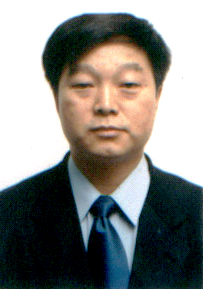 Jingtian Tang (汤井田)合作论文数School of Geosciences and Info-Physics, Central South University4
 Hui Wang (王辉)合作论文数School of Automation, Central South University4
 Yan Tang (唐艳)合作论文数College of Electrical and Information Engineering, Hunan University4Guo Jianjing合作论文数3Li Ling-yun合作论文数3Yang Qing合作论文数3
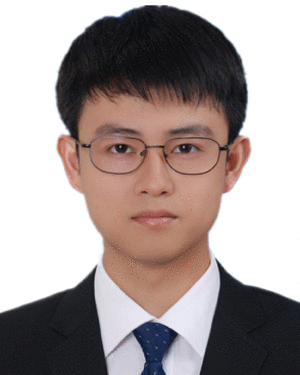 Tenghai Qiu合作论文数Institute of Automation, Chinese Academy of Sciences, Beijing 100190 China3
 Xiaohong Wang合作论文数Nanyang Technol Univ, Sch Elect & Elect Engn, Singapore 639798, Singapore3
 Zhao Peng合作论文数3RenZhong Wu (邬任重)合作论文数3Du Tang (唐杜)合作论文数3
 Shu Liu (刘姝)合作论文数School of Computer Science and Engineering, Central South University3
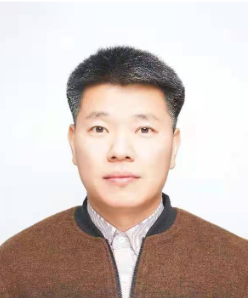 Yixiong Liang (梁毅雄)合作论文数School of Information Science and Engineering, Central South University3Ping Tang合作论文数3Minghong Li合作论文数3
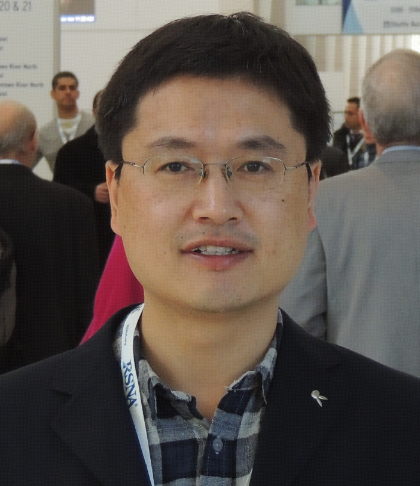 Peishan Dai (戴培山)合作论文数School of Computer Science and Engineering, Central South University3
 Quanjun Chen合作论文数University of Tokyo3




