This article aims to address the problem of trajectory tracking and obstacle avoidance for omnidirectional mobile manipulator in the actual working condition. To this end, a model predictive control-based trajectory tracking and obstacle avoidance scheme is proposed, which achieves the coordinated execution of trajectory tracking tasks and obstacle avoidance in a simple and efficient manner. In practice, noise disturbances pose challenges to the normal operation of the system. Thus, a noise suppression iterative neural dynamics (NSIND) model is proposed to improve the system of anti-interference performance against noise. Then, the convergence and robustness of the NSIND model are proven through rigorous theoretical analysis. Numerical simulation and physical experimental results further verify the effectiveness and superiority of the proposed method in handling trajectory tracking and obstacle avoidance under noisy environment. Compared to existing technologies, the proposed method exhibits significantly greater practical utility.
Advancing from usable to collaborative autonomy requires driving systems to execute passenger instructions safely and reliably. This work formulates instruction realization as scheduling across multiple motion planners and presents a dual-loop framework that provides a transparent decision chain from natural language to vehicle control. The outer loop uses a small language model (SLM) for high-level, low-frequency semantic reasoning and schedule generation, while the inner loop performs low-level, high-frequency schedule execution and vehicle control. To compensate for the SLM’s limited capacity, the framework integrates receding-horizon scheduling to segment long-horizon instruction tasks, a domain-specific language (DSL) that restricts SLM outputs to a scheduling-oriented subspace, and reinforcement learning in high-fidelity urban traffic to refine the SLM’s DSL proficiency and scheduling performance. Experiments show that the framework improves instruction-completion rates while maintaining high safety and compliance relative to multiple baselines.
To address the problem of robotic manipulator trajectory tracking in complex environments subject to obstacle constraints and multilevel joint constraints, this paper proposes a trajectory tracking and obstacle avoidance control method based on model predictive control (MPC) and zeroing neural dynamics (ZND). First, a unified optimization model is established by simultaneously considering trajectory tracking error, control input smoothness, obstacle avoidance requirements, and multilevel joint constraints, so as to achieve safe motion control of the manipulator in complex environments. Then, for the resulting time-varying optimization problem, a corresponding ZND-based online solver is designed to dynamically update the optimization variables in real time, thereby improving the computational efficiency of MPC and satisfying the real-time requirement of the control system. The proposed method enables the endeffector to accurately track the desired trajectory while effectively avoiding collisions with obstacles and satisfying multilevel joint constraints. Simulation results demonstrate that the proposed method achieves favorable performance in terms of tracking accuracy, obstacle avoidance safety, and online computational efficiency.
Most Human-Machine Interaction (HMI) research overlooks the maneuvering needs of passengers in autonomous driving (AD). Natural language offers an intuitive interface, yet translating passenger open-ended instructions into control signals—without sacrificing interpretability and traceability—remains a challenge. This study proposes an instruction-realization framework that leverages a large language model (LLM) to interpret instructions, generates executable scripts that schedule multiple model predictive control (MPC)-based motion planners based on real-time feedback, and converts planned trajectories into control signals. This scheduling-centric design decouples semantic reasoning from vehicle control at different timescales, establishing a transparent, traceable decision-making chain from high-level instructions to low-level actions. Due to the absence of high-fidelity evaluation tools, this study introduces a benchmark for open-ended instruction realization in a closed-loop setting. Comprehensive experiments reveal that the framework significantly improves task-completion rates over instruction-realization baselines, reduces LLM query costs, achieves safety and compliance on par with specialized AD approaches, and exhibits considerable tolerance to LLM inference latency. For more qualitative illustrations and a clearer understanding, please refer to the videos in the Supplementary Material.
Autonomous vehicles are expected to operate safely in complex environments, yet failures can still arise under rare and safety-critical conditions. Existing validation pipelines often rely on large-scale simulation and manual scenario design but lack the ability to semantically interpret failure events and respond with adaptive improvements. This article presents a self-evolving framework enhanced by AI capabilities, which leverages large language models (LLMs) to analyze failure cases, recommend semantically relevant test scenarios, and adapt affected modules through targeted few-shot learning. Structured execution logs are converted into semantic representations, which are used to retrieve safety-critical scenarios from a scenario bank. These scenarios enable reliable reproduction of failure behaviors and support few-shot adaptation of the affected module. A closed-loop evaluation confirms behavioral improvement while ensuring system stability. The framework has been extensively evaluated across a diverse set of driving tasks, consistently demonstrating enhanced robustness with minimal human supervision. By integrating semantic failure understanding, scenario-based testing, and data-efficient adaptation, this approach offers a scalable and generalizable solution for failure-aware improvement in safety-critical autonomous driving systems.
This study focuses on the motion control problem of autonomous vehicles operating on low-friction surfaces under nonlinear disturbances. Under such conditions, the vehicle system is highly prone to instability. Thus, stability analysis and control study need to be carried out. Based on Lyapunov stability theory and incorporating tangent direction difference information, a predictive dynamic stability envelope region is constructed, which, for the first time, reveals relationship among vehicle instability risk, velocity, road adhesion coefficient, and curvature. This predictive region provides a theoretical foundation for proactive controller intervention to prevent vehicle instability. To mitigate the effects of unknown nonlinear disturbances, an adaptive disturbance-rejection controller is developed within the nonlinear model predictive control framework. Specifically, a Random Projection Neural Network-based error estimator is employed, whose weights are continuously updated by the designed adaptive weight update law, enabling real-time compensation of uncertainties in the control loop. Owing to the designed adaptive update law, the proposed estimator effectively reduces the adverse impact of model uncertainties while ensuring closed-loop stability, thereby improving trajectory tracking performance. To further ensure real-time requirement, a numerical solution algorithm is proposed, which integrates the continuation method with the Nelder-Mead method. This approach enhances computational efficiency by reducing the dimensionality of the optimization variables. Finally, the proposed controller is validated through both simulations and experiments. The results demonstrate that the controller can maintain vehicle stability and decrease tracking errors while satisfying the real-time requirements.
Probabilistic modeling of the natural distribution of human driving behavior is crucial for constructing realistic and dynamic traffic simulation environments. To capture the complex, high-dimensional, and multi-modal characteristics of driving behavior, this paper proposes an ensemble-based probabilistic modeling framework. A Bayesian Gaussian Mixture Model (GMM) is employed as a base predictor to model the multi-modal distribution, while ensemble learning is utilized to reduce model bias and improve robustness. To address challenges associated with high-dimensional features and limited sample sizes, dimensionality reduction and weighted bootstrap sampling are introduced to construct diverse meta models. An error evaluation network is developed to assess prediction quality in terms of mean, variance, and reliability. To handle distributional shifts across scenarios, an adaptive meta model with online learning capability is proposed for dynamic parameter updating and improved transferability. Furthermore, a reliability-uncertainty fusion strategy inspired by mean-variance theory is designed to dynamically assign optimal weights to individual meta models. Experiments on three datasets-HighD, SPMD, and MTBD-demonstrate superior performance in accuracy, robustness, and generalization.
Using high-sulfur diesel in commercial vehicles increases emissions, accelerates engine wear, and degrades emission-control systems. However, its highly imbalanced occurrence and time-varying vehicle conditions hinder field reliability of offline-trained supervised classifiers and fixed-threshold methods for detecting high-sulfur diesel. This study examines how high-sulfur diesel affects commercial-vehicle aftertreatment and presents an online detection platform. A data-driven, mechanism-informed framework analyzes connected-vehicle sensor streams and flags high-sulfur events using the residual between estimated and measured exhaust nitrogen oxides. An online unsupervised module adaptively updates model parameters and decision thresholds to track evolving vehicle states. On-vehicle experiments show that the framework achieves strong online detection performance with an interpretable decision process, supporting trust from users and regulators. By adapting to normal-dominant sensor data drift via the online learning method, the framework preserves long-term accuracy while removing the burden of data labeling.
Differentiable nonlinear model predictive control (NMPC) provides a principled way to embed optimal control structure into end-to-end learning paradigms, but its practical use is often limited by the computational and memory costs of both forward optimization and backward sensitivity propagation. This brief proposes PANDA, a matrix-free solver for differentiable NMPC. In the forward pass, PANDA combines proximal-gradient iterations with quasi-Newton acceleration and introduces an adaptive stepsize enlargement mechanism to mitigate the conservativeness of monotone stepsize reduction. The resulting stepsize behavior and its effect on local convergence are theoretically analyzed. In the backward pass, PANDA performs implicit differentiation from the residual equation and computes adjoint sensitivities using Krylov-subspace iterative methods together with automatic-differentiation-based Matrix-Vector product operators, thereby avoiding explicit Hessian and Jacobian construction. The method is evaluated on a nonconvex trailer NMPC problem embedded in an imitation learning task. The results show that PANDA achieves much faster forward and backward computation and lower memory overhead than representative differentiable optimization solvers, while maintaining effective imitation learning performance.
The combination of motion control and attitude control opens up the possibility of alleviating the long-standing research challenges for autonomous vehicle tracking task in off-road environments. Inspired by this, an efficient motion-attitude integration control strategy was proposed. First, a vehicle model with road excitation was developed. This model treats road surface deformation as measurable disturbance, thereby more accurately reflecting the impact of deformable terrain on the vehicle’s state. Then, a motion-attitude controller was constructed based on the nonlinear model predictive control, integrating the requirements of suppressing the roll angle and tracking the reference trajectory into the objective function, guaranteeing the tracking accuracy while satisfying the safety. Moreover, an iterative continuation/generalized minimal residual (i-C/GMRES) algorithm was presented to solve the optimization problem in the motion-attitude controller. By modifying the terminal conditions, this algorithm converts the constrained optimization problem into a series of unconstrained optimization problems, effectively reducing the number of iterations and improving the computation efficiency. The numerical convergence of the i-C/GMRES algorithm was theoretically analyzed. Finally, the method was validated through Simulink/Carsim co-simulation. The results demonstrate that the algorithm reduces the calculation time, achieves low tracking error and ensures the vehicle safety.
When senor faults occur or reference map is incomplete, the planned trajectory may become discontinuous or unreachable, leading to conflicts between precise tracking requirements and the vehicle’s motion capabilities. To address this challenge, a hierarchical optimal motion control framework is proposed to coordinate front wheel angle (FWA) and torque vectoring control (TVC), aiming to fully exploit the vehicle’s motion potential. In the upper layer, a smooth artificial state-based nonlinear model predictive controller (SA-NMPC) is proposed to obtain a feasible reference signal. The controller adds an artificial intermediate variable to effectively avoid numerical instability caused by discontinuous reference signal. Moreover, based on the Tonelli’s regularity theorem, a sufficient condition for smooth solutions is proposed. According to the proposed sufficient condition, state derivative constraints are incorporated to ensure the smoothness of the control inputs. In the lower layer, a lateral tracking controller is proposed to track the lateral reference signals. The controller imposes real-time constraints on the FWA according to the optimal lateral agility condition, while strengthening the corresponding TVC to improve the tracking performance, and adaptively limiting the motor torque based on the slip ratio constraint to avoid vehicle skidding. The Matlab/Carsim cosimulation and equivalent scaled test platform experiment results show that the proposed control strategy can track abrupt turning trajectories with a smaller tracking error while maintaining the vehicle stability.
In the development of automotive intelligence, accurate knowledge of the preceding vehicle’s speed and yaw rate is essential for reliable path planning and vehicle control. However, unlike the ego vehicle, whose state can be measured directly, onboard LiDAR typically provides only positional and heading information for surrounding vehicles. As a result, estimating the preceding vehicle’s speed and yaw rate accurately, without adding sensors or increasing sensing cost, remains a critical and practical challenge for autonomous driving systems. To address this, an interacting multiple model-based variational Bayesian moving horizon filter (IMM-VBMHF) is proposed in this paper. First, kinematic models for straight-line and steering driving modes are established, aiming to accommodate various complex scenarios. Then, based on these models, an interacting multiple model-based variational Bayesian adaptive extended Kalman filter with a moving horizon structure is developed. This method leverages horizon information to improve estimation accuracy and employs a variational Bayesian approach to adaptively update the noise covariance matrices (NCMs) in real time. Moreover, sensitivity analyses of key parameters are conducted to support practical tuning and ensure consistent performance under uncertain conditions. Finally, the proposed estimation method is experimentally validated using the real-world INTERACTION and nuScenes datasets on a field-programmable gate array (FPGA) platform. The results demonstrate its effectiveness, improved accuracy, and high computational efficiency across diverse interactive driving scenarios and weather conditions.
Poor tracking performance under the dynamic response has always been a problem that limits the application of model predictive control in servo motor drives. In this paper, reasons for the occurrence of current tracking error in deadbeat predictive control (DBPC) are analyzed from the perspective of the entire current control loop, rather than focusing solely on the controlled motor. Based on the analysis, a model-based scheme is proposed to achieve standard 2-step current tracking performance in DBPC. This proposed scheme incorporates accurate inverter nonlinearity modeling and compensates for rotor angle errors caused by position information transmission. Additionally, the influence of voltage reference generation delay in traditional inverter nonlinearity compensation is also analyzed and compensated by table lookup information modification. Different from the traditional observer or integrator-based methods, the proposed scheme eliminates the current tracking error through model-based control, significantly enhancing dynamic response and steady state control performance. Finally, the effectiveness of the proposed method is verified by experiment on a 1.0 kW servo motor drive system.
For autonomous vehicles traveling in intersections, it is essential to plan trajectories that ensure safety and improve road efficiency. This paper proposes a trajectory planning and motion control scheme for intersections based on model predictive control and control barrier function (MPC-CBF). An expanded elliptical model is constructed to define a danger zone for CBF constraints, enhancing safety and reducing stop-and-go delays. To balance safety and path planning feasibility, the decay coefficient of CBF is treated as an optimisable variable in the MPC optimisation problem. The real-time adjusted decay coefficient dynamically changes the safety constraint range, preventing over-avoidance. Additionally, Bayesian optimisation trains the weights of the multi-objective problem in typical intersection conflict scenarios. The weights are selected based on the relative position between the autonomous and obstacle vehicles. Finally, the control scheme is evaluated using Carsim and Matlab/Simulink co-simulation.
Manipulability optimization is critical for avoiding singularities in an omnidirectional mobile redundant manipulator (OMRM), yet its intrinsic nonlinearity and nonconvexity introduce substantial computational challenges. Furthermore, the coupling between manipulability optimization and position error inevitably results in a theoretically nonzero error, thereby compromising control accuracy. To address these issues, this article proposes an orthogonal manipulability maximization optimization under non-convex constraints (OMMONC) scheme, which decouples position error and manipulability through an orthogonal projection matrix. It drives the position error to theoretically converge to zero, while simultaneously reducing the risk of singular postures in motion control. To generate smooth control signals, a non-convex recurrent neural network (NCRNN) is developed, which realizes real-time computation of the OMMONC scheme via an inverse-free solution, thereby mitigating lag-induced errors and enhancing computational efficiency. The proposed OMMONC scheme is theoretically proven to decouple position error and manipulability, and the convergence of the NCRNN model is also demonstrated. Numerical simulations, comparative results and platform experiments verify the validity and superiority of the proposed scheme and model.
Precise position and posture control of an omnidirectional mobile redundant manipulator (OMRM) with unknown structural information is challenging. This article develops a data-driven orthogonal repetitive motion-posture control (DDORMPC) scheme that leverages online learning to regulate repetitive motions in both position and end-effector quaternion orientation. Then, a dynamic neural network with nonconvex mappings (NCMDNN) is introduced by integrating structure learning with OMRM control to solve the DDORMPC problem. It employs a velocity-compensated gradient-descent update for accurate online estimation of the system Jacobian, theoretically driving the tracking error to zero. Theoretical analysis demonstrates that both the learning and control modules exhibit favorable convergence properties under necessary noise conditions. Numerical simulations, comparative experiments, and platform validation collectively verify the innovation, effectiveness, and practical value of both the proposed DDORMPC scheme and the NCMDNN model.
Vision-language models (VLMs) have shown strong performance in autonomous driving (AD) tasks, supporting scene understanding and safety-related multimodal reasoning. However, robustness under adversarial perturbations remains critical, and the alignment vulnerability between visual evidence and task semantics under sequential observations is insufficiently explored. This paper proposes TCMA, a Temporal Cross-Modal Alignment Attack combining a task-oriented objective, an alignment disruption loss, and a lightweight temporal propagation mechanism to attack perception-oriented VLMs in AD. Specifically, TCMA constructs a semantic anchor from the task prompt to suppress correct visual-text alignment, and warm-starts each frame’s attack from the previous perturbation while enforcing temporal consistency. On BDD100K with Dolphins, TCMA achieves 50.0\% overall center-frame targeted ASR across traffic-light, pedestrian, and rider tasks. Transfer evaluation on Qwen2.5-VL further reaches 73.3\% center-frame and 76.7\% vote-level overall targeted ASR, demonstrating strong cross-model generalizability.
To deal with the collaborative lane tracking problem in dangerous driving scenarios, the safety-oriented driver-automation collaboration steering controller is proposed in this article. First, the multidimensional driving risk assessment model is established, where the real-time interval type-2 fuzzy inference systems (IT2-FISs) are employed to assess the safety concerns that arise from the internal driver fatigue and external vehicle collision. Then, integrated with the two quantified levels of driving risk, an exponential human-machine authority allocation strategy is developed. Subsequently, the fuzzy modeling technology is applied to handle the nonlinear influence of parameters generated by time-varying authority and vehicle state in the driver-vehicle-lane model. To expand the feasible stabilization region of the controller designed by the first-order weighting matrix in the previous works, a high-order multimode switching matrix (HMSM) mechanism with corresponding time-varying balance matrices is proposed, which can effectively mine proprietary features under various switching modes. Finally, the effectiveness of the proposed collaboration steering control scheme is verified by the driver-in-the-loop experimental platform. The results show that the proposed steering control scheme can improve the driving experience in normal driving, and has clear superiority in ensuring lane tracking performance and driving safety.
In task-oriented applications of multiple omnidirectional mobile redundant manipulators (MOMRMs), effectively utilizing kinematic redundancy is essential for enhancing system performance while ensuring accurate task execution. However, most existing distributed control schemes overlook the influence of communication noise on cooperative behaviors, which consequently undermines system robustness and coordination efficiency. Meanwhile, joint drift remains a long-standing issue in repetitive motion tasks, further affecting system stability and motion consistency. To address these challenges, a hybrid multiobjective optimization framework is developed that integrates orthogonal repetitive motion planning with joint velocity optimization, and an anti-disturbance distributed cooperative control strategy based on game theory is introduced to suppress communication noise and enable independent neighborhood decision-making. To compute for distributed strategies, a fuzzy adaptive dual-input double-integral noise-resistant neural dynamics (FADINRND) model is proposed to approximate Nash equilibria. Different from existing neurodynamic solvers with limited noise-rejection capability, the proposed model suppresses challenging linear and quadratic disturbances, thereby improving convergence rate and system robustness. The convergence and stability of the proposed model are rigorously proven theoretically. The effectiveness and superiority of the scheme and model are verified through numerical simulation and platform experiments.
Recent advances in cloud computing and vehicle-to-everything (V2X) communication have created significant opportunities for intelligent transportation systems (ITS), particularly for tackling complex, high-level autonomous navigation tasks in unstructured environment that exceed the capabilities of onboard computing alone. However, the inherent uncertainty and latency of current wireless networks present a critical challenge to the safe deployment of cloud-based computation in safety-critical vehicular applications. To overcome these limitations, we propose a vehicle-cloud cooperative planning framework built on a parallel planning architecture. This approach simultaneously harnesses onboard and cloud resources: a lightweight linear model predictive control (LMPC) runs locally on the vehicle for fast, low-latency responses, while a more computationally intensive nonlinear model predictive control (NMPC) executes on the cloud for enhanced foresight and optimality. A risk-based switching policy dynamically selects the optimal outputs of both planners, ensuring real-time adaptability and robustness in complex, unstructured traffic scenarios. Extensive simulation studies demonstrate that the proposed cooperative framework reduces collision probabilities by 32%-77% compared to standalone planners across diverse scenarios. The framework's practical feasibility and real-world viability are further substantiated through experiments conducted on a purpose-built, scalable real-vehicle testing platform, marking a critical extension of our collaborative research from simulation to physical implementation.
 Hong Chen (陈虹)合作论文数Department of Control Science and Engineering, College of Electronic and Information Engineering, Tongji University121
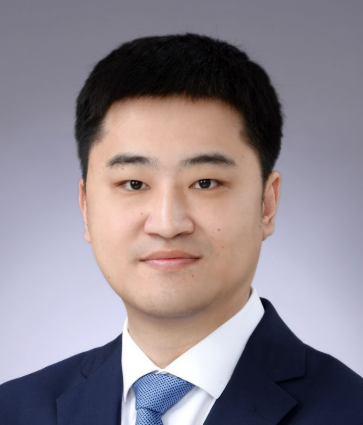 Xun Gong (宫洵)合作论文数School of Artificial Intelligence, Jilin University65
 ZHAO Jing-hua合作论文数25Ping Wang (王萍)合作论文数College of Communication Engineering,Jilin University,Changchun ,China22
 Jinwu Gao (高金武)合作论文数College of Communication Engineering, Jilin University20
 Yao Sun (孙耀)合作论文数College of Automotive Engineering, Jilin University17
 Ting Qu (曲婷)合作论文数College of Automotive Engineering, Jilin university16
 Fang Xu (许芳)合作论文数College of Communication Engineering, Jilin University14
 Qifang Liu (刘奇芳)合作论文数College of Communication Engineering, Jilin University11
 Lulu Guo合作论文数State Key Lab. of Automotive Simulation & Control, Jilin Univ.;c;State Key Lab. of Automotive Simulation & Control, Jilin Univ.9
 Bingzhao Gao (高炳钊)合作论文数School of Automotive Studies, Tongji University9
 Zhongbo Sun合作论文数8
 Chong Zhang合作论文数8
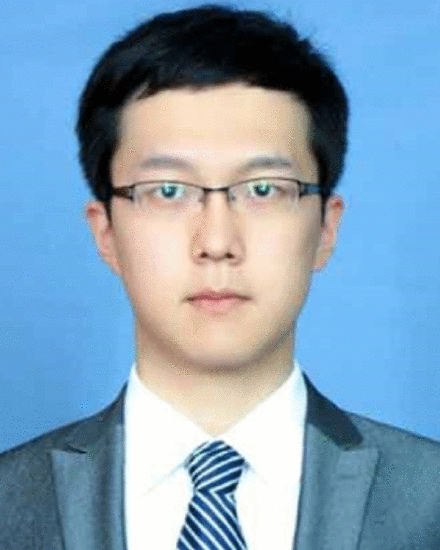 Liang Lu合作论文数8
 WanLi Gu (顾万里)合作论文数8
 Yan Ma (马彦)合作论文数National Key Laboratory of Automotive Chassis Integration and Bionics, Department of Control Science and Engineering, College of Communication Engineering, Jilin University8
 Hui Zhang (张辉)合作论文数School of Transportation Science and Engineering, Beihang University7
 Pengyuan Sun合作论文数7
 Shuo Cai合作论文数6
 Zhao Jing (景钊)合作论文数School of Aeronautics, Northwestern Polytechnical University6
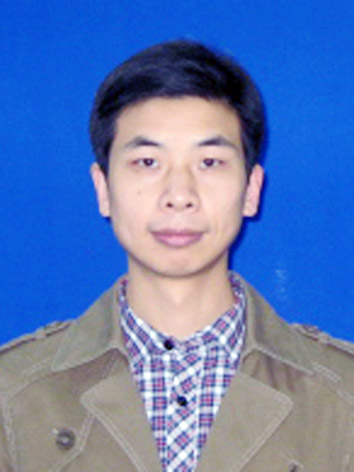 Bo Wang (王波)合作论文数College of Communication Engineering, Jilin University6Lin Zhang合作论文数5Baolin Ma (马宝琳)合作论文数5
 Jieyu Wang合作论文数5GuangXin Han (韩光信)合作论文数5
 Haitao Ding (丁海涛)合作论文数College of Automotive Engineering, Jilin university5
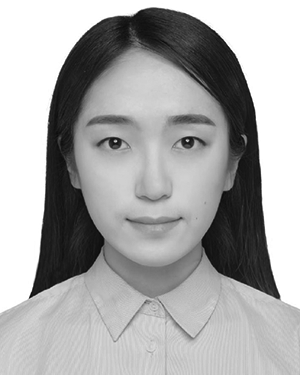 Mengge Sun合作论文数4Hui-ce YANG (杨惠策)合作论文数4Yuhao Wang合作论文数4
 Xiao Hu合作论文数4
 Huan Chen合作论文数4Bing-jing JIANG (蒋冰晶)合作论文数4
 Hongyan Guo (郭洪艳)合作论文数College of Communication Engineering, Jilin University;State Key Laboratory of Automotive Simulation and Control, Jilin University4
 Shuyou Yu (于树友)合作论文数Department of Control Science & Engineering, College of Communication Engineering, Jilin University4
 Fangxi Xie (解方喜)合作论文数College of Automotive Engineering, Jilin university4
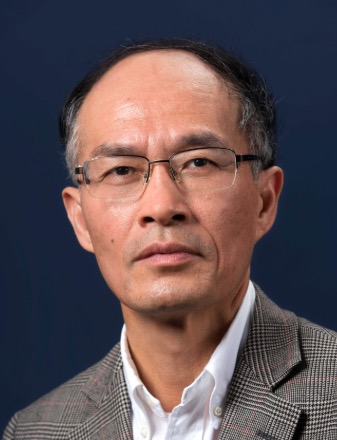 Feiyue Wang (王飞跃)合作论文数The State Key Laboratory for Management and Control of Complex Systems, Institute of Automation, Chinese Academy of Sciences;University of Chinese Academy of Sciences4Yanan Fan合作论文数4Hang Gao合作论文数3Jinlong Hong合作论文数3
 Zhenjiang Tan合作论文数3
 Tingting Wang (王婷婷)合作论文数College of Communication Engineering, Jilin University3Xingquan Gao合作论文数3
 Zhongchao Liang (梁忠超)合作论文数School of Mechanical Engineering and Automation, Northeastern University3
 Yong Fu Li合作论文数3Zhengchao Xie (谢正超)合作论文数School of Mechanical & Automotive Engineering, South China University of Technology3
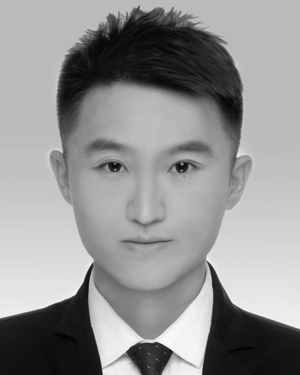 Meng Li合作论文数3
 Pak Kin Wong (王百鍵)合作论文数Department of Electromechanical Engineering, Faculty of Science and Technology, University of Macau;Graduate School, University of Macau3
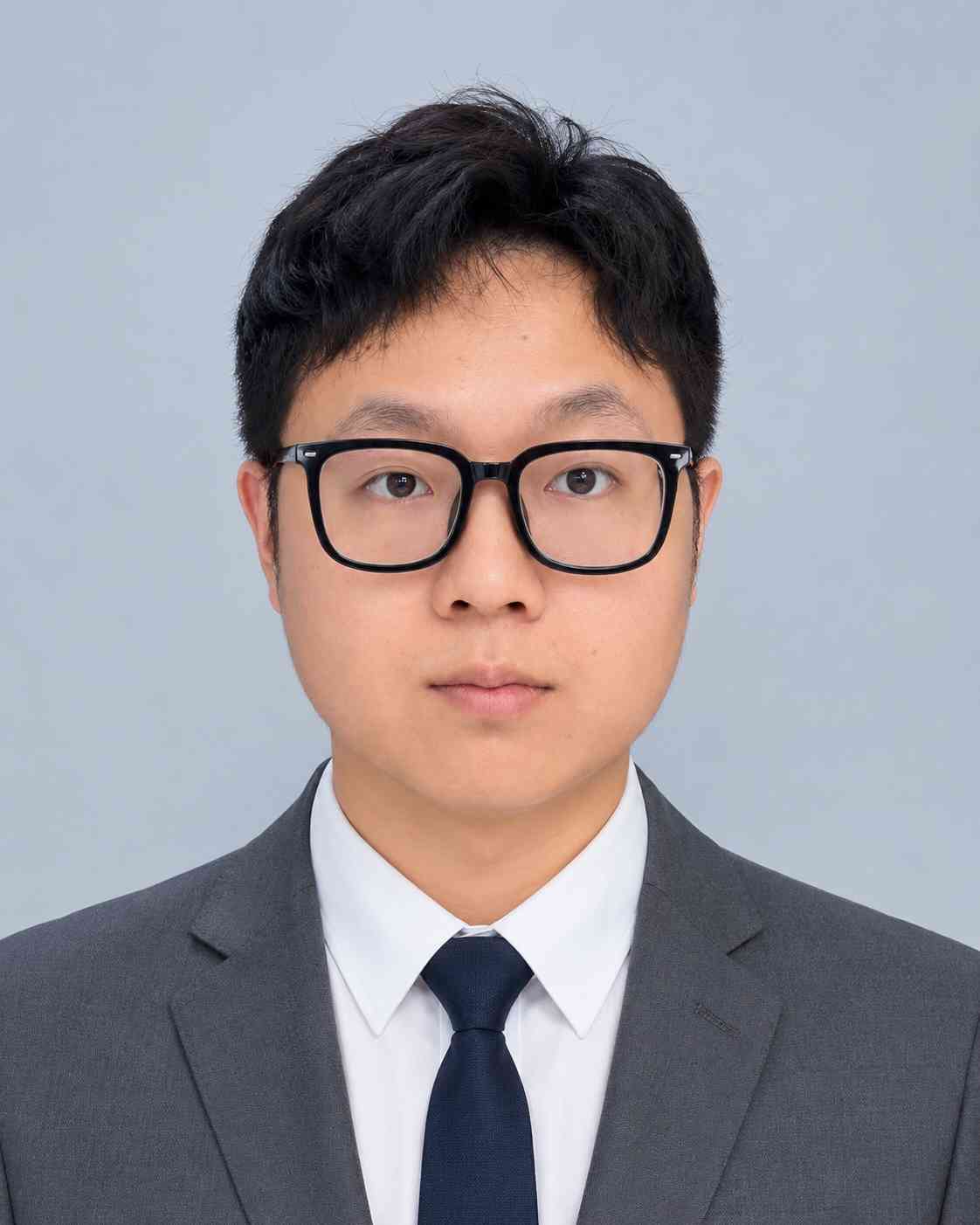 Jiawei Liu (刘嘉威)合作论文数School of Artificial Intelligence, Jilin University;Agency for Science, Technology and Research2




