Objective:To present a new method of vermilion tubercle reconstruction in secondary cleft lip repair.Methods:39 secondary cleft lip repair patients underwent the operation of vermilion tubercle reconstruction with a vermilion flap transferred vertically. The procedures of the reconstruction mainly included three processes, restoring the vermilion tubercle tissue in the cleft area, widening the vermilion with the vermilion flap, and augmenting the volume of the tubercle with the muscle tissue underlying that vermilion flap. The width of the vermilion and the projection of the vermilion tubercle were measured before and after operation, and then two sets of data were analyzed with paired-samples t test. A patient satisfaction survey was performed postoperatively to evaluate the effect of the reconstruction.Results:The reconstructions of vermilion tubercle were successful in all patients and no complications occurred. The most of new vermilion tubercles located in midline and appeared plump. Follow-up had been completed in 28 patients and the average follow-up period was (9.71±5.02) months. The effective vermilion width increase was from (5.32±0.91) mm, (3.98±0.89) mm, (4.30±0.86) mm before operation to (6.35±0.87) mm, (7.75±1.03) mm, (7.48±0.97) mm after operation in the midline of lip, the peak of cleft side and the midline of short arm, respectively. The postoperative width of vermilion in the cleft side was widened significantly. The projection of the tubercle was increased significantly from (0.38±0.46) mm to (0.83±0.51) mm. 96.4% (27) patients achieved satisfied results of vermilion tubercle reconstruction after operation.Conclusions:The vermilion flap transferred vertically has been found to be an effective method of vermilion tubercle reconstruction in the secondary repair of cleft lip.
目的 探讨内窥镜辅助下腋窝入路假体隆乳术的术后长期效果.方法 回顾分析自2014年7月至2016年12月,实施内窥镜辅助下腋窝入路双平面假体隆乳术的53例患者,术后随访时长均大于18个月.测量术后乳房各径线,对各项与假体隆乳相关的并发症进行评估,对患者术后满意度进行评估.结果 患者双侧锁乳线、胸乳线长度及经乳头胸围,术后均较术前明显增加(P<0.05),而经下皱襞胸围术前、术后无统计学差异(P>0.05).共有29例患者在术后出现各类并发症,其中绝大多数患者(98%)属于轻症并发症(如乳头感觉改变、乳房假体边缘可触及),仅1例患者(2%)出现严重并发症(Ⅲ~Ⅳ级包膜挛缩).结论 内窥镜辅助下腋窝入路双平面假体隆乳可明显增大患者乳房体积,并发症少,值得临床推广应用.
Low-temperature solution processing of p-type transparent conducting oxides (TCOs) will open up new opportunities for applications on flexible substrates that utilize low-cost, large-area manufacturing. Here, we report a facile solution synthesis method that produces two p-type TCO thin films: copper chromium oxide and copper-doped chromium oxide. Using combustion chemistry, both films are solution processed at 180 °C, which is lower than most recent efforts. While adopting the same precursor preparation and annealing temperature, we find that annealing environment (solvent vapor vs open air) dictates the resulting film phase, hence the optoelectronic properties. The effect of annealing environment on the reaction mechanism is discussed. We further characterize the electronic, optical, and transport properties of the two materials, and compare the differences. Their applications in optoelectronic devices are successfully demonstrated in transparent p-n junction diodes and as hole transport layers in organic photovoltaic devices.
Purpose: Lip volume insufficiency, a result of various types of congenital or acquired deformity, has a significant impact on patients' appearance and self-esteem. It is difficult for surgeons to achieve satisfactory results with filler injections because the subunit is not reconstructed, which leads to disappointing long-term results. This article recommended an efficient remedy for lip atrophy. Methods: Fifty-two patients with congenital cleft lip and acquired lip atrophy underwent autologous fat grafting treatment from August 2012 to July 2017. They were compared pre- and postoperatively. To treat lip tissue insufficiency, a fork-shaped head cannula was used. Fat was harvested from the gluteal fold and injected into various labial zones at different depths and angles in order to reconstruct satisfactory lip appearance and achieve positive long-term effects. To optimize lip shape and volume, the localization, depth and angle of the injections were of critical importance. Results: Digital images showed significantly improved aesthetic outcomes from preoperative values of 3.2 +/- 0.3 cm(2) to postoperative values of 5.8 +/- 0.4 cm 2 (p < 0.001). The effective corrective rate was 83.2 +/- 8.1%. For the total fifty two treated patients, forty eight patients were scored 0-2 and four were 3-5 by a panel of three plastic surgeons; while the patient self-evaluation scores were: forty six scored 0-2 and six scored 3-5. Conclusion: The results of this study suggested this remedy for lip atrophy is efficient: autologous fat-harvested from the gluteal fold with a fork-shaped head cannula-is injected into different labial zones at various depths and angles.
Objective To explore the features of magnetic resonance imaging (MRI) and removal procedures of the polyacrylamide hydrogel (PAAG) injections from the breast.Methods From January 2015 to December 2016,113 continuous cases of breast PAAG implants were involved into this study.Features of MRI,characteristics of PAAG and tissue changes around PAAG were recorded and analyzed.Results The PAAG was demonstrated high T2 signals on MRI that was consistent with the surgical findings.In total of 226 breasts,the PAAG injected implants were removed with peri-areolar incision approach,and PAAG in free state was squeezed and capsular or infiltrated tissues were dissected.In 15 breasts,capsules were thin with no infiltrated tissue.In other 211 breasts,a lot of PAAG infiltrated tissues were observed and these infiltrated tissues included gland,fat tissue,pectoralis major muscle,pectoralis minor muscle or intercostal muscles.Conclusions In these cases,PAAG has been injected into breasts for 7 to 20 years.For such long period,PAAG infiltrated tissues present a lot of difficulties and more complicated to remove.Dissection is the strategy we recommend.
The therapeutic method traditionally used in bone defect reconstruction is autologous bone grafting. The most common problems affecting this type of repair approach are bone absorption and donor trauma. The approach taken in this study overcomes these problems. Bone marrow stromal cells (BMSCs) provided the crucial seed cells. Fibrin biological scaffolds were formed by combining the BMSCs with concentrated growth factor (CGF). BMSCs were isolated from Wistar rat femurs; CGF was prepared from rat heart blood. Five repair groups were created for comparative purposes: (A) CGF + BMSCs; (B) CGF; (C) collagen + BMSCs; (D) collagen; (E) blank. After three months, the rats were sacrificed, and histopathology and three-dimensional CT images produced. Bone regeneration was significantly higher in the (A) CGF + BMSC group; osteogenesis was lower in the (B) CGF and (C) collagen + BMSC groups, at very similar levels; the (D) collagen and (E) blank groups scored the lowest results. Our research suggests that combining CGF with BMSCs leads to the formation of fibrin scaffolds that have a powerful effect on osteogenesis as well as a subsidiary angiogenic effect. SEM images of the CGF scaffolds cultured with BMSCs confirmed good CGF biocompatibility. The superior osteoinductive activity of the CGF + BMSC combination makes it an excellent biomaterial for bone regeneration.
Objective Secondary deformities are common in people born with unilateral cleft lip and palate.In recent years,more and more attempts and efforts have been directed toward the restoration of normal muscle anatomy.The authors present a new method of orbicularis oris repair in secondary cleft lip repair.Methods From July 2009 to December 2011,24 patients underwent this procedure in the authors' department.Muscle reconstruction was divided into three units that dealed with the nasal base,white lip and red lip.Common anatomic pathologies including the displacement of upper lip,flared ala,blunted ala-facial groove,depressed nasal floor,lateral bulge,lack of philtrum column,free border deficiency and unapparent vermilion tubercle were corrected in a single operation.Results The average follow-up period was 16.79±6.23 months.No major complications occurred.All the patients were satisfied with their nasolabial appearance.Conclusions "Three-unit" muscle repair has found to be effective and practical in secondary repair.Favorable results demonstrate that improved aesthetic and functional results can be achieved with this comprehensive procedure.
Concentrated growth factor is the latest third-generation platelet concentrate. CGF promotes the in vitro osteogenic differentiation of bone marrow-derived stromal cells. It enhances the viability of BMSCs, suppresses apoptosis and promotes the expression of the OPN and Runx2 osteogenesis genes. ALP staining, Alizarin Red staining and Von Kossa staining demonstrate the differences between groups. Our results confirm the value of a therapy combining CGF with BMSCs in bone regeneration and indicate the optimal CGF concentration and cell proliferation time.
Objective To explore the significance of accurate measurement of breast volume by 3D scan in selecting breast aug-mentation models. Methods The patients with breast asymmetry underwent breast augmentation. 3D scanning and accurate volume cal-culation were performed before the operation. The prostheses were selected according to measurement results. Results Twenty patients were admitted in this study. There were 13 patients with bilateral breast size difference of 10 ml to 20 ml. They chose the same type of bi-lateral breast implant. Other patients with bilateral breast size difference of 37 ml to 110 ml chose a different type of bilateral breast imp lant. The absolute value of bilateral breast volume difference between pre- and postoperation was (27.4±3.7) ml and (12.7±4.7) ml, respec-tively. The difference was statistically significant (P<0.05). Conclusion Breast volume measurement by digital imaging before surgerycan provide an objective basis for prosthesis selection. It improves the effects of surgery and patients’satisfaction with breast prosthesis implant.
The sputtering of Mo Spindt emitter due to the gate absorbent are observed when nA level emission current is collected by the gate for a duration of tens of seconds under a vacuum of 1×10 -7 Torr.
Doping in an organic photovoltaic (OPV) device can largely impact its performance. In this work, it is discovered that n‐type electrical doping in the poly(3‐hexylthiophene):[6,6]‐phenyl‐C61‐butyric acid methyl ester active layer can be induced by a certain electron transport layer (ETL), particularly branched polyethylenimine (PEI). Consequently, OPV devices with different ETLs exhibit dramatically different current density–voltage behaviors and external quantum efficiency (EQE) spectra. Using drift‐diffusion modeling, Hall effect, and capacitance–voltage measurements, it is shown that the difference in EQE spectra originates from the different background carrier type and concentration in the OPV active layer, dictated by the specific properties of ETL. Factors that influence electrical doping and device behaviors, such as difference between PEI and another polymeric ETL, polyethylenimine ethoxylated, and the active layer thickness and energy of negative integer charge‐transfer state are elucidated. These findings provide insight into material selection and device design for organic electronic devices.
Nipple reconstruction is an important last step in the process of autologous or implant-based breast reconstruction. A multitude of techniques have been described, among others the S-flap. To prevent nipple retraction after surgery, we modified the originally described method by Cronin.
Objective To discuss the feasibility and clinical effect of the nasal base reduction with internal nasal incisions and tightening nasolabial bundles of orbicularis oris.Methods From January 2014 to June 2015, 16 patients of broad nasal base were treated with nasal base reduction. During operations, we employed the internal nasal incisions and released the pyriform ligaments, then tightened nasolabial bundles of orbicularis oris. All of patients were followed up to observe the long-term effect. The interalar to intercanthal ratio was measured in pre-operation and post-operation, then two sets of data were analyzed with t test.Results 6-18months follow-up had been completed in 16 patients. No severe complication was observed. 93.8% patients achieved satisifed results with reductive nasal base width and natural appearance at 6 months after operation.Conclusion The nasal base reduction with internal nasal incision and tightening nasolabial bundles of orbicularis oris is a reliable and effective surgical manipulation.
Objective To evaluate the therapeutic effect of autologous fat grafting in secondary cleft lip.Methods Grafting of autologous fat granules was applied to correct lip under-capacity.The technique was used in 40 patients with secondary cleft lip from June 2011 to December 2015.The ratios between the point of upper lip peak to vermilion height and to white lip height on the affected side were measured by Photoshop CS6.Results Satisfactory results were achieved with all 40 patients;the lip contour and morphology improved.The preoperative ratio was 0.417±0.190 and the postoperative ratio was 0.499±0.197, which increased average 26.02%, with statistically significant (P<0.05).Conclusions Autologous fat grafting to correct lip under-capacity with secondary cleft lip is a safe, effective and micro-invasive method which can be sustained over a lengthy period.
Objective To evaluate the safety of L-shaped polyethylene sheet implant for nasal elongation. Methods From January 2007 to December 2009, 78 patients received nose elongation were concluded for retrospective study. 38 patients received L-shaped polyethylene sheet implantation were involved in observation group, while 40 patients without polyethylene sheet implantation were involved in control group. All occurring complications were recorded. The incidence of complications was analyzed by Fisher's test. Results Patients were followed up for average 30.6 months (18 months to 5 years). In observation group, the incidence of complications was 7.8 %, and one major complication was observed during the follow-up period. In control group, the incidence of complications was 12.5% without major complication. The exact probability showed no significant difference between the observation and control group. Conclusion The high density polyethylene is a kind of safe and effective implant material for nasal elongation.
OBJECTIVE:This study aimed to explore the influence of traditional Chinese medicines: Salvia miltiorrhiza on the survival of auto-transplantation of adipose tissue in a rabbit model.METHODS:Minced adipose tissue harvested from the scapular region was transplanted into the dorsum of the ears of New Zealand rabbits. The experimental groups were intra-peritoneally injected with S. miltiorrhiza for a total 4 weeks. The rabbits in control group were intra-peritoneally injected with normal saline. Plasma VEGF levels were assayed at week 1, 2, 4, 6, and 8 after fat tissue auto-transplantation in the dorsum of rabbit ears. Graft samples were collected and measured at week 2, 4, and 12. Survival rates were calculated, and histologic morphology was evaluated. The expression of CD31 was detected by means of immune-histochemical staining to observe neo-vascularization of the auto-transplanted fat tissue. Perilipin was detected by means of immune-histochemical staining to observe the survival of fat cells.RESULTS:At 12 weeks, the survival rates in the experimental group were statistically greater than that in the control group, respectively (p < 0.05). Plasma levels of VEGF in the experimental group at different time points were significantly higher than that in the control group (p < 0.05). Histologically, grafts in the experimental group showed better survival of adipocytes and neo-vascularization. By perilipin immuno-histochemical staining, the experimental group demonstrated better adipocyte survival.CONCLUSIONS:In the rabbit model, S. miltiorrhiza can promote the neo-vascularization of adipose tissue grafts and significantly improves the survival rate of auto-transplanted adipose tissue.NO LEVEL ASSIGNED:This journal requires that authors assign a level of evidence to each submission to which Evidence-Based Medicine rankings are applicable. This excludes Review Articles, Book Reviews, and manuscripts that concern Basic Science, Animal Studies, Cadaver Studies, and Experimental Studies. For a full description of these Evidence-Based Medicine ratings, please refer to the Table of Contents or the online Instructions to Authors www.springer.com/00266.
Background: Secondary deformities are common in people born with unilateral cleft lip and palate. In recent years, more and more attempts and efforts have been directed toward muscle reconstruction. The authors present a new method of orbicularis oris repair in correction of secondary cleft lip deformities.Methods: From April 2009 to April 2013, a total of 28 patients underwent this procedure in the authors' department and had a follow-up with a minimum length of 1 year. Muscle reconstruction was divided into three units that deal with the nasal floor, white lip, and red lip. Common anatomical pathologies including a deviated columella, blunted alar-facial groove, lack of philtral column, "free border" deficiency, and unapparent vermilion tubercle can be corrected in a single operation.Results: The average follow-up period was 14.6 months (range, 12 to 24 months). Contractubex gel (Merz Pharma, Frankfurt, Germany) was used to treat prominent or reddish scars in 16 patients. No major complications occurred. All the patients were satisfied with their nasolabial appearance.Conclusions: "Three-unit" muscle repair was found to be effective and practical in secondary repair. Improved aesthetic and functional results can be achieved with this comprehensive procedure.
In this paper, we propose a novel online visual tracking algorithm using ensemble color feature. Visual tracking has long been one of the most important topics in computer vision. In recent years, significant progress has been achieved by the state-of-the-art tracking algorithms. However, some challenging problems still remain unsolved. One general problem is that it is difficult for a tracking algorithm to achieve both high accuracy and efficiency. More specifically, most tracking algorithms base on the hypothesis that the tracking object is a rigid body. Thus, some visual features are disabled when the hypothesis is invalid. Meanwhile, the existing trackers tend to fail when the target object changes poses, because such changes lead to the dramatic mismatch between the momentaneous appearance model and the learned one. The last problem is especially serious when the tracking targets are pedestrians, which suffer irregular pose and shape changes while they walk or run. The proposed algorithm applies ensemble color feature model. It takes pedestrians' physiological structure into consideration, and takes advantage of color histogram information under several color spaces, including the RGB, normRGB, HSV, and Lab. Since histogram is a statistic-based feature, and the garments of pedestrians provide abundant color information, our appearance model using ensemble color feature is more robust to pose and shape changes. Experiments on Caltech Pedestrian Database with evaluation of the state-of-the-art algorithms show better performance of the proposed algorithm.
Object tracking is one of the most important topics in computer vision. While the state-of-the-art tracking algorithms achieved great success, there are still some challenging problems to be solved. Firstly, it remains a tough task to develop a tracking algorithm with both accuracy and efficiency. Secondly, the ground truth is often given by a rectangular bounding box, which contains not only the target, but also the background pixels. The background pixels in the initial bounding box will mislead the appearance model of the target. Thirdly, most features for representing the target only use the gray scale information, and are not robust to pedestrians. The third problem is especially serious when the targets are pedestrians, which have colorful cloths on them, and change their pose and shape while walking. In this paper, we propose a novel saliency-based H-S histogram algorithm. Saliency detection can efficiently delete most of the background pixels, which makes the appearance model more accurate. H-S histogram is a statistic-based feature, which is more robust to shape deformation, and the color information is considered in the H-S channels. Experiments on Caltech pedestrian database show the proposed method can handle some hard cases, and achieves a higher success rate.
BACKGROUND:Autologous free-fat transplantation is limited by fat absorption and fibrosis due to fat necrosis. In this study, we explored the feasibility of using bone mesenchymal stem cells (BMSCs) transfected by vascular endothelial growth factor (VEGF) 165 gene to improve the survival of transplanted fat tissues in a rat model. METHODS:Bone mesenchymal stem cells with (group A) and without (group B) VEGF165 gene transfection were each mixed with free transplanted fat tissue; then, they were injected subcutaneously at sites on the backs of 36 Sprague-Dawley rats. A control group (group C) was established by using low-glucose Dulbecco modified Eagle medium. The transplants from groups A, B, and C were gathered respectively at 30, 90, and 180 days after transplantation. Transplanted tissue volume and histology were evaluated, and revascularization was quantified by counting the number of capillaries. RESULTS:The survival rate of the A group was significantly higher than that of the B group (P < 0.05), which was significantly higher than that of the C group (P < 0.05). Histologic analysis revealed that both groups A and B had significantly less fat necrosis and fibrosis (P < 0.05). Group A had significantly higher capillary density than the other 2 groups (P < 0.05), and its chloromethyl-1-1'-dioctadecyl-3,3,3', 3'-tetramethylindocarbocyanineperchlorate-labeled BMSCs were also von Willebrand factor positive. CONCLUSIONS:When transfected by the VEGF165 gene, the BMSCs of a rat can better promote the regeneration of capillaries, which can improve the survival rate of transplanted free-fat tissue. This experiment combined correlative theory and techniques of stem cell research, genetic technology, and autologous free-fat transplantation. It may provide a new way to improve the survival of tissue undergoing autologous free-fat transplantation.
 Chang Zhu (朱昌)合作论文数.Department of Plastic and Reconstructive Surgery,Shanghai Ninth People′s Hospital,Shanghai Jiaotong University School of Medicine,Shanghai ,China.27
 Danning Zheng (郑丹宁)合作论文数Shanghai Ninth People's Hospital, Shanghai Jiaotong University School of Medicine17
 Li Yu (郁利)合作论文数Department of Stomatology, Renji Hospital, School of Medicine, Shanghai JiaoTong University8
 Chuan Yang (杨川)合作论文数.Department of Plastic and Reconstructive Surgery,Shanghai Ninth People's Hospital,Shanghai Jiaotong University School of Medicine,Shanghai ,China.6
 Wei-feng TIAN (田炜烽)合作论文数5Xia Chen合作论文数5XiaoFei Xu (徐晓斐)合作论文数3ZhiHua Jin (金志华)合作论文数3Jia Zhou (周佳)合作论文数3Chang Lei合作论文数3
 Jian Wang合作论文数2honghua yang (杨红华)合作论文数2
 Yi Xu (徐奕)合作论文数School of Integrated Circuits, Shanghai Jiao Tong University2Qi Fan合作论文数2Qi FAN (樊奇)合作论文数2HaiTing Xu (徐海艇)合作论文数2PeiQing Huang (黄培清)合作论文数2
) Hao Wang (王昊)合作论文数School of Aeronautics and Astronautics, Zhejiang University2
Hao Wang (王昊)合作论文数School of Aeronautics and Astronautics, Zhejiang University2 Qingfeng Li (李青峰)合作论文数Shanghai Ninth People's Hospital, School of Medicine, Shanghai Jiao Tong University2
 Julia W. P. Hsu合作论文数Erik Jonsson School of Engineering and Computer Science, The University of Texas at Dallas2Yun-Ju Lee合作论文数1Qiongzhen Luo合作论文数1
 Trey B. Daunis合作论文数Max-IR Labs., LLC (United States)1Yan-bing ZHONG (仲雁兵)合作论文数1Tao Zheng合作论文数Southern Methodist University1Huaian LIN (林怀安)合作论文数1Xin-tang LI (李欣唐)合作论文数1
 Liang Xu合作论文数1Pengfei Li (李鹏飞)合作论文数1Jing WANG (汪景)合作论文数1Hai-ting XU (徐海艇)合作论文数1Juan AN (安娟)合作论文数1De-long LI (李德龙)合作论文数1LiXiang Yao (姚荔湘)合作论文数1ZeHui Ma (马泽辉)合作论文数1JianRen Yang (杨建仁)合作论文数1JinBiao Liu (刘金标)合作论文数1Yi Ceng (曾奕)合作论文数1XianMing Pan (潘显明)合作论文数1YiFan Zhang (张一凡)合作论文数1Bing Deng (邓冰)合作论文数1Hua Lei (雷华)合作论文数1Ping Zhu (朱平)合作论文数1
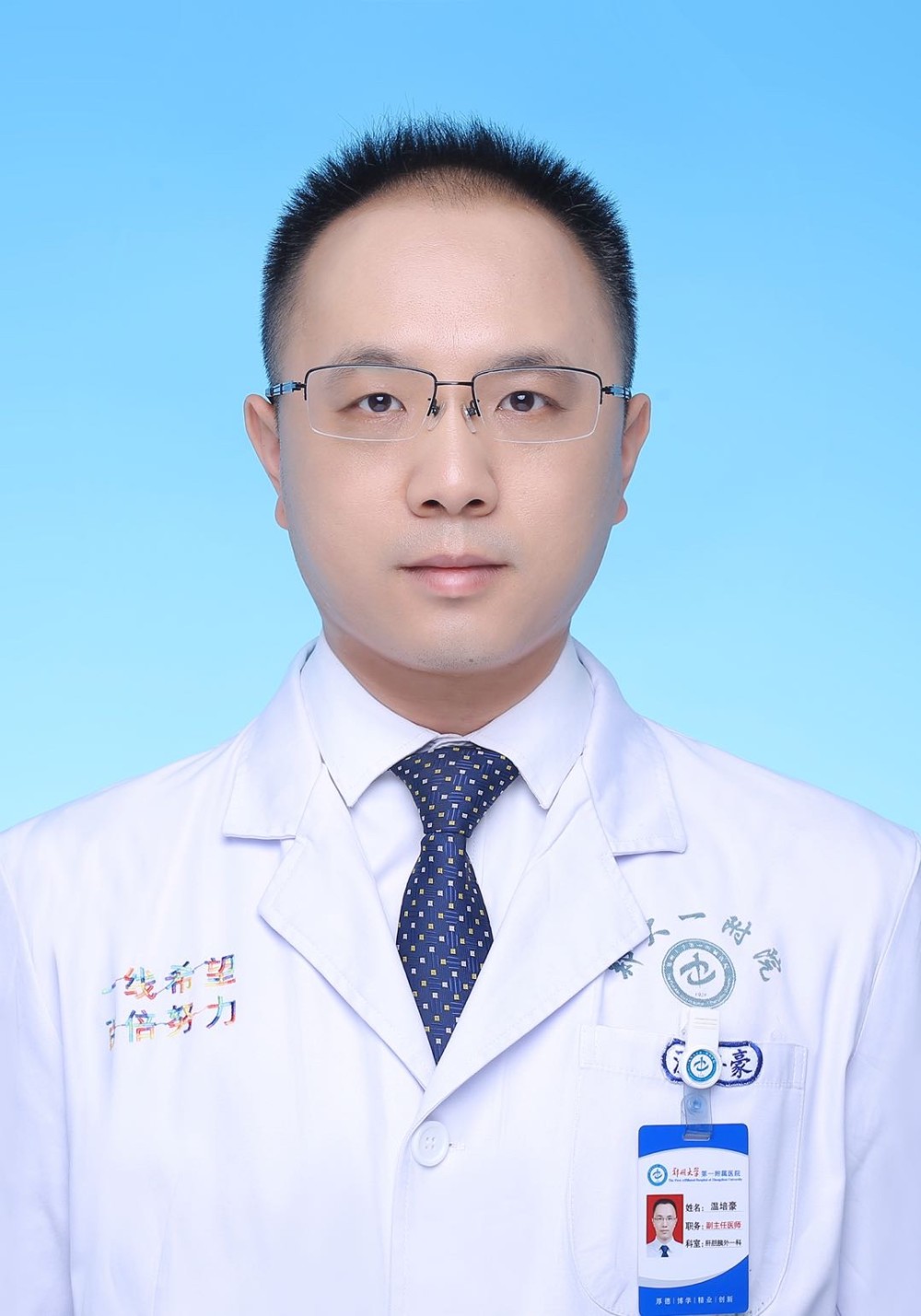 Peihao Wen (温培豪)合作论文数The First Affiliated Hospital of Zhengzhou University1




