Dexterous hand motor functions are highly flexible and finely controlled by complex neural commands from the motor cortex. However, in patients with brain injuries such as stroke, restoring fine motor control from the perilesional cortex remains extremely challenging. A major obstacle is the absence of appropriate non-human primate models to elucidate the behavioral and neural signatures of hand motor function during recovery following treatments. Here, we present a new non-human primate model that reflects the motor function recovery processes following lesion-induced hand paralysis after contralateral C7 nerve transfer (CC7) surgery, which establishes a new neural pathway from the ipsilateral cortex to control the paralyzed hand. By developing a hand reach-to-pinch task and quantifying finger kinematics, we established systematic, objective profiles of fine motor recovery in human patients and monkey models following CC7 treatment. Furthermore, when considering behavioral aspects, spontaneous recovery of hand motor skills was notably limited in human patients and monkey models, as indicated by the consistently abnormal “thumb-in-palm” patterns observed in finger kinematic analysis. However, the CC7 surgery gradually restored the finger kinematic patterns during hand-pinch actions to nearly identical patterns to those of the healthy hand. In addition, the human functional MRI and macaque electrophysiology results revealed, on a neural level, the emergence of a new command area and its spiking-based motor-command refinements specifically for the paralyzed hand in the contralesional M1 and premotor cortex (PMC) after CC7 treatment. Thus, our findings strongly support the notion that modifying peripheral nerve pathways greatly promotes the recovery of dexterous motor function in a paralyzed hand by reconstructing new motor-control neural mechanisms within the ipsilateral healthy motor cortex.
Schizophrenia is a devastating and complex neurological disorder with poorly understood neurodevelopmental origins. Current rodent models often fail to fully capture human symptomology, hindering therapeutic development. We generated a germline-transmissible DISC1 mutant model in cynomolgus macaques using CRISPR-Cas9 targeting of exon 9. F0 founders and their F1 heterozygous offspring displayed increased stereotypic behaviors and self-injury, reduced exploration, social withdrawal, and sleep fragmentation. Fluoxetine partially ameliorated these behaviors in one founder. Neuroimaging revealed enlarged dorsal striatum (suggesting dopaminergic hyperfunction) and reduced medial amygdala (associated with emotional dysregulation). Plasma metabolomics indicated elevated dopamine and 3-methoxytyramine alongside decreased serotonin metabolite hydroxyindoleacetic acid (HIAA). Notably, one mosaic male exhibited enhanced visual precision and aberrant multisensory integration. Single-nuclei RNA sequencing of the dorsolateral prefrontal cortex revealed an excitatory/inhibitory imbalance-specifically, reduced parvalbumin-positive interneurons and synaptic dysregulation-accompanied by downregulation of autism-risk genes. These macaques recapitulate key psychiatric phenotypes including social deficits, aggression and anxiety, providing a valuable model for screening and testing of targeted therapeutics.
Conscious access is thought to involve two main stages: transient linear encoding of the objective sensory stimulus, followed by nonlinear bifurcation towards a sustained state of activity (ignition) encoding the subjective percept. To test this hypothesis, we recorded thousands of neurons in the prefrontal cortex (PFC) of monkeys trained to perform a sequence working memory (WM) task with masked visual stimuli of variable contrast, thus modulating their subjective visibility. PFC responses revealed the predicted sequence of linear and nonlinear processing stages as a function of stimulus contrast. Crucially, both stages were instantiated by orthogonal neural subspaces within the same PFC neurons. A shared entry subspace transiently encoded objective sensory inputs, while rank-ordered WM subspaces exhibited all-or-none bifurcations towards sustained states. On error and stimulus-absent trials, endogenous neural signals competed with objective inputs within the entry subspace, and only rank subspace ignition predicted upcoming responses. Routing from the entry to the WM subspace was not automatic but involved an active gating process which vanished when the animal was distracted. Thus, within local PFC, multiple neural subspaces implement the successive neural processes underlying conscious access.
The ability to evaluate one's own memory is known as metamemory. Whether metamemory is inherent to memory strength or requires additional computation in the brain remains largely unknown. We investigated the metacognitive mechanism of working memory (WM) using two-photon calcium imaging in the prefrontal cortex (PFC) of macaque monkeys, memorizing spatial sequences of varying difficulties. In some trials, after viewing the sequence, monkeys could opt out of retrieval for a smaller reward, reflecting their confidence in WM (meta-WM). We discovered that PFC neurons encoded WM strength by jointly representing the remembered locations and their associated uncertainties. Additional factors-trial history and arousal-encoded in baseline activity also predicted opt-out decisions, serving as cues for meta-WM. We further identified a code for meta-WM itself that integrated WM strength with these cues. Thus, the PFC neural geometry implements metacognitive computations, integrating WM strength with cues into a meta-WM signal to guide behavior.
Artificial intelligence-driven techniques for pose estimation and behavior analysis represent a significant advancement in the elucidation of precise movement trajectories and behavioral components in freely moving animals. However, comprehending the underlying temporal dynamics of these trajectories remains challenging due to the dearth of effective analytical instruments. In order to decipher the nuanced body language inherent in behavioral dynamics at a sequential level, we introduce BL-BERT, a computational framework rooted in Bidirectional Encoder Representation from Transformers (BERT). This framework discerns stereotypical behavior sequences exhibited by freely moving mice, elucidating behavioral dynamics in a linguistically comprehensible manner. BL-BERT discerns salient behavior sequences from input behavior modules, as evidenced by its performance on a custom dataset of interactions among free-moving mice. Diverging from conventional Markov models, BL-BERT unfolds the recurrent structure of behavior sequences, rendering it more interpretable. BL-BERT offers a novel way to apprehend the hierarchical organization of intricate animal behaviors, with promising prospects for widespread applicability across various behavioral paradigms.
Our brain is remarkably limited in how many items it can hold simultaneously, but it can also represent unbounded novel items through generalization. How the brain rationally uses limited resources in working memory (WM) remains unexplored. We investigated mechanisms of WM resource allocation using calcium imaging and electrophysiological recording in the prefrontal cortex of monkeys performing sequence WM (SWM) tasks. We found that changes in the neural representation of SWM, including geometry, generalizable and separate rank subspaces, reflected WM load. SWM resources, represented by neurons' signal strength and spatial tuning projected onto each rank subspace, were shared flexibly between ranks. Crucially, the prefrontal cortex dynamically utilized shared tuning neurons to ensure generalization, while engaging disjoint and spatially shifted neurons to minimize interference, thus achieving a trade-off between behavioral and neural costs within capacity. The allocated resources can predict monkeys' behavior. Thus, the geometry of compositionality underlies the flexible use of limited resources in SWM.
The ability to evaluate one’s own memory is known as metamemory. Whether metamemory is inherent to memory strength or requires additional computation in the brain remains largely unknown. We investigated the metacognitive mechanism of working memory (WM) using two-photon calcium imaging in the prefrontal cortex of macaque monkeys, who were trained to memorize spatial sequences of varying difficulties. In some trials, after viewing the sequence, monkeys could opt out of retrieval for a smaller reward, reflecting their confidence in WM (meta-WM). We discovered that PFC neurons encoded WM strength by jointly representing the remembered locations through population coding and their associated uncertainties. This WM strength faithfully predicted the monkeys’ recall performance and opt-out decisions. In addition to memory strength, other factors— trial history and arousal—encoded in baseline activity predicted opt-out decisions, serving as cues for meta-WM. We identified a code of meta-WM itself that integrated WM strength and these cues. Importantly, WM strength, cues, and meta-WM were represented in different subspaces within the same PFC population. The dynamics and geometry of PFC activity implement metacognitive computations, integrating WM strength with cues into a meta-WM signal that guides behavior. ### Competing Interest Statement The authors have declared no competing interest. STI2030-Major Project, 2021ZD0204102 National Science Fund for Distinguished Young Scholars, 32225022 CAS Project for Young Scientists in Basic Research, YSBR-071 Shanghai Municipal Science and Technology Major Project, 2021SHZDZX European Research Council grant, ERC StG 947105-NEURAL-PROB
To process sequential streams of information, e.g., language, the brain must encode multiple items in sequence working memory (SWM) according to their ordinal relationship. While the geometry of neural states could represent sequential events in the frontal cortex, the control mechanism over these neural states remains unclear. Using high-throughput electrophysiology recording in the macaque frontal cortex, we observed widespread theta responses after each stimulus entry. Crucially, by applying targeted dimensionality reduction to extract task-relevant neural subspaces from both local field potential (LFP) and spike data, we found that theta power transiently encoded each sequentially presented stimulus regardless of its order. At the same time, theta-spike interaction was rank-selectively associated with memory subspaces, thereby potentially supporting the binding of items to appropriate ranks. Furthermore, this putative theta control can generalize to length-variable and error sequences, predicting behavior. Thus, decomposed entry/rank-WM subspaces and theta-spike interactions may underlie the control of SWM.
The need for attention to enable statistical learning is debated. Testing individuals with impaired consciousness offers valuable insight, but very few studies have been conducted due to the difficulties inherent in such studies. Here, we examined the ability of patients with varying levels of disorders of consciousness (DOC) to extract statistical regularities from an artificial language composed of randomly concatenated pseudowords by measuring frequency tagging in EEG. The objectives were firstly, to assess the automaticity of the segmentation process and the correlations between the level of covert consciousness and statistical learning capacities; secondly, to identify potential new diagnostic indicators. We observed that segmentation abilities were preserved in some minimally conscious patients, suggesting that auditory statistical learning is an inherently automatic low-level process. Due to significant inter-individual variability, word segmentation might not be robust enough for clinical use. In contrast, temporal accuracy of auditory syllable responses correlates strongly with coma severity.
Diagnosing Disorders of Consciousness (DoC) remains a critical challenge in cognitive neuroscience. In this study we introduce Electroencephalography (EEG)-based brain states as a real-time, bedside tool for assessing dynamic brain connectivity in DoC patients. We analyze EEG data from 237 acute and chronic DoC patients across three centers, identifying five recurrent functional connectivity patterns. The probability of these patterns correlated strongly with consciousness levels, with high-entropy patterns exclusive to healthy controls and low-entropy patterns prevalent in severe DoC, predicting individual recovery outcomes. Real-time testing validated reliable bedside detection of these patterns. Our findings demonstrate EEG's potential for monitoring dynamic brain connectivity, offering insights into the neural basis of consciousness and advancing diagnostic strategies for DoC.
How the brain mentally sorts a series of items in a specific order within working memory (WM) remains largely unknown. We investigated mental sorting using high-throughput electrophysiological recordings in the frontal cortex of macaque monkeys, who memorized and sorted spatial sequences in forward or backward orders according to visual cues. We discovered that items at each ordinal rank in WM were encoded in separate rank-WM subspaces and then, depending on cues, were maintained or reordered between the subspaces, accompanied by two extra temporary subspaces in two operation steps. Furthermore, the cue activity served as an indexical signal to trigger sorting processes. Thus, we propose a complete conceptual framework, where the neural landscape transitions in frontal neural states underlie the symbolic system for mental programming of sequence WM.
To memorize a sequence, one must serially bind each item to its rank order. How the brain controls a given input to bind its associated order in sequence working memory (SWM) remains unexplored. Here, we investigated the neural representations underlying SWM control using electrophysiological recordings in the frontal cortex of macaque monkeys performing forward and backward SWM tasks. Separate and generalizable low-dimensional subspaces for sensory and memory information were found within the same frontal circuitry, and SWM control was reflected in these neural subspaces’ organized dynamics. Each item at each rank was sequentially entered into a common sensory subspace and, depending on forward or backward task requirement, flexibly and timely sent into rank-selective SWM subspaces. Neural activity in these SWM subspaces faithfully predicted the recalled item and order information in single error trials. Thus, compositional neural population codes with well-orchestrated dynamics in frontal cortex support the flexible control of SWM.
To be aware of and to move one's body, the brain must maintain a coherent representation of the body. While the body and the brain are connected by dense ascending and descending sensory and motor pathways, representation of the body is not hardwired. This is demonstrated by the well-known rubber hand illusion in which a visible fake hand is erroneously felt as one's own hand when it is stroked in synchrony with the viewer's unseen actual hand. Thus, body representation in the brain is not mere maps of tactile and proprioceptive inputs, but a construct resulting from the interpretation and integration of inputs across sensory modalities.
According to the language-of-thought hypothesis, regular sequences are compressed in human memory using recursive loops akin to a mental program that predicts future items. We tested this theory by probing memory for 16-item sequences made of two sounds. We recorded brain activity with functional MRI and magneto-encephalography (MEG) while participants listened to a hierarchy of sequences of variable complexity, whose minimal description required transition probabilities, chunking, or nested structures. Occasional deviant sounds probed the participants’ knowledge of the sequence. We predicted that task difficulty and brain activity would be proportional to the complexity derived from the minimal description length in our formal language. Furthermore, activity should increase with complexity for learned sequences, and decrease with complexity for deviants. These predictions were upheld in both fMRI and MEG, indicating that sequence predictions are highly dependent on sequence structure and become weaker and delayed as complexity increases. The proposed language recruited bilateral superior temporal, precentral, anterior intraparietal, and cerebellar cortices. These regions overlapped extensively with a localizer for mathematical calculation, and much less with spoken or written language processing. We propose that these areas collectively encode regular sequences as repetitions with variations and their recursive composition into nested structures.
Natural perception relies inherently on inferring causal structure in the environment. However, the neural mechanisms and functional circuits essential for representing and updating the hidden causal structure and corresponding sensory representations during multisensory processing are unknown. To address this, monkeys were trained to infer the probability of a potential common source from visual and proprioceptive signals based on their spatial disparity in a virtual reality system. The proprioceptive drift reported by monkeys demonstrated that they combined previous experience and current multisensory signals to estimate the hidden common source and subsequently updated the causal structure and sensory representation. Single-unit recordings in premotor and parietal cortices revealed that neural activity in the premotor cortex represents the core computation of causal inference, characterizing the estimation and update of the likelihood of integrating multiple sensory inputs at a trial-by-trial level. In response to signals from the premotor cortex, neural activity in the parietal cortex also represents the causal structure and further dynamically updates the sensory representation to maintain consistency with the causal inference structure. Thus, our results indicate how the premotor cortex integrates previous experience and sensory inputs to infer hidden variables and selectively updates sensory representations in the parietal cortex to support behavior. This dynamic loop of frontal-parietal interactions in the causal inference framework may provide the neural mechanism to answer long-standing questions regarding how neural circuits represent hidden structures for body awareness and agency.
Our brains constantly generate predictions of sensory input that are compared with actual inputs, propagate the prediction-errors through a hierarchy of brain regions, and subsequently update the internal predictions of the world. However, the essential feature of predictive coding, the notion of hierarchical depth and its neural mechanisms, remains largely unexplored. Here, we investigated the hierarchical depth of predictive auditory processing by combining functional magnetic resonance imaging (fMRI) and high-density whole-brain electrocorticography (ECoG) in marmoset monkeys during an auditory local-global paradigm in which the temporal regularities of the stimuli were designed at two hierarchical levels. The prediction-errors and prediction updates were examined as neural responses to auditory mismatches and omissions. Using fMRI, we identified a hierarchical gradient along the auditory pathway: midbrain and sensory regions represented local, shorter-time-scale predictive processing followed by associative auditory regions, whereas anterior temporal and prefrontal areas represented global, longer-time-scale sequence processing. The complementary ECoG recordings confirmed the activations at cortical surface areas and further differentiated the signals of prediction-error and update, which were transmitted via putative bottom-up γ and top-down β oscillations, respectively. Furthermore, omission responses caused by absence of input, reflecting solely the two levels of prediction signals that are unique to the hierarchical predictive coding framework, demonstrated the hierarchical top-down process of predictions in the auditory, temporal, and prefrontal areas. Thus, our findings support the hierarchical predictive coding framework, and outline how neural networks and spatiotemporal dynamics are used to represent and arrange a hierarchical structure of auditory sequences in the marmoset brain.
One of the biggest challenges in cognitive neuroscience is developing diagnostic tools for Disorders of Consciousness (DoC). Detecting dynamical connectivity brain states seems promising, specifically those linked to transient moments of enhanced cognitive states in patients. A growing body of evidence indicates that fMRI brain states properties are strongly modulated by the level of consciousness , as theoretically predicted by whole brain modeling. fMRI-based brain states, however, have very limited practical application due to methodological constraints. In this work we defined EEG-based brain states and explored their potential as a bedside, real-time tool to detect transient windows of enhanced brain states. We analysed data from 237 individual patients with chronic and acute DoCs -100 Unresponsive Wakefulness Syndrome (UWS), 96 Minimally Conscious State (MCS) and 41 acute- and 101 healthy controls obtained in three independent research centers (Fudan hospital in Shanghai, Pitié Salpêtrière in Paris and Purpan hospital in Toulouse). We determined five EEG functional connectivity brain states, and show that their probability of occurrence is strongly related to the level of consciousness. Distinctively, high entropy brain states are exclusively found in healthy subjects, while low-entropy brain states increase their probability with DoC’s severity, spanning from acute unarousable comatose state, to more chronic DoC’s patients, who are awake but show fluctuating (MCS) or absent awareness (VS). Furthermore, the brain state probability distribution of each individual subject —and even the presence of certain key brain states— significantly vary with the patients’ outcome. We also tested whether our procedure has an actual potential for real-time, bedside brain state detection, and proved that we can reliably estimate the concurrent brain state of a patient in real time, paving the way for a broad application of this tool for DoC patients’ diagnosis, follow-up, and neuroprognostication.
How the brain stores a sequence in memory remains largely unknown. We investigated the neural code underlying sequence working memory using two-photon calcium imaging to record thousands of neurons in the prefrontal cortex of macaque monkeys memorizing and then reproducing a sequence of locations after a delay. We discovered a regular geometrical organization: The high-dimensional neural state space during the delay could be decomposed into a sum of low-dimensional subspaces, each storing the spatial location at a given ordinal rank, which could be generalized to novel sequences and explain monkey behavior. The rank subspaces were distributed across large overlapping neural groups, and the integration of ordinal and spatial information occurred at the collective level rather than within single neurons. Thus, a simple representational geometry underlies sequence working memory.
Working memory capacity can be improved by recoding the memorized information in a condensed form. Here, we tested the theory that human adults encode binary sequences of stimuli in memory using an abstract internal language and a recursive compression algorithm. The theory predicts that the psychological complexity of a given sequence should be proportional to the length of its shortest description in the proposed language, which can capture any nested pattern of repetitions and alternations using a limited number of instructions. Five experiments examine the capacity of the theory to predict human adults' memory for a variety of auditory and visual sequences. We probed memory using a sequence violation paradigm in which participants attempted to detect occasional violations in an otherwise fixed sequence. Both subjective complexity ratings and objective violation detection performance were well predicted by our theoretical measure of complexity, which simply reflects a weighted sum of the number of elementary instructions and digits in the shortest formula that captures the sequence in our language. While a simpler transition probability model, when tested as a single predictor in the statistical analyses, accounted for significant variance in the data, the goodness-of-fit with the data significantly improved when the language-based complexity measure was included in the statistical model, while the variance explained by the transition probability model largely decreased. Model comparison also showed that shortest description length in a recursive language provides a better fit than six alternative previously proposed models of sequence encoding. The data support the hypothesis that, beyond the extraction of statistical knowledge, human sequence coding relies on an internal compression using language-like nested structures.
Marmosets are highly social non-human primates that live in families. They exhibit rich vocalization, but the neural basis underlying this complex vocal communication is largely unknown. Here we report the existence of specific neuron populations in marmoset A1 that respond selectively to distinct simple or compound calls made by conspecific marmosets. These neurons were spatially dispersed within A1 but distinct from those responsive to pure tones. Call-selective responses were markedly diminished when individual domains of the call were deleted or the domain sequence was altered, indicating the importance of the global rather than local spectral-temporal properties of the sound. Compound call-selective responses also disappeared when the sequence of the two simple-call components was reversed or their interval was extended beyond 1 s. Light anesthesia largely abolished call-selective responses. Our findings demonstrate extensive inhibitory and facilitatory interactions among call-evoked responses, and provide the basis for further study of circuit mechanisms underlying vocal communication in awake non-human primates.
 Stanislas Dehaene合作论文数Collège de France17
 Yongdi Zhou (周永迪)合作论文数School of Psychology, Shenzhen University10
 Peng Gui合作论文数8Junru Li合作论文数7Mark Bodner合作论文数Department of Physics, University of California, Los Angeles7
 Mariano Sigman合作论文数6Wen Fang合作论文数Key Laboratory of Brain Functional Genomics, Institute of Cognitive Neuroscience, School of Psychology and Cognitive Science, East China Normal University, Shanghai, 200062, China6
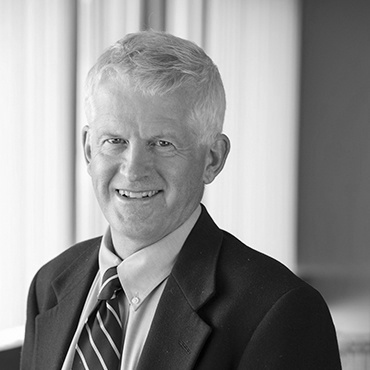 Frederick Arthur Lenz合作论文数Department of Neuroscience, School of Medicine, Johns Hopkins University6Xinjian Jiang合作论文数5
 Florent Meyniel合作论文数5Santiago Figueira合作论文数Department of Computer Science
FCEyN, University of Buenos Aires5Bin Min合作论文数4
Florent Meyniel合作论文数5Santiago Figueira合作论文数Department of Computer Science
FCEyN, University of Buenos Aires5Bin Min合作论文数4 Marie Amalric合作论文数Univ Paris 11, Comm Energie Atom & Energies Alternat, Direct Sci Vivant,Inst Imagerie Biomed, NeuroSpin Ctr,Cognit Neuroimaging Unit,INSERM, F-91191 Gif Sur Yvette, France4
 Di Zang合作论文数4Yuwei Jiang合作论文数Chinese Acad Sci, CAS Ctr Excellence Brain Sci & Intelligence Techn, Inst Neurosci, Key Lab Primate Neurobiol, Shanghai, Peoples R China4
 Yixuan Ku (库逸轩)合作论文数Department of Psychology, Sun Yat-Sen University;NYU-ECNU Institute of Brain and Cognitive Science at NYU Shanghai;Peng Cheng Laboratory4Xuehai Wu (吴雪海)合作论文数4Fosca Al Roumi合作论文数Cognitive Neuroimaging Unit, CEA DRF/I2BM, INSERM, Université Paris-Sud, Université Paris-Saclay, NeuroSpin Center, France3Lei Li合作论文数3
 Planton Samuel合作论文数INSERM, Imagerie Cérébrale et Handicaps Neurologiques UMRS 825, Toulouse, France;CHU Purpan, Université de Toulouse;URI Octogone (EA 4156), Université Toulouse II Le Mirail;Université de Toulouse, Université Toulouse II Le Mirail3
 Xianchun Li (李先春)合作论文数The School of Psychology and Cognitive Science, East China Normal University3
 Ying Mao (毛颖)合作论文数Department of Neurosurgery, Huashan Hospital, Fudan University;Institutes of Biomedical Sciences, Fudan University3
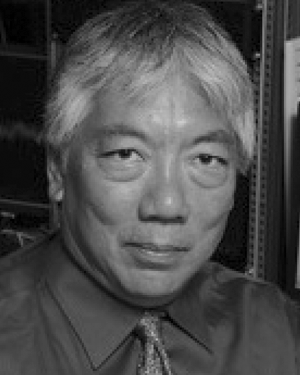 Steven S. Hsiao合作论文数3Yun-Qing Wen合作论文数3Maxime Maheu合作论文数2
 Mu-ming Poo合作论文数Department of Molecular & Cell Biology, College of Letters & Science, University of California, Berkeley2Benjamine Sarton合作论文数2Shenghao Li合作论文数2Guangyao Qi合作论文数2
 Neng Gong (龚能)合作论文数University of Chinese Academy of Sciences;Center for Excellence in Brain Science and Intelligence Technology, Chinese Academy of Sciences2Tenghai Long合作论文数2Peiyao Hu合作论文数2
 Huanhuan Zeng合作论文数2Jun-Feng Huang合作论文数Chinese Acad Sci, Shanghai Inst Biol Sci, Inst Neurosci, Key Lab Primate Neurobiol,State Key Lab Neurosci, 320 Yueyang Rd, Shanghai 200031, Peoples R China2
 Timo van Kerkoerle合作论文数Univ Paris Saclay, Univ Paris Sud, Cognit Neuroimaging Unit, CEA DSV I2BM,INSERM,NeuroSpin Ctr, F-91191 Gif Sur Yvette, France2
 Yang Xie (谢洋)合作论文数Global Institute of Future Technology, Shanghai Jiao Tong University2
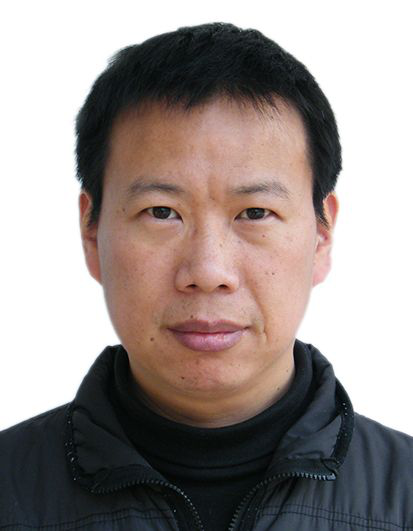 Zhiming Shen (沈志明)合作论文数Center for Excellence in Brain Science and Intelligence Technology, Chinese Academy of Sciences2
 Tianming Yang (杨天明)合作论文数Laboratory of Neural Mechanisms of Decision-Making and Cognition, Institute of Neuroscience, Chinese Academy of Sciences;University of Chinese Academy of Sciences2
 Tristan Bekinschtein合作论文数Consciousness and Cognition laboratory, Department of Psychology, University of Cambridge2
 Diego Martin Mateos合作论文数2Ferre Fabrice合作论文数2Barttfeld Pablo合作论文数Laboratory of Integrative Neuroscience, FCEyN UBA and IFIBA;Cognitive Neuroimaging Unit, Institut National de la Santé et de la Recherche Médicale (INSERM),;Laboratory of Integrative Neuroscience, Institut National de la Santé et de la Recherche Médicale (INSERM),2
 Chuang Xie (谢闯)合作论文数School of Chemical Engineering and Technology, Tianjin University2
 Xiaojin Li (李小进)合作论文数School of Information and Electronic Engineering, East China Normal University2
 Christophe Pallier合作论文数Laboratoire de Sciences;Cognitives et Psycholinguistique;Laboratoire de Sciences|Cognitives et Psycholinguistique2
 Ying Bao (鲍颖)合作论文数School of Chemical Engineering and Technology, Tianjin University2
 Xiaowei Dong合作论文数College of Pharmacy, University of North Texas Health Science Center2
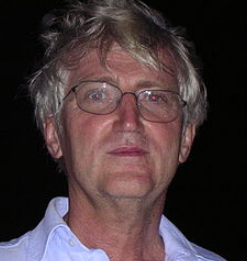 Pierre Pica合作论文数Instituto do Cérebro, Universidade Federal do Rio Grande do Norte;Instituto Dor2
 Shiming Tang (唐世明)合作论文数School of Life Sciences, Peking University;Institute for Artificial Intelligence, Peking University2




