In this paper, the construction mechanical characteristics and error control methods of the drum-shaped honeycomb four-pillar Type III cable dome structure are systematically investigated through the validation of Abaqus nonlinear analysis data and 10-m span scaling model tests. A reverse tensioning strategy is proposed to solve the structural formation problems inherent in the traditional single-stage tensioning method. A sensitivity matrix was developed to quantify the effect of tension strut fabrication errors on the internal forces of the structure. Three outermost diagonal cable tensioning schemes were comparatively analysed and two optimised schemes were experimentally verified. The results show that symmetrical tensioning of two or four pairs of outermost diagonal cables can result in node displacement deviations of less than 20 mm, confirming the reliability of the theoretical model. Compared to the simultaneous tensioning of symmetrically arranged two-bay diagonal cables (Scheme 1), the simultaneous tensioning of four-bay symmetrical diagonal cables (Scheme 2) optimises the tensioning sequence of the structure, which reduces the number of calibrations by 30 % and stress deviations by 15 %; however, there is a common limitation of the scheme: deviations in the angle of the weld are prone to cause errors in bi-directional displacements. The results show that the structure has an initial prestress threshold and its stiffness growth characteristics are consistent with the linear trend predicted by finite element simulations. The main sources of error include cable support tolerances, ring girder geometry deviations, and assembly stresses in the multi-support nodes. This study provides an important reference for the construction optimisation of similar cable dome projects.
Buckling members exhibit superior energy absorption capacity, making tensegrity structures promising candidates for energy-absorbing metamaterials. Inspired by the inherent modularization characteristic of tensegrity systems, this study proposes a modularized optimization strategy for the assembly design of tensegrity lattices, in which the configuration, topology, and prestress are optimized simultaneously. Simple tensegrity units are treated as variables, while the energy-absorbing performance of assembled lattice is taken as the optimization objective. The assembled structure is efficiently modelled through a mapping approach based on a single unit. Three types of tensegrity lattices are devised to validate the effectiveness of the proposed modularized optimization method. The results demonstrate that the optimized lattices exhibit significantly enhanced structural performance, surpassing that of the original designs. This research provides a systematic framework for optimization design of energy-absorbing tensegrity lattice, and enables the generation of a series of novel tensegrity units that can serve as and be employed as assembly components. This will greatly enrich the design space of assembled structures for energy absorption.
Technologies and methods for the assessment and repair of broken cables in cable dome structures are lacking. Therefore, this study developed a method that can be used to assess and repair broken cables in a Geiger-type cable dome structure. Initially, the ANSYS/LS-DYNA software program was used to examine the effects of removing different components on the dynamic response and collapse mode. Based on the change in structural strain energy before and after the removal of component, a component importance coefficient was defined, and the influence patterns of component design parameters and shape design parameters on the component importance coefficient were analyzed. On the basis of the analysis results, evaluation criteria and repair procedures were developed for broken cables. Furthermore, the entire cable repair process was simulated using the dynamic relaxation method. The results revealed that the removal of different components resulted in different dynamic responses and collapse modes. The removal of four key components, namely an outer diagonal cable, an outer ring cable, an inner ring cable, and the upper tension ring, caused strong dynamic responses and resulted in a higher component importance coefficient. The removal of an outer ridge cable (important component) produced a medium dynamic response and a medium component importance coefficient. The removal of the remaining components (general components) resulted in a smaller dynamic responses and a lower component importance coefficient. Component design parameters, such as component cross-sectional size and initial prestress, had a minor impact on the component importance coefficient, whereas shape design parameters, such as the number of trusses in the cable truss and structural topology, had a significant impact on the component importance coefficient, even altering the importance attributes of the components. This study formulated criteria for determining the repairability of broken cables in general and important components. On the basis of the sensitivity of different components to the overall structure after removal, combined with operability and cost-effectiveness, outer diagonal cables were identified as the active tension repair in the proposed repair model. After the repair was completed based on controlling component length and using the dynamic relaxation method, both the internal forces and node coordinates of the structure can revert to their original states prior to cable breakage.
Traditional design of joints in spatial grid shells heavily relies on designers' experience and imagination, leading to lengthy design cycles and limited automation, while resulting in excessive joint self-weight or stress concentration. To address these issues, this paper proposes an intelligent generative method named 3D-OptiGAN to enable efficient and innovative joint design. 3D-OptiGAN integrates topology optimization, Generative Adversarial Networks (GAN), and reverse engineering. Firstly, a diverse and high-quality dataset of joints is constructed through topology optimization, and data augmentation techniques are applied to expand the sample size. Secondly, the architecture of 3D GAN is designed, where high-fidelity voxel models are generated through adversarial training between the generator and the discriminator. Finally, reverse engineering techniques are used to convert the voxel models into manufacturable solid models. Taking an intersect joint of three rectangular tubes from a honeycomb-type single-layer grid shell as an example, 3D-OptiGAN has intelligently generated a series of novel joints including unimaginable ones. Furthermore, finite element analysis is conducted to compare the performance of the representative generated joints with the initial joint and the topology-optimized joint. Results show that the representative generated joints achieve weight reduction of 67.93 %, decrease in maximum displacement of 8.10 %, and reduction in equivalent stress of 17.01 %. The 3D-OptiGAN method breaks through the limitations of traditional design, generating joints that are lightweight and high-strength.
Combining the structural configuration of the drum honeycomb sequence multi-braced cable dome and the material advantages of aluminium alloy, the drum honeycomb four-braced Type I open aluminium alloy suspen-dome structure is formed. Based on the AHP-TOPSIS multi-attribute decision-making method, it is found that the performance of the structure is balanced when the aluminium alloy I-beam section is used in the upper chord mesh shell part and the lower chord node radius coefficient ρ=2, which can be regarded as the optimal selection of the structure. On this basis, the static stability performance and construction error sensitivity of the structure were firstly analyzed, and then the random defect method was used to explore the influence law on the initial prestressing state and stability performance of the structure under the action of single-factor sensitive error and multi-factor sensitive coupling. The results show that: the structure is more sensitive to temperature and wind loads, especially cooling loads; span and initial prestress level are sensitive parameters affecting the stability performance of the structure; the length errors of the spinal rod, ring and diagonal cables, and the errors of the cross-section dimensions of the ring cables are the sensitive errors of the structure; the minimum ultimate load carrying capacity of the structure in the case of the coupled sensitive errors is reduced by 28.48% compared with that of the error-free state.
Cable dome structures are innovative architectural forms known for their architectural and structural advantages, making them popular in academic research and practical applications worldwide. Cable dome structures, both single-strut and multiple-strut types, are categorized into nine distinct types. This paper introduces a novel dome structure, the "sunflower three-strut cable dome," which exhibits advantageous geometric features and mechanical properties when compared to existing cable dome types. It surpasses them in terms of topology, component and node count, structural mechanical attributes, and construction simplicity. Furthermore, no cable dome structure can exist without prestress, making the prestressed state a critical mechanical property. We establish general recursion formulas for internal forces in each component based on nodal equilibrium equations. Two practical design tables for the initial prestress state, tailored to various geometric parameters, are presented by these formulas. Subsequently, we analyze the distribution of prestressed states and tensioning characteristics both theoretically and experimentally. This study provides a theoretical foundation for designing and constructing the new multiple-strut cable dome.
The six-bar tetrahedral unit exhibits excellent adaptability to complex free-form spatial structures. The rotational stiffness K of its assembled joint is sensitive to the ratio of the applied axial force to moment λ . For the accuracy of the global structural analysis, a comprehensive study of this behavior is essential for the development of a joint stiffness classification method. Therefore, the influences of web member forces and inclination angle of members on the behavior were investigated, and a simplified finite element model of the six-bar tetrahedral unit joint was presented for the subsequent analysis. Then, a parametric analysis was conducted to investigate the influence of the number of bolts, end plate thickness, and bolt size on the K - λ behavior. An upper limit of K was developed to define the State I of the K - λ curve, where the joint exhibits behavior comparable to a fully rigid connection. Next, an ANSYS-MATLAB co-simulation method was proposed and compared with the traditional semi-refined model and refined solid element model. The results confirm the necessity of incorporating the K - λ behavior in the global analysis, which can be accomplished by the proposed co-simulation method. Finally, the stability of six-bar tetrahedral latticed shells with various structural types was investigated to develop the joint stiffness classification method. Different structural forms yield different distributions of joint mechanical states, which significantly affect the reduction of critical loads. The joint in the double curvature shallow latticed shells can be idealized as a rigid connection in the global analysis, whereas in cylindrical and spherical latticed shells, it needs to satisfy certain configuration requirements.
The bolted spherical joint (BSJ) is a critical component extensively employed in spatial grid structures. Nevertheless, the 300 mm or larger diameter BSJs, urgently needed in engineering practice, is hard to manufacture. To better meet the manufacturing needs of large-diameter bolted spherical joints (LDBSJs) ranging from 300 to 800 mm in diameter, a sphere center machining benchmark theory that integrates a 4-axis feed system and an automatic tool changing strategy was proposed, a Horizontal Bolted Spherical Machine Tool (HBSMT) specifically for machining LDBSJs was developed. The machine integrates milling, drilling, boring, and tapping capabilities into a single setup, streamlining the manufacturing process. Comprehensive machining tests and precision evaluations were conducted on LDBSJ samples with diameters of 300 mm, 500 mm, 700 mm, and 800 mm. The results revealed superior machining accuracy, with standard deviations for roundness, parallelism, center distance, perpendicularity, and angular deviation recorded at 0.112 mm, 0.0255 mm, 0.010 mm, 0.0045 mm, and 0.435′, respectively. Compared to conventional machine tools, this represents a threefold improvement in precision. Furthermore, the HBSMT offers a cost-effective alternative to current equipment of 5-axis machining centers, highlighting its potential for wide adoption in industrial applications.
Large-span spatial truss structures are sensitive to thermal actions because of their high degree of static indeterminacy. However, under the coupling effect of solar radiation, air temperature, and wind, their temperature fields are strongly time-varying and spatially non-uniform, which cannot be adequately represented by conventional uniform temperature assumptions. Taking the roof structure of Heze East Station as a case study, this study investigates the thermal behavior of such structures through numerical simulation, experimental testing, and optimization analysis. A transient temperature field simulation method is developed by incorporating conduction, convection, and radiation under time-varying meteorological conditions, while the inter-member shading effect is quantified through a sunshine factor procedure. A scaled model test is then conducted to investigate the structural responses under uniform temperature variations and to validate the numerical method. Based on the validated model, the long-term spatiotemporal distribution characteristics of the structural temperature field are analyzed, and the influences of key environmental factors are further discussed. The non-uniform thermal effects were further analyzed numerically, showing that, compared with the uniform thermal case, the maximum member stress and maximum nodal displacement increased by up to 52.3% and 57.2%, respectively. In addition, the influences of roof type, closure construction, and geographic latitude on thermal effects are systematically evaluated. To mitigate unfavorable thermal effects during construction, an improved optimization algorithm is proposed to determine the optimal closure temperature range. The results demonstrate that the proposed method can effectively reduce structural internal forces and deformation, providing practical guidance for the thermal design and construction of large-span spatial truss structures.
The large-opening drum-honeycomb-type quad-strut suspend-dome structure is a new type of suspend-dome structure, which was improved from the traditional cable dome structure. It replaces the top chord of the cable dome with seamless steel pipes. The structure combines the characteristics of the suspend-dome and the cable dome. The bottom chord nodes connects four struts, two inclined cables and one ring cable. The Ansys finite element model is established to analyze the influence of initial prestress, rise-span ratio, thickness-span ratio, opening span and bottom chord arrangement schemes on the natural vibration characteristics of the structure, and three seismic waves are selected to analyze the seismic response of the structure. The results show that the 1-50 order natural frequency range of the structure is 1.038-19.796, the stiffness of the outer ring is stronger than that of the inner ring, the horizontal stiffness is stronger than the vertical stiffness, and the overall stiffness of the structure is good. The initial prestress, thickness-span ratio and opening span have great influence on the self-vibration frequency, while the rise-span ratio and the bottom chord arrangement schemes have the least influence. The seismic response analysis shows that the peak values of vertical nodes displacement are-44.75mm,-47.40mm and-45.27 mm, respectively, which are far less than the allowable deflection limit, the peak internal force coefficients of the members are 1.82%, 6.53% and 7.49%, respectively, and the variation range is within the allowable range, The large-opening drum-honeycomb-type quad-strut suspend-dome structure has good structural stiffness, and the strength of the inner ring members should be appropriately strengthened to resist the dynamic effects such as earthquake.
The large opening drum honeycomb four-pole type III fully articulated chord supported dome structure is a structure based on the concept of "multi-pole arrangement fully articulated connection form", which is in line with the needs and development direction of full assembly space structure and intelligent construction industry. The structure adopts the full articulated form, which can effectively simplify the construction tension procedure. In this paper, a large opening drum honeycomb four-pole type III fully articulated chord-supported dome structure with a span of 120 m and a height of 14.4 m is taken as the research object. Firstly, ANSYS finite element software was used to establish a model to explore the natural vibration frequency and vibration mode of the structure, select the structure load distribution form, the horizontal projection radius coefficient of the lower chord node and other parameters to explore its impact on the dynamic characteristics of the structure. Secondly, the ANSYS/LS-DYNA explicit dynamic calculation and analysis module is used to calculate and analyze the dynamic response and failure mode of the structure caused by the failure of different types of components. Finally, according to the impact on the overall structure caused by the dismantling of each initial failure component, the structural importance matrix and the component importance coefficient are proposed to describe the severity of the impact on the structure caused by the dismantling of each component. The results show that:The vibration mode distribution of the structure is mostly symmetrical, and the stiffness of the outer ring is stronger than that of the inner ring, and the vertical stiffness is weaker than the circumferential stiffness. The natural vibration frequency and vibration mode of the structure are sensitive to the load distribution and the horizontal projection radius coefficient of the lower chord node. Compared with other components, the broken removal of the ring component is more likely to cause uneven prestress distribution of the adjacent sub-structure, resulting in large area collapse of the whole structure, and then cause progressive collapse. In the parametric analysis, the initial prestress level and the vector-span ratio have different effects on the final failure pattern after the demolition of important structures, and the appropriate range of prestress and vector-span ratio is given.
Despite advancements in automated and programmable structural analysis methods, the design of structural connection components still faces significant challenges, including inefficiency, limited design options, prolonged design cycles and low levels of automation. To address these issues, this paper proposes an innovative method, ConnectorGEN, which leverages generative adversarial networks (GANs) and topology optimization (TO). Using a typical structural connection component in steel roof structure of Beijing Daxing Airport as a case study, the conceptual framework and implementation steps of ConnectorGEN are illustrated in detail. Firstly, a high-quality connector dataset is created. Secondly, the deep learning model is trained on the dataset. Finally, the generated 3D results are reconstructed into corresponding solid models. ConnectorGEN not only automates the creation of diverse and previously inconceivable connector designs but also delivers solutions with significantly improved mechanical performance. Compared with topology optimization scheme, the intelligently generated representative Connection 1 can achieve a 20.05 % reduction in mass, along with decreases of 15.62 % and 7.88 % in maximum displacement and equivalent stress, respectively. This method can assist structural engineers in optimizing the design of complex three-dimensional joints by offering additional design ideas and holds significant potential for engineering applications. Our project page: https://github.com/Fred96969/ConnectorGEN.
The mechanical properties of treelike column structures are greatly influenced by their forms, emphasizing the importance of form optimization. However, previous studies have primarily focused on optimizing the morphology of individual treelike column, neglecting the interaction of multiple column structures. This oversight leads to deviation in the optimal morphology. In order to investigate the impact of the deviation on the performances of structures, the collaborative form-finding analysis of multiple column structures has been carried out using improved Numerical Inverse Hanging Method (NIHM). This research is based on the design of a large-span roof structure supported by 8 treelike column structures at the terminal of Dalian Jinzhou Bay Airport. Firstly, the traditional NIHM was improved to achieve collaborative form-finding of multiple treelike column structures. Then the differences between collaborative form-finding analysis of multi columns and individual analysis of single column were discussed in depth. Comparative results show collaborative form-finding exhibits more reasonable over individual form-finding. In the case where all joints are located on one side of the fixed end, the results of individual form-finding are similar to those of the initial model, while collaborative formfinding shows a significant enhancement in mechanical performance. Notably, when there exists a substantial height discrepancy among branch joint, collaborative form-finding achieves a displacement reduction of 21 % compared to individual form-finding, along with a reduction of 35 % in maximum equivalent stress.
The combination of topology optimization and metal additive manufacturing technology is a new and effective approach to realize the integration of design and manufacturing of connections in spatial structures. The variable density method was employed to optimize the topology of two typical connections in a cable dome: the inner-ring cable-strut connection and the outer-ring upper chord connection. The structural behavior of the optimized and the conventional connections was compared using ABAQUS. Stainless steel additive manufacturing of the two optimized connections was completed by selective laser melting (SLM) technology. To understand the behavior of metal additive manufacturing connections under actual loading conditions, two structural models using conventional connections and metal additive manufactured connections were experimentally studied for a sunflower-type triple-strut cable dome model with a diameter of 10 m. Construction forming and static loading tests under full-span and half-span actions were carried out on the cable dome model, respectively, and the corresponding finite element analysis results included ANSYS results (internal forces of members, node elevations, and so on) of the whole cable dome model and ABAQUS results (stresses at different measurement points of connections) of the connections. The results demonstrated that the topologically optimized connections manufactured by SLM technology instead of conventional connections have little influence on the overall behavior of the cable dome, which verified the effectiveness and feasibility of adopting metal additive manufacturing connections in practical engineering.
To improve the structural performance and economy of the large-span roof structure from the structural system level, a novel structural form of pentagonal cable dome with tri-strut layout and large central opening is proposed, which can be applied to the large-span stadium ring canopy structure. Different from Fuller's traditional conception of the tensioning whole, this type of system has three struts intersecting at the same chord node, which reduces the amount of ring and diagonal cables, facilitates tensioning construction, and improves overall stability. For this large-opening cable dome, a general formula for calculating the internal force of prestressed state rods was derived based on the nodal equilibrium equations, and the effects of several parameters on the distribution of pre-tension in the cable dome were analyzed and studied to understand the distribution pattern and characteristics of the cable dome pre-stress. A large-opening stadium canopy with a span of 100m is taken as an example. The parameter sensitivity and correlation analysis of the structural performance reveals that the main influence of the economy of this cable dome is the pre-tension level. In contrast, the geometric parameter produces a much lower effect on the structural economy. The optimal design and trade-off analysis of this cable dome structure based on two genetic algorithms show that appropriately increasing the structural vector height and decreasing the thickness while satisfying the stability improves the structural stiffness and economy. The analysis results show that this new type of cable dome has superior technical and economic indicators, and the research in this paper provides a new form and new ideas for the analysis and design, optimization research, and modeling of the cable dome.
Increasing prestress level will strengthen the stiffness of tensegrity structures, whereas the structural weight and construction costs will be undesirably magnified. Diverse configuration of the assembled tensegrity structures may also affect their prestress distribution and stability as well. Hence, this study conducts the research on the configuration and prestress optimization for the assembled V-expander tensegrity structures. Firstly, the assembly method is completely established for the large-scale assembled structures with the V-expander tensegrity as the unit. To explore more preferable configuration and prestress for the structures with higher stiffness and lower self-weight, an optimization procedure of structural configuration and prestress is introduced with a metaheuristic algorithm as the solving technique. Four numerical examples of tensegrity structures with plate, torsion shell, cylinder and spherical crown form are designed to validate the feasibility of the mesh-based assembly approach as well as the optimization for configuration and prestress, where the prestress level and the configuration of structural geometry, unit thickness and mesh layout are together or separately considered as the variables for the optimization of structural performance. The optimized assembled structures enrich the structural configurations like mesh division forms, and provide a reference point for tensegrity structures in practical engineering.
This study presents a topology-finding framework that integrates assembly and optimization two approaches to find new topology of modules for the assembled tensegrity structure, which will simplify the optimization object and accelerate the finding of suitable assembly units. A four-node tetrahedral assembly mode is established as the primary rule for unit assembly. The topology-finding procedure is developed to search for the feasible assembly units that exhibit uniform prestress distribution and high stiffness. A novel 3D-bar tensegrity is finally obtained through the topology-finding of an assembled plate structure. To evaluate the deformation performance of the new unit, three examples of assembled tensegrity with curved surface are designed, and their unbalanced force and eigenvalues are thoroughly investigated. The results show that all the assembled tensegrity structures are in self-equilibrium and stability, suggesting that the new 3D-bar tensegrity is deformable and possible to be a candidate for the construction of large-scale tensegrity structure.
This study proposes a general method for reshaping tensegrity structures, aimed at exploring the latent equilibrated configurations that are as close as possible to the target configurations. The procedure is divided into two stages: First, an effective computational framework for reshaping tensegrities is formulated as a constrained nonlinear programming model, which simultaneously incorporates force densities and nodal coordinates as design variables while using the positional deviation from the target configuration as the objective function. Second, for the resulting configurations, a stability-based post-processing module is developed to ensure that only stable configurations are retained. Within this module, prestress optimizations are performed using a semidefinite programming model that accounts for stability conditions. Four illustrative examples, including both self-stressed and non-self-stressed tensegrity structures, are presented to validate the effectiveness of the proposed method in different application scenarios. Results show that the proposed method can readily identify satisfactory solutions aligning well with customized design requirements across various scenarios, suggesting its superior versatility and practicality. This study offers valuable insights into addressing the shape controldominated form-finding problem and shows potential for application not only to tensegrity structures but also to other prestressed pin-jointed systems.
Lightweight design has emerged as a valuable research focus in tensegrity structures, gaining increasing attention across various engineering domains that prioritize weight reduction. While many existing studies have concentrated on the lightweight design of conventional tensegrity structures, relatively little attention has been paid to those derived from modular assembly. This study focuses on a specific type of modular tensegrity chain structure (TCS) and presents a comprehensive framework for its lightweight design. The proposed framework innovatively integrates three critical design aspects: prestress determination, configuration design, and topology optimization, while simultaneously accounting for various design constraints under both prestress and load states. This framework is formulated as a bilevel optimization model. Prestress optimization is first performed at the internal level and then incorporated into the external-level model for configuration design and topology optimization. Subsequently, improved hybrid algorithms are also introduced to solve the optimization problem. Three representative numerical examples are provided to validate the effectiveness of the proposed framework and solving algorithms. The results demonstrate that this comprehensive approach achieves significant mass reduction compared to single-aspect designs. The proposed framework offers a more holistic and efficient solution for lightweight TCS design, showcasing its potential for enhancing the performance and efficiency of modular tensegrity structures in engineering applications.
A new type of prestressed space structure—pentagonal-type aluminium alloy suspen-dome with three-strut layout and large central opening is proposed, which combines the advantages of aluminium alloy mesh shell and multi-strut-type cable dome structure. It addresses the need for improvement in the economy and environmental performance of traditional suspen-domes, as well as their insufficient structural stability. The composition of the structural system is given, and based on the symmetry and periodicity conditions, the initial prestress distribution of the structure is accurately calculated by the simple calculation method, and the calculation formulae of the geometric parameters of the structural cable-struts are deduced; subsequently, the numerical model of the new type of suspen-dome structure is established by using the finite element software ANSYS 2022 R1, and the force characteristics of the structure under full-span uniform load and half-span uniform live load are investigated. Additionally, the influence of total three categories of six parameters, including structural prestress, overall shape, and support stiffness on structural mechanical properties such as member internal forces, nodal displacements, and support reaction forces is analyzed in detail, and the sensitivity of the parameters was quantitatively evaluated. The results reveal that the overall shape parameters are significant factors affecting mechanical properties. Accordingly, the values of the main design parameters such as thickness-span ratio are suggested, which provides innovative solutions and important support for the selection and design of suspen-dome structures.
 Xingfei Yuan (袁行飞)合作论文数Space Structures Research Center, College of Civil Engineering and Architecture, Zhejiang University78
 Wujun Chen (陈务军)合作论文数School of Ocean and Civil Engineering, Shanghai Jiao Tong University;Space Structures Research Center, Shanghai Jiao Tong University47
 Boqing Gao (高博青)合作论文数College of Civil Engineering and Architecture, Zhejiang University34
 Lianmeng Chen (陈联盟)合作论文数College of Civil Engineering and Architecture, Wenzhou University26
 Zhongyi Zhu (朱忠义)合作论文数Beijing Institute of Architectural Design Co., Ltd.26
 Gongyi Fu (付功义)合作论文数Shanghai Jiao Tong University25
 Xiaoqing Zheng (郑晓清)合作论文数The Architectural Design & Research Institute, Zhejiang University23
 Hua Deng (邓华)合作论文数Space Structures Research Center, College of Civil Engineering and Architecture, Zhejiang University20
 Yaozhi Luo (罗尧治)合作论文数College of Civil Engineering and Architecture, Zhejiang University20
 Jiamin Guo合作论文数19
 Xueyi Fu (傅学怡)合作论文数College of Civil and Transportation Engineering, Shenzhen University19Hui LYU (吕辉)合作论文数18GuangBo Bai (白光波)合作论文数18
 Wenfeng Du (杜文风)合作论文数School of Civil Engineering and Architecture, Henan University17Zhihong Zhang合作论文数16Yanli He (何艳丽)合作论文数College of Architecture and Civil Engineering, Beijing University of Technology15
) Yang Zhao (赵阳)合作论文数College of Civil Engineering and Architecture, Zhejiang University14
Yang Zhao (赵阳)合作论文数College of Civil Engineering and Architecture, Zhejiang University14 Yongjun He (贺拥军)合作论文数College of Civil Engineering, Hunan University14
 Chen Weigang (陈伟刚)合作论文数13
 Yiyi Zhou合作论文数13
 Xin Zhuo (卓新)合作论文数College of Civil Engineering and Architecture, Zhejiang University13
 Jinghai Gong (龚景海)合作论文数Department of Civil Engineering, School of Naval Architecture, Ocean & Civil Engineering, Shanghai Jiao Tong University12GU Lei (顾磊)合作论文数11Hong-chuang Liu合作论文数11
 Liang Su (苏亮)合作论文数College of Civil Engineering and Architecture, Zhejiang University11Hao-Qing Liang合作论文数10ZhiHong Zhang (张志宏)合作论文数10
 Xuhong Zhou (周绪红)合作论文数School of Civil Engineering, Chongqing University10
 Xinan Xiang (向新岸)合作论文数China Southwest Architectural Design and Research Institute Corp. Ltd9
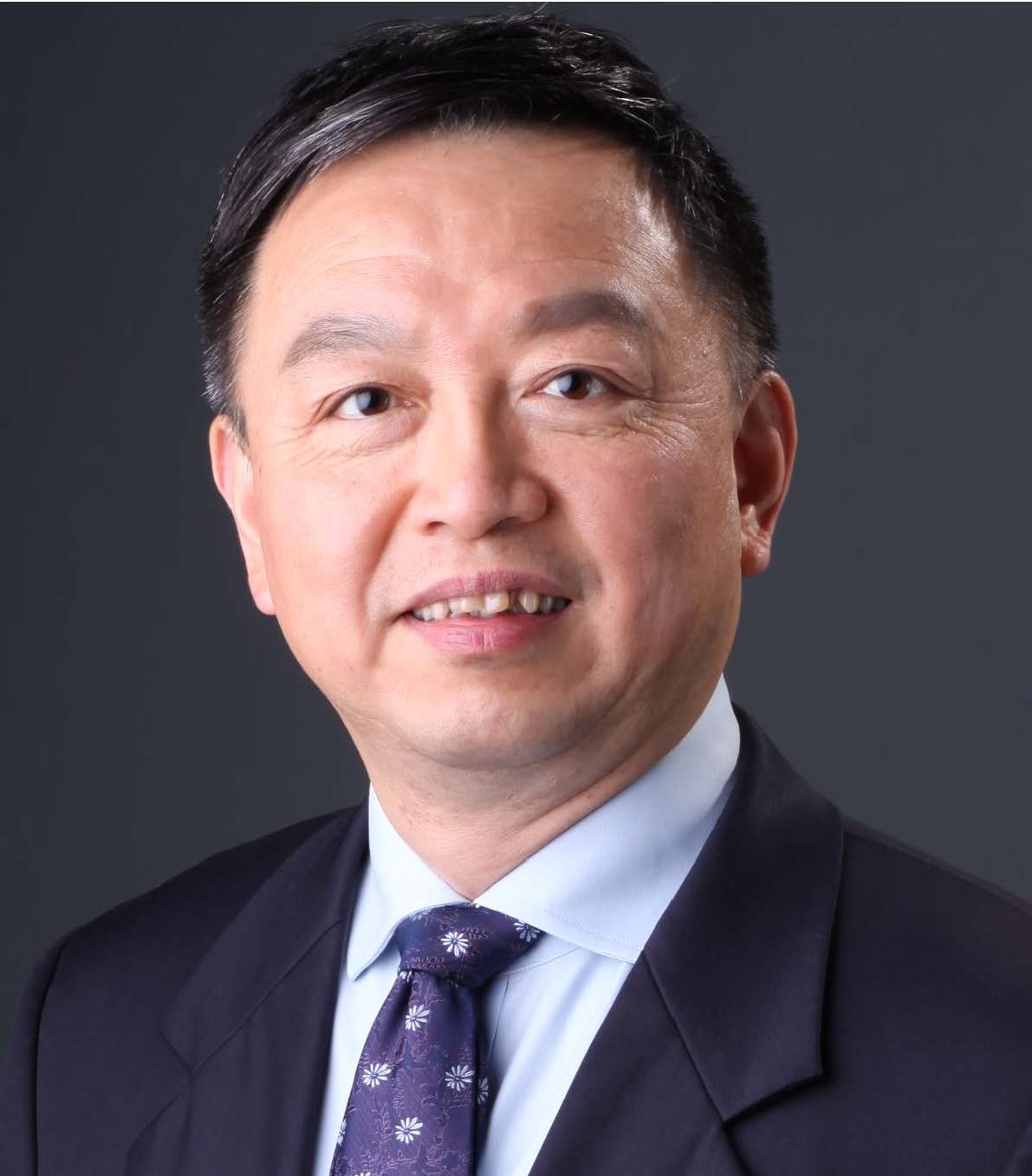 Dai Zhou (周岱)合作论文数School of Ocean and Civil Engineering, Shanghai Jiao Tong University;School of Oceanography, Shanghai Jiao Tong University9
 Nan Xiao (肖南)合作论文数College of Civil Engineering and Architecture, Zhejiang University9Feng Miao (苗峰)合作论文数8
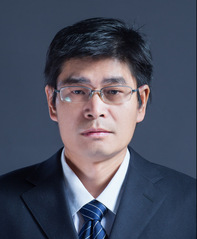 Mingliang Zhu (朱明亮)合作论文数School of Civil Engineering, Southeast University8
 Yunlong Yao (姚云龙)合作论文数School of Airspace Science and Engineering, Shandong University;Shandong University, Weihai7Yijie Liu合作论文数7
 Mingshan Zhang (张明山)合作论文数Centre of Construction Drawing Inspection, The Architectural Design & Research Institute of Zhejiang University Co. Ltd.7Ren Xiao-qiang合作论文数6Jianchun Xiao合作论文数6
 Ma Shuo (马烁)合作论文数6ZHU Xielian (朱谢联)合作论文数6Chao DING (丁超)合作论文数6RongYi Chen (陈荣毅)合作论文数6Dong Xing (邢栋)合作论文数6
 Guangying Ma (马广英)合作论文数School of Airspace Science and Engineering, Shandong University6
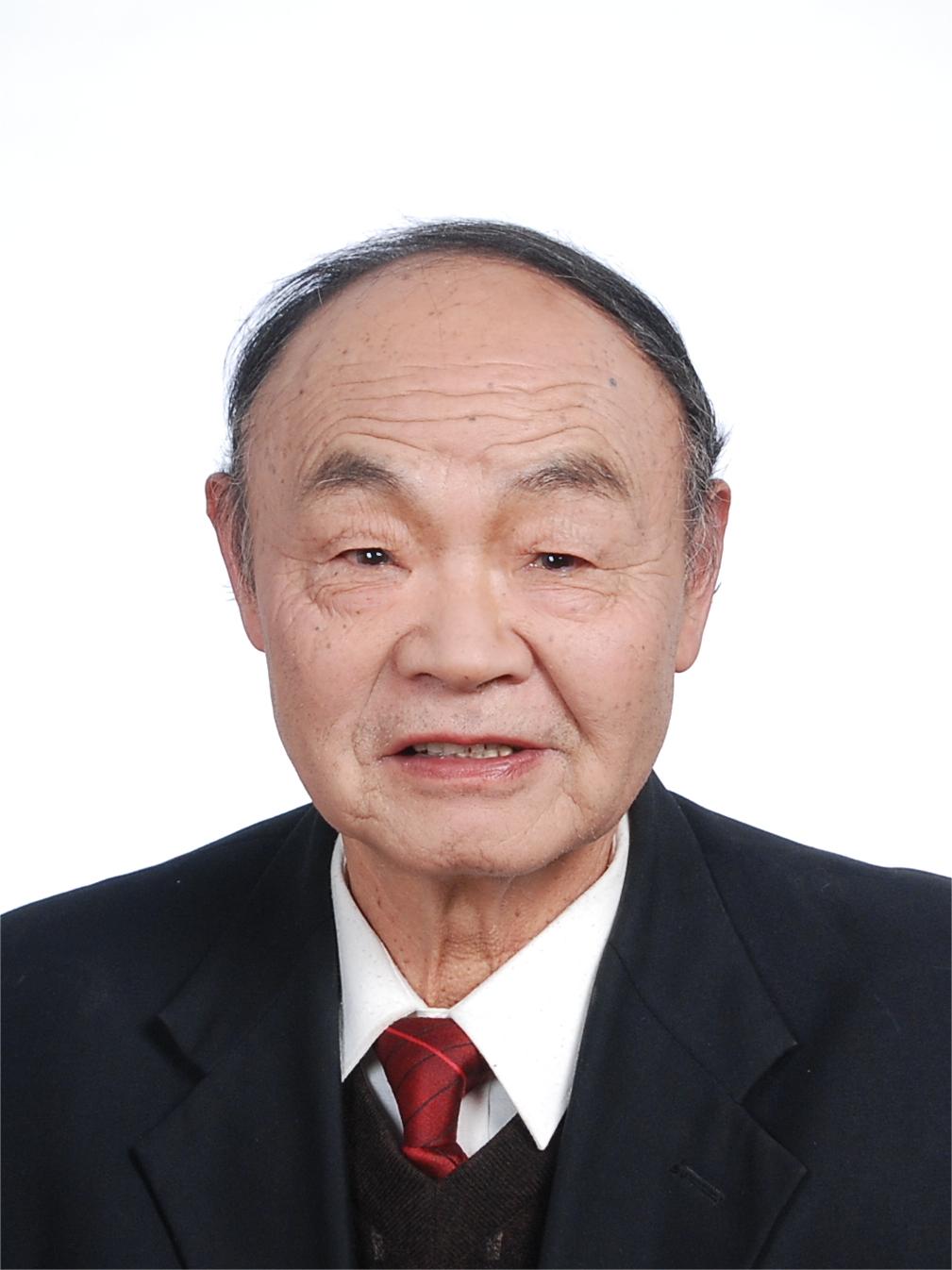 Kejian Ma (马克俭)合作论文数Research Center of Space Structures of Guizhou University;Key Laboratory of Structural Engineering of Guizhou Province6Ze-Bin Li合作论文数5




