Cardiac arrest (CA) results in global ischemia/reperfusion injury and severe neurological dysfunction, for which effective therapeutic interventions remain limited. Regulatory T cells (Tregs) play a crucial role in modulating post-ischemic inflammation and promoting neuroprotection. In this study, we demonstrate that in vivo expansion of Tregs using the interleukin-2/interleukin-2 antibody (IL-2/IL-2Ab) complex significantly increased Treg numbers in the blood, spleen, and lymph nodes. Mice pretreated with the IL-2/IL-2Ab complex before cardiac arrest and cardiopulmonary resuscitation (CA/CPR) exhibited improved neurological recovery, reduced ischemic brain injury, and enhanced survival rates. These findings highlight a potential immunomodulatory strategy for improving outcomes after cardiac arrest. The IL-2/IL-2Ab complex may represent a promising adjunctive therapy to attenuate post-resuscitation brain injury through the selective expansion of protective Tregs.
Ovarian cancer (OC), a predominant gynecological malignancy, has consistently showcased grim prognostic outcomes. This investigation delves into the emerging field of pyroptosis and the intricacies of long non-coding RNAs (lncRNAs), specifically the lesser-studied pyroptosis-related lncRNAs (PRlncRNAs), and their roles in OC prognosis. By harnessing transcriptome, and clinic data from the genotype-tissue expression (GTEx) and the cancer genome Atlas (TCGA), we formulated a unique PRlncRNAs risk model consisting of five prognostic lncRNAs by Cox regression and least absolute shrinkage and selection operator (LASSO) regression. Next, the Kaplan-Meier analysis, receiver operating characteristic (ROC) curve, nomogram, and calibration were implemented to verify and evaluate the model. The model also showed general applicability in pan-cancer analysis. Remarkably, our model, upon rigorous validation, outperformed 16 pre-existing counterparts, offering a promising avenue for prognosis prediction. The risk score was used to classify patients into high and low-risk subgroups. The low-risk group showed improved overall survival (OS) and progression-free survival (PFS). The risk score was proved to be an independent prognosis factor. The low-risk group patients also exhibited a higher immune infiltration score and homologous recombination deficiency (HRD) score. Moreover, consensus clustering analysis was utilized to categorize OC patients into three distinct groups, predicated on the expression of the five prognostic lncRNAs. Patients within the third cluster exhibited noteworthy traits, encompassing elevated survival, heightened immune checkpoint expression, and the HRD score. Finally, the expressions of five PRlncRNAs were validated by quantitative real-time PCR (qRT-PCR) in OC cell lines and tissues. In conclusion, the risk model based on the five PRlncRNAs might function as prognostic biomarkers to predict the immune and target drug treatment in OC.
While numerous single nucleotide variants and small indels have been identified in Parkinson's disease (PD), the contribution of structural variants (SVs), copy number variants (CNVs), and short tandem repeats (STRs) remains poorly understood. Here we investigated the association using the high-depth whole-genome sequencing data from 466 Chinese PD patients and 513 controls. Totally, we identified 29,561 SVs, 32,153 CNVs, and 174,905 STRs, and found that CNV deletions were significantly enriched in the end-proportion of autosomal chromosomes in PD. After genome-wide association analysis and replication in an external cohort of 352 cases and 547 controls, we validated that the 1.6 kb-deletion neighboring MUC19, 12.4kb-deletion near RXFP1 and GGGAAA repeats in SLC2A13 were significantly associated with PD. Moreover, the MUC19 deletion and the SLC2A13 5-copy repeat reduced the penetrance of the LRRK2 G2385R variant. Moreover, genes with these variants were dosage-sensitive. These data provided novel insights into the genetic architecture of PD.
PurposeInfluenced by factors such as fluctuations in market supply and demand and the rapid development of new technologies, manufacturing companies are facing greater challenges to transform and upgrade. The existing relevant studies about sustainable innovation capabilities mostly focus on classification of innovation or from a static resource-based view and less on quantitative measurement from a dynamic perspective and inter-organizational relationships. This paper takes a dynamic capabilities and social capital theory, explore the concept and dimensions of sustainable innovation capabilities and then makes development of a new scale.Design/methodology/approachThis paper uses a combination of qualitative and quantitative research methodologies to develop a measure of sustainable innovation capabilities in two studies. Grounded theory methodology is used to explore the concept definition and dimensions of sustainable innovation capabilities. Exploratory factor analysis and confirmatory factor analysis are conducted to refine and validate the factor structure, and then the authors developed the sustainable innovation capabilities scale.FindingsThe results show that sustainable innovation capabilities composed of ideation capabilities, opportunity capture capabilities, agile learning, creative inheritance and networking capabilities. The sustainable innovation capabilities that firms should possess are reflected at the firm level and inter-organizational relationship level, and the culture-specific dimension of creative inheritance reflects the influence of national and organizational culture.Originality/valueThe research reveals the internal driving force of the manufacturer's sustainable innovation capabilities, as well as the role and uniqueness embodied in the specific culture, providing a new perspective for improving the manufacturer's sustainable innovation capabilities.
Background: The administration of epinephrine after severe refractory hypotension, shock, or cardiac arrest restores systemic blood flow and major vessel perfusion but may worsen cerebral microvascular perfusion and oxygen delivery through vasoconstriction. The authors hypothesized that epinephrine induces significant microvascular constriction in the brain, with increased severity after repetitive dosing and in the aged brain, eventually leading to tissue hypoxia. Methods: The authors investigated the effects of intravenous epinephrine administration in healthy young and aged C57Bl/6 mice on cerebral microvascular blood flow and oxygen delivery using multimodal in vivo imaging, including functional photoacoustic microscopy, brain tissue oxygen sensing, and follow-up histologic assessment. Results: The authors report three main findings. First, after epinephrine administration, microvessels exhibited severe immediate vasoconstriction (57 ± 6% of baseline at 6 min, P < 0.0001, n = 6) that outlasted the concurrent increase in arterial blood pressure, while larger vessels demonstrated an initial increase in flow (108 ± 6% of baseline at 6 min, P = 0.02, n = 6). Second, oxyhemoglobin decreased significantly within cerebral vessels with a more pronounced effect in smaller vessels (microvessels to 69 ± 8% of baseline at 6 min, P < 0.0001, n = 6). Third, oxyhemoglobin desaturation did not indicate brain hypoxia; on the contrary, brain tissue oxygen increased after epinephrine application (from 31 ± 11 mmHg at baseline to 56 ± 12 mmHg, 80% increase, P = 0.01, n = 12). In the aged brains, microvascular constriction was less prominent yet slower to recover compared to young brains, but tissue oxygenation was increased, confirming relative hyperoxia. Conclusions: Intravenous application of epinephrine induced marked cerebral microvascular constriction, intravascular hemoglobin desaturation, and paradoxically, an increase in brain tissue oxygen levels, likely due to reduced transit time heterogeneity. Using a variety of high-resolution measurement techniques, the authors found that microvascular vasoconstriction continued after arterial blood pressure had been restored. There was decrease in oxyhemoglobin in the microcirculation that was associated with an unexpected increase in brain tissue oxygen. The vascular reactivity in aged brains was smaller in magnitude but more persistent than that seen in young brains.
<p>miR-21 levels in exosomes derived from wild-type and miR-21 KD cells were measured by quantitative real-time PCR.</p>
<p>miR-21 expression levels in exosomes and SCC-9 cells cultured under normoxia and hypoxia were measured by quantitative real-time PCR.</p>
<p>CD63 immunoblotting of exosomes isolated from normoxic and hypoxic media respectively.</p>
Cholecystolithiasis is defined as a disease caused by complex and changeable factors. Advanced age, female sex, and a hypercaloric diet rich in carbohydrates and poor in fiber, together with obesity and genetic factors, are the main factors that may predispose people to choledocholithiasis. However, serum biomarkers for the rapid diagnosis of choledocholithiasis remain unclear. This study was designed to explore the pathogenesis of cholecystolithiasis and identify the possible metabolic and lipidomic biomarkers for the diagnosis of the disease. Using UHPLC-MS/MS and GC–MS, we detected the serum of 28 cholecystolithiasis patients and 19 controls. Statistical analysis of multiple variables included Principal Component Analysis (PCA). Visualization of differential metabolites was performed using volcano plots. The screened differential metabolites were further analyzed using clustering heatmaps. The quality of the model was assessed using random forests. In this study, dramatically altered lipid homeostasis was detected in cholecystolithiasis group. In addition, the levels of short-chain fatty acids and amino acids were noticeably changed in patients with cholecystolithiasis. They detected higher levels of FFA.18.1, FFA.20.1, LPC16.0, and LPC20.1, but lower levels of 1-Methyl-l-histidine and 4-Hydroxyproline. In addition, glycine and l-Tyrosine were higher in choledocholithiasis group. Analyses of metabolic serum in affected patients have the potential to develop an integrated metabolite-based biomarker model that can facilitate the early diagnosis and treatment of the disease. Our results highlight the value of integrating lipid, amino acid, and short-chain fatty acid to explore the pathophysiology of cholecystolithiasis disease, and consequently, improve clinical decision-making. Using UHPLC-MS/MS and GC–MS, the serum of 28 cholecystolithiasis patients and 19 controls were analyzed. Through differential metabolite analysis, we found that the cholecystolithiasis group was detected with dramatically altered lipid homeostasis compared with healthy controls. In addition, the levels of short-chain fatty acids and amino acids were noticeably changed in patients with cholecystolithiasis. They detected higher levels of FFA.18.1, FFA.20.1, LPC16.0, and LPC20.1, but lower levels of 1-Methyl-l-histidine and 4-Hydroxyproline. Moreover, glycine and l-Tyrosine were higher in choledocholithiasis group. The results not only identify new targets for the clinical diagnosis and treatment of cholecystolithiasis but may also provide valuable insights for the research of the disease.
<p>Summary of small RNA sequencing of hypoxic and normoxic exosomes (S1); Number of miRNA identified in each sample (S2); Characteristics of 108 patients with OSCC and matched volunteers (S3).</p>
Seasonality is an essential issue for service industries but lacks the attention of most transport scholars. To close this gap, this study explored the spatial heterogeneity and determinants of flight seasonality from a supply-side perspective, using the monthly flights of 222 airports in China during 2018 as a sample. The following conclusions were drawn. First, domestic flights in China face seasonality due to the country's vast territory and diverse natural environment. Second, from an airport perspective, seasonality is high in small airports serving remote places and in cities that are tourism destinations. Third, from a route perspective, feeder routes in the air transport network of China face higher seasonality when compared to trunk routes. Finally, airport size and a mix of natural landscape factors shape domestic flight seasonality at the national level. At the local level, most factors (e.g., airport size and temperature) are more evident in the northwest region.
Description of additional methods and procedures used in the study. Also includes Supplementary References.
The incineration of sacrificial offerings is a significant widely practiced custom that is also a kind of neglected air pollution source in China. Our results showed that the emission factors of particulate matter, SO2, CO, NOx, and VOCs emitted from the incineration of sacrificial offerings with purification systems were reduced by 95%, 19%, 9%, 82%, and 42%, respectively, compared with those without a purification system, revealing a significant effect of the flue gas purification system on reducing particulate matter and gaseous pollutants. The emission level of air pollutants from the incineration of sacrificial offerings remained stable before 2013 and then showed a remarkable decrease after the implementation of China´s Air Pollution Prevention Action Plan in 2013. The emissions of TSP (total suspended particulate), PM10, PM2.5, and NOx in 2009 were 8222, 6106, 5656 and 15,878 ton, respectively, obviously higher than 3434, 2551, 2305 and 8579 ton in 2019. Such trend was affected by both the quantity of incineration and the installation rate of purification systems after the Emission Standard of Air Pollutants for Crematory (GB 13801-2015) issued in China. Distinct spatial distribution of atmospheric pollutants from incineration of sacrificial offerings was found with higher in the east and south of China than the west and north of China, which is proportional to the regional economy and population. The maximum ground-level concentration typically occurred at 0.12-0.2 km from the pollution source, posing potential health risks to people entering and exiting funeral and burial sites and nearby residents.
 Fang Chen合作论文数BGI Shenzhen, Shenzhen, Peoples R China18
 Yifeng Xue (薛亦峰)合作论文数Beijing Municipal Research Institute of Environmental Protection 10
 Shengpei Chen合作论文数Xiamen University, Xiamen University10Hongyun Zhang (张红云)合作论文数8
 Hui Jiang (姜晖)合作论文数School of Biological Science & Medical Engineering, Southeast University8Fuman Jiang (蒋馥蔓)合作论文数8X Li合作论文数7Xi Chen合作论文数7Shihao ZHANG (张世豪)合作论文数7
 Kedong Xu (徐克东)合作论文数7ShaoXin Wang (王少新)合作论文数7
 Chengwei Li (李成伟)合作论文数Henan Agricultural University7
 Chao Li (李超)合作论文数Department of Head and Neck Surgery, Sichuan Cancer Hospital & Institute;Sichuan Cancer Center, School of Medicine, University of Electronic Science and Technology of China7
 Ya Gao合作论文数7Li Ling合作论文数7
 Xiaoyu Pan合作论文数The Guangdong Enterprise Key Laboratory of Human Disease Genomics, Guangdong Province Key Laboratory of Genome7
 Kun Liu (刘坤)合作论文数Union Hospital, Tongji Medical College, Huazhong University of Science and Technology7
 Wang Zhao-Hui (王朝晖)合作论文数College of Life Science and Technology, Jinan University, Guangzhou, 510632, China7
 Guiquan Zhu (朱桂全)合作论文数Department of Stomatology, Sichuan Cancer Hospital;Sichuan Key Laboratory of Radiation Oncology, School of Medicine, University of Electronic Science and Technology of China7Xuchao Li合作论文数7
 Wei Yang合作论文数Duke Anesthesiology, Duke University School of Medicine6
 Huaxin Sheng合作论文数Multidisciplinary Neuroprotection Laboratory, Duke University School of Medicine6
 Jun Wang (王军)合作论文数Key Laboratory of Pathogenic Microbiology and Immunology, Institute of Microbiology, Chinese Academy of Sciences6
 Xuyang Yin合作论文数6
 Yuying Yuan (袁玉英)合作论文数BGI Genomics6ChunLei Zhang合作论文数Yanshan University, Yanshan University6Xiuqing Zhang合作论文数BGI-Shenzhen, Shenzhen 518000, China6
 Xun Xu (许迅)合作论文数Shanghai General Hospital6
 Zhengfeng Xu (许争峰)合作论文数The Fourth School of Clinical Medicine5Jiang Jian合作论文数5Jie LIU (刘杰)合作论文数5Jianqiu Wu合作论文数5Zhen Xiao合作论文数5Yongzhi Zhuang合作论文数5YingMin Liang (梁英民)合作论文数5Hai Bai (白海)合作论文数5JieWen Peng (彭杰文)合作论文数5TongJian Cui (崔同建)合作论文数5LiPing Su (苏丽萍)合作论文数5
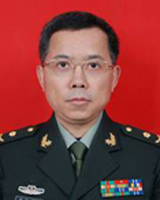 Xuenong Ouyang (欧阳学农)合作论文数南京军区福州总医院5
 TK Lau合作论文数 Fetal Medicine Centre, Paramount Medical Centre5Wu Jian-xin合作论文数5
 Ru Feng (冯茹)合作论文数Nanfang Hosptial, Southern Medical University5Ping Hu合作论文数5
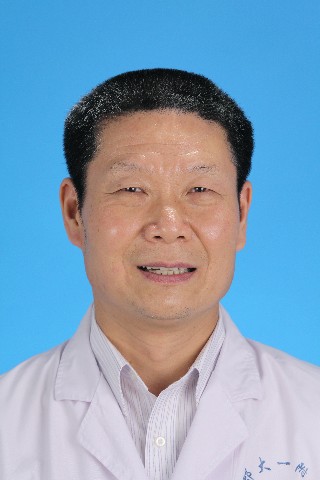 Mingzhi Zhang (张明智)合作论文数He Nan Sui Xian People's Hospital5
 Jishi Wang (王季石)合作论文数The Affiliated Hospital of Guizhou Medical University5
 Weijing Zhang (张伟京)合作论文数Beijing Shijitan Hospital, Capital Medical University5
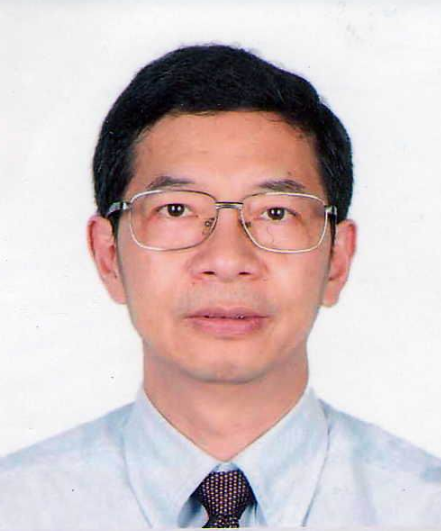 Xiaohong Zhang (张晓红)合作论文数The Second Affiliated Hospital Zhejiang University School of Medicine5




