BackgroundIn China, the common treatment for Bowen's disease (BD) is surgical excision. Although 5-aminolevulinic acid-based photodynamic therapy (ALA-PDT) has proven effective for BD in Caucasian patients, there is limited research on its effectiveness in Asian patients. This trial aimed to investigate the efficacy and safety of ALA-PDT in treating BD patients in China, providing data to standardize its application in Chinese BD patients.MethodsA multicenter, prospective clinical study was conducted in seven tertiary hospitals in China. Histopathologically confirmed BD patients received standard ALA-PDT. After pretreatment, a 20% ALA gel or solution was applied to the lesions and incubated for 3-4 h. The lesions were illuminated with 635-nm red LED light at a dose level of 80-120 J/cm2. Additional treatments were scheduled every 7-14 days based on lesion regression.ResultsThe study included 35 BD patients with 44 lesions. All patients received 3-6 sessions of ALA-PDT. Three months after the last treatment, the complete response rate was 97.1% (34/35) for patients and 97.7% (43/44) for lesions. Subgroup analysis indicated that sex (p = 0.3518), age (p = 0.6906), number of lesions (p = 0.7155), lesion location (p = 0.2241), and size (p = 0.2898) did not significantly affect effectiveness. During the 12-month follow-up, the recurrence rate was 3.0% (1/33). Physicians rated 93.1% (27/29) of cosmetic effects as excellent or good. Meanwhile, patient satisfaction reached 92.6% (25/27). The primary adverse event observed was mild to moderate pain. Photodynamic fluorescence diagnosis showed that 100% (35/35) of the BD lesions exhibited brick-red fluorescence.ConclusionsA regimen of 3-6 sessions of topical ALA-PDT using 20% ALA, 3-4-h incubation, and a red light source leads to high complete response rates, excellent cosmetic effects, good patient tolerance, and minimal adverse reactions in Chinese BD patients. Importantly, the efficacy of ALA-PDT is not affected by lesion size, location, or number. Trial Registration: Chinese Registry of Clinical Trials: ChiCTR1800019213ConclusionsA regimen of 3-6 sessions of topical ALA-PDT using 20% ALA, 3-4-h incubation, and a red light source leads to high complete response rates, excellent cosmetic effects, good patient tolerance, and minimal adverse reactions in Chinese BD patients. Importantly, the efficacy of ALA-PDT is not affected by lesion size, location, or number. Trial Registration: Chinese Registry of Clinical Trials: ChiCTR1800019213
OBJECTIVE:This study aims to compare the real-world efficacy of abrocitinib versus upadacitinib in patients with atopic dermatitis (AD). METHODS:We conducted a retrospective analysis of multicenter data from the CORNERSTONE database. Patients with AD treated with abrocitinib or upadacitinib were included. Propensity score matching (PSM) was performed to balance baseline characteristics between groups. RESULTS:After PSM, 282 patients were included in each cohort for outcome comparisons. No between-group differences in EASI-75 and EASI-90 responses were observed from week 2 through week 12. The proportion of patients achieving PP-NRS4 response was higher in the upadacitinib group than in the abrocitinib group at week 2 (p < 0.001). When stratified by body sites, the two medications showed comparable efficacy in skin lesion clearance across all body sites. However, patients receiving upadacitinib and abrocitinib exhibited lower EASI-75 response rates in the head and neck region than in other body regions at week 12. CONCLUSION:This study demonstrated that upadacitinib provided greater pruritus relief at early treatment phase compared with abrocitinib in AD patients. Additionally, selective JAK inhibitors showed a lower response rate in the head and neck region than in other body regions.
Background Atopic dermatitis (AD) is burdensome. AD with head, face and neck (HFN) involvement seems more strongly associated with quality-of-life impairment than other locations. Aim To investigate how HFN involvement affects the psychological and economic burden of AD in elderly population. Methods We evaluated elderly patients with AD using the eczema area and severity index (EASI), patient-oriented eczema measure (POEM), worst itch numerical rating scale (WI-NRS), dermatology life quality index (DLQI), and hospital anxiety and depression scale. Additionally, we collected data on annual direct medical costs to assess economic burden. Results A total of 3,066 elderly patients with AD were included in the study and 1375 (44.85%) patients had HFN involvement. Compared to patients without HFN involvement, patients with HFN involvement showed a greater proportion of hand, foot, breast and perianal/genital areas involvement and exhibited a higher prevalence of severe AD signs, severe AD symptoms, severe itching, moderate to severe anxiety, and moderate to severe depression, as well as annual direct medical cost. Limitations This study has several limitations; there is potential for selection and recall bias due to its reliance on data from tertiary hospitals and patient-reported outcomes, and statistical bias from using binary logistic regression rather than ordinal regression methods. Conclusion In this real-world study, HFN involvement had significant effects on clinical presentation and disease burden among elderly patients with AD. These findings could guide clinicians in formulating tailored treatment strategies and evaluating disease prognosis in elderly patients with AD.
e21555 Background: Alterations in hedgehog signaling are implicated in the pathogenesis of basal-cell carcinoma. Sonidegib, a hedgehog pathway inhibitor (HPI), was approved for the treatment of adult patients with locally advanced basal cell carcinoma (BCC) that has recurred following surgery or radiation therapy, or those who are not candidates for surgery or radiation therapy, by the FDA and EMA. However, the efficacy and safety profile of sonidegib in Chinese patients was unknown. Herein, we present the results from a phase IV study of sonidegib conducted among Chinese patients. Methods: The study (NCT06880848) recruited patients (pts) aged ≥18 years who had locally advanced BCC that was not amenable to radiation therapy, curative surgery, or other local therapies. All patients received 200 mg oral sonidegib once daily for up to 1 year. The primary endpoint was the independent review committee (IRC)-assessed objective response rate (ORR) based on the modified response evaluation criteria in solid tumors (mRECIST). Results: Between June 21, 2023, and July 23, 2024, 160 pts were enrolled and treated. Median age was 68 years (range, 25 – 96 years). As of data cutoff (August 26, 2025), median follow-up was 12·7 months. The IRC-assessed ORR was 58.1% (95% CI 50.1-65.9%), which was consistent across all predefined subgroups. Median duration of response (DOR) and progression-free survival (PFS) by IRC were not reached; the 12-month DOR and PFS rates were 70.8% and 67.4%, respectively. Treatment-related adverse events (TRAEs) were reported in all patients, with most graded 1-2. The most common TRAEs were elevated blood creatine kinase (60.6%), alopecia (44.4%), muscle spasms (33.8%), weight decrease (29.4%), anorexia (24.4%), dysgeusia (23.1%), aspartate aminotransferase increased (21.3%), and alanine aminotransferase increased (20.0%). The incidence of grade ≥3 TRAEs was 28.1%, with elevated blood creatine kinase as the most common (15%). Serious adverse events (SAEs) occurred in 39 patients (24.4%), of which 17 (10.6%) were treatment-related SAEs. TRAEs led to treatment discontinuation in 9 (5.6%) pts. No TRAEs led to death. Conclusions: In Chinese patients with locally advanced BCC, sonidegib demonstrated robust efficacy, consistent with previous reports in global study populations. The safety profile of sonidegib was manageable, and no new safety signals were observed. Clinical trial information: NCT06880848 .
Background: Intratumor heterogeneity in plantar melanoma orchestrates transcriptional programs that contribute to resistance to target- and immuno-therapies. However, the evolution and spatial distribution of cellular subgroups, as well as their effects on immune environment and patient prognosis, remain unclear. Methods: We analyzed 218,021 cells from 20 plantar melanoma and 6 normal samples using single-cell RNA sequencing to reveal the evolutionary characteristics and communication patterns of tumor subgroups. Spatial transcriptomics and multiplex immunohistochemistry (mIHC) were used to map the spatial distribution of these subgroups, with mIHC scores further evaluating their correlation with patient prognosis. Single-cell multiomics analysis identified key transcription factors associated with chromatin accessibility. In addition, survival analysis was performed using bulk RNA sequencing data from 68 melanoma patients. Results: We identified a continuum of subgroups originating from stem cells via transitional and Schwann cell-like precursor states, ultimately reaching a Schwann cell-like state. This evolution trajectory was supported by integrative evidence, including assessments of stemness, transitional states, RNA velocity, and transcription factors. The histological distribution of these subgroups was validated by spatial transcriptomics and multiple IHC. Notably, Schwann cell-like subgroup, regulated by transcription factor HMGA2, was associated with immune cell dysregulation and a worse prognosis, including increased invasion and lymph node metastasis. Mechanically, inhibition of HMGA2 expression blocked the transition to Schwann-like melanoma fate. Conclusions: This study reveals the unique evolutionary trajectory of plantar melanoma, showing its differentiation towards a Schwann-like fate regulated by HMGA2, leading to a decline in pigment function, enhanced immune tolerance and an increased propensity for lymph node metastasis.
Background:Vitiligo causes significant psychological stress, creating a strong demand for accessible educational resources beyond clinical settings. This demand remains largely unmet. Large language models (LLMs) have the potential to bridge this gap by enhancing patient education. However, uncertainties exist regarding their ability to accurately address individualized patient inquiries and whether comprehension capabilities vary between LLMs. Purpose:This study aims to evaluate the applicability, accuracy, and potential limitations of OpenAI o1, DeepSeek-R1, and Grok 3 for vitiligo patient education. Methods:Three dermatology experts first developed sixteen vitiligo-related questions based on common patient concerns, which were categorized as descriptive or recommendatory with basic and advanced levels. The responses from the three LLMs were then evaluated by three vitiligo-specialized dermatologists for accuracy, comprehensibility, and relevance using a Likert scale. Additionally, three patients rated the comprehensibility of the responses, and a readability analysis was performed. Results:All three LLMs demonstrated satisfactory accuracy, comprehensibility, and completeness, although their performance varied. They achieved 100% accuracy in responding to basic descriptive questions but exhibited inconsistency when addressing complex recommendatory queries, particularly regarding treatment recommendations for specific populations. Pairwise comparisons indicated that DeepSeek-R1 outperformed OpenAI o1 in accuracy scores (p = 0.042), while no significant difference was observed compared to Grok 3 (p = 0.157). Readability assessments revealed elevated reading difficulty across all models, with DeepSeek-R1 exhibiting the lowest readability (mean Flesch Reading Ease score of 19.7; pairwise comparisons showed DeepSeek-R1 scores were significantly lower than those of OpenAI o1 and Grok 3, both p < 0.01), potentially reducing accessibility for diverse patient populations. Conclusion:Reasoning-LLMs demonstrate high accuracy in responding to simple vitiligo-related questions, but the quality of treatment recommendations declines as question complexity increases. Current models exhibit errors in providing vitiligo treatment advice, necessitating enhanced filtering mechanisms by developers and mandatory human oversight for medical decision-making.
Aim: Renal cell carcinoma (RCC) screening is helpful to improve the prognosis of patients. However, the existing RCC detection methods are not suitable for large-scale screening. Serum microRNAs (miRNAs) is expected to be a convenient, economical, and non-invasive screening tool for RCC. This study aimed to identify relevant serum miRNAs as diagnostic markers for RCC. Methods: This research included 112 patients with RCC and 112 healthy control individuals, carried out in three distinct phases. The objective was to identify serum miRNAs suitable for RCC diagnosis using quantitative reverse transcription polymerase chain reaction (RT-qPCR). Additionally, bioinformatics analyses were performed to predict target genes and provide functional annotations. Results: Compared with healthy controls, patients with RCC highly expressed miR-221-3p and lowly expressed miR-124-3p, let-7b-5p, miR-30a-5p, and miR-302d-3p. After multiple rounds of combination screening, the combination of miR-124-3p, miR-221-3p, and let-7b-5p showed good diagnostic predictability. The diagnostic panel exhibited a 0.838 area under curve (AUC), achieving 75.00% sensitivity and 77.68% specificity. Conclusion: Our analysis demonstrates that combining miR-124-3p, let-7b-5p, and miR-221-3p forms a non-invasive, economical, and remarkably effective diagnostic indicator for patients with renal cell carcinoma.
Currently, medical vision language models are widely used in medical vision question answering tasks. However, existing models are confronted with two issues: for input, the model only relies on text instructions and lacks direct understanding of visual clues in the image; for output, the model only gives text answers and lacks connection with key areas in the image. To address these issues, we propose a unified medical vision language model MIMO, with visual referring Multimodal Input and pixel grounding Multimodal Output. MIMO can not only combine visual clues and textual instructions to understand complex medical images and semantics, but can also ground medical terminologies in textual output within the image. To overcome the scarcity of relevant data in the medical field, we propose MIMOSeg, a comprehensive medical multimodal dataset including 895K samples. MIMOSeg is constructed from four different perspectives, covering basic instruction following and complex question answering with multimodal input and multimodal output. We conduct experiments on several downstream medical multimodal tasks. Extensive experimental results verify that MIMO can uniquely combine visual referring and pixel grounding capabilities, which are not available in previous models. Our project can be found in https://github.com/pkusixspace/MIMO.
The efficient isolation and molecular analysis of circulating tumor cells (CTCs) from whole blood at single-cell level are crucial for understanding tumor metastasis and developing personalized treatments. The viability of isolated cells is the key prerequisite for the downstream molecular analysis, especially for RNA sequencing. This study develops a laser-induced forward transfer -assisted microfiltration system (LIFT-AMFS) for high-viability CTC enrichment and retrieval from whole blood. The LIFT-compatible double-stepped microfilter (DSMF), central to this system, comprises two micropore layers: the lower layer's smaller micropores facilitate size-based cell separation, and the upper layer's larger micropores enable liquid encapsulating captured cells. By optimizing the design of the DSMFs, the system has a capture efficiency of 88% at the processing throughput of up to 15.0 mL min-1 during the microfilter-based size screening stage, with a single-cell yield of over 95% during the retrieval stage. The retrieved single cells, with high viability, are qualified for ex vivo culture and direct RNA sequencing. The cDNA yield from isolated CTCs surpassed 4.5 ng, sufficient for library construction. All single-cell sequencing data exhibited Q30 scores above 95.92%. The LIFT-AMFS shows promise in cellular and biomedical research.
Microbial detection at the single-cell level offers a novel approach for understanding intricacies of biological systems at the most fundamental level, influencing the advances in therapeutics, drug discoveries, and bioenergy. However, achieving high throughput, high accuracy, specificity, and low damage in sorting and detecting microbial cells have been the most significant hurdles. In this study, we introduced a laser-induced forward transfer (LIFT) with functionalized microwell arrays, called functionalized microwell laser sorting (FMLS). The microwell ejection chip (M-chip) cut the liquid surface tension to form femtoliter droplet arrays by hundreds of thousands of microwell arrays, which enabled efficient capture of single microbial cells and enhanced throughput of microbial detection. The FMLS has achieved over 80 % capture efficiency for individual microorganisms such as Escherichia coli, Saccharomyces cerevisiae, Cyanobacteria spp., and Chlamydomonas spp.. Additionally, it integrated bright-field, fluorescence, and Raman identification methods to enhance specificity for microbial detection. FMLS system exhibited nearly 100 % single-cell sorting efficiency without affecting adjacent cells. The sorted single cells were validated through PCR, confirming the accuracy of single-cell capture and sorting. Through simulations, we optimized the microwell thickness to minimize the required sorting energy, enabling over 95 % cell viability and over 88 % genome coverage of single cells. These highlight the flexibility and technical capabilities of the FMLS system, which will become attractive and invaluable sorting and detection tools for single- cell research, driving forward advancements in diagnostics, environmental science, and biotechnology.
Pseudo-labeling approaches, a powerful paradigm for semi-supervised learning in medical image analysis, involve a teacher network to generate pseudo-labels and a student network to utilize the generated pseudolabels. However, the generation and utilization of pseudo-labels are tightly coupled as both the teacher and student model share the same network. The inability of a single model to self-correct effectively can cause confirmation biases and potential error accumulation as the training proceeds. To address the problems, a novel semi-supervised framework fusing Cross-Training and Dual-Teacher (CTDT) is proposed in this paper. Firstly, a novel cross-training strategy is introduced, which adopts distinct architectural inductive biases within semi-supervised learning framework, enabling different models to mutually correct each other due to their varying learning capabilities and effectively preventing the direct accumulation of errors. Further, a dual-teacher fusion module is proposed to alleviate confirmation biases, which fuses complementary knowledge from diverged teachers to capture distinctive feature representations from unlabeled data and co-guide the student model. Extensive experiments on two public medical image classification benchmarks, i.e. skin lesion diagnosis with ISIC2018 challenge and colorectal cancer histology slides classification with NCT-CRC-HE, justify that our method (CTDT) achieves an average improvement of 2.48% on the NCT-CRC-HE and 3.13% on the ISIC2018.
Background::Atopic dermatitis (AD) is a chronic inflammatory skin disorder impacting populations worldwide, although its clinical characteristics and patient demographics remain uncharacterized in China. The aim of this study was to investigate the demographics, comorbidities, aggravating factors, and treatments in AD patients across different age groups in China.Methods::This cross-sectional study included Chinese AD patients from 205 hospitals spanning 30 provinces. Patients completed dermatologist-led surveys of general medical history, comorbidities, AD-related aggravating factors, and medications. Two-level mixed-ordered logistic regression was used to evaluate aggravating factors.Results::Overall, 16,838 respondents were included in the final analysis (aged 30.9 ± 24.1 years). The proportion of severe AD was the highest in patients with AD onset at ≥60 years (26.73%). Allergic rhinitis and hypertension were the most common atopic and metabolism-related non-atopic comorbidities, respectively. AD severity was significantly associated with chronic urticaria, food allergies, and diabetes. Aggravating factors including foods, seasonal changes, and psychological factors were also linked to AD severity. The cross-sectional survey implied that severe AD may be related to the undertreatment of effective systemic or topical interventions.Conclusion::To enhance the management of AD, it is crucial to consider both aggravating factors and the increased utilization of systemic immunotherapy.Registration::ClinicalTrials.gov, NCT05316805
 Ruoyu Li (李若瑜)合作论文数Peking University First Hospital44
 WanNian Liang (梁万年)合作论文数36Yongqing Lai合作论文数35Yicen Yan合作论文数34Shaomin Zhong合作论文数34
 Ping Tu (涂平)合作论文数National Clinical Research Center for Skin and Immune Diseases, Peking University First Hospital31
 Juan Tao (陶娟)合作论文数Union Hospital, Tongji Medical College, Huazhong University of Science and Technology31Liyun Dong (董励耘)合作论文数30
 Tiechi Lei (雷铁池)合作论文数Department of Dermatology, Renmin Hospital, Wuhan University30Ping Diao合作论文数29Gang Wang合作论文数29Heng Gu合作论文数29Hengjin Li合作论文数29LeiHong Xiang (项蕾红)合作论文数29LiuQing Chen (陈柳青)合作论文数29
 Chao Ji (纪超)合作论文数College of Mechanical and Electrical Engineering, Shihezi University29
 Li He (何黎)合作论文数First Affiliated Hospital of Kunming Medical University29
 Jiquan Song (宋继权)合作论文数Zhongnan Hospital, Wuhan University29
 Liuyi Li (李六亿)合作论文数Peking University First Hospital29Bo Cheng (程波)合作论文数29
 Xinghua Gao (高兴华)合作论文数Institute of Health Sciences, China Medical University;The First Hospital of China Medical University29Liu Wei合作论文数28
 Dongxian Liu (刘冬先)合作论文数Tongji Hospital, Tongji Medical College, Huazhong University of Science and Technology28
 Yan Wu (吴艳)合作论文数Department of Dermatology, Peking University First Hospital28
 Zhirong Yao (姚志荣)合作论文数Xin Hua Hospital Clinical Drug Trial Institution;Xinhua Hospital Affiliated to Shanghai Jiao Tong University School of Medicine28Wei Lai合作论文数27
 Jinhua Xu (徐金华)合作论文数Huashan Hospital Pudong Fudan University;Shanghai Medical College Fudan University27
 Qianjin Lu (陆前进)合作论文数Hospital for Skin Diseases, Chinese Academy of Medical Sciences;The Second Xiangya Hospital of Central South University24Xiang Pan合作论文数23Shuxia Yang (杨淑霞)合作论文数22
 Furen Zhang (张福仁)合作论文数Shandong First Medical University22Jing Quan合作论文数20YaDong Wang (王亚东)合作论文数20
 Baoxi Wang (王宝玺)合作论文数Plastic Surgery Hospital, Chinese Academy of Medical Sciences20Liwen Zhao合作论文数19
 Hongzhong Jin (晋红中)合作论文数Peking Union Medical College Hospital18Jinling Xu合作论文数17Zuwei Li合作论文数17
 Yang Wang (汪旸)合作论文数Peking University First Hospital;Academy for Advanced Interdisciplinary Studies, Peking University17Weijie Xu合作论文数16
 Jun Xie (谢珺)合作论文数Economics and Management School, Wuhan University16Guohong Zhang合作论文数15
 Jianzhong Zhang (张建中)合作论文数Peking University People's Hospital15
 Aiwen Wu (武爱文)合作论文数Beijing Cancer Hospital15Huijun Duan合作论文数15YanPing Cao (曹延萍)合作论文数14Liang Zhou合作论文数13Canbin Lin合作论文数13
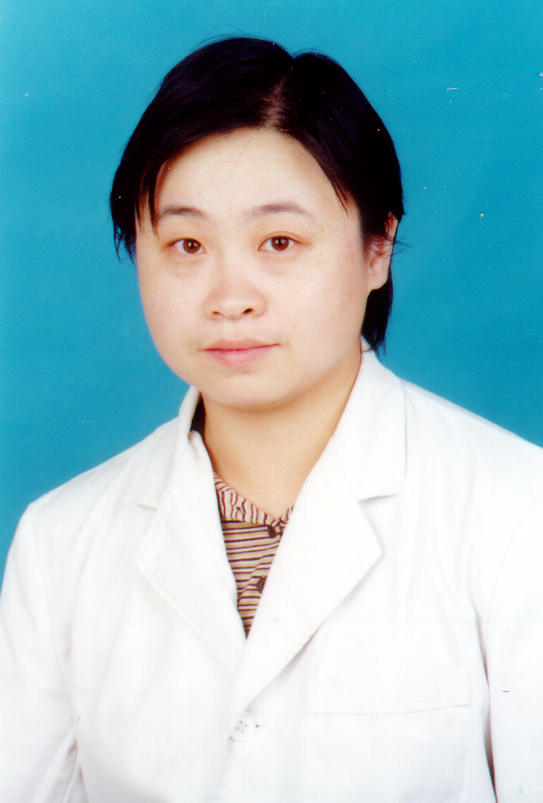 Xixue Chen (陈喜雪)合作论文数Department of Dermatology and Venereology,Peking University First Hospital,Beijing ,China13




