Irregular temporal sampling and limited data availability restrict the performance of remote sensing–based chlorophyll-a prediction for water eutrophication assessment. Meanwhile, atmospheric pollutant deposition represents an important pathway for nutrient input into lakes, yet such information is rarely incorporated into data-driven prediction frameworks.To address these challenges, this study proposes a multimodal fusion framework integrating atmospheric pollutant data and chlorophyll remote sensing imagery. First, a transfer learning-based generative adversarial network (TL-MCAS-CSG-GAN) is developed to reconstruct missing chlorophyll remote sensing images and enhance temporal continuity. Second, a cross-attention Conv2D-LSTM GAN model is designed to fuse atmospheric six-parameter features with chlorophyll image sequences for eutrophication prediction.Experiments conducted on Taihu Lake datasets demonstrate that the proposed model improves SSIM, PSNR, and COSIN by 6.51
Fruit and vegetable supply chains generate heterogeneous data across production, storage, logistics, and sales, creating challenges for trusted data sharing, privacy protection, and real-time traceability across distributed supply-chain information systems. Conventional single-chain blockchains suffer from limited scalability, data redundancy, and low retrieval efficiency, making them inadequate for high-frequency full-process information management. This study proposes a multi-chain blockchain framework for trusted full-process information management of fruit and vegetable supply chains. The framework integrates traceability, enterprise, notary, and regulatory chains to support hierarchical data management and privacy isolation. A reputation-based notary node election mechanism and a threshold-signature scheme based on Shamir secret sharing are designed to enhance cross-chain security and distributed regulatory consensus. To improve retrieval efficiency, a Cuckoo-Augmented Merkle Tree (CMerkle) and a skip-list-based block index are developed. Simulation results show that all malicious nodes were restricted by the 19th round, signature aggregation required 70.16 ms in a 500-node setting, and CMerkle achieved retrieval speedups of 14.7 and 153 times at data scales of 500 and 10,000 records, respectively. The framework supports trusted data governance, real-time traceability, privacy-preserving sharing, and regulatory decision support in blockchain-enabled supply-chain information systems.
Food-safety systems increasingly need to manage large detection files and externally generated analytical results across multiple organizations while linking these records to batch-level control actions. This study proposes a blockchain-based dual-track mechanism for trusted circulation of food-safety detection data and batch-level risk control, using aflatoxin B1 (AFB1) as the empirical case. High-dimensional files are stored in InterPlanetary File System (IPFS) and anchored on-chain by content identifiers (CIDs); three authorized oracles use two-of-three matching of detection values and evidence hashes before contract-based state determination. A stage–device–operation inverted index identifies associated batches, while signed second-track confirmations drive GREEN/YELLOW/RED state transitions. Experiments on a four-node Quorum Byzantine Fault Tolerance (QBFT) network used 57 independent HyperPistachio samples with 86.625-mebibyte (MiB) band-interleaved-by-line (BIL) files. Real-file access was successfully completed, single-oracle failures were tolerated when two consistent oracle reports remained, and associated-batch query latency increased only from 13.06 to 16.78 ms as fanout rose from 1 to 40. A 115.15 min sustained run maintained consistent states across all four nodes. The study manages externally supplied AFB1 results rather than evaluating analytical AFB1 detection accuracy, and its experimental validation is limited to the AFB1 case.
Location-aware wireless networks can provide precise location information in harsh environments, however, localization is significantly affected by irregular network topologies. For network topologies containing holes or obstacles, the deviation induced by nonlinear distance measurements can be modeled as a latent variable with inherent uncertainty. To mitigate the adverse effects of nonlinear distance, a variational Bayesian expectation maximum (VBEM) localization model is proposed, in which localization parameters are iteratively updated through the variational Bayesian expectation (VBE) step and variational Bayesian maximization (VBM) step, respectively. Performance limits are also investigated using Cram & eacute;r-Rao lower bound (CRLB) and hybrid CRLB (HCRLB). Further inspection on the performance limits confirms the auxiliary node selection by tightness condition. Simulation results demonstrate that the proposed method achieves significantly higher localization accuracy than existing methods.
Water eutrophication prediction remains challenging due to poor long-term feature retention, susceptibility to local optima, and difficulties in balancing smooth and abrupt time-series patterns. To address these issues, this study develops a two-stage reinforcement-learning forecasting framework in which Transformer-based temporal representation, auxiliary replay learning, and error-aware Q-value selection are jointly organized for multivariate eutrophication prediction. In the first stage, the TDDPG model replaces the conventional actor representation in DDPG with a Transformer-based temporal feature extractor and uses an auxiliary replay buffer to reduce the effect of strongly correlated sequential samples during policy learning. In the second stage, the DDPG-Double 3Q model treats the outputs and errors of several DDPG-based predictors as decision states, allowing the final prediction policy to select and refine candidate predictions under both gradual and abrupt water-quality variations. Experimental validation using multi-factor water quality monitoring data demonstrates that the proposed framework achieves an average improvement of 35% across key evaluation metrics - Mean Absolute Error (MAE), Root Mean Squared Error (RMSE), and Mean Absolute Percentage Error (MAPE) compared to baseline models such as ADDPG and RDPG. The results indicate that the framework improves prediction accuracy and training stability in the tested dataset, suggesting that reinforcement learning can provide a useful sequential decision-making formulation for multivariate eutrophication forecasting.
To enhance the efficiency of heterogeneous multi-unmanned surface vehicle (multi-USV) systems performing multiple tasks, this study introduces a novel multi-task allocation method. The proposed method utilizes a cost conversion relational network to enable parallel execution of multi-tasks, significantly improving overall efficiency. To address the inefficiencies associated with multi-task allocation in heterogeneous multi-USV systems, this study proposes a novel task allocation algorithm inspired by the migratory behavior of horned horse herds. Three sets of experiments were conducted to validate the proposed algorithm’s effectiveness. Experiment 1 involved a comparative analysis in a randomly generated simulated obstacle environment. Experiment 2 focused on a simulated real-world scenario, while Experiment 3 was conducted in the real-world environment of Miyun Reservoir. Experimental results demonstrated that the proposed algorithm exhibits higher computational efficiency and lower task costs than the benchmark algorithms.
To address the limited use of water-environment knowledge and the difficulty of modeling facilitating and inhibitory relationships among indicators, this study proposes KGSR-WaterNet, a knowledge-driven framework for multi-indicator water quality prediction via signed relation modeling. A large language model is fine-tuned using low-rank adaptation on 500 water-environment publications, standard documents, and encyclopedic resources to extract structured knowledge five-tuples and construct a water-environment knowledge graph. Domain-enhanced Sentence-BERT and a relation-aware residual graph attention network learn domain semantics and typed relations. A water quality similarity method and signed gated fusion integrate knowledge-domain and data-domain relations while preserving positive and negative associations. CNN–SR-LSTM–Attention then embeds these signed relations into temporal modeling for the joint prediction of seven indicators. Experiments on 2118 monitoring time points from Guanting Reservoir in 2023 show that the graph contains 1424 entities, 3290 relation instances, and 33 relation types. The fine-tuned model achieved a five-tuple F1 score of 91.1%, and the generated knowledge was highly consistent with expert knowledge, with a Pearson correlation coefficient of 0.9973. Across five independent runs, KGSR-WaterNet achieved the best mean MAE, RMSE, and R2 values simultaneously for six indicators. Relative to VBAED, it reduced MAE and RMSE by 6.73%–37.68% and 2.27%–33.26%, respectively, while improving R2 by 0.0012–0.0465. On the independent 2024–2025 Miyun Reservoir dataset, the model achieved the highest average R2 of 0.9283 and the best mean MAE, RMSE, and R2 values simultaneously for five indicators. Average R2 exceeded 0.91 in all leave-one-season-out experiments. Code and data are available at https://github.com/buxiangfeng61/KGSR-WaterNet.git.
Unmanned Surface Vessels (USVs) are developing with trends toward intelligence, swarm capabilities and multi-functionality. The multi-USVs cooperative hunting mainly focuses on tracking and capturing dynamic suspicious targets effectively through cooperation. It has important significance and has been applied in multiple fields, including maritime law enforcement, military defense and ecological protection. First, the definition and significance of the multi-USVs cooperative hunting are presented, along with a summary of the publication volume and keyword co-occurrence analysis over the past fifteen years. The results indicate that the number of publications has been increasing annually, with reinforcement learning, game theory and machine learning gradually becoming research hotpots. Second, the current methods for the multi-USVs cooperative hunting are categorized into five methods: kinematics, dynamics, reinforcement learning, bio-inspired and game theory methods. Each method is introduced in detail. Finally, the existing challenges in the multi-USVs cooperative hunting are summarized, and future research directions are outlined from four perspectives: autonomy, multi-functionality, intelligence and networking.
In Wireless Sensor Networks (WSNs), designing efficient routing strategies to reduce overall energy consumption and prolong network lifetime remains a core challenge. Traditional routing algorithms typically rely solely on instantaneous node states for decision-making, which hinders their ability to predict the temporal evolution trends of energy consumption, consequently leading to imbalanced energy depletion and severely shortening the effective operational cycle. To address these limitations, this paper proposes an innovative, physically constrained energy-aware routing method based on a Temporal Graph Convolutional Network (TGCN). Specifically, a Graph Convolutional Network (GCN) module is utilized to extract spatial dependencies of the network topology, while a Gated Recurrent Unit (GRU) module is introduced to model the temporal characteristics of historical energy consumption rates. Furthermore, a self-supervised learning strategy with a physically constrained loss function is incorporated, enabling the model to undergo autonomous end-to-end training without manual labels, thereby significantly enhancing its practical deployment feasibility. Simulation results fully demonstrate that, compared with classical shortest-path algorithms and existing static graph neural network-based methods, the proposed TGCN-based approach achieves significant improvements. Particularly concerning core network lifetime metrics (First Node Dead, Half Node Dead, and Last Node Dead), overall residual energy, and global load balancing, the proposed method effectively delays node failures and exhibits superior routing performance.
The management of safety in wastewater treatment plants (WWTPs) is faced with fundamental challenges, including sparse domain knowledge, dynamic evolution of safety protocols, and the necessity for highly reliable decision-making. While traditional risk assessment methods and expert systems provide essential support, they struggle to integrate multi-source heterogeneous knowledge to mitigate high-consequence, low-frequency(HCLF) risks. Existing general-purpose large language models (LLMs) demonstrate significant deficiencies in domain-specific knowledge, meanwhile, traditional fine-tuning methods are susceptible to catastrophic forgetting and knowledge conflicts during continual learning, rendering them unsuitable for direct application in this context. To address these challenges, this study proposes a progressive fine-tuning strategy to develop a domain-specific LLM tailored specifically for WWTP safety management. First, a domain-specific dataset is constructed through specialized dataset engineering. Subsequently, the proposed progressive fine-tuning strategy partitions domain knowledge into sequential stages, enabling the model to gradually learn and consolidate core knowledge at each stage before proceeding to the next. This orderly accumulation process ensures the deep integration of knowledge. The model is deployed and continuously optimized using vLLM, and direct preference optimization (DPO). The experimental results demonstrate that the progressive fine-tuning strategy effectively mitigates knowledge conflicts arising from multi-task fine-tuning. This approach not only ensures precise adherence to bottom-line safety protocols and enhances the model’s depth of domain understanding in WWTP safety management, but also facilitates more coordinated capability allocation and knowledge integration across different professional tasks. By progressively refining the model, the proposed approach achieves superior task-specific performance even compared to models with substantially larger parameter scales, offering an effective and reproducible pathway for addressing analogous domain adaptation challenges.
[Objective]Data across the agricultural industrial chain are generated throughout production, processing, storage, logistics, sales and supervision. Such data feature dispersed stakeholders, long‑link processes, multi‑source heterogeneity, and high privacy‑ and business‑information sensitivity. Nevertheless, current agricultural big‑data platforms and standalone technologies including blockchain‑enabled traceability, privacy‑preserving computation and federated learning cannot systematically resolve bottlenecks in cross‑entity data circulation, such as data ownership confirmation, controlled utilization, audit tracing and value‑oriented collaboration. Accordingly, this paper proposes a trusted data‑space framework tailored for agricultural production, circulation, supervision and service collaboration scenarios to satisfy requirements for trusted cross‑entity data circulation. It elaborates the framework's layered architecture, core operational mechanisms and implementation paths, offering systematic references for agricultural data sovereignty protection, controlled data sharing, audit tracing and value collaboration.[Methods]Based on the national standard Technical Architecture of Trusted Data Space and the characteristics of the agricultural industry chain, including multiple stakeholders, long-chain processes, limited computing capacity at edge nodes, and data heterogeneity, a domain-adaptation approach was adopted to construct the overall framework and analyze its operating mechanisms. The framework design focused on semantic interoperability, connector-based controlled interaction, privacy-preserving computation, and blockchain-based evidence preservation. A self-developed integrated service platform was then used for preliminary scenario-based analysis, combining about 120 000 food safety sampling and monitoring records from a city during 2023-2025 with the business workflow of an organic farm. The analysis covered standardized data access and governance, risk profiling, on-chain evidence preservation, trusted traceability, permission control, abnormal request interception, and audit tracing.[Results and Discussions]A four-layer architecture was established, consisting of an infrastructure and data resource layer, a trusted data space core layer, a data capability support layer, and an agricultural industry chain application ecosystem layer. The operating mechanism formed a closed loop jointly driven by deep semantic interoperability, connector-based controlled interaction, value co-creation through privacy-preserving computation, and dynamic trust supported by blockchain and smart contracts. Under this framework, ontology models, metadata, and knowledge graphs supported concept alignment, structural mapping, and contextual disambiguation; connectors, digital contracts, and usage control policies constrained usage purposes, invocation frequency, field scope, output forms, and prohibited behaviors; privacy-preserving computation and federated learning enabled cross-entity collaborative analysis without centralizing raw plaintext data; and blockchain recorded contract hashes, log hashes, result digests, and abnormal interception records for auditable tracing. The platform-based scenario description showed that the framework could support standardized data access, risk profiling, on-chain evidence preservation, role-based permission control, abnormal operation interception, and audit tracing in agricultural and food safety risk governance scenarios. In the organic-farm workflow, the mechanism was reflected by keeping raw data off-chain, storing key digests on-chain, controlling data use within authorized environments, and retaining auditable records of the process. Compared with conventional centralized agricultural data platforms, this framework emphasized physical distribution with logical integration and extends security protection from access control to continuous usage control after cross-entity interaction. The four-dimensional implementation pathway further indicated that institutional rules, lightweight connectors and privacy-preserving components, specialized data intermediaries, and progressive pilot deployment should advance in coordination.[Conclusions]The proposed trusted data space framework provides a systematic approach to controlled data circulation, data sovereignty protection, auditability, and value collaboration among multiple stakeholders in the agricultural industry chain without requiring centralized aggregation of raw plaintext data. It can serve as a reference for the circulation of agricultural data elements and the collaborative transformation of the agricultural industry chain, while providing a basis for integration with the national data infrastructure system.
Air pollution has become a major issue in the modern megalopolis because of industrial emissions and increasing urbanization. While numerous studies adopt deterministic modeling approaches for pollutant diffusion, few have addressed the joint estimation of pollutant source parameters under uncertainty. For cases where the emission rate is unknown, we model dispersion under steady-state Gaussian plume conditions, assuming short-term scenarios with quasi-stationary meteorology. We formulate a probabilistic modeling framework for pollutant emission rate estimation by treating the emission rate as a latent variable and developing the framework using the Variational Bayesian Expectation Maximization (VBEM) algorithm. Within this framework, prior knowledge is incorporated through probabilistic priors, and uncertainty is explicitly quantified via posterior distributions. To resolve the analytical intractability introduced by nonlinear terms in the physical diffusion model, a second-order Taylor series expansion is employed, yielding a closed-form approximation. The proposed framework is quantitatively evaluated against classical parameterization models, achieving a mean absolute percentage error (MAPE) of 4.2
To enhance the anti-disturbance capability of unmanned surface vessels (USVs) in cooperative formation control and mitigate the impact of communication delays and noise in challenging environment, this paper proposes a decentralized formation control strategy for USVs. First, a boundary function is designed to regulate the convergence speed and accuracy of formation errors while ensuring connectivity and collision avoidance between USVs are met. Second, relative distance and heading between USVs are obtained via onboard sensors, and the actual heading and velocity of the lead USV are estimated using a tracking differentiator (TD)-based speed feedback system. This approach enables formation control without the need for inter-vessel communication. At last, a formation guidance law based on a tangent-type Lyapunov function is developed to compute the desired heading and speed of each follower USV. This paper presents three sets of simulation experiments. In simulation Experiments 1 and 2, tests are conducted under conditions with and without disturbance environment, as well as with varying levels of disturbance. The proposed method demonstrates superior formation path tracking performance and smoother trajectories compared to other algorithms. In simulation Experiment 3, a range of desired paths are considered to validate the generality of the method. Simulation results demonstrate that the proposed strategy successfully achieves formation control without inter-vessel communication, maintains connectivity, avoids collisions, and ensures that formation errors conform to the specified performance criteria.
Food quality and safety are crucial for human health and social stability, and full-process and all-information traceability is a key factor in ensuring food quality and safety. The food supply chain is characterized by numerous participants, complex data structures, and difficulties in cross-domain information sharing, leading to challenges in ensuring the trustworthiness of data sources and secure data flow. To address these issues, blockchain technology has been gradually applied to food traceability. However, challenges such as low storage capacity and low consensus efficiency of single-chain blockchain systems remain, and issues related to the unreliability of data collection from various stakeholders have not been effectively resolved.This paper is based on the multi-chain theory of blockchain and integrates active data collection carrier technology based on trusted transmission protocols to study and verify a full-process and all-information traceability model for food throughout the supply chain based on a master-slave multi-chain architecture. Firstly, the study constructs a fullprocess and all-information traceability model for the food blockchain throughout the supply chain based on master-slave multi-chain architecture by integrating multi-modal storage, cryptography, and TBFT consensus mechanisms, following an analysis of full-process and all-information in the food supply chain. Secondly, using this model as a foundation, the research constructs a trusted collection model architecture based on blockchain and trusted transmission protocols, integrating active data collection carrier technology. An active data collection carrier based on RFID suitable for full-process and all-information traceability of food was developed, and protocol processes and trusted collection were verified. Finally, the traceability system was designed and implemented based on the ChainMaker open-source framework, and simulations were conducted to analyze the trustworthiness of data interactions, traceability accuracy, and traceability query efficiency, comparing the results with other classic solutions. The results demonstrate that the average data upload success rate is 98.86%, the average time for querying public data traceability is 1.489 s, and the average time for querying private data traceability is 1.812 s. The traceability model and system solution studied in this paper meet the requirements for efficient and secure full-process and all-information traceability of food, ensuring the trustworthiness of data sources and providing a feasible reference for food quality safety assurance and traceability, thereby significantly enhancing food safety.
Frequent accidents in coal mines have caused significant loss of lives and property. During coal mine production, it is crucial that the mine's air door remains securely closed at all times. However, under certain abnormal conditions, it poses a severe hazard to underground personnel if the mine air door unintentionally opens To enhance the accuracy of air door status detection across varying underground environments, this study introduces a novel joint image enhancement algorithm. Specifically, a joint image enhancement preprocessing method was developed using OpenCV to improve image quality. The processed images were then used to train an object detection model based on the YOLOvS algorithm for 50 epochs to detect the air door's status. The resulting model achieved an accuracy of 94.1%.
The main problem in the course control of Underactuated Surface Vehicle (USV) is that their mathematical model exhibits coupled nonlinearity and external environmental disturbances, and it can affect the course control accuracy and performance of the USV. To address this issue, this paper proposes a course control method for USV based on Fractional-order Active Disturbance Rejection Control (FADRC). Firstly, the mathematical model of the USV course system and environmental disturbances is constructed, and a Linear Extended State Observer (LESO) is designed to estimate the total disturbance in real time. Secondly, based on this, a FADRC is designed for the USV course control, and a Fractional-order State Error Feedback (FSEF) control law is developed for the course system, which compensates for the estimated value of the total disturbance in real-time. Finally, FADRC is compared with Fractional-order PID (FPID) and PID. Experimental results demonstrate the effectiveness and robustness of FADRC, enabling course control of USV in disturbed environments.
Short-shelf-life foods have received increasing attention in daily dietary practices due to their freshness and convenience. Compared with other food categories, they impose more stringent requirements on quality assurance and end-to-end traceability. To address the challenge of balancing timeliness in high-frequency real-time data collection with the authenticity of trusted information flow in short-shelf-life food supply chains, this paper proposes a trusted information collection mechanism based on lightweight blockchain technology. First, a multi-layer collaborative architecture is designed, encompassing the perception layer, edge gateway, blockchain layer, and application layer. By integrating off-chain storage with on-chain indexing, the mechanism effectively alleviates the storage and computational burden on the main blockchain. Second, the edge gateway layer incorporates a zero-knowledge interval proof module, enabling real-time, localized privacy compliance statements for sensitive data. Meanwhile, the blockchain layer adopts an PoA consensus mechanism, whereby authorized nodes perform rapid data verification and deposition. Finally, through theoretical analysis and simulation-based validation, the results demonstrate that the proposed mechanism not only enhances the real-time performance, authenticity, and privacy protection of data in short-shelf-life food supply chains, but also achieves high operational efficiency and scalability. This work thus provides a novel theoretical foundation and practical approach for trusted information collection in the context of short-shelf-life food supply chains.
With the rapid advancement of the Internet and big data, data sharing has become pivotal for enhancing operational efficiency and user experience across industries. In the restaurant sector, the emergence of smart kitchens has accelerated digital transformation, underscoring the critical importance of data sharing. In this study, we investigate the evolutionary dynamics among four key stakeholders in the smart kitchen ecosystem: data providers, data-sharing platforms, data consumers, and regulators. We develop a four-party evolutionary game model to analyze the strategic interactions and behavioral evolution of each participant, applying replicator dynamics and Lyapunov stability theory. Our findings reveal that (1) data providers’ willingness to supply high-quality data is strongly influenced by platform incentives; (2) platforms’ adoption of data governance mechanisms depends on associated governance costs; (3) regulatory subsidies contribute significantly to system stability; and (4) increased financial support for regulators promotes favorable system evolution. This work offers both theoretical insights and practical guidance for data sharing in smart kitchens, providing a novel perspective on digital transformation within the restaurant industry.
The performance of heterogeneous sensor networks is enhanced by high-energy heterogeneous nodes. Determining the number and deployment of heterogeneous nodes is a significant research issue. A heterogeneous node configuration algorithm is presented in this paper, which can be used for overall network planning before the deployment of heterogeneous nodes. Subsequently, factors such as network performance and economic cost are comprehensively considered, and integrated into a single index using the entropy weighting method. The proportion of different indicators is then determined, and a formula for calculating the required number of heterogeneous nodes under various network conditions is derived by considering parameters such as network area size, node communication threshold distance, and the number of common nodes. Experimental results demonstrate that the proposed algorithm not only reduces networks costs but also enhances overall networks performance.
 Xiaoyi Wang (王小艺)合作论文数School of Artificial Intelligence, Beijing Technology and Business University174
 JiaBin Yu (于家斌)合作论文数100
 Zhiyao Zhao (赵峙尧)合作论文数81
 Huiyan Zhang (张慧妍)合作论文数School of Computer and Information Engineering, Beijing Technology and Business University67
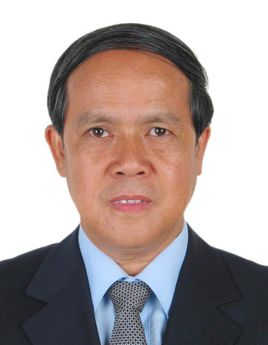 Zaiwen Liu (刘载文)合作论文数Beijing Technology and Business University51
 Qian Sun (孙茜)合作论文数School of Computer and Information Engineering, Beijing Technology and Business University43
 Yu-Ting Bai (白玉廷)合作论文数28
 Xin Zhang合作论文数25
 Li Wang (王力)合作论文数North China University of Technology24
 Zhaoyang Wang合作论文数18
 Mengxian Ding (丁孟贤)合作论文数Changchun Institute of Applied Chemistry, Chinese Academy of Sciences18
 Xue-bo Jin合作论文数Zhejiang Sci-Tech University, Zhejiang Sci.-Tech. University17Hongyan Jiang (姜洪焱)合作论文数13Yinghua Qi合作论文数12
 Xiaofeng Lian (连晓峰)合作论文数School of Computer and Information Engineering, Beijing Technology and Business University11Zhihao Chen合作论文数9
 Rongjun Zhang (张荣君)合作论文数School of Information Science and Technology, Fudan University;Academy for Engineering & Technology, Fudan University9
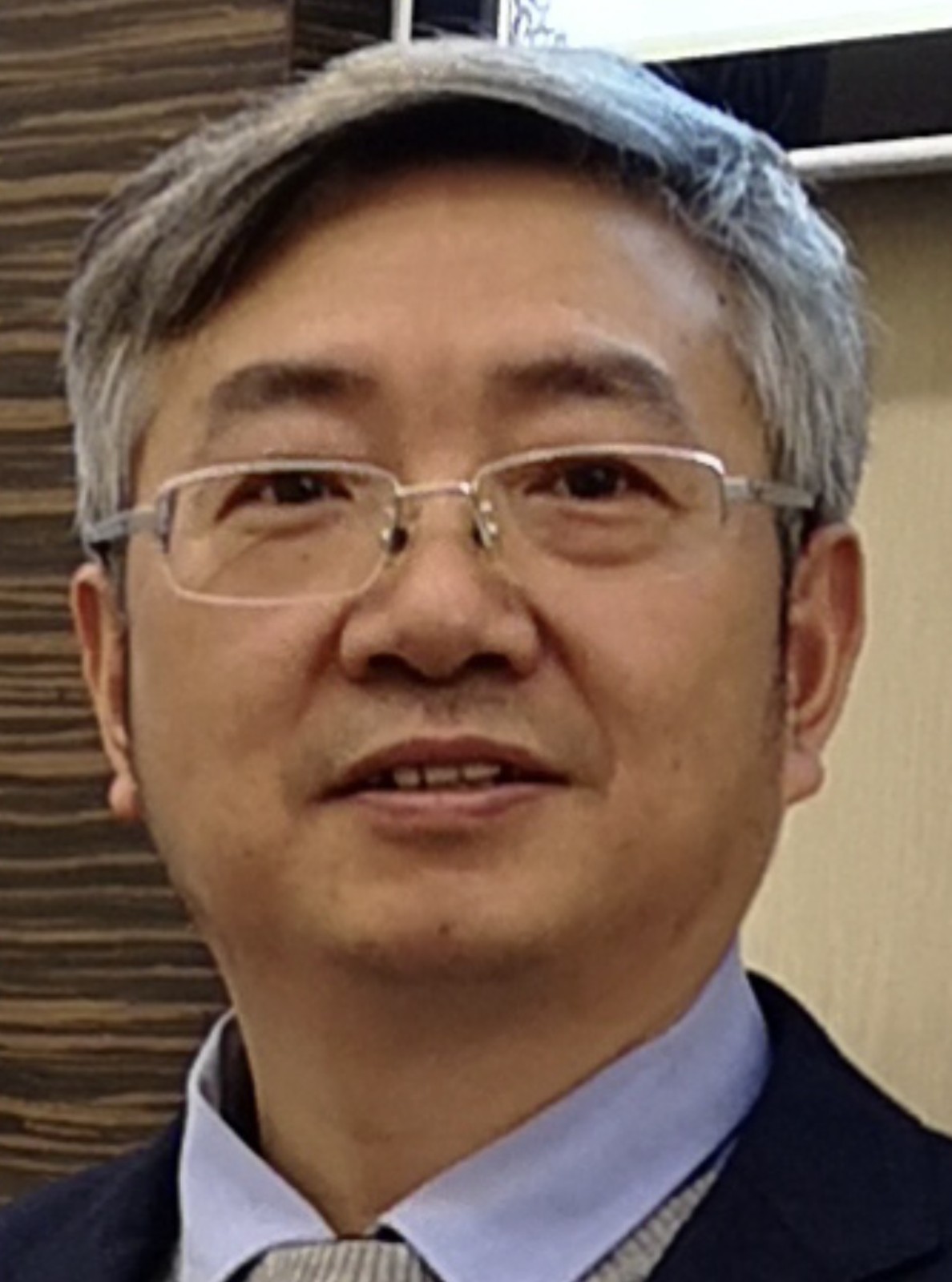 Yuxiang Zheng (郑玉祥)合作论文数School of Information Science and Technology, Fudan University9
 Liangyao Chen (陈良尧)合作论文数Department of Optical Science and Engineering, Fudan University9
 Songyou Wang (王松有)合作论文数Department of Optical Science and Engineering, School of Information Science and Technology, Fudan University8
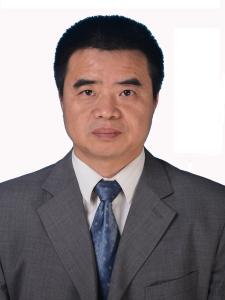 Zhonggang Wang (王忠刚)合作论文数School of Chemical Engineering, Dalian University of Technology8
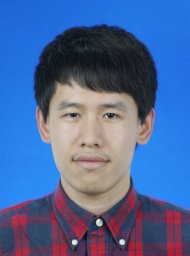 Wang Ziyi合作论文数Shanghai Engineering Research Center of Ultra-Precision Optical Manufacturing, Fudan University8
 Jianlei Kong (孔建磊)合作论文数School of Computer and Artificial Intelligence, Beijing Technology and Business University8
 Tianlu Chen (陈天禄)合作论文数School of Ecology and Environment, Tibet University7Lifeng Cui合作论文数State Key Laboratory of Structural Chemistry, Fujian Institute of Research on the Structure of Matter, Chinese Academy of Sciences; Graduate School of Chinese Academy of Sciences, Fuzhou, Fujian 350002, China7Junyang Yao合作论文数6Xiangzhen Peng合作论文数6Lingbin Wang (王凌斌)合作论文数6Tingli Su合作论文数Beijing Technol & Business Univ, Sch Comp & Informat Engn, Beijing 100048, Peoples R China6Xiao Lin合作论文数6
 Hai-sheng Li (李海生)合作论文数Information Network Center, School of Computer Science and Engineering, Beijing Technology and Business University;Beijing Key Laboratory of Big Data Technology for Food Safety, Beijing Technology and Business University6
 Cuiling Liu (刘翠玲)合作论文数School of Computer and Information Engineering, Beijing Technology and Business University6
 Yan Shi合作论文数6Shuqin Bo合作论文数6Jiguang Wu合作论文数5Shuoqi Dong合作论文数5Fengbo Yang合作论文数5Ruichao Wang合作论文数5Ying Kong合作论文数5QiuHai Zhong (钟秋海)合作论文数5XiaoFei Qin (秦晓飞)合作论文数5
 Lu Jiang合作论文数5
 Chi Cheng合作论文数Monash University, Monash University5Yingqiang Wang (王英强)合作论文数5




