Objective To investigate the synergistic antitumor effect and immunological mechanisms of a recombinant oncolytic influenza virus carrying programmed cell death 1(PD-1)antibody(OVFlu-αhPD1)combined with radiotherapy(RT)in hepatocellular carcinoma(HCC).Methods A recombinant oncolytic virus was successfully rescued in the early stage using reverse genetics(RG)technology,and designated OVFlu-αhPD1,which was comprehensively characterized via chicken red blood cell hemagglutination assay and detection of replication kinetics in human hepatocellular carcinoma cells Huh7 and murine hepatocellular carcinoma cells Hepa1-6.In vitro,CCK-8 assays were used to assess the effects of OVFlu-αhPD1 at different multiplicities of infection(MOI=0.1,1,and 3),alone or combined with radiotherapy(RT;8 Gy),on the viability of hepatoma cells(Huh7 and Hepa1-6)and normal hepatocytes(LX2 and AML12),and a colony formation assay was performed to evaluate the inhibitory effect of OVFlu-αhPD1 plus RT on Huh7 cell proliferation.For in vivo experiments,female C57BL/6 mice(6 to 8 weeks old,weighing 17 to19 g;n=45)were subjected to establish a subcutaneous tumor-bearing model of Hepa1-6 cells,and then the model mice were randomized into 5 groups(n=9):PBS,wild-type PR8,OVFlu-αhPD1,RT(24 Gy in 3 fractions),and OVFlu-αhPD1+RT to evaluate the antitumor efficacy of the combination therapy.Tumor volumes were measured every 2 days during treatment.After the final treatment,the spleens were havested for CD4+CD69+and CD8+CD69+T-cell frequencies by flow cytometry.Major organs(heart,liver,lung,kidneys,and brain)were harvested for HE staining to assess histopathological changes,and the activities of serum AST and ALT were measured to evaluate the safety of oncolytic virus therapy.Results The recombinant oncolytic influenza virus OVFlu-αhPD1 showed a hemagglutination titer of 2⁷ to 2⁸,and replicated efficiently in Huh7 and Hepa1-6 cells,with viral titers reaching 7 to 8 lgTCID₅₀/mL at 72 h post-infection.CCK-8 assay demonstrated that OVFlu-αhPD1 inhibited HCC cell viability in a dose-dependent manner(MOI=3 significantly decreased viability in Huh7 and Hepa1-6 cells,P<0.01),and the inhibitory effect was further enhanced after combination with RT(P<0.01).Whereas no significant toxicity to normal hepatocytes was observed.Colony formation assay indicated that combined treatment significantly reduced colony numbers of Huh7 cells(P<0.01).In the mouse tumor-bearing model,the combination group exhibited significantly smaller tumor volumes than any monotherapy group(P<0.01),accompanied by significantly increased proportions of splenic CD4+CD69+and CD8+CD69+T cells in spleen(P<0.01).HE staining revealed no evident pathological changes in major organs,and serum ALT and AST levels did not differ significantly among groups(P>0.05).Conclusion The combination of oncolytic influenza virus and radiotherapy significantly enhances the killing effect against HCC cells in vitro and markedly improves tumor suppression in HCC-bearing mice by activating antitumor immune responses,demonstrating a favorable synergistic antitumor effect and providing a theoretical basis for the clinical application of oncolytic virus-based combination therapy.
Influenza virus poses a constant pandemic threat and global health challenge. As the first line of defense at the virus entry portal, mucosal immunity is essential to provide cross-protection against influenza virus. Hemagglutinin (HA), a major influenza virus antigen, could not penetrate the nasal barriers and is prone to removal by mucociliary clearance when nasally administered alone. Appropriate mucosal adjuvants and delivery systems were necessitated to induce the mucosal immunity. In this study, a novel mucosal nanovaccine (rHA-GEP-cG) was prepared by assembly of HA with β glucan, polypeptide EEEEEEEEC, PAMAM dendrimer, and 2',3'-cGAMP. Intranasal administration of rHA-GEP-cG induced robust mucosal, systemic humoral and cellular immune responses, including secretion of IFN-γ, IL-4 and IL-17A. High levels of rHA specific IgG and IgA were detected in the mouse sera and the respiratory tract, along with long-term cross-reactive immune response in murine models. In addition, rHA GEP-cG provided partial cross-protection against lethal challenges with heterosubtypic H1N1 and H5N1 in BALB/c mice. This mucosal nanovaccine represents a promising approach for influenza vaccine development and could help mitigate seasonal or pandemic influenza outbreaks.
AIM:This study aims to explore the dynamic tumor microenvironment of hepatocellular carcinoma (HCC) through deep transcriptomic analysis and to identify key regulatory genes, among which MRE11 was further validated for its immunomodulatory and prognostic significance. METHODS:We performed Summary-data-based Mendelian Randomization (SMR) analysis to identify genes causally associated with HCC and intersected these with DNA damage repair (DDR) genes, leading to the identification of MRE11. A comprehensive evaluation of MRE11 expression in HCC was conducted using transcriptomic data analysis. We collected data from 92 HCC patient samples and validated MRE11 expression differences in HCC tissues through qPCR, immunohistochemistry, and Western blotting. Publicly available single-cell RNA sequencing (scRNA-seq) data and spatial transcriptomics were utilized to explore MRE11's dynamic mechanisms in the tumor microenvironment (TME) of both primary and post-immunotherapy cases. We also screened for differentially expressed genes and constructed a robust HCC prognosis model using 101 machine-learning algorithms. RESULTS:Our results demonstrated that high MRE11 expression is strongly associated with poor prognosis in HCC. In the primary TME, MRE11 regulates immune responses, facilitating immune evasion. Single-cell analysis revealed significant tumor heterogeneity in MRE11 high-expression groups, particularly in macrophages and malignant cells, where MRE11 regulates immune evasion and tumor progression via the cGAS-STING pathway and HGF-MET axis. Under immunotherapy, high MRE11 expression facilitated epithelial-mesenchymal transition (EMT) and extensive remodeling of the TME. Furthermore, MRE11 dynamically enhanced macrophage regulation, exhibiting immunosuppressive and tumor-invasive features. Finally, our prognostic model exhibited strong predictive accuracy across multiple datasets. CONCLUSION:High MRE11 expression is crucial in regulating the immune microenvironment in HCC, fostering immune evasion and driving tumor progression. MRE11 emerges as a promising biomarker for HCC diagnosis and a potential target for personalized immunotherapy.
PurposeIntrahepatic cholangiocarcinoma (ICC) is a common primary hepatic tumors with a 5-year survival rate of less than 20%. Therefore, it is crucial to elucidate the molecular mechanisms of ICC. Recently, the advance of high-throughput chromosome conformation capture (Hi-C) technology help us look insight into the three-dimensional (3D) genome structure variation during tumorigenesis. However, its function in ICC pathogenesis remained unclear.MethodsHi-C and RNA-sequencing were applied to analyze 3D genome structures and gene expression in ICC and adjacent noncancerous hepatic tissue (ANHT). Furthermore, the dysregulated genes due to 3D genome changes were validated via quantitative real-time PCR and immunohistochemistry.ResultsPrimarily, the intrachromosomal interactions of chr1, chr2, chr3, and chr11 and the interchromosomal interactions of chr1-chr10, chr13-chr21, chr16-chr19, and chr19-chr22 were also significantly distinct between ANHT and ICC, which may potentially contribute to the activation of cell migration and invasion via the upregulation of WNT10A, EpCAM, S100A3/A6, and MAPK12. Interestingly, 56 compartment regions from 23 chromosomes underwent A to B or B to A transitions during ICC oncogenesis, which attenuated the complement pathway through the downregulation of C8A/C8B, F7, F10, and F13B. Notably, topologically associated domain (TAD) rearrangements were identified in the region containing HOPX (chr4: 57,514,154-57,522,688) and ACVR1 (chr2:158,592,958-158,732,374) in ICC, which may contribute to the hijacking of remote enhancers that were previously outside the TAD and increased expression of HOPX and ACVR1.ConclusionsThis study reveals relationship between 3D genome structural variations and gene dysregulation during ICC tumorigenesis, indicating the molecular mechanisms and potential biomarkers.
Purpose:The tumor immune microenvironment (TIME) is often dysfunctional and complex, contributing to tumor metastasis and drug resistance. This study investigates the use of mRNA-based cancer agents as promising tools to combat and reverse refractory TIME conditions. Methods:We optimized and engineered an mRNA cancer agent encoding double tandemly repeated sequences of the T cell costimulator Oxford 40 ligand (diOX40L). The diOX40L mRNAs were encapsulated into lipid nanoparticles (LNPs) for effective delivery. The research explored its safety and antitumor effects through a series of in vivo and in vivo experiments. Results:Our results demonstrate that diOX40L mRNAs efficiently express increased levels of OX40L proteins. The optimized diOX40L mRNA cancer agent generated potent immune costimulatory signals within the TIME, leading to decreased tumor growth and improved survival compared to the original sequence agent. OX40L expression in subcutaneous tumors promoted CD4+ and CD8+ T cell activation, resulting in heightened IFN-γ and IL-2 secretion and robust immune responses. Combination therapy involving PD-1 antibodies and diOX40L substantially enhanced antitumor efficacy, with increased infiltration of activated CD4+ and CD8+ T cells. Discussion:In conclusion, our findings highlight the therapeutic potential of the optimized diOX40L mRNA cancer agent in cancer treatment and its potential as an innovative alternative to protein-based therapies. The study underscores the significance of mRNA-based agents in modulating the immune microenvironment and enhancing antitumor responses.
Human metapneumovirus (HMPV) is a leading cause of acute respiratory tract infections in infants and children. Currently, no approved HMPV vaccine is available. We developed a novel recombinant influenza virus, which carried partial HMPV F protein (HMPV-F) epitopes, utilizing reverse genetics. The novel single-stranded RNA virus, termed rFLU-HMPV/F-NA, was synthesized in the neuraminidase (NA) fragment of influenza virus A/PuertoRico/8/34 (PR8). The morphological characteristics of rFLU-HMPV/F-NA were consistent with the wild-type flu virus. The virus could passage in specific pathogen-free (SPF) chicken embryos for at least five consecutive generations with haemagglutinin (HA) titres of 28-9 or 8-9LogTCID50/mL. BALB/c mice were intranasally immunized at 21-day intervals with 104 TCID50 (low-dose group) or 106 TCID50 (high-dose group) rFLU-HMPV/F-NA, and PBS or PR8 vaccine was used for the control group. rFLU-HMPV/F-NA induced robust humoral, mucosal, and cellular immune responses in vivo in a dose-dependent manner. More importantly, wt clinical HMPV isolate challenge studies showed that rFLU-HMPV/F-NA provided significant immune protection against HMPV infection compared to the PBS or PR8 vaccine control group, as shown by improved histopathological changes and reduced viral titres in the lungs of immunized mice post-challenge. These findings demonstrate that rFLU-HMPV/F-NA has potential as a promising HMPV candidate vaccine and warrants further investigation into its control of HMPV infection.
The expression level of SLC35A3 is associated with the prognosis of many cancers, but its role in colorectal cancer (CRC) is unclear. The purpose of our study was to elucidate the role of SLC35A3 in CRC. The expression levels of SLC35A3 in CRC were evaluated through tumor immune resource assessment (TIMER), The Cancer Genome Atlas (TCGA), Gene Expression Omnibus (GEO), International Cancer Genome Consortium (ICGC), Human Protein Atlas (HPA), qRT-PCR, and immunohistochemical evaluation. TCGA, GEO, and ICGC databases were used to analyze the diagnostic and prognostic value of SLC35A3 in CRC. A overall survival (OS) model was constructed and validated based on the expression level of SLC35A3 and multivariable analysis results. The cBioPortal tool was used to analyze SLC35A3 mutation in CRC. The UALCAN tool was used to analyze the promoter methylation level of SLC35A3 in colorectal cancer. In addition, the role of SLC35A3 in CRC was determined through GO analysis, KEGG analysis, gene set enrichment analysis (GSEA), immune infiltration analysis, and immune checkpoint correlation analysis. In vitro experiments validated the function of SLC35A3 in colorectal cancer cells. Compared with adjacent normal tissues and colonic epithelial cells, the expression of SLC35A3 was decreased in CRC tissues and CRC cell lines. Low expression of SLC35A3 was associated with N stage, pathological stage, and lymphatic infiltration, and it was unfavorable for OS, disease-specific survival (DSS), recurrence-free survival (RFS), and post-progression survival (PPS). According to the Receiver Operating Characteristic (ROC) analysis, SLC35A3 is a potential important diagnostic biomarker for CRC patients. The nomograph based on the expression level of SLC35A3 showed a better predictive model for OS than single prognostic factors and TNM staging. SLC35A3 has multiple types of mutations in CRC, and its promoter methylation level is significantly decreased. GO and KEGG analysis indicated that SLC35A3 may be involved in transmembrane transport protein activity, cell communication, and interaction with neurotransmitter receptors. GSEA revealed that SLC35A3 may be involved in energy metabolism, DNA repair, and cancer pathways. In addition, SLC35A3 was closely related to immune cell infiltration and immune checkpoint expression. Immunohistochemistry confirmed the positive correlation between SLC35A3 and helper T cell infiltration. In vitro experiments showed that overexpression of SLC35A3 inhibited the proliferation and invasion capability of colorectal cancer cells and promoted apoptosis. The results of this study indicate that decreased expression of SLC35A3 is closely associated with poor prognosis and immune cell infiltration in colorectal cancer, and it can serve as a promising independent prognostic biomarker and potential therapeutic target.
BACKGROUND:Three-dimensional (3D) chromatin architecture frequently altered in cancer. However, its changes during the pathogenesis of hepatocellular carcinoma (HCC) remained elusive.METHODS:Hi-C and RNA-seq were applied to study the 3D chromatin landscapes and gene expression of HCC and ANHT. Hi-C Pro was used to generate genome-wide raw interaction matrices, which were normalized via iterative correction (ICE). Moreover, the chromosomes were divided into different compartments according to the first principal component (E1). Furthermore, topologically associated domains (TADs) were visualized via WashU Epigenome Browser. Furthermore, differential expression analysis of ANHT and HCC was performed using the DESeq2 R package. Additionally, dysregulated genes associated with 3D genome architecture altered were confirmed using TCGA, qRT-PCR, immunohistochemistry (IHC), etc. RESULTS: First, the intrachromosomal interactions of chr1, chr2, chr5, and chr11 were significantly different, and the interchromosomal interactions of chr4-chr10, chr13-chr21, chr15-chr22, and chr16-chr19 are remarkably different between ANHT and HCC, which resulted in the up-regulation of TP53I3 and ZNF738 and the down-regulation of APOC3 and APOA5 in HCC. Second, 49 compartment regions on 18 chromosomes have significantly switched (A-B or B-A) during HCC tumorigenesis, contributing to up-regulation of RAP2A. Finally, a tumor-specific TAD boundary located on chr5: 6271000-6478000 and enhancer hijacking were identified in HCC tissues, potentially associated with the elevated expression of MED10, whose expression were associated with poor prognosis of HCC patients.CONCLUSION:This study demonstrates the crucial role of chromosomal structure variation in HCC oncogenesis and potential novel biomarkers of HCC, laying a foundation for cancer precision medicine development.
Influenza viruses present a significant threat to global health. The production of a universal vaccine is considered essential due to the ineffectiveness of current seasonal influenza vaccines against mutant strains. mRNA technology offers new prospects in vaccinology, with various candidates for different infectious diseases currently in development and testing phases. In this study, we encapsulated a universal influenza mRNA vaccine. The vaccine encoded influenza hemagglutinin (HA), nucleoprotein (NP), and three tandem repeats of matrix protein 2 (3M2e). Twice-vaccinated mice exhibited strong humoral and cell-mediated immune responses in vivo. Notably, these immune responses led to a significant reduction in viral load of the lungs in challenged mice, and also conferred protection against future wild-type H1N1, H3N2, or H5N1 influenza virus challenges. Our findings suggest that this mRNA-universal vaccine strategy for influenza virus may be instrumental in mitigating the impact of future influenza pandemics.
Respiratory syncytial virus (RSV) remains the primary cause of lower respiratory tract infections, particularly in infants and the elderly. In this study, we employed reverse genetics to generate a chimeric influenza virus expressing neuraminidase-3F protein conjugate with three repeats of the RSV F protein protective epitope inserted into the NA gene of A/California/7/2009 ca (CA/AA ca), resulting in rFlu/RSV/NA-3F (hereafter, rFRN3). The expression of NA-3F protein was confirmed by Western blotting. The morphology and temperature-sensitive phenotype of rFRN3 were similar to CA/AA ca. Its immunogenicity and protective efficiency were evaluated in BALB/c mice and cotton rats. Intranasal administration of rFRN3 elicited robust humoral, cellular, and to some extent, mucosal immune responses. Compared to controls, rFRN3 protected animals from RSV infection, attenuated lung injury, and reduced viral titers in the nose and lungs post-RSV challenge. These results demonstrate that rFRN3 can trigger RSV-specific immune responses and thus exhibits potent protective efficacy. The "dual vaccine" approach of a cold-adapted influenza vector RSV vaccine will improve the prophylaxis of influenza and RSV infection. rFRN3 thus warrants further clinical investigations as a candidate RSV vaccine.
Hepatocellular carcinoma (HCC) is the most common neoplasm and is a leading cause of cancer-related death. Despite advances in the diagnosis and management of HCC, its prognosis remain unfavorable. Accumulating evidence has shown that long intergenic noncoding RNAs (lincRNAs) play central roles in the development of HCC. In this study, we identified a long intergenic noncoding RNA referred to as lincRNA P7 in HCC and explored its clinical significance and biological functions in HCC. The expression level of lincRNA P7 was significantly aberrantly deceased in HCC cancer tissues and cells lines. Gain- and loss-of-function experiments revealed that overexpression of lincRNA P7 significantly inhibited the proliferation of HCC-derived cancer cells, whereas lincRNA P7 knockdown promoted cell growth. Mechanistically, lincRNA P7 blocked Erk1/2 signaling and repressed activation of the STAT1 pathway. In nude mouse models, we show that overexpression of lincRNA P7 effectively repressed HCC xenograft tumor growth in vivo. Moreover, a clinical investigation demonstrated that down-regulated lincRNA P7 expression correlated with liver cirrhosis, Hepatitis B virus (HBV) infection, clinical stage of the tumor and recurrence. A Kaplan-Meier survival analysis showed that the expression of lincRNA P7 was significantly related to overall survival (P = 0.003) and recurrence-free survival (P = 0.031). Collectively, our findings suggested that the down-regulation of lincRNA P7 predicts poor clinical outcomes for HCC patients and might be a powerful candidate prognostic biomarker and target in HCC.
Background: Liver cancer, particularly hepatocellular carcinoma (HCC), is characterized by a high mortality rate, attributed primarily to the establishment of an immunosuppressive microenvironment. Within this context, we aimed to elucidate the pivotal role of eukaryotic elongation factor 2 kinase (eEF2K) in orchestrating the infiltration and activation of natural killer (NK) cells within the HCC tumor microenvironment. By shedding light on the immunomodulatory mechanisms at play, our findings should clarify HCC pathogenesis and help identify potential therapeutic intervention venues. Methods: We performed a comprehensive bioinformatics analysis to determine the functions of eEF2K in the context of HCC. We initially used paired tumor and adjacent normal tissue samples from patients with HCC to measure eEF2K expression and its correlation with prognosis. Subsequently, we enrolled a cohort of patients with HCC undergoing immunotherapy to examine the ability of eEF2K to predict treatment efficacy. To delve deeper into the mechanistic aspects, we established an eEF2K-knockout cell line using CRISPR/Cas9 gene editing. This step was crucial for verifying activation of the cGAS-STING pathway and the subsequent secretion of cytokines. To further elucidate the role of eEF2K in NK cell function, we applied siRNA-based techniques to effectively suppress eEF2K expression in vitro. For in vivo validation, we developed a tumor -bearing mouse model that enabled us to compare the infiltration and activation of NK cells within the tumor microenvironment following various treatment strategies. Results: We detected elevated eEF2K expression within HCC tissues, and this was correlated with an unfavorable prognosis (30.84 vs. 20.99 months, P = 0.033). In addition, co -culturing eEF2K-knockout HepG2 cells with dendritic cells led to activation of the cGAS-STING pathway and a subsequent increase in the secretion of IL -2 and CXCL9. Moreover, inhibiting eEF2K resulted in notable NK cell proliferation along with apoptosis reduction. Remarkably, after combining NH125 and PD -1 treatments, we found a significant increase in NK cell infiltration within HCC tumors in our murine model. Our flow cytometry analysis revealed reduced NKG2A expression and elevated NKG2D expression and secretion of granzyme B, TNF-alpha, and IFN-gamma in NK cells. Immunohistochemical examination confirmed no evidence of damage to vital organs in the mice treated with the combination therapy. Additionally, we noted higher levels of glutathione peroxidase and lipid peroxidation in the peripheral blood serum of the treated mice. Conclusion: Targeted eEF2K blockade may result in cGAS-STING pathway activation, leading to enhanced infiltration and activity of NK cells within HCC tumors. The synergistic effect achieved by combining an eEF2K inhibitor with PD -1 antibody therapy represents a novel and promising approach for the treatment of HCC.
Respiratory syncytial virus is the major cause of respiratory viral infections, particularly in infants, immunocompromised populations, and the elderly (over 65 years old), the prevention of RSV infection has become a priority. In this study, we generated a chimeric influenza virus, termed LAIV/RSV/HA-3F, using reverse genetics technology which contained three repeats of the RSV fusion protein neutralizing epitope site II to the N terminal in the background of the hemagglutinin (HA) gene of cold adapted influenza vaccine A/California/7/2009 ca. LAIV/RSV/HA-3F exhibited cold-adapted (ca) and attenuated (att) phenotype. BALB/c mice immunized intranasally with LAIV/RSV/HA-3F showed robust immunogenicity, inducing viral-specific antibody responses against both influenza and RSV, eliciting RSV-specific humoral, cellular and mucosal immune responses. LAIV/RSV/HA-3F also conferred protection as indicated by reduced viral titers and improved lung histopathological alterations against live RSV virus challenge. Mechanismly, single-cell RNA sequencing (scRNA-seq) and single-cell T cell antigen receptor (TCR) sequencing were employed to characterize the immune responses triggered by chimeric RSV vaccine, displaying that LAIV/RSV/HA-3F provided protection mainly via interferon-γ (IFN-γ). Moreover, we found that LAIV/RSV/HA-3F significantly inhibited viral replication in the challenged lung and protected against subsequent RSV challenge in cotton rats without causing lung disease. Taken together, our findings demonstrated that LAIV/RSV/HA-3F has potential as a promising bivalent vaccine with dual purpose candidate for the prevention of influenza and RSV, and preclinical and clinical studies warrant further investigations.
Objective To construct a universal influenza mRNA vaccine and evaluate its immunogenicity. Methods The antigen sequence of hemagglutinin (HA), nucleoprotein (NP) and matrix protein 2 ectodomain (M2e) in influenza A/California/04/2009 was optimized.HA, NP and 3 tandem M2e (3M2e) were cloned into pcDNA3.1 vector, respectively.Then the mRNAs were synthesized by linearization, in vitro transcription, enzymatic capping and enzymatic tailing, and named as mRNA-HA, mRNA-NP and mRNA-3M2e, respectively.The protein expression of the 3 kinds of mRNAs in 293T cells was detected by immunofluorescence assay.Comb-mRNA vaccine was prepared by enveloped mRNA-HA, mRNA-NP and mRNA-3M2e with lipid nanoparticles, respectively, and the particle size and potential were identified.Twenty-eight 6-week-old female BALB/c mice (18~22 g) were randomly divided into LNP group (n=14) and Comb-mRNA group (n=14).Hemagglutination inhibition (HI) method and microneutralization (MN) test were used to evaluate the serum antibody titer induced by Comb-mRNA vaccines.The mice were infected by 5LD50 wild-type H1N1 influenza virus to evaluate the protective efficacy. Results The mRNA-HA, mRNA-NP and mRNA-3M2e were successfully constructed, and the 3 mRNAs could be expressed in 293T cells.The average size of mRNA encapsulated by lipid nanoparticles was 119.53±6.5 nm, and the average potential was-8.23±1.3 mV.The geometric mean titer (GMT) of HI and MN in the Comb-mRNA group were 179.6 and 201.6, compared with the LNP group.The ratio of IFN-γ+CD4+/CD8+T cells was increased.The Comb-mRNA group could provide protection against 5LD50 wild type influenza H1N1 virus after 2 weeks of booster immunization. Conclusion Comb-mRNA, an influenza vaccine candidate, can induce immune responses and protect mice from influenza virus challenge.
Oncolytic viruses (OVs) are appealing anti-tumor agents. But it is limited in its effectiveness. In this study, we used combination therapy with immune checkpoint inhibitor to enhance the antitumor efficacy of OVs. Using reverse genetics technology, we rescued an oncolytic influenza virus with the name delNS1-GM-CSF from the virus. After identifying the hemagglutination and 50% tissue culture infectivedose (TCID50) of delNS1-GM-CSF, it was purified, and the viral morphology was observed under electron microscopy. Reverse transcription quantitative-polymerase chain reaction (RT-qPCR) was used to identify the level of GM-CSF expression in delNS1-GM-CSF, and the GM-CSF expression level was determined after infection with delNS1-GM-CSF by enzyme linked immunosorbent assay (ELISA). To study the tumor-killing effect of delNS1-GM-CSF, we utilized the hepatocellular carcinoma (HCC) tumor-bearing mouse model. To examine signaling pathways, we performed transcriptome sequencing on mouse tumor tissue and applied western blotting to confirm the results. Changes in T-cell infiltration in HCC tumors following treatment were analyzed using flow cytometry and immunohistochemistry. DelNS1-GM-CSF can target and kill HCCs without damaging normal hepatocytes. DelNS1-GM-CSF combined with programmed cell death 1 blockade therapy enhanced anti-tumor effects and significantly improved mouse survival. Further, we found that combination therapy had an antitumor impact via the janus kinase-signal transducer and activator of transcription (JAK2-STAT3) pathway as well as activated CD4+ and CD8+T cells. Interestingly, combined therapy also showed promising efficacy in distant tumors. DelNS1-GM-CSF is well targeted. Mechanistic investigation revealed that it functions through the JAK2-STAT3 pathway. Combination immunotherapies expected to be a novel strategy for HCC immunotherapy.
The Mediterranean diet (MD) had a protective effect on cancer prevention. However, there has not been a systematic evaluation of the diet's comprehensive effects on metabolic indices and quality of life in cancer patients. The present meta-analysis summarizes for the first time the effects of MD on metabolic indices and quality of life in cancer patients. We conducted a randomized controlled trial (RCT) search on PubMed, Embase, and Cochrane Library, which recruited cancer patients receiving the MD intervention. In this meta-analysis, nine RCTs were included. Two authors independently extracted the data and checked the accuracy of the results. Compared with the control group, MD reduced the body weight (p < 0.00001), fat mass (p < 0.00001), % fat mass (p = 0.02), waist circumference (p < 0.00001), and BMI (p < 0.0001) of cancer patients. MD improved the scores of FICT-G (p = 0.002), Physical well-being (p < 0.00001), Emotional well-being (p < 0.00001), Functional well-being (p = 0.0002), and Fatigue (p < 0.00001). MD also increased the serum vitamin C level. Sensitivity analysis revealed that MD reduced the levels of blood glucose (p < 0.00001), triglyceride (p = 0.003), total cholesterol (p = 0.009), and LDH-C (p = 0.0002) in cancer patients. However, it did not affect the levels of HDL-C (p = 0.63) and vitamin A (p = 0.97). In brief, our findings indicate that higher MD compliance can reduce the weight and fat mass of cancer patients, improve their quality of life, and alleviate fatigue. Furthermore, MD can potentially improve cancer patients' serum glucose and lipid metabolism and enhance the body's antioxidant stress capacity. Nevertheless, further high-quality randomized controlled trials with larger sample sizes are necessary to obtain more dependable outcomes. INPLASY registration number: INPLASY 202320006.
The safety and efficacy of COVID-19 vaccines in the elderly, a high-risk group for severe COVID-19 infection, have not been fully understood. To clarify these issues, this prospective study followed up 157 elderly and 73 young participants for 16 months and compared the safety, immunogenicity, and efficacy of two doses of the inactivated vaccine BBIBP-CorV followed by a booster dose of the recombinant protein vaccine ZF2001. The results showed that this vaccination protocol was safe and tolerable in the elderly. After administering two doses of the BBIBP-CorV, the positivity rates and titers of neutralizing and anti-RBD antibodies in the elderly were significantly lower than those in the young individuals. After the ZF2001 booster dose, the antibody-positive rates in the elderly were comparable to those in the young; however, the antibody titers remained lower. Gender, age, and underlying diseases were independently associated with vaccine immunogenicity in elderly individuals. The pseudovirus neutralization assay showed that, compared with those after receiving two doses of BBIBP-CorV priming, some participants obtained immunological protection against BA.5 and BF.7 after receiving the ZF2001 booster. Breakthrough infection symptoms last longer in the infected elderly and pre-infection antibody titers were negatively associated with the severity of post-infection symptoms. The antibody levels in the elderly increased significantly after breakthrough infection but were still lower than those in the young. Our data suggest that multiple booster vaccinations at short intervals to maintain high antibody levels may be an effective strategy for protecting the elderly against COVID-19.
Background: Oncolytic virus (OV) therapy has emerged as a promising novel form of immunotherapy. Moreover, an increasing number of studies have shown that the therapeutic efficacy of OV can be further improved by arming OVs with immune-stimulating molecules. Methods: In this study, we used reverse genetics to produce a novel influenza A virus, termed IAV-OX40L, which contained the immune-stimulating molecule OX40L gene in the influenza virus nonstructural (NS1) protein gene. The oncolytic effect of IAVOX40L was explored on hepatocellular carcinoma (HCC)HCC cells in vitro and in vivo. Results: Hemagglutination titers of the IAV-OX40L virus were stably 27-28 in specific-pathogen-free chicken embryos. The morphology and size distribution of IAV-OX40L are similar to those of the wild-type influenza. Expression of OX40L protein was confirmed by Western blot and immunofluorescence. MTS assays showed that the cytotoxicity of IAV-OX40L was higher in HCC cells (HepG2 and Huh7) than in normal liver cells (MIHA) in a time- and dose-dependent manner in vitro. We found that intratumoral injection of IAV-OX40L reduced tumor growth and increased the survival rate of mice compared with PR8-treated controls in vivo. In addition, the pathological results showed that IAV-OX40L selectively destroyed tumor tissues without harming liver and lung tissues. CD4+ and CD8+ T cells of the IAV-OX40L group were significantly increased in the splenic lymphocytes of mice. Further validation confirmed that IAV-OX40L enhanced the immune response mainly by activating Th1-dominant immune cells, releasing interferon-gamma and interleukin-2. Conclusion: Taken together, our findings demonstrate the novel chimeric influenza OV could provide a potential therapeutic strategy for combating HCC and improve the effectiveness of virotherapy for cancer therapy.
 ShaoGeng Zhang (张绍庚)合作论文数中国人民解放军南京军区福州总医院肝胆外科45
 Xiliang Wang (王希良)合作论文数Academy of Military Medical Sciences40
 Yueqiang Duan合作论文数35Zhongpeng Zhao (赵忠鹏)合作论文数Department of Immunology, Beijing Institute of Microbiology and Epidemiology, Academy of Military Medical Sciences of the People's Liberation Army Academy of Military Sciences35Fang Sun合作论文数32Guanglin Lei合作论文数26Hongjing Gu合作论文数State Key Laboratory of Pathogen and Biosecurity, Beijing Institute of Microbiology and Epidemiology, Academy of Military Medical Sciences (AMMS), Beijing 100071, China.26Chengcai Lai合作论文数21
 ZhaoHai Wang (王兆海)合作论文数Chinese PLA General Hospital19
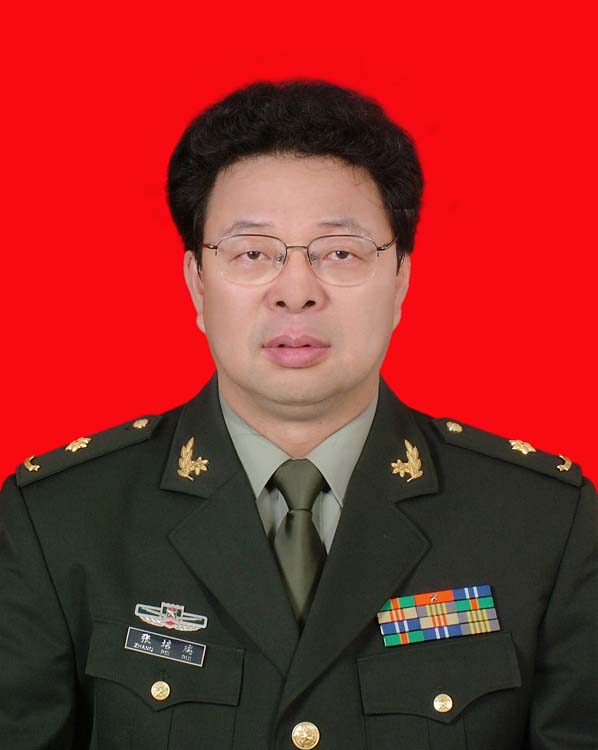 Peirui Zhang (张培瑞)合作论文数Chinese PLA General Hospital17Wang Keyu合作论文数16Zhuoya Deng合作论文数14Xiaolan Yang合作论文数12Xing Li合作论文数12Deyan Luo合作论文数12Yuying Tian合作论文数11ZhiXian Hong (洪智贤)合作论文数11
 Cheng Wang合作论文数11
 Yang Hao合作论文数Department of Radiology, Leiden University Medical Center10Lingxiang Yu (余灵祥)合作论文数Chinese People's Liberation Army General Hospital10
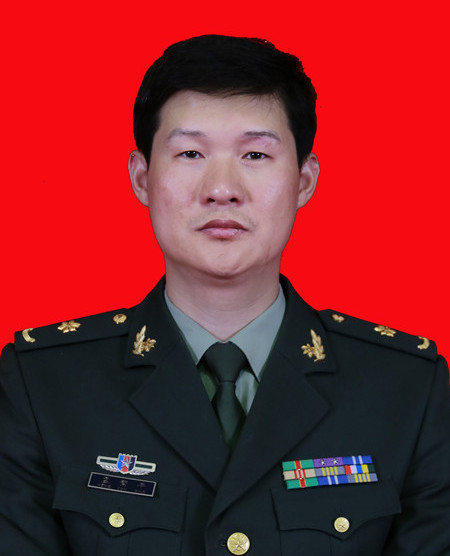 Fanping Meng (孟繁平)合作论文数Chinese PLA General Hospital10
 Chong Tang合作论文数10Si-Jie Cheng合作论文数9Bai Chang-Qing (柏长青)合作论文数9
 Zhiwei Li (李志伟)合作论文数Chinese People's Liberation Army General Hospital9
 Chengyu Jiang (蒋澄宇)合作论文数Institute of Basic Medical Sciences, Chinese Academy of Medical Sciences Peking Union Medical College9Yan Jin合作论文数8ChengRong Bian (卞成蓉)合作论文数8ZhiFang Bai (白志芳)合作论文数8TieLing Li (李铁岭)合作论文数8Jinxia Cheng合作论文数7Lingna Zhao合作论文数7
 Fusheng Wang (王福生)合作论文数Chinese People's Liberation Army General Hospital7
 Xiufan Liu (刘秀梵)合作论文数Department of Preventive Veterinary Medicine, College of Veterinary Medicine, Yangzhou University (Institute of Comparative Medicine)7
 Wei Wang (王伟)合作论文数The First Affiliated Hospital, Guangzhou Medical University;State Key Laboratory of Respiratory Disease6Ruixue Xiao合作论文数6
 Shuai Lu (芦帅)合作论文数6Linxiang Yu合作论文数6Jin Yan合作论文数6
 Ruisheng Li合作论文数6Yufeng Li合作论文数6
 Yuhai Bi (毕玉海)合作论文数Institute of Microbiology, Chinese Academy of Sciences6Weihong Jia合作论文数6
 Benqiang Rao (饶本强)合作论文数Beijing Shijitan Hospital, Capital Medical University6Huazhen Tang合作论文数5Jinxiu Qu合作论文数5Zhenpeng Yang合作论文数5
 Xibo Sun合作论文数5




