This research analyzes the global landscape of clinical trials focusing on therapies targeting the Nectin cell adhesion molecule 4 (Nectin-4) across various malignancies, using data from the Trialtrove database. Analysis of 136 interventional trials reveals a rapidly expanding field dominated by antibody-drug conjugates, particularly in urothelial carcinoma, with significant activity in combination regimens and diverse therapeutic modalities under exploration. These findings emphasize the substantial translational potential of Nectin-4 and highlight key trends shaping its future clinical development.
BACKGROUND:The aim of this study was to evaluate the feasibility and safety of radical nephrectomy with thrombectomy for geriatric renal cell carcinoma (RCC) patients with venous tumor thrombus (VTT). METHODS:The retrospective analysis included 542 patients with RCC and VTT between 2014 and 2024. Patients were stratified into geriatric (≥70 years, N.=88) and younger groups (<70 years, N.=454). Propensity score matching (PSM, 1:1) balanced baseline variables, including Mayo classification, TNM stage, surgical approach, and comorbidities. Perioperative outcomes (operative time, blood loss, complications) and 1-year survival rates were compared. RESULTS:Geriatric patients exhibited higher comorbidity rates (82.95% vs. 64.54%, P=0.001) and ≥3 ASA scores portion (26.14% vs. 14.10%, P=0.004) but shorter tumor diameter (7.9 cm vs. 8.8 cm, P=0.007). After PSM, perioperative outcomes showed no significant difference: operative time (271 vs. 290 min, P=0.14), blood loss (400 vs. 600 mL, P=0.23), complications (37.50% vs. 40.97%, P=0.53) or severe complications (8.0% vs. 9.2%, P=0.67). 1-year overall survival was similar between two groups (94.6% vs. 94.1%, HR=1.04, P=0.90), as was cancer-specific survival (HR=0.98, P=0.96). For the inferior vena cava VTT and M0 stage subgroups, the outcomes were consistent with the above. CONCLUSIONS:This study demonstrates comparable perioperative safety and equivalent short-term survival benefits between geriatric and younger patients undergoing radical nephrectomy with thrombectomy, regardless of VTT complexity and distant metastasis. Age alone should not preclude surgical intervention when supported by comprehensive multidisciplinary assessment.
Objective:To preliminarily investigate the safety and feasibility of domestic Jingfeng MP1000 multi-port robotic surgical system-assisted laparoscopic radical nephrectomy with venous tumor thrombectomy.Methods:Clinical data of 15 patients with renal cell carcinoma(RCC)and venous tumor thrombus who underwent Jingfeng MP1000 robot-assisted laparoscopic radical nephrectomy with venous tumor thrombectomy at the Department of Urology,Peking University Third Hospital from June 2024 to January 2026 were retrospectively analyzed.The primary outcomes were the success rate of the robotic procedure,overall complication rate,and major complication rate(Clavien-Dindo≥grade Ⅲ).Secondary outcomes included operative time,estimated blood loss,and length of hospital stay.Baseline characteristics,perioperative outcomes,pathological results,and postoperative complications were col-lected and analyzed using descriptive statistical methods.Results:All the 15 procedures were successful-ly completed with robotic assistance,with no conversions to open surgery.The success rate of robotic-assisted surgery was 100%.The median patient age was 60 years,and the median body mass index was 25.6 kg/m2.Ten patients had right-sided and 5 had left-sided tumors,with a median tumor diameter of 9.1 cm.According to the Mayo classification,there were 5 cases of grade 0,4 of grade Ⅰ,5 of grade Ⅱ,and 1 of grade Ⅲ thrombus.The median operative time was 233.0 min,the median estimated blood loss was 250.0 mL,and 5 patients(33.3%)received blood transfusions.The median postoperative hos-pital stay was 6 days.Only one patient(6.7%)experienced a Clavien-Dindo grade Ⅱ complication(lymphatic leakage),with no grade≥Ⅲ severe complications or perioperative mortality.Postoperative pathology revealed clear cell renal cell carcinoma in 12 cases,and venous wall invasion was confirmed in 8 patients(53.3%).After a median follow-up of 4.4 months,one patient developed duodenal metasta-sis 10 months postoperatively.Conclusion:The domestic Jingfeng MP1000 multi-port robotic system-assisted laparoscopic radical nephrectomy with venous tumor thrombectomy is technically safe and feasi-ble,with favorable perioperative outcomes and a low complication rate.Its long-term oncological efficacy requires further validation through large-scale,prospective studies.
IVC segmental resection (SR) during robot-assisted radical nephrectomy and IVC thrombectomy (RARN-IVCT) is selected for wall invasion, occlusion, and collateral outflow, making direct comparison with non-segmental resection (NSR) biased. We compared the perioperative and renal safety of SR versus NSR in the overlap population. Retrospective single-center cohort at Peking University Third Hospital (2014–2025): 120 patients with RCC and Mayo level II–IV IVC thrombus undergoing RARN-IVCT, including 45 SR and 75 NSR. Overlap weighting balanced baseline variables. Primary outcomes were AKI, ΔSCr, and ΔeGFR; secondary outcomes were complications and hospital stay, with OS assessed exploratorily. After weighting, no statistically significant differences were observed in AKI, ΔSCr, ΔeGFR, complications, hospital stay, or OS. SR had lower RBC transfusion volume (mean difference − 249.63 mL, 95
PURPOSE:This study aims to summarize survival outcomes and identify prognostic factors for renal pelvic urothelial carcinoma (UC) with venous tumor thrombus (TT) involvement, and to explore its potential implications for the TNM staging system of upper tract urothelial carcinoma (UTUC). METHODS:From January 2014 to August 2025, 473 cases of renal pelvic UC were reviewed from the Peking University Third Hospital database, with 37 cases (7.8%) identified as having venous TT. All patients underwent nephroureterectomy and thrombectomy. Propensity score matching at a 1:3 ratio was applied to identify comparable cases from the Surveillance, Epidemiology, and End Results (SEER) database. RESULTS:In patients with renal pelvic UC and venous TT, the median progression-free survival (PFS) was 3.3 months, and the median overall survival (OS) was 12.8 months. The 1-year PFS and OS rates were 33.5% and 51.4%, respectively. Postoperative chemotherapy was associated with improved PFS (hazard ratio [HR] 0.32, 95% confidence interval [CI] 0.15-0.68), reducing the 1-year and 2-year mortality rates by 59% and 49%, respectively. Compared with T3 renal pelvic UC, T3 disease with venous TT showed significantly worse OS (P = .02). Notably, OS in patients with venous TT was comparable to that of T4 renal pelvic UC (P = .22). The presence of venous invasion was strongly associated with perinephric fat invasion (Fisher's test P < .0001). CONCLUSIONS:Renal pelvic UC with venous TT is associated with adverse prognosis and survival outcomes resembling those of T4 disease. These findings highlight the need for reconsideration of TNM staging in this subset of patients and warrant further validation in larger, multicenter cohorts.
OBJECTIVE:Three-dimensional (3D) reconstruction model is an emerging technology that significantly enhanced perioperative metrics. This work aimed to delineate the contribution of preoperative 3D reconstruction model to robot-assisted radical nephrectomy (RARN) and IVC thrombectomy. METHODS:A retrospective cohort study was conducted on consecutive patients with RCC and IVC tumor thrombus (Mayo level 1-3) who underwent robotic surgery by a single surgeon (January 2023-January 2026). Preoperative computed tomography urography (CTU) images were used to generate 3D reconstruction models, enabling detailed visualization of tumor-vessel relationships and quantitative measurement of tumor parameters. The primary oncological endpoint was recurrence-free survival (RFS); overall survival (OS) was also evaluated as a secondary endpoint. Postoperative complications were graded using Clavien-Dindo (≥III defined as major), and renal function was assessed by eGFR. A two-sided p value < 0.05 was considered significant. RESULTS:Among 71 patients, those with preoperative 3D reconstruction (n = 27) versus without (n = 44) showed significantly shorter postoperative hospital stay (8.0 vs 10.0 days, P = 0.04) and higher postoperative estimated glomerular filtration rate (eGFR) (76.0 vs 60.0, P = 0.01). Other perioperative benefits (blood transfusion, major complications) were not statistically significant. RFS and OS did not differ significantly between groups. CONCLUSIONS:Preoperative 3D reconstruction helps facilitate RARN and IVC thrombectomy and improves perioperative outcomes. This technique holds promise for broader application in complex urological surgery.
To establish an effective dynamic nomogram and a novel risk classification system to predict overall survival (OS) for Renal Cell Carcinoma with venous tumor thrombus (RCC-VTT). 318 patients were enrolled and randomly divided into a training set and a validation set in a 7:3 ratio. LASSO regression analysis and multivariate Cox regression analysis were employed to identify significant prognostic factors. Based on these factors, a nomogram model was developed and evaluated using the concordance index (C-index), receiver operating characteristic (ROC) curves, calibration curves, and decision curve analyses (DCA). Survival differences were assessed using Kaplan–Meier curves and the log-rank test. Eight survival predictors were identified: Mayo Clinic Stage, Histology, N Stage, M Stage, Renal Sinus Invasion, Sarcomatoid Feature, Hemoglobin, and Estimated Glomerular Filtration Rate. The C-indexes for the training and validation sets were 0.77 (95
Objective:Giant renal angiomyolipoma(RAML),typically defined as having a maximum diameter of ≥8 cm,presents formidable surgical challenges and heightened clinical risks.These challen-ges primarily stem from the tumor's extensive volume,highly enriched but fragile vascularization,and significant susceptibility to spontaneous rupture and life-threatening hemorrhage.This study aims to com-prehensively evaluate the clinical effectiveness and safety of laparoscopic nephron-sparing surgery(NSS)for the management of these complex giant lesions.Methods:A retrospective analysis was performed on 45 patients with giant(≥8 cm)RAML who received NSS at Peking University Third Hospital between January 2012 and September 2025.The cohort comprised 11 males and 34 females with a mean age of(40.9±14.1)years and a mean body mass index(BMI)of(23.7±4.0)kg/m2.Preoperatively,5 patients had a history of spontaneous hemorrhage,and 2 were pregnant.The mean maximum tumor diameter was(10.3±2.2)cm,ranging from 8.0 to 15.4 cm.Surgical procedures included standard laparoscopy(39 cases)and Da Vinci robotic-assisted laparoscopy(6 cases),utilizing either a retro-peritoneal approach(32 cases,71.1%)or a transperitoneal approach(13 cases,28.9%).Pathological diagnosis and differentiation were conducted in strict accordance with the 2022 World Health Organization(WHO)classification of tumors.Key outcome measures included operative time,warm ischemia time,estimated blood loss,postoperative complications,and length of postoperative hospital stay.Results:All the 45 operations were successfully completed with complete tumor resection and nephron preservation,although 5 cases required conversion to open surgery due to severe adhesions or bleeding.The operative time was(180.6±55.7)min(range:86-312 min),the warm ischemia time was(21.9±9.8)min(range:6-40 min);36 cases had a warm ischemia time≤30 min,while a zero-ischemia technique was employed in 3 cases.The postoperative hospital stay was(6.2±2.6)days(range:3-14 days),and the time to drainage tube removal was(5.1±2.2)days(range:2-14 days).Postoperative patho-logy confirmed RAML in all cases,and all surgical margins were negative.Postoperative complications included one case of pulmonary infection and one case of renal insufficiency.During a follow-up of 3 to 43 months,no tumor recurrence or significant loss of renal function was documented.Conclusion:NSS for selected patients with giant RAML is effective in preserving renal function while ensuring complete tumor resection,negative margins,and avoiding short-term and long-term complications.Robotic-assisted systems,in particular,offer distinct advantages in complex wound reconstruction and the reduction of surgical complications.
Forecasting postoperative complications in patients with renal cell carcinoma and tumor thrombus is clinically important but mathematically challenging, because the available data are limited, temporally unstable, and strongly affected by epistemic uncertainty. To address this problem, this paper proposes an uncertain logistic regression model with an uncertain disturbance term. The model parameters are estimated by uncertain maximum likelihood, and the residual is further analyzed through uncertain Bayesian rule and uncertain hypothesis testing. A retrospective cohort of 491 patients is used for the case study, including 418 patients from 2023 and earlier as the training set and 73 patients from 2024 as the temporal test set. Seven clinically meaningful risk factors are identified, including age, body mass index, tumor thrombus grade, venous-wall adherence, tumor diameter, lymph-node status, and metastasis status. Compared with the probabilistic logistic regression benchmark, the proposed method reduces the maximum forecast deviation from 0.1537 to 0.1350 and decreases the misjudgment ratio from 0.1644 to 0.1507. For the 90% uncertain interval, the empirical coverage obtained by uncertainty theory is 87%, whereas the corresponding probabilistic interval covers only 25% of the residuals. These results suggest that the proposed model is useful for conservative retrospective risk analysis under epistemic uncertainty, but they should not be interpreted as evidence of confirmed clinical decision support value. Further external and prospective validation is still required before any clinical deployment.
ABSTRACT Objectives To compare the perioperative and postoperative outcomes of transperitoneal and retroperitoneal robotic partial nephrectomy (RPN) and develop a prediction model for reference to select the approach. Materials and Methods We retrospectively reviewed our single‐institutional RPN database. The patients were divided into training and validation sets. In training set, transperitoneal and retroperitoneal cases were matched using propensity score matching to balance confounding factors. The intraoperative and postoperative outcomes of both approaches were compared. A prediction model was constructed to predict the probability of the retroperitoneal approach. The model was then externally validated using the data from the validation set. Results A total of 318 patients were included in the training set, and after propensity score matching, 200 cases were left. Additionally, 92 patients were included in the validation set. The estimated blood loss ( p = 0.021) and the hemoglobin change ( p = 0.016) were greater in the transperitoneal group. There was no significant difference in operative time ( p = 0.539), warm ischemia time ( p = 0.678), hospitalization time ( p = 0.673), extubation time ( p = 0.621), creatinine change ( p = 0.623), negative margin ( p = 1), local recurrence ( p = 1), postoperative complication ( p = 0.229), long‐term creatinine ( p = 0.158), and overall survival ( p = 0.671) between the two groups. Tumor diameter, anteroposterior location, longitudinal location, and accessory renal artery were employed as variables to construct the prediction model, resulting in area under the curve values of 0.84 and 0.77, respectively, during internal and external validation. Conclusions Retroperitoneal and transperitoneal approaches of RPN showed no difference in perioperative outcomes except estimated blood loss and hemoglobin change. The retroperitoneal approach is recommended for smaller tumors located in the upper pole or posterior and the presence of an accessory renal artery. Our model is available to predict the probability of the retroperitoneal approach.
While the applications of neoadjuvant therapies on patients diagnosed with renal cell carcinoma (RCC) with tumor thrombus (TT) is growing, the safety of preoperative therapies has yet to be clarified. 451 patients diagnosed with RCC with TT undergoing radical nephrectomy and thrombectomy were included. Propensity score-matched cohorts were used to investigate the safety and feasibility of neoadjuvant therapies. We compared perioperative parameters and postoperative complications. Postoperative complications were assessed within 30 days of the operation and were graded using the Clavien-Dindo grading system. A Cox regression and Kaplan–Meier curves were used to assess the impact of neoadjuvant therapies on patients’ overall survival (OS) and cancer-specific survival (CSS). After 1:3 ratio propensity-score matching (PSM), 56 patients receiving neoadjuvant therapy and 153 patients receiving non-neoadjuvant therapy were included in the analysis. No significant difference was found between the two groups after PSM in terms of baseline information (P > 0.05). The rate of blood transfusion (71.4
Kidney transplant recipients (KTRs) exhibit a higher incidence of neoplasms compared to the general population, primarily due to the prolonged administration of immunosuppressive agents and viral infections. In China, the primary type of tumor among KTRs is urothelial carcinoma (UC), which lacks specific clinical manifestations. Accurate diagnosis necessitates the integration of multiple diagnostic modalities, while therapeutic approaches must judiciously balance oncological control with the preservation of renal function, thereby presenting a considerable challenge to the health of KTRs. This article provides a comprehensive review of the epidemiological characteristics, risk factors, diagnostic methodologies, and therapeutic strategies associated with urothelial carcinoma post kidney transplantation (KT), aiming to enhance healthcare professionals’ understanding of this condition and improve patient management.
Retroperitoneal vascular leiomyosarcoma (RVLMS), which originates from vascular wall smooth muscle cells, typically requires inferior vena cava (IVC) reconstruction during radical surgery. A retrospective cohort study was conducted on 24 patients who underwent primary resection of RVLMS from June 2015 to November 2023 in one institution. The patient details, operative management, and follow-up data were assessed. Regarding the imaging classification of RVLMS, 6 patients were intraluminal type, 9 patients were intermediate type, 4 patients were extraluminal type, and 5 patients were peripheral type. The median tumor size was 80 mm (interquartile range, IQR 63–105 mm). The median operative time was 294 min. The median blood loss was 650 ml. There were significant differences in operation time, blood loss, blood transfusion, and Intensive Care Unit admission rate among the four types of RVLMS. The procedures of vascular reconstruction included primary repair (n = 15), patch angioplasty (n = 2), and IVC ligation (n = 4). 3 patients suffered an R1/R2 margin. With a median follow-up time of 12.5 months, 5 patients developed local recurrence while 7 patients developed distant metastasis. 1 patient had both local recurrence and distant metastasis. The median disease-free survival was 19.0 months (IQR 7.0–59.0 months). A reasonable surgical strategy of vascular resection and reconstruction in the context of RVLMS surgery was of value in achieving good postoperative outcomes and long-term survival. The imaging classification of RVLMS might help to evaluate the surgical complexity and the prognosis.
To propose the bladder mucosal smoothness (BMS) grade and validate a predictive model including MRI parameters preoperatively that can evaluate the early recovery of urinary continence (UC) after laparoscopic radical prostatectomy (LRP). A retrospective analysis was conducted on 203 patients (83 patients experienced UI at the three-month follow-up) who underwent LRP in our medical center and were diagnosed with prostate cancer (PCa) from June 2016 to March 2020. Patients’ clinicopathological data were collected. Prostate volume (PV), membranous urethra length (MUL), intravesical prostatic protrusion length (IPPL), and BMS grade were measured by MRI. The total sample was randomly divided into a training set (n = 142) and a validation set (n = 61). A model was developed to predict the risk of urinary incontinence (UI) at three months after LRP. Age group, clinical T stage group, BMS grade group, PV group, IPPL group, and MUL group differed significantly between patients in the UI group and the UC group (all P values < 0.05). Multivariate analysis identified 3 MRI-related predictors selected for the prediction model: BMS grade (1 odds ratio [OR] 0.17, 95
Background Chronic kidney disease (CKD) represents a significant global public health challenge and is often underestimated in those over 60. Understanding its impact on the elderly individuals is crucial for proper healthcare resource allocation. Methods The Global Burden of Disease Study 1990–2021 data was analysed to assess CKD incidence, prevalence, mortality, and disability-adjusted life years (DALYs) in individuals aged 60 and older. Health disparities were evaluated via the slope index of inequality and the concentration index, whereas frontier analysis was used to predict outcomes on the basis of development levels. Decomposition analysis identified factors affecting disease burden changes, Joinpoint regression was used to analyse temporal trends, and the Bayesian age-period-cohort (BAPC) model was used to project future disease burden trends. Results From 1990 to 2021, the incidence, mortality, and DALY rates of CKD in the global elderly population showed an increasing trend, whereas the prevalence rate exhibited a decreasing trend. The age-standardized incidence rate (ASIR) was highest in high-social development Index (SDI) regions, while the age-standardized mortality rate (ASMR) and age-standardized DALY rate (ASDR) were highest in low-SDI regions. In China, the age-standardized prevalence rates (ASPR), ASMR, and ASDR have been on a decline, yet the ASIR has been on the rise. The ASPR and ASIR are slightly higher in women than in men, whereas the ASMR and ASDR are higher in men than in women. By 2050, the global disease burden of CKD among the elderly population is projected to continue increasing, with the trend becoming more pronounced with advancing age. High blood sugar, hypertension, obesity, and low intake of fruits and vegetables are the primary risk factors associated with CKD-related DALYs among elderly individuals. Conclusions In 2021, the global burden of CKD in older adults showed a decline in the ASPR but an increase in the ASIR, ASMR, and ASDR, which are projected to increase over the next 30 years. Key risk factors include high blood sugar, hypertension, obesity, and low fruit and vegetable intake.
BackgroundRenal cell carcinoma (RCC) with venous tumor thrombus (VTT) is great burden over world. Radical nephrectomy (RN) with thrombectomy seems to be its gold standard operation, which might cause reduction of renal function. The aim of this systematic review was to provide evidence about the incidence, risk factors, possible reasons and influence of renal insufficiency in RCC patients undergoing RN with thrombectomy.MethodsA systematic search using PubMed, Embase, Web of Science, the Cochrane Library and European Urology databases was conducted. Study selection followed the PRISMA guidelines. After screening, eleven articles and abstracted fully compatible with the PICOS were included in this systematic review. The study was registered with PROSPERO, CRD42024516596.ResultsOverall, a total of 1,668 patients who were diagnosed with RCC and VTT and underwent RN (open/laparoscopic/robotic) with thrombectomy were analyzed. The postoperative renal insufficiency was present from 0.7 to 53.9%. Relevant risk factors of postoperative renal insufficiency could be summarized into three aspects: baseline characteristics (male gender, tumor thrombus level), intraoperative procedure (surgical method and inferior vena cava clamping time) and other factors (development of the times). The reason of renal insufficiency could be depletion of circulation volume, alteration in renal hemodynamics and condition of solitary kidney. The overall survival (OS) ranged from 2 months to 98 months. A clear association between survival and renal function could not be established because of the oncological risk on survival. Necessary managements like supplying blood volume, diuretic therapy and renal replacement therapy should be applied.ConclusionsThe present incidence of postoperative renal insufficiency was underestimated. More possible risk factors should be explored. Large cohort, multi-center, prospective, and well-designed studies would be necessary to corroborate these results and provide high-grade recommendation for clinical practice.
We aimed to evaluate perioperative and oncological outcomes in renal cell carcinoma (RCC) with tumor thrombus (TT) patients undergoing inferior vena cava (IVC) segmental resection, with comparative analysis stratified by surgical approaches. A retrospective analysis was conducted on 271 RCC with TT patients. Patients’ clinicopathological data were collected. Continuous variable comparisons utilized the Wilcoxon rank-sum test or unpaired t-tests based on their distribution, while categorical variable analyses employed the Chi-square test. Survival outcomes were evaluated through Kaplan–Meier estimation. Overall, 123 patients (45.4
Lymphatic leakage is a common complication after radical cystectomy and pelvic lymph node dissection (PLND) for muscle-invasive bladder cancer (MIBC).This study aimed to investigate the risk factors contributing to postoperative lymphatic leakage in patients with MIBC. A total of 534 patients undergoing radical cystectomy and PLND were enrolled in the retrospective study at Peking University Third Hospital from January 2010 to July 2023. Patients were categorized into lymphatic leakage(n = 254)and non-leakage groups (n = 280) and compared demographic, perioperativ and pathologic factors. Multivariate logistic regression was applied to identify risk factors for lymphatic leakage. Spearman correlation was used to analyze the relationship between lymph leakage ratio and risk factors. Patients with lymphatic leakage had significantly higher rates of receiving extended PLND (19.7
OBJECTIVE:To summarize the clinical characteristics of patients with renal angiomyolipoma (RAML) combined with inferior vena cava (IVC) tumor thrombus, and to explore the feasibility of partial nephrectomy and thrombectomy in this series of patients. METHODS:The clinical data of patients diagnosed with RAML combined with IVC tumor thrombus in the Department of Urology of the Peking University Third Hospital from April 2014 to March 2023 were retrospectively analyzed, and demographic and perioperative data of RAML patients with IVC tumor thrombus were recorded and collected from Electronic Medical Record System, including age, gender, surgical methods, and follow-up time, etc. The clinical characteristics between classic angiomyolipoma (CAML) patients with IVC tumor thrombus and epithelioid angiomyolipoma (EAML) patients with IVC tumor thrombus were compared to determine the clinical characteristics of these patients. RESULTS:A total of 11 patients were included in this study, including 7 patients with CAML with IVC tumor thrombus and 4 patients with EAML with IVC tumor thrombus. There were 9 females (9/11, 81.8%) and 2 males (2/11, 18.2%), with an average age of (44.0±17.1) years. 9 patients (9/11, 81.8%) experienced clinical symptoms, including local symptoms including abdominal pain, hematuria, abdominal masses, and systemic symptoms including weight loss and fever; 2 patients (2/11, 18.2%) with RAML and IVC tumor thrombus did not show clinical symptoms, which were discovered by physical examination. Among the 11 patients, 10 underwent radical nephrectomy with thrombectomy, of whom, 3 underwent open surgery (3/10, 30.0%), 2 underwent laparoscopic surgery (2/10, 20.0%), and 5 underwent robot-assisted laparoscopic surgery (5/10, 50.0%). In addition, 1 patient underwent open partial nephrectomy and thrombectomy. The patients with EAML combined with IVC tumor thrombus had a higher proportion of systemic clinical symptoms (100% vs. 0%, P=0.003), more intraoperative bleeding [400 (240, 3 050) mL vs. 50 (50, 300) mL, P =0.036], and a higher proportion of tumor necrosis (75% vs. 0%, P=0.024) compared to the patients with CAML combined with IVC tumor thrombus. However, there was no statistically significant difference in operation time [(415.8±201.2) min vs. (226.0±87.3) min, P=0.053] between the two groups. CONCLUSION:Compared with the patients with CAML and IVC tumor thrombus, the patients with EAML and IVC tumor thrombus had a higher rate of systemic symptoms and tumor necrosis. In addition, in the selected patients with CAML with IVC tumor thrombus, partial nephrectomy and tumor thrombectomy could be performed to better preserve renal function.
 Lulin Ma (马潞林)合作论文数Peking University Third Hospital207
 Shudong Zhang (张树栋)合作论文数Department of Urology, Peking University Third Hospital140
 Xiaofei Hou (侯小飞)合作论文数Peking University Third Hospital117
 Lei Zhao (赵磊)合作论文数Department of Urology, Peking University Third Hospital108
 Xiaojun Tian (田晓军)合作论文数Department of Urology, Peking University Third Hospital86
 Yi Huang (黄毅)合作论文数Peking University Third Hospital69
 Hongxian Zhang (张洪宪)合作论文数Department of Urology, Peking University Third Hospital56
 Zhuo Liu合作论文数48
 Jian Lu (卢剑)合作论文数Department of Urology, Peking University Third Hospital;Ningxia Medical University43
 Chunlei Xiao (肖春雷)合作论文数,et al.Department of Urology,Peking University Third Hospital,Beijing ,China41KangPing Luo (罗康平)合作论文数35
 Kai Hong (洪锴)合作论文数Department of Urology, Peking University Third Hospital27
 Hai Bi (毕海)合作论文数Department of Urology, Peking University Third Hospital;Department of Urology, Shanghai General Hospital, Shanghai Jiao Tong University School of Medicine26Xun Zhao (赵珣)合作论文数Shanghai Artificial Intelligence Laboratory22
 Jianfei Ye (叶剑飞)合作论文数Department of Urology, Peking University Third Hospital22
 Lei Liu (刘磊)合作论文数Department of Urology, Peking University Third Hospital20TANG Shi-ying (唐世英)合作论文数19Peng Hong合作论文数17Liwei Li合作论文数16
 Fan Zhang (张帆)合作论文数Urology Department, Peking University Third Hospital16Ye Yan合作论文数13
 Min Qiu (邱敏)合作论文数Department of Urology, Peking University Third Hospital13Shaohui Deng合作论文数12Liyuan Ge合作论文数Peking Univ, Hosp 3, Dept Urol, Beijing, Peoples R China10
 Shumin Wang (王淑敏)合作论文数Department of Ultrasound Medicine, Peking University Third Hospital10
 Cheng Liu (刘承)合作论文数Department of Urology, Peking University Third Hospital10Huang Yi合作论文数9Qiming Zhang合作论文数9
 Wei He (何为)合作论文数Department of Radiology, Peking University Third Hospital9
 Runzhuo Ma合作论文数Department of Urology, Peking University Third Hospital, Beijing, China8Liu Cheng合作论文数8
 Wenhao Tang (唐文豪)合作论文数Department of Urology, Peking University Third Hospital8
 Yuqing Liu (刘余庆)合作论文数Department of Urology, Peking University Third Hospital8Li Zhang合作论文数6
 Ke-Wei Chen合作论文数6Binshuai Wang合作论文数6Yan Fu (付燕)合作论文数6
 Min Lu (陆旻)合作论文数School of Architecture & Urban Planning, Shenzhen University6Ran Peng合作论文数5Chen Zhongxin (陈忠新)合作论文数5Bin Yang合作论文数5Feilong Yang合作论文数5Yuxuan Li合作论文数5RongXin Zhang (张荣新)合作论文数5
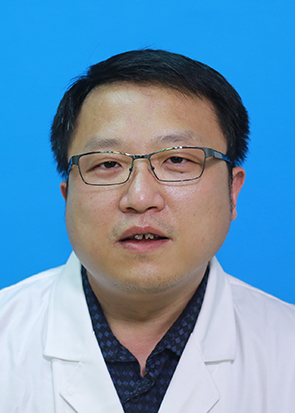 Gang Li (李刚)合作论文数Department of Anesthesiology, Peking University Third Hospital5
 Huiyu Ge (葛辉玉)合作论文数Beijing Chao-Yang Hospital, Capital Medical University;Molecular Imaging and Minimally Invasive Therapy Laboratory, Peking University5
 Yichang Hao (郝一昌)合作论文数Department of Urology, Peking University Third Hospital5Chuxiao Xu合作论文数4




