Deep learning has been extensively researched in the analysis of pathology whole-slide images (WSIs). However, most existing methods are limited to providing prediction interpretability by locating the model's salient areas in a post-hoc manner, failing to offer more reliable and accountable explanations. In this work, we propose Phenotype-Aware Multiple Instance Learning (PA-MIL), a novel ante-hoc interpretable framework that identifies cancer-related phenotypes from WSIs and utilizes them for cancer subtyping. To facilitate PA-MIL in learning phenotype-aware features, we 1) construct a phenotype knowledge base containing cancer-related phenotypes and their associated genotypes. 2) utilize the morphological descriptions of phenotypes as language prompting to aggregate phenotype-related features. 3) devise the Genotype-to-Phenotype Neural Network (GP-NN) grounded in genotype-to-phenotype relationships, which provides multi-level guidance for PA-MIL. Experimental results on multiple datasets demonstrate that PA-MIL achieves competitive performance compared to existing MIL methods while offering improved interpretability. PA-MIL leverages phenotype saliency as evidence and, using a linear classifier, achieves competitive results compared to state-of-the-art methods. Additionally, we thoroughly analyze the genotype-phenotype relationships, as well as cohort-level and case-level interpretability, demonstrating the reliability and accountability of PA-MIL.
Recent Large Audio-Language Models (LALMs) exhibit impressive capabilities in understanding audio content for conversational QA tasks. However, these models struggle to accurately understand timestamps for temporal localization (e.g., Temporal Audio Grounding) and are restricted to short audio perception, leading to constrained capabilities on fine-grained tasks. We identify three key aspects that limit their temporal localization and long audio understanding: (i) timestamp representation, (ii) architecture, and (iii) data. To address this, we introduce TimeAudio, a novel method that empowers LALMs to connect their understanding of audio content with precise temporal perception. Specifically, we incorporate unique temporal markers to improve time-sensitive reasoning and apply an absolute time-aware encoding that explicitly grounds the acoustic features with absolute time information. Moreover, to achieve end-to-end long audio understanding, we introduce a segment-level token merging module to substantially reduce audio token redundancy and enhance the efficiency of information extraction. Due to the lack of suitable datasets and evaluation metrics, we consolidate existing audio datasets into a new dataset focused on temporal tasks and establish a series of metrics to evaluate the fine-grained performance. Evaluations show strong performance across a variety of fine-grained tasks, such as dense captioning, temporal grounding, and timeline speech summarization, demonstrating TimeAudio's robust temporal localization and reasoning capabilities.
Audio captioning aims to perceive sound events in different ways and describe an audio clip from various perspectives. Most existing audio captioning methods tend to generate captions that are deterministic and simple, lacking diversity and limiting their applicability in real-world scenarios. Recently, diffusion-based methods have achieved significant progress in producing diverse captions, but with a potential compromise in accuracy and fluency due to the abstract nature of language and the variable supervised targets. In this work, we propose a semantic-aware diffusion model that leverages its intrinsic stochastic sampling and global context to generate captions. In order to maintain accuracy, we integrate the global CLAP embeddings into the denoising process of the diffusion model to serve as semantic context. To further enhance diversity, we propose an optimized inference process that incorporates a dynamic denoising strategy during the token-restored stage. Extensive experiments on the AudioCaps and Clotho dataset demonstrate that our model achieves superior results on accuracy and diversity metrics compared to state-of-the-art diverse audio caption methods.
ObjectiveNIHSS for stroke is widely used in clinical, but it is complex and subjective. The purpose of the study is to present a quantitative evaluation method of stroke association based on multi-dimensional gait parameters by using machine learning.Methods39 ischemic stroke patients with hemiplegia were selected as the stroke group and 187 healthy adults from the community as the control group. Gaitboter system was used for gait analysis. Through the labeling of stroke patients by clinicians with NIHSS score, all gait parameters obtained were used to select appropriate gait parameters. By using machine learning algorithm, a discriminant model and a hierarchical model were trained.ResultsThe discriminant model was used to distinguish between healthy people and stroke patients. The overall detection accuracy of the model based on KNN, SVM and Randomforest algorithms is 92.86, 92.86 and 90.00%, respectively. The hierarchical model was used to judge the severity of stroke in stroke patients. The model based on Randomforest, SVM and AdaBoost algorithm had an overall detection accuracy of 71.43, 85.71 and 85.71%, respectively.ConclusionThe proposed stroke association quantitative evaluation method based on multi-dimensional gait parameters has the characteristics of high accuracy, objectivity, and quantification.
Contrastive Language-Audio Pretraining (CLAP) is pre-trained to associate audio features with human language, making it a natural zero-shot classifier to recognize unseen sound categories. To adapt CLAP to downstream tasks, prior works inevitably require labeled domain audios, which limits their scalability under data scarcity and deprives them of the capability to detect novel classes as the original CLAP. In this work, by leveraging the modality alignment in CLAP, we propose an efficient audio-free prompt tuning scheme aimed at optimizing a few prompt tokens from texts instead of audios, which regularizes the model space to avoid overfitting the seen classes as well. Based on this, a multi-grained prompt design is further explored to fuse global and local information. Experiments on several tasks demonstrate that our approach can boost the CLAP and outperform other training methods on model performance and training efficiency. While conducting zero-shot inference on unseen categories, it still shows better transferability than the vanilla CLAP. Moreover, our method is flexible enough even if only knowing the downstream class names. The code is available at https://github.com/Ming-er/Audio-Free-P-Tuning.
Computer-aided cancer survival risk prediction plays an important role in the timely treatment of patients. This is a challenging weakly supervised ordinal regression task associated with multiple clinical factors involved such as pathological images, genomic data and etc. In this paper, we propose a new training method, multimodal object-level contrast learning, for cancer survival risk prediction. First, we construct contrast learning pairs based on the survival risk relationship among the samples in the training sample set. Then we introduce the object-level contrast learning method to train the survival risk predictor. We further extend it to the multimodal scenario by applying cross-modal constrast. Considering the heterogeneity of pathological images and genomics data, we construct a multimodal survival risk predictor employing attention-based and self-normalizing based nerural network respectively. Finally, the survival risk predictor trained by our proposed method outperforms state-of-the-art methods on two public multimodal cancer datasets for survival risk prediction.
Text-based audio generation models have limitations as they cannot encompass all the information in audio, leading to restricted controllability when relying solely on text. To address this issue, we propose a novel model that enhances the controllability of existing pre-trained text-to-audio models by incorporating additional conditions including content (timestamp) and style (pitch contour and energy contour) as supplements to the text. This approach achieves fine-grained control over the temporal order, pitch, and energy of generated audio. To preserve the diversity of generation, we employ a trainable control condition encoder that is enhanced by a large language model and a trainable Fusion-Net to encode and fuse the additional conditions while keeping the weights of the pre-trained text-to-audio model frozen. Due to the lack of suitable datasets and evaluation metrics, we consolidate existing datasets into a new dataset comprising the audio and corresponding conditions and use a series of evaluation metrics to evaluate the controllability performance. Experimental results demonstrate that our model successfully achieves fine-grained control to accomplish controllable audio generation.
Large language models reveal deep comprehension and fluent generation in the field of multi-modality. Although significant advancements have been achieved in audio multi-modality, existing methods are rarely leverage language model for sound event detection (SED). In this work, we propose an end-to-end framework for understanding audio features while simultaneously generating sound event and their temporal location. Specifically, we employ pretrained acoustic models to capture discriminative features across different categories and language models for autoregressive text generation. Conventional methods generally struggle to obtain features in pure audio domain for classification. In contrast, our framework utilizes the language model to flexibly understand abundant semantic context aligned with the acoustic representation. The experimental results showcase the effectiveness of proposed method in enhancing timestamps precision and event classification.
Computer-aided cancer survival risk prediction plays an important role in the timely treatment of patients. This is a challenging weakly supervised ordinal regression task associated with multiple clinical factors involved such as pathological images, genomic data and etc. In this paper, we propose a new training method, multimodal object-level contrast learning, for cancer survival risk prediction. First, we construct contrast learning pairs based on the survival risk relationship among the samples in the training sample set. Then we introduce the object-level contrast learning method to train the survival risk predictor. We further extend it to the multimodal scenario by applying cross-modal constrast. Considering the heterogeneity of pathological images and genomics data, we construct a multimodal survival risk predictor employing attention-based and self-normalizing based nerural network respectively. Finally, the survival risk predictor trained by our proposed method outperforms state-of-the-art methods on two public multimodal cancer datasets for survival risk prediction.
Recent advances have been witnessed in audio-language joint learning, such as CLAP, that shows much success in multi-modal understanding tasks. These models usually aggregate uni-modal local representations, namely frame or word features, into global ones, on which the contrastive loss is employed to reach coarse-grained cross-modal alignment. However, frame-level correspondence with texts may be ignored, making it ill-posed on explainability and fine-grained challenges which may also undermine performances on coarse-grained tasks. In this work, we aim to improve both coarse- and fine-grained audio-language alignment in large-scale contrastive pre-training. To unify the granularity and latent distribution of two modalities, a shared codebook is adopted to represent multi-modal global features with common bases, and each codeword is regularized to encode modality-shared semantics, bridging the gap between frame and word features. Based on it, a locality-aware block is involved to purify local patterns, and a hard-negative guided loss is devised to boost alignment. Experiments on eleven zero-shot coarse- and fine-grained tasks suggest that our model not only surpasses the baseline CLAP significantly but also yields superior or competitive results compared to current SOTA works.
This paper presents a novel Cross-modal Fusion Method (CrossFM) for automated classification of macular fibrosis in neovascular Age-related Macular Degeneration (nAMD). Firstly, a CoTransNet network is proposed to combine convolution and attention blocks for exploring the low-frequency global and high-frequency local information of lesion region for each modality. Then a dual-branch CoTransNet network is adopted to accept input data from randomly paired Optical Coherence Tomography (OCT) and Ultra-Wide-angle Fundus (UWF) images of the same eye in each single branch. Secondly, we propose a cross-modal attention strategy to integrate characteristics across various modalities to optimize lesion descriptive abilities with dynamically adaptive weights for each branch. Finally, image-level results are aggregated to obtain eye-level diagnosis results using high-probability reliability maps. Experimental results verify the effectiveness of the proposed method and even to the level of senior ophthalmologists. CrossFM also outperforms some state-of-the-art multimodal methods on both constructed and public datasets.
Cancer survival prediction is a challenging task that involves analyzing of the tumor microenvironment within Whole Slide Image (WSI). Previous methods cannot effectively capture the intricate interaction features among instances within the local area of WSI. Moreover, existing methods for cancer survival prediction based on WSI often fail to provide better clinically meaningful predictions. To overcome these challenges, we propose a Sparse Context-aware Multiple Instance Learning (SCMIL) framework for predicting cancer survival probability distributions. SCMIL innovatively segments patches into various clusters based on their morphological features and spatial location information, subsequently leveraging sparse self-attention to discern the relationships between these patches with a context-aware perspective. Considering many patches are irrelevant to the task, we introduce a learnable patch filtering module called SoftFilter, which ensures that only interactions between task-relevant patches are considered. To enhance the clinical relevance of our prediction, we propose a register-based mixture density network to forecast the survival probability distribution for individual patients. We evaluate SCMIL on two public WSI datasets from The Cancer Genome Atlas (TCGA) specifically focusing on lung adenocarcinom (LUAD) and kidney renal clear cell carcinoma (KIRC). Our experimental results indicate that SCMIL outperforms current state-of-the-art methods for survival prediction, offering more clinically meaningful and interpretable outcomes. Our code is accessible at https://github.com/yang-ze-kang/SCMIL .
Learning meaningful frame-wise features on a partially labeled dataset is crucial to semi-supervised sound event detection. Prior works either maintain consistency on frame-level predictions or seek feature-level similarity among neighboring frames, which cannot exploit the potential of unlabeled data. In this work, we design a Local and Global Consistency (LGC) regularization scheme to enhance the model on both label- and feature-level. The audio CutMix is introduced to change the contextual information of clips. Then, the local consistency is adopted to encourage the model to leverage local features for frame-level predictions, and the global consistency is applied to force features to align with global prototypes through a specially designed contrastive loss. Experiments on the DESED dataset indicate the superiority of LGC, surpassing its respective competitors largely with the same settings as the baseline system. Besides, combining LGC with existing methods can obtain further improvements. The code will be released soon.
Breast cancer is the most commonly diagnosed cancer, and accurate molecular subtype prediction plays a crucial role in determining treatment strategies. While immunohistochemistry (IHC) is commonly used for molecular subtype diagnosis, it suffers from cost and labor limitations. The prediction of molecular subtypes using hematoxylin and eosin (H&E) stained slides has gained importance. However, the task is challenged by limited samples, weak annotations, and strong tumor heterogeneity. This paper proposes a scalable framework, BM-SMIL, for molecular subtype prediction of breast cancer based on self-supervised pretraining and multi-instance learning. Firstly, a self-supervised pretraining framework utilizing multi-scale knowledge distillation is introduced to obtain a representative patch encoder. Then, an attention-based instance selection strategy is employed to filter out noise instances. Finally, a Transformer integrated with subtype contrastive loss is proposed for effective aggregation and WSI-level prediction. Experimental results on the dataset from cooperative hospital demonstrate the effectiveness of our proposed framework. The BM-SMIL framework has the potential to enhance molecular subtype prediction performance and can be extended to other pathology image classification tasks.
Weakly-supervised learning has emerged as a promising approach to leverage limited labeled data in various domains by bridging the gap between fully supervised methods and unsupervised techniques. Acquisition of strong annotations for detecting sound events is prohibitively expensive, making weakly supervised learning a more cost-effective and broadly applicable alternative. In order to enhance the recognition rate of the learning of detection of weakly-supervised sound events, we introduce a Frame Pairwise Distance (FPD) loss branch, complemented with a minimal amount of synthesized data. The corresponding sampling and label processing strategies are also proposed. Two distinct distance metrics are employed to evaluate the proposed approach. Finally, the method is validated on the DCASE 2023 task4 dataset. The obtained experimental results corroborated the efficacy of this approach.
Recently, the ability of language models (LMs) has attracted increasing attention in visual cross-modality. In this paper, we further explore the generation capacity of LMs for sound event detection (SED), beyond the visual domain. Specifically, we propose an elegant method that aligns audio features and text features to accomplish sound event classification and temporal location. The framework consists of an acoustic encoder, a contrastive module that align the corresponding representations of the text and audio, and a decoupled language decoder that generates temporal and event sequences from the audio characteristic. Compared with conventional works that require complicated processing and barely utilize limited audio features, our model is more concise and comprehensive since language model directly leverage its semantic capabilities to generate the sequences. We investigate different decoupling modules to demonstrate the effectiveness for timestamps capture and event classification. Evaluation results show that the proposed method achieves accurate sequences of sound event detection.
Recently, video question answering has attracted growing attention. It involves answering a question based on a fine grained understanding of video multi-modal information. Most existing methods have successfully explored the deep understanding of visual modality. We argue that a deep understanding of linguistic modality is also essential for answer reasoning, especially for videos that contain character dialogues. To this end, we propose an Inferential Knowledge-Enhanced Integrated Reasoning method. Our method consists of two main components: 1) an Inferential Knowledge Reasoner to generate inferential knowledge for linguistic modality inputs that reveals deeper semantics, including the implicit causes, effects, mental states, etc. 2) an Integrated Reasoning Mechanism to enhance video content understanding and answer reasoning by leveraging the generated inferential knowledge. Experimental results show that our method achieves significant improvement on two mainstream datasets. The ablation study further demonstrates the effectiveness of each component of our approach.
Molecular subtypes of breast cancer are important references to personalized clinical treatment. For cost and labor savings, only one of the patient's paraffin blocks is usually selected for subsequent immunohistochemistry (IHC) to obtain molecular subtypes. Inevitable block sampling error is risky due to the tumor heterogeneity and could result in a delay in treatment. Molecular subtype prediction from conventional H&E pathological whole slide images (WSI) using the AI method is useful and critical to assist pathologists to pre-screen proper paraffin block for IHC. It is a challenging task since only WSI-level labels of molecular subtypes from IHC can be obtained without detailed local region information. Gigapixel WSIs are divided into a huge amount of patches to be computationally feasible for deep learning, while with coarse slide-level labels, patch-based methods may suffer from abundant noise patches, such as folds, overstained regions, or non-tumor tissues. A weakly supervised learning framework based on discriminative patch selection and multi-instance learning was proposed for breast cancer molecular subtype prediction from H&E WSIs. Firstly, co-teaching strategy using two networks was adopted to learn molecular subtype representations and filter out some noise patches. Then, a balanced sampling strategy was used to handle the imbalance in subtypes in the dataset. In addition, a noise patch filtering algorithm that used local outlier factor based on cluster centers was proposed to further select discriminative patches. Finally, a loss function integrating local patch with global slide constraint information was used to fine-tune MIL framework on obtained discriminative patches and further improve the prediction performance of molecular subtyping. The experimental results confirmed the effectiveness of the proposed AI method and our models outperformed even senior pathologists, which has the potential to assist pathologists to pre-screen paraffin blocks for IHC in clinic.
Multi-hop Question Answering is an agent task for testing the reasoning ability. With the development of pre-trained models, the implicit reasoning ability has been surprisingly improved and can even surpass human performance. However, the nature of the black box hinders the construction of explainable intelligent systems. Several researchers have explored explainable neural-symbolic reasoning methods based on question decomposition techniques. The undifferentiable symbolic operations and the error propagation in the reasoning process lead to poor performance. To alleviate it, we propose a simple yet effective Global Differentiable Learning strategy to explore optimal reasoning paths from the latent probability space so that the model learns to solve intermediate reasoning processes without expert annotations. We further design a Dynamic Adaptive Reasoner to enhance the generalization of unseen questions. Our method achieves 17% improvements in F1-score against BreakRC and shows better interpretability. We take a step forward in building interpretable reasoning methods.
Recently, Biomedical Question Answering (BQA) has attracted growing attention due to its application value and technical challenges. Most existing works treat it as a semantic matching task that predicts answers by computing confidence among questions, options and evidence sentences, which is insufficient for scenarios that require complex reasoning based on a deep understanding of biomedical evidences. We propose a novel model termed Hierarchical Representation-based Dynamic Reasoning Network (HDRN) to tackle this problem. It first constructs the hierarchical representations for biomedical evidences to learn semantics within and among evidences. It then performs dynamic reasoning based on the hierarchical representations of evidences to solve complex biomedical problems. Against the existing state-of-the-art model, the proposed model significantly improves more than 4.5%, 3% and 1.3% on three mainstream BQA datasets, PubMedQA, MedQA-USMLE and NLPEC. The ablation study demonstrates the superiority of each improvement of our model. The code will be released after the paper is published.
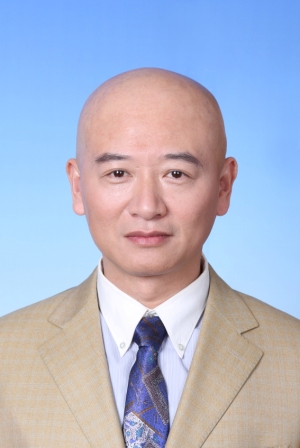 Yueliang Qian (钱跃良)合作论文数Institute of Computing Technology, Chinese Academy of Sciences60
 Hong Liu (刘宏)合作论文数Institute of Computing Technology, Chinese Academy of Sciences56
 Shouxun Lin (林守勋)合作论文数Institute of Computing Technology, Chinese Academy of Sciences22
 HaiWu Rong (戎海武)合作论文数12CaiXia Zhang (张彩霞)合作论文数College of Science, North China University of Technology10Shu Jiang Li (李树江)合作论文数Shenyang University of Technology9Jianguo Mao合作论文数8
 Qun Liu (刘群)合作论文数Huawei8
 Long Yan合作论文数Chinese Acad Sci Shanghai Inst Appl8
 Kazushige Ouchi合作论文数Toshiba Corporation8Rui Tao合作论文数7Zhifang Guo合作论文数Bejing Key Laboratory of Mobile Computing and Pervasive Device, Institute of Computing Technology, Chinese Academy of Sciences;University of Chinese Academy of Sciences5Hanqiang Ouyang合作论文数5
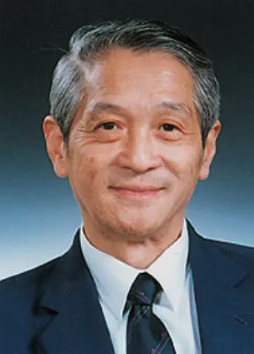 Shoujue Wang (王守觉)合作论文数Institute of Semiconductors, Chinese Academy of Sciences5
 Kuan-Song Wang (王宽松)合作论文数Department of pathology, Xiangya School of Basic Medical Sciences, Central South University5
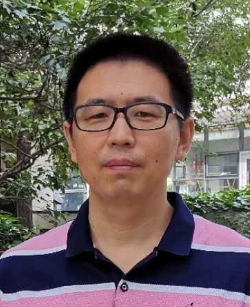 Zhongda Tian (田中大)合作论文数School of Artificial Intelligence, Shenyang University of Technology4Zekang Yang合作论文数4
 Haomiao Ni合作论文数College of Information Sciences and Technology, Pennsylvania State University4Menglei Jiao合作论文数University of Chinese Academy of Sciences4Jianfang Liu合作论文数4xin hui li合作论文数4
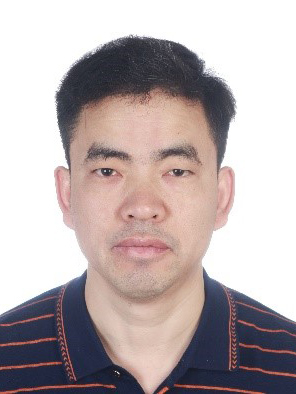 Sheng Tang (唐胜)合作论文数Multimedia Computing Group, Institute of Computing Technology, Chinese Academy of Sciences;University of Chinese Academy of Sciences4
 Yajuan Lyu (吕雅娟)合作论文数Baidu Inc.4
 Wei Xu (徐伟)合作论文数Department of Applied Mathematics, School of Mathematics and Statistics, Northwestern Polytechnical University4
 Ying Yang (杨颖)合作论文数College of Information and Electrical Engineering, China Agricultural University4
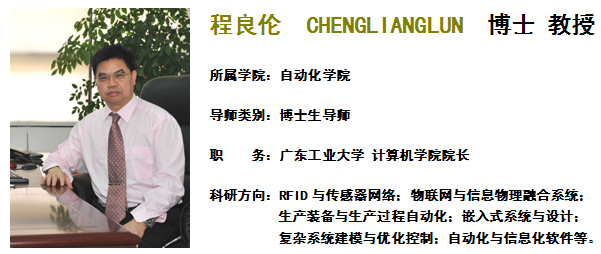 Lianglun Cheng (程良伦)合作论文数广东工业大学计算机学院4
 Zichao Guo合作论文数Shopee4
 Wenbin Jiang (姜文斌)合作论文数School of Artificial Intelligence, Beijing Normal University4
 Liang Jiang (姜亮)合作论文数Peking University Third Hospital4
 Huishu Yuan (袁慧书)合作论文数Peking University Third Hospital4Tong Fang合作论文数4Qihua Chen合作论文数4Yuan Li合作论文数3Chunjie WANG (王春杰)合作论文数3
 Liwei Lin合作论文数Chinese Acad Sci, Bejing Key Lab Mobile Comp & Pervas Device, Inst Comp Technol, Beijing 100190, Peoples R China3
 Taijiao Jiang (蒋太交)合作论文数Guangzhou Laboratory;Guangzhou Medical University3Zhuhui Deng合作论文数3
 Yanhong Wang (王艳红)合作论文数3
 Yongdong Zhang (张勇东)合作论文数Laboratory for Future Networks, University of Science and Technology of China;Department of Electronic Engineering and Information Science, School of Information Science and Technology, University of Science and Technology of China3
 Ning Lang (郎宁)合作论文数Department of Radiology, Peking University Third Hospital3Boning Zhang合作论文数3Zihao Shang合作论文数2
 Yiming Li合作论文数2Yujuan Zeng合作论文数2You-Qi Kong合作论文数2Yong Ruan合作论文数2
 Wendong Xu合作论文数2Kaili Zhang (张凯丽)合作论文数2
 Zhirong Ye合作论文数2




