In China, more than 80% of patients with hepatocellular carcinoma (HCC) have varying degrees of cirrhosis caused by hepatitis B virus infection. Unlike in Western countries, hepatectomy remains one of the main treatment options for patients with HCC and cirrhosis in China. The severity of cirrhosis varies considerably among individual patients with HCC. Although liver function may remain within the normal range during the compensated stage, progressive cirrhosis significantly reduces hepatic functional reserve and regenerative capacity. As a result, the incidence of postoperative complications and liver failure increases after hepatectomy. Therefore, hepatectomy that preserves as much liver parenchyma as possible is required to ensure surgical safety in patients with different degrees of cirrhosis. At present, the impact of different degrees of cirrhosis on the risk of posthepatectomy liver failure in patients with HCC is not fully understood. In addition, no consensus has been established regarding the optimal surgical approach for patients with HCC and varying severities of cirrhosis. This gap represents an important factor affecting the safety of hepatectomy. Reducing the incidence of postoperative liver failure and mortality in patients with HCC and cirrhosis remains an important issue that requires further investigation. The Chinese Chapter of the International Hepato-Pancreato-Biliary Association, Group of Liver Surgery of the Chinese Society of Surgery, invited leading domestic experts in hepatobiliary surgery and hepatology to discuss the role of cirrhosis severity in the safety assessment of hepatectomy for HCC and strategies to improve surgical safety. This consensus aims to assist hepatobiliary surgeons in making appropriate surgical decisions for patients with HCC and cirrhosis, and to improve surgical safety.
BACKGROUND:Surgical resection remains the main curative option for hilar cholangiocarcinoma (HCCA), but long-term survival is often limited by very early recurrence (VER, ≤6 months postoperatively). We aimed to develop a model to predict VER after curative-intent resection. METHODS:In this retrospective multicenter cohort study, we included patients who underwent curative-intent resection for HCCA at three Chinese centers between April 1, 2010, and March 1, 2023. Patients were randomly assigned to training and validation cohorts. Logistic regression, random forest, support vector machine, and extreme gradient boosting (XGBoost) models were constructed to predict VER. Performance was evaluated using receiver operating characteristic, Brier score, calibration plots, and decision curve analyses. SHapley Additive exPlanations were used to assess feature importance. RESULTS:Among 474 patients, 106 (22.4%) developed VER. The training and validation cohorts comprised 331 and 143 patients, respectively. VER was associated with hepatic artery invasion, portal vein invasion, positive margins, lymph node metastasis, elevated CA19-9, and poor differentiation. XGBoost achieved the highest AUC (0.85, 95% CI 0.78-0.92) and was selected for online deployment. CONCLUSION:The XGBoost model predicts VER after HCCA resection and may facilitate postoperative risk stratification and management.
Background: Immunotherapy has revolutionized hepatocellular carcinoma (HCC) treatment, increasingly being incorporated into various stages of treatment, including preoperative therapy. However, preoperative immunotherapy alters both physiological status and tumor biology, potentially impacting the perioperative risk. We aimed to explore the association between the implementation details of preoperative immunotherapy and perioperative risk. Methods: This study retrospectively enrolled HCC patients who received immune checkpoint inhibitor (ICI)-based immunotherapy prior to radical surgery. A comprehensive dataset encompassing baseline characteristics and immunotherapy-specific parameters was collected. Univariate and multivariate logistic regression analyses were performed to identify independent risk factors, followed by validation through machine learning algorithms to evaluate the predictive performance of the derived determinants. Results: This multicenter retrospective study enrolled 303 HCC patients who received preoperative immunotherapy across 26 participating centers. Based on specified perioperative risk stratification criteria, 182 patients (60.07%) were stratified into the low-risk cohort, while 121 patients (39.93%) constituted the high-risk cohort. Multivariate logistic regression analysis identified several independent risk factors of elevated perioperative risk: ICI duration exceeding four cycles [odds ratio (OR), 2.00; 95% confidence interval (CI) 1.20-3.32]; the occurrence of grade >= 3 immune-related adverse events (irAEs) (OR, 2.36; 95% CI: 1.13-4.92); the presence of major vein thrombus (OR, 2.05; 95% CI: 1.25-3.38); multiple tumor nodules (OR, 1.74; 95% CI: 1.02-2.98); and maximal tumor diameter >5 cm (OR, 2.02; 95% CI: 1.10-3.73). Subgroup analyses consistently demonstrated these associations. Machine learning algorithms quantified feature importance for perioperative risk predictors, with extended ICIs duration (mean importance rank =2.88) and grade >= 3 irAEs (mean importance rank =2.38) emerging as top-ranked variables. Conclusions: This multicenter retrospective study reveals ICIs duration and high-grade irAEs were associated with elevated perioperative risk in HCC patients undergoing preoperative immunotherapy, providing actionable insights for optimizing perioperative management protocols.
Background:Nuclear protein in testis (NUT) carcinoma is an extremely rare and highly aggressive epithelial malignancy driven by NUTM1 rearrangements. Sinonasal involvement is uncommon and often presents with non-specific clinical and radiologic features, leading to delayed diagnosis. Optimal management remains undefined, and outcomes are poor when complete resection is not feasible. Case presentation:A 31-year-old man developed progressive numbness and swelling of the left cheek after tooth extraction. Imaging revealed a soft-tissue mass involving the left maxillary sinus with adjacent maxillofacial soft-tissue extension. Endoscopic biopsy demonstrated a poorly differentiated carcinoma with diffuse punctate nuclear NUT expression, high proliferative index (Ki-67 ~50%), and PD-L1 expression in both tumor cells and immune cells. ^18F-FDG PET-CT showed no regional or distant metastases. Given unresectability, the patient received toripalimab (240 mg) combined with docetaxel and cisplatin every 3 weeks. MRI after three cycles showed early radiologic improvement, and further tumor regression was observed after six cycles, consistent with a partial response. The patient subsequently continued on toripalimab-based maintenance therapy with ongoing stable residual disease at the latest follow-up (approximately 5 months after therapy initiation and 6 months from diagnosis). Conclusion:To our knowledge, this is the first reported case of toripalimab-based chemoimmunotherapy demonstrating an early partial response and short-term disease control in unresectable maxillary sinus NUT carcinoma. It supports the potential role of PD-1 blockade integrated with platinum-taxane chemotherapy as a component of multimodal management for sinonasal NUT carcinomas.
Perihilar cholangiocarcinoma (pCCA) accounts for approximately 50% of all cholangiocarcinomas and carries a dismal prognosis owing to late diagnosis and high post-resection recurrence rates. Over the past two decades, liver transplantation (LT) following neoadjuvant therapy according to the Mayo Criteria has yielded acceptable long-term survival in highly selected patients with unresectable pCCA, establishing LT as an established treatment option. Nevertheless, substantial challenges remain, including tumor progression on the waiting list, intolerance to neoadjuvant therapy, and postoperative complications from prior chemoradiation. Moreover, pCCA recurrence is closely linked to post-transplant immunosuppressive management, and minimizing long-term immunosuppression may be critical. This review analytically examines the current role of LT for pCCA, emphasizing patient selection, standardized neoadjuvant regimens, immunological considerations, and favorable prognostic factors. The emerging potential and risks of incorporating immune checkpoint inhibitors in the pre-transplant setting are also explored. By synthesizing available evidence, we aim to define the clinical contexts in which LT may confer durable benefit and to highlight the key obstacles limiting its broader application.
The spleen is the largest secondary lymphoid organ in humans. Beyond its classical role in clearance of senescent erythrocytes, it functions as a pivotal node in systemic immune surveillance. Emerging evidence indicates that tumor can remotely remodel splenic niches through a spectrum of soluble mediators, thereby accelerating tumor initiation and progression. Tumor-derived signals divert splenic hematopoietic stem and progenitor cells (HSPCs) toward myeloid- and erythroid-biased extramedullary hematopoiesis (EMH), expanding myeloid-derived suppressor cells (MDSCs) and erythroid progenitor cells (EPCs) that collectively foster immune evasion and metastatic cascades. Consequently, splenic resident immune cells, stromal cells and EMH-related pathways have surfaced as actionable therapeutic targets. In parallel, bidirectional crosstalk between the autonomic nervous system and splenic immunity fine-tunes homeostasis, systemic inflammation and antitumor responses-fueling rising interest in splenic neuromodulation as a therapeutic strategy. In addition, spleen-targeted nanoplatforms are emerging as promising tools to deliver immunomodulatory payloads with improved precision. Nonetheless, inherent structural and functional disparities between human and murine spleens complicate clinical translation of pre-clinical findings. This review provides a concise overview of human lymphoid organs and their functions, with a particular focus on splenic anatomy, cellular composition, and neural regulation. It further delineates tumor-induced splenic rewiring and discusses the prospects of exploiting the spleen as both a biomarker and a therapeutic target in oncology.
BACKGROUND:Resection might offer additional benefit in patients with advanced-stage hepatocellular carcinoma treated with systemic therapy. However, high-quality evidence supporting the procedure is absent. We aimed to establish whether resection can provide survival benefit in patients with advanced hepatocellular carcinoma who respond to systemic therapy. METHODS:In this randomised, open-label, multicentre, phase 3 trial, we recruited treatment-naive patients with hepatocellular carcinoma, macrovascular invasion, and no extrahepatic metastasis from 24 hospitals in China. These patients were treated in the induction phase with three cycles of intravenous atezolizumab (1200 mg every 3 weeks) plus intravenous bevacizumab (15 mg/kg bodyweight every 3 weeks) and one cycle of atezolizumab monotherapy. Patients who completed the induction phase, had a partial response or stable disease according to Response Evaluation Criteria in Solid Tumors (RECIST) version 1.1, and were considered feasible for resection were randomly assigned (1:1) to undergo surgical resection followed by 12 months of atezolizumab plus bevacizumab initiated 4-6 weeks after surgery (ie, the surgery group), or to maintenance atezolizumab plus bevacizumab until loss of clinical benefit or intolerable toxicity (the maintenance therapy group). Randomisation was by computer-generated sequence with permuted blocks via a central interactive web response system, stratified by tumour response and Eastern Cooperative Oncology Group performance status. Treatment administered to patients was not masked. The primary endpoint was time to treatment failure, assessed by an independent review facility and analysed by intention to treat. Time to treatment failure was defined as the time from randomisation to the first documented treatment failure (ie, local recurrence or disease progression according to RECIST 1.1, emergence of extrahepatic spread, or death). This study is registered with ClinicalTrials.gov (NCT04649489) and is ongoing. FINDINGS:Between April 4, 2021, and July 18, 2024, a total of 489 patients were enrolled in the induction phase. Of them, 201 were randomly assigned to the surgery group (n=101; 93 male, eight female) or the maintenance therapy group (n=100; 87 male, 13 female). After a median follow-up of 18·4 months, the median time to treatment failure was 20·4 months in the surgery group and 11·8 months in the maintenance therapy group (hazard ratio 0·60, 95% CI 0·39-0·91; p=0·015). Grade 3 or 4 treatment-related adverse events occurred in 32 (39%) of 83 patients in the surgery group and 21 (21%) of 100 in the maintenance therapy group, the most common of which were increased alanine aminotransferase (seven patients [8%] in the surgery group vs one [1%] in the maintenance therapy group), reduced platelet count (seven [8%] vs three [3%]), and proteinuria (three [4%] vs seven [7%]). Two treatment-related deaths occurred in the surgery group due to abnormal liver function (considered related to atezolizumab) and liver failure (considered related to atezolizumab, bevacizumab, or surgery). INTERPRETATION:In patients with advanced hepatocellular carcinoma with macrovascular invasion after systemic therapy, time to treatment failure was longer in those who had liver resection than in those who received maintenance therapy. FUNDING:Shanghai Roche Pharmaceuticals and Ministry of Science and Technology of China.
This study evaluated whether the dynamic change in total bilirubin (TBIL) after percutaneous transhepatic cholangiographic drainage (PTCD) was associated with major postoperative complications and 90-day mortality in patients with hilar cholangiocarcinoma (HCCA). We retrospectively analyzed 173 patients with HCCA who underwent PTCD before curative-intent resection at three Chinese centers. The bilirubin reduction rate (BRR) was defined as the difference between the TBIL level measured one day before PTCD and that measured one day before surgery, divided by the interval between measurements. Logistic regression was used for major complications, and Firth’s penalized logistic regression was used for 90-day postoperative mortality. Receiver operating characteristic analysis assessed the discriminatory performance of BRR for major complications. Major complications occurred in 64 patients (37.0
Intraoperative intraperitoneal lavage with lobaplatin is widely used in the treatment of colorectal and gastric cancers. This study aimed to explore the efficacy of lobaplatin lavage in patients with ruptured hepatocellular carcinoma (HCC) administered radical hepatectomy. Ruptured HCC patients who underwent hepatectomy between September 2007 and March 2022 were divided into the distilled water lavage and lobaplatin lavage groups. Survival curves for RFS and OS were generated by the Kaplan-Meier method and compared by the log-rank test using Propensity Score Matching (PSM). Cox regression analysis was conducted to identify independent prognostic factors of RFS and OS. This study included 201 patients, with 114 cases (89.1
Background: A significant portion of primary liver cancer patients in China are diagnosed at intermediate-to-advanced stages, often making them ineligible for curative surgery. Furthermore, high postoperative recurrence rates, reaching up to 70%, pose a major challenge for long-term survival. The emergence of novel systemic treatments, such as immune checkpoint inhibitor combinations, and advancements in locoregional therapies have created new opportunities for conversion and perioperative strategies. This updated consensus aims to standardize the clinical application of these therapies based on the latest evidence, with the objective of improving patient prognosis. Methods: A multidisciplinary committee of 97 experts was convened to revise previous guidelines. The process involved a comprehensive search of medical databases and conference proceedings, with evidence graded according to the Grading of Recommendations Assessment, Development, and Evaluation (GRADE) system. Consensus statements were finalized through a formal electronic voting process, requiring at least 80% agreement for approval, resulting in 18 updated statements. Results: The consensus provides refined definitions for conversion and perioperative therapy. It recommends various strategies for oncological conversion, including systemic therapy with anti-angiogenic drugs plus immunotherapy, and locoregional approaches like precision transarterial chemoembolization (TACE) and hepatic artery infusion chemotherapy (HAIC). The document strongly affirms surgical resection as a crucial step for achieving long-term survival after successful conversion and offers guidance on surgical timing and adjuvant therapy. For resectable patients with high-risk features, neoadjuvant and adjuvant treatments are outlined to mitigate recurrence. The consensus also advocates for using dynamic enhanced magnetic resonance imaging ( MRI) and the modified Response Evaluation Criteria in Solid Tumors (mRECIST) criteria for efficacy assessment and underscores the essential role of a multidisciplinary team in management. Conclusions: This updated consensus offers standardized, evidence-based guidance for clinicians on implementing conversion and perioperative strategies to optimize patient-centered care and highlights the need for continued research to further refine these promising approaches.
Introduction:Adoptive cell therapy derived from autologous tumor-infiltrating lymphocytes (TILs) has demonstrated promising therapeutic efficacy in several cancers. However, its possible synergistic effects with anti-PD-1 therapy in advanced hepatocellular carcinoma (aHCC) remain unexplored. This study aimed to investigate the efficacy of TIL infusion combined with anti-PD-1 therapy for aHCC. Case Presentation:Referring to the current protocol of our clinical trial (NCT03658785), 2 patients with HCC at BCLC stage C were enrolled to receive autologous TIL infusion combined with anti-PD-1 therapy. They underwent unplanned palliative tumor resection to alleviate pain caused by tumor rupture prior to receiving TIL infusion plus anti-PD-1 therapy. Long-term outcomes and treatment-related adverse events were evaluated. Throughout the entire treatment process, both patients experienced only mild symptoms. Notably, both patients achieved complete responses to the treatment and have remained tumor-free for 2 and 4 years, respectively. Conclusion:Autologous TIL infusion combined with anti-PD-1 therapy is a safe and feasible strategy for patients with aHCC. Palliative hepatectomy with maximal tumor burden reduction may significantly improve its efficacy and even results in cure for aHCC patients.
Background: Intelectin 1 (ITLN1) is a recently discovered secretory adipokine with pivotal functions in the innate immune system, inflammation, and the facilitation of glucose uptake. Nonetheless, its exact functions in hepatocellular carcinoma (HCC) remain not fully elucidated. Methods: In this study, ITLN1 was identified as a clinically significant secretory adipokine linked to HCC, validated through qRT-PCR, western blot, immunohistochemistry, and TCGA data. Its role in HCC was explored using CCK-8, clone formation, EdU, migration, and cell cycle assays, alongside xenograft tumor experiments. RNA sequencing, luciferase reporter assays, and ChIP assays confirmed ITLN1′s molecular mechanisms in inhibiting HCC proliferation. Results: Our study revealed that ITLN1 expression was significantly downregulated in HCC tissues compared to adjacent non-tumor tissues, and its reduced expression was associated with poor overall survival. Functionally, ITLN1 attenuated HCC proliferation in a cell cycle arrest manner via activation of ERK1/2 signaling. We also identified transcription factor interferon regulatory factor 1 (IRF1) as a regulator of ITLN1 through bioinformatics analysis and affirmed the binding site on the ITLN1 promoter. Furthermore, interferon-gamma (IFNγ), a classic upstream cytokine of IRF1, could promote ITLN1 expression through IRF1. Subsequently, the IFNγ-IRF1-ITLN1 axis was identified and found to inhibit HCC cell proliferation and cell cycle progression. Conclusions: In summary, our study found that ITLN1, regulated by IFNγ-IRF1 axis, suppresses HCC proliferation by constitutively activating ERK1/2 signaling and holds promise as a prospective prognostic indicator and a plausible therapeutic target for HCC.
Objective:The risk of hepatocellular carcinoma (HCC) recurrence following surgical resection remains high, approaching 50%-70% at 5 years, with the highest risk occurring in the first year after resection. This study aimed to evaluate the efficacy and safety of lenvatinib as adjuvant therapy for HCC. Methods:In this open-label, single-arm, prospective, multicenter Phase II clinical study, a total of 51 hCC patients with China Liver Cancer (CNLC) stage IIb/IIIa (ie tumor number ≥ 4 or vascular invasion, equivalent to BCLC B/C) who underwent R0 resection 4-6 weeks after curative surgery were enrolled. Patients received lenvatinib for up to 12 months, at a dose of 8 mg/day for body weight < 60 kg, or 12 mg/day for ≥ 60 kg. Patients were followed up every 2 months for a median of 24.1 months. Results:The median recurrence-free survival (RFS) was 16.1 months, with a 12-month RFS rate of 60.4%, exceeding the historical rate of under 50% in similar high-risk populations. The 12-month overall survival (OS) rate was 93.6%, while median OS was not reached. Treatment-related adverse events (TRAEs) occurred in 88.0% of patients, with ≥ grade 3 TRAEs in 14.0%, including thrombocytopenia and proteinuria in 6.0% of patients each, and leukopenia, neutropenia, elevated aspartate aminotransferase, and elevated alanine aminotransferase in 2.0% of patients each. AEs leading to the interruption of lenvatinib occurred in 6.0% of patients, and dose reduction was required in 18% of patients. No deaths were observed. Conclusion:Lenvatinib may be an effective adjuvant therapy for patients with CNLC stage IIb/IIIa HCC after R0 hepatectomy. However, the findings are limited by the single-arm design and small patient cohort, necessitating larger randomized controlled trials for validation.
Transarterial therapy, including transarterial chemoembolization (TACE) and hepatic arterial infusion chemotherapy (HAIC), has long been a cornerstone in the management of unresectable hepatocellular carcinoma (uHCC). In parallel, the emergence of tyrosine kinase inhibitors (TKIs) and anti-programmed cell death protein 1 (PD-1) antibodies has reshaped the systemic treatment landscape. Recently, the combination of transarterial therapy with TKIs and anti-PD-1 antibodies has shown promising efficacy in treating uHCC, but lacks a standardized prognostic model. We retrospectively included 243 patients with uHCC treated with transarterial therapy plus TKIs and anti-PD-1 antibodies, divided into training (n = 169) and validation (n = 74) cohorts. Within the training cohort, Cox regression identified factors associated with overall survival (OS), forming a scoring model. Model performance was assessed using time-dependent receiver operating characteristic curves, calibration plots, and the concordance index. Multivariate analysis identified hepatitis B virus infection, largest tumor size pre-treatment, baseline neutrophil-to-lymphocyte ratio, and spleen volume at 6 weeks post-treatment as independent prognostic factors for OS. The HLNS score was constructed and stratified patients into low- and high-risk categories, with median OS of 34.6 vs. 7.3 months (p < 0.001), and objective response rates of 49.6
ABSTRACT Background Hepatocellular carcinoma (HCC) is the second leading cause of cancer‐related death in China. The rapid progress in systemic therapies has led to the approval of many therapeutic methods that have quickly changed clinical guidelines and practices. Because of the high heterogeneity of HCC, there are still some gaps between the guidelines and real‐world clinical practice. The present study surveyed experts in China to investigate the current treatment concepts and clinical practice regarding HCC. Methods A questionnaire survey on the treatment concepts and clinical practice of HCC was administered to 310 experts with senior professional titles in 2020 and 312 experts in 2021. The results were analyzed and compared. Results For treating patients with resectable HCC, 28% of hepatobiliary surgeons indicated neoadjuvant therapy, and 7% chose systemic therapy ± locoregional therapy as 1 L therapy in 2021 compared with 20% and 1% in 2020. More experts chose adjuvant treatment within 1 month in 2021 compared with 2020, and 6 months and 12 months were the leading choices for the duration of adjuvant treatment. In 2021, 79% of surgeons and 19% of interventionalists were willing to conduct downstaging/conversion therapy for patients with potentially resectable HCC, and 78% chose tyrosine kinase inhibitors (TKI) + immunotherapy (IO) + locoregional therapy for cases in which R0 resection could not be achieved. For completely unresectable HCC, more experts preferred TKI + IO‐based therapy as 1 L therapy in 2021 compared with 2020 (78% vs. 55%). The proportion of experts who indicated TKI + IO‐based therapy as 2 L therapy increased from 32% in 2020 to 40% in 2021. Conclusion The survey results indicated that in 2021, compared with 2020, more experts opted to administer IO + TKI for the treatment of liver cancer, and more experts and patients were willing to participate in clinical research.
BACKGROUND:The impact of resection margin width on surgical outcomes in hepatocellular carcinoma (HCC) patients with microvascular invasion (MVI) remains controversial. This study explores whether MVI sub-classification influences prognosis after curative resection for solitary HCC. METHODS:We analyzed 601 solitary HCC patients who underwent hepatectomy between May 2018 and December 2019, classifying them into no vascular invasion (NVI), microvessel invasion (MI), and microscopic portal vein invasion (MPVI) groups. The effects of resection margin width on progression-free survival (PFS) and overall survival (OS) were evaluated. RESULTS:MVI was identified in 133 patients (22.1 %). The 3-year OS rates for patients with NVI, MI, and MPVI were 87.4 %, 70.2 %, and 53.9 %, while PFS rates were 59.5 %, 47.7 %, and 29.9 %, respectively (p < 0.0001). A wide margin (≥1 cm) improved OS and PFS in MI patients (80.7 % vs. 50.0 %; 64.5 % vs. 23.7 %; p < 0.05) but not in NVI or MPVI groups. Multivariate analysis indicated that tumor size, MI and MPVI were the independent risk factors affecting RFS and OS after curative liver resection. CONCLUSION:MPVI was associated with a worse prognosis after resection compared to MI and NVI. A wide resection margin improved survival in MI patients but had no benefit in NVI or MPVI cases.
BACKGROUND:The high recurrent rate after surgery hinders the survival of patients with hepatocellular carcinoma (HCC). This prospective cohort study aimed to evaluate the efficacy and safety of lenvatinib plus transarterial chemoembolization (TACE) as an adjuvant therapy in HCC patients with high risk of recurrence. METHODS:Patients were enrolled from eight hepatobiliary centers in China. The primary endpoint was disease-free survival (DFS). The secondary endpoints were overall survival (OS) and safety. Additionally, propensity score matching (PSM) and other three propensity score analyses were performed to balance the potential baseline bias to validate the conclusion. The adverse events (AEs) were recorded throughout the study. The study was registered at ClinicalTrials.gov (NCT03838796). RESULTS:A total of 297 patients were enrolled, with 147 in the LEN + TACE group and 150 in the TACE group. Before PSM, the LEN + TACE group achieved significantly better DFS than the TACE group (19.0 vs. 10.0 months, P = 0.011). PSM analysis identified 111 matched pairs. After PSM, the LEN + TACE group also showed better DFS (19.0 vs. 9.0 months, P = 0.018). Other three propensity score analyses yielded similar DFS benefit tendency. Furthermore, favorable OS was also obtained in the LEN + TACE group before PSM. Lenvatinib related AEs of grade 3 or 4 occurred in 28.6 % of the patients in the LEN + TACE group. CONCLUSIONS:Adjuvant lenvatinib plus TACE might be a promising adjuvant approach for HCC patients with high risk of recurrence, which could significantly prolong DFS and potentially OS with a manageable safety profile.
Introduction: Adoptive cell therapy (ACT) derived from autologous tumor-infiltrating lymphocytes (TIL) has demonstrated promising therapeutic efficacy in several cancers. However, its possible synergistic effects with anti-PD-1 therapy in advanced hepatocellular carcinoma (aHCC) remain unexplored. This study aims to investigate the efficacy of TIL infusion combined with anti-PD-1 therapy for aHCC. Case Presentation: Referring to the current protocol of our clinical trial (NCT03658785), two patients with HCC at BCLC stage C were enrolled to receive autologous TIL infusion combined with anti-PD-1 therapy. They underwent unplanned palliative tumor resection to alleviate pain caused by tumor rupture prior to receiving TIL infusion plus anti-PD-1 therapy. Long-term outcomes and treatment-related adverse events were evaluated. Throughout the entire treatment process, both patients experienced only mild symptoms. Notably, both patients achieved complete responses to the treatment and have remained tumor-free for two and four years, respectively. Conclusion: Autologous TIL infusion combined with anti-PD-1 therapy is a safe and feasible strategy for patients with aHCC. Palliative hepatectomy with maximal tumor burden reduction may significantly improve its efficacy and even results in cure for aHCC patients.
 Xiaoping Chen (陈孝平)合作论文数Tongji Hospital, Tongji Medical College, Huazhong University of Science & Technology;Interdisciplinary Institute for Medical Engineering, Fuzhou University151
 Er-Lei Zhang合作论文数69
 Binyong Liang合作论文数47
 Wanguang Zhang (张万广)合作论文数Tongji Hospital, Tongji Medical College of Huazhong University of Science and Technology42Zun-Yi Zhang合作论文数30
 Bixiang Zhang (张必翔)合作论文数Tongji Hospital, Tongji Medical College, Huazhong University of Science and Technology30
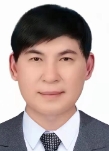 Yifa Chen (陈义发)合作论文数Tongji Hospital, Tongji Medical College of Huazhong University of Science and Technology28
 Zhenyu Xiao (肖震宇)合作论文数Tongji Hospital, Tongji Medical College, Huazhong University of Science and Technology23Tong Yuan合作论文数21
 Zhiwei Zhang (张志伟)合作论文数Tongji Hospital, Tongji Medical College, Huazhong University of Science and Technology20Wenqiang Wang合作论文数18Jian Li合作论文数16
 Lianxin Liu (刘连新)合作论文数School of Clinical Medicine, Division of Life Sciences and Medicine, University of Science and Technology of China;The First Affiliated Hospital of University of Science and Technology of China14
 Tianfu Wen (文天夫)合作论文数West China Hospital, Sichuan University14Min Xiong合作论文数13
 Gogo Liu (刘俊杰)合作论文数School of Life Sciences, Tsinghua University;Center of Life Sciences, Tsinghua University-Peking University;Beijing Advanced Innovation Center for Structural Biology13
 Huichuan Sun (孙惠川)合作论文数Zhongshan Hospital, Fudan University;Liver Cancer Institute, Fudan University13
 Zaide Wu (吴在德)合作论文数Tongji Medical College, Huazhong University of Science and Technology12Jin Gu合作论文数11
 Hui-Fang Liang合作论文数Hubei Key Laboratory of Hepato‑Pancreatic‑Biliary Diseases, Tongji Hospital, Tongji Medical College, Huazhong University of Science and Technology11
 Jia Fan (樊嘉)合作论文数Zhongshan Hospital, Fudan University;Liver Cancer Institute, Fudan University;Shanghai Medical College, Fudan University11
 Songqing He (何松青)合作论文数The First Affiliated Hospital of Guangxi Medical University11Daqian Zhan合作论文数10Xing Lv合作论文数10
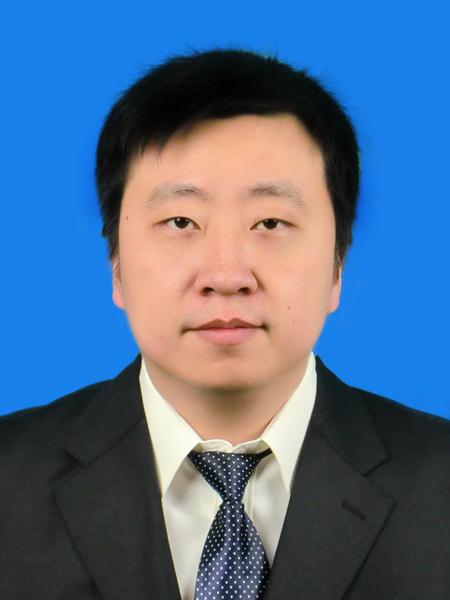 Li Jiang (姜立)合作论文数Tongji Hospital, Tongji Medical College of Huazhong University of Science and Technology10
 ZhiWei Zhang (张志伟)合作论文数University of South China10
 Peng Zhu (朱鹏)合作论文数Tongji Hospital, Tongji Medical College of Huazhong University of Science and Technology10
 Binhao Zhang合作论文数9
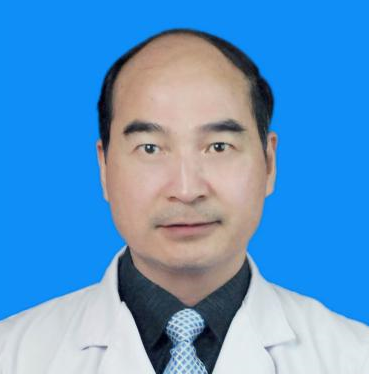 Deyu Li (李德宇)合作论文数郑州大学人民医院9
 Shuang Wei合作论文数9Jinlin Wang合作论文数9
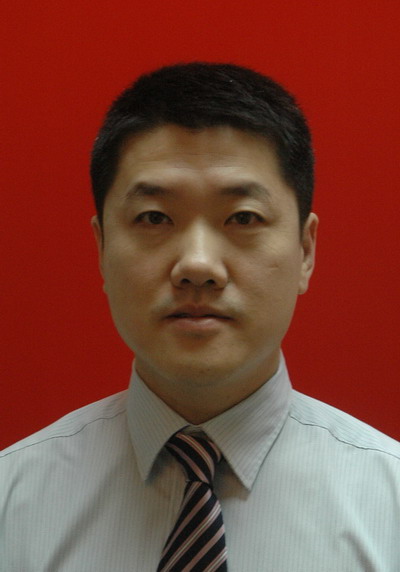 Tianqiang Song (宋天强)合作论文数Tianjin Medical University Cancer Institute and Hospital9Shuai Xiang合作论文数9
 Minshan Chen (陈敏山)合作论文数Sun Yat-sen University Cancer Center9
 Fazu Qiu (裘法祖)合作论文数Tongji Hospital, Tongji Medical College of Huazhong University of Science and Technology9
 Xiangcheng Li (李相成)合作论文数Jiangsu Province Hospital9
 Yongyi Zeng (曾永毅)合作论文数Mengchao Hepatobiliary Hospital of Fujian Medical University9Haisu Tao合作论文数8Keshuai Dong合作论文数8Rong-Hua Zhu合作论文数8GuiBao Ji (纪桂宝)合作论文数8
 Bin Mei (梅斌)合作论文数Tongji Hospital, Tongji Medical College, Huazhong University of Science and Technology8
 Changhai Li (李常海)合作论文数Tongji Hospital, Tongji Medical College, Huazhong University of Science and Technology8
 Jian Zhou (周健)合作论文数Shanghai Sixth People’s Hospital Affiliated to Shanghai Jiao Tong University School of Medicine8
 Wan-yee Joseph Lau (刘允怡)合作论文数Department of Surgery, Faculty of Medicine, The Chinese University of Hong Kong8
 Ming Kuang (匡铭)合作论文数The First Affiliated Hospital, Sun Yat-sen University8ZhenGang Sun (孙振纲)合作论文数7
 David H. Gutmann合作论文数Departments of Neurology, Neurosurgery, Pediatrics, and Genetics, School of Medicine, Washington University in St. Louis;St. Louis Children's Hospital;Barnes-Jewish Hospital7
 Baocai Xing (邢宝才)合作论文数Beijing Cancer Hospital7




