Abstract Purpose: The purpose of the study was to evaluate the safety and preliminary antitumor activity of LM-101, an anti-SIRPα antibody that blocks the CD47–SIRPα interaction, as monotherapy and in combination with rituximab or toripalimab in relapsed/refractory lymphoma and advanced head and neck cancer. Patients and Methods: Adult patients with relapsed/refractory lymphoma or advanced head and neck cancer were eligible. In the dose escalation phase, patients received LM-101 with accelerated titration at 3 mg/kg every 3 weeks, followed by a 3 + 3 escalation at 10, 20, 30, and 40 mg/kg. In the combination therapy safety lead-in phase, LM-101 was given at the recommended phase II dose (RP2D) with rituximab in lymphoma and with toripalimab in head and neck cancer. The primary objective was safety. Secondary objectives included antitumor activity (ClinicalTrials.gov: NCT05615974). Results: Between January 17, 2023, and October 6, 2025, 36 patients received LM-101 monotherapy (n = 17), LM-101 plus rituximab (n = 10), or LM-101 plus toripalimab (n = 9). No dose-limiting toxicities were observed. The RP2D was 40 mg/kg every 3 weeks. Grade ≥3 hematologic treatment-related adverse events (TRAE) included lymphopenia (5.9% with monotherapy; 40% with LM-101 plus rituximab), neutropenia (5.9%; 20%, respectively), and leukopenia (5.9%; 20%, respectively). Nonhematologic TRAEs were infrequent and predominantly grades 1 to 2. Objective response rates were 17.6% (3/17) with monotherapy and 50.0% (4/8) with LM-101 plus rituximab. Disease control rates were 75.0% (6/8) for LM-101 plus rituximab and 42.9% (3/7) for LM-101 plus toripalimab (with no objective responses observed). Conclusions: LM-101 was well tolerated. The preliminary efficacy signal supports further evaluation of LM-101 plus rituximab in relapsed/refractory lymphoma.
Table S7 shows characteristics of patients with response in the dose-escalation cohort.
We evaluated the effectiveness of adding anti-PD-1 antibody to P-GEMOX regimen in previously untreated advanced-stage natural killer/T-cell lymphoma (NKTCL) compared to P-GEMOX alone or with autologous stem cell transplantation (ASCT). 418 patients (135 and 283 in the immunochemotherapy and chemotherapy groups, respectively) were analyzed from 15 Chinese centers (2014-2023). The median follow-up was 40.7 months. The immunochemotherapy group had a higher objective response rate (ORR) (89.6% versus 77.0%), complete response (CR) rate (77.0% versus 50.5%), 3-year progression-free survival (PFS) rate (64.1% versus 40.7%), and 3-year overall survival (OS) rate (79.5% versus 60.8%) compared to the chemotherapy group. Grade 3-4 neutropenia was more common in the immunochemotherapy group (40.0% versus 20.8% in the chemotherapy group, p < 0.001). Grade 3-4 hematologic toxicities were prevalent during ASCT, whereas anti-PD-1 maintenance was well tolerated. Grade ≥3 non-hematologic adverse events during anti-PD-1 maintenance were rare. In propensity score-matched (PSM) analysis of patients achieving CR after induction (n = 41 per group), the 3-year disease-free survival (DFS) rate was 72.6% for immunochemotherapy plus anti-PD-1 maintenance versus 50.9% for chemotherapy plus ASCT (p = 0.032), and the 3-year OS rate was 91.5% versus 72.9% (p = 0.029). First-line anti-PD-1 antibody plus P-GEMOX followed by anti-PD-1 maintenance shows better response and survival over P-GEMOX chemotherapy alone and P-GEMOX with ASCT, while maintaining acceptable toxicity.
Table S4 shows summary of baseline characteristics, prior systemic therapy, and responses to single-agent LM-101 for patients in the dose-escalation phase.
Chimeric antigen receptor (CAR)-T cell therapy has transformed the treatment landscape for relapsed or refractory hematologic malignancies, producing high remission rates in otherwise treatment-resistant patients. However, primary resistance and disease relapse remain common, particularly in solid tumors, limiting long-term benefit and broader clinical applicability. As the population of patients failing therapy grows, there is an urgent need for an integrated understanding of resistance mechanisms and a structured approach to salvage therapy. This review proposes a conceptual “Why-How-What if” framework to navigate the complexities of treatment failure. We first address “Why” therapy fails, identifying multifactorial drivers including tumor-intrinsic factors like antigen loss and immune evasion, T cell-intrinsic dysfunction such as exhaustion and limited persistence, and extrinsic constraints imposed by an immunosuppressive tumor microenvironment. We then explore “How” to enhance efficacy through mechanism-based strategies. These include rational combination approaches with immune checkpoint inhibitors or small molecule inhibitors, and next-generation engineering such as dual-target, armored, and in vivo generated CAR-T cells aimed at overcoming metabolic and physical barriers. Finally, we address the “What if” of treatment failure by summarizing individualized salvage options, for which current clinical evidence is derived predominantly from hematologic malignancies. These strategies range from target-switching and bispecific antibodies to emerging cellular platforms like CAR-natural killer cells and consolidation via allogeneic hematopoietic stem cell transplantation. By integrating mechanisms of failure with evolving optimization and salvage strategies, this framework provides a practical roadmap for clinical and translational progress. Future success will depend on biomarker-guided combinations and the continued diversification of adoptive cell therapy platforms.
Figure S1 shows representative radiological images of a patient with complete response.
Supplementary Figure S4.Association between mutation abundance and risk score in primary central nervous system lymphoma.
Table S3 shows patient demographics and baseline characteristics by tumor type in the dose-escalation phase.
7004 Background: Peripheral T-cell lymphoma (PTCL) is a heterogeneous type of aggressive non-Hodgkin lymphoma with poor prognosis. CHOP-based regimens are most widely used for PTCL yet response rates and long-term survival remain unsatisfactory. Linperlisib, a selective PI3Kδ inhibitor, has shown encouraging antitumor activity with manageable safety profile in relapsed or refractory PTCL. This study aimed to evaluate the efficacy and safety of linperlisib plus CHOP (L-CHOP) as first-line treatment for newly diagnosed PTCL. Methods: The LINCH trial (NCT05949944), a multi-center, single-arm phase Ib/II study, enrolled patients aged ≥ 18 years with newly diagnosed PTCL. In phase Ib, 6 patients received 6 cycles of L-CHOP to determine the recommended phase II dose (RP2D). In phase II, patients received L-CHOP at the RP2D. Following 6 cycles, patients achieving complete response (CR) or partial response (PR) continued linperlisib maintenance until progression or intolerable toxicity or up to 24 months. The primary endpoints were the DLTs incidence (phase Ib) and the CR rate after 6 cycles of L-CHOP (phase II). Preliminary results were reported. Results: From August 15, 2023 to November 15, 2025, 44 patients were enrolled, including 6 patients in phase Ib. The median age was 57 years (range 18–77); 28 patients were males (63.6%). Most patients (n = 35, 79.5%) had stage III-IV disease, and 17 (38.6%) had an IPI score of 3–5. In phase Ib, one DLT (grade 3 febrile neutropenia) occurred in cycle 1, confirming linperlisib 80 mg once daily as RP2D. At the data cutoff on December 30, 2025, efficacy was evaluable in 34 patients (26 completed six cycles; 8 discontinued early), with 10 still receiving induction therapy. After six cycles of combination therapy, 19 patients (55.9%) achieved CR and four achieved PR, resulting in an objective response rate (ORR) of 67.6%. Treatment-emergent adverse events (TEAEs) occurred in 32 patients (94.1%); hematologic toxicity were common: neutropenia (n = 24, 70.6%), leukopenia (n = 21, 61.8%), anemia (n =14, 41.2%). Grade ≥ 3 TEAEs occurred in 19 patients (55.9%), most frequently neutropenia (n = 13, 38.2%), leukopenia (n = 10, 29.4%) and pneumonia (n = 4, 11.8%). Conclusions: Preliminary results from LINCH study suggest that linperlisib combined with CHOP as first-line treatment for PTCL achieved promising efficacy and manageable safety. A randomized controlled trial evaluating linperlisib plus CHOP versus CHOP in patients with newly diagnosed PTCL has been initiated (NCT06548347). Clinical trial information: NCT05949944 . Baseline characteristics. Characteristics Patients (n=44) Age, years (median [IQR]) 57 (18-77) Sex MaleFemale 28 (63.6%)16 (36.4%) ECOG PS 0-12 39 (88.6%)5 (11.4%) Lugano stage I-II III-IV 9 (20.5%)35 (79.5%) Pathological types AITLPTCL-NOSALCLTFHL-NOSMEITLSPTCL 23 (52.3%)14 (31.8%)3 (6.8%)2 (4.5%)1 (2.3%)1 (2.3%)
Table S10 shows summary of antitumor activity of CD47 or SIRPα inhibitors in previous clinical trials.
7082 Background: Peripheral T-Cell Lymphoma with T-follicular helper phenotype (PTCL-TFH), which mainly includes angioimmunoblastic T-cell lymphoma (AITL), is a biologically distinct subtype characterized by frequent epigenetic alterations. Chidamide is an oral, histone deacetylase (HDAC) inhibitor that targets HDAC subtypes 1, 2, 3, and 10, has shown encouraging activity in R/R PTCL-TFH. This study aimed to evaluate the efficacy and safety of chidamide in combination with CHOP (cyclophosphamide, doxorubicin, vincristine, and prednisone) in previously untreated PTCL-TFH patients. Methods: This is a multicenter, open-label, single-arm phase II study (NCT05572983). Patients with previously untreated PTCL-TFH were enrolled and received chidamide (20 mg, oral, biweekly) combined with CHOP regimen for up to six induction cycles. Patients achieving complete response (CR) after induction entered a maintenance phase with chidamide for up to two years. The primary endpoint was CR rate. Secondary endpoints included overall response rate (ORR), progression-free survival (PFS), overall survival (OS), and safety. Results: Between May 2023 and July 2025, a total of 47 patients were enrolled, and enrollment was completed. All patients had the AITL subtype. The median age was 62 years (IQR, 54–67), and 25.5% were female. Advanced-stage disease (stage III–IV) was present in 85.0% of patients, and 48.9% had extranodal involvement. The median number of induction cycles was 5 (range, 1–6), with 33 patients completing six cycles of induction therapy. Among 35 patients who underwent post-treatment PET/CT evaluation, the best CR rate during the induction phase was 85.2% (30/35), with an ORR of 100%. At the end of induction therapy, the CR rate was 87.9% (29/33), and the ORR remained 100%. As of October 2025, disease progression was observed in 10 patients. The most common grade 3–4 adverse events were neutropenia (42.6%), thrombocytopenia (19.1%), infections (17.0%), anemia (6.4%), and elevated transaminases (2.1%). Conclusions: Chidamide in combination with CHOP demonstrated promising efficacy with a manageable safety profile in previously untreated PTCL-TFH patients. A randomized controlled trial is currently ongoing to further validate these findings (NCT06947967). Clinical trial information: NCT05572983 . Baseline characteristics. Characteristics Patients(n=47) Age, years (median [IQR]) 62 (54-67) Sex Male 35 (74.4%) Female 12 (25.5%) IPI score 0-2 25 (53.1%) ≥3 22 (46.9%) Ann Arbor Stage I-II 7 (14.8%) III-IV 40 (75.2%) Extranodal involvement No 24 (51.1%) Yes 23 (48.9%) Data are shown as number (%).
 Huiqiang Huang (黄慧强)合作论文数Sun Yat-Sen University Cancer Center58
 Gao Yan合作论文数39
 Qingqing Cai (蔡清清)合作论文数Sun Yat-Sen University Cancer Center31Qichun Cai (蔡绮纯)合作论文数22
 Wenqi Jiang (姜文奇)合作论文数Shenzhen University;Sun Yat-Sen University Cancer Center18Liqin Ping合作论文数17
 Xiaoxiao Wang合作论文数15Xia Yi合作论文数15
 Zhiming Li (李志铭)合作论文数Cancer Institute, Cancer Center, Sun Yat-sen University of Medical Sciences15Cheng Huang合作论文数11Yanxia He合作论文数11Man Nie合作论文数11Li Pengfei合作论文数11Fang Xiaojie合作论文数11Haixia He合作论文数9Qi-Xiang Rong合作论文数8Yan Gao合作论文数8Xue-Ping Li合作论文数8Jun Cai合作论文数8
 Zhong-Jun Xia合作论文数7Xuanye Zhang合作论文数7SuXia Lin合作论文数7Qihua Zou合作论文数6Furong Liu合作论文数6Yang Zhang合作论文数Corresponding authors.6Yujing Zhang合作论文数5
 Ji-Bin Li (李济宾)合作论文数School of Public Health, Sun Yat-sen University5
 Wei Zhao (赵蔚)合作论文数Zhongshan School of Medicine, Sun Yat-sen University5
 Dongsheng Zhang (张东生)合作论文数State Key Laboratory of Oncology in South China, Collaborative Innovation Center for Cancer Medicine, Sun Yat-sen University Cancer Center5Zhiqiang Wang (王志强)合作论文数5
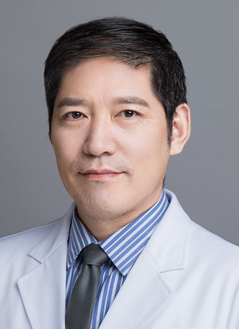 Shusen Wang (王树森)合作论文数Sun Yat-sen University Cancer Center5Xiaoyu Teng (滕小玉)合作论文数5
 Zhongyu Yuan (袁中玉)合作论文数Sun Yat-Sen University Cancer Center5H. Huang合作论文数4Jia-Ying Mao合作论文数4Yunhong Huang合作论文数4Wenyu Li合作论文数4Liang Wang合作论文数4
 Yanxia Shi (史艳侠)合作论文数Sun Yat-sen University Cancer Center4Lin Ze-Xiao合作论文数4
 Ru Feng (冯茹)合作论文数Nanfang Hosptial, Southern Medical University4
 He Huang (黄鹤)合作论文数Department of Biotherapy, Sun Yat-Sen University Cancer Center4Feng Wang (王峰)合作论文数4
 Donggeng Liu (刘冬耕)合作论文数Sun Yat-sen University Cancer Center4
 Hui Zhou (周辉)合作论文数Department of Medical Oncology, Hunan Cancer Hospital4
 Ruihua Xu (徐瑞华)合作论文数Sun Yat-sen University Cancer Center4Yu-hua Huang合作论文数3Wang Xiaoxiao合作论文数3




