To investigate whether computed tomography (CT) imaging features can aid in identifying cirrhotic patients with poor response to endoscopic therapy for gastroesophageal variceal hemorrhage (GVH). Cirrhotic patients with a history of endoscopic therapy for GVH were retrospectively enrolled (n = 158). Pre-endoscopic data, hepatic venous pressure gradient (HVPG), and endoscopic and CT imaging data were collected and analyzed. The cross-sectional area of skeletal muscle (SMA) at the level of the third lumbar vertebra was measured, and the skeletal muscle index (SMI) was calculated by dividing SMA by the square of the patient’s height. Spleen volume was measured using a semi-automatic segmentation tool. HVPG > 16 mmHg (p = 0.033), SMI-related sarcopenia (p < 0.001), and significant splenomegaly (defined as spleen volume ≥ 974.3 cm³, p = 0.008) were identified as independent risk factors for variceal rebleeding after endoscopic therapy in these cirrhotic patients. The cumulative risk curve showed a higher probability of rebleeding in the sarcopenia group (p < 0.001). Similarly, the rebleeding rate was significantly higher in the HVPG > 16mmHg group compared to the HVPG ≤ 16mmHg group (p = 0.029). And patients with significant splenomegaly demonstrated a significantly higher rebleeding probability (p = 0.021). CT imaging features, particularly SMI-related sarcopenia and significant splenomegaly, in combination with HVPG, are risk factors associated with gastroesophageal variceal rebleeding after endoscopic therapy. Early identification of cirrhotic patients with poor response to endoscopic therapy is crucial for implementing more aggressive interventions to prevent variceal rebleeding.
CNNs handling multi-scale variations and Transformers modeling long-range dependencies are crucial for vascular segmentation. The fusion of these two models effectively combines the multi-scale local features extracted by CNNs with the global information modeled by Transformers, significantly enhancing the accuracy of blood vessel segmentation. However, the powerful model faces challenges when dealing with the gradual formation of extensive collateral vessels in the upper digestive system veins of patients with cirrhotic portal hypertension, leading to numerous false negative and false positive segmentation results. To this end, the paper proposes UDV-Net, a fusion network combining CNN and Transformer with vessel prior and spatial awareness for upper digestive system vein vessel segmentation. Initially, a CNN utilizing an encoding-decoding architecture is employed to create a multi-scale representation of blood vessels from the image. The representation is further refined by the blood vessel attention module at the corresponding scale to address tubular structures, thereby reducing false positive results. Secondly, a Transformer bridge with three-dimensional voxel position encoding is proposed to connect the corresponding encoding-decoding layer, effectively perceiving widely distributed blood vessels with diverse shapes, improving blood vessel connectivity, and avoiding false negative blood vessel results. We collected and annotated abdominal contrast-enhanced CT images of 191 patients with liver cirrhosis, constituting the PHCT dataset. Our method’s validation result on this dataset is state-of-the-art. When evaluated on the publicly available 3D-IRCADb dataset as an unseen external validation set for PHCT, the model demonstrated satisfactory performance. Additionally, our method also achieves the optimal performance on the public MSD hepatic vessel dataset.
The sarcopenia burden is escalating in super-aged societies. The “gut-muscle axis” hypothesis suggests gut dysbiosis contributes to muscle wasting via inflammation and metabolic dysregulation, yet identifying consistent markers is complicated by heterogeneity. This study determined prevalence, risk factors, and microbiota signatures in a homogeneous cohort of community-dwelling men aged ≥ 75 receiving chronic disease management in Shanghai. We employed a cross-sectional design, enrolling 172 older men (mean age 82 ± 3 years). Sarcopenia was diagnosed using AWGS 2019 criteria. Comprehensive clinical data, including serological markers and medication history, were collected. Fecal samples from a subgroup (n = 45) underwent 16 S rRNA sequencing. Clinical risk factors were identified using backward stepwise multivariate logistic regression with Bootstrap internal validation. Multivariate logistic regression and Linear Discriminant Analysis Effect Size (LEfSe) were used to identify independent factors. To mitigate potential overfitting and small-sample bias in the microbiota analysis, complementary differential abundance testing (e.g., ANCOM-BC) and exploratory penalized multivariable modeling (LASSO feature selection and Firth’s penalized regression) were strictly applied. Sarcopenia prevalence was 25.6
Transjugular liver biopsy (TJLB) enables histopathological diagnosis of liver disease and simultaneous assessment of the hepatic venous pressure gradient (HVPG). To assess the diagnostic adequacy and safety of TJLB in combination with HVPG measurement in patients with unexplained Liver Dysfunction and hemorrhage tendency. Seventy-seven TJLB procedures were performed in 58 patients with unexplained liver dysfunction using the COOK Medical TJLB kit. Biopsy quality was assessed by specimen length, number of complete portal tracts, diagnostic yield, and procedure-related complications. Subgroup analyses were conducted according to HVPG levels. All procedures yielded adequate histopathological samples. The mean specimen length was 8 mm (range, 5–13 mm), with a mean of 9 complete portal tracts (range, 4–20). TJLB identified the underlying etiology in 72.4
BACKGROUND:Lipotoxicity, driven by dysregulated lipid metabolism, is a key initiator of hepatocyte injury in metabolic dysfunction-associated steatotic liver disease (MASLD). β-1,4-galactosyltransferase 1 (B4GALT1), which primarily mediates galactosylation of glycoproteins and glycolipids, is involved in the regulation of plasma lipid composition. Previous studies have implicated aberrant glycosylation in MASLD progression. However, the role and underlying molecular mechanisms of B4GALT1 in MASLD progression remain unclear. METHODS AND RESULTS:The protein levels of B4GALT1 were elevated in patients with MASLD as well as in a murine model of MASLD induced by choline-deficient, L-amino acid-defined, high-fat diet (CDAHFD), with a more pronounced increase observed in MASH. Hepatocyte-specific B4galt1-knockout mice exhibited significantly attenuated hepatic steatosis and inflammation, but not fibrosis. In addition, hepatic B4GALT1 deficiency suppressed the expression of lipogenic genes, reduced lipid accumulation, and inhibited ferroptosis mediated by lipid peroxidation. Mechanistically, B4GALT1 deficiency impaired the N-glycosylation of peroxisome proliferator-activated receptor gamma (PPARγ), leading to its stabilization. Increased PPARγ protein, in turn, transcriptionally repressed acyl-CoA synthetase long chain family member 4 (ACSL4), thereby mitigating lipid peroxidation. Conversely, PPARγ overexpression in steatotic hepatocytes rescued the pro-ferroptotic phenotype driven by B4GALT1. CONCLUSIONS:Our findings suggest that B4GALT1 plays a crucial role in MASLD progression by targeting lipid peroxidation in hepatocytes via the PPARγ/ACSL4 axis, thus highlighting a potential therapeutic target for MASLD.
BACKGROUND:Endoscopic submucosal dissection (ESD) for ileocecal valve (ICV) lesions poses unique technical challenges because of its anatomic complexity. This study aimed to evaluate the effectiveness and safety of ESD for ICV lesions. METHODS:From December 2016 to June 2023, the clinic characteristics and outcomes of ESD on 51 ICV lesions and 84 cecal lesions were reviewed. Factors related to longer procedure time were analyzed for ESD of ICV lesions. RESULTS:Baseline characteristics and clinical features of the lesions were not significantly different between the groups. The median procedure time of the ICV group was significantly longer than that of the cecal group (35 min vs. 24 min, respectively; P =.04). There were no significant differences in en bloc resection rates between the ICV and cecal groups (92.2% vs. 97.6%, respectively; P =.14). During the median follow-up of 32 months (IQR, 6-89), there was no case of recurrence in the ICV group. A specimen diameter of ≥25 mm and a circumferential spread of ≥1/2 were factors related to a longer procedure time (specimen diameter: OR=4.2 95%CI, 2.1-15.4, P =.02; circumferential spread: OR=3.7, 95%CI, 1.2-12.7, P =.03). CONCLUSION:ESD for ICV lesions requires a longer procedure duration than ESD for cecal lesions, but it is safe and effective, making it a challenging and promising therapeutic approach.
Background:Rebleeding after initial endoscopic therapy is associated with high mortality in patients with hepatitis B virus (HBV)-related liver cirrhosis complicated by esophagogastric variceal bleeding (EGVB), imposing a substantial public health burden. Spontaneous portosystemic shunts (SPSS), a compensatory mechanism for portal hypertension, are closely associated with disease progression. This study aimed to develop and validate machine learning (ML) models incorporating clinical and imaging features to predict the risk and frequency of rebleeding following initial endoscopic treatment. Methods:This multicenter prospective study enrolled patients with HBV-related cirrhosis and EGVB treated at Zhongshan Hospital, Fudan University (the development cohort). External validation was completed in five tertiary centers in China. The trial was registered at ClinicalTrials.gov, NCT03277651. Data were collected between January 2017 and January 2022. Five classic ML algorithms, Hierarchical Gradient Boosting (HGB), Multilayer Perceptron (MLP), Random Forest (RF), Support Vector Machine (SVM), and Extreme Gradient Boosting with classification trees (XGB), were utilized to predict rebleeding. Model performance was evaluated using the area under the receiver operating characteristic curve (AUC), accuracy, sensitivity, specificity, and F1 score. Time-dependent ML was further applied, with predictive performance compared between conventional and time-dependent models using the concordance index (C-index). The optimal model was interpreted via Shapley Additive Explanations (SHAP) and externally validated. Additionally, key predictors were integrated into a Support Vector Regression (SVR) model to estimate rebleeding frequency. Findings:Among 295 patients in the development cohort and 190 in the external cohort, rebleeding occurred in 77 and 68 patients with SPSS, respectively. The XGB model demonstrated the best discrimination (AUCs: 0.814 internal, 0.776 external), significantly outperforming the other models (P = 0.014, 0.008). Compared with the Model for End-stage Liver Disease (MELD) and Child-Pugh scores (AUCs: 0.557 and 0.590), the XGB model significantly improved rebleeding prediction (P < 0.0001). SHAP analysis identified hemoglobin, portal vein thrombosis, superior mesenteric vein diameter, platelet count, minimum shunt diameter, and splenic vein diameter as the top predictors. The SVR model achieved robust performance in estimating rebleeding frequency, with mean squared error (MSE) and R2 values of 0.030 and 0.914 in the training set, 0.073 and 0.777 in the internal validation set, and 0.143 and 0.708 in the external validation set. Interpretation:The ML-based model offers a noninvasive, accurate tool for individualized risk stratification and follow-up planning in patients with HBV-related cirrhosis and SPSS after initial endoscopic therapy. Funding:The work was supported by National Natural Science Foundation of China (82370622); Fujian Provincial Medical Innovation Project (2022CXB020); and Xiamen Key Medical and Health Project (3502Z20234006).
3D vessel segmentation in Computed Tomography Angiography (CTA) is crucial yet challenging due to the complex, multi-scale, and elongated branching structure of human vasculature. Accurate modeling requires capturing both long-range dependencies and multi-scale information inherent in vascular networks. While deep neural networks like CNNs and Vision Transformers (ViTs) have demonstrated progress, they often face challenges balancing global receptive field capture with computational efficiency. To address these limitations, we propose VesselMamba, a novel 3D vessel segmentation framework based on Mamba, an approach for modeling long-range dependencies with linear complexity. VesselMamba integrates parallel Mamba blocks in the encoder to efficiently capture vascular continuity and long-range dependencies. Additionally, the encoder is enhanced with a Spatial-Channel Attention with Spatial Pyramid Pooling (SCASPP) module to effectively model multi-scale information and optimize the integration of global and local features, significantly improving segmentation precision. Furthermore, a composite loss function that combines the clDice loss with traditional cross-entropy and Dice losses is employed to improve the connectivity of segmented vessels. This reduces fragmentation and artifacts, leading to more reliable segmentations. Comprehensive ablation studies on private and public datasets demonstrate the complementary nature and effectiveness of the proposed modules. Experimental results show that VesselMamba achieves state-of-the-art performance in CTA vessel segmentation tasks, outperforming existing methods and providing a robust tool for clinical diagnosis and research.
Background:Blown-out myotomy (BOM) may impair the discharge of esophageal contents, leading to recurrent symptoms following myotomy. This study aimed to evaluate the safety and effectiveness of salvage peroral endoscopic myotomy (POEM) for symptomatic BOM. Methods:Between August 2011 and August 2022, 77 patients with recurrent achalasia with BOM and 168 with recurrent achalasia without BOM underwent POEM and were retrospectively enrolled. Operation-related parameters were compared between the two groups. Results:Salvage POEM was performed in patients with symptomatic BOM, with a mean procedure duration of 60.8 minutes. The mean hospital stay was 3.2 days. Procedure-related adverse events included 16 cases (20.8%) of Type I mucosal injury, 3 cases (3.9%) of Type II mucosal injury, 5 cases (6.5%) of pneumothorax, 2 cases (2.6%) of emphysema, and 2 cases (2.6%) of pneumoperitoneum. Three patients (3.9%) experienced major adverse events. No statistically significant differences were found between the two groups in the incidence of mucosal injury, gas-related adverse events, and major adverse events. Clinical success was equivalent between the two groups at the 2-year follow-up (85.7% vs. 92.3%; P = 0.16). Conclusions:Based on this study, POEM could be considered as an effective treatment option for patients with symptomatic BOM.
Intraoperative cell salvage (IOCS) has been widely applied as an important blood conservation measure in surgical operations. However, there is currently a lack of clinical practice guidelines for the implementation of IOCS in patients with malignant tumors. This report aims to provide clinicians with recommendations on the use of IOCS in patients with malignant tumors based on the review and assessment of the existed evidence. Data were derived from databases such as PubMed, Embase, the Cochrane Library and Wanfang. The guideline development team formulated recommendations based on the quality of evidence, balance of benefits and harms, patient preferences, and health economic assessments. This study constructed seven major clinical questions. The main conclusions of this guideline are as follows: 1) Compared with no perioperative allogeneic blood transfusion (NPABT), perioperative allogeneic blood transfusion (PABT) leads to a more unfavorable prognosis in cancer patients (Recommended); 2) Compared with the transfusion of allogeneic blood or no transfusion, IOCS does not lead to a more unfavorable prognosis in cancer patients (Recommended); 3) The implementation of IOCS in cancer patients is economically feasible (Recommended); 4) Leukocyte depletion filters (LDF) should be used when implementing IOCS in cancer patients (Strongly Recommended); 5) Irradiation treatment of autologous blood to be reinfused can be used when implementing IOCS in cancer patients (Recommended); 6) A careful assessment of the condition of cancer patients (meeting indications and excluding contraindications) should be conducted before implementing IOCS (Strongly Recommended); 7) Informed consent from cancer patients should be obtained when implementing IOCS, with a thorough pre-assessment of the patient's condition and the likelihood of blood loss, adherence to standardized internally audited management procedures, meeting corresponding conditions, and obtaining corresponding qualifications (Recommended). In brief, current evidence indicates that IOCS can be implemented for some malignant tumor patients who need allogeneic blood transfusion after physician full evaluation, and LDF or irradiation should be used during the implementation process.
Portal hypertension is characterized by elevated pressure within the portal venous system, commonly resulting from cirrhosis. As portal hypertension progresses, the portal vein dilates and subjected its endothelial cells (ECs) to mechanical stretch. In this study, we employed a flexible strain system to simulate the mechanical stretch experienced by ECs under portal hypertensive conditions. Our results revealed that mechanical stretch induced iron overload in ECs, triggering ferroptosis and endothelial dysfunction. Simultaneously, mechanical stretch activated autophagy in ECs, and inhibition of autophagy reduced ferritin degradation and alleviated iron overload. Moreover, endoplasmic reticulum (ER) stress transcriptionally upregulated NCOA4 expression, promoting NCOA4-mediated ferritinophagy. These findings demonstrate that mechanical stretch triggered ER stress in ECs, initiated NCOA4-mediated ferritinophagy, which led to iron overload and contributed to ferroptosis and endothelial dysfunction. Targeting ferritinophagy may help mitigate EC injury and dysfunction caused by mechanical stretch in the context of portal hypertension, offering a promising therapeutic approach for the prevention and treatment of portal vein thrombosis (PVT).
Background and aims : Studies have shown that improving the intestinal flora can alleviate the progression of liver fibrosis. Cordycepin has shown potential anti-inflammatory and anti-fibrosis effects. In this study, we aimed to investigate the effects of cordycepin on liver fibrosis and how it affects the intestinal flora composition to determine a potentially effective therapeutic approach for liver fibrosis. Experimental procedure : C57BL/6 mice were fed a special diet containing 3,5-diethoxycarbonyl-1,4-dihydroxylidine (DDC) to induce liver fibrosis. The histopathological changes in liver tissue and intestinal mucosa were determining via immunohistochemical staining. Serum transaminase levels were determined using biochemical test kits. Faecalibaculum samples were sequenced via 16S rRNA sequencing. Results : Cordycepin reduced DDC-induced liver collagen deposition, improved serum alanine aminotransferase (ALT) and aspartate aminotransferase (AST) levels, and reduced the levels of endothelial dysfunction markers vascular cell adhesion molecule 1 (VCAM) and thrombomodulin (TM). Our analysis of the intestinal flora composition showed that Dubosiella, Faecalibaculum, and Bifidobacterium were significantly increased in the cordycepin-treated group (P < 0.05). The Dubosiella level was significantly negatively correlated with TM and VCAM levels, and serum levels of ALT and AST (P < 0.05). After treatment with cordycepin, the microvilli length in the intestinal mucosa, the density of goblet cells, and the expressions of occludin and zonula occludens protein 1 (ZO-1) were significantly increased (P < 0.05). Conclusion : We discovered that cordycepin improves liver fibrosis in vivo. We found that Dubosiella levels were considerably increased in the cordycepin-treated group and were significantly negatively correlated with liver sinusoidal endothelial damage.
 XiaoQuan Huang (黄晓铨)合作论文数105LiLi Ma (马丽黎)合作论文数80
 Pinghong Zhou (周平红)合作论文数Zhongshan Hospital Fudan University55
 Jiyao Wang (王吉耀)合作论文数Zhongshan Hospital, Fudan University53
 Liqing Yao (姚礼庆)合作论文数The First Affiliated Hospital of Xiamen University50
 Meidong Xu (徐美东)合作论文数School of Medicine, Tongji University;East Hospital Affiliated to Tongji University47
 Yunshi Zhong (钟芸诗)合作论文数Zhongshan Hospital, Fudan University44
 Yiqun Zhang (张轶群)合作论文数Zhongshan Hospital, Fudan University44
 Tiancheng Luo (罗添成)合作论文数42
 Jian Wang合作论文数40Jingjing Lian合作论文数39Xiaoqing Zeng合作论文数39Feng Li合作论文数37
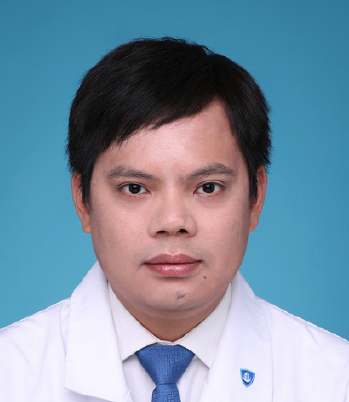 Quanlin Li (李全林)合作论文数Shanghai Geriatric Medical Center34
 Jian-Wei Hu (胡健卫)合作论文数33Ling Wu合作论文数31Siyu Jiang合作论文数31
 Ming-Yan Cai (蔡明琰)合作论文数Shanghai Geriatric Medical Center31Yingjie Ai合作论文数30Wen-Zheng Qin (秦文政)合作论文数26
 Gui-Fen Ma合作论文数23XiaoQing Ceng (曾晓清)合作论文数23Yujen Tseng合作论文数20WeiFeng Chen (陈巍峰)合作论文数19JianJun Luo (罗剑钧)合作论文数18
 Weifeng Chen合作论文数Adobe18
 Tianshu Liu (刘天舒)合作论文数Department of Medical Oncology, Zhongshan Hospital, Fudan University16Duyi Pan (潘独伊)合作论文数15Qing Miao合作论文数Department of Endocrinology and Metabolism, Huashan Hospital, Fudan University, Shanghai, China14Yimei Liu (刘以梅)合作论文数14
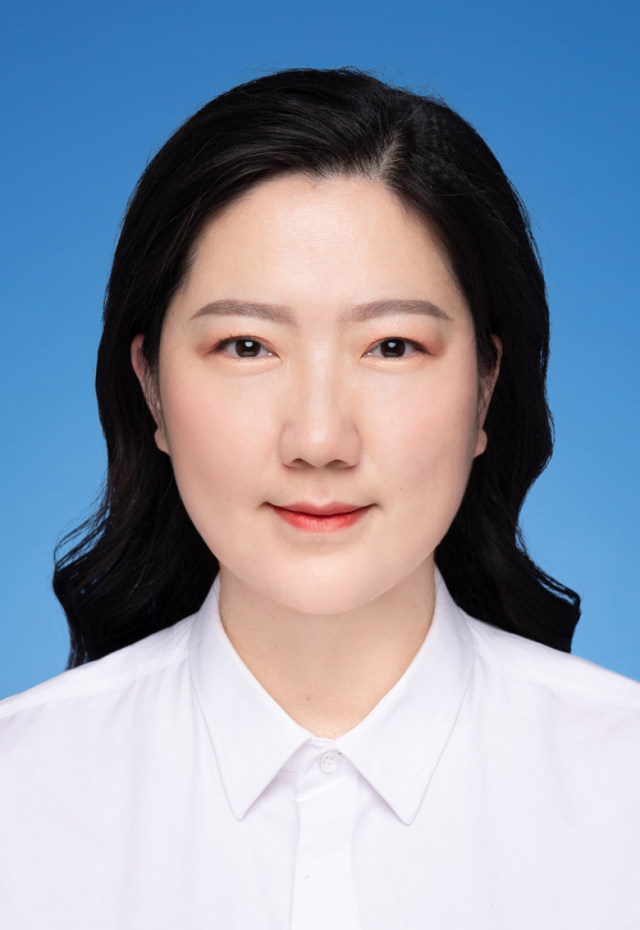 Jie Chen (陈劼)合作论文数School of Nursing, Fudan University;Children's Hospital of Fudan University13Ying-Yi Jiang合作论文数12Yourong JIAN (简佑容)合作论文数12Liyuan Ni合作论文数11Ying CHEN (陈颖)合作论文数11Zu-Qiang Liu合作论文数11Na Li合作论文数11
 Hong Ding (丁红)合作论文数Huashan Hospital, Fudan University11Yi Tian (田怡)合作论文数10
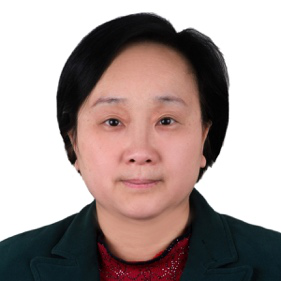 Jinsheng Guo (郭津生)合作论文数Zhongshan Hospital, Fudan University10Hong Gao合作论文数10Rui Zhang合作论文数9
 Ji Zhou合作论文数9Hongchun Liu合作论文数9Qingqing FANG (方青青)合作论文数9FengYuan Chen (陈凤媛)合作论文数9Ma Jingqin合作论文数9
 Ying Chen (陈瑛)合作论文数School of Pharmaceutical Sciences, Fudan University9




