The nuclear industry's production generates significant uranium-containing wastewater. Owing to radioactivity, this wastewater seriously threatens environmental safety and human health, becoming a major bottleneck for nuclear energy's sustainable development. Adsorption-based uranium extraction from radioactive wastewater represents a promising strategy, as it facilitates the recovery of a valuable resource while significantly mitigating environmental pollution. Chitosan contains active functional groups like amino groups and hydroxyl groups, this study employed chitosan cross-linking and composite technology, supplemented by freeze-drying methods. Based on the synergy of multi-functional groups, a composite foam adsorbent (HPC) was constructed, which consists of phytic acid-modified layered hydrotalcite rich in phosphate groups and chitosan/carboxymethyl cellulose. This adsorbent was employed for the removal of U(VI) from aqueous solutions, and its adsorption performance was systematically evaluated under various conditions. The results demonstrated that under optimal conditions, the maximum adsorption capacity for U(VI) reached 272.28 mg/g. The adsorption process was well described by the pseudo-second-order kinetic model and the Langmuir isotherm, indicating monolayer chemisorption. Thermodynamic studies revealed that the adsorption is spontaneous and exothermic in nature. The HPC adsorbent possesses a high specific surface area and is rich in diverse functional groups, including carboxyl, hydroxyl, amino, and phosphate groups. The synergistic effect among these functional groups enhances U(VI) adsorption through mechanisms such as chemical complexation, ion exchange, and isomorphic substitution. These findings suggest that HPC is a promising high-performance adsorbent for the treatment of uraniumcontaining radioactive wastewater.
The coexistence of microplastics and surfactants poses great threats to aquatic environments. However, it is insufficiently understood how their co-contamination affects the coagulation-ultrafiltration efficiency and associated membrane fouling mechanisms. This study explored the influence of sodium dodecyl sulphate (SDS) concentration (23-460 mg/L), polypropylene (PP) concentration (0-100 mg/L) and PP-SDS contact time (0-24 h) on the membrane fouling development during ultrafiltration of pre-coagulated waters containing PP-SDS. It was found that the maximum average size (204 mu m) and lowest fractal dimension (1.3281) of resultant flocs were obtained in combination of 230 mg/L SDS, 100 mg/L PP and 24-h contact time. Without adding SDS, hydrophobic interactions were the predominated coagulation mechanism for connecting PP to humic acid (HA). When SDS was involved, adsorption between PP and hydrophobic alkyl chains became enhanced, thereby producing more compact flocs. At an excessive SDS concentration of 460 mg/L, the strengthened local electric field had a possibility to reduce particle collision efficiency and deteriorate particle adherence, subsequently causing more severe membrane fouling. Standard blockage (R-2 > 0.99) was identified as the primary fouling mechanism. Compared to hydraulic cleaning, 1 % citric acid backwash increased the flux recovery rate of contaminated membrane by up to 24 %. SEM and FTIR results revealed that the remaining foulant layer after citric acid backwash was thinner than hydraulic cleaning and no distinct HA characteristic peaks were detected. This work provides a theoretical and technical foundation for removing PP-SDS contaminants in water treatment engineering.
Trace low-molecular-weight emerging contaminants (LMWECs) in drinking water sources pose chronic health risks but remain challenging to remove using conventional treatment processes. Here, we describe an amoeba-inspired nano-robot (NRm, where m refers to the molar ratio of Fe:Si), engineered with flexible polymer chains and iron (hydr)oxide nanodomains, for the simultaneous capture and catalytic degradation of 20 representative LMWECs at initial concentrations from 100 ng/L to 1 mg/L in a real surface water. Under optimized operational conditions, NR10 achieved over twice the removal efficiencies compared to conventional water treatment chemicals involving FeCl3 and polyacrylamide (PAM). The nano-robot autonomously extended polymer "pseudopodia" to bind LMWECs into flocs via hydrophobic association, and used H2O2 both as a "propulsion fuel" and as a source of •OH radicals via Fenton-like reactions to accelerate degradation of captured LMWECs. This multi-function mechanism enabled efficient capture and degradation of LMWECs, while reducing toxicity (from "acute" of raw water to "nontoxic" of the treated water) and improving sludge dewaterability. After use, 91% of NR10 could be recovered from flocs, and the recovered nano-robots maintained high LMWEC REs with only ∼2% reduction for each recovery-reuse cycle. NR10 offers a deployable, infrastructure-compatible solution to the growing problem of LMWECs in drinking water.
Microplastics (MPs) are characterized by multiple attributes such as morphology and polymers that enable diverse classification approaches. The source apportionment of MPs is significantly different from that of traditional pollutants, whose classification relies solely on chemical composition. Current research lacks quantitative methods in microplastic source apportionment, with receptor models' reliability unverified and optimal classification approaches unclear. In this study, the performances of receptor models (Principal Component Analysis-Multiple Linear Regression (PCA-MLR) and Positive Matrix Factorization (PMF)) combined with classification approaches (polymeric and morphological) across source types (primary and secondary) and complexities (2-6 sources) were evaluated based on 56 scenarios. Results showed that PCA-MLR using morphological classification failed to resolve actual source profiles in all scenarios, with the Pearson correlation coefficient (r) between simulated and true profiles below 0.3. Under polymeric classification, PMF consistently yielded simulated source profiles significantly correlated with true values (p < 0.01) across all scenarios, with r ranging from 0.823-1.000. For ≤ 4 sources, PMF using morphological classification also performed well, potentially exceeding polymer-based results. The models exhibited distinct preferences in evaluating source impact intensities: PCA-MLR better resolved primary sources (r = 0.990 ± 0.013) than secondary sources (r = 0.973 ± 0.037), while PMF excelled for secondary sources (r = 0.990 ± 0.010) more than primary sources (r = 0.959 ± 0.055). Building on these findings, we developed an operational decision tree strategy optimizing model-classification pairing upon target source type and complexity. This framework significantly enhances the efficiency and accuracy of microplastic source apportionment, providing critical support for precise source-specific risk mitigation in aquatic environments.
While ultraviolet (UV)-based advanced oxidation processes have garnered recognition as effective pretreatment strategies for mitigating ultrafiltration (UF) membrane fouling, the potential, kinetics, and mechanisms of sole UV irradiation in controlling organic fouling remain unclear. This study systematically investigated the performance of sole UV irradiation in mitigating UF membrane fouling induced by dissolved organic matter (DOM), with a focus on the effects of UV wavelength and fluence. A mini-fluidic UV-UF modular experimental system was specially designed to deliver accurate fluences from low-pressure, vacuum UV/low-pressure, and medium-pressure UV (LPUV, VLUV and MPUV) lamps. Results show that VLUV pretreatment exhibited the highest efficiency in organic fouling mitigation, as indicated by the lowest trans-membrane pressure (TMP) increase and fouling resistance. Specifically, VLUV irradiation with a fluence of 100 mJ cm-2 could reduce the final pressure by up to 47%, whereas both MPUV and LPUV of the same fluence resulted in reductions of approximately 19%. The membrane fouling mitigation efficiency increased with UV fluence, reaching 84% with VLUV irradiation at 600 mJ cm-2, indicating the feasibility of sole UV irradiation as a UF pretreatment. Analysis of DOM characteristics and membrane cake layers revealed that the fouling mitigation resulted primarily from reduced organic contents in the feedwater and the breakdown of macromolecules into smaller fragments that permeated the membrane. The tradeoff between membrane fouling mitigation efficiency and potential water quality risks warrants a comprehensive evaluation of UV-based pretreatment strategies for UF membrane fouling mitigation.
Single-atom catalysts offer promise for emerging contaminant (EC) removal but remains limited by poor scalability due to costly precursors and complex synthesis. On the other hand, how to utilize cyanobacteria sludge from eutrophic lakes is still a challenge. Here, we report a scalable and environmental-relevant strategy to convert cyanobacterial sludge (from a full-scale eutrophic water treatment plant by FeCl3-coagulation-flotationdewatering) into particle electrodes (KCBC800) containing representative and energetically favorable singleatom para-Fe-N2O2 sites, without addition of exogenous substance during pyrolysis. Deployed in a threedimensional electrochemical reactor, KCBC800 exhibited efficient removal of 11 representative pharmaceuticals via in-situ reactive oxygen species generation, with higher kinetic rate constants, lower operating voltages, reduced energy consumption and reduced acute toxicity of treated water, compared to commercial activated carbon and conventional particle-free electrochemical system. The performance displayed strong robustness to a wide pH range (2-8), co-existence of various inorganic ions and natural-organic-matter, and in different water matrix (river and tap water). The most plausible mechanism supported by both direct and indirect experimental evidence revealed that the KCBC800 enabled EC removal by anodic catalytic & sdot;OH generation, and cathodic catalytic H2O2 production for subsequent Fenton-like reactions, without exogenous oxidant addition. This work integrated waste valorization, environmental catalysis, and circular economy principles to offer scalable sustainable water treatment solutions.
Cyanobacterial (CB) blooms threaten freshwater security and require effective and resource-oriented treatment strategies. In this work, according to the "using-waste-to-treat-waste" concept, waste CB biomass from a eutrophic lake was converted into a series of cationic flocculants (CB-CF) via quaternization. Among them, CBCF2 with a moderate cationic degree (CD, 37 %) exhibited the optimal performance, achieving high removal efficiencies of contaminants from both synthetic and real eutrophic lake water, through synergistic charge neutralization and bridging. Compared with commercial CPAM and PAC, CB-CF2 provided improved water purification performance, a broader effective flocculant dosage window, markedly improved sludge dewaterability, and preserved biomass quality for downstream valorization. Pilot-scale tests confirmed the operational robustness and scalability, and enabled closed-loop utilization of the recovered CB sludge, which not only could be used for synthesis of effective flocculants, but also had a large utilization potential to produce organic fertilizers, livestock feed, and bio-oil, due to its high contents of crude protein and fat. With its relatively low cost, low toxicity, and high biodegradability, the cationic CB-based flocculant offers a practical, scalable, and circular solution for CB bloom control and biomass resource recovery.
Conventional ballasted flocculation often faces challenges in achieving efficient and stable removal of natural organic matter (NOM) due to variable molecular weight (MW) characteristics and suboptimal chemical utilization. This study systematically investigated two staged injection strategies to overcome these limitations: (i) proportional two-stage injection of anionic polyacrylamide (PAM) with single-stage microsand addition; and (ii) simultaneous proportional two-stage injection of both PAM and microsand. Lab-scale flocculation tests were conducted using synthetic waters containing either molecular weight-fractionated humic acid (HA), or model NOM components with controlled hydrophobicity including HA, bovine serum albumin (BSA) and sodium alginate (SA). The results showed that higher-MW HA (>30 kDa) promoted the formation of larger, denser flocs and achieved superior removal of UV254 and DOC. Compared to the conventional single-stage operational mode, the two-stage injection of PAM alone significantly improved floc size uniformity across different water matrices and enhanced turbidity removal through optimized polymer bridging, while staged injection of PAM and microsand provided more controlled floc growth and minimized free microsand interference. Regarding organic hydrophobicity, the hydrophilic SA consistently modified floc development and settling, but the hydrophobic BSA inhibited aggregation, with HA and SA co-existence demonstrating synergistic benefits for floc growth. Mechanistic analysis via zeta potential measurements indicated that the overall floc formation process was predominantly governed by charge neutralization following alum coagulation and subsequent adsorptionbridging dominated by PAM. These findings suggest that staged chemical injection optimizes floc properties and removal performance, offering a viable strategy for enhanced NOM removal in ballasted flocculation.
Black liquor (BL), the alkaline effluent from straw pulping, is rich in lignin with diverse molecular weights but poses serious environmental challenges. Here, a stepwise acid-assisted flocculation (AAF) strategy was developed for fractional lignin recovery and water treatment, in which a quaternary-ammonium-modified lignin flocculant (L-CTA) was employed following the "using-waste-to-treat-waste" principle. Through sequential AAF, high-(>5000 Da), medium-(1000-5000 Da), and low-MW (800-1000 Da) lignin fractions were selectively recovered (recovery rates of 91.7, 88.0, and 89.5%, respectively) under mild conditions. Structural analyses revealed a molecular transition from beta-O-4-rich, syringyl-dominated, and compact product of high-MW fraction, to more oxidized and guaiacyl-enriched low-MW lignin fractions with lower thermal stability. Mechanistic studies, by a combination of instrumental analyses (zeta potential, quartz crystal microbalance, and isothermal titration calorimetry) and theoretical computations (density functional theory and molecular dynamics), demonstrated that the AAF process followed enthalpy-entropy compensation: high-MW lignin separation relied on both an enthalpy reduction of electrostatic attraction and entropy increases of bound-water release during pi-pi stacking, whereas low-MW lignin favored an enthalpy-dominated process. This study provides a mechanistic-guided and environmental-benign route for simultaneous primary treatment of BL and fractional recovery of lignin, thereby contributing to sustainable development within the pulping industry.
Microplastics (MPs) and nanoplastics (NPs) are ubiquitous emerging contaminants in water; their environmental impacts, risks, and treatment performance strongly depend on particle-state (particle size, aging status, oxidation level, surface chemistry, colloidal stability, biological/organic coatings, and contaminant affinity). Environmental aging progressively and irreversibly reshapes the surface chemistry, morphology, and bulk polymer integrity of MPs and NPs. These transformations act as a mechanistic bridge linking (i) ecological risks, via altered transport, biological interactions, size-resolved toxic pathways, additive leaching, and amplified vector effects with co-pollutants, to (ii) treatment performance, by the changing aggregation/coagulation behavior, adsorption affinity, membrane retention and fouling, and reactivity toward advanced oxidation and bio-utilization. While previous literature on aging, ecological risks, and removal technologies has addressed these aspects in isolation rather than as a coupled cause-effect chain, this review summarizes evidence along an aging-risk-removal nexus and proposes a risk-based removal strategy that prioritizes the most hazardous aged and nano-sized fractions. We evaluate how aging can both facilitate capture and exacerbate operational risks in water treatment, and highlight integrated, multi-barrier strategies that couple pre-aggregation, physical separation, and risk reduction. By establishing an aging-risk-removal nexus, this review provides a risk-oriented perspective for identifying high-risk aged MP/NP fractions and guiding targeted removal strategies for risk reduction, beyond apparent removal efficiency, in aquatic systems. This aging-risk-removal nexus gives a useful basis for MP/NP management in both MP/NP research and governance.
Tin-bearing zinc leaching residue (TBZLR) is a vital secondary source for augmenting global Sn and Sb production. However, the predominant acid leaching process often generates intractable colloids, which severely complicate solid-liquid separation and impede efficient metal recovery. To address the solid-liquid separation bottlenecks arising from the complex physicochemical properties of colloidal suspensions, this study investigates the regulatory mechanisms of various filter aids on filtration performance and the recovery rates of valuable metals. An innovatively strategy is introduced to target and disrupt the colloidal framework through the efficient neutralization of OH− and H+, facilitating ultrafast filtration and high-efficiency recovery of Sn and Sb. In the acid leaching stage, NaOH has the dual advantages of efficient colloid filtration and stable deep stabilization of metal ions such as Sn and Sb. By adjusting the pH to 1 after adding NaOH, the viscosity of the mixture is reduced to 1.2 cP, and the filtration time is shortened by 97.59%, while the concentrations of Sn and Sb in the solution are reduced by 13.81% and 18.75% respectively. In the hydrolysis precipitation stage, adding 1.5 g/L of bone glue to the solution causes the small particles of colloids to aggregate, shortening the filtration time by 61.67% and the Sn and Sb hydrolysis recovery rate to 99.06% and 71.77% respectively. This approach significantly enhances filtration performance while ensuring the efficient recovery of Sn and Sb, thereby providing a practical reference for filter aid selection and process optimization in complex colloidal systems.
Recent studies have shown that graphene oxide (GO) nanosheets can form a nacre-like bioinspired layered structure with polysaccharide of chitosan (CS), leading to composites with excellent mechanical properties. In this study, we go further steps by immobilization of Pd species (both Pd2+ and Pd0) within nacre-like bioinspired layered GO-CS composite paper-like membranes by vacuum-assisted self-assembly process to fabricate novel GO- CS-Pd composite membrane catalysts for the first time. Synergistic interactions from hydrogen bonding (between the GO nanosheets and CS chains) and ionic bonding (between the GO nanosheets and Pd2+ ions) have been efficiently achieved, resulting in significantly improvement of the mechanical properties. Meanwhile, the in-situ grown Pd0 nanoparticles were homogeneously incorporated in the interstices of the nacre-like GO-CS composite membranes. The mechanical properties, specific area performances, and Pd0 nanoparticles size of the resultant GO-CS-Pd composite membrane are mainly tuned by the loading amount of CS. The membranes are high active for Suzuki reactions of aromatic halides and phenylboronic acid with catalyst loading as low as 0.05 mol%, and can be recycled for 8 runs without significant loss of activities. Positron annihilation lifetime spectroscopy and other structural characterization methods are implemented to characterize the unique compartmentalization structure in the nacre-like composite membranes.
This study introduces an innovative approach, addressing dual environmental challenges of water treatment and sustainable bioenergy generation. We have synthesized a sustainable biogenic agal-bivalve shells-based composite (CAL-GRABC) for phosphate recovery from aqueous solutions and subsequent biogas production. The findings revealed that the sorption process of PO43- onto CAL-GRABC was pH-dependent with 94.12% removal efficiency under optimized pH similar to 4.1. Meanwhile, kinetic studies indicated that the adsorption process conformed closely to PSORE model, while isotherm data were well-correlated with the Langmuir assumption, demonstrating a maximum loading capacity of 333.33 mg g(-1). Furthermore, the PO43- adsorption process was endothermic. Interestingly, the used sorbent was managed particularly for biogas production resulting in a measured yields of 267 mL-CH4 gVS(-1), which is 2.2 times the control. To sum up, this research highlights the dual functionality of the developed material, as a promising candidate for wastewater remediation and renewable energy production.
Hypothesis: Hexavalent chromium, recognized as one of the most toxic heavy metals, demands the development of advanced materials capable of both adsorption and photocatalysis for effective Cr (VI) removal. Experiments: This study successfully synthesized a two-dimensional zinc porphyrin covalent organic framework (ZnPor-COF) via a solvent-based method. Performance evaluations have demonstrated that the ZnPor-COF possesses outstanding capabilities for the adsorptive and/or photocatalytic elimination of Cr (VI). Particularly noteworthy is the observation that when adsorption and photocatalysis are coupled, the ZnPor-COF attains an exceptional 99.7 % removal rate for a Cr (VI) concentration of 30 mg/L within just 60 min, with minimal susceptibility to coexisting ions. After five consecutive cycles, the material sustains a removal efficiency of 90 %, indicative of its robust cyclability. Findings: Theoretical calculations, as well as experimental validations, have indicated that the integration of Zn ions into the porphyrin COF not only results in an expanded specific surface area and an increased count of adsorption sites but also significantly improves the COF's photosensitivity and the capability for charge carrier separation. Furthermore, the core of the synergistic effect between adsorption and photocatalysis lies in the ability of photocatalysis to substantially augment the adsorption process.
Tin refining sulfur slag (TRSS) is a typical hazardous materials generated during the crude tin refining process, which has a high economic utilization value due to rich in tin and copper etc. strategic metal. This paper proposes a process strategy for the efficient separation and recovery of tin and copper from TRSS using chalcopyrite and TRSS synergistic smelting-vacuum volatilization to reduce the stockpiling of hazardous materials and to achieve high value utilization of TRSS. The reaction mechanism of chalcopyrite to promote the separation of tin and copper in TRSS was investigated using thermodynamic calculations, TG-DSC, XRD, SEM and vacuum volatilization experiments of Sn and CuFeS2. The results show that CuFeS2 can convert tin into volatile SnS, while the Cu2S and FeS produced by the reaction improve the efficiency of SnS generation. Under the optimized process conditions of 1373 K, 70% chalcopyrite addition, 10 Pa, and 3 h, the recovery rates of Cu and Fe in the residue reached 99.64% and 99.44%, respectively, and the recovered Cu2S and FeS could still be used as sulfurizing agents, and the recovery rate of tin in the volatiles reached 99.87%, and the purity of SnS could reach more than 93 %. The process provides a new method for recovering tin and copper from TRSS with high efficiency, simple operation and excellent environmental benefits.
Electrosorption technology for treating radioactive wastewater offers significant advantages including low energy consumption, cost-effectiveness, simple operation, and easy electrode regeneration, demonstrating broad application prospects in seawater desalination, heavy metal ion removal, and radionuclide separation. The development of high-performance electrode materials has been a research focus in electrosorption studies. In this work, the chitosan/TiO2 aerogel was firstly prepared through chemical cross-linking and freeze-drying, followed by high-temperature carbonization to obtain in situ nitrogen-doped carbon-based aerogel, which was subsequently modified with polypyrrole via electrodeposition to construct a polypyrrole modified N-doped chitosan-derived carbon/nano-TiO2 derived aerogel (NTP) composite electrode with high hybrid specific capacitance for the efficient electrosorption of U(VI). Systematic investigations on the electrochemical and electrosorption properties revealed that the NTP electrode exhibits hybrid capacitive behavior involving both pseudocapacitance and electric double-layer (EDL) capacitance, along with excellent electrochemical activity and cycling stability. Among different NTP electrodes, NTP-2 demonstrated the optimal electrosorption performance for U(VI) with the highest U(VI) capacitance of 271.47 mg/g (at -0.9 V and pH 4.0), high selectivity and long cyclic performance (>50 cycles), which was significantly better than that of the other materials. The electrosorption isotherms and kinetics followed the Langmuir model and pseudo-first-order kinetic model, respectively. The electrosorption mechanism involves synergistic contributions from EDL capacitance and pseudocapacitance (dominant), complemented by complexation between UO22 + and N/O-containing functional groups on the electrode. Overall, the NTP-2 electrode combines high specific capacitance, outstanding U(VI) electrosorption capacity, excellent stability, and facile preparation, representing a promising electrosorption material for practical applications.
Coagulation plays a crucial role in the safe management of fecal sludge and the recovery of blackwater (BW) resources. However, the performance of coagulation and the mechanisms of pollutant removal during BW pretreatment remain unclear. This study systematically evaluates the performance and mechanisms of action of trivalent (FeCl3, AlCl3) and tetravalent (ZrCl4, TiCl4) metal coagulants in the treatment of BW. Spectroscopic analyses and FT-ICR MS revealed the removal characteristics of dissolved organic matter (DOM), while FTIR, XPS, and KMD elucidated the coagulation mechanisms. The study found significant differences in optimal dosages: 40 mg/L for trivalent metal coagulants and 30 mg/L for tetravalent metal coagulants. Tetravalent metal coagulants demonstrated superior removal efficiency for total organic carbon (TOC, 44.45-44.92 %), chemical oxygen demand (COD, 57.98-59.39 %), and colour (57.4-57.5 %) compared to FeCl3 (41.94 %, 47.26 %, 55.62 %) and AlCl3 (40.76 %, 45.56 %, 45.52 %). However, trivalent coagulants exhibited better performance in the removal of total phosphorus (TP) and phosphate ions (PO43-). Mechanistic studies indicate that the hydrolysis products of tetravalent metal coagulants form stronger hydrogen bonds and complexation interactions with oxygen and nitrogen functional groups in DOM, resulting in enhanced removal of aromatic compounds and highmolecular-weight substances. This study is the first to comprehensively reveal the differentiated mechanisms of metal coagulants with varying valence states in BW treatment. Its findings hold significant guiding value for the large-scale, safe management and resource utilization of BW, while also providing direction for the development of new environmentally friendly coagulants.
The sustainable management of industrial byproducts represents a critical challenge for the aluminum industry. This study developed a cost-effective adsorbent (SA@RM) derived from sodium alginate and red mud for fluoride removal, addressing both solid waste utilization and water purification needs. Systematic adsorption experiments revealed optimal performance under conditions of 15 g/L dosage and pH 5, achieving adsorption equilibrium within 40 min for initial fluoride concentrations of 11.7 mg/L. Notably, the adsorbent demonstrated exceptional cyclic stability, maintaining 54.8% adsorption capacity through three regeneration cycles. The adsorption process followed the Langmuir isotherm model (R2 = 0.994) and pseudo-second-order kinetics (R2 = 0.975), indicating monolayer chemisorption as the dominant mechanism. Advanced characterization techniques (SEM-EDS, FT-IR, XPS) elucidated three main mechanisms: fluoride complexation with aluminum oxides, ligand exchange with surface hydroxyl groups, and ion exchange with chloride species. This material achieves 92% fluoride removal while valorizing industrial waste, reducing adsorbent production costs by 60–70% compared to conventional materials. The detailed mechanism analysis provides fundamental insights for designing waste-derived adsorbents, offering a practical solution for sustainable industrial development and water treatment applications.
 Weiben Yang (杨维本)合作论文数School of Chemistry and Materials Science, Nanjing Normal University54
 Ziqi Tian (田子奇)合作论文数University of Chinese Academy of Sciences;Ningbo Institute of Materials Technology & Engineering, Chinese Academy of Sciences22
 Zhonglong Yin (尹中龙)合作论文数School of Chemistry and Materials Science, Nanjing Normal University14
 Aimin Li (李爱民)合作论文数National Engineering Research Center for Organic Pollution Control and Resource Reuse, School of the Environment, Nanjing University;Nanjing University & Yancheng Academy of Environmental Protection Technology and Engineering;Nanjing Innovation Centre for Environmental Protection14
 Rongshi Cheng (程镕时)合作论文数Nanjing University;South China University of Technology12
 Hu Yang (杨琥)合作论文数School of Environment, Nanjing University12
 Zepeng Zhang合作论文数10
 Jianqiang Chen (陈健强)合作论文数College of Ecology and Environment, Nanjing Forestry University10
 Nigel Graham合作论文数Department of Civil and Environmental Engineering, Faculty of Engineering, Imperial College London;The London Centre for Nanotechnology9
 Yuping Wang (王玉萍)合作论文数School of Chemistry and Materials Science, Nanjing Normal University9Shaopeng Zhang合作论文数8
 Bo Bian (边博)合作论文数School of Environment, Nanjing Normal University8
 Limin Zhang (张利民)合作论文数School of Environment, Nanjing Normal University7
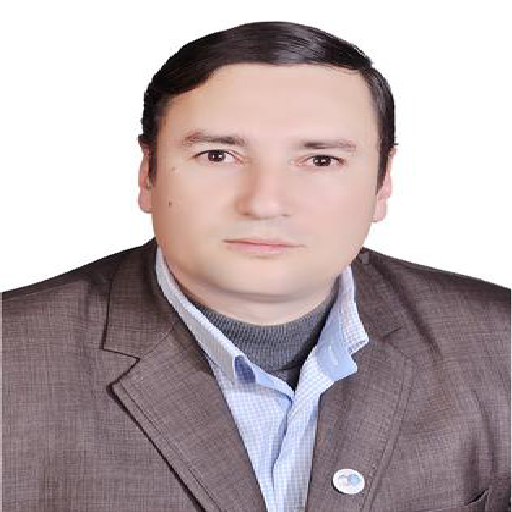 Khalid Z. Elwakeel合作论文数Department of Environmental Science, Port Said University/University of Jeddah7Lina Zhao合作论文数High Energy Phys CAS Key Lab Biomed Effects Nanomat Nanosafety, Chinese Acad Sci Inst7Xuntong Zhang合作论文数6Ning Zhuo合作论文数6Min Hu合作论文数6
 Jinbo Ouyang (欧阳金波)合作论文数6
 Limin Zhou (周利民)合作论文数East China University of Technology6Shikun Cheng合作论文数University of Science and Technology Beijing(University of Science and Technology Beijing),Beijing,China6Jiachun Shen合作论文数5shuying jia合作论文数5Zifan Liu合作论文数5
 Weipeng He (贺维鹏)合作论文数College of Civil Engineering, Hunan University5Han Yan (严涵)合作论文数5yayi dong合作论文数4Yunyun Li合作论文数4Tianyang Hou合作论文数4Chao Gao合作论文数4Haibo Li合作论文数4Zhijun Xu合作论文数4
 Zifu Li (李子富)合作论文数School of Energy and Environmental Engineering, University of Science and Technology Beijing4
 Haijiang Li合作论文数4Yue Wang合作论文数3Qiong Tang合作论文数3Shihao Zhou合作论文数3Ruoding Wang合作论文数3Xuzeng Wang合作论文数3Xiaopei Yang合作论文数3Yulong Liu合作论文数3Zhang-Min Li合作论文数3Yuqian Dong合作论文数3Shuqing Song合作论文数3Kexin Ren合作论文数3Chang Dong合作论文数3Zhikun Han合作论文数3Di Cai合作论文数3Hongwei Du合作论文数3




