Postoperative pulmonary complications (PPCs) are common after major surgery and may be particularly frequent after skull base neurosurgery. This study aimed to investigate the incidence of PPCs following skull base tumor resection and the relationship between lung ultrasound scores (LUS) and PPCs in these patients. This is a retrospective, single-center, cohort study. Demographic, clinical, and laboratory data were collected from the Hospital Information System. Perioperative lung ultrasound was routinely performed in patients undergoing skull base tumor resection. Only those with complete preoperative and postoperative lung ultrasound data were included. The primary outcome was the incidence of the composite endpoints of PPCs, including pneumonia, respiratory failure, pleural effusion, atelectasis, pneumothorax and bronchospasm. Associations were reported as adjusted odds ratios (OR) with 95
BACKGROUND: Recurrent meningiomas lack effective treatments beyond surgery and radiotherapy, necessitating novel prognostic biomarkers and therapeutic targets. METHODS: Single-cell RNA sequencing coupled with the Scissor algorithm, along with bulk transcriptomic analysis, was used to identify recurrence-associated genes in meningiomas. Clinical prognostic value was assessed using WB, ELISA, and IHC. Functional validation involved MDK knockdown and pharmacological inhibition with iMDK in IOMM-Lee and CH157 meningioma cells. Multiplex immunofluorescence staining was used to verify immune cell infiltration. Meningioma organoids were generated to evaluate the efficacy of iMDK. RESULTS: MDK, a key gene of recurrence-associated subclusters, is significantly overexpressed in recurrent meningiomas. Plasma MDK levels are markedly elevated in patients with recurrence propensity. IHC confirmed higher MDK expression in recurrent cases, which, after adjusting for confounding factors, correlates with shorter progression-free survival. Knockdown and iMDK administration reduced proliferation and clonogenicity in IOMM-Lee and CH157 meningioma cells. Additionally, high-MDK meningiomas exhibited immunosuppressive features, including reduced CD8+/CD4+ T-cell infiltration. Furthermore, iMDK induced structural disintegration of meningioma organoids and cell death. CONCLUSIONS: MDK is a key recurrence marker and participates in meningioma progression, promoting proliferation and immunosuppression. Targeting MDK effectively inhibits tumor growth and induces organoid disintegration, highlighting its therapeutic potential.
Background The association between pregnancy and the risk of symptomatic hemorrhage (SH) in brainstem cavernous malformations remains uncertain. We aimed to quantify the risk of pregnancy‐associated SH in women with brainstem cavernous malformations. Methods We analyzed women with brainstem cavernous malformations in a prospective registry (2016–2022) experiencing pregnancy after enrollment. Follow‐up was divided into pregnancy‐associated segments (pregnancy plus ≤6 weeks postpartum or postabortion) and nonpregnant segments. Primary analysis used case‐crossover models; propensity score‐matched analyses assessed robustness. Results Among 63 women (median age, 30.0 years), 53 (84.1%) had bled before enrollment, including 45 (71.4%) with SH in the preceding year. Prospectively, they contributed 72 pregnancies and 371.7 patient‐years, observing 34 SHs. The pregnancy annual SH rate was 20.4% versus 7.2% nonpregnant (adjusted incidence rate ratio: 2.56, 95% CI, 1.11–5.93; P=0.028). Trimester‐specific and postpartum annual SH rates were 5.9%, 16.8%, 34.6%, and 38.3%; risk significantly increased only during the third trimester (P=0.004) and postpartum (P=0.007). This pregnancy effect was confined to segments with SH in the preceding year (annual SH rates 46.7% versus 9.4%; P=0.007), which was an independent risk factor. Propensity score‐matched analyses yielded consistent results. Conclusions Pregnancy is associated with an elevated SH risk in women with brainstem cavernous malformations, specifically among those with SH in the preceding year. Because of selection bias, generalizability to asymptomatic or incidental lesions is limited, warranting cautious extrapolation. Registration URL: www.chictr.org.cn; Unique Identifier: ChiCTR‐POC‐17011575.
This study aimed to develop and externally validate a radiomics-based machine learning framework for the noninvasive differentiation of non-enhanced glioblastoma (NE-GBM) from astrocytoma, IDH-mutant, grade 2 (IDHm-A2), thereby addressing the diagnostic limitations of qualitative MRI and the challenge of data scarcity. This diagnostic study used a radiomics-based machine learning framework, with integrated histopathological and molecular diagnosis serving as the reference standard. We retrospectively enrolled 84 glioma patients (July 2021-November 2022) from our center, comprising 34 pathologically confirmed NE‑GBM. Radiomic features were extracted from T1, T2, FLAIR, and ADC sequences. The framework was developed to differentiate NE‑GBM from IDHm‑A2 and was subsequently validated on an internal test cohort (n = 22) and an external test cohort (n = 12). Diagnostic performance was assessed using ROC analysis and decision curves, and model predictions were interpreted via SHapley Additive exPlanations (SHAP). A total of 118 patients (47 NE‑GBM, 71 IDHm‑A2) were evaluated. Fifty‑four radiomic features and age were selected for model construction. The optimized model demonstrated strong discriminatory performance, with the internal test cohort achieving an AUC of 0.935 and an accuracy of 91.0%, and the external test cohort yielding an AUC of 0.969 and an accuracy of 90.0%. The proposed framework provides an accurate, noninvasive tool for distinguishing NE‑GBM from IDHm‑A2, directly addressing this critical diagnostic challenge.
Objectives This study aimed to develop a MRI-based prognostic nomogram including radiomics and clinical information for brainstem cavernous malformation patients (BSCMs). Methods 114 BSCMs were randomly divided into a training cohort and a validation cohort. Clinical and radiomics nomograms were constructed. Radiomics features were selected using three algorithms: univariate analysis, Pearson correlation, and the elastic net algorithm. A Cox regression model was employed to build the radiomics nomogram. The concordance index (C-index), time-independent receiver operating characteristic (ROC) analysis, and decision curve analysis (DCA) were used to evaluate the clinical utility of the nomogram. Results The radiomics signature score was calculated using 11 radiomics features related to hemorrhage-free survival (HFS) from the training cohort. Patients were stratified into high-risk and low-risk groups based on the radiomics signature, with the low-risk group demonstrating significantly better HFS. Additionally, three clinical factors—number of hemorrhages, lesion size, and modified Rankin Scale score—along with the radiomics score were used to develop the radiomics nomogram. Calibration plots indicated good agreement between predicted and actual survival probabilities. The C-index for the training and validation cohorts was 0.784 and 0.787, respectively, in predicting HFS. The area under the curve was 72.51 and 76.41 for 3-year survival, and 67.62 and 72.57 for 5-year survival in the training and validation cohorts, respectively. The DCA curve demonstrated that the radiomics nomogram had superior clinical utility compared to the clinical model. Conclusions The radiomics nomogram showed great potential as a sensitive prognostic tool in predicting hemorrhage-free survival in BSCMs.
Lynch syndrome (LS) is an inherited disorder caused by germline mutations in mismatch repair (MMR) genes or EPCAM deletions and is primarily associated with an increased risk of gastrointestinal and endometrial cancers. However, LS-associated gliomas are rare, and their clinical and molecular characteristics remain poorly defined. The objective of this study was to systematically characterize the prevalence, genetic landscape, molecular features, and clinical outcomes of LS-associated gliomas. We retrospectively analyzed a multicenter cohort of 5,594 glioma patients who underwent targeted next-generation sequencing to identify pathogenic germline mutations in LS-associated genes. Clinical characteristics, molecular features, treatment histories, and outcomes of LS-associated glioma patients were systematically evaluated and compared with those of LS-associated colorectal cancer (CRC) patients. Among 5,594 glioma patients, 54 individuals (0.97
Pediatric meningiomas are rare, with poorly characterized clinical profiles and prognostic factors. This study aimed to characterize their clinical features, outcomes, and predictors of tumor recurrence. A retrospective analysis of 198 pediatric (< 18 years old) meningioma patients (2014–2023) from Beijing Tiantan Hospital was performed. Clinical, radiological and pathological characteristics were collected and analyzed. Log-rank test and multivariate Cox proportional hazards regression analysis were used to identify independent prognostic factors for recurrence. Males comprised 52.02
Abstract Background Glioblastoma multiforme (GBM) is a highly aggressive primary malignant brain tumor with limited survival despite multimodal therapy. Its profoundly immunosuppressive tumor microenvironment severely restricts treatment efficacy. Oncolytic viruses represent a promising therapeutic strategy, yet the immunological mechanisms underlying the antitumor activity of OH2 (oncolytic herpes simplex virus type 2) remain poorly defined. Methods The effects of OH2 were evaluated in GBM cell lines (U251, LN229 and GL261) by assessing cell viability, migration, apoptosis, and cell cycle distribution. Modulation of tumor-associated macrophages (TAMs) was examined in RAW264.7 and THP-1 cells through functional assays, RNA sequencing, Western blotting and pharmacologic inhibition. In vivo studies were performed in subcutaneous and orthotopic GBM models to assess tumor growth and immune alterations. Exploratory clinical observations were conducted in seven recurrent GBM patients (NCT05235074), including peripheral blood monocyte profiling, longitudinal immune monitoring and cytokine analysis. Results OH2 induced apoptotic and oncolytic cell death in GBM cells, while inhibiting cell proliferation and migration in vitro. In macrophage models, exposure to OH2-conditioned media enhanced proliferation and phagocytic activity and promoted M1-like polarization, accompanied by activation of JAK-STAT1 signaling. In vivo, OH2 suppressed tumor growth, promoted M1-like TAM polarization, reduced immunosuppressive macrophage populations, and increased recruitment of bone marrow-derived macrophages into the brain. Exploratory clinical observation suggested that changes in peripheral monocyte profiles may be associated with clinical benefit. Conclusions OH2 exerts antitumor activity in GBM through direct oncolysis and immune microenvironment modulation, highlighting its potential as an immunotherapeutic strategy.
OBJECTIVE:Medullary gliomas pose significant surgical risks, particularly the risk of postoperative lower cranial nerve (LCN) dysfunction, which profoundly affects quality of life. The lack of standardized risk assessment hinders optimal surgical planning. The aim of this study was to develop and validate an individualized predictive model for short-term postoperative LCN impairment integrating clinical and imaging data and to estimate individual risk across a range of resection extent to optimize surgical planning. METHODS:A retrospective cohort (n = 111, January 2020-February 2023) was used for model development, with prospective validation (n = 45, February 2023-December 2024). The primary outcome was postoperative LCN dysfunction (inability to be extubated within 14 days or requiring tracheotomy with persistent ventilation). Predictive modeling was performed using logistic regression, incorporating multistage feature selection, hyperparameter optimization, and bootstrapped validation. Model performance was evaluated using metrics such as area under the curve (AUC), Brier score, calibration, and decision curve analysis (DCA) in the prospective validation set. Shapley Additive Explanations (SHAP) analysis was used to interpret feature contributions, and a nomogram was constructed for clinical implementation. Optimal extent of resection (EOR) thresholds were explored to balance functional preservation and tumor clearance. RESULTS:Four independent predictors of LCN dysfunction were identified: EOR (OR 1.84, 95% CI 1.07-3.16), infiltrative growth (OR 10.46 [95% CI 2.70-40.52]), preoperative LCN impairment (OR 6.79 [95% CI 2.54-18.16]), and cervical cord involvement (OR 4.64 [95% CI 1.55-13.91]). The model demonstrated strong discrimination (training AUC 0.85 [95% CI 0.76-0.92], testing AUC 0.89 [95% CI 0.79-0.97]) and good calibration (Brier score 0.12). High-risk patients, defined as those with a model predicted risk probability > 0.471 based on Youden's index, had significantly higher rates of pneumonia, tracheostomy, and prolonged mechanical ventilation. Stratified resection plans showed that low-risk patients benefited from gross-total resection (EOR 88.4%, [95% CI 75.7%-100.0%]), while high-risk patients achieved optimal functional outcomes with limited resection (EOR 40.8%, [95% CI 38.2%-50.5%]). SHAP and nomogram analyses provided transparent, patient-specific information for risk consultations. CONCLUSIONS:This study presents the first predictive model tailored to short-term postoperative LCN outcomes following medullary glioma surgery, proposing a dynamic resection paradigm based on individualized risk stratification. By guiding surgical planning and intraoperative decision-making, this model facilitates a balance between maximal tumor control and functional preservation.
Cognitive impairment following skull base meningioma resection remains poorly understood. This prospective study aimed to investigate the cognitive function alterations and resting-state fMRI (rs-fMRI) characteristics in patients undergoing extradural subtemporal approach meningioma resection. This study enrolled 23 right-handed primary petroclival meningioma patients from June 2024 to November 2024. Participants underwent cognitive assessments combined with rs-fMRI scans at three time points (Time1: one day before surgery; Time2: one week after surgery; and Time3: three months after surgery), utilizing comprehensive test scales including the Mini-Mental State Examination (MMSE), Montreal Cognitive Assessment (MoCA), Symbol Digit Modalities Test (SDMT) and Trail Making Test (TMT-A TMT-B). Alterations of low-frequency fluctuations (ALFF), fractional ALFF (fALFF), regional homogeneity (ReHo), and functional connectivity (FC) were calculated. Patient demographic characteristics, medical records, and neuroimaging data were systematically collected and analyzed. Independent samples t-tests, Mann–Whitney U tests, Fisher’s exact tests and paired samples t-tests were used in statistical analysis. 13 patients were in the non-dominant side (NDS) group, and 10 patients were in the dominant side (DS) group. There were no statistically significant differences in preoperative baseline (Time1) clinical characteristics and preoperative cognitive assessment outcomes between the two groups. Patients in the DS group showed marked decline in MMSE (mean Δ = -6.4 points, corrected p = 0.009), MoCA (mean Δ = -5.1 points, corrected p = 0.047), and SDMT scores (mean Δ = -17.8 points, corrected p = 0.003), along with prolonged TMT-A completion times (mean Δ = + 32.7 s, corrected p = 0.017) at Time2. Six patients (60
PURPOSES:The preoperative distinction between atypical meningioma (AM) and intracranial solitary fibrous tumor (SFT) holds significant importance in guiding surgical approach decisions and prognostic assessments. METHODS:A total of 310 SFT patients and 203 AM patients were retrospectively included and stratified into training and validation cohorts. Employing the elastic net algorithm, relevant features were identified to form the fusion radiomic model. Subsequently, a clinical-radiomic combined model was developed by integrating the fusion radiomic model with significant clinical variables through multivariate logistic regression analysis. The models' calibration, discriminative capacity, and clinical utility were thoroughly assessed. RESULTS:The fusion radiomic model was crafted from 17 radiomic features, achieving AUC values of 0.920 in the training set and 0.870 in the validation set. Subsequently, the clinical-radiomic combined model exhibited AUC values of 0.930 and 0.890 in the training and validation sets, indicating commendable discrimination and calibration. Assessment through decision curve analysis underscored the clinical utility of both the fusion radiomic model and the clinical-radiomic combined model for individuals with intracranial SFT and AM. CONCLUSIONS:The clinical-radiomic combined model exhibited notable sensitivity and exceptional efficacy in the distinctive diagnosis of intracranial SFT and AM, holding promise for the non-invasive advancement of personalized diagnostic and therapeutic strategies.
Background Brainstem gliomas (BSGs) harboring a histone 3 lysine27-to-methionine (H3K27M) mutation represent one of the deadliest brain tumors with a dismal prognosis, as they exhibit a much worse response to therapy compared to the wildtype BSGs. Early noninvasive recognition of the H3K27M mutation is paramount for clinical decision-making in treating BSGs.Methods Plasma and urine samples were prospectively collected from BSG patients before biopsy or surgical resection and were chronologically divided into discovery, test, and validation cohorts. Utilizing the discovery and test cohort samples, an untargeted metabolomic strategy was exploited to identify candidate metabolite biomarkers, related to the H3K27M mutation. The candidate biomarkers were validated in the validation cohort with a targeted metabolomic method.Results Differential metabolomic profiles were detected between the H3K27M-mutant and wild-type BSGs in both the plasma and urine, the metabolomic changes were more dramatic in urine than in plasma. After rigorous screening for candidate biomarkers and validation with a targeted metabolomic approach, 3 metabolites, nomilin, Lys-Leu, and Hawkinsin, emerged as significantly elevated biomarkers in H3K27M-mutant BSG urine samples. The biomarker panel combining the 3 metabolites had a diagnostic area under the curve (AUC) of approximately 75%. Furthermore, the biomarker panel improved the prediction accuracy of radiomics/clinical models to an AUC value as high as 93.38%.Conclusions A urinary metabolite biomarker panel that exhibited high accuracy for noninvasive prediction of the H3K27M mutation status in BSG patients was identified. This panel has the potential to improve the predictive performance of current radiomics models or clinical features.
BACKGROUND:Meningiomas exhibit significant tumor heterogeneity leading to diverse prognosis of patients. While DNA methylation (DNAme)-based classification has shown good performance in subtyping of meningiomas, single-cell transcriptomics offer an opportunity to further explore cell population activity. Understanding the functional states of macrophage populations is especially critical in meningiomas, given their established roles in tumor progression and therapeutic response. METHODS:We performed integrated multi-omics clustering of DNAme and bulk RNA-seq data from 302 paired meningioma samples. This identified molecular types characterized by distinct survival, copy number variation (CNV), immune infiltration, and pathway enrichment profiles. Single-cell RNA-seq (scRNA-seq) validated CNV findings and enabled deconvolution of type-specific macrophage populations using SCISSOR, while scRank assessed candidate genes to identify therapeutic targets. RESULTS:We identified five meningioma molecular types (CS1-CS5) with distinct recurrence risks, survival, CNV landscapes, and immune microenvironments: Proliferative (CS1), Metabolic (CS2), Mixed (CS3), Immune-Enriched (CS4), and NF2-Wild-Type (CS5). CS4 was featured by high macrophage infiltration, while CS5 showed immune-desert characteristics. Type-specific CNV profiles showed chromosome 22 deletions relating to immune infiltration, and SPP1-centered gene networks highlighted its regulatory role in macrophage plasticity. Particularly, SPP1 upregulation associated with poor prognosis in CS1 and downregulation likely contributed to better outcomes in CS4. Drug sensitivity analyses identified the potential of targeting SPP1 for macrophage reprogramming in future type-directed therapies. CONCLUSION:Our meningioma prognostic stratification characterized macrophage functional heterogeneity and CNV-driven immune microenvironment disparities. We found SPP1 as a critical regulator for macrophage function and offering a promising candidate for future treatment to target in an aggressive molecular type.
Genetic and epigenetic profiles are critical in managing brainstem gliomas (BSG), whose heterogeneity is far beyond the realm of the Diffuse midline glioma, H3K27 altered. Cerebrospinal fluid (CSF) circulating tumor DNA (ctDNA)-based liquid biopsy provides minimally-invasive strategies to acquire molecular information for brain tumors, whereas there is a deficiency in techniques for co-detection of genetic and epigenetic alterations due to the limited yield of ctDNA. This study aims to develop a reliable minimally-invasive approach to simultaneously detect the mutation and methylation profiles in the CSF ctDNA of BSGs, thereby enhancing diagnostic accuracy, prognostic capability, and monitoring potential. A cohort of 80 BSG cases with 138 CSF samples and 71 tissues was retrospectively established. Public tissue methylation profiles (N = 1016) were used for the development of H3K27M and IDH mutation-specific assay. The mutation and methylation co-detection classifier (BSGdiag) was trained and tested in tissue cohorts and further validated in CSF samples. CSF Methylation Risk Score (MRS) was defined and used for prognostication and monitoring. The methylation assay demonstrated robust three-class (H3K27M-mut, IDH-mut and double-wildtype) classification with microAUC values of 1.00, 0.973, and 0.813 across public datasets, tissue cohorts, and CSF samples, respectively. BSGdiag achieved a sensitivity of 95.6
Abstract Background Brainstem gliomas (BSGs) harboring a histone 3 lysine27-to-methionine (H3K27M) mutation represent one of the deadliest brain tumors with a dismal prognosis, as they exhibit a much worse response to therapy compared to the wildtype BSGs. Early non-invasive recognition of the H3K27M mutation is paramount for clinical decision-making in treating BSGs. Methods Plasma and urine samples were prospectively collected from BSG patients before biopsy or surgical resection and were chronologically divided into discovery, test, and validation cohorts. Utilizing the discovery and test cohort samples, an untargeted metabolomic strategy was exploited to identify candidate metabolite biomarkers, related to the H3K27M mutation. The candidate biomarkers were validated in the validation cohort with a targeted metabolomic method. Results Differential metabolomic profiles were detected between the H3K27M-mutant and wild-type BSGs in both the plasma and urine, the metabolomic changes were more dramatic in urine than in plasma. After rigorous screening for candidate biomarkers and validation with a targeted metabolomic approach, three metabolites, nomilin, Lys-Leu, and hawkinsin, emerged as significantly elevated biomarkers in H3K27M-mutant BSG urine samples. The biomarker panel combining the three metabolites had a diagnostic area under the curve (AUC) of approximately 75%. Furthermore, the biomarker panel improved the prediction accuracy of radiomics/clinical models to an AUC value high as 93.38%. Conclusions A urinary metabolite biomarker panel that exhibited high accuracy for non-invasive prediction of the H3K27M mutation status in BSG patients was identified. This panel has the potential to improve the predictive performance of current radiomics models or clinical features.
 Junting Zhang (张俊廷)合作论文数Beijing Tiantan Hospital, Capital Medical Univerity325
 Liwei Zhang (张力伟)合作论文数Graduate School, Capital Medical University;China National Clinical Research Center for Neurological Diseases, Beijing Tiantan Hospital, Capital Medical University222
 Liang Wang (王亮)合作论文数Beijing Tiantan Hospital, Capital Medical University171
 Shuyu Hao (郝淑煜)合作论文数Beijing Tiantan Hospital, Capital Medical University140
 Da Li (李达)合作论文数136
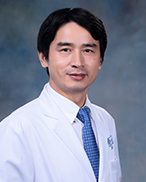 Xinru Xiao (肖新如)合作论文数Department of Neurosurgery, Xuanwu Hospital, Capital Medical University70
 Guijun Jia (贾桂军)合作论文数Beijing Tiantan Hospital, Capital Medical University68
 Jie Tang (汤劼)合作论文数Xuanwu Hospital Capital Medical University66Ke Wang合作论文数61Kaibing Tian (田凯兵)合作论文数Beijing Tiantan Hospital, Capital Medical University54
 Junpeng Ma合作论文数39Changcun Pan合作论文数29
 Guolu Meng (孟国路)合作论文数Graduate School, Capital Medical University/Xuanwu Hospital, Capital Medical University28
 Wang Jia (贾旺)合作论文数Beijing Tiantan Hospital, Capital Medical University27
 Huan Li合作论文数25Lairong Song合作论文数24
 Xulei Huo合作论文数24
 Zhongcheng Wang (王忠诚)合作论文数Beijing Neurosurgical Institute22
 Peng Zhang合作论文数Department of Neurological Surgery, Feinberg School of Medicine, Northwestern University20Feng Jie合作论文数20Du Jiang合作论文数20Guanyou Huang (黄官友)合作论文数19hong wan (万虹)合作论文数18Gui-Jun Zhang合作论文数16Sumin Geng (耿素民)合作论文数16
 Jiancong Weng合作论文数15Pengcheng Zuo合作论文数14
 Baiyun Liu (刘佰运)合作论文数Beijing TianTan Hospital, Capital Medical University;Graduate School, Capital Medical University14
 Guobin Zhang (张国滨)合作论文数Beijing Tiantan Hospital, Capital Medical University13
 Weiqing Wan (万伟庆)合作论文数Beijing Tiantan Hospital, Capital Medical Univerity12
 Wenhao Wu (武文浩)合作论文数Beijing Tiantan Hospital, Capital Medical University12
 Xiujian Ma合作论文数11Xiong Xiao合作论文数Capital Med Univ, Beijing Tiantan Hosp, Dept Neurosurg, Beijing, Peoples R China11
 Nan Ji (季楠)合作论文数Beijing Tiantan Hospital, Capital Medical University;Graduate School, Capital Medical University11Yanghua Fan合作论文数10Yuliang Wu合作论文数Department of Neurosurgery, Beijing Tiantan Hospital, Capital Medical University, Beijing 100070, China10
 Tao Sun (孙涛)合作论文数Beijing Anzhen Hospital, Capital Medical University10Zonggang Hou (侯宗刚)合作论文数10Xiaojie Li合作论文数9Cheng Xu合作论文数Department of Neurosurgery, Beijing Tiantan Hospital, Capital Medical University, Beijing, China.9Liangpeng Chen合作论文数9
 Guilin Li (李桂林)合作论文数Graduate School of Capital Medical University9
 Wei Chen (陈蔚)合作论文数Eye Hospital, Wenzhou Medical University;Ning Bo Eye Hospital9
 Dabiao Zhou (周大彪)合作论文数Beijing Tiantan Hospital, Capital Medical University9Cheng-Bei Li合作论文数8Teng-Xian Guo合作论文数8Bohan Yao合作论文数8Yibo Geng合作论文数Capital Med Univ, Beijing Tiantan Hosp, Dept Neurosurg, Nan Si Huan Xi Lu 119, Beijing 100070, Peoples R China8DeZhi Li (李德志)合作论文数8




