ETHNOPHARMACOLOGICAL RELEVANCE:Er-Chen Decoction (ECD), a classic traditional Chinese medicine (TCM) formula, is clinically indicated for dispelling dampness and resolving phlegm. It has been widely used in the management of phlegm‒dampness syndrome, including obesity, with a long-standing clinical application history in improving obesity-related male infertility. Although its therapeutic efficacy has been validated through long-term clinical practice, the underlying molecular mechanisms remain incompletely understood. AIM:This study aimed to investigate the molecular mechanisms by which ECD ameliorates obesity-related spermatogenic dysfunction (SD) through the SIRT1/p53 signaling axis. MATERIALS AND METHODS:A mouse model of diet-induced obesity was established by feeding a high-fat diet (HFD) for 8 weeks. Subsequently, obese mice were randomly assigned to receive interventions with ECD (low-, medium-, or high-dose) or L-carnitine (positive control) for 3 weeks. Sperm functional parameters were evaluated to assess obesity-related SD. A combination of network pharmacology analysis, molecular docking, biochemical assays, hematoxylin‒eosin (HE) staining, Oil Red O staining, transmission electron microscopy (TEM), quantitative real-time polymerase chain reaction (RT‒qPCR), immunofluorescence (IF) staining, immunohistochemical (IHC) staining, Western blotting (WB), and transcriptomic analysis was employed to dissect the molecular mechanisms underlying the protective effects of the ECD against obesity-related SD. Additionally, the bioactive components of ECD were characterized using extensive targeted mass spectrometry. RESULTS:Medium-dose ECD (ECD-M) significantly reduced body weight and lipid accumulation in HFD-induced obese mice. Notably, compared with the HFD group, the ECD-M group presented a 50 % reduction in the abnormal sperm percentage (p < 0.01), along with a 60 % increase in sperm concentration (p < 0.01), and showed an upward trend in both sperm progressive motility and sperm motility. Furthermore, ECD-M significantly upregulated the expression of the tight junction (TJ) proteins Occludin (p < 0.001) and β-catenin (p < 0.05), thereby restoring the integrity of the blood‒testis barrier (BTB). Mechanistically, ECD not only reversed lipid-induced inhibition of SIRT1 but also suppressed p53 acetylation, leading to a significant decrease in the ratios of cleaved caspase-3/caspase-3 (p < 0.05) and Bax/Bcl-2 (p < 0.0001) in testicular tissues. These effects collectively alleviated mitochondria-mediated apoptosis in the testes of obese mice. CONCLUSION:ECD alleviates mitochondria-mediated apoptosis in testicular tissues by regulating the SIRT1/p53 axis, thereby mitigating obesity-related SD. These findings highlight ECD as a potential therapeutic agent for the management of obesity-related male infertility.
Spermatogenesis, which is regulated by multiple cell death mechanisms, is an extremely complex process. The significance of cell death during spermatogenesis is a topic of interest because of its potential medical implications. Cuproptosis is a new mechanism of cell death discovered in recent years, and recent studies have preliminarily confirmed that cuproptosis is involved in the process of spermatogenic cell death, but its specific role in the process of spermatogenic cell death is still unclear. In this review, the mechanisms of spermatogenic cell death associated with cuproptosis and the effects of key genes of cuproptosis on spermatogenesis are discussed together with some new perspectives for the study of spermatogenic cell death.
Psychogenic erectile dysfunction (pED) is a prevalent male sexual dysfunction lacking organic etiology. Endeavors have been made in previous studies to disclose the brain pathological mechanisms of pED. However, the cortical morphological characteristics in pED patients remained largely unknown. This study enrolled 50 pED patients and 50 healthy controls (HC). The surface-based morphometry (SBM) analysis was conducted, and the between-group comparisons of the four cortical morphological parameters, including the cortical thickness, sulcus depth, gyrification index, and fractal dimension, were performed to investigate the cortical morphological alterations in pED patients, followed by correlation analysis between clinical data and SBM metrics. Furthermore, a classifier was developed based on a support vector classification algorithm and cortical morphological features to explore the feasibility of discriminating between pED patients and HC at an individual level. The results demonstrated that pED patients manifested consistent alteration in cortical morphology cross metrics in the orbitofrontal cortex, anterior and middle cingulate cortex, dorsolateral prefrontal cortex, and precentral gyrus, which were significantly correlated with the clinical symptoms in pED patients. Additionally, the classifier built based on 11 cortical morphological features achieved an accuracy of 82% in discriminating pED patients from HC. The current study provided new evidence of cortical morphological aberrations in pED patients, which deepened our understanding of the central pathology pattern of pED and was expected to facilitate the objective diagnosis of pED and the development of neuromodulation techniques targeting the alterations above.
Background and aim Asthenozoospermia (AZS) is a vital factor that causes male infertility. Qiangjing Tablets (QJT) is a Chinese medicine preparation that has good effects on improving kidney function and sperm motility. Although the effect of QJT on the AZS has been confirmed, its mechanism has not been completely elucidated. This study aimed to investigate the therapeutic effect of QJT on ornidazole (ORN) -induced AZS rats and its mechanism. Experimental procedure ORN was used to establish an AZS rat's model. QJT and LY294002 (PI3K inhibitor) were supplied to the ORN-induced rats. H&E staining, ELISA, Western blot, and 16S rRNA sequencing were performed. Results Activating transcription factor 6 (ATF6), C/EBP-homologous protein (CHOP), PKR-like endoplasmic reticulum kinase (PERK), and p-PERK levels were enhanced in the ORN-treated rats, which were increased with the LY294002 administration. The opposite results were observed in PI3K, p-PI3K, Akt, p-Akt, HO-1, and Nrf-2 levels. QJT treatment improved the pathological manifestations, oxidative stress and ER stress, and enhanced the expressions of PI3K, p-PI3K, Akt, and p-Akt. ORN induced a decrease in the Firmicutes/Bacteroidetes ratio at the phylum level, which were reversed by QJT; while QJT regulates the relative abundance of Spirochaetes, Proteobacteria, Actinobacteria, Lactobacillus, Treponema, etc. QJT also modulates metabolic pathways, including carbohydrate metabolism, amino acid metabolism, lipid metabolism, and signal transduction. Conclusions QJT modulated oxidative stress and ER stress via the PI3K/Akt/NRF-2 signaling axis and maintained gut microbiota homeostasis in AZS rats. This study will lay a theoretical basis for the treatment of AZS and male fertility.
This study aimed to summarize the characteristics of the top 100 most-cited publications on Peyronie’s disease (PD) research and to analyse past and current research hotspots and trends. The SCI-E database of the Web of Science Core Collection (WoSCC) provided us with the top 100 most-cited publications in PD research, from which we took the following information: general trend of publication, year of publication, nation/region, institution, journal, author, and keywords. VOSviewer (version 1.6.18) and Excel (version 2016) were used for information analysis. Through a standardized search, we ultimately found 1019 papers in the field of PD research, from which we extracted the 100 articles that had received the highest citations. The articles were published between 1949 and 2016. The United States is a major contributor to PD research (n = 67). The University of California, Los Angeles, was the institution with the largest number of articles (n = 11). These articles were published in 16 journals, with the largest number appearing in the Journal of Urology (n = 47). The author with the most articles was Levine LA (n = 9). Gelbard MK’s articles had the highest citation frequency (n = 1158). Erectile dysfunction (n = 19) was the keyword with the highest frequency, indicating that PD-related erectile dysfunction was the leading focus of research in this field. Most of the keywords that have appeared in the past decade are related to the clinical treatment of PD. Therefore, we believe that improving patients’ erectile function to the greatest extent in clinical treatment is the frontier and hot spot of future research.
Wuzi Yanzong Pill (WZYZP), a classic traditional Chinese medicine prescription, has been widely used to alleviate spermatogenesis dysfunction for hundreds of years. However, the molecular mechanisms of WZYZP treatment for spermatogenesis dysfunction remain limited. Here, our results showed that WZYZP significantly improved spermatogenesis and testicular energy metabolism. The 16S rDNA sequencing showed that WZYZP improved gut microbiota dysbiosis, including increased relative abundances of Lactobacillus with the capability of metabolizing Trp. The depletion of gut microbiota by antibiotics suppressed the ability of WZYZP to improve spermatogenesis dysfunction. The untargeted and targeted metabolomics results showed that WZYZP increased Trp metabolites especially aryl hydrocarbon receptor (AhR) ligands. Moreover, WZYZP modulated the AhR/AMPK pathway to improve the expression of spermatogenesis-related genes. The correlation analysis showed that gut microbiota was significantly correlated with Trp metabolites, and Trp metabolites were closely related to spermatogenesis. Overall, the results demonstrated that WZYZP could regulate gut microbiota, and the gut microbial Trp metabolites further act on testicular energy metabolism, thereby indirectly improving spermatogenic dysfunction. Our study provides a novel research strategy for complementary and alternative medicine in male infertility from the perspective of gut microbial metabolites.
Cuproptosis, a novel mechanism of programmed cell death, has not been fully explored in the context of spermatogenic cells. This study investigated the potential involvement of cuproptosis in spermatogenic cell death using a mouse model of copper overload. Sixty male Institute of Cancer Research (ICR) mice were randomly divided into four groups that received daily oral gavage with sodium chloride (control) or copper sulfate (CuSO 4 ) at 50 mg kg -1 , 100 mg kg -1 , or 200 mg kg -1 , for 42 consecutive days. Mice subjected to copper overload exhibited a disruption in copper homeostasis. Additionally, significant upregulated expression of key cuproptosis factors was accompanied by a significant rise in the rates of testicular tissue cell apoptosis. Immunohistochemical analysis revealed the presence of ferredoxin 1 (Fdx1) in Sertoli cells, Leydig cells, and spermatogenic cells at various stages of testicular development, and the Fdx1-positive staining area was significantly increased in copper-overloaded mice. Mitochondrial dysfunction and decreased adenosine triphosphate levels were also observed, further implicating mitochondrial damage under cuproptosis. Further analyses revealed pathological lesions and blood-testis barrier destruction in the testicular tissue, accompanied by decreased sperm concentration and motility, in copper-overloaded mice. In summary, our results indicate that copper-overloaded mice exhibit copper homeostasis disorder in the testicular tissue and that cuproptosis participates in spermatogenic cell death. These findings provide novel insights into the pathogenic mechanisms underlying spermatogenic cell death and provide initial experimental evidence for the occurrence of cuproptosis in the testis.
良性前列腺增生症(benign prostatic hyperplasia, BPH)是中老年男性最常见的以排尿障碍为主的慢性疾病,其中超过50%的患者会出现不同程度的下尿路症状(LUTS)[1]. 据一项基于 1989—2014 年间国内公开数据的荟萃分析显示[2] ,我国 40 ~ 、50 ~ 、60 ~ 、70 ~和80 岁以上男性BPH的发生率分别为2.9%、29. 0%、44. 7%、58. 1%和69.2%,城市和农村地区BPH总发生率分别为41. 5%和38.6%.
Context Therapeutic effects of Qiangjing tablets (QJT) on sperm vitality and asthenozoospermia (AZS) have been confirmed. However, the mechanism of action remains unclear. Objective This study investigates the effects of QJT on AZS and the underlying mechanism of action. Materials and methods Sixty Sprague-Dawley rats were randomly divided into six groups: Control, ORN (ornidazole; 200 mg/kg), ORN + QJT-low (0.17 g/mL), ORN + QJT-middle (0.33 g/mL), ORN + QJT-high (0.67 g/mL), and ORN + QJT + Radicicol (0.67 g/mL QJT and 20 mg/kg radicicol) groups. Pathological evaluation and analysis of mitophagy were conducted by H&E staining and transmission electron microscopy, respectively. Reactive oxygen species were detected by flow cytometry. Protein expression was determined by Western blotting. Results QJT significantly improved ORN-treated sperm motility and kinematic parameters, as well as the pathological symptoms of testicular and epididymal tissues. In particular, QJT mitigated impaired mitochondrial morphology, and increased the PHB, Beclin-1, LC3-II protein, and ROS levels (p < 0.05), and reduced the protein expression levels of LC3-I and p62 (p < 0.05). Mechanistically, QJT antagonized the downregulation of SCF and Parkin protein levels (p < 0.05). Furthermore, QJT significantly increased the protein expressions levels of LKB1, AMPK alpha, p-AMPK alpha, ULK1 and p-ULK1 (p < 0.05). The ameliorative effect of QJT on pathological manifestations, mitochondrial morphology, and the expressions of mitophagy and mitochondrial ubiquitination-related proteins was counteracted by radicicol. Discussion and conclusions QJT improved AZS via mitochondrial ubiquitination and mitophagy mediated by the LKB1/AMPK/ULK1 signaling pathway. Our study provides a theoretical basis for the treatment of AZS and male infertility.
勃起功能障碍( Erectile Dysfunction, ED)是指阴茎不能达到或维持足够的勃起以完成满意的性交,且病程持续3 个月以上[1].流行病学数据显示,我国男性ED患病率为26 . 1%,在40 岁以上的男性中, ED患病率更是高达40. 56% [2].ED虽不危及生命,但严重影响患者的生活质量、夫妻关系、家庭幸福.随着社会发展,人们思想观念的开放, ED日渐被大家所重视.磷酸二酯酶-5 抑制剂( phosphodiesterase type 5 inhibitor, PDE5i)作为治疗ED首选方式[3] ,与安慰剂相比其有效率及安全性超过80%,但仍有30% ~70%脱落率,主要原因是由于治疗失败和不良事件(例如头疼、颜面潮红等) [4].此外在我国仍有相当一部分患者对PDE5i 有着抵触情绪,常将此类药物与"春药"相混淆,或误认为此类药物有依赖性,故在临床应用中还存在一定的局限性.
宗筋作强,既依赖于肾阳的温煦、肾精的滋养,同时也需要脾胃化生气血的濡养蓄灌.基于"阳虚三夺统于脾"的理论,认为脾虚夺气为阳痿发病最初的病理状态,进而发展为肾虚夺阳、夺精.因此,阳痿的治疗上当以补气健脾为基础,壮中州之气,脾气旺则肾精、肾阳生.本文将基于明代医家汪绮石所提出的"阳虚三夺统于脾"理论,对阳痿的病因病机及诊疗思路进行探析,为现代医家治疗阳痿提供新的思路和方法.
Male hypogonadism can seriously affect male health and fertility, yet comprehensive bibliometric and visualization analyses of research in this area have been lacking. This study aimed to examine the distribution of literature, identify research hotspots, and discern development trends in male hypogonadism by analyzing 4026 English documents published between 2000 and 2023 using bibliometric and visual analyses. The results indicated a significant increase in publications and citations related to male hypogonadism over the past two decades, with the United States, the University of Florence, Maggi M, and the Journal of Clinical Endocrinology & Metabolism recognized as the most productive and highly cited country, institution, author, and journal, respectively. The article titled “The GPR54 gene as a regulator of puberty” received the highest number of citations. The keywords were categorized into four distinct clusters, including the etiology and pathogenesis of male hypogonadism, symptoms of late-onset hypogonadism, testosterone replacement therapy and its contraindications, the correlation between male hypogonadism and metabolic syndrome (MetS), obesity, and the epidemiology of male hypogonadism. The most frequently co-occurring keywords were “hypogonadism”, “testosterone”, and “men”, while “oxidative stress” was the most prominent burst keyword. The analysis also identified “male infertility” and “oxidative stress” as the primary burst keywords in the last five years, indicating their emerging high-interest topics. Overall, this study provides a comprehensive overview of male hypogonadism research, offering valuable insights for researchers interested in this area, including potential collaborators, current research hotspots, and future research directions.
目的:通过网络药理学探讨强精片治疗解脲支原体感染男性不育症的潜在作用机制,并对解脲支原体模型雄性大鼠的相关作用靶点进行实验验证。方法:通过TCMSP收集强精片的活性成分和潜在靶点,使用Genecard数据库筛选解脲支原体感染男性不育症的疾病靶点;将疾病靶点与药物预测靶点取交集,借助Cytoscape3.7.2软件构建交集靶点网络,利用Bioconductor平台和R语言进行GO和KEGG富集分析。采用解脲支原体感染雄性大鼠模型,检查精子质量、血清T含量,采用HE染色、电镜观察睾丸结构,Elisa检测血清IL-17、IL-1β、TNF-ɑ含量,免疫组化检测睾丸组织TRAF6、NF-κB P65蛋白表达,探讨强精片治疗解脲支原体感染男性不育症的潜在机制。结果:共获得槲皮素、山柰酚、木犀草素、淫羊藿苷、五味子苷、人参皂苷Re等109个强精片活性成分及286个可用于后续分析的靶点,249个解脲支原体感染男性不育症靶点,映射得出43个药物-疾病共同靶点。GO富集结果表明,强精片治疗解脲支原体男性不育症的可能机制主要是对细菌来源分子及氧化应激的细胞因子及其受体结合反应。KEGG通路分析提示主要与TNF信号通路、IL-17信号通路、NK-κB信号通路、感染信号通路等信号通路相关,JUN、IL6、MAPK14、IL1B、IL4、MAPK1等是其关键作用蛋白。动物实验验证表明强精片可以改善解脲支原体感染雄性大鼠精液质量,提高血清T含量,改善睾丸组织结构,降低大鼠血清IL-17、IL-1β、TNF-α含量,降低睾丸组织TRAF6、NF-κB P65蛋白表达,抑制IL-17通路,发挥抗炎及免疫作用。结论:网络药理学显示强精片可以通过多通路多靶点对解脲支原体感染男性不育症的免疫及炎症相关机制进行调节,实验验证表明强精片可以抑制IL-17通路,改善解脲支原体感染大鼠睾丸组织结构及生精功能,发挥治疗作用。
目的:通过网络药理学探讨强精片治疗解脲支原体感染男性不育症的潜在作用机制,并对解脲支原体模型雄性大鼠的相关作用靶点进行实验验证.方法:通过TCMSP收集强精片的活性成分和潜在靶点,使用Genecard数据库筛选解脲支原体感染男性不育症的疾病靶点;将疾病靶点与药物预测靶点取交集,借助Cytoscape3.7.2软件构建交集靶点网络,利用Bioconductor平台和R语言进行GO和KEGG富集分析.采用解脲支原体感染雄性大鼠模型,检查精子质量、血清T含量,采用HE染色、电镜观察睾丸结构,Elisa检测血清IL-17、IL-1β、TNF-α含量,免疫组化检测睾丸组织TRAF6、NF-κB P65蛋白表达,探讨强精片治疗解脲支原体感染男性不育症的潜在机制.结果:共获得槲皮素、山柰酚、木犀草素、淫羊藿苷、五味子苷、人参皂苷Re等109个强精片活性成分及286个可用于后续分析的靶点,249个解脲支原体感染男性不育症靶点,映射得出43个药物-疾病共同靶点.GO富集结果表明,强精片治疗解脲支原体男性不育症的可能机制主要是对细菌来源分子及氧化应激的细胞因子及其受体结合反应.KEGG通路分析提示主要与TNF信号通路、IL-17信号通路、NK-κB信号通路、感染信号通路等信号通路相关,JUN、IL6、MAPK14、IL1B、ILA、MAPK1等是其关键作用蛋白.动物实验验证表明强精片可以改善解脲支原体感染雄性大鼠精液质量,提高血清T含量,改善睾丸组织结构,降低大鼠血清IL-17、IL-1β、TNF-α含量,降低睾丸组织TRAF6、NF-κB P65蛋白表达,抑制IL-17通路,发挥抗炎及免疫作用.结论:网络药理学显示强精片可以通过多通路多靶点对解脲支原体感染男性不育症的免疫及炎症相关机制进行调节,实验验证表明强精片可以抑制IL-17通路,改善解脲支原体感染大鼠睾丸组织结构及生精功能,发挥治疗作用.
目的:观察穴位敷贴治疗肾虚血瘀型弱畸精子症患者的临床疗效.方法:72例弱畸精子症患者按照随机数字表法分为试验组与对照组,每组36例.两组患者同时给予口服强精片,试验组加用中药穴位敷贴,对照组加用安慰剂穴位敷贴,两组疗程均为1个月.比较两组患者治疗前后的精子前向运动百分率(PR)、正常形态精子、中医证候评分.结果:最终试验组共纳入35例(脱失1例),观察组纳入34例(脱失2例).治疗后两组患者精子前向运动百分率、正常形态精子及中医证候评分与治疗前比较,差异均有统计学意义(P<0.05);治疗后试验组精子前向运动百分率及中医证候评分与对照组比较,差异均有统计学意义(P<0.05);治疗后试验组正常形态精子与对照组比较,差异无统计学意义(P>0.05).结论:穴位敷贴联合强精片治疗肾虚血瘀型弱畸精子症疗效确切,对改善肾虚血瘀型弱畸精子症具有增效作用.
This study aimed to explore the gray matter morphological alteration and its correlation with the severity of symptoms in patients with psychogenic erectile dysfunction (pED). Fifty patients with pED and 50 healthy controls (HCs) were included. The whole-brain voxel-based morphometry analysis was conducted to compare the differences in gray matter volume (GMV) between patients with pED and HCs. And then, the region-of-interest-based correlation analyses were performed between the GMV of these regions with the most pronounced between-group differences and clinical symptoms in patients. The results demonstrated that patients with pED manifested decreased GMV in the bilateral anterior insula (aINS), bilateral precentral gyrus, left postcentral gyrus, bilateral anterior cingulate cortex, bilateral middle cingulate cortex, bilateral fusiform gyrus, and cerebellum when compared to HCs. Taking the bilateral aINS as the region-of-interest, the results of voxel-based correlation analyses showed that the GMV of the bilateral aINS were positively correlated with the International Index of Erectile Function 5 (IIEF-5) and Quality of Erection Questionnaire score, and the GMV of right aINS was positively associated with duration and sexual craving score in patients with pED. Furthermore, the significant correlations between the total GMV of the right aINS and IIEF-5 and sexual craving score, as well as between the total GMV of the left aINS and sexual craving score were also detected. In conclusion, these results suggested that the decreased GMV of aINS might be a critical neuropathological characteristic of pED, which provided new evidence for understanding the neurobiological basis of pED from the perspective of brain structure alterations.
OBJECTIVE:Environmental contaminants such as cadmium (Cd) may have a deleterious impact on sperm and reduce male fertility by compromising the blood-testis barrier (BTB). Hence, the effects of the traditional Chinese medicine Qiangjing tablet (QJP) on sperm quality and BTB alterations induced by Cd in mouse testes were examined.METHODS:Adult KM mice challenged with Cd chloride were examined, QJP was administered to mice as an oral drug by gavage, and the experiments lasted 2 weeks. Testicular and epididymal weights, sperm quality, anti-sperm antibodies (AsAb), hormone levels, and histology were evaluated. Changes in the levels of N-cadherin, occludin, ZO-1, claudin-11, F-actin, and β-tubulin and their mRNAs were evaluated. The effects of QJP on the PI3K/Akt/Rictor pathway were evaluated.RESULTS:CdCl2 decreased reproductive organ weight, sperm quality, and testosterone (T) levels; increased AsAb, follicle-stimulating hormone (FSH), and luteinizing hormone (LH) levels; induced structural damage in testicles with BTB disruption; increased BTB permeability; and decreased N-cadherin, occludin, ZO-1, claudin-11, F-actin, and β-tubulin expression. After treatment, QJP blocked the effects of Cd on reproductive organ weight, sperm quality, and T; mitigated germinal epithelium compartment alterations; decreased AsAb, FSH, and LH levels; and preserved BTB ultrastructure and function. In addition, QJP induced increases in N-cadherin, occludin, ZO-1, claudin-11, F-actin, and β-tubulin levels and the expression of their mRNAs through the PI3K/Akt/Rictor pathway. After the application of JRAB2011, the levels of a specific mTORC2 suppressor, Rictor, and the BTB-protective effect of QJP were greatly reduced.CONCLUSIONS:We demonstrated the effect of QJP against Cd-induced damage to the BTB, and the results indicate that QJP may play a significant role in opposing the effects of Cd through the PI3K/Akt/Rictor pathway.
The protein encoded by dynein axonemal heavy chain 1 (DNAH1) is a part of dynein, which regulates the function of cilia and sperm flagella. The mutant of DNAH1 causes the deletion of inner dynein arm 3 in the flagellum, leading to multiple morphological abnormalities of the sperm flagella (MMAF) and severe asthenozoospermia. However, instead of asthenozoospermia and MMAF, the result caused by the mutation of DNAH1 remains unknown. Here we report a male infertility patient with severe asthenozoospermia and teratozoospermia. We found two heterozygous mutations in DNAH1 (c.6912C>A and c.7076G>T) and which were reported to be associated with MMAF for the first time. We next collected and analyzed 65 cases of DNAH1 mutation and found that the proportion of short flagella is the largest, while the bent flagella account for the smallest, and the incidence of head deformity is not high in the sperm of these patients. Finally, we also analyzed 31 DNAH1 mutation patients who were treated with intracytoplasmic sperm injection (ICSI) and achieved beneficial outcomes. We hope our research will be helpful in the diagnosis and treatment of male infertility caused by DNAH1 mutation.
目的 探讨中药强精片(QJP)通过调控睾丸Toll样信号通路改善解脲支原体感染及环磷酰胺诱导两种少弱精子症大鼠模型生精功能的作用机制.方法 将40只雄性SD大鼠随机分为5组,正常对照组(NC组)、解脲支原体感染少弱精子症组(UU组)、环磷酰胺少弱精子症组(CTX组)、强精片干预解脲支原体感染少弱精子症组(UU+QJP组)、强精片干预环磷酰胺少弱精子症组(CTX+QJP组),每组8只.造模后NC、UU、CTX组给予生理盐水灌胃,UU+QJP组、CTX+QJP组给予强精片0.45 g/(kg·d)灌胃,均给药4周.记录大鼠一般状态、睾丸附睾湿重,测定精子数量;HE染色观察睾丸及附睾结构变化;测量血清性激素水平;免疫组织化学染色分析睾丸Toll样受体4(TLR4)、髓样分化因子(MYD88)、肿瘤坏死因子受体相关蛋白6(TRAF6)蛋白表达;RT-PCR测定TLR4、MYD88、TRAF6 mRNA表达.结果 与NC组比较,CTX、UU组的大鼠一般状态较差,HE染色显示生精细胞不同程度减少,免疫组化显示TLR4、MYD88表达增多,TRAF6表达减少,CTX+QJP组及UU+QJP组有所改善.与NC组比较,UU组、CTX组精子总数、A+B级精子、A+B+C级精子、促黄体激素(LH)、睾酮(T)水平、TRAF6 mRNA表达下降(P<0.05),卵泡刺激素(FSH)、雌二醇(E2)水平、TLR4、MyD88 mRNA表达增加(P<0.05).与UU组和CTX组比较,UU+QJP组和CTX+QJP组精子密度、A+B级精子、A+B+C级精子、LH、T水平、TRAF6 mRNA表达增加(P<0.05),FSH、E2水平、TLR4、MyD88 mRNA表达下降(P<0.05).结论 强精片可改善解脲支原体感染以及环磷酰胺所致少弱精子症大鼠的精子水平,其机制可能与调控睾丸中Toll样信号通路的关键靶点TLR4、MYD88、TRAF6有关.
 Degui Chang (常德贵)合作论文数成都中医药大学61
 Peihai Zhang (张培海)合作论文数Chengdu University of Traditional Chinese Medicine53
 Yaodong You (尤耀东)合作论文数Urology Department, Hospital of Chengdu University of Traditional Chinese Medicine41
 Xujun Yu合作论文数35
 Diang Chen (陈帝昂)合作论文数Urology Department, Hospital of Chengdu University of Traditional Chinese Medicine;Andrology Department, Hospital of Chengdu University of Traditional Chinese Medicine31
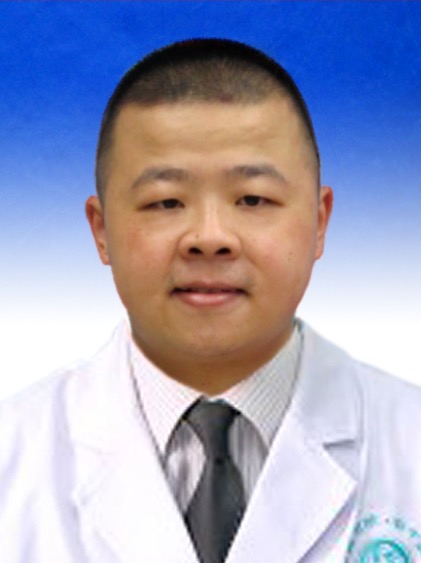 Xiaopeng Huang (黄晓朋)合作论文数Hospital of Chengdu University of Traditional Chinese Medicine30
 Jian Cai (蔡剑)合作论文数Chengdu University of Traditional Chinese Medicine19Ziyang Ma合作论文数13FeiQiang Ren (任飞强)合作论文数12Liang Dong (董良)合作论文数11
 Tianlang Wu (吴天浪)合作论文数Hospital of Chengdu University of Traditional Chinese Medicine10Yifeng Shen合作论文数9XiaoWei Qu (曲晓伟)合作论文数6JunJun Li (李俊君)合作论文数5
 Mingshuai Bi (毕明帅)合作论文数Hospital of Chengdu University of TCM5RunBiao Dong (董润标)合作论文数4JunJie Pan (潘俊杰)合作论文数4WenYing Chen (陈文英)合作论文数4
 Zhengjie Li (李政杰)合作论文数Chengdu University of Traditional Chinese Medicine4
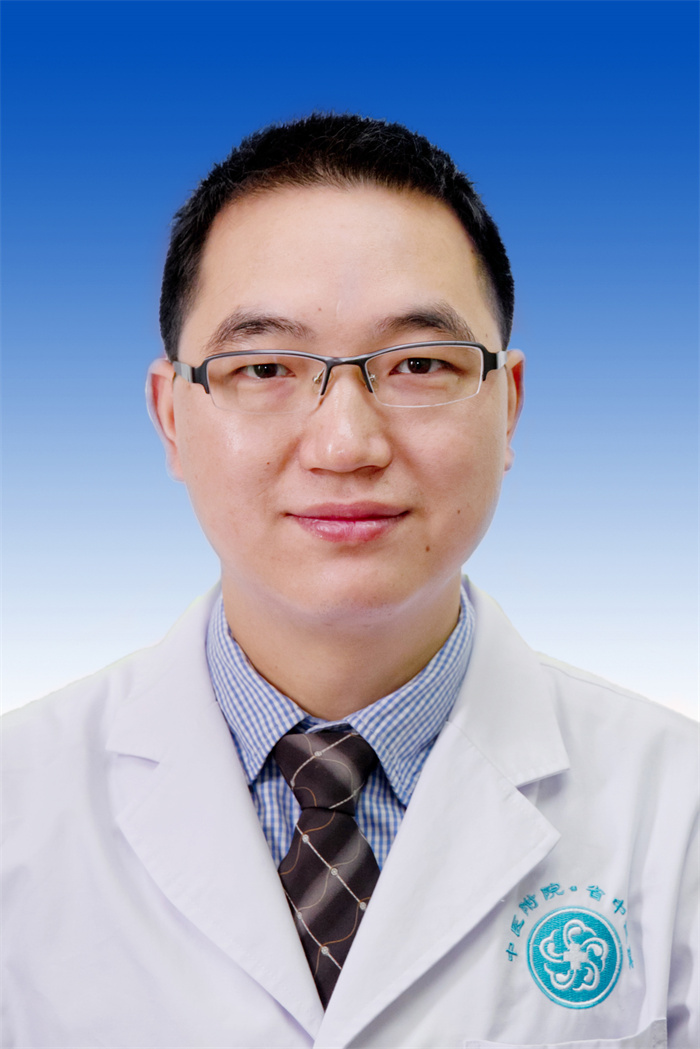 Xuefeng Mei (梅雪峰)合作论文数Hospital of Chengdu University of Traditional Chinese Medicine4
 Ping Gao (高坪)合作论文数Hospital of Chengdu University of Traditional Chinese Medicine4Kun ZHU (朱坤)合作论文数3Da-wei Gao (高大伟)合作论文数3
 Tao Yin (尹涛)合作论文数3rd Teaching Hosp Acupuncture & Brain Sci Res Ctr, Chengdu Univ Tradit Chinese Med3ChaoDe Zhang (张朝德)合作论文数3ZhenDong Zhong (钟振东)合作论文数3
 Wentong Zeng (曾文彤)合作论文数Chengdu University of Traditional Chinese Medicine3Hangyu Yao (姚航宇)合作论文数2Baojun Zhuang (庄宝钧)合作论文数2Xuesong Yang合作论文数2Jingyi Zhang合作论文数2XIE Cheng (谢成)合作论文数2Fuhao Li合作论文数2Yang Fang合作论文数2Song Zhang合作论文数2Qi Liu (刘琦)合作论文数2Zu-bing ZHOU (周祖兵)合作论文数2Jun CAO (曹军)合作论文数2BingYang Jia (贾冰洋)合作论文数2XingZhi Yang (杨兴智)合作论文数2KeZhuang Zhang (张科庄)合作论文数2Kun Tan (谭琨)合作论文数2Fang Yang (阳方)合作论文数2Jing Yin (尹静)合作论文数2Kun Wu (吴坤)合作论文数2XueMei Yang (杨雪梅)合作论文数2YongLi Zhang (张永利)合作论文数2
 Qu An (安劬)合作论文数成都中医药大学2




