Dielectronic recombination (DR) is widely recognized as a fundamental atomic process in many astrophysical and laboratory plasmas, where it plays a crucial role in determining ionization balance and level populations over a broad temperature range. Reliable DR resonance strengths and plasma rate coefficients for such plasma modeling can be computed using the Jena Atomic Calculator (JAC)-a relativistic code based on the multiconfiguration Dirac-Hartree-Fock (MCDHF) method. In this work, we investigate the DR of Li-like Ar15+ ions in their ground state (2s), focusing on resonances associated with the fine-structure core excitations 2s1/2 -> 2p1/2,3/2. The resulting fine-structure-resolved DR resonance strengths and plasma rate coefficients are in good agreement with recent high-resolution DR measurements of Ar15+ ions performed at the Main Cooler Storage Ring (CSRm) in Lanzhou, China. These results provide a stringent benchmark for JAC calculations and support their applicability in plasma modeling.
Understanding energy relaxation dynamics in weakly bound systems following excitation is fundamental to diverse phenomena, from radiation-induced biological damage to interstellar chemistry. Here, we investigate the photoinduced fragmentation dynamics of both isolated N2O molecules and their molecular clusters using a broadband extreme ultraviolet light source. Beyond direct photoionization processes, we observe indirect ionization pathways that generate low-energy electrons (LEEs) in the 0-10 eV range. This process originates from the population of neutral superexcited states in N2O, followed by either intramolecular autoionization or resonant intermolecular Coulombic decay. In large clusters, we observe a remarkable enhancement of LEE production, with yields becoming comparable to those from direct ionization. Additionally, among all fragmentation products correlated with indirect LEEs, the ionic fragments containing N+ and O+ are significantly reduced, which is in contrast to the situation for isolated N2O molecules. Our observations demonstrate that the decay of superexcited states is significantly influenced by the molecular cluster environment and may extend to the radiation-induced biological damage processes.
Studying quantum interference in photorecombination (PR) is crucial not only for understanding the spectral line shapes of resonances but also for developing a complete quantum-mechanical formalism that unifies the treatment of radiative recombination (RR) and dielectronic recombination (DR) as interfering pathways. In this work, we present a theoretical study of total PR cross sections for high-Z He-like ions using a relativistic projection-operator formalism, which provides a unified quantum-mechanical description of RR and DR. Detailed calculations are performed for the KLL resonance structures in He-like Xe52+, W72+, and U90+, revealing pronounced interference-induced asymmetries in the PR cross sections. We find that the interference effects of RR and DR occur predominantly at the KL12L3 resonances in high-Z ions, consistent with previous experimental observations at electron beam ion traps [Tu et al., Phys. Rev. A 93, 032707 (2016)]. These interference effects should also be observable in the total PR cross sections of He-like Xe52+, W72+, and U90+ ions in the electron-ion recombination experiments at storage rings.
Studying quantum interference in photorecombination (PR) is crucial not only for understanding the spectral line shapes of resonances but also for developing a complete quantum-mechanical formalism that unifies the treatment of radiative recombination (RR) and dielectronic recombination (DR) as interfering pathways. In this work, we present a theoretical study of total PR cross sections for high-Z He-like ions using a relativistic projection-operator formalism, which provides a unified quantum-mechanical description of RR and DR. Detailed calculations are performed for the KLL resonance structures in He-like Xe ^52+ , W ^72+ , and U ^90+ , revealing pronounced interference-induced asymmetries in the PR cross sections. We find that the interference effects of RR and DR occur predominantly at the KL_12L_3 resonances in high-Z ions, consistent with previous experimental observations at electron beam ion traps [Tu et al., Phys. Rev. A 93, 032707 (2016)]. These interference effects should also be observable in the total PR cross sections of He-like Xe ^52+ , W ^72+ , and U ^90+ ions in the electron-ion recombination experiments at storage rings.
Stable and long-lived radioactive isotopes are ubiquitous in nature and serve as unique tracers across diverse fields such as nuclear astrophysics, atmosphere chemistry, hydrology, environmental chemistry, and the diagnosis of diseases in the human body. Over the past decades, accelerator mass spectrometry and spectroscopic methods have been used to measure the abundance of stable and long-lived radioactive isotopes. However, their accuracy has been constrained by the systematic uncertainties inherent in sophisticated instrumentation and limitations in the abundance sensitivity. Here, we present a novel approach based on the fundamental mechanism of molecular Coulomb explosion fragmentation (i.e., molecules breakup as a result of Coulomb repulsion between the positively charged nuclei within molecules that are rapidly stripped of their electrons), utilizing a two-dimensional coincidence time-of-flight spectrometer to detect fragmented isotopic ion pairs. The present method enables direct determination of the isotopic abundances of 13C and 18O with an accuracy better than 0.02%, significantly improving abundance sensitivity by powerful identification and eliminating systematic uncertainties. Our molecular Coulomb explosion spectrometry provides high-accuracy measurement of stable and long-lived radioactive isotope abundance, with significant potential to advance isotope tracer studies in the Earth environment, anthropology, archeology, global ecological cycles, fundamental nuclear physics, and biomedicine.
State-selective single-electron capture in He+ + Ne collisions was studied at laboratory He+ projectile kinetic energies of 30-100 keV (corresponding to 7.5-25 keV/u) using a reaction microscope. Q-value spectra were obtained through recoil-ion momentum reconstruction, enabling the decomposition of the capture yield into three distinct contributions: (i) capture into excited states of the projectile without target excitation, (ii) capture into the projectile ground state accompanied by excitation of the residual Ne+ ion, and (iii) capture involving simultaneous excitation of both He and Ne+. Across the studied energy range, capture into the projectile ground state accompanied by target excitation is the dominant pathway. With increasing impact energy, the fraction of joint projectile-target excitation increases markedly, whereas the target-excitation-only contribution decreases; the projectile-excitation-only fraction remains at a low, nearly constant level. These findings underscore the significance of multi-electron dynamics in intermediate-energy collisions involving many-electron targets.
State-selective single-electron capture in He+ + Ne collisions was studied at laboratory He+ projectile kinetic energies of 30–100 keV (corresponding to 7.5–25 keV/u) using a reaction microscope. Q-value spectra were obtained through recoil-ion momentum reconstruction, enabling the decomposition of the capture yield into three distinct contributions: (i) capture into excited states of the projectile without target excitation, (ii) capture into the projectile ground state accompanied by excitation of the residual Ne+ ion, and (iii) capture involving simultaneous excitation of both He and Ne+. Across the studied energy range, capture into the projectile ground state accompanied by target excitation is the dominant pathway. With increasing impact energy, the fraction of joint projectile–target excitation increases markedly, whereas the target-excitation-only contribution decreases; the projectile-excitation-only fraction remains at a low, nearly constant level. These findings underscore the significance of multi-electron dynamics in intermediate-energy collisions involving many-electron targets.
State-selective single electron capture has been investigated in collisions between He^2+ ions and Ar atoms at energies of 30, 62.5, and 100 keV/u, using high resolution reaction microscope (ReMi). The Q-value spectra, state-selective cross sections, and scattering angle distributions are obtained. The results show that pure single electron capture (PSEC) into the n = 2 and n ≥ 3 states is dominant at low impact energy, while the transfer target excitation (TTE) process becomes dominant at high impact energy. The total cross sections of TTE are found to be comparable to those of PSEC. A comparison of the experimental scattering angle distributions with theoretical results calculated by molecular Coulombic over-barrier model (MCBM) shows that correlated two-electron transitions play a vital role at high impact energies.
Hyperfine splitting in highly charged ions provides a powerful probe for testing strong-field quantum electrodynamics and investigating nuclear structure. In this work, we theoretically investigate the hyperfine-resolved dielectronic recombination process near to the threshold for selected Li-like highly charged ions. Numerical computations were carried out using a multiconfiguration Dirac-Fock method to address dielectronic recombination resonances for Li-like ions. Our calculations reproduce the previous experimental results of Li-like 45Sc18+ ions with nuclear spin I = 72 [M. Lestinsky et al., Phys. Rev. Lett. 100, 033001 (2008)]. We further extended the calculation to two highly charged heavy ions, Li-like 119Sn47+ (I = 12) and 187Re72+ (I = 52), revealing distinct hyperfine-split dielectronic recombination resonances in the low-energy region. These calculations identify promising candidate ions and provide theoretical guidance for high-resolution dielectronic recombination experiments using the new storage-ring merged-beam technique.
The second brightest gamma-ray burst (GRB) in history, GRB 230307A, provides an ideal laboratory to study the mechanism of GRB prompt emission thanks to its extraordinarily high photon statistics and its single-episode activity. Here we demonstrate that the rapidly variable components of its prompt emission compose an overall broad single pulse-like profile. Although these individual rapid components are aligned in time across all energy bands, this overall profile conspires to show a well-defined energy-dependent behavior that is typically seen in single GRB pulses. Such a feature demonstrates that the prompt emission of this burst is from many individual emitting units that are casually linked in a emission site at a large distance from the central engine. Such a scenario is in natural consistency with the internal-collision-induced magnetic reconnection and turbulence framework, which invokes many minijets due to local magnetic reconnection that constantly appear and disappear in a global magnetically dominated jet.
Manipulating intracluster ion-molecule reactions via the control of vibrational excitation states of the parent cluster ion holds significant promise. Herein, we studied the effect of vibrational excitation on intracluster ionmolecule reactions within the ethylene dimer ion (C2H4)2+ focusing on the formation of C4H8+, C3H5+, and C4H7+ ions, utilizing femtosecond laser pulses and ab initio calculations. Via coincident photoelectron and ion detection, we reconstructed the initial vibrational excitation state population (IVP) of the parent ion and found a correlation between the IVP and product formation. Our study shows that the branching ratios for C4H8+, C4H7+, and C3H5+ ions are dominated by low, medium, and high vibrational states, respectively, and there is a clear competition among them. Further analysis confirmed that laser intensity affects the IVP, which determines the yield of each decay channel. Our study establishes a direct link between IVP and product distribution in intracluster ion-molecule reactions and demonstrates the potential to steer reaction outcomes by varying laser field intensity, which opens avenues to the tailored control of reactions in various intracluster systems.
Molecular ions are widely distributed in the ionosphere of planetary atmospheres, and their fragmentations can generate different ions and neutral fragments. Studying the kinetic energy distribution and generation mechanism of the final products is helpful in understanding fundamental phenomena in astrophysics and plasma physics. In particular, ethane is an important molecule found in Titan and comet, and its fragmentation may be involved in the generation of complex hydrocarbons, as well as the atmospheric escape processes on Titan. In this paper, the experiment on ethane fragmentation by electron impact is carried out, focusing on the three-body fragmentation channel from C2H62+ to CH3+/CH2+/H . The three-dimensional momenta of CH3+ and CH2+ ions are measured, and then the momentum of the H atom is reconstructed using momentum conservation law. Based on these analyses, the kinetic energy release (KER) spectrum and the fragmentation mechanisms are investigated. The time-of-flight (TOF) coincidence map of the ions shows two channels: channel (1) that represents the two-body dissociation generating CH3+/CH3+, and channel (2) that refers to the three-body dissociation generating CH3+/CH2+/H . It is found that the neutral H from channel (2) has a wide kinetic energy distribution, ranging from 0 eV to more than 10 eV. This feature indicates that the dissociation of the C-H bond is from multiple electronic states. Since the escape threshold of H in Titan's ionosphere is 0.02 eV, the vast majority of the H atoms produced in channel (2) can escape into outer space. In addition, the kinetic energy sum of CH3+ and CH2+ in channel (2) is found to be similar to the KER of channel (1), indicating that the C-H dissociation presents limited influence on the energy sum of the CH2+ and . CH3+. The corresponding fragmentation mechanism of channel (2) is also analyzed in this work. the overall KER spectrum is divided into three parts: 0-6 eV, 6-9 eV, and 9-11 eV, and the respective Dalitz plots and Newton diagrams are reconstructed under different KER conditions. In all Dalitz plots, there are a bright spot representing the concerted dissociation and a horizontal belt representing the sequential dissociation. The concerted dissociation is considered as the main mechanism, while the sequential dissociation plays a secondary role. The bright spot in the Dalitz plot shifts from the center to the left as the KER increases. This feature arises from the fact that the CH2+ lies between the H and the CH3+ in the concerted dissociation, and it feels the recoil both from H and from CH3+. Considering that the Coulomb potential from CH3+ is constant, the increase of the C-H dissociation energy will reduce the CH+ kinetic energy. The belt in the Dalitz indicates 2 that the sequential dissociation is a two-step process, with the first step being the dissociation of C(2)H(6 )(2+)to generate H and metastable , and the second step being the fragmentation of C2H52+ into CH3+ and CH2 +. The Newton diagrams under different KER conditions are also reconstructed to give further evidence of the sequential dissociation from the metastable , rather than from the metastable C2H52+ , rather than from the metastable CH(3 )(+)or CH4 +. In fact, for the former case, the center positions of the two half circles in the Newton diagram are correct. Oppositely, for the latter two cases, the center positions notably deviate from the expected values. This means the sequential dissociation from C2H52+ is dominant, which agrees excellently with the conclusion from the Dalitz plots.
In response to the capabilities presented by the High-Intensity Heavy Ion Accelerator Facility (HIAF) and the Accelerator-Driven Subcritical System (CiADS), as well as the proposed Chinese Advanced Nuclear Physics Research Facility (CNUF), we are assembling a consortium of experts in relevant disciplines--both domestically and internationally--to delineate high-precision physics experiments that leverage the state-of-the-art research environment afforded by CNUF. Our focus encompasses six primary domains of inquiry: hadron physics--including endeavors such as the super eta factory and investigations into light hadron structures; muon physics; neutrino physics; neutron physics; the testing of fundamental symmetries; and the exploration of quantum effects within nuclear physics, along with the utilization of vortex accelerators. We aim to foster a well-rounded portfolio of large, medium, and small-scale projects, thus unlocking new scientific avenues and optimizing the potential of the Huizhou large scientific facility. The aspiration for international leadership in scientific research will be a guiding principle in our strategic planning. This initiative will serve as a foundational reference for the Institute of Modern Physics in its strategic planning and goal-setting, ensuring alignment with its developmental objectives while striving to secure a competitive edge in technological advancement. Our ambition is to engage in substantive research within these realms of high-precision physics, to pursue groundbreaking discoveries, and to stimulate progress in China's nuclear physics landscape, positioning Huizhou as a preeminent global hub for advanced nuclear physics research.
Molecular ions are widely distributed in the ionosphere of planetary atmospheres, and their fragmentations can generate different ions and neutral fragments. Studying the kinetic energy distribution and generation mechanism of the final products is helpful in understanding fundamental phenomena in astrophysics and plasma physics. In particular, ethane is an important molecule found in Titan and comet, its fragmentation may be involved in the generation of complex hydrocarbons, as well as the atmospheric escape processes on Titan. In this paper, we carried out the experiment on ethane fragmentation by electron impact, focusing on the three-body fragmentation channel from C2H62+ to CH3+/CH2+/H. We directly measured the three-dimensional momenta of CH3+ and CH2+ ions, and then reconstructed the momentum of the H atom using momentum conservation law. Based on these analyses, we investigated the kinetic energy release (KER) spectrum and the fragmentation mechanisms. In the TOF coincidence map of the ions, we observed two channels: channel (1) represents the two-body dissociation generating CH3+/CH3+, and channel (2) represents the three-body dissociation generating CH3+/CH2+/H, which is mentioned above. It is found that the neutral H from channel (2) has a wide kinetic energy distribution, ranging from 0 eV up to more than 10 eV. This feature indicates the dissociation of the C-H bond is from multiple electronic states. Since the escape threshold of H in Titan's ionosphere is 0.02 eV, the vast majority of the H atoms produced in channel (2) can escape into outer space. In addition, the kinetic energy sum of CH3+ and CH2+in channel (2) is found to be similar to the KER of channel (1), indicating that the C-H dissociation presents limited influence on the energy sum of the CH2+ and CH3+. The corresponding fragmentation mechanism of channel (2) was also analyzed in this paper. We divided the overall KER spectrum into three parts, 0-6 eV, 6-9 eV, and 9-11 eV, and reconstructed the respective Dalitz plots and Newton diagrams under different KER conditions. In all Dalitz plots, there is a bright spot representing the concerted dissociation and a horizontal belt representing the sequential dissociation. The concerted dissociation is concluded as the main mechanism, while the sequential dissociation plays a minor role. The bright spot in the Dalitz plot shifts from the center to the left as the KER increases. This feature arises from the following fact, the CH2+lies between the H and the CH3+ in the concerted dissociation, and it feels the recoil both from H and CH3+. Considering the Coulomb potential from CH3+ is constant, enhancing the C-H dissociation energy will decrease the CH2+ kinetic energy. The belt in the Dalitz suggests the sequential dissociation as a two-step process, the first step is the dissociation of C2H62+ to generate H and metastable C2H52+, and the second step is the fragmentation from C2H52+ to CH3+ and CH2+. We also reconstructed the Newton diagrams under different KER conditions to give further evidence of the sequential dissociation from the metastable C2H52+, rather than from the metastable CH3+orCH4+. Indeed, for the former case, the center positions of the two half circles in Newton diagrams appear correctly. Oppositely, for the latter two cases, the center positions notably deviate from the expected values. This means the sequential dissociation from C2H52+ is dominant, which agrees excellently with the conclusion from the Dalitz plots.
We study the fragmentation of NOq+(q=2,3)molecular ions produced by collisions between 96 keV O6+ions and neutral nitric oxide(NO)molecules,using the cold target recoil ion momentum spectrometer(COLTRIMS).The kinetic energy release(KER)for various dissociation channels is obtained.For the channel NO2+→ N++O+,double-electron capture followed by autoionization of the projectile ions is the dominant process,which can be explained by the recapture of loosely bound electrons into highly excited states of the target.For NO3+trication,two dissociation channels,i.e.,(a)N++O2+and(b)N2++O+,are observed,where channel(b)is the dominant channel.Moreover,for dissociation channels originating from the same parent molecular ion,the dissociation channel with a higher charge for the oxygen ion fragment exhibits a higher most probable KER,which is consistent with studies of CO fragmentation by Rajput et al.Additionally,it is observed that as capture stability increases,the average KER shifts to higher values.
Dielectronic recombination (DR) experiments of highly charged ions not only provide essential atomic benchmark data for astrophysical and fusion plasma research but also serve as a stringent test for strong-field quantum electrodynamics (QED) effects, relativistic effects, and electron correlation effects. High-intensity heavy-ion accelerator facility (HIAF), currently under construction at Huizhou, China, will have a high- precision spectrometer ring (SRing) equipped with a 450 kV electron-cooler and an 80 kV ultracold electron- target. This advanced setup facilitates precise measurements of the DR process for highly charged ions in a broad range of center-of-mass energy, from meV to tens of keV. In this work, we carry out the molecular dynamics simulation of the electron beam temperature distribution of the ultracold electron-target at the SRing. The simulation results indicate that after treatment by the designed adiabatic magnetic field and acceleration field, the transverse and longitudinal electron beam temperature generated by the thermionic electron gun can be reduced from 100 meV to below 5 meV and 0.1 meV, respectively. Furthermore, we analyze the influence of this ultracold electron beam temperature on the resonance peak and energy resolution in DR experiment. The resolution gain at the SRing electron-target is particularly pronounced at small electron-ion collision energy, which provides unique experimental conditions for the DR experiments. Taking lithium-like (129)(54)Xe(51+ )and U-238(92)89+ ions for example, we simulate the DR resonance spectra at the SRing and compare them with the simulated results from the experimental cooler storage ring CSRe. The results reveal that the SRing experiments can resolve fine DR resonance structures with ultra-high energy resolution compared with those from the CSRe. This work lays a solid foundation for precise DR spectroscopy of highly charged ions at the SRing to stringent test of strong field QED effect and extraction nuclear structure information. [GRAPHICS] .
As a fundamental process in atomic physics,charge exchange relies on quantum state-resolved data that is crucial for various fields such as astrophysics and plasma physics.However,there remains a gap in the research on multi-electron target systems.This study aims to investigate the dynamic mechanisms of single/double electron capture in collisions between Ar2+ions and Ar atoms or N2 molecules at an energy of 40 keV,thereby supplementing high-precision experimental data in this field.The experiment is conducted on the electron beam ion source(EBIS)platform at the Institute of Modern Physics,Chinese Academy of Sciences,using the cold target recoil ion momentum spectroscopy(COLTRIMS)technique.An ion beam containing ground-state Ar2+(3s23p4 3P)and metastable Ar2+(3s23p4 1D,1S)is used as the projectile,colliding with a supersonic Ar/N2 mixed gas target.Three-dimensional momentum of recoil ions is reconstructed through coincidence measurements of recoil ions and scattered ions,and the Q-value and scattering angle distribution are calculated.Theoretical comparisons are performed using the molecular Coulombic over barrier model(MCBM). The results show that there are similarities in the populations of single-electron captured states between the two systems,but the contribution ratios are different:the Q-value spectrum of the Ar2+-Ar system contains an additional characteristic peak,which corresponds to the process where the projectile ion captures an electron from the 3s orbital of the target while its own 3s electron is excited to the 3p orbital.In contrast,this characteristic peak is absent in the Ar2+-N2 system due to the easy dissociation of excited N2+ions.For double-electron capture,both systems are dominated by capturing electrons to the ground state,but only the Ar2+-N2 system shows a significant contribution from excited state populations.The comparison of scattering angles reveals that the higher the capture state of the product ion,the larger the corresponding scattering angle is and the smaller the impact parameter is.This is presumably because electron interactions become more complex at smaller impact parameters,leading to a higher probability of capturing electrons to high-energy levels.In the double-electron capture of the Ar2+-N2 system,only the ground-state channel is populated at small angles(0-1.2 mrad).Additionally,electron capture exhibits dependence on impact parameter:as the angle increases(i.e.the impact parameter decreases),the Q-value of the capture reaction decreases,indicating that the reaction tends to be more endothermic.
Energy-angle differential and total probabilities of positron creation in slow supercritical collisions of two identical heavy nuclei are calculated beyond the monopole approximation. The time-dependent Dirac equation (TDDE) for positrons is solved using the generalized pseudospectral method in modified prolate spheroidal coordinates, which are well suited for description of close collisions in two-center quantum systems. In the frame of reference where the quasimolecular axis is fixed, the rotational coupling term is added to the Hamiltonian. Unlike our previous calculations, we do not discard this term and retain it when solving the TDDE. Both three-dimensional angle-resolved and angle-integrated energy distributions of outgoing positrons are obtained. Three-dimensional angle-resolved distributions exhibit a high degree of isotropy. For the collision energies in the interval 6 to 8 MeV/u, the influence of the rotational coupling on the distributions and total positron creation probabilities is quite small. Published by the American Physical Society 2025
 Xiaolong Zhu (朱小龙)合作论文数Institute of Modern Physics, Chinese Academy of Sciences;University of Chinese Academy of Sciences179
 Shaofeng Zhang (张少锋)合作论文数中国科学院近代物理研究所167
 Wentian Feng (冯文天)合作论文数84
 Youjin Yuan (原有进)合作论文数Institute of Modern Physics, Chinese Academy of Sciences78
 Dongbin Qian (钱东斌)合作论文数Institute of Modern Physics, Chinese Academy of Sciences74
 Jiancheng Yang (杨建成)合作论文数Institute of Modern Physics, Chinese Academy of Sciences;University of Chinese Academy of Sciences73
 Weiqiang Wen (汶伟强)合作论文数Institute of Modern Physics, Chinese Academy of Sciences;University of Chinese Academy of Sciences72
 Zhongkui Huang (黄忠魁)合作论文数University of Chinese Academy of Sciences;Department of Dynamics of Atomic and Molecular Physics, Institute of Modern Physics, Chinese Academy of Sciences.70
 Shuncheng Yan (闫顺成)合作论文数Institute of Modern Physics, Chinese Academy of Sciences;University of the Chinese Academy of Sciences66
 Ruitian Zhang合作论文数61
 Guoqing Xiao (肖国青)合作论文数Institute of Modern Physics, Chinese Academy of Sciences;University of Chinese Academy of Sciences61Dongmei Zhao合作论文数Chinese Acad Sci, Inst Modern Phys, Lanzhou 730000, Peoples R China58
 Dacheng Zhang (张大成)合作论文数School of Optoeletronic Engineering, Xidian University57
 Hushan Xu (徐瑚珊)合作论文数Institute of Moder Physics, Chinese Academy of Sciences;University of Chinese Academy of Sciences55
 Shenyue Xu (许慎跃)合作论文数Institute of Modern Physics, Chinese Academy of Sciences;University of Chinese Academy of Sciences54D. M. Zhao合作论文数51Huiping Liu (刘惠萍)合作论文数College of Information Science and Engineering, Ocean University of China50Lian Tao (陶炼)合作论文数49
 Jinlu Qu (屈进禄)合作论文数Institute of High Energy Physics, Chinese Academy of Sciences;University of Chinese Academy of Sciences49
 Ruishi Mao (毛瑞士)合作论文数Institute of Modern Physics, Chinese Academy of Sciences;University of Chinese Academy of Sciences47M. Y. Ge合作论文数46
 Tao Luo (罗涛)合作论文数Fudan University46
 Liming Song (宋黎明)合作论文数Key Laboratory of Particle Astrophysics, Institute of High Energy Physics, Chinese Academy of Sciences;University of Chinese Academy of Sciences45Y. X. Song合作论文数44Lijun Mao (冒立军)合作论文数44
 Dalong Guo (郭大龙)合作论文数Institute of Modern Physics, Chinese Academy of Sciences;University of Chinese Academy of Sciences42Shumei Jia (贾淑梅)合作论文数University of Chinese Academy of Sciences;Key Laboratory Particle Astrophysics, Institute of High Energy Physics, Chinese Academy of Sciences42
 Qingcui Bu合作论文数Institute of Astrophysics, Central China Normal University41Zhihu Yang合作论文数41
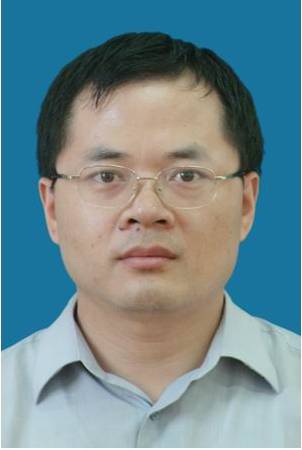 Hongping Liu (刘红平)合作论文数Innovation Academy for Precision Measurement Science and Technology, Chinese Academy of Sciences;Wuhan Institute of Physics and Mathematics, Chinese Academy of Sciences39
 Wenlong Zhan (詹文龙)合作论文数Institute of Modern Physics, Chinese Academy of Sciences;University of Chinese Academy of Sciences39
 Bing Li (李小波)合作论文数38
 Junxia Wu (武军霞)合作论文数Institute of Modern Physics, Chinese Academy of Sciences38
 Yupeng Chen (陈玉鹏)合作论文数Institute of High Energy Physics, Chinese Academy of Sciences;University of Chinese Academy of Sciences38
 Lingda Kong合作论文数37
 Shaolin Xiong (熊少林)合作论文数Institute of High Energy Physics, Chinese Academy of Sciences;University of Chinese Academy of Sciences37
 Youli Tuo合作论文数Institute of High Energy Physics, Chinese Academy of Sciences36
 Fangjun Lu (卢方军)合作论文数Institute of High Energy Physics, Chinese Academy of Sciences;University of Chinese Academy of Sciences36
 Shijie Zheng (郑世界)合作论文数Institute of High Energy Physics, Chinese Academy of Sciences36
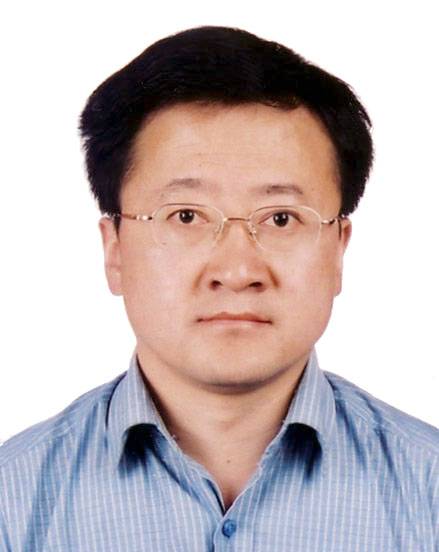 Hongwei Zhao (赵红卫)合作论文数Institute of Modern Physics, Chinese Academy of Sciences;University of Chinese Academy of Sciences36Shaoxiang Yang (杨绍祥)合作论文数36
 Zhi Chang (常智)合作论文数School of Materials Science and Engineering, Central South University35
 Wei Cui (崔伟)合作论文数Department of Astronomy, Tsinghua University35
 Wei Wang (王伟)合作论文数School of Physics and Technology, Wuhan University35
 Xiaohua Liang (梁晓华)合作论文数Institute of High Energy Physics, Chinese Academy of Sciences;University of the Chinese Academy of Sciences35G. C. Xiao合作论文数34
 Hanbing Wang (汪寒冰)合作论文数Institute of Modern Physics, Chinese Academy of Sciences;University of Chinese Academy of Sciences34Jinyuan Liao (廖进元)合作论文数Institute of High Energy Physics, Chinese Academy of Sciences;University of Chinese Academy of Sciences34Z. H. Lei合作论文数34




