Single-image super-resolution reconstruction aims to convert low-resolution images into high-resolution ones. Existing research primarily focuses on deep network architectures to improve image reconstruction quality. Although these methods achieve some performance improvements, they also lead to increases in computational cost and resource consumption. In recent years, with the rise of Transformers, more researchers have begun exploring their potential for image super-resolution reconstruction. While Transformers show great promise in capturing global features and enhancing image processing capabilities, their high computational cost remains a challenge. To address these issues, this paper proposes a Hybrid Lightweight Convolution-Transformer Network for Image Super-Resolution (LCTSR). The model includes two modules: Lightweight Feature Extraction Block (LFEB) and Lightweight Enhanced Transformer Block (LETB), which dynamically adjust feature map sizes while maintaining a lightweight design to extract deep features. Additionally, we introduce a Scale-Aware Attention Mechanism (SAAM) to more effectively integrate information. Experimental results demonstrate that LCTSR outperforms state-of-the-art models in terms of objective evaluation metrics, with a Peak Signal-to-Noise Ratio (PSNR) improvement ranging from 0.1 to 0.5 dB. Additionally, our method shows a lower computational cost (FLOPs is 49.8G).
We present NaTex, a native texture generation framework that predicts texture color directly in 3D space. In contrast to previous approaches that rely on baking 2D multi-view images synthesized by geometry-conditioned Multi-View Diffusion models (MVDs), NaTex avoids several inherent limitations of the MVD pipeline. These include difficulties in handling occluded regions that require inpainting, achieving precise mesh-texture alignment along boundaries, and maintaining cross-view consistency and coherence in both content and color intensity. NaTex features a novel paradigm that addresses the aforementioned issues by viewing texture as a dense color point cloud. Driven by this idea, we propose latent color diffusion, which comprises a geometry-awared color point cloud VAE and a multi-control diffusion transformer (DiT), entirely trained from scratch using 3D data, for texture reconstruction and generation. To enable precise alignment, we introduce native geometry control that conditions the DiT on direct 3D spatial information via positional embeddings and geometry latents. We co-design the VAE–DiT architecture, where the geometry latents are extracted via a dedicated geometry branch tightly coupled with the color VAE, providing fine-grained surface guidance that maintains strong correspondence with the texture. With these designs, NaTex demonstrates strong performance, significantly outperforming previous methods in texture coherence and alignment. Moreover, NaTex also exhibits strong generalization capabilities, either training-free or with simple tuning, for various downstream applications, e.g., material generation, texture refinement, and part segmentation and texturing.
Since detecting small objects in UAV imagery is challenging due to complex backgrounds and limited pixels, this paper proposes a new lightweight model based on YOLOv8s called LWU-YOLO. Initially, a task-oriented head restructuring strategy is introduced to enhance detailed feature representation, while reducing model parameters. Subsequently, an efficient multi-scale downsampling feature fusion (MDFF) module is designed to minimize the information loss during the upsampling process. Moreover, a mixed local channel attention (MLCA) mechanism is integrated into the C2f module to improve focus on critical features. Additionally, a novel Inner-PIoUv2 loss function is devised for faster convergence and higher accuracy in small object regression. Finally, experiments on the VisDrone2019 dataset show that the LWU-YOLO increases mAP@50 and mAP@50:95 by 7.3% and 4.7%, respectively, while using 55.3% fewer parameters than YOLOv8s, demonstrating an excellent balance of performance and efficiency for UAV applications.
Video super-resolution (VSR) requires the coordinated modeling of spatial structures, temporal dynamics, and spectral characteristics. However, existing methods often treat these aspects separately. Spatially, uniform processing neglects the sparse distribution of high-frequency details, weakening the recovery of critical fine structures. Temporally, conventional feature aggregation accumulates appearance information without explicitly modeling the evolution of scene states across frames. These limitations are further exacerbated during optimization, where the objectives of detail restoration and temporal smoothness often induce conflicting gradients that hinder joint convergence. To address these issues, we propose CDC-VSR, a unified framework that enforces cross-domain continuity in representation learning, temporal propagation, and optimization. Specifically, we introduce a frequency-aware wavelet refinement module to selectively enhance structural components, a differential memory propagation mechanism to capture meaningful inter-frame transitions, and a conflict-aware gradient alignment strategy to reconcile reconstruction fidelity with temporal consistency. Extensive experiments show that CDC-VSR achieves superior reconstruction quality and temporal stability while maintaining a compact model size.
Image Super-Resolution (SR) is a fundamental technology for enhancing image quality, with broad applications in digital imaging and display. However, driven by the growing need for arbitrary scaling, current models struggle with scale awareness and generalization across non-integer or continuous scale transformations. Therefore, we propose a Scale-Aware Attention and Multi-Granularity Feature Enhancement based Arbitrary-Scale Image Super-Resolution Network (SAME-ASR). First, SAME-ASR integrates scale factors into both feature extraction and image reconstruction, enabling the model to adaptively handle diverse magnification requirements. Second, Scale Encoding Module (SEM) maps horizontal and vertical scale factors into high-dimensional scale representations, providing explicit scale priors for subsequent feature modeling. Third, Scale-Aware Attention Layer (SAAL) uses the encoded scale information to guide feature selection and enhance scale-relevant representations. Finally, Multi-granularity Feature-Enhanced Implicit Image Function (MEIIF) incorporates multi-level feature representations to jointly model local details and global structures in continuous coordinate space. Experimental results demonstrate that SAME-ASR exhibits superior robustness across various scale factors. It effectively overcomes the fixed-scale limitations of traditional methods, offering significant value for practical engineering applications.
In recent years, convolutional neural network has been widely used in single image super-resolution. As the depth of the network increases, it is difficult to effectively balance the convergence of training with the improvement of performance. Therefore, in this paper, we propose a multi-branch image super-resolution network based on spatial and channel reconstruction: MB-SCRSR. In MB-SCRSR, we construct a multi branch network to better extract nonlinear features in the feature space. Additionally, the network introduces a fusion attention unit to effectively fuse the extracted features across branches, thereby capturing more relevant information. Finally, MB-SCRSR incorporates spatial and channel reconstruction blocks to reduce redundancy in both spatial and channel dimensions. Experimental results demonstrate that MB-SCRSR outperforms state-of-the-art models in terms of objective evaluation metrics, with a peak signal-to-noise ratio improvement ranging from 0.1 to 0.6 dB.
Currently, most video super-resolution (VSR) models primarily employ single-branch frameworks, which cannot simultaneously balance efficiency and accuracy. If VSR employs neural networks with fewer parameters to improve device portability, the network cannot effectively handle complex consecutive frames with significant variations. Therefore, we propose a computational accelerated VSR network based on inter-frame information complexity classification (IFIC3A-VSR). IFIC3A-VSR consists of Frame Value Classification Module (Class Module), which classifies the information in consecutive frames and refines the VSR task, and Video Super-Resolution Multi-Branch Module (VSR Module), which handles various super-resolution (SR) tasks effectively. Additionally, we introduce a new convolutional unit called Self-Calibrated deformable 3D convolution (SCdcn), which processes texture information based on contextual information at each spatial position, enriching the overall feature structure. Moreover, we construct two lightweight attention mechanisms for each branch to assist in processing the corresponding SR tasks. Experimental results, analyzed through subjective visual evaluation and objective performance metrics, demonstrate the effectiveness of the IFIC3A-VSR. The IFIC3A-VSR achieves outstanding performance and reduces computational load by 35% compared to mainstream algorithms.
In recent years, 3D Gaussian Splatting (3DGS) has garnered significant attention for its superior rendering quality and real-time performance. However, the inefficient utilization of Gaussians in 3DGS necessitates the use of millions of Gaussian primitives to adapt to the geometry and appearance of 3D scenes, leading to significant redundancy. To address this issue, we propose an efficient adaptive density control strategy that incorporates Cross-Section-Oriented splitting and Heterogeneous cloning operations. These modifications prevent the proliferation of redundant Gaussians and improve Gaussian utilization. Furthermore, we introduce opacity adaptive pruning, adaptive thresholds, and Gaussian importance weights to refine the Gaussian selection process. Our post-processing Gaussian refinement pruning further eliminates small-scale and low-opacity Gaussians. Experimental results on various challenging datasets demonstrate that our method achieves state-of-the-art rendering quality while consuming less storage space, reducing the number of Gaussians by up to 42% compared to 3DGS. The code is available at: https://github.com/zhiyu-cv/EGU.
Image super-resolution (SR) is a critical task in computer vision and image processing, with a wide range of real-life applications. Its goal is to reconstruct high-resolution (HR) images from low-resolution (LR) images. In recent years, deep neural networks have made significant advancements in this field. However, existing super-resolution algorithms have a large number of parameters and the reconstructed image details are too smooth and blurred. To address this problem, we propose a dynamic adaptive weight-based generative adversarial network (DAW-GAN). Our network introduces a dynamic attention module (DAM), in which the weights of attention and non-attention branches can be adaptively adjusted by a dynamic weight module (DWM). Additionally, we supplement the network with a "distance" information loss function to optimize the training of the discriminator, in addition to perceptual loss. Our experimental results demonstrate that the reconstructed images from our network exhibit finer texture details and are more consistent with human visual perception.
Image super-resolution (SR) is the task of inferring a high resolution (HR) image from one/multiple single low resolution (LR) input(s). Traditional networks are evaluated by pixel-level metrics such as Peak-Signal-to-Noise Ratio (PSNR) etc., which do not always align with human perception of image quality. They often produce excessively smooth images that lack high-frequency texture and appear unnatural. Therefore, in this paper, we propose a lightweight adaptive residual dense attention generative adversarial network (SRARDA) for image SR. Firstly, our generator adopts the residual in residual (RIR) structure but redesigns the basic module. By using dynamic residual connection (ARC) to dynamically adjust the importance of residual and main paths, we design a novel adaptive residual dense attention block (ARDAB) that enhances the feature extraction capability of the generator. In addition, we build a high-frequency filtering unit (HFU) to extract more high-frequency features from the LR space. Finally, to fully utilize the discriminator, we use WGAN to compute the difference between the HR image and the reconstructed image. Experiments demonstrate that SRARDA effectively addresses the issue of excessive smoothing in reconstructed images, while also enhancing visual quality.
Pedestrian behavior and trajectory prediction in highly dynamic and interactive scenes have emerged as among the most daunting challenges in the realm of autonomous driving. In addressing the modeling of pedestrian interaction and the generation of multimodal trajectories for pedestrian trajectory prediction, we present a novel approach: a context-based conditional variational generative adversarial network (Context-CVGN). This network is capable of capturing the physical environment, pedestrian interactions, and other scene elements by representing them as a bird's-eye view (BEV) semantic map. It can then infer various potential pedestrian trajectories in the future. By training and evaluating our model on the ETH&UCY dataset, we demonstrate superior performance compared to several state-of-the-art methods, particularly in terms of the final displacement error (FDE). These results substantiate the efficacy of our model in accurately predicting future pedestrian trajectories.
Pedestrian behavior exhibits high levels of dynamism, and pedestrian trajectories are influenced not only by the pedestrians themselves, but also by interactions with surrounding objects. Efficiently understanding pedestrian motion behavior and modeling its interactions play a crucial role in fields like autonomous driving. Addressing issues related to dynamic feature extraction and interaction modeling in pedestrian trajectory prediction tasks, this paper introduces the conditional pedestrian trajectory prediction network (CSGAT-Net) based on semantic segmentation maps and spatiotemporal graph attention. CSGAT-Net models the physical environment and pedestrian behavior information in the scene as a semantic map, and it leverages graph attention networks to extract pedestrian interaction features. Finally, it predicts pedestrian future trajectories using a variational autoencoder. Comparative experiments conducted on publicly available datasets, ETH and UCY, show that our model exhibits favorable objective evaluation metrics and subjective prediction performance. Particularly, in terms of ADE and FDE metrics, CSGAT-Net outperforms current state-of-the-art methods, indicating that our model can reasonably and accurately predict pedestrian trajectories in different scenarios.
Pedestrian trajectory prediction in dynamic and strongly interactive scenes has become one of the most challenging problems in fields such as automated driving. In this paper, we propose Goal-CurveNet, a multimodal trajectory prediction network combining heterogeneous graph attention goal prediction and curve fitting. The model addresses the problems of pedestrian interaction modeling, multimodal trajectory prediction, and performance of predicted trajectories in pedestrian trajectory prediction. Goal-CurveNet can better model the historical trajectories and interaction behaviors in the scene systematically based on heterogeneous graph attention. It predicts the complete trajectories by curve fitting, which effectively improves the quality of predicted trajectories. The model architecture of “goal first and then trajectory” and targeted training paradigm also enhance the final performance. Through detailed training and testing on ETH & UCY datasets, we validate the effectiveness of each contribution of Goal-CurveNet. Compared to many state-of-the-art models, Goal-CurveNet achieves performance improvements in key metrics and effective prediction of pedestrian trajectories.
Compared to traditional traffic signal control methods, the method driven by Deep Reinforcement Learning (DRL) has shown better performance. But the problem of low sample utilization in reinforcement learning also arises. To deal with the problem, this paper presents a novel Twin Delayed Deep Deterministic Policy Gradient with Dual Buffer (TD3_DB) for traffic signal control. In the proposed framework, two experience buffers are used to store important samples and normal samples, separately, and the proportion of the two buffers is adjusted adaptively. In addition, lane pressure, describing the dynamic feature of lane traffic flow, is used for the state design of the TD3 agent, which enhances the perception of the agent toward intersections. Comprehensive experiments on different traffic flow modes has shown, the dual experience replay scheme can improve the sample utilization, and the proposed TD3_DB performs better than other methods such as original TD3, Proximal Policy Optimization (PPO), etc., effectively reducing vehicle queue length and waiting time.
Existing lightweight video super-resolution network architectures are often simple in structure and lack generalization ability when dealing with complex and varied real scenes in aerial videos of unmanned aerial vehicle. Furthermore, these networks may cause issues such as the checkerboard effect and loss of texture information when processing drone videos. To address these challenges, we propose a super-lightweight video super-resolution reconstruction network based on convolutional pyramids and progressive residual blocks: ULSR-UV. The ULSR-UV network significantly reduces model redundancy and achieves high levels of lightness by incorporating a 3D lightweight spatial pyramid structure and more efficient residual block designs. This network utilizes a specific optimizer to efficiently process drone videos from both multi-frame and single-frame dimensions. Additionally, the ULSR-UV network incorporates a multidimensional feature loss calculation module that enhances network performance and significantly improves the reconstruction quality of drone aerial videos. Extensive experimental verification has demonstrated ULSR-UV's outstanding performance in the field of drone video super-resolution reconstruction.
Currently, the mainstream deep video super-resolution (VSR) models typically employ deeper neural network layers or larger receptive fields. This approach increases computational requirements, making network training difficult and inefficient. Therefore, this paper proposes a VSR model called fusion of deformable 3D convolution and cheap convolution (FDDCC-VSR).In FDDCC-VSR, we first divide the detailed features of each frame in VSR into dynamic features of visual moving objects and details of static backgrounds. This division allows for the use of fewer specialized convolutions in feature extraction, resulting in a lightweight network that is easier to train. Furthermore, FDDCC-VSR incorporates multiple D-C CRBs (Convolutional Residual Blocks), which establish a lightweight spatial attention mechanism to aid deformable 3D convolution. This enables the model to focus on learning the corresponding feature details. Finally, we employ an improved bicubic interpolation combined with subpixel techniques to enhance the PSNR (Peak Signal-to-Noise Ratio) value of the original image. Detailed experiments demonstrate that FDDCC-VSR outperforms the most advanced algorithms in terms of both subjective visual effects and objective evaluation criteria. Additionally, our model exhibits a small parameter and calculation overhead.
Since the neural network was introduced into the super-resolution (SR) field, many SR deep models have been proposed and have achieved excellent results. However, there are two main drawbacks: one is that the methods based on the best peak-signal-to-noise ratio (PSNR) do not have enough comfortable visual quality; the other is that although the SR models based on generative adversarial network (GAN) have satisfactory visual quality, the structure of the reconstructed image has apparent defects. Therefore, according to the characteristics that human eyes are sensitive to high-frequency components in images, this article proposes an improved image SRGAN model based on high-frequency information fusion (HIFGAN). It builds a feature extraction network for high-frequency information fusion by designing a lightweight spatial attention module and improving the network architecture of enhanced super-resolution GAN (ESRGAN). It makes the generator in the GAN network have better feature recovery ability, reduces the dependence of the later training on the decider and loss function, and makes the generated image structure more consistent with the real situation. In addition, we build a high-frequency loss function to optimize the training of the generator network. Detailed experimental results show that HIFGAN performs excellently in both objective criterion evaluation and subjective visual effect. Compared with the state-of-the-art GAN-based SR networks, the reconstructed image by our model is more precise and complete in texture details.
The segmentation model based on UNET can better deal with the extraction of blood vessels in medical retinal images, but it is generally poor in the segmentation of microvessels. Therefore, this paper proposes a retinal vessel segmentation model based on semantic fusion, attention mechanism and multi-scale features(SAM-UNet). First, SAM-UNet designs the convolution with multiple sizes and multiple layers to extract features, ensuring its higher ability of vessel extraction and less computation. Then, SAM-UNet constructs the encoder-decoder semantic fusion module to communicate semantic information, and the layer-layer semantic fusion module to communicate semantic information between different layers. It effectively ensures that the feature map of the decoder contains more semantic information and reduces the semantic difference between the feature map of the decoder and the feature map of the encoder. Third, SAM-UNet uses the channel attention module to connect the encoding and decoding stage, and extracts the attention weights of different channels, which makes the model more focused on the learning of microvascular features. Experimental results on DRIVE, STARE and CHASE_DB1 datasets show that compared with the state-of-the-arts, SAM-UNet achieves better microvascular segmentation results.
This work presents a dynamic event-triggered sliding mode controller to solve the problem on cooperative formation flight for unmanned aerial vehicles (UAVs) under outside disturbances and communication delay. Initially, a second-order kinematic model for each UAV is established, and the leader-follower framework is adopted to realize the desired formation flight. Second, an effective design of disturbance observer is proposed based on that the disturbance in the UAV is generated by an external nonlinear system. Third, a new dynamic event-triggered mechanism (DETM) is presented and the triggering threshold is adjusted by an exogenous system, which can help reduce data transmissions and maintain control performance more efficiently. Then, a distributed dynamic event-triggered sliding mode control strategy is proposed for the UAV system, and two sufficient conditions on exponential stability of the overall closed-loop system are derived. Furthermore, the controller gain, observer gain, and triggering parameter can be obtained by solving the derived linear matrix inequalities (LMIs). Finally, a simulated example is exploited to illustrate the obtained results.
Predicting pedestrians' future trajectories is crucial in fields like autonomous driving and robotics. Pedestrian behavior is influenced by interactions with their surroundings and other pedestrians, while they dynamically adjust their movement based on environmental cues. However, current pedestrian trajectory prediction networks, primarily based on RNN frameworks, face error accumulation issues due to long prediction times. Therefore, this paper proposes a novel pedestrian trajectory prediction network called SGAMTE-Net, which leverages heterogeneous graph attention and multimodal trajectory endpoints. SGAMTE-Net first extracts the spatiotemporal features of pedestrians by combining a Feature Extractor with a heterogeneous spatiotemporal graph attention mechanism. Then, it directly estimates the multimodal trajectory endpoint based on a twin CVAE and generates future trajectories using a bidirectional LSTM trajectory decoder to improve the accuracy of long-term trajectory prediction. At the same time, SGAMTE-Net predicts the multimodal trajectory endpoint and selects the result with the highest confidence as the trajectory endpoint to reflect the diversity of pedestrian trajectories. Comparative experimental results on two public datasets, ETH and UCY, show that our model has good objective evaluation indicators and subjective prediction performance. In particular, SGAMTE-Net outperforms current SOTA methods in ADE and FDE metrics, indicating that the proposed method achieves competitive prediction performance and can reasonably and accurately predict pedestrian trajectories in different scenarios.
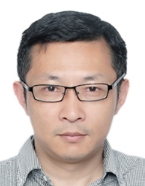 Dake Zhou (周大可)合作论文数College of Automation Engineering, Nanjing University of Aeronautics and Astronautics42
 Tao Li (李涛)合作论文数College of Automation Engineering, Nanjing University of Aeronautics and Astronautics21
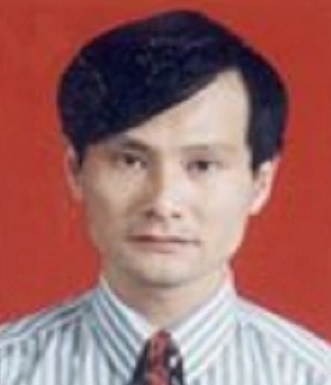 Shumin Fei (费树岷)合作论文数School of Automation, Southeast University20
 Yingqing Guo合作论文数Nanjing Univ Aeronaut & Astronaut, Coll Automat Engn, Nanjing 210016, Peoples R China9
 Zhiqiang Li (李志强)合作论文数School of Artificial Intelligence and Computer Science, Shaanxi Normal University7Hengrui Li合作论文数6
 Lijuan Chen (陈丽娟)合作论文数School of Electrical Engineering, Southeast Univetsity6Chenhuan Wu (吴臣桓)合作论文数5Tangxin Xie合作论文数5
 Jinnan Wang (王津南)合作论文数School of Environment, Nanjing University5
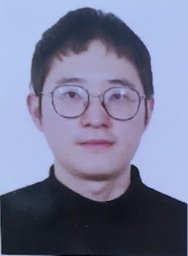 Songyan Zhu合作论文数Univ Exeter, Dept Geog, Exeter EX4 4RJ, Devon, England4
 Li Liu (刘丽)合作论文数College of Electronic Science and Technology, National University of Defense Technology4
 Ying Qian (钱鹰)合作论文数School of Chemistry and Chemical Engineering, Southeast University4Tingge Tang (唐庭阁)合作论文数4Yitian Zhu合作论文数3yanpei zhou合作论文数3
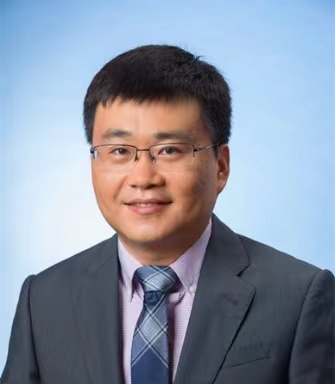 Yifan Zang (张一帆)合作论文数National Laboratory of Pattern Recognition, Institute of Automation, Chinese Academy of Sciences;University of Chinese Academy of Sciences3Si-jun XIA (夏斯军)合作论文数3Xiaochuan Li合作论文数3Dong-xue LIU (刘冬雪)合作论文数3YangMing Hu (胡阳明)合作论文数3
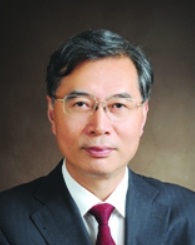 Aimin Li (李爱民)合作论文数National Engineering Research Center for Organic Pollution Control and Resource Reuse, School of the Environment, Nanjing University;Nanjing University & Yancheng Academy of Environmental Protection Technology and Engineering;Nanjing Innovation Centre for Environmental Protection3Yinji Hu (胡银记)合作论文数3Ting Wang合作论文数3You-da HUANG (黄有达)合作论文数2Bo Cai (蔡波)合作论文数2Sanyong FANG (方三勇)合作论文数2Yuanpeng CAO (曹元鹏)合作论文数2Gang LI (李刚)合作论文数2Chen Zhu (朱晨)合作论文数College of Economics and Management, Nanjing University of Aeronautics and Astronautics, 2Chao YANG (杨超)合作论文数2Nan Li (李楠)合作论文数2
 Jin Bai合作论文数Chengdu University Of Technology2
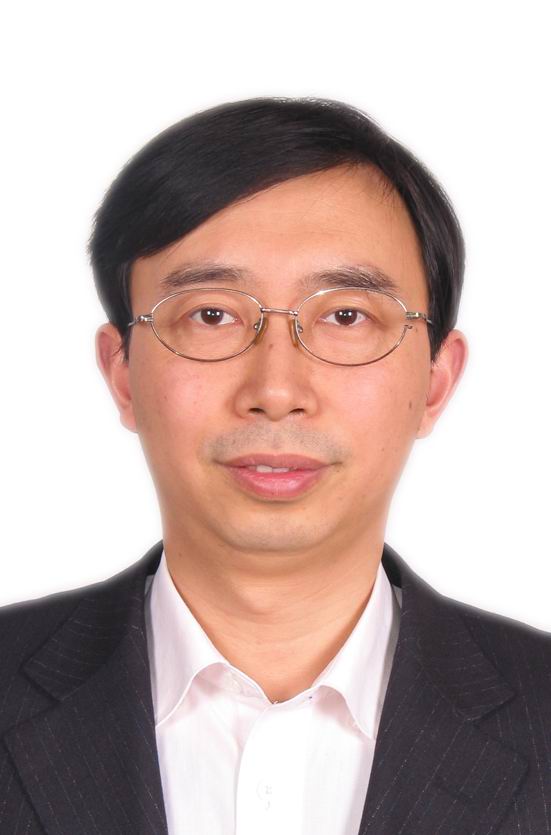 Bin Jiang (姜斌)合作论文数College of Automation Engineering, Nanjing University of Aeronautics and Astronautics2
 Ruigang Yang (杨睿刚)合作论文数Global Institute of Future Technology, Shanghai Jiao Tong University2Ziyang Wu (吴子扬)合作论文数2
 Tao Wang (汪涛)合作论文数College of Materials Science and Technology, Nanjing University of Aeronautics and Astronautics2
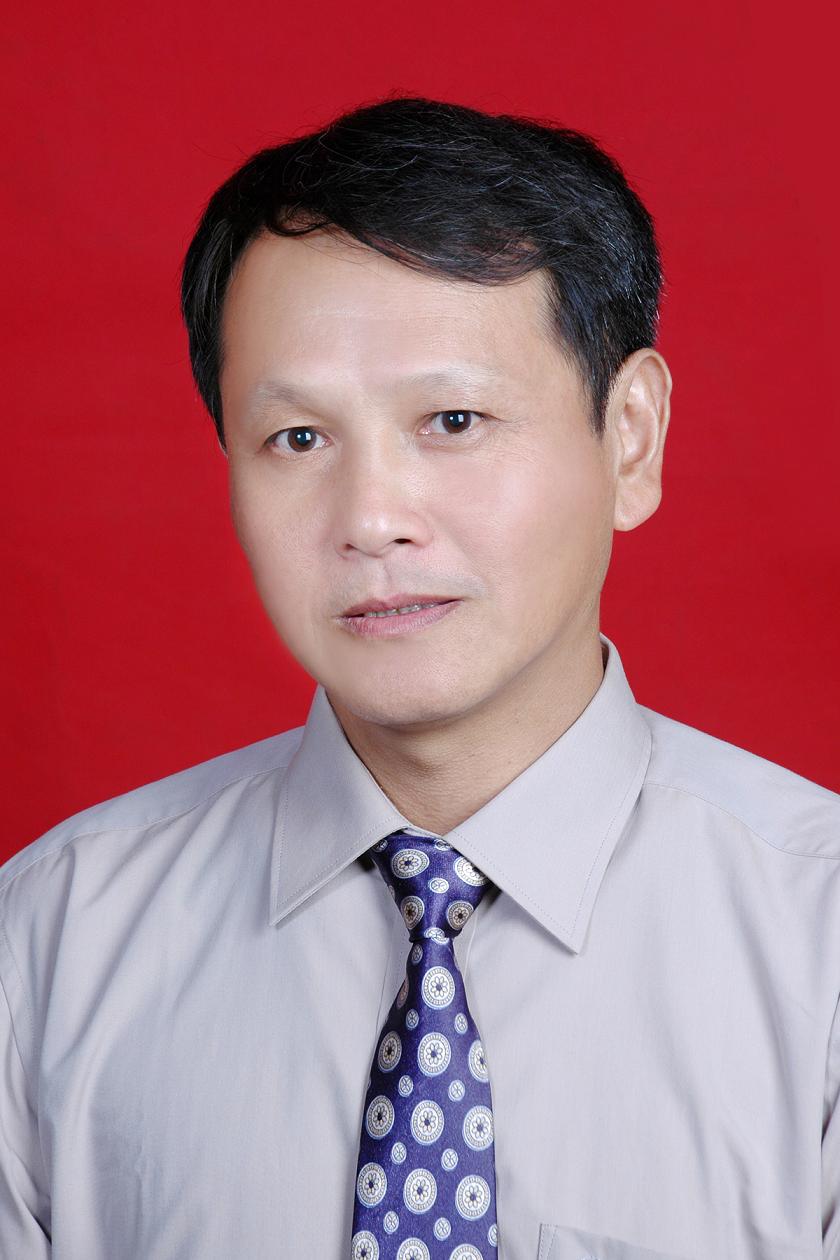 Congqing Wang (王从庆)合作论文数南京航空航天大学自动化学院2Le Lu (鹿乐)合作论文数2Zhang Chang-Shuai (张长帅)合作论文数2
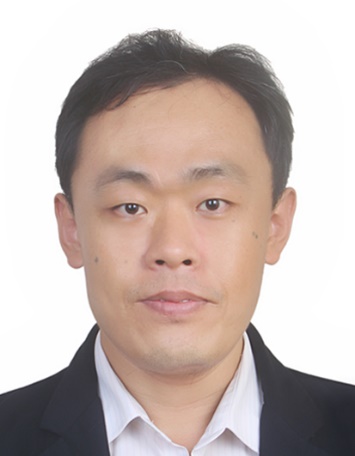 Fuqiang Liu (刘福强)合作论文数School of Environment, Nanjing University2Siyuan Xing合作论文数1
 Zeqiang Lai (赖泽强)合作论文数MMLab, Chinese University of Hong Kong1
 Yan Zhang合作论文数1Yaping Fang合作论文数1Qian Haimei合作论文数1Li Xiaocuan合作论文数1Miao Runjie合作论文数1




