Whether to omit elective nodal irradiation (ENI) in thoracic radiotherapy for limited-stage small cell lung cancer (LS-SCLC) remains controversial. The purpose of this study was to compare the efficacy and safety of ENI in high-risk lymph node regions compared to involved field radiotherapy (IFRT). We conducted a real-world retrospective study of LS-SCLC who received radical simultaneous dose-reduction radiotherapy (SDR-RT) and chemotherapy with or without immunotherapy from January 2018 to June 2023. Patients were divided into two groups based on the target volume delineation method: the ENI group and the IFRT group. Propensity score matching (PSM) was applied to balance the observable potential confounding factors between the two groups. The primary endpoints were overall survival (OS). A total of 540 eligible patients were enrolled, of whom 196 (36.3
In vivo assessment of ovarian metastasis rates and tumor burden in mice following AKT3 knockdown or overexpression.
Heat ablation techniques, such as microwave and radiofrequency ablation, are established interventions for hepatocellular carcinoma (HCC). However, incomplete ablation often leads to angiogenesis-driven metastasis and recurrence, undermining long-term treatment efficacy. The molecular mechanisms facilitating post-ablation angiogenesis remain poorly understood. In this study, we identified a marked upregulation of SERPINE1 following sublethal heat treatment, which was corroborated in both rabbit models and human HCC cell lines. Further investigation revealed that SERPINE1 promotes angiogenesis, at least in part, through vascular endothelial growth factor A (VEGFA) activation after sublethal heat exposure. We further delineated that METTL3 and IGF2BP1 regulate SERPINE1 expression via an N6-methyladenosine (m6A)-dependent pathway. The proangiogenic role of SERPINE1 was substantiated using patient-derived HCC organoids and in vivo models, where the small-molecule inhibitor PAI-039 significantly attenuated sublethal heat ablation-induced angiogenesis and tumor proliferation. Our findings illuminate the METTL3/IGF2BP1/SERPINE1/VEGFA axis as a novel therapeutic target for improving HCC heat ablation outcomes. Therapeutically, PAI-039 emerges as a potent adjunctive agent that could synergistically enhance the efficacy of thermal ablation in HCC management.
ObjectiveVasculo-Behçet’s syndrome (VBS) is a rare subtype of Behçet's syndrome (BS) characterized by vascular involvement, and its clinical profile in the pediatric population remains poorly characterized due to limited available data. This study aimed to describe the clinical characteristics, treatment strategies, and prognosis of pediatric VBS and to provide evidence for early identification and clinical management.MethodsA retrospective analysis was performed on the clinical data of 12 pediatric patients (≤18 years old) with VBS admitted to three centers from January 2013 to December 2023. Demographic data, clinical manifestations, laboratory results, treatment regimens, and follow-up outcomes were collected and analyzed.ResultsAmong the 12 patients, there were 5 boys and 7 girls, with a median age at onset of 9.5 years (range: 3–13 years). Arterial involvement was observed in 10/12 cases, mainly characterized by vascular wall thickening (6/12 cases) and luminal stenosis (5/12 cases), involving the pulmonary artery, aorta, and multiple other sites. Venous involvement was found in 5/12 cases, predominantly wall thickening with thrombosis (3/12 cases). Multisystem involvement was common, including the skin (10/12 cases), the gastrointestinal tract (9/12 cases), and the urinary system (6/12 cases). Inflammatory markers (CRP/ESR) were elevated in 11/12 cases. All patients received glucocorticoid therapy; 11/12 cases received it combined with immunosuppressants, 9/12 cases with biological agents, and 4/12 cases underwent surgical treatment. With a median follow-up of 2 years (range: 4 months–5 years), 8/12 cases achieved stable remission, 2/12 cases (both complicated by aneurysms) had multiple relapses, 1/12 case died of sudden cardiac death, and 1/12 case showed no improvement.ConclusionPediatric VBS is a rare and heterogeneous condition with frequent arterial involvement in this cohort. Vascular wall thickening may aid in the early recognition of this condition, while aneurysms may be associated with poorer outcomes.
8064 Background: For stage II-III driver-negative non–small cell lung cancer (NSCLC), neoadjuvant chemoimmunotherapy followed by surgery is standard. However, patients without pathological complete response (non-pCR) have suboptimal outcomes and heterogeneous benefit from adjuvant immunotherapy. Baseline driver-negative status may be confounded by false-negative PCR- or DNA-only testing and detecting missed drivers postoperatively could alter adjuvant strategies. This study characterized post-treatment driver alterations and its prognostic value in non-pCR NSCLC after neoadjuvant immunotherapy. Methods: The retrospective multicenter study enrolled 247 stage II-III lung adenocarcinoma (LUAD) patients initially tested as EGFR L858R/19del- and ALK-negative and treated with neoadjuvant immunotherapy (2018-2025). 76 lung squamous cell carcinoma (LUSC) cases were included for exploratory analysis. Postoperative samples underwent 35-gene synchronous DNA/RNA next-generation sequencing (DR-NGS) to identify SNV/indel and fusion events and assess prognostic associations. Results: Of 247 LUAD cases, 179 passed NGS quality control (QC). Driver alterations were identified in 104 (58.1%) patients, including 26 fusions: RETn = 9), MET ex14 skipping (n = 6), ALK(n = 4), ROS1(n = 3), NRG1(n = 2), MET fusion(n = 1), NTRK(n = 1) and 80 SNVs/indels :EGFR (n = 30), KRAS G12C/D (n = 16), HER2/3 (n = 16), BRAF (n = 2), KRAS non-G12C/D (n = 16). Notably, 10 classic EGFR mutations (19del/L858R) 、9 rare EGFR mutations and 4 ALK fusions were newly identified, indicating baseline omissions. Driver-positive tumors had significantly higher residual tumor burden(median: 51.8% vs. 35.8%, p = 0.003) and a higher proportion of females (43.3% vs 20.0%, p = 0.001). Median recurrence-free survival (mRFS) differed significantly among fusion-positive, mutation-positive, and driver-negative groups (20.9 vs 41.5 vs 60.3 months; p = 0.024). In patients receiving adjuvant immunotherapy, mRFS was 34.6 months in driver-positive and not reached in driver-negative patients. Driver detection was rare ( < 3%) in QC-failed samples (n = 68), which exhibited a higher major pathological response than QC-passed samples (58.1% vs 14.5%), indicating tumor cellularity as critical for detection. Exploratory analysis in 55 QC-passed LUSC samples showed a low driver detection rate (7.3%), suggesting limited utility in this cohort. Conclusions: DR-NGS reveals a high prevalence of drivers in non-pCR LUAD after neoadjuvant immunotherapy, with positivity associated with higher residual tumor burden. Fusion-positive patients have the poorest prognosis, identifying a subgroup that may benefit from tailored adjuvant strategies. These findings support routine postoperative molecular re-profiling in non-pCR patients to guide individualized treatment.
IntroductionAdolescents and young adults with rare diseases face a “medical cliff” when they age out of paediatric services, losing established care relationships and disease-specific expertise. Most rare diseases begin in childhood, since 69.9% of catalogued rare diseases are of exclusively paediatric onset. The problem is acute in China, where an estimated 20 million people live with a rare disease and systematic transitional care pathways remain largely absent.MethodsWe describe the development and implementation of an integrated paediatric–adult continuity of care model for rare diseases, the adult population it serves, and early operational indicators of its feasibility. This retrospective, descriptive analysis used clinical service data from the Children's Hospital of Fudan University, Shanghai, over a 38-month window (3 January 2023–25 February 2026); the model was implemented from September 2023. Its four components were expanded treatment authority with proactive management; a multidisciplinary paediatric–adult joint clinic; proactive follow-up with dynamic evaluation; and medical social work with psychosocial support. The programme admits patients aged 18–35 years.ResultsIn total, 2,341 patients aged ≥18 years generated 4,847 outpatient, emergency, and inpatient encounters (mean age at first encounter 22.7 ± 5.9 years; 51.7% female). Annual encounter volumes rose from 240 in 2023 to 1,412 in 2024 and 2,628 in 2025, with a further 567 in January and February 2026. Return attendances accounted for 4,373 encounters (90.2%), and 843 patients (36.0%) attended more than once. The leading specialities were neurology (29.1%), hepatology (12.2%), and endocrinology (8.1%); most encounters were by Shanghai residents (54.8%).DiscussionRepeat attendance measures utilisation rather than adherence, and rising volumes likely reflect progressive implementation and growing awareness rather than model effectiveness. With enabling policies, paediatric hospitals can deliver continuous care for adult rare disease patients, although these indicators describe service activity rather than clinical or patient-reported outcomes. The model is best characterised as continuity of care delivered within paediatric services rather than as a conventional transition programme, and offers a replicable blueprint for health systems lacking established adult subspeciality services; cross-provincial health insurance portability remains the single most critical barrier to nationwide scale-up.
The inhibitory effect of Uprosertib on CRC cell invasion and cytoskeletal organization.
Identification of CAF subsets and analysis of ligand-receptor interactions between CAFs and epithelial cells.
Correlation analysis of AKT3 with key ECM/receptor genes in TCGA and validation of ITGB1 downregulation upon AKT3 knockdown.
Accurate assessment of visceral pleural invasion is essential for staging and prognostication in non-small cell lung cancer, yet distinguishing elastin-rich pleural layers on routine hematoxylin and eosin (H&E) sections remains a diagnostic challenge. To overcome the cost and workflow delays associated with special elastic stains, we developed a deep-learning pipeline that generates a virtual elastin stain, termed synthetic eosin-based elastin fluorescence, directly from standard brightfield H&E slides. A key innovation of this study was the use of intrinsic eosin fluorescence from the same H&E section to create a perfectly coregistered, high-fidelity ground truth for training a conditional generative adversarial network, eliminating the spatial mismatches common in multislide approaches. In a multi-institutional validation, supplementing H&E review with synthetic eosin-based elastin fluorescence significantly improved pathologists' diagnostic accuracy for visceral pleural invasion compared with H&E alone (P < .0001). Notably, the preanalytical factors that optimized model performance, including thinner tissue sections (1-3 μm) and high-resolution scanning, also enhanced the perceptual contrast of elastin for pathologists, demonstrating a strong synergy between computational and conventional diagnostic optimization. This study establishes and validates a robust framework for high-fidelity virtual staining that improves diagnostic accuracy and provides a scalable pathway for integrating deep learning-based tools into routine digital pathology. The proposed approach offers a practical and cost-effective alternative to ancillary special stains in non-small cell lung cancer evaluation.
scRNA-seq quality control metrics and cell type distribution in colorectal ovarian metastasis (CROM) samples.
Rationale: Accurate histologic grading of lung adenocarcinoma is essential for guiding clinical management. Conventional hematoxylin and eosin (H&E) staining provides morphological information but lacks biochemical specificity, limiting quantitative analysis of tissue subtypes within the heterogeneous lung cancer microenvironments. Methods: We developed DeepLuAd, an AI-powered platform integrating label-free stimulated Raman scattering (SRS) microscopy with semantic-guided deep learning. The platform enables automated tumor grading, segmentation, cellular-level morpho-chemical quantification, and unsupervised virtual H&E staining. Results: DeepLuAd achieved a mean intersection-over-union (mIoU) of 80.43% across major lung tissue subtypes and reached a grading concordance rate of 76.2% with pathologist diagnoses (16/21 cases). The approach also enabled quantitative mapping of lipid-to-protein ratio heterogeneity within tumor and stromal compartments, revealing biochemical signatures of disease progression. Conclusions: DeepLuAd provides an interpretable and scalable framework for digital lung adenocarcinoma analysis, unifying morphological and biochemical information without the need for staining. The method demonstrates potential for broader application to other solid tumors in AI-enhanced histopathology.
BACKGROUND:Murray-law based quantitative flow ratio (μFR) enables rapid fractional flow reserve (FFR) computation from invasive coronary angiography (ICA) using a single projection, but the influence of plaque eccentricity on its diagnostic accuracy remains unclear. AIMS:To investigate whether eccentric plaque impacts the diagnostic accuracy of single-view μFR. METHODS:We performed a blinded analysis of the prospective CAREER trial database, enrolling patients with 30%-90% diameter stenosis on coronary computed tomography angiography (CCTA) who underwent μFR and FFR assessments within 30 days. ICA were acquired using standardized, protocol-specified projections. CCTA images were analyzed using dedicated software and co-registered with ICA. For each μFR-identified lesion, plaque eccentricity index (PEI) and lumen asymmetry index (LAI) were computed across all cross-sections and averaged to yield PEI and LAI per-vessel. Vessels were classified as having eccentric/concentric plaques using median PEI, and subclassified as having asymmetric/symmetric lumens using median LAI. RESULTS:Among 231 vessels (201 patients), median μFR and FFR were 0.84 and 0.83, respectively. PEI and LAI moderately correlated (ρ = 0.46, p < 0.001). Limits of agreement between μFR and FFR were wider in eccentric versus concentric plaques (standard deviation 0.08 vs. 0.06; p = 0.003), mainly driven by presence of asymmetric lumens (standard deviation 0.09 vs. 0.06 in symmetric lumens; p = 0.029). μFR had comparable AUC for predicting FFR ≤ 0.80 between concentric plaques and eccentric plaques with symmetric lumens (0.94 vs. 0.95; p = 0.909). CONCLUSIONS:The diagnostic accuracy of single-view μFR, derived from standardized angiographic projections, was moderately affected by eccentric plaques, with the effect primarily attributable to asymmetric lumens.
OBJECTIVE:To identify the optimal super-resolution (SR) architecture for radiomics by comparing three models (Residual Channel Attention Network (RCAN), Real-Enhanced Super-Resolution Generative Adversarial Network (Real-ESRGAN), and Hybrid Attention Transformer (HAT)) in predicting lung adenocarcinoma (LUAD) invasiveness while systematically evaluating feature stability and clinical reliability. METHODS:We retrospectively enrolled 373 LUAD patients across two centers (Approval: Huadong Hospital No. 20230051; Nantong Third People's Hospital No. EL2025021). Three SR models were fine-tuned on an in-house dataset (81,545 images) to generate SR images from original-resolution (OR) scans. We extracted 107 radiomic features and assessed fidelity across feature categories using the Clinical Concordance Coefficient (CCC) and Radiomic Feature Distance (RFD). Diagnostic performance across five machine learning classifiers was analyzed, with clinical reliability quantified by Brier scores. The best signature was validated against a clinical-only model. RESULTS:Despite high perceptual quality, Real-ESRGAN exhibited catastrophic feature distortion (RFD > 300,000). RCAN achieved optimal stability, especially in first-order and texture categories (highest CCC: 0.779; lowest RFD: 9.02). RCAN achieved the highest diagnostic performance and stability (Mean AUC: 0.911 ± 0.008), significantly outperforming the OR baseline (0.875 ± 0.022; P = 0.043) with superior calibration (Brier score: 0.1766). Conversely, neither HAT (P = 0.628) nor Real-ESRGAN (P = 0.923) showed significant diagnostic improvement. Furthermore, the RCAN model significantly outperformed the clinical-only baseline (AUC: 0.924 vs. 0.837, P = 0.006). CONCLUSION:The CNN-based RCAN outperforms generative and transformer architectures for quantitative radiomics. By prioritizing mathematical fidelity over perceptual realism, RCAN preserves signal integrity to ensure accurate and reliable LUAD risk stratification.
Achieving clinical level performance and widespread deployment for generating radiology impressions encounters a giant challenge for conventional artificial intelligence models tailored to specific diseases and organs. Concurrent with the increasing accessibility of radiology reports and advancements in modern general AI techniques, the emergence and potential of deployable radiology AI exploration have been bolstered. Here, we present ChatRadio-Valuer, the first general radiology diagnosis large language model for localized deployment within hospitals and being close to clinical use for multi-institution and multi-system diseases. ChatRadio-Valuer achieved 15 state-of-the-art results across five human systems and six institutions in clinical-level events (n=332,673) through rigorous and full-spectrum assessment, including engineering metrics, clinical validation, and efficiency evaluation. Notably, it exceeded OpenAI's GPT-3.5 and GPT-4 models, achieving superior performance in comprehensive disease diagnosis compared to the average level of radiology experts. Besides, ChatRadio-Valuer supports zero-shot transfer learning, greatly boosting its effectiveness as a radiology assistant, while ensuring adherence to privacy standards and being readily utilized for large-scale patient populations. Our expeditions suggest the development of localized LLMs would become an imperative avenue in hospital applications.
 Cheng Zhan合作论文数62
 Qun Wang (王群)合作论文数Department of Thoracic Surgery, Zhongshan Hospital, Fudan University62
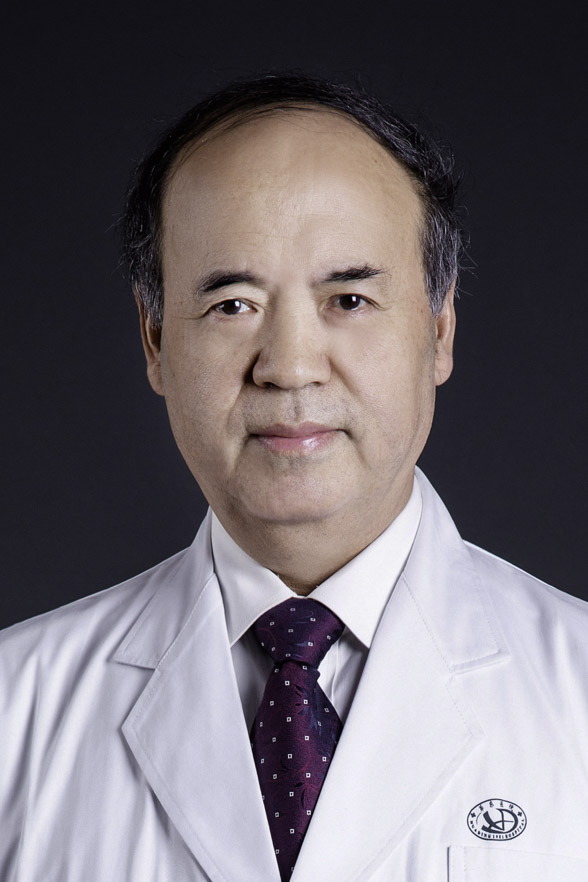 Yanqing Hua (滑炎卿)合作论文数Huadong Hospital Affiliated to Fudan University49
 Yingli Sun合作论文数48
 Zhencong Chen合作论文数Zhongshan Hosp, Fudan Univ37
 Mengnan Zhao合作论文数36Yiwei Huang合作论文数36Jiaqi Liang合作论文数34Guoshu Bi合作论文数26Lu Tao合作论文数25
 Wentao Yang (杨文涛)合作论文数 Department ofRadiology, The Affiliated Cancer Hospital of Fudan University, Department of Oncology, Shanghai MedicalCollege, Fudan University25
 Mingxiang Feng (冯明祥)合作论文数Department of Thoracic Surgery, Zhongshan Hospital, Fudan University25Ding-biao MAO (毛定飚)合作论文数24Zhengyang Hu合作论文数23Yunyi Bian合作论文数20Lin Qi (齐琳)合作论文数20Qihai Sui合作论文数19Feng Gao (高丰)合作论文数19Xiaodong Yang合作论文数18Xiangpeng Zheng合作论文数18Yuansheng Zheng合作论文数17Jing Jin (金倞)合作论文数16
 Hong Lv (吕红)合作论文数Shanghai Engineering Research Center of ndustrial Microorganisms, School of Life Sciences, Fudan University16Shuling Zhou合作论文数Fudan Univ, Shanghai Canc Ctr, Shanghai, Peoples R China15XiaoJun Ge (葛虓俊)合作论文数15LiJie Tan (谭黎杰)合作论文数15
 Junjie Xi (奚俊杰)合作论文数15Wufei Chen合作论文数14
 Wei Zhao合作论文数14
 Guozhen Zhang (张国桢)合作论文数Huadong Hospital Affiliated to Fudan University14Zhuangxuan Ma合作论文数13
 Guangyao Shan合作论文数13Qingguo Ren合作论文数13Wei Jiang (蒋炜)合作论文数复旦大学13Zongwu Lin合作论文数13Li Xiao合作论文数13
 Li Cheng合作论文数Department of Electrical and Computer Engineering, Faculty of Engineering, University of Alberta13Cheng Li (李骋)合作论文数12
 Tian Jiang合作论文数12
 Lin Miao (缪林)合作论文数The Second Clinical School of Nanjing Medical University11Jinjuan Lu合作论文数11mingyu tan (谭明瑜)合作论文数11
 Xinyu Yang合作论文数11Shui Ruohong合作论文数11Jiacheng Yin合作论文数10Xing Jin合作论文数10
 Jiancheng Yang (杨健程)合作论文数Computer Vision Laboratory, École polytechnique fédérale de Lausanne10




