Our study explores the effects of bubble-bubble interactions on plane sound wave propagation through spatially inhomogeneous and polydisperse bubbly liquids by extending the idea of bubble screen model (Pham et al., 2021). We introduce a decoupling approach to obtain the acoustic response of a bubble cloud, considering multiple interactions among bubbles. This approach consists of two key steps: firstly, the transformation of the randomly distributed bubble cloud into an organized system, and secondly, the decomposition of the interaction problem within the restructured system. Two distinct interaction mechanisms are identified, namely the intra-layer interactions and inter-layer interactions, corresponding to synchronous and asynchronous collective oscillations respectively. Based on the decoupling approach, we develop a modified effective medium model (MEMM) that demonstrates the different roles played by these interaction mechanisms and enables efficient predictions of acoustic propagation through bubble clouds with random spatial and size distributions. Using two-way coupled Eulerian-Lagrangian simulations, we validate the accuracy of this interaction decoupling for ordered bubble arrays, covering both linear and nonlinear regimes of bubble oscillations. Through discussions on spatial disorder and polydispersity, the applicability of this model is extended to more generalized bubble clouds with nonuniform distributions.
Tip-leakage flows play a crucial role in determining the hydraulic efficiency and cavitation characteristics of seawater exchange pumps used in deep-sea aquaculture. In this study, the influence of surface roughness on tip-leakage flow structures and cavitation inception over a NACA0009 hydrofoil is investigated at a fixed tip clearance of tau = 0.2 using a DES model coupled with a roughness model. Numerical simulations show that tip-leakage cavitation appears in three forms: suction-side (SS) sheet, tip-leakage vortex (TLV), and tip-separation vortex (TSV). Introducing only a 10 mu m surface roughness reduces their inception numbers by 29 %, 25%, and 10 %, respectively. Surface roughness reduces the hydrofoil lift and weakens the tip-leakage flow, thereby increasing the vortex-core pressure. It also promotes upstream-momentum transport into a broader tip region, which further weakens the primary vortex and elevates the vortex-core pressure. In the early stage, the TLV core shows a jet-like axial velocity exceeding the incoming flow, which is attenuated by roughness. As the TLV enters the near-wake region, its structure transitions to a wake-like state with a lower velocity, and the core axial velocity increases with rising roughness. Future studies should address the associated loss of hydrodynamic performance by applying roughness selectively in critical regions.
The prevailing view that pits are more susceptible to cavitation nucleation than pillars has spurred extensive research on pit scenarios; however, competition among bulk, pit surface, or pillar surface nucleation under a broader range of wettability has received limited attention. Therefore, nanoscopic molecular dynamics simulations (MD) and classical nucleation theory (CNT) are employed to elucidate the competitive nucleation diagram across the three nucleation pathways. Results reveal that bulk nucleation can still out-compete surface nucleation provided the entire rough wall exhibits extreme super-wettability; however, achieving this wetting state is highly demanding. In contrast, pit-embedded surface nucleation dominates when the rough wall features uniformly weak wettability. The Blake threshold constitutes the metastable equilibrium of vapor bubbles confined within pits. Weakly wettable pillars on strongly hydrophilic substrates prevail in the competitive cavitation nucleation; however, they exert an insignificant influence when the substrate is also weakly hydrophilic, thereby allowing pit-embedded surface nucleation to dominate. The nucleation mode phase diagram establishes a universal framework for predicting the cavitation nucleation across a tailored wettability regime, offering fundamental significance to nucleation research.
Bubbly flow underpins many engineering processes by providing vast interfacial area for mass and heat exchange. This work presents a comprehensive investigation of microbubble generation, transport, and breakup within a self-suction Venturi channel employing experiments and numerical simulation. By systematically varying liquid Reynolds number and air-sucking orifice diameters, we observed a sequence of distinct flow regimes: from laminar annular flow and interfacial instabilities through shear-driven bubble entrainment to bubbly flow with cavitation-bubble shedding. Statistical analysis reveals that bubble size distributions collapse onto log-normal profiles, indicating a cascade of multiplicative breakup events, and that mean bubble diameter scales linearly with the maximum stable diameter across all geometries, demonstrating the universality of turbulent fragmentation dynamics. As flow strength increases, the mean bubble diameter decreases sharply before leveling off under small-scale turbulence, while the maximum bubble size continues to diminish steadily. Accordingly, the scaling laws between the average/maximum sizes of the bubble population and the liquid Reynolds number have been revealed. These findings reveal that microbubble dynamics in Venturi flows arise from a confluence of mechanisms-classical inertial-capillary breakup at the Hinze scale, shear-off near walls, anisotropic dissipation, and extended residence in recirculation zones. This comprehensive picture advances our ability to predict microbubble characteristics for optimized mass transfer and mixing in industrial applications.
The droplet impact process has attracted much attention not only because of its practical applications in heat and mass transfer but also due to its scientific significance as a fundamental phenomenon of fluid mechanics. This study examines how the impact of a pure water droplet onto a completely miscible bicomponent (water & ethanol) liquid pool deviates from classical single-fluid impact behavior. The transient concentration gradients at the droplet-pool interface generate solutal Marangoni flows, fundamentally altering cavity formation, bubble entrainment, jet dynamics, and fluid mixing. We revealed that, cavity evolution follows a two-stage scaling from inertia-dominated to viscous-controlled expansion, similar to homogeneous impact, while retraction obeys distinct capillary time-based scaling laws. Increasing the ethanol volume fraction reduces the pool's surface tension, slows cavity rebound, and delays the capillary wave motion, shifting and shrinking the bubble-entrainment regime in the (We, Fr) phase space. Analytical models incorporating density and surface-tension ratios capture these threshold shifts, while deviations at low inertia are attributed to Marangoni-driven delays in cavity collapse. Jet behavior transitions from thin, high-speed singular jets driven by capillary focusing to broader, slower gravity-driven cavity jets as ethanol content increases, with the singular-jet regime narrowing and disappearing entirely in pure ethanol pools. Further, a scaling law for the size of ejected jet drops is revealed by constructing the effective Weber number based on the surface tension of the bicomponent liquid. These findings provide a unified physical framework for predicting and controlling droplet-impact outcomes in miscible multi-component systems, offering strategies to suppress Worthington jets and minimize secondary aerosol generation in applications such as solvent extraction, pharmaceutical spray coating, and spray cooling.
Direct numerical simulations of turbulence in a flexible pipe with imposed standing-wave vibration are performed to reveal the flow dynamics inside an oscillating pipe. We choose the parameters of standing-wave vibration with small amplitude as the most unstable mode in flow-induced free vibration. The flow is driven under the condition of constant mass flow rate, with the bulk Reynolds number, based on the bulk velocity and pipe diameter, being ${\textit{Re}}_b$ = 5300. In response to the imposed vibration, the evolution of the flow inside manifests obvious space-time-dependent characteristics. Specifically, the streamwise velocity fluctuation is enhanced downstream of the crest - the convex region on the internal pipe wall - an event often accompanied by localised flow separation. Meanwhile, the two other components of velocity fluctuation are augmented downstream of the trough - the concave region of the wall's sinusoidal undulation. This is attributed to the wall deformation, which forces a redistribution of turbulent kinetic energy among the components. The latter process gives rise to a high-level fluctuation of wall shear stresses, leading to the intermittent variation of the drag force in that region. In addition, secondary flow emerges in the form of a typical counter-rotating vortex pair due to the bending of pipe, with the vortex cores located near the wall. The temporal variation of the magnitude of secondary flow lags slightly behind the pipe vibration and its maximum occurs closer to the node where the pipe displacement is consistently zero. Moreover, the secondary flow intensity increases with the increasing of steepness and a slight drag reduction can be achieved with relatively low-wavenumber vibration.
The measurement of schlieren phenomena in liquids has historically been challenging due to strong light refraction effects. This paper presents a novel schlieren technique inspired by side-lighting photography. Derived from the shadowgraph method, the new technique utilizes a gradient background light field. Its setup is notably simpler and more cost-effective than conventional schlieren systems. It provides high-resolution, real-time imaging with an adjustable measurement range, offering a versatile platform for scientific investigation. Calibration and validation experiments confirmed the method's inherently low sensitivity, making it particularly suitable for liquid measurements and enabling quantitative analysis. The technique was successfully applied to observe underwater ethanol vortex rings. The resulting images effectively reveal fine structural details and support quantitative evaluation.
Understanding and identifying detachment mechanisms of unsteady partial cavitation, successively governed by re-entrant jets and condensation fronts (also referred to as bubbly shocks or condensation shocks), is essential for effective control and utilization of cavitating flows. In this study, a machine learning-based framework is proposed to identify the development stages of partial cavitation in an axisymmetric Venturi by integrating dimensionality reduction with unsupervised clustering, without requiring prior labeling or empirical assumptions. High-speed imaging snapshots of cavitating flow field at sigma = 0.56 were analyzed using spectral proper orthogonal decomposition combined with t-distributed stochastic neighbor embedding. This approach reduced the flow field dimensionality from 104 320 to 3 while preserving dominant spatiotemporal features of cavitation evolution. Subsequently, three unsupervised clustering algorithms, density peaks clustering (DPC), K-means (KM), and mean shift (MS), were independently applied to identify distinct cavitation development stages. Among them, the DPC demonstrated superior performance, successfully identifying six cavitation stages: cavitation inception, sheet cavity growth, re-entrant jet development, local sheet cavity shedding, cloud collapse accompanied by condensation front propagation, and rapid retraction of residual cavity. In contrast, both the KM and MS failed to clearly distinguish between the first and sixth stages, and the KM also shows ambiguity in differentiating the fourth and sixth stages. The robustness of DPC was further validated at sigma = 0.49 and 0.60, where it accurately captured key characteristics of the propagation of condensation front and its arrival at the throat. Overall, this study presents a robust, data-driven methodology for automated cavitation-stage identification, offering new insights into the dynamics of complex cavitating flows.
Sound source localization (SSL) in confined underwater environments is hindered by wall-induced reverberation, a challenge further exacerbated in multi-source scenarios where coherent interference and modal coupling degrade localization cues. This study proposes a novel SSL method based on the Deep Operator Network (DeepONet) architecture, tailored for two-dimensional confined domains. The method enables high-precision and high-resolution source localization without requiring prior knowledge of the number of sources. A training dataset is generated through theoretical acoustic calculations with particular emphasis on the low-to-mid frequency range. Virtual wall-mounted hydrophones are utilized to reconstruct the spatial probability field of sound sources. A dedicated refinement module is subsequently incorporated to accurately determine the source positions. The results demonstrate that DeepONet, when trained via transfer learning on datasets containing varying numbers of sound sources, exhibits robust predictive performance even in scenarios involving an unknown number of sources. Furthermore, the system is designed to evaluate the localization accuracy and spatial resolution under different acoustic wavelength conditions. Various configurations are established, including domains of different dimensions and relative source areas. The proposed method offers a promising solution for practical engineering applications where conventional SSL techniques encounter limitations.
Understanding the shedding mechanism of partial cavitation is of importance for suppression or utilization of cavitation. To explore the condensation front mechanism of partial cavitation, flows in a three-dimensional axisymmetric Venturi are investigated by combining incompressible numerical simulation and a high-speed photography experiment at a cavitation number of 0.37 and a Reynolds number of 8.94 & times; 104. Based on the volume of fluid (VOF) multiphase flow model, the large eddy simulation (LES) method, and Sauer-Schnerr cavitation model are used to predict the generation and propagation process of the condensation front in the cavitating flow. The instantaneous flow topology and flow field, temporal evolution of cavity shedding, condensation front characteristics, and interaction between cavitation and vortex are expatiated. It is clearly shown that a condensation front is induced by the collapse of the cavitation cloud at the Venturi downstream and propagates inside the sheet cavity until triggering the "pinch off" of the cavity. Different from the cavitating flow on wedges or hydrofoils, a portion of vapor at the sheet cavity aft shows a negative axial velocity during the shedding process before the sheet cavity is influenced by the condensation front. This may be because of the strong squeezing effect resulting from the high-pressure downstream in the confined space of the Venturi. The condensation front satisfies the one-dimensional Rankine-Hugoniot jump condition most of the time (except for the initial propagation process) and exhibits supersonic characteristics. The predicted condensation front characteristics, such as propagation velocity and pressure rise, are identical to those found in previous studies. The supersonic regions exist on the condensation front and sheet cavity surface and in the vortices. The good agreement of the incompressible simulation results with the experimental results and the minor difference between the results of incompressible and compressible solvers prove that the condensation front is fundamentally different from traditional shock waves in aerodynamics. The density change resulting from evaporation and condensation of cavitation plays an important role in the formation and propagation of the condensation front, instead of compressibility. The findings of this work may provide a new understanding of the shedding mechanism of partial cavitation.
A simplified scenario of the annular purging jet issuing from the moving wafer stage in the lithography machine is established to study the interactions between the jet and the ambient fluid. Numerical simulations in the reference frame associated with the moving stage are carried out to delineate the dynamics of the purging jet under different ratios of the jet velocity to the moving velocity. As the velocity ratio increases, different flow patterns depict that the flow evolves from laminar to turbulent and from crossflow-dominated to purging-dominated. The behaviors of the leading-edge shear layer, i.e., breakthrough by the crossflow or impingement to the upper wall, are found to determine the flow pattern and influence the entrainment process. The shear layer dynamics are investigated by analogy to a counter-current mixing layer. The mixing layer ratio of the annular purging jet is obtained, suggesting the transition from absolute to convective instability. The infiltration flux into the inner region of the annular purging jet is evaluated, indicating the dominance of the leakage near the upper wall. The performance of the annular purging jet is assessed in terms of the effectiveness, the fraction of the infiltration flux prevented compared with the unshielded condition and is related to the flow unsteadiness. As the velocity ratio increases, the shielding effect is enhanced and the effectiveness of the annular air curtain increases monotonically with decreasing growth rate.
The formation and unexpected longevity of bulk nanobubbles remain a fundamental puzzle in gas-liquid systems. Herein, we exploit molecular dynamics simulations, experiments, and theoretical modeling to elucidate the mechanism of nanobubble nucleation and stabilization under cyclic pressure oscillations. Both simulations and experiments reveal that alternating compression-rarefaction drives the aggregation of dissolved gas into stable bulk nanobubbles even in gas-undersaturated solutions. The process is thermodynamically favored by a negative variation in the partial molar Gibbs energy of gas, sustained through a hysteresis loop during the cyclic oscillation. Successive oscillations substantially reshape the interfacial structure; namely, water molecules accumulate at the gas-liquid interface while their order of dipole orientation diminishes, leading to a conspicuous reduction in interfacial tension. This interfacial reshaping, accompanied by a decrease in gas diffusivity, results in an exponential decline in the gas transport rate, thereby enhancing the diffusion stability. Incorporating these effects into a modified Epstein-Plesset theory predicts that bulk nanobubble lifespan can increase by up to three orders of magnitude, irrespective of collective stabilization from clusters. Our results elaborate that bulk nanobubble stability arises from the coupling modulation of interfacial energy and molecular transport within the framework of thermodynamics. This unified thermodynamic-kinetic mechanism reconciles long-standing discrepancies between experimental longevity and classical theory, providing a fundamental insight into nanobubble stability and offering new strategies for controlling interfacial gas dynamics in diverse chemical, biological and energy systems.
Laser-induced cavitation in liquids originates from optical breakdown processes that depend sensitively on both laser–plasma dynamics and the chemical microenvironment of the solvent. Herein, we experimentally decouple the effects of ionic strength and ion specificity on cavitation inception in aqueous electrolytes spanning neutral, acidic, and alkaline regimes. Using focused nanosecond laser pulses, we show that increasing ionic strength universally lowers the cavitation threshold by enhancing charge screening and seed-electron availability. However, under constant ionic strength, strongly asymmetric behavior emerges: acidic (hydrogen chloride) solutions inhibit cavitation, whereas alkaline (sodium hydroxide) solutions enhance it. This asymmetry arises from hydrated-electron kinetics that depends on the ion specificity. In acidic solutions, hydronium ions act as diffusion-limited scavengers of hydrated electrons, quenching their lifetime and inhibiting avalanche ionization. In contrast, hydroxide ions reduce hydronium availability and extend electron survival, promoting more efficient plasma formation. Notably, the electrical conductivity remains nearly constant despite large variations in breakdown thresholds, underscoring that microscopic electron chemistry, rather than macroscopic charge transport, governs cavitation onset. These results establish a mechanistic connection between electrolyte chemistry and optical breakdown, showing that ion-specific reaction dynamics fundamentally controls laser-induced cavitation in aqueous environments.
Data assimilation (DA) integrating limited experimental data and computational fluid dynamics is applied to improve the prediction accuracy of flow behavior in a large-scale steam generator (SG) system. The ensemble Kalman filter (EnKF) is used as the DA technique, and the Reynolds-averaged Navier–Stokes (RANS) modeling serves as the prediction framework. Two configurations—wet stator motor pump and canned motor pump—are tested at three different flow rates. The model constants, derived from the EnKF-based DA approach in our previous work, [Li et al., Ann. Nucl. Energy (unpublished) (2024)] are employed for verification. The DA model shows remarkable improvements and better predictions in jet penetration and flow separation than the default model. Results demonstrate that the optimized constants are transferable across different flow rates and configurations. For both reactor coolant pumps (RCPs), the DA-optimized model consistently reproduced the jet array, turbulent separation bubble size, and the inlet and outlet profiles of the RCPs in agreement with experimental data. These improvements arise from the collapse of the velocity distribution and pressure loss at varying flow rates, indicating a transition of flow in the outlet chamber and sudden expansion region into the second self-modeling zone. These improvements highlight the potential of EnKF-based DA for enhancing flow predictions in various SG system configurations, paving the way for more reliable applications in engineering design and operation.
Understanding the bubbly shock mechanism in partially cavitating flows is vital for both controlling and harnessing cavitation. Venturis, due to their geometric confinement, provide an ideal platform for investigating this phenomenon. This study introduces an automatic identification method for cavitation stages in an axisymmetric Venturi dominated by bubbly shock, combining unsupervised clustering with supervised classification algorithms, requiring no prior knowledge. Using principal component analysis on high-speed photography data at sigma = 0.30, three distinct cavitation stages are identified through a density peaks clustering algorithm combined with three representative classifiers: support vector machine (SVM), random forest (RF), and K-nearest neighbor (KNN). Stage I begins with the initial growth of the sheet cavity and ends when pressure waves first impact it, while stage II starts upon this first impact and ends when the sheet cavity first detaches. Stage III follows stage II. To ensure classification accuracy, two additional features, i.e., the difference and slope of the average gray value over a short interval, are introduced. The classification accuracies for SVM, RF, and KNN at sigma = 0.30 are 99.3%, 98.8%, and 98.7%, respectively. In addition, SVM demonstrates superior generalization when tested at sigma = 0.27 and 0.37, whereas RF and KNN show relatively weaker adaptability. This study presents a robust, data-driven approach for automated cavitation stage identification and offers valuable insight for analyzing and predicting complex cavitating flow structures.
In this work, we present a unified experimental and simulation investigation of cavitation in aqueous electrolyte solutions, combining nanosecond laser-induced optical breakdown and all-atom molecular dynamics (MD) simulations under tensile stress. Across both cavitation scenarios, we find that cavitation inception and intensity (bubble nucleation count, cavitation-zone length, vapor-volume fraction) are governed by ionic strength alone, with negligible dependence on the ion species. In laser experiments, increasing ionic strength lowers the breakdown threshold and amplifies bubble generation by supplying extra seed electrons for inverse Bremsstrahlung-driven avalanche ionization. We elucidate the mechanism of action of the ionic strength through the MD simulations, which essentially quantifies the net charge density in the bulk, and thus its combined influence on the generation of seed electrons and the perturbation of the hydration network. These findings identify ionic strength serving as a unifying parameter controlling cavitation in electrolyte solutions: whether driven by rapid energy deposition or by tensile stress imposed.
The precision in predicting cavitation noise critically depends on the accuracy of flow field simulations. In the present work, we employ the improved delayed detached eddy simulation (IDDES), coupled with Spalart-Allmaras (SA) turbulence model and Schnerr-Sauer cavitation model, to simulate the cavitating flow around a three-dimension twisted hydrofoil. The accuracy of simulation is accessed by examining the power spectral density of pressure fluctuations and the percentage of resolved turbulent kinetic energy. The simulated cavitation behavior is compared with experimental observation in terms of shedding patterns and frequencies. The cavitation-radiated noise, computed via the porous Ffowcs-Williams and Hawkings (PFWH) method, is subsequently calculated. Strategies for setting different integral surfaces are discussed. An analysis of sound pressure and cavity evolution patterns for a typical cycle elucidates the correlation between the dynamic characteristics of the cavity and the noise properties. The simulation addresses the lack of experimental data, which poses challenges due to the need for numerous hydrophones and the elimination of tunnel wall effects. The combination of the PFWH source surface and the original FW-H source surface facilitates the investigation of various noise sources. The results indicate that the pseudo-thickness term approximates a monopole noise associated with cavity volume acceleration, the loading term resembles a dipole, and the quadrupole term can be obtained by subtracting from the total sound pressure. The sound pressure levels at the monitoring points reveal that the monopole term predominates, followed by the quadrupole term, with the dipole term registering the lowest values.
The characterization of bubble size distribution (BSD) in the cloud cavitation region, which is critical for assessing cavitation erosion and noise, is currently inadequately captured by prevailing measurement techniques and numerical simulations. The population balanced equation (PBE) offers an effective framework for describing BSD, however, at a high computational cost. This study establishes an efficient approach to solve temporally averaged PBE using a physics-informed neural network (PINN) to determine the BSD in the cloud cavitation around a hydrofoil. By decomposing the PBE into two sub-equations for the number density n and the probability density function f, the multiscale complexity inherent in the PBE is effectively reduced. Two corresponding individual PINN networks, PINN-n and PINN-f, are created accordingly and trained to seek the solutions to the two sub-equations. Numerical simulations using large eddy simulation furnish the background flow field for the PBE, and experimental data at pointwise positions offer the boundary conditions of BSD. The reconstruction of void fraction from the solutions of number density and probability density function demonstrates that the PINN method is capable of solving the PBE with reasonable accuracy. A continuous mapping of BSD without requiring a prescribed distribution function can be acquired at any spatial location. The proposed method provides an efficient framework for predicting the BSD throughout the domain from sparse pointwise BSD information.
In this work, the entrainment characteristics of two different non-circular orifice impinging jets, i.e., elliptical and square orifices, are studied against the circular one. These three orifice jets at the same impinging-distance-to-diameter H/De = 3.0 and the Reynolds number (Re) at 1.6 × 10³ were measured by time-resolved tomographic particle image velocimetry. The macroscopic flow structures and local characteristics are discussed in terms of Eulerian and Lagrangian perspectives, respectively. For both the streamwise velocity and the finite-time Lyapunov exponent (FTLE) field, the power spectral density exhibits a significant Strouhal number component St = 0.53 in all three jets, whereas the square orifice jet shows multiple frequency peaks. Observing the large-scale vortical structures of the instantaneous flow field indicates that the up-warping part of the elliptical and square vortex rings as well as the square vortex pairing and merging behavior will substantially enhance the local entrainment. As for the FTLE field, both non-circular orifice impinging jets tend to form the wider entrainment channel as well as more prominent shear along the local turbulent/non-turbulent interface. The entrainment statistics based on the enstrophy supports the above findings. As the fluid flows from the orifice, the entrainment rate of the elliptical orifice jet in the development region first grows slower but overtakes the circular one after H/De > 1.5; the square jet has the lowest entrainment and growth rate upstream, while the largest entrainment growth rate is reached at H/De > 1.5, where the large-scale structures are formed. Near the impingement region, the elliptical orifice jet has the largest entrainment rate and then the square orifice.
Cloud cavitation that forms around a two-dimensional hydrofoil may exhibit three-dimensional characteristics. This study investigates the spanwise variations of cloud-cavitating flows through comprehensive analyses of both numerical results and experimental snapshots. Experiments were conducted in the cavitation tunnel, utilizing high-speed cameras to record the evolution of cavitation, while the cavitating flow of the same configuration was simulated using detached eddy simulation (DES). The three-dimensional shedding phenomena of cloud cavitation, characterized by spanwise variations, are observed in both numerical and experimental results, impacting on the oscillation of hydrodynamic forces. According to the investigation on the spatial-temporal evolution of flow field, two distinct patterns in terms of spanwise shedding of cloud cavitation, namely complete and incomplete shedding, are identified.
 Hua Liu (刘桦)合作论文数School of Naval Architecture, Ocean & Civil Engineering, Shanghai Jiao Tong University;State Key Laboratory of Ocean Engineering, Shanghai Jiao Tong University64
 Yunqiao Liu (刘筠乔)合作论文数School of Ocean and Civil Engineering, Shanghai Jiao Tong University25
 Xiaoyu Guo (郭晓宇)合作论文数Departmen of Engineering Mechanics, School of Naval Architecture, Ocean & Civil Engineering, Shanghai Jiao Tong University14
 Yingzheng Liu (刘应征)合作论文数Institute of Turbomachinery, School of Mechanical Engineering, Shanghai Jiao Tong University9
 Kai Gong合作论文数7
 Leiping Xue (薛雷平)合作论文数School of Ocean & Civil Engineering, Shanghai Jiao Tong University7
 Xin Wen (温新)合作论文数School of Mechanical Engineering, Shanghai Jiao Tong University6
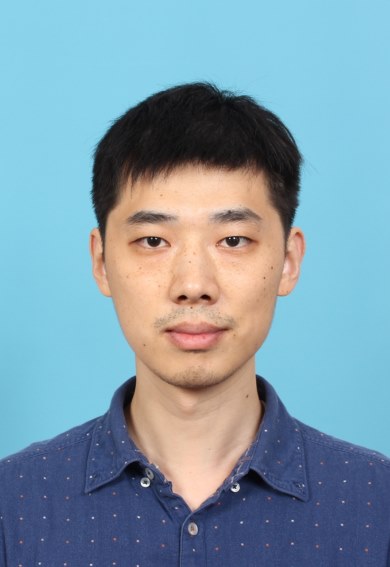 Hao Zhang (张昊)合作论文数School of Mechanical Engineering, Shanghai Jiao Tong University6
 Xi Zhao合作论文数Google LLC6Zhi-hui Liu合作论文数5
 Zhimiao Yan (颜志淼)合作论文数School of Ocean and Civil Engineering, Shanghai Jiao Tong University5
 Ting Tan (谭婷)合作论文数Institute of Vibration Shock & Noise, Shanghai Jiao Tong University5H-L Wang合作论文数4Yao Hong合作论文数4Xintao Xiang合作论文数4
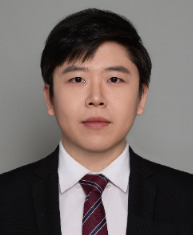 Xun Sun (孙逊)合作论文数School of Mechanical Engineering, Shandong University4
 Wang Zou (邹望)合作论文数School of Ocean and Civil Engineering, Shanghai Jiao Tong University4
 Lvwen Zhang (张律文)合作论文数School of Ocean and Civil Engineering, Shanghai Jiao Tong University4Jinlu Yu合作论文数4Xiaoxing Peng合作论文数4
 Zhiyuan Ren (任智源)合作论文数School of Marine Science and Technology, Northwestern Polytechnical University3Haoyu Li合作论文数3Churui Wan合作论文数3Jie Dong合作论文数3Xianren FENG (冯先忍)合作论文数3Mingtai Song合作论文数3Lianghao Xu合作论文数3Q Luo合作论文数3
 Yuhan Li合作论文数3
 Mingbo Li合作论文数3
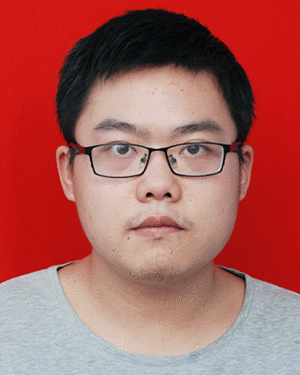 Wang Zhemin合作论文数3Yawen Gao合作论文数3
 Lingxin Zhang (张凌新)合作论文数School of Aeronautics and Astronautics, Zhejiang University3
 Weiwei Cai (蔡伟伟)合作论文数School of Mechanical Engineering, Shanghai Jiao Tong University3DengCheng Liu合作论文数3Wei Wu合作论文数3
 Kan Xu合作论文数3
 Hong Liu (刘洪)合作论文数School of Aeronautics and Astronautics, Shanghai Jiao Tong University3
 Per A. Madsen合作论文数Danmarks Tekniske Universitet3
 Peng Wang (王鹏)合作论文数School of Mechanical Engineering, Shanghai Jiao Tong University2M H Woo合作论文数2MingChao Cui (崔铭超)合作论文数2YuanQing Zhu (朱元清)合作论文数2
 Xiumei Hong合作论文数Population Center, Krieger School of Arts & Sciences, Johns Hopkins University2
 Congqiang Liu (刘丛强)合作论文数Institute of Geology and Geophysics, Chinese Academy of Sciences;Tianjin University;School of Earth System Science, Tianjin University2
 Mary V. Relling合作论文数Department of Pharmacy and Pharmaceutical Sciences, St. Jude Children's Research Hospital2Yongliu Fang (房詠柳)合作论文数School of Naval Architecture, Ocean & Civil Engineering, Shanghai Jiaotong University2




