Seismic waveform inversion is a fundamental problem in geophysical exploration, aiming to infer subsurface medium parameters from observed data. Specifically, elastic full waveform inversion (Elastic FWI) is a multi-parameter method that increases the objective function's complexity and nonlinearity. The coupling of parameters causes strong parameter cross-talk, complicating the inversion process and exposing the limitations of FNO in capturing fine-grained features and deep complex patterns. Recently, the Fourier Neural Operator (FNO) has emerged as a promising tool for inversion tasks, enabling direct learning of function-to-function mappings and exhibiting strong generalization without the need for retraining under varying input conditions. To address the challenges faced by elastic FWI, we propose an asymmetric encoder-reconstructor neural operator (AERNO) with shared parameters for joint inversion of P-wave (V-p) and S-wave (V-s) velocities. AERNO introduces a non-uniform FNO (NU-FNO) as the spatio-temporal encoder operator, which integrates a nonuniform encoder-decoder module to better capture fine-scale heterogeneities and complex geological features. Following a multi-level spatio-temporal information representation, the model parameter reconstructor utilizes a frequency-domain reconstruction strategy based on FNO to consistently recover multi-scale spatial distributions, improving the global consistency and spatial continuity of the reconstructed V-p and V-s. Experimental results demonstrate that our method achieves superior inversion accuracy and robustness across different geological models, varying source locations, and under incomplete data conditions, including missing traces and noise contamination.
Seismic data record the propagation of elastic waves in subsurface rock formations, carrying abundant informa tion regarding the physical properties and spatial distribution of subsurface media. However, they are inevitably contaminated by random noise, which degrades data fidelity and imposes constraints on subsequent data pro cessing. Diffusion models learn complex distributions by iterative refinement and have been applied to seismic denoising. To address the high cost of long diffusion sampling chains and the limited representational capacity of convolutional neural networks, we propose a dual-guided diffusion model driven by Fourier neural opera tors (FNOs), termed FNO-DGDM, for 3-D seismic data denoising. FNO-DGDM integrates a dual-guided diffusion framework and employs an FNO-driven network named FNONet as the noise predictor. In the dual-guided diffu sion framework, a principal component analysis (PCA)-based optimal starting step estimation algorithm allows inference to begin directly from the observed noisy data, providing dual guidance and shortening the sampling chain. Within the U-shaped framework, FNONet employs frequency-spatial fusion blocks (FSFBs) across multi ple scales. Each FSFB integrates FNO to capture global frequency-domain structures and a lightweight U-Net to extract local spatial features. To ensure computational efficiency, local residual blocks (LRBs) are used at finer scales near the bottleneck. Experimental results demonstrate that FNO-DGDM achieves strong denoising perfor mance, yielding a 3-5 dB signal-to-noise ratio (SNR) improvement and reducing inference time to 41%-56% of the baseline. This work demonstrates the significant potential of FNO in seismic data processing, advances the development of interpretable spatiotemporal modeling, and thereby accelerates the processing of large-scale 3-D seismic data.
Seismic noise suppression plays a crucial role in seismic data processing and geological structure interpretation. Distributed acoustic sensing (DAS) is widely applied in acquisition of vertical seismic profiling (VSP) data, but the collected seismic data often contains various complex noise with strong energy such as background noise, single-trace low-frequency interference, single-trace random interference, and coupled noise. Therefore, how to effectively suppress the diverse noise for DAS VSP data is important in subsequent seismic data processing. At present, deep learning methods based on convolutional neural network (CNN) have been extensively employed in seismic denoising and have achieved remarkable results, but they often exhibit poor ability to capture global information. Subsequently, deep learning methods based on Transformer are developed, which excel at capturing global features but exhibit high computational complexity and weak ability to capture local information. However, extracting both global and local features is crucial for seismic noise suppression. Global features provide insight into the overall structure of seismic data, while local features capture detail features containing rich geological structure information. Therefore, we propose a deep learning approach based on selective kernel feature fusion Uformer (SKUformer), which combines the advantages of Transformer and CNN to simultaneously capture global and local information. First, we replace the convolutional layer in U-net with the parallel dilated convolution locally enhanced shifted window (PDC-LeSwin) Transformer block, enhancing the capability of network to capture global information and acquiring multiscale information for VSP data. Moreover, we introduce the PDC module and locally enhanced feed-forward (LeFF) module to extract rich detailed information in VSP data. Additionally, we change the skip connection to the selective kernel feature fusion (SKFF) module to selectively fuse multiscale features, including low-frequency features and detailed features in VSP data. Finally, we validate the effectiveness of our method by applying it to the synthetic and the field DAS VSP data, comparing it with three other methods, thus demonstrating superiority in removing complex noise while preserving effective seismic signals.
In recent years, uncertainty quantification has received growing attention in geophysics. However, conventional Bayesian traveltime tomography methods are often computationally expensive. This paper presents an efficient seismic traveltime tomography method, which combines Bayesian Physics-Informed Neural Networks with Dropout Ensemble Kalman Inversion (DEKI-BPINNs) to infer velocity fields and supply uncertainty quantification in inverse results. In standard Ensemble Kalman Inversion (EKI), each ensemble member requires one forward simulation through the neural network per iteration. In contrast, DEKI needs a smaller ensemble size, which reduces the total number of forward simulations per iteration, making it more computationally efficient. Numerical results demonstrate that DEKI-BPINNs are computationally efficient while inferring relatively accurate velocity fields and providing reliable uncertainty quantification.
Seismic forward modeling plays a crucial role in Earth science, particularly in seismic exploration. It is essential for seismic data acquisition, inversion, and interpretation. Traditional numerical simulation methods necessitate grid partitioning of the computational domain and discrete approximations of time and space derivatives, which can lead to numerical dispersion and algorithmic instability. In recent years, the application of data-driven methods in seismic simulations has attracted significant attention and is expected to provide an effective alternative to traditional approaches. These methods such as neural operators (NOs), notably Fourier NO (FNO), enable rapid computations and reduce the time needed for resimulation due to changes in source and model parameters. However, in complex models, a single FNO struggles to accurately learn the wavefield solution. To enhance the accuracy and generalization performance of FNO in learning seismic wavefield information in complex geological models, we propose a novel model called multiscale feature extraction and aggregation embedded with Fourier neural operator deep network (MFEAFNet) for intelligent elastic wavefield modeling. Our proposed method integrates the feature extraction modules of the multiaxis feature extraction (MAFE), the convolutional block attention module (CBAM), and the multiscale cross-feature aggregation (MCFA) with FNO, allowing these modules to automatically learn the most representative features for wavefield data and, thereby, ensuring that the combined features are effectively delivered to the FNO module for better learning of fine details of complex elastic wavefields. Numerical experiments demonstrate that our method has high accuracy in predicting wavefields across different medium models and source locations and in long-term predictions.
Seismic wave forward simulation is the basis of seismic inversion and imaging. In recent years, deep learning methods represented by physics-informed neural networks (PINNs) have been widely applied in the field of scientific computing, and have obtained significant attention as mesh-free methods in seismic inversion. Currently, the training of PINN is usually constructed by fixed points in seismic wavefield simulation, and the large number of training points can result in high-computational costs. This letter proposes an adaptive strategy for PINN training point selection based on the velocity distribution and residuals of viscoacoustic wave equations. This strategy initializes the positions and quantities of training points based on the velocity distribution of the model and dynamically adjusts the training points based on the values of the loss function during the calculation process. The proposed approach reduces the number of training points, thereby improving the training efficiency of PINN. Numerical examples including the homogeneous model, the layered model with irregular topography, and the Marmousi2 model show that the proposed sampling strategy effectively reduces the calculation time by 54.37% while ensuring accuracy.
[Background]Job burnout has become an important factor affecting the mental and physical health and work efficiency of college counselors,and indirectly affects the quality and develop-ment of talent cultivation for college students. [Objective]To explore the relationship between job stress,job crafting,and job burnout among college counselors,and to test the mediating role of job crafting between job stress and job burnout,in order to take targeted measures to alleviate job stress and job burnout of college counselors,reduce associated health risks,and improve the effectiveness of higher edu-cation. [Methods]An anonymous questionnaire survey was conducted among 400 counselors from social network communication groups by convenience sampling.The Counselor Work Stress Scale,Job Crafting Scale,and Maslach Burnout Inventory-General Survey were used.Harman's single-factor method was used to evaluate common method bias in the survey data.One-way ANOVA was applied to test the difference in job stress,job crafting,and job burnout among college counselors by demographic characteristics,and chi-square test was used to analyze the difference in reporting job burnout.Partial correlation analysis was used to evaluate the correlation between selected variables.Structural equation modeling was used to analyze the relationship of job stress,job crafting,and job burnout among college counselors,and Bootstrap analysis was used to test if there was a mediating effect of job crafting on the relationship between job stress and job burnout. [Results]Of the 390 questionnaires recovered,there were 338 valid questionnaires(86.67%).Among the included subjects,the mean scores of job stress,job crafting,and job burnout were(2.70±0.62),(3.77±0.62),and(2.09±1.09),respectively.The positive rate of job burnout was 76.9%(260/338),with a positive rate of 72.8%in exhaustion dimension and 59.8%in cynicism dimension.There were signif-icant differences in job crafting scores among the college counselors by different genders and professional titles(P<0.05).Female coun-selors had significantly higher job burnout scores and positive rates than male counselors(P<0.05).The partial correlation analysis showed that job stress,work load,school evaluation and expectation,and interpersonal relationship were positively correlated with job burnout(r=0.562,0.442,0.473,and 0.455,respectively,P<0.01),and negatively correlated with job crafting(r=-0.271,-0.169,-0.246,and-0.247,respectively,P<0.01);job crafting,cognitive crafting,relationship crafting,and task crafting were negatively correlated with job burnout(r=-0.447,-0.452,-0.366,and-0.340,respectively,P<0.01).The modified structural equation modeling indicated that job stress negatively affected job crafting(b=-0.348,P<0.001)and positively affected job burnout(b=0.454,P<0.001);job crafting negatively affected job burnout(b=-0.459,P<0.001),and played a partial mediating role in the relationship between job stress and job burnout,and the effect value was 0.160(95%CI:0.102,0.230)that accounted for 26.10%of the total effect. [Conclusion]Job burnout among the college counselors is prominent.Job crafting presents an inhibitory effect on job burnout.Job stress indirectly affects the occurrence of job burnout by inhibiting the generation of job crafting.
We propose a method for directly extracting surface wave dispersion spectra from the high-speed train (HST) induced vibration through the time-frequency decomposition and the similarity-based velocity scanning. Compared to traditional surface wave multichannel analysis, the proposed method avoids some extra parameter selection steps of the virtual shot gather construction.
Current point cloud registration methods predominantly focus on extracting geometric information from point clouds. In certain scenarios, i.e., when the target objects to be registered contain a large number of repetitive planar structures, the point-only based methods struggle to extract distinctive features from the similar structures, which greatly limits the accuracy of registration. Moreover, the deep learning-based approaches achieve commendable results on public datasets, but they face challenges in generalizing to unseen few-shot datasets with significant domain differences from the training data, and that is especially common in industrial applications where samples are generally scarce. Moreover, existing registration methods can achieve high accuracy on complete point clouds. However, for partial point cloud registration, many methods are incapable of accurately identifying correspondences, making it challenging to estimate precise rigid transformations. This paper introduces a domain-adaptive multimodal feature fusion method for partial point cloud registration in an unsupervised manner, named DAMF-Net, that significantly addresses registration challenges in scenes dominated by repetitive planar structures, and it can generalize well-trained networks on public datasets to unseen few-shot datasets. Specifically, we first introduce a point-guided two-stage multimodal feature fusion module that utilizes the geometric information contained in point clouds to guide the texture information in images for preliminary and supplementary feature fusion. Secondly, we incorporate a gradient-inverse domain-aware module to construct a domain classifier in a generative adversarial manner, weakening the feature extractor’s ability to distinguish between source and target domain samples, thereby achieving generalization across different domains. Experiments on a public dataset and our industrial components dataset demonstrate that our method improves the registration accuracy in specific scenarios with numerous repetitive planar structures and achieves high accuracy on unseen few-shot datasets, compared with the results of state-of-the-art traditional and deep learning-based point cloud registration methods.
Many simulation methods have been developed for P-waves in vertically transversely isotropic (VTI) media. These methods are based on the acoustic approximation. The finite-difference frequency-domain (FDFD) method stands out for its ability to simulate multi-shot or narrowband seismic data. It has no temporal dispersion, facilitates attenuation modelling, and enables parallelization. The optimal FDFD method is commonly used to simulate the acoustic VTI wave equation, but it applies the same FDFD coefficients for different frequencies and model velocities, which cannot fully minimize the numerical dispersion error. To enhance its accuracy and effectiveness, we develop an adaptive-coefficient FDFD method specifically for the acoustic VTI wave equation. The FDFD coefficients depend on two factors: the number of wavelengths in each grid and the Thomsen parameters. The dispersion analysis reveals that the proposed FDFD method can achieve a reduction in the necessary number of grid points from 4 to 2.5 compared to the optimal nine-point average derivative method (ADM), while maintaining a maximum dispersion error of 1%. From three numerical examples, the developed FDFD method can obtain more accurate wavefield results than the ADM optimal FDFD method, while taking comparable computational time and memory.
Helmet detection in road surveillance images has become increasingly important with the increasing number of accidents involving two-wheeled electric vehicles and motorcycles. However, small detection targets and complex road environments make traditional helmet detection methods difficult. In this study, we propose an intelligent helmet detection model based on convolutional neural networks. To accurately capture the location of the helmet, we introduce the coordinate attention to obtain position information in the model. We thereafter introduce the pixel attention to enhance interpixel correlation and pixel-level feature filtering for the input images. These two attention mechanisms are combined to design the CPA module, and multi-CPA groups are constructed in a densely connected manner to obtain improved CPAG dense blocks. The proposed dual-attention mechanism effectively enhanced the weight of useful information and suppressed useless information. A dense block can improve the feature extraction ability and avoid information loss in the network. The CPAG dense block is inserted into the convolutional network model to obtain CPAG-Net as the detection network. To complete the system, we added a localization network to obtain the upper part of the rider. The localization network is accomplished using an improved YOLOv5s model in which we introduce an efficient channel attention mechanism to improve the localization ability for small targets. We compared the performance of the proposed method with those of several other methods. The results indicate that the proposed method is more robust than the other methods and has a higher accuracy for helmet detection in road surveillance images.
The diffusive-viscous wave (DVW) equation is an effective model for analyzing seismic low-frequency anomalies and attenuation in porous media. To effectively simulate DVW wavefields, the finite-difference or finite-element method in the time domain is favored, but the time-domain approach proves less efficient with multiple shots or a few frequency components. The finite-difference frequency-domain (FDFD) method featuring optimal or adaptive coefficients is favored in seismic simulations due to its high efficiency. Initially, we develop a real-valued adaptive-coefficient (RVAC) FDFD method for the DVW equation, which ignores the numerical attenuation error and is a generalization of the acoustic adaptive-coefficient FDFD method. To reduce the numerical attenuation error of the RVAC FDFD method, we introduce a complex-valued adaptive-coefficient (CVAC) FDFD method for the DVW equation. The CVAC FDFD method is constructed by incorporating correction terms into the conventional second-order FDFD method. The adaptive coefficients are related to the spatial sampling ratio, number of spatial grid points per wavelength, and diffusive and viscous attenuation coefficients in the DVW equation. Numerical dispersion and attenuation analysis confirm that, with a maximum dispersion error of 1% and a maximum attenuation error of 10%, the CVAC FDFD method only necessitates 2.5 spatial grid points per wavelength. Compared with the RVAC FDFD method, the CVAC FDFD method exhibits enhanced capability in suppressing the numerical attenuation during anelastic wavefield modeling. To validate the accuracy of our method, we develop an analytical solution for the DVW equation in a homogeneous medium. Three numerical examples substantiate the high accuracy of the CVAC FDFD method when using a small number of spatial grid points per wavelength, and this method demands computational time and computer memory similar to those required by the conventional second-order FDFD method. A fluid-saturated model featuring various layer thicknesses is used to characterize the propagation characteristics of DVW.
In recent years, significant progress has been made in self-supervised seismic denoising. However, most of these methods focus on random noise attenuation, which is of little practical use for distributed acoustic sensing (DAS) vertical seismic profile (VSP) data with a large amount of spatially correlated noise. In this article, we propose a new perspective to solve this problem, which is to redesign the masked spot training scheme by analyzing different texture features of effective signal and spatially correlated noise. Specifically, we fully analyze the correlation of different correlated noises in vertical and horizontal scales, and then use a novel masked spot masking strategy to carefully design the receptive field to expand the masked spot network (BSN) to neighborhood-mask network (NMN), which makes BSN still meet the assumption of noise pixel independence in the presence of a large amount of correlated noise. At the same time, we introduce a texture total variation (TTV) regularization to further eliminate correlated noise and preserve the local smooth structure of the effective signal. In order to maximize the texture difference between signal and noise, we propose asymmetric-dilated convolution (ADConv), which has a large receptive field in specific direction and acts as an information filter in the network. Our method, also called SelfTexture, only uses observed noisy DAS VSP data to remove correlated noise in a self-supervised manner and further demonstrates the great potential of BSN in dealing with correlated noise. Extensive experiments on synthetic and field DAS VSP data validate the superior performance of our SelfTexture.
High-speed trains (HSTs) running on viaducts can excite seismic waves to propagate underground, shown in Figure 1, which can be regarded as a new kind of source for subsurface monitoring and imaging. The HST source can be regarded as the superposition of a series of sub-sources with different time delays. The complexity of the HST source causes the seismic data induced by HST highly interfered in the time and space. HST-induced seismic data include body waves and surface waves. Body waves contain higher frequency components and can describe the strata more precisely. However, the complexity of HST-induced seismic data makes it difficult to extract body waves. In this study, we analyze HST-induced seismic data in the F-K domain. It is found that surface waves and body waves in HST-induced data present different characteristics in the F-K domain. Combining the characteristic differences between surface waves and body waves in the F-K domain, we extract body waves through seismic interferometry method. Numerical experimental results show that body waves can be successfully extracted from HST-induced seismic data through appropriate f-k filters and band-pass filters.
This paper develops and analyzes the discontinuous Galerkin method for the diffusive-viscous wave equation. The proposed numerical scheme is established by using the discontinuous Galerkin discretization for the spatial variable and a tailored finite difference scheme to approximate the first and second order temporal derivative terms. A second order temporal convergence rate and the optimal order spatial error estimate in the DG norm are derived. We also provide the optimal spatial error estimate in the L2(Ω)-norm under the extra parameter assumption. Numerical tests are presented to illustrate the predicted convergence behaviours and the versatility of the proposed method.
A numerical approach based on Gaussian Process Regression (GPR) is presented to predict the wavefield and estimate the model parameters of two dimensional (2D) acoustic wave equation with the sparse and noisy data. Through discretizing the time derivatives of acoustic wave equation and placing the priors of the state variables as Gaussian process (GP), the model parameters and acoustic wave equation are encoded in the kernel function of a multi-output GP. The GP informed with the underlying physics such as wave equation is efficiently to solve forward and inverse problems in the field of geophysics, which is an efficient learning machine with only a small number of samples. The proposed approach is demonstrated through 2D acoustic wave equation in terms of wavefield prediction and velocity inversion in a homogeneous medium.
Seismic data processing plays a key role in the field of geophysics. The collected seismic data are inevitably contaminated by various types of noise, which makes the effective signals difficult to be accurately discriminated. A fundamental issue is how to improve the signal-to-noise ratio of seismic data. Due to the complex characteristics of noise and signals, it is a challenge for the denoising model to suppress noise and recover weak signals. To suppress random noise in seismic data, we propose a multi-scale deformable convolution neural network denoising model based on U-Net, named MSDC-Unet. The MSDC-Unet mainly contains modules of deformable convolution and dilated convolution. The deformable convolution can change the shape of the convolution kernel to adjust the shape of seismic signals to fit different features, while the dilated convolution with different dilation rates is used to extract feature information at different scales. Furthermore, we combine Charbonnier loss and structure similarity index measure (SSIM) to better characterize geological structures of seismic data. Several examples of synthetic and field seismic data demonstrate that the proposed method is effective in the comprehensive results in terms of quantitative metrics and visual effect of denoising, compared with two traditional denoising methods and two deep convolutional neural network denoising models.
Physics-informed neural networks (PINNs) is a scientific machine learning technique for solving problems involving partial differential equations (PDEs). PINNs approximate PDE solutions by training a neural network to minimize a loss function. A major advantage of this method is that it provides a meshfree algorithm that is fundamentally different from traditional numerical methods such as finite element methods and finite difference methods. However, there are two limitations of PINNs. One is the accuracy of the solution, and the other is the training cost. We propose a new sampling strategy based on the errors of each iteration in the training, which generate more effective collocation points to refine the training set, thereby improving the accuracy of the current approximate solution and further reducing the time cost of training. Based on acoustic wave equation, we investigate the influence of different optimization methods on the accuracy of forward modeling and the influence of different sampling strategies on velocity inversion.
The diffusive-viscous wave (DVW) equation is used to characterize the relationship between frequency-dependent seismic responses and saturated fluids by incorporating the frictional dissipation and viscous damping to the scalar wave equation. Simultaneous inversion of three model parameters in DVW equation is essential for seismic interpretations. Traditional inversion methods require continuous forward-modeling updates, resulting in low computational efficiency. Moreover, the traditional methods have limitations in simultaneously inverting multi-parameters of wave equations such as the DVW equation, usually fixing one parameter to invert the other two parameters. Gaussian process regression (GPR) is a kernel-based non-parametric probabilistic model that introduces prior variables through Gaussian processes (GP). We present a method for the inversion of the three parameters (velocity, diffusive and viscous attenuation coefficients) of the DVW equation based on GPR. The procedure consists of initially implementing the central finite difference approximation to discretize the DVW equation in the time domain. Subsequently, a Gaussian prior is provided on two snapshots of the DVW equation to obtain the corresponding kernel functions. Furthermore, the hyperparameters in kernel functions and the three model parameters are simultaneously trained by minimizing the negative logarithmic marginal likelihood with few training samples while incorporating the underlying physics in terms of encoding the DVW equation into the kernel functions. It is worth noting that it is the first time of implementing three-parameter simultaneous inversion based on the DVW equation. The numerical examples in homogeneous, layered and heterogeneous media demonstrate the effectiveness of this method.
Estimating the elastic parameters from prestack inversion is of great importance for reservoir characterization. Conventional three-parameter prestack inversion methods rely heavily on well logs, and it is difficult to obtain reliable inversion results in situations with limited numbers of wells. Alternatively, we have developed a joint inversion strategy, integrating the advantages of post- and prestack inversion, to deal with the situation. First, due to the high signal-to-noise ratio of poststack seismic data, the high-precision acoustic impedance (AI) inversion is conducted. Second, the exact Zoeppritz equation is used to establish the objective function of the prestack inversion. To better constrain the elastic parameters (P- and S-wave velocities and density), a new similarity measurement criterion, the gradient structure similarity (GSS), is defined to describe the structural similarity between the prestack inversion results and the inverted AI from the poststack inversion. Third, the LM optimization algorithm is used to solve the nonlinear objective function. Through the model test, we verify the effectiveness of our GSS regularization scheme. Some synthetic and field examples find that our method can provide more stable and accurate inverted results relative to the conventional prestack inversion methods.
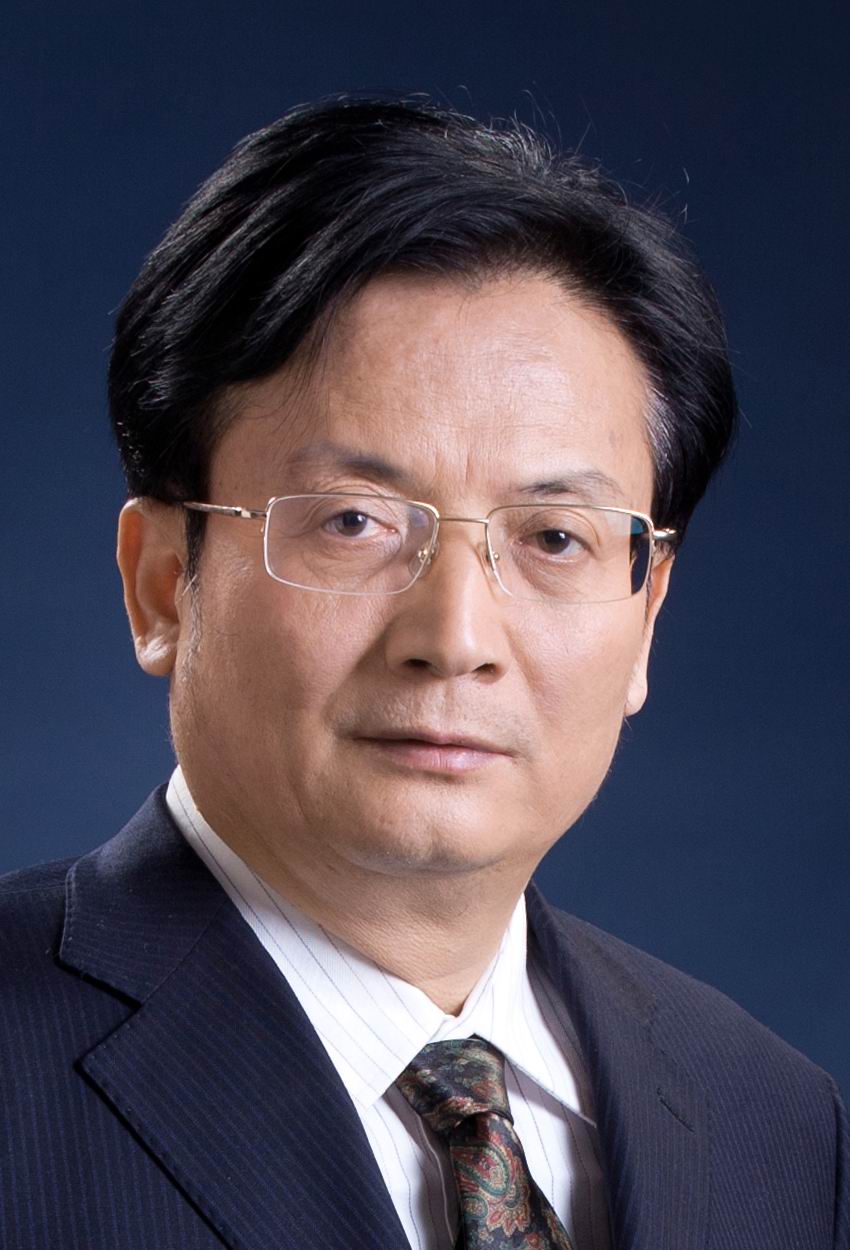 Jinghuai Gao (高静怀)合作论文数School of Mathematics and Statistics, Xi'an Jiaotong University22
 Yijie Zhang (张懿洁)合作论文数School of Information and Communications Engineering, Faculty of Electronic and Information Engineering, Xi'an Jiaotong University8
 Wenhao Xu合作论文数6
 Jingrui Luo合作论文数Xian Univ Technol, Sch Automat & Informat Engn, Xian 710048, Peoples R China6
 Jigen Peng (彭济根)合作论文数School of Mathematics and Information Science, Guangzhou University6
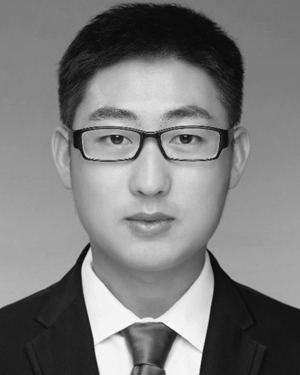 Zhiqiang Wang合作论文数5
 Wenjing Yan (晏文璟)合作论文数School of Mathematics and Statistics, Xi'an Jiaotong University5
 Wenchao Chen (陈文超)合作论文数School of Information and Communications Engineering, Xi'an Jiaotong University5
 Tingting Bai合作论文数4
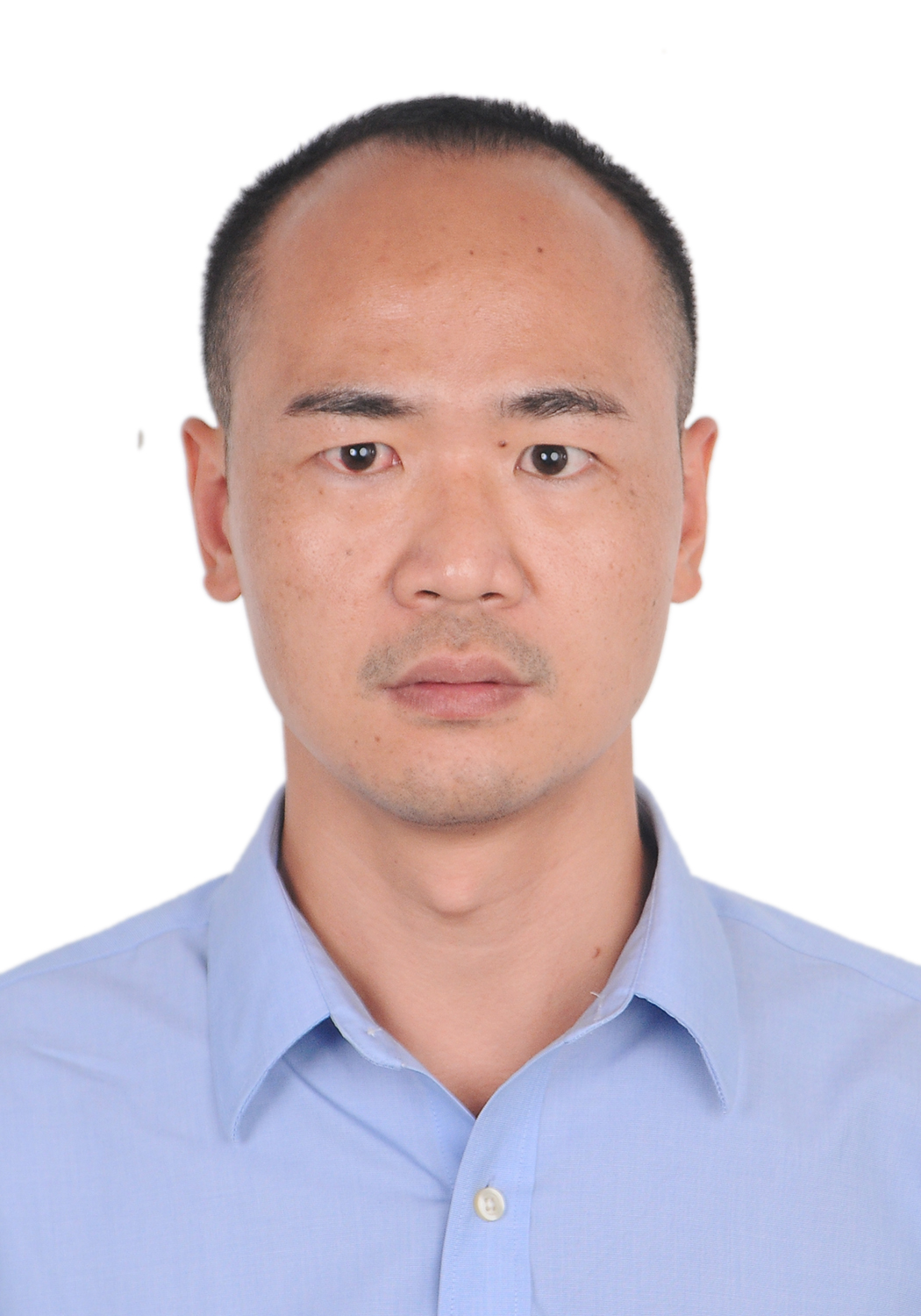 Bangyu Wu (吴帮玉)合作论文数School of Mathematics and Statistics, Xi'an Jiaotong University4
 Yaqi Liu合作论文数Zhengzhou University, Zhengzhou University3Yuanzhong Chen合作论文数3
 Weimin Han (韩渭敏)合作论文数Department of Mathematics, College of Liberal Arts and Sciences, The University of Iowa;Iowa Technology Institute, The University of Iowa3
 Xiaoyuan Wang (王晓原)合作论文数3Yanbin He合作论文数2Bo Li合作论文数2Shijie Liu合作论文数School of Transportation and Vehicle Engineering, Shandong University of Technology, Zibo, China2Yuanyuan Xia合作论文数2Junyan Han合作论文数School of Transportation and Vehicle Engineering, Shandong University of Technology, Zibo, China2
 Tian Wang (汪恬)合作论文数School of Naval Architecture, Ocean and Energy Power Engineering, Wuhan University of Technology2Yichen Ma合作论文数2Jing Zhao合作论文数1Bin Weng合作论文数1Han Le合作论文数1FU Tianshuai (付天帅)合作论文数1Xue Zou合作论文数1zhu chuanzheng合作论文数1WANG Shaohao (王少豪)合作论文数1Guo Yu (郭语)合作论文数1
 Xiaokai Wang (王晓凯)合作论文数School of Information and Communications Engineering, Faculty of Electronic and Information Engineering, Xi'an Jiaotong University1Xiaolong Zhao合作论文数1YIN Quan (尹权)合作论文数1Chen Li合作论文数1wenming li (李文明)合作论文数1
 Hongling Chen合作论文数National Engineering Laboratory for Offshore Oil Exploration, Xi’an Jiaotong University, Xi’an, China1Zhi-guo Liu合作论文数1Xueliang Li合作论文数1Bing Zhang合作论文数Xi'an Jiaotong University1
 Hui Yang (杨辉)合作论文数Department of Earth and Space Sciences, Southern University of Science and Technology1Fang Wang合作论文数1JianMing Li (李建明)合作论文数1Jian Zhang (张剑)合作论文数1
 Xingguo Huang (黄兴国)合作论文数College of Instrumentation and Electrical Engineering, Jilin University1
 Gulan Zhang (张固澜)合作论文数School of Geoscience and Technology, Southwest Petroleum University1
 Zhaoqi Gao (高照奇)合作论文数School of Information and Communications Engineering, Xi'an Jiaotong University1
 Qing Xu (许庆)合作论文数School of Vehicle and Mobility, Tsinghua University1
 Xueyu Zhu合作论文数1Hui Wang合作论文数1




