PurposeThis study aimed to investigate the influence of previous percutaneous renal procedures on the outcome of ultrasound (US)-guided percutaneous nephrolithotomy (PCNL) in patients with upper urinary tract stones.Patients and methodsPatients with a history of percutaneous renal procedures (PCNL/renal nephrostomy) from July 2017 to June 2023 were enrolled in this study as Group 1 (n = 77). Patients who underwent PCNL during the same period and had no history of percutaneous renal puncture surgery were enrolled in Group 2 (n = 160). All the procedures were performed under US guidance. Standard access (22–24 Fr) was achieved in all patients in the prone position. Relevant patient characteristics, operative variables, and postoperative data were collected and analyzed, focusing on the stone-free rate (SFR) and complications.ResultsThe procedure was successful in all patients. The patients’ basic characteristics (gender, age, BMI, and stone size) were similar between the two groups. Puncture time and access creation time were significantly longer in Group 1 than in Group 2 (p = 0.02, p = 0.01). Similarly, Group 1 demonstrated a significantly higher number of access tracts compared to Group 2 (p = 0.02). The final SFR in Group 1 showed no significant difference compared to Group 2 (p = 0.09). Operative duration in Group 1 was longer than in Group 2 (p = 0.1). Postoperative hospitalization, hemoglobin loss, transfusion rate, embolization rate, and overall complication rate were not significantly different between the two groups.ConclusionUltrasound-guided PCNL is safe and effective for patients with prior PCNL history, demonstrating an acceptable SFR. However, these cases exhibited prolonged access creation time, increased operative duration, and required more surgical tracts compared to naive cases.
OBJECTIVES:Urinary stone composition critically influences treatment selection and recurrence prevention, yet current intraoperative assessment remains imprecise. This study aims to achieve intraoperative prediction of stone composition by applying a deep convolutional neural network (CNN) to routinely captured endoscopic images. METHODS:We retrospectively studied endoscopic images from stone-breaking surgeries in Beijing Tsinghua Changgung Hospital during 2022-12-2024-12. Images were captured before and after laser lithotripsy. Based on postoperative infrared spectroscopy, stones were divided into five categories. In total, 1780 images (1167 from RIRS, 613 from PCNL) were included and split into training and testing sets at an 8:2 ratio. Using ResNet-50 as the base model, only endoscopic digital images and stone classification data were input for minimal-supervision learning. After training, the model accuracy for each stone category surpassed 95%. The model was then tested on 20% of RIRS and RIRS+PCNL images, with 3D PCA and Grad-cam for visual analysis. RESULTS:For the RIRS image test set: The precision was 93.8% for the calcium oxalate group (n = 147), 96.3% for the calcium oxalate mixed with a uric acid group (n = 30), 91.8% for the calcium oxalate mixed with carbonate apatite group (n = 106), 88.9% for the struvite mixed with calcium oxalate and carbonate apatite group (n = 16), and 100% for the stone free control group (n = 26) (Table 1). Total accuracy for CNN modeling is:94.16%, AUC:0.99, weighted F1-Score: 0.9353, weighted F1-score 95% CI: (0.9089, 0.9599), weighted Kappa: 0.9122, weighted Kappa 95% CI: (0.8523, 0.9569).For the RIRS+PCNL image test set: The precision was 94.9% for the calcium oxalate group (n = 195), 98.7% for the calcium oxalate mixed with a uric acid group (n = 80), 92.2% for the calcium oxalate mixed with carbonate apatite group (n = 111), 100% for the struvite mixed with calcium oxalate and carbonate apatite group (n = 29), and 93.8% for the stone free control group (n = 26) (Table 2).Total accuracy: 95.92%, AUC: 0.99, weighted F1-Score: 0.9508, weighted F1-score 95% CI: (0.9304, 0.9708) weighted Kappa: 0.9357, weighted Kappa 95% CI: (0.8907, 0.9678).The 3D PCA projection results are as follows: PC1: 0.2723 (27.23%), PC2: 0.1102 (11.02%), PC3: 0.0801 (8.01%), Cumulative: 46.26%. CONCLUSIONS:This study shows deep CNNs can identify renal stone compositions from intraoperative endoscopic images, differentiating pure and mixed components. This analysis is an alternative to traditional methods and has the potential to improve treatment effectiveness.
OBJECTIVE:The pressure fluctuations during retrograde intrarenal surgery (RIRS) can cause related complications, so precise monitoring and control of intrarenal pressure (IRP) play an important role. This study aimed to assess the clinical value of a Chinese-made disposable pressure-measuring flexible ureteroscope in monitoring IRP during RIRS for upper urinary tract stones <2 cm, and analyze factors affecting IRP. METHODS:In this prospective single-arm study, 35 patients (38 renal units) underwent RIRS. Mean age was 42.3 ± 6.1 years, body mass index (BMI) 24.2 ± 2.6 kg/m², and maximum stone diameter 1.6 ± 0.4 cm. Stones were located in the ureter (21.1%), kidney and ureter (15.8%), or kidney only (63.2%). IRP threshold was 30 mmHg; irrigation used gravity or low-pressure pump. Ureteral access sheath (UAS) size (Fr11-13 or Fr12-14) was selected based on ureteroscopy. Outcomes included safe IRP (<30 mmHg), high/maximum IRP, cumulative time above threshold, influencing factors, infection markers, fever incidence, operative time, stone-free rate, and Visual Analogue Scale (VAS) score. RESULTS:All procedures succeeded. Mean safe IRP was 10.9 ± 3.4 mmHg, high IRP 63.6 ± 13.5 mmHg, and maximum IRP 181.2 ± 50.5 mmHg. Mean cumulative time above threshold was 485.2 ± 61.3 s. Low-position UAS placement led to significantly higher high IRP, maximum IRP, and longer high-pressure time compared to conventional placement (all p < 0.05). UAS size did not significantly affect IRP. Postoperative infection markers showed no difference between mean IRP subgroups (0-30 mmHg vs. 30-60 mmHg). Overweight patients had higher mean IRP than normal BMI patients (26.1 ± 4.2 vs. 15.9 ± 5.7 mmHg, p < 0.05). Postoperative fever occurred in 3 cases (8.6%), all with high IRP and prolonged high-pressure exposure. Operative time averaged 45.2 ± 8.3 min, stone-free rate was 92.1%, and mean VAS score was 2.52 ± 0.21. No major complications occurred. CONCLUSIONS:The disposable pressure-measuring flexible ureteroscope enables real-time IRP monitoring during RIRS, allowing surgical strategy adjustments to improve safety. Low UAS position and high BMI are risk factors for elevated IRP.
To investigate the dynamic changes of intrarenal pelvic pressure (IPP) and renal temperature during intracorporeal lithotripsy using a 6.3 Fr disposable digital flexible ureteroscope.An in vitro porcine kidney model was established with percutaneous puncture creating a 18 Fr peel-away sheath access to the upper, middle, and lower calyceal fornix.Standardized calcium oxalate stones were placed in the renal pelvis.A fiber optic temperature probe and pressure sensor were inserted via the sheath for synchronous monitoring of temperature and IPP.The entire system was maintained in a thermostatic water bath.A super-pulsed thulium fiber laser (wavelength 1940 nm, pulse energy 0.1 J, frequency 300 Hz, power 30 W) combined with a precision laboratory pump was used for lithotripsy through the 6.3 Fr ureteroscope.Normal saline (25 ± 1℃) was infused at irrigation rates ranging from 10 to 150 mL/min (increments of 10 mL/min).A senior urologist performed laser lithotripsy at the upper, middle, and lower calyceal fornices with the ureteroscope tip precisely positioned.The 150 μm laser fiber maintained a 1 mm working distance from the stone surface.Each 60-second lithotripsy session was repeated 5 times per parameter set.In the in vitro model, no significant differences in IPP dynamics were observed across upper, middle, or lower calyceal positions at varying irrigation rates (10–150 mL/min, P > 0.05). IPP increased linearly with irrigation rate: mean IPP reached 28.65 ± 0.93mmHg at 90 mL/min and exceeded the safety threshold at 31.23 ± 1.12 mmHg when irrigation rate increased to 100 mL/min.Conversely, renal temperature decreased with increasing irrigation rate: maximum temperature reached 45.1 °C at 20 mL/min and dropped to 40.9 °C (below safety threshold) at 30 mL/min.This study demonstrates that during RIRS using a 6.3 Fr disposable ureteroscope (non-UAS setting), maintaining irrigation rates between 30 and 90 mL/min ensures both IPP and renal temperature remain within safe thresholds, supporting safe and effective lithotripsy.
Objectives:The relationship between adherence to a combined healthy lifestyle and the risk of overactive bladder (OAB) remains unclear. This study aimed to investigate the association between a composite healthy lifestyle score and risk of OAB in a nationally representative sample of adults. Methods:This cross-sectional study utilized data from 20,195 non-pregnant adults aged 20-79 years in the National Health and Nutrition Examination Survey (NHANES) 2007-2020. A healthy lifestyle score was constructed based on five components: current non-smoking, low-to-moderate alcohol consumption, adequate physical activity, a healthy diet, and optimal waist circumference. OAB was defined using self-reported urinary urgency incontinence and nocturia symptoms. Weighted multivariable logistic regression models were employed to assess the association between the healthy lifestyle score and risk of OAB, adjusting for demographic, socioeconomic, and clinical covariates. Results:Among the 20,195 participants, 3,901 (14.58%) were identified as having OAB. A higher HLS was inversely associated with risk of OAB in a dose-response manner. Compared with individuals having 0-1 healthy lifestyle factors, those with 4-5 factors had a 46% lower risk of OAB (adjusted OR: 0.54, 95% CI: 0.45-0.65). Each additional healthy lifestyle factor was associated with a 17% lower risk of OAB (OR: 0.83, 95% CI: 0.79-0.88). Sensitivity analyses confirmed the robustness of these associations. Among individual components, non-smoking, moderate alcohol intake, regular physical activity, a healthy diet, and optimal waist circumference were each independently associated with a lower risk of OAB. Conclusion:Adherence to a combination of healthy lifestyle behaviors was significantly associated with a lower risk of OAB. These findings emphasize the potential role of lifestyle-based interventions in OAB prevention and management. Given the rising prevalence of OAB, particularly in aging populations, incorporating lifestyle modifications into clinical and public health strategies may offer an effective, non-pharmacological approach to mitigating risk of OAB. Further longitudinal studies are warranted to establish causality and elucidate the underlying biological mechanisms.
Background:The existing scoring systems for percutaneous nephrolithotomy fail to adequately consider the influence of renal anatomy, leading to limited predictive accuracy. This study introduces and validates a novel B.T.C.H. nephrolithometry score, designed to better predict stone-free rates and complexity for ultrasound-guided percutaneous nephrolithotomy. Methods:B.T.C.H. nephrolithometry score evaluates four variables including stone burden, type of renal pelvis, calyces involved, and hydronephrosis. 134 patients who underwent ultrasound-guided percutaneous nephrolithotomy at Beijing Tsinghua Changgung Hospital were retrospectively analyzed. The inter-observer agreement was assessed using the linearly weighted kappa coefficient. The accuracy in predicting the stone-free rate was evaluated using receiver operating characteristic curve analysis. Spearman's correlation analysis and Kendall's W test were employed to examine the correlation between the scores of each scoring system and operative time, the number of tracts and CDC scores. Results:The overall stone-free rate was 52.99%. The stone-free rates in low (4-8 points), medium (9-12 points), and high (13-15 points) B.T.C.H. scores were 91.9, 24.6, and 0%, respectively. The B.T.C.H. nephrolithometry score had an AUC of 0.909 for predicting stone-free rate, outperforming both the GSS (AUC = 0.761) and the S.T.O.N.E. nephrolithometry score (AUC = 0.763). The B.T.C.H. nephrolithometry score were positively correlated with operative time, the number of tracts and CDC scores. Conclusion:B.T.C.H. nephrolithometry score is a suggested novel scoring system for ultrasound-guided percutaneous nephrolithotomy, which had superior prediction of stone-free rate and positive correlation with operative time, the number of tracts, and postoperative CDC scores.
To report outcomes of complete ultrasound-guided percutaneous nephrolithotomy (PCNL) for horseshoe kidney (HSK) stones at a high-volume center and evaluate a novel technique (Needle-perc-assisted endoscopic surgery, NAES) for these patients. We retrospectively reviewed all HSK stone patients who underwent PCNL at our institution over a 10-year period. The NAES technique was utilized during the most recent 4 years. Preoperative, intraoperative, and postoperative characteristics were analyzed, comparing traditional PCNL with NAES. Successful renal access was achieved in all 82 procedures. One-stage surgery was performed in 62 renal units (75.6
To present our large single-center experience in managing patients with positive urine cultures and kidney stones with total ultrasound-guided percutaneous nephrolithotomy (PNL) and to redefine the role of urine culture in modifying these patients' treatment plans. We retrospectively reviewed the charts of patients who had undergone PNL in our department from January 2016 to December 2020 and identified 422 eligible patients. These patients were allocated to two groups according to pre-operative urine culture results: negative (Group 1, n = 278) and positive (Group 2, n = 144). All procedures were ultrasound-guided. Standard access was achieved in all patients. Relevant patient characteristics, operative variables, and postoperative data were collected and analyzed, focusing on infection-related data, particularly sepsis. Successful renal access and stone fragmentation were achieved in all patients. At least one standard (24F) tract was established and a negative suction system introduced in every case. Escherichia coli was the most common bacterium in positive urine culture patients. Preoperative serum creatinine differed significantly between Groups 1 and 2 (1.2 ± 0.2 mg/dl vs. 2.0 ± 0.7 mg/dl, p = 0.02). Durations of surgery (79.2 ± 22.2 min) and post-operative hospitalization (7.6 ± 2.1 days) were longer in Group 2 than in Group 1 (58.2 ± 17.2 min) and (5.6 ± 1.1 days), respectively. Group 1 required fewer renal accesses than did Group 2 (1.1 ± 0.2 vs. 1.7 ± 0.2). The immediate stone-free rate was significantly greater in Group 1 (249; 89.2%) than in Group 2 (108; 75%). Ultrasound guided PNL with standard access reveals a safe and acceptable results in positive urine culture patients. Preoperative infected urine is not a risk factor for severe septic complications after PNL under controlled conditions.
OBJECTIVE:To compare the curative effect of 6. 3Fr disposable digital flexible ureteroscope and 7. 5Fr disposable digital flexible ureteroscope in the treatment of upper urinary tract stones < 1. 5 cm. MATERIALS AND METHODS:From October 2024 to January 2025, 70 patients with < 1. 5 cm upper urinary tract calculi in our hospital were randomly divided into 2 groups, 35 patients in Group 1 (6. 3Fr) were treated with 6. 3Fr HugeMed disposable electronic ureteroscopic laser lithotripsis. In the Group 2 (7. 5Fr), 35 cases were treated with 7. 5Fr common disposable electronic ureteroscope laser lithotripsis. The stone free rate, the success rate of the first stage operation, the operation time and the postoperative hospital stay were compared between the two groups. RESULTS:The operation time of Group 1 (6. 3Fr) was shorter than that of Group 2 (7. 5Fr), and the difference was statistically significant (P = 0.011). The success rate of the first stage operation was 100% in the Group 1 (6. 3Fr) and 91. 43% in the Group 2 (7. 5Fr), with no statistical significance (P > 0.05). There were no significant differences in stone free rate, laser working time, hemoglobin decline on the first day after surgery, creatinine increase, postoperative hospitalization days and postoperative complications between the two groups (P > 0.05). CONCLUSION:In conclusion, the sheathless technique using the 6. 3Fr disposable digital flexible ureteroscope is safe and effective for upper urinary calculi < 1. 5 cm. Further investigations are warranted to evaluate its role in managing larger stones and other urological conditions.
To evaluate the safety and efficacy of the tip-flexible negative pressure suction ureteral access sheath (FUAS) in retrograde intrarenal surgery (RIRS) for pediatric patients with renal calculi, a retrospective analysis was performed on clinical data of 75 pediatric patients (aged 2–14 years) with renal calculi who underwent RIRS at Hetian County People’s Hospital from January 2023 to August 2025. After 1-month preoperative double-J stent placement, patients were allocated to the FUAS group (n = 25) or conventional UAS (CUAS) group (n = 50), with groups matched for age, stone characteristics, and sheath size (10/12F). Indicators including operation time, stone basket utilization, complications, postoperative hospital stay, and stone clearance were compared. Baseline data were balanced between groups (P > 0.05). The FUAS group had shorter operation time than the CUAS group [(48.6 ± 19.8) min vs. (69.2 ± 22.1) min, P < 0.001], a significantly lower proportion of stone basket usage [32.0
This research seeks to evaluate the worldwide burden, health inequities, and projected trends of pediatric urolithiasis from 1990 through 2021. We calculated age-standardized incidence rates, prevalence rates, and disability-adjusted life years rates from the 2021 Global Burden of Disease database. Joinpoint regression was applied for time-trend analysis. Health disparities were measured by using Spearman correlation analysis, Relative Concentration Index, and Slope Index of Inequality. Bayesian Age-Period-Cohort models predicted future global age-standardized incidence rates trends. Global age-standardized incidence rates declined from 79 (95
To examine the impact of ratio of endoscope-sheath diameter (RESD), irrigation rate, and negative pressure on the efficiency of stone fragment aspiration during retrograde intrarenal surgery (RIRS) in an in vitro setting. Five grams of stone fragment were precisely measured and placed in renal calyx. A flexible ureteroscope with a Flexible Adjustable Navigation Suction Ureteral Access Sheath (FANS) was introduced into the renal calyx, connected to an irrigation pump and suction pump. A urologist performed 1-minute simulated intraoperative aspiration maneuvers. Residual stone dust was collected from the suction system, dried, and reweighed. Experimental variables included ureteroscope dimensions (7.5Fr and 8.6Fr), FANS sizes (10/12Fr and 12/14Fr), negative pressure levels (0.02 MPa and 0.01 MPa), and irrigation flow rates (100, 150, 200, 250, and 300 ml/min). Intrarenal pelvic pressure was monitored in real time with a digital pressure transducer probe in the renal pelvis. Experiments were conducted in the upper, middle, and lower calyces, with each parameter combination repeated five times in a randomized order to ensure statistical reliability.The study demonstrated that under low negative pressure (0.01 MPa), stone fragment aspiration efficiency exhibited a parabolic relationship with irrigation flow rate. Maximum efficiency was observed at 200 ml/min across all ureteroscope-FANS configurations. Elevating negative pressure to 0.02 MPa significantly enhanced aspiration efficiency, with peak performance maintained at 200 ml/min. The different positions of the renal calyces have a significant impact on the aspiration efficiency, and the aspiration efficiency of the lower calyx is significantly lower than that of the upper and middle calyces. Smaller FANS-to-endoscope ratios (e.g., 10/12Fr UAS with 7.5Fr f-URS, RESD = 0.75) demonstrated 27.2
OBJECTIVE To evaluate the application of Mixed Reality technology in the planning of ultrasoundguided percutaneous nephrolithotomy (PCNL) for special types of complex upper urinary stones. METHODS Clinical data of 15 patients with complex upper urinary stones undergoing ultrasound-guided PCNL were analyzed which included pelvic ectopic kidney, horseshoe kidney, spinal deformity, and transplant kidney. Based on preoperative computed tomography urography (CTU) data, digital 3-dimensional reconstruction is performed, and AI mixed reality is used to project 3dimensional images in real space. This facilitates preoperative design and planning. The consistency rate of target calyx and channel numbers, stone-free rate, total operative time, percutaneous renal access establish time, decrease in hemoglobin level, surgical complications, and postoperative hospital stay are analyzed. RESULTS All patients underwent preoperative planning using mixed reality and successfully completed PCNL. Based on the preoperative planning, we utilized S-PCNL alone or combined with Needle-perc or antegrade/retrograde flexible ureteroscopic surgery. The consistency rate between preoperative planning and intraoperative completion was 87.6%. The stone-free rate was 80%. The average time for establishing the main tract was 2.3 +/- 0.3 minutes, and the average total operative time was 61.5 +/- 12.2 minutes. The mean decrease in hemoglobin level was 9.6 +/- 1.2 g/L, and the average postoperative hospital stay was 4.6 +/- 0.5 days. There were no occurrences of Clavien-Dindo grade >= II complications. CONCLUSION Preoperative quantification and analysis of imaging data through mixed reality enable 3-dimensional visualization and facilitate surgical plans, and effectively avoid the risks of surrounding organ injury in these special urinary stones cases, make complex surgeries smoother and more controllable. UROLOGY 196: 40-47, 2025. (c) 2024 Published by Elsevier Inc.
BackgroundMedullary sponge kidney (MSK) is a rare congenital anomaly frequently associated with nephrolithiasis. Accurate preoperative differentiation between MSK stones and non-MSK multiple kidney stones remains challenging, yet it is essential for effective clinical decision-making. This study aims to develop a novel diagnostic model that integrates radiomics and deep learning features to improve the differentiation of MSK stones using CT imaging.MethodsThis single-center, retrospective study included patients who underwent surgical treatment for multiple kidney stones at Beijing Tsinghua Changgung Hospital between 2021 and 2023. All MSK and non-MSK cases were confirmed via endoscopic surgery. Radiomics features were extracted from manually delineated regions of interest (ROI) on nephrographic-phase CT images, while deep learning features were derived from a ResNet101-based model. Three diagnostic signatures—Radiomics (Rad), Deep Transfer Learning (DTL), and Deep Learning Radiomics (DLR)—were developed. A Combined model was constructed by integrating clinical variables with DLR features to further enhance diagnostic accuracy. Model performance was evaluated using AUC, calibration curves, Net Reclassification Index (NRI), and Integrated Discrimination Improvement (IDI) analyses. Additionally, Gradient-weighted Class Activation Mapping (Grad-CAM) visualization was employed to identify imaging regions critical to classification, improving interpretability.ResultsA total of 73 patients with multiple kidney stones were analyzed, comprising 34 MSK cases and 39 non-MSK cases, encompassing 110 kidneys in total. The DLR signature demonstrated high diagnostic accuracy, with AUCs of 0.96 in both the training and test cohorts. The Combined model further enhanced diagnostic performance, achieving AUCs of 0.98 in the training cohort and 0.95 in the test cohort. Calibration curves indicated strong agreement between predicted probabilities and observed outcomes. Furthermore, NRI and IDI analyses highlighted the superior predictive power of both the DLR and Combined models compared to other approaches.ConclusionThis study introduces an innovative approach for MSK stone diagnosis by integrating radiomics and deep learning features. The proposed model offers high diagnostic accuracy and promising clinical utility.
Objective:Uric acid stones are commonly classified into pure uric acid stones (PUCS) and mixed uric acid stones with calcium oxalate (MUCS). This study aims to investigate the metabolic differences between PUCS and MUCS patients, in order to inform prevention strategies and guide management and follow-up care for uric acid urolithiasis. Methods:We conducted a retrospective analysis of 88 patients diagnosed with uric acid stones (PUCS: 37, MUCS: 51). Comprehensive data were collected, including blood tests and stone composition analysis. Results:Both PUCS and MUCS patients exhibited obesity, but only PUCS patients showed significant lipid metabolism abnormalities, with HDL levels significantly lower than in MUCS patients (p < 0.05). Renal dysfunction was observed in both groups, but was more severe in the PUCS group, as indicated by higher serum creatinine levels (p < 0.05). Additionally, serum calcium levels were significantly higher in the MUCS group compared to the PUCS group (p < 0.05). No significant differences were found in 24-hour urinary excretion of uric acid, sodium, potassium, chloride, or phosphorus between the two groups. Conclusion:Patients with PUCS exhibit more pronounced disturbances in lipid metabolism and renal function compared to those with MUCS. It is essential to prioritize and enhance the monitoring of metabolic assessments and renal function during the postoperative follow-up of patients with PUCS.
Purpose:To evaluate the role of Doppler ultrasound in reducing hemorrhagic events during percutaneous nephrolithotomy (PCNL) in solitary kidney calculi through a comparative analysis. Patients and methods:We retrospectively reviewed the charts of urolithiasis patients who had undergone ultrasound-guided PCNL in our department from March 2021 to December 2024 and identified 76 eligible patients. Patients were stratified into two cohorts based on Doppler flow detection technology application: Group 1 (Doppler-mode, n = 29) and Group 2 (conventional mode, n = 47). Relevant patient characteristics, operative variables, and postoperative data were collected and analyzed, focusing on bleeding complications and stone-free rate (SFR). Results:No significant difference was found between the two groups regards to basic characteristics (gender, age, body mass index, stone size, pre-operative serum creatinine). The puncture time shows significant longer in Group 1 compared to Group 2 (173.1 ± 39.6 vs. 111.4 ± 29.9 s, p = 0.02). However, the hemoglobin loss reveals no significant difference between the two groups (17.5 ± 5.6 vs. 21.7 ± 6.3 g/L, p = 0.19). There were no significant differences in the operation duration (p = 0.47), transfusion rate (p = 0.15), postoperative creatinine (p = 0.80), overall complication (p = 0.07), final stone-free rates (p = 0.38) between the two groups. Conclusion:Doppler flow technology fails to confer superior benefits in ultrasound-guided PCNL for solitary renal calculus, with no definitive necessity established for hemorrhage risk mitigation.
 Jianxing Li (李建兴)合作论文数Beijing Tsinghua Changgung Hospital102
 WeiGuo Hu (胡卫国)合作论文数Beijing Tsinghua Changgung Hospital66
 Yubao Liu合作论文数41
 Boxing Su合作论文数40
 Yuzhe Tang (唐宇哲)合作论文数Beijing Tsinghua Changgung Hospital33Meng Fu合作论文数26Chaoyue Ji合作论文数24Song Chen (陈松)合作论文数20Wenjie Bai合作论文数20Xue Zeng合作论文数16
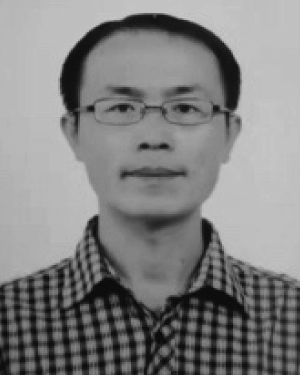 Gang Zhang (张刚)合作论文数15Tianfu Ding合作论文数14
 Song Haifeng合作论文数Peking University, Peking University14Wang Bixiao (王碧霄)合作论文数13Xin Zhang合作论文数13
 Lulin Ma (马潞林)合作论文数Peking University Third Hospital13
 Shudong Zhang (张树栋)合作论文数Department of Urology, Peking University Third Hospital11
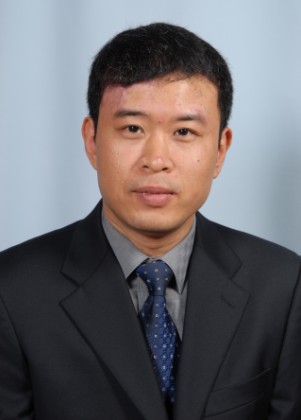 Chunlei Xiao (肖春雷)合作论文数,et al.Department of Urology,Peking University Third Hospital,Beijing ,China10
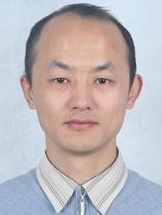 Youkai Wang (王由凯)合作论文数School of Physics & Information Technology, Shaanxi Normal University9
 Shouhua Zhu (朱守华)合作论文数Institute of Theoretical Physics, School of Physics, Peking University9
 Shu Wang (王澍)合作论文数Sch Med, Univ Maryland8Jin Song合作论文数7Zeng Xue (曾雪)合作论文数6Song JIN (靳松)合作论文数6Xiaolin Diao合作论文数4LIANG Lei (梁磊)合作论文数4
 Xiaofeng Wang (王晓峰)合作论文数北京大学人民医院4
 Yi Huang (黄毅)合作论文数Peking University Third Hospital4Li Jinting (李晋庭)合作论文数3Lei Liang合作论文数3GangHua Wang (王刚华)合作论文数3
 Marshall L. Stoller合作论文数Department of Urology, School of Medicine, University of California-San Francisco3Mingxian Kan合作论文数3
 David Bayne合作论文数3
 Kai Hong (洪锴)合作论文数Department of Urology, Peking University Third Hospital3
 Xiaofei Hou (侯小飞)合作论文数Peking University Third Hospital3
 Weiguo Hu (胡伟国)合作论文数Ruijin Hospital, Shanghai Jiao Tong University School of Medicine3Tom Chi合作论文数3
 Tian-Yu Sun (孙天宇)合作论文数3
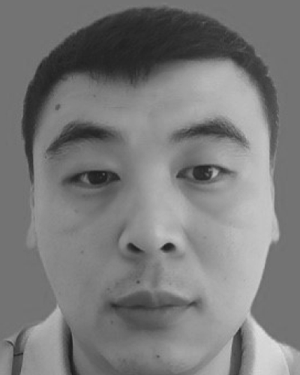 Yuefeng Jing (景越峰)合作论文数3Jiangjun Shi (施将君)合作论文数2Zhang Su-Lei合作论文数2Zhang Gang (张刚)合作论文数2Liang Lei (梁磊)合作论文数2
 Manuel Armas-Phan合作论文数Sch Med, UCSF2Scott Wiener合作论文数SUNY Syracuse, Upstate Med Univ2Qiang WANG (王强)合作论文数2




