Dysplastic nodules (DN) are precursors to cirrhosis-associated malignancy, and the HBV DNA integration in the human genome plays a critical role in tumorigenesis. However, the precise relationship between DN and HBV integration remains unclear. We performed HBV-capture sequencing on 19 cirrhosis patients with HBV infection (DN, 10; RN, 9), out of which 10 subjects (DN, 9; RN, 1) underwent RNA sequencing. In total, 1936 and 1450 HBV integration sites were identified in the DN and RN samples, respectively. The number of HBV integration sites in DN correlated with nodule size. Breakpoints in HBV genome were concentrated within 100 bps toward the 5' or 3' end of involved HBV genes. Furthermore, integration numbers also positively correlated with number of point mutations in DN samples. We identified 53 and 29 recurrent genes containing HBV integrations in ≥ 2 samples in DN and RN samples, respectively. Higher clonality was observed for HBV integrations in recurrent genes than other HBV-integrated genes. The HBV integrations in recurrent genes were predominantly located in intron regions. Notably, among those recurrently HBV-integrated genes in DN samples, SCHIP1, ZDHHC14, YPEL2, RABGAP1L, and SOX5 displayed significant expression alterations. Moreover, clinical indicators revealed significant prolongation of prothrombin time in two DN patients with HBV integrations in SCHIP1 and ZDHHC14. As a new insight regarding HBV integrations in DN stage, our findings suggest a possible role of HBV integration in the transformation of DN to early-stage liver cancer by affecting the expression of key genes.
Hepatocellular carcinoma (HCC) related to hepatitis B virus (HBV) infection predominantly affects males, yet few studies have investigated the association between sex hormones and HBV integrations, and their involvement in HCC prognosis. We assessed estrogen receptor alpha (ERα) and androgen receptor (AR) expression via immunohistochemistry on tissue microarrays constructed from 426 HBV-related HCC samples. HBV integration features were determined using HBV-captured sequencing data. Logistic regression models were utilized to evaluate the association between sex hormone receptor expression level and HBV integration features. Cox regression models, combined with machine learning (ML) methods, were implemented to investigate the prognostic value of sex hormone receptors and HBV integrations concerning overall survival. We found high AR expression level was significantly associated with higher HBV integration levels (adjusted odds ratio [aOR] = 1.84, 95% confidence interval [CI]: 1.09-3.11, P for trend = 0.012), TERT integration (aOR = 2.34, 95% CI: 1.16-4.74, P for trend = 0.047), intergenic integration (aOR = 2.25, 95% CI: 1.20-4.24, P for trend = 0.021), and promoter integration (aOR = 1.81, 95% CI: 1.00-3.31, P for trend = 0.034). The inclusion of sex hormone receptors and HBV integrations in the predictive models led to improvements across all performance metrics in the Cox regression analyses (AUC improvement: 0.014 [Training], 0.026 [Validation]) and the ML (AUC improvement: 0.022 [Training]), although a slight deterioration in performance was noted in the ML validation set. The results suggested a relationship between AR expression level and HBV integration events, as well as the potential utility of HBV integration biomarkers and sex hormone receptor profiles in assessing post-surgical prognosis among HCC patients.
Background:The role of 2'-O-methyltransferases in hepatocellular carcinoma (HCC) progression, particularly concerning inflammation, remains unclear. This study investigated their prognostic significance, identified key prognostic target FTSJ1, and elucidated its inflammatory-related biological functions and molecular mechanisms. Methods:Transcriptomic data from The Cancer Genome Atlas-Liver Hepatocellular Carcinoma (TCGA-LIHC) were integrated to data of subtype HCC patients via consensus clustering based on 2'-O-methyltransferase expression. Single-gene survival analysis linked FTSJ1, FTSJ2, FTSJ3, and FBL to prognosis. A four-gene risk model was built. Multivariate COX regression identified independent risk factors. FTSJ1 expression and prognostic value were validated clinically using quantitative real-time polymerase chain reaction (qRT-PCR) and immunohistochemistry (IHC). Functional roles were assessed in vitro [Cell Counting Kit-8 (CCK-8), Transwell, apoptosis/cell cycle assays] and in vivo (xenograft models). Mechanisms were explored via RNA sequencing (RNA-seq), gene set enrichment analysis (GSEA), and inflammatory cytokine detection. Results:Consensus clustering defined three subtypes. Subtype 1 (high 2'-O-methyltransferase expression) showed the worst prognosis. FTSJ1/2/3 and FBL correlated significantly with survival. The four-gene risk model predicted survival across cohorts [The Cancer Genome Atlas (TCGA)/Gene Expression Omnibus (GEO) datasets (GSE54236/GSE144269)]. FTSJ1 was an independent risk factor [multivariate Cox, hazard ratio (HR) =2.268, P=0.01] and significantly elevated in HCC tissues. Functionally, FTSJ1 knockdown inhibited proliferation and migration; induced G0/G1 arrest; promoted apoptosis in vitro; and suppressed tumor growth in vivo. Mechanistically, FTSJ1 drove HCC progression by reducing RNA stability of the key anti-inflammatory gene interleukin 1 receptor antagonist (IL1RN), leading to downregulated tumor necrosis factor-α (TNF-α) and interleukin-6 (IL-6) and enhanced pro-inflammatory signaling. Conclusions:High 2'-O-methyltransferase abundance predicts poor HCC prognosis. FTSJ1 is a novel independent prognostic biomarker and oncogenic factor that promotes HCC progression by dysregulating the inflammatory response pathway, highlighting its translational potential in inflammation-driven HCC.
BACKGROUND Simultaneous resection of colorectal cancer liver metastases (CRLM) has been widely adopted; however, clinical efficacy still varies across different surgical approaches, and the best surgical strategy remains controversial. AIM To investigate the efficacy and safety of laparoscopic hybrid surgery (LHS) vs total open surgery (TOS) the in simultaneous resection of CRLM. METHODS This was an observational study conducted at a tertiary medical center, enrolling 266 patients who undergoing simultaneous resection of CRLM from January 2017 to June 2021. The surgical approach was selected by colorectal surgeons and hepatobiliary surgeons based on their experience with either TOS or LHS. The primary outcomes were the incidence of complications, and postoperative recovery related outcomes. The secondary outcomes were 5-year overall survival and disease-free survival. RESULTS This study ultimately enrolled 144 patients in the LHS group and 122 patients in the TOS group. The complication rate was significantly lower in the LHS group than in the TOS group (10.4% vs 20.5%, P = 0.022). Compared with the TOS group, patients in the LHS group had shorter postoperative hospital stay [8.00 (6.00, 10.00) days vs 9.00 (8.00, 12.00) days, P < 0.001], earlier resumption of liquid intake [3.00 (3.00, 3.00) days vs 4.00 (3.00, 4.00) days, P < 0.001], and less intraoperative blood loss [300.00 (200.00, 400.00) mL vs 500.00 (500.00, 700.00) mL, P < 0.001]. However, the LHS group was associated with a longer operative time [260.00 (236.00, 320.00) minutes vs 240.00 (195.00, 269.00) minutes, P < 0.001]. No significant differences were observed in overall survival (P = 0.464) or disease-free survival (P = 0.838). CONCLUSION Compared with TOS, LHS for simultaneous resection of CRLM results in faster postoperative recovery, lower complication rates, and similar survival outcomes.
Dysplastic nodules (DN) are precursors to cirrhosis-associated malignancy, and the HBV DNA integration in the human genome plays a critical role in tumorigenesis. However, the precise relationship between DN and HBV integration remains unclear. We performed HBV-capture sequencing on 19 cirrhosis patients with HBV infection (DN, 10; RN, 9), out of which 10 subjects (DN, 9; RN, 1) underwent RNA sequencing. We performed HBV-capture sequencing on 19 cirrhosis patients with HBV infection (DN, 10; RN, 9), out of which 10 subjects (DN, 9; RN, 1) underwent RNA sequencing. 1936 and 1450 HBV integration sites were identified in the DN and RN samples, respectively. The number of HBV integration sites in DN correlated with nodule size. Breakpoints in HBV genome were concentrated within 100 bps towards the 5' or 3' end of involved HBV genes. Furthermore, integration numbers also positively correlated with number of point mutations in DN samples. We identified 53 and 29 recurrent genes containing HBV integrations in >=2 samples in DN and RN samples, respectively. Higher clonality was observed for HBV integrations in recurrent genes than other HBV-integrated genes. The HBV integrations in recurrent genes were predominantly located in intron regions. Notably, among those recurrently HBV-integrated genes in DN samples, SCHIP1, ZDHHC14, YPEL2, RABGAP1L, and SOX5 displayed significant expression alterations. Moreover, clinical indicators revealed significant prolongation of prothrombin time in two DN patients with HBV integrations in SCHIP1 and ZDHHC14. As a new insight regarding HBV integrations in DN stage, our findings suggest a possible role of HBV integration in the transformation of DN to early-stage liver cancer by affecting the expression of key genes.
Endothelial-mesenchymal transition (EndoMT) is a key physiological alteration that leads to vascular endothelial injury in diabetes mellitus (DM). CircUBE3A, a newly identified circular RNA, is associated with macrophage differentiation. This study investigated the role of circUBE3A in DM-induced EndoMT formation in vascular complication and explored the potential therapeutic role of EndoMT inhibition in DM. We used sanger sequencing to confirm the characteristics of mouse and human circUBE3A, which exhibited high homology. CircUBE3A was downregulated in db/db mice vessels and endothelial cells, a condition that was reversed by dapagliflozin (DAPA). CircUBE3A-OE suppressed EndoMT formation, as evidenced by the change in E-cadherin, N-cadherin, Snail, and Slug protein expression. These alterations, induced by advanced glycation end-products (AGEs) via the TGF-β signaling pathway, were analyzed using western blotting. We confirmed that circUBE3A expressed in endothelial cells, and it was unregulated in the vessel of db/db mouse treated by DAPA. CircUBE3A-OE inhibited EndoMT induced by AGEs. CircUBE3A inhibited activation of ERK1/2, p38MARPK and Smad3 phosphorylation. We identified 55 RNA modifications in db/db mice vessels, with N4-acetylcytidine (ac4c) exhibiting significant changes. CircUBE3A unregulated NAT10 expression and mediated UBE3A mRNA ac4c modification, increasing its stability. These findings indicate that circUBE3A suppresses EndoMT via the TGF-β signaling pathway through NAT10-mediated ac4C RNA modification.
This study aimed to evaluate the association between lymph node dissection (LND) and Textbook Outcomes (TO) in patients with intrahepatic cholangiocarcinoma (ICC). This retrospective multicenter study was registered in the Research Registry (registration number: researchregistry10392). We included patients treated at four major hospitals between 2011 and 2017. TO was defined as negative surgical margins, no perioperative blood transfusion, no postoperative complications, no prolonged length of stay (LOS ≤ the 50th percentile of the total cohort), no readmission within 30 days after discharge, and no postoperative death within 30 days. A random forest algorithm was used to determine the relative importance of factors associated with TO achievement. Subgroup analyses were conducted to identify patients who may benefit from LND. Adjusted TO was defined as achievement of both the conventional TO criteria and LND. A total of 376 patients were included in this study. Random forest analysis showed that LND was associated with the likelihood of achieving TO. Patients who underwent LND had higher rates of postoperative complications and longer hospital stays. Further analyses indicated that LND did not adversely affect overall prognosis and may contribute to prognostic stratification. LND may reduce the rate of achieving TO in the short term; however, its value for long-term prognosis and postoperative treatment planning should not be overlooked. Innovatively utilizing machine learning methods to analyze the impact of lymph node dissection on textbook outcomes. A comprehensive survival analysis provides strong support for the conclusion. Exploring the feasibility of incorporating lymph node dissection into the evaluation criteria for textbook outcomes.
Background: A significant portion of primary liver cancer patients in China are diagnosed at intermediate-to-advanced stages, often making them ineligible for curative surgery. Furthermore, high postoperative recurrence rates, reaching up to 70%, pose a major challenge for long-term survival. The emergence of novel systemic treatments, such as immune checkpoint inhibitor combinations, and advancements in locoregional therapies have created new opportunities for conversion and perioperative strategies. This updated consensus aims to standardize the clinical application of these therapies based on the latest evidence, with the objective of improving patient prognosis. Methods: A multidisciplinary committee of 97 experts was convened to revise previous guidelines. The process involved a comprehensive search of medical databases and conference proceedings, with evidence graded according to the Grading of Recommendations Assessment, Development, and Evaluation (GRADE) system. Consensus statements were finalized through a formal electronic voting process, requiring at least 80% agreement for approval, resulting in 18 updated statements. Results: The consensus provides refined definitions for conversion and perioperative therapy. It recommends various strategies for oncological conversion, including systemic therapy with anti-angiogenic drugs plus immunotherapy, and locoregional approaches like precision transarterial chemoembolization (TACE) and hepatic artery infusion chemotherapy (HAIC). The document strongly affirms surgical resection as a crucial step for achieving long-term survival after successful conversion and offers guidance on surgical timing and adjuvant therapy. For resectable patients with high-risk features, neoadjuvant and adjuvant treatments are outlined to mitigate recurrence. The consensus also advocates for using dynamic enhanced magnetic resonance imaging ( MRI) and the modified Response Evaluation Criteria in Solid Tumors (mRECIST) criteria for efficacy assessment and underscores the essential role of a multidisciplinary team in management. Conclusions: This updated consensus offers standardized, evidence-based guidance for clinicians on implementing conversion and perioperative strategies to optimize patient-centered care and highlights the need for continued research to further refine these promising approaches.
Hepatocellular carcinoma (HCC), which accounts for approximately 75–85% of primary liver cancers, ranks 4th in newly diagnosed cases among various types of cancer in China, and is the 2nd leading cause of cancer-related mortality, thereby posing a significant threat to the life and health of the Chinese population. Since the publication of the “Guidelines for Diagnosis and Treatment of Primary Liver Cancer in China” in June 2017, which were updated by the China’s National Health Commission in December 2019 and December 2021, additional high-quality evidence from researchers worldwide regarding the diagnosis, staging, and treatment of HCC has emerged, necessitating another update to the guidelines. The new edition (2024 Edition) was written by more than 120 multidisciplinary experts in the field of HCC in China, which not only reflects the real-world situation in China but also may reshape the nationwide diagnosis and treatment of HCC. The new guideline aims to encourage the implementation of evidence-based practice and improve the national average 5-year survival rate for patients with HCC, as proposed in the “Healthy China 2030: A Vision for Health Care.”
BACKGROUND:To investigate the preoperative factors influencing textbook outcomes (TO) in Intrahepatic cholangiocarcinoma (ICC) patients and evaluate the feasibility of an interpretable machine learning model for preoperative prediction of TO, we developed a machine learning model for preoperative prediction of TO and used the SHapley Additive exPlanations (SHAP) technique to illustrate the prediction process. AIM:To analyze the factors influencing textbook outcomes before surgery and to establish interpretable machine learning models for preoperative prediction. METHODS:A total of 376 patients diagnosed with ICC were retrospectively collected from four major medical institutions in China, covering the period from 2011 to 2017. Logistic regression analysis was conducted to identify preoperative variables associated with achieving TO. Based on these variables, an EXtreme Gradient Boosting (XGBoost) machine learning prediction model was constructed using the XGBoost package. The SHAP (package: Shapviz) algorithm was employed to visualize each variable's contribution to the model's predictions. Kaplan-Meier survival analysis was performed to compare the prognostic differences between the TO-achieving and non-TO-achieving groups. RESULTS:Among 376 patients, 287 were included in the training group and 89 in the validation group. Logistic regression identified the following preoperative variables influencing TO: Child-Pugh classification, Eastern Cooperative Oncology Group (ECOG) score, hepatitis B, and tumor size. The XGBoost prediction model demonstrated high accuracy in internal validation (AUC = 0.8825) and external validation (AUC = 0.8346). Survival analysis revealed that the disease-free survival rates for patients achieving TO at 1, 2, and 3 years were 64.2%, 56.8%, and 43.4%, respectively. CONCLUSION:Child-Pugh classification, ECOG score, hepatitis B, and tumor size are preoperative predictors of TO. In both the training group and the validation group, the machine learning model had certain effectiveness in predicting TO before surgery. The SHAP algorithm provided intuitive visualization of the machine learning prediction process, enhancing its interpretability.
Following the publication of this paper, it was drawn to the Editor's attention by a concerned reader that, regarding the cell invasion assay data shown in Fig. 4A, the 'Control' and 'pU‑siNC' data panels appeared to share an overlapping section of data, such that data which were intended to show the results of differently performed experiments had apparently been derived from the same original source. The authors were contacted by the Editorial Office to offer an explanation for this apparent anomaly in the presentation of the data in this paper; however, up to this time, no response from them has been forthcoming. Owing to the fact that the Editorial Office has been made aware of potential issues surrounding the scientific integrity of this paper, we are issuing an Expression of Concern to notify readers of this potential problem while the Editorial Office continues to investigate this matter further. [Molecular Medicine Reports 3: 903‑907, 2010; DOI: 10.3892/mmr.2010.355].
While dual KRAS and epidermal growth factor receptor (EGFR) inhibition shows promise in treating KRAS-mutant colorectal cancer (CRC), resistance remains a major challenge. Using genetically engineered mouse models, patient-derived organoids and xenografts, as well as clinical specimens, we discover that colorectal tumors surviving combined KRAS and EGFR inhibition acquire a Paneth-like cell state—a secretory lineage typically confined to the intestinal crypt. Lineage tracing reveals that CRC cells evade dual therapy by transitioning into a Paneth-like state. Through integrated transcriptomic analysis and CRISPR genetic screening, we identify SMAD1 as a key regulator of this lineage plasticity, promoting resistance by directly activating FGFR3. Genetic or pharmacological inhibition of FGFR3 prevents the Paneth-like transition, restores drug sensitivity, and synergizes with KRAS-EGFR inhibition across multiple preclinical models. These findings reveal that the SMAD1-FGFR3 axis triggers Paneth-like plasticity to drive KRAS-EGFR dual therapy resistance in CRC and highlight FGFR3 blockade as a promising strategy to overcome plasticity-driven drug tolerance.
ABSTRACT Background Hepatocellular carcinoma (HCC) is the second leading cause of cancer‐related death in China. The rapid progress in systemic therapies has led to the approval of many therapeutic methods that have quickly changed clinical guidelines and practices. Because of the high heterogeneity of HCC, there are still some gaps between the guidelines and real‐world clinical practice. The present study surveyed experts in China to investigate the current treatment concepts and clinical practice regarding HCC. Methods A questionnaire survey on the treatment concepts and clinical practice of HCC was administered to 310 experts with senior professional titles in 2020 and 312 experts in 2021. The results were analyzed and compared. Results For treating patients with resectable HCC, 28% of hepatobiliary surgeons indicated neoadjuvant therapy, and 7% chose systemic therapy ± locoregional therapy as 1 L therapy in 2021 compared with 20% and 1% in 2020. More experts chose adjuvant treatment within 1 month in 2021 compared with 2020, and 6 months and 12 months were the leading choices for the duration of adjuvant treatment. In 2021, 79% of surgeons and 19% of interventionalists were willing to conduct downstaging/conversion therapy for patients with potentially resectable HCC, and 78% chose tyrosine kinase inhibitors (TKI) + immunotherapy (IO) + locoregional therapy for cases in which R0 resection could not be achieved. For completely unresectable HCC, more experts preferred TKI + IO‐based therapy as 1 L therapy in 2021 compared with 2020 (78% vs. 55%). The proportion of experts who indicated TKI + IO‐based therapy as 2 L therapy increased from 32% in 2020 to 40% in 2021. Conclusion The survey results indicated that in 2021, compared with 2020, more experts opted to administer IO + TKI for the treatment of liver cancer, and more experts and patients were willing to participate in clinical research.
OBJECTIVE:The impact of nucleos(t)ide analogues (NAs) therapy on the long-term outcomes in chronic HBV infection individuals outside 2025 European Association for the Study of the Liver (EASL) strongly recommended treatment indications remains uncertain. We aimed to assess the association between NAs therapy and the risks of cirrhosis and hepatocellular carcinoma (HCC) in Chinese chronic HBV infection individuals outside these criteria. DESIGN:We analysed data from 30 784 chronic HBV infection individuals across 12 centres in China. We categorised individuals outside 2025 EASL strongly recommended treatment criteria into four groups: (1) hepatitis B e antigen (HBeAg)-positive, high replicative (age <30, HBV DNA ≥8 log₁₀IU/mL, normal alanine aminotransferase (ALT), no/mild fibrosis, no family history of liver cancer); (2) HBeAg-positive, impending phase transition (typically age ≥30, HBV DNA ≥6 log₁₀IU/mL, normal ALT, no advanced fibrosis); (3) HBeAg-negative, low replicative (HBV DNA <3.3 log₁₀IU/mL, normal ALT, no/mild fibrosis); (4) HBeAg-negative, high replicative, low-risk (HBV DNA 3.3-4.3 log₁₀IU/mL, normal ALT, no/mild fibrosis). The primary endpoints were the incidence of cirrhosis and HCC. RESULTS:Up to 5 years of follow-up (117 814 person-years), we documented 635 incident cirrhosis and 164 HCC cases. In multivariable analyses, NA therapy significantly reduced risks of cirrhosis (HR 0.18, 95% CI 0.11 to 0.32) and HCC (HR 0.03, 95% CI 0.01 to 0.21) in Group 1, and cirrhosis (HR 0.50, 95% CI 0.41 to 0.61) and HCC (HR 0.25, 95% CI 0.16 to 0.41) in Group 2. No significant associations were observed in Groups 3 and 4. Findings were consistent in propensity score matching analyses. CONCLUSION:NAs therapy was associated with reduced risks of cirrhosis and HCC in HBeAg-positive individuals with high replicative or impending phase transition phenotypes, supporting the expansion of chronic HBV infection treatment criteria.
Background: Currently, there is a deficiency in a strong risk prediction framework for precisely evaluating the likelihood of severe postoperative complications in patients undergoing elective hepato-pancreatobiliary surgery subsequent to experiencing breakthrough infection of coronavirus disease 2019 (COVID19). This study aimed to find factors predicting postoperative complications and construct an innovative nomogram to pinpoint patients who were susceptible to developing severe complications following breakthrough infection of COVID-19 after undergoing elective hepato-pancreato-biliary surgery. Methods: This multicenter retrospective cohort study included consecutive patients who underwent elective hepato-pancreato-biliary surgeries between January 3 and April 1, 2023 from four hospitals in China. All of these patients had experienced breakthrough infection of COVID-19 prior to their surgeries. Additionally, two groups of patients without preoperative COVID-19 infection were included as comparative controls. Surgical complications were meticulously documented and evaluated using the comprehensive complication index (CCI), which ranged from 0 (uneventful course) to 100 (death). A CCI value of 20.9 was identified as the threshold for defining severe complications. Results: Among 2636 patients who were included in this study, 873 were included in the reference group I, 941 in the reference group II, 389 in the internal cohort, and 433 in the external validation cohort. Multivariate logistic regression analysis revealed that completing a full course of COVID-19 vaccination > 6 months before surgery, undergoing surgery within 4 weeks of diagnosis of COVID-19 breakthrough infection, operation duration of 4 h or longer, cancer-related surgery, and major surgical procedures were significantly linked to a CCI > 20.9. A nomogram model was constructed utilizing CCI > 20.9 in the training cohort [area under the curve (AUC): 0.919, 95% confidence interval (CI): 0.881-0.957], the internal validation cohort (AUC: 0.910, 95% CI: 0.847-0.973), and the external validation cohort (AUC: 0.841, 95% CI: 0.799-0.883). The calibration curve for the probability of CCI > 20.9 demonstrated good agreement between the predictions made by the nomogram and the actual observations. Conclusions: The developed model holds significant potential in aiding clinicians with clinical decisionmaking and risk stratification for patients who have experienced breakthrough infection of COVID-19 prior to undergoing elective hepato-pancreato-biliary surgery.
Primary liver cancer is the sixth most commonly diagnosed cancer globally and the third leading cause of cancer-related deaths. Hepatocellular carcinoma (HCC) is the most common type of primary liver cancer, and microvascular invasion (MVI) is a significant risk factor affecting postoperative prognosis in HCC. However, accurately predicting MVI preoperatively remains a challenge. This study aims to evaluate the application of large language models (LLMs), specifically ChatGPT 4o, in predicting MVI in HCC and to compare its performance with traditional clinical models. In this retrospective study, 300 HCC patients who underwent curative liver resection between June 2018 and December 2018 were selected at two centers. The collected clinical data included age, gender, HBV infection, liver cirrhosis, AFP levels, and more. ChatGPT 4o were used to process the clinical data of the patients and predict MVI. Subsequently, the predictive results of the ChatGPT 4o were compared with machine learning models, the ROC curves were plotted, and AUC was calculated. The results showed that the AUC of the ChatGPT 4o was 0.755. Machine learning algorithms use Random Forest, Support Vector Machine, Logistic Regression, XGBoost and Decision Tree, the AUC of 5 machine learning algorithms was range from 0.534 to 0.624. ChatGPT 4o achieved the highest AUC and showed statistically significant differences compared to Support Vector Machine, Logistic Regression and Decision Tree. Additionally, the predictive results of the ChatGPT 4o effectively stratified the postoperative overall survival (OS) and recurrence-free survival (RFS) of HCC patients. LLMs have demonstrated significant predictive capabilities for MVI in HCC and for risk stratification regarding postoperative OS and RFS. These advancements possess substantial potential to enhance preoperative management and make surgical planning.
BACKGROUND:Early recurrence of intrahepatic cholangiocarcinoma (ICC) is difficult to predict. Traditional machine learning prediction models, characterized by their black-box nature, may be biases or ethical risks. METHODS:The XGBoost algorithm develops the machine learning prediction model. The area under the receiver operating characteristic curve (AUC) served for evaluating model performance. The SHAP algorithm conducts interpretability analysis. RESULTS:A total of 503 patients with 323 in the training cohort and 180 in the validation cohort. Tumor size, lymph node metastasis, microvascular invasion (MVI), and CA19-9 levels were identified as independent predictors of ICC early recurrence. The predictive model demonstrated the highest discriminative power in both training and validation cohorts (AUC 0.76 vs. 0.72, respectively). SHAP analysis demonstrates the decision-making process of the machine learning model. CONCLUSIONS:The XGBoost model for predicting early recurrence of ICC demonstrates accuracy and reliability. Explainable machine learning models, which balance transparency and accuracy.
The microenvironment created by tertiary lymphoid structures (TLSs) can support and regulate immune responses, affecting the prognosis and immune treatment of patients. Nevertheless, the actual importance of TLSs for predicting the prognosis of combined hepatocellular-cholangiocarcinoma (cHCC-CCA) patients remains unclear. Herein, using spatial transcriptomic analysis, we revealed that a gene signature of TLSs specific to cHCC-CCA was associated with high-intensity immune infiltration. Then, a novel scoring system was developed to evaluate the distribution and frequency of TLSs in intra-tumoral and extra-tumoral regions (iTLS and eTLS scores) in 146 cHCC-CCA patients. iTLS score was positively associated with promising prognosis, likely due to the decreased frequency of suppressive immune cell like Tregs, and the ratio of CD163+ macrophages to macrophages in intra-tumoral TLSs via imaging mass cytometry, while improved prognosis is not necessarily indicated by a higher eTLS score. Overall, this study highlights the potential of TLSs as a prognostic factor and an indicator of immune therapy in cHCC-CCA.
 Mengchao Wu (吴孟超)合作论文数Naval Medical University142
 Yuan Yang (杨远)合作论文数上海东方肝胆外科医院肝胆外科118
 ZeYa Pan (潘泽亚)合作论文数97SiYuan Fu (傅思源)合作论文数78Sheng-Xian Yuan合作论文数76
 Hui Liu (刘辉)合作论文数Eastern Hepatobiliary Surgery Hospital, Second Military Medical University70Ai-Jun Li合作论文数64
 Wan-yee Joseph Lau (刘允怡)合作论文数Department of Surgery, Faculty of Medicine, The Chinese University of Hong Kong46
 Zhen-Guang Wang (汪珍光)合作论文数41
 Jun-Sheng Ni合作论文数33Gang Huang (黄罡)合作论文数33Yun Yang (杨云)合作论文数30
 Yongyi Zeng (曾永毅)合作论文数Mengchao Hepatobiliary Hospital of Fujian Medical University30
 Hongyang Wang (王红阳)合作论文数Shanghai Cancer Institute;Naval Medical University;The National Center for Liver Cancer29
 Jingfeng Liu (刘景丰)合作论文数College of Biological Science and Engineering, Fuzhou University;Fujian Provincial Cancer Hospital27
 Kongying Lin合作论文数26
 Fu Yang (杨富)合作论文数Naval Medical University;School of Health Science and Engineering, University of Shanghai for Science and Technology26Fangming Gu合作论文数26Tao Qi-Fei合作论文数24Jin Zhang (章琎)合作论文数23
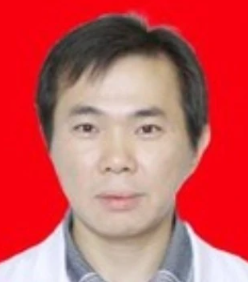 Chuan Lin (林川)合作论文数Naval Medical University22
 Shuhan Sun (孙树汉)合作论文数Changhai Hospital, Naval Medical University;Shanghai Changzheng Hospital21Bei-Ge Jiang合作论文数21
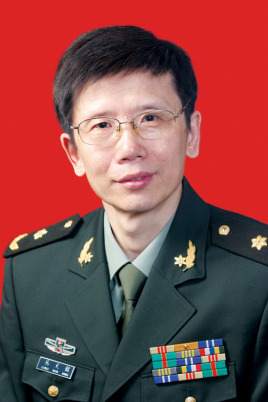 Wenming Cong (丛文铭)合作论文数Department of Pathology, Eastern Hepatobiliary Surgery Hospital, Second Military Medical University/Key Laboratory of Signaling Regulation and Targeting Therapy of Liver Cancer, Second Military Medical University, The Ministry of Education20Mengchao Wang合作论文数18Guojun Hou合作论文数18Peng-Peng Li合作论文数18Ruoyu Wang合作论文数18XiaoPing Yao (姚晓平)合作论文数18
 Lei Liu (刘雷)合作论文数Intelligent Medicine Institute, Fudan University18Zhao Ling-Hao合作论文数17
 Feng Shen (沈锋)合作论文数The Third Affiliated Hospital of Naval Medical University17Dongyang Ding合作论文数16Qingguo Xu合作论文数16Da-Peng Sun合作论文数16Zheng Hao合作论文数15Hongzhi Liu合作论文数14Jian Yu合作论文数14JingDong Li (李敬东)合作论文数14
 Lei Yin (阴雷)合作论文数中国人民解放军第二军医大学14
 Jia Fan (樊嘉)合作论文数Zhongshan Hospital, Fudan University;Liver Cancer Institute, Fudan University;Shanghai Medical College, Fudan University14
 Jiamei Yang (杨家梅)合作论文数The Second Affiliated Hospital of Zhengzhou University14Eric C H Lai合作论文数13Huang Jian合作论文数13Fuchen Liu合作论文数13Tao Tian合作论文数13Fang Wang合作论文数Harbin Medical University13




