Quality marker (Q-marker) of traditional Chinese medicine (TCM) is a new concept of TCM quality research. Since it was proposed in 2016, it has aroused wide response from the industry and has become an innovative theory and technical method leading the quality research and quality control of TCM. This paper summarized the core connotation, theoretical basis and innovative value of Q-marker, proposed the technical strategies and paths of the Q-marker research, and showed the prospect of its application in the TCM industry. The paper provides references for TCM quality research, quality evaluation, quality control and scientific supervision and has important significance for promoting the quality standard and quality control level of TCM.
[This retracts the article DOI: 10.1039/C8RA07163B.].
As an important carrier of traditional Chinese medicine (TCM) knowledge, TCM prescriptions is the crystallization of the wisdom of Chinese medical practitioners through the ages, and occupies a pivotal position in the traditional knowledge system of Chinese medicine in China. However, under the current legal framework, despite the establishment of intellectual property rights system and the adoption of the Law of the People’s Republic of China on Traditional Chinese Medicine, which provide a certain legal foundation for the protection of TCM, these systems still face difficulties in providing adequate and effective protection for TCM prescriptions in practical operations. Based on this, this paper will adopt the comparative research method and literature analysis method to deeply explore advanced systems in other countries for the protection of traditional medicine knowledge and to identify the shortcomings and deficiencies of the current systems in China. On this foundation, the paper will focus on discussing how to improve and upgrade China’ TCM prescription protection system through both active improvement measures and passive defence measures. The goal is to prevent improper utilization of China’s TCM prescriptions by other countries while also facilitating China’s TCM enterprises to enter the international arena, enhancing China’s national influence and voice in the field of TCM, and contributing wisdom and strength to the inheritance and development of the TCM industry.
INTRODUCTION:Abnormal lipid metabolism, one of the hallmarks in cancer, has gradually emerged as a novel target for cancer treatment. As organelles that store and release excess lipids, lipid droplets (LDs) resemble "gears" and facilitate cancer development in the body. AIM:This review discusses the life cycle of LDs, the relationship between abnormal LDs and cancer hallmarks, and the application of LDs in theragnostic and clinical contexts to provide a contemporary understanding of the role of LDs in cancer. METHODS:A systematic literature search was conducted in PubMed and SPORTDiscus. Retrieve and summarize clinical trials of drugs that target proteins associated with LD formation using the Clinical Trials website. Create a schematic diagram of lipid droplets in the tumor microenvironment using Adobe Illustrator. CONCLUSION:As one of the top ten hallmarks of cancer, abnormal lipid metabolism caused by excessive generation of LDs interrelates with other hallmarks. The crosstalk between excessive LDs and intracellular free fatty acids (FFAs) promotes an inflammatory environment that supports tumor growth. Moreover, LDs contribute to cancer metastasis and cell death resistance in vivo. Statins, as HMGCR inhibitors, are promising to be the pioneering commercially available anti-cancer drugs that target LD formation.
Synthetic biology provides unprecedented opportunities to tackle critical issues including climate change and sustainable development by constructing microbial cell factories to produce industrially valuable biochemicals,biofuels,and biomaterials using renewable biomass resources[1],where strain screening for spe-cific metabolic traits is a critical step.Rapid,accurate,and simul-taneous quantification of multiple metabolites is critical for multi-perspective strain performance evaluation and strain screening,and a generalized method or platform will also reduce method development time to speed up the screening process.Numerous methods have been developed for screening including biochemical assays,fluorometric techniques,and analytic chemistry methods.
The fruits of Forsythia suspensa (F. suspensa) have been used as a traditional Chinese medicine for 2000 years. Currently, the quality control of F. suspensa strictly follows the instructions of Chinese Pharmacopeia, which mainly controls the content of forsythoside A, phillyrin, and volatile oil. In this study, air pressure MALDI mass spectrometry imaging (AP-MALDI MSI) was used to evaluate the quality of F. suspensa fruits and the distribution of dozens of active ingredients. The variation of active ingredients was measured for more than 30 batches of samples, regarding harvest time, cultivated environment, shelf-life, and habitat. Fifty-three active ingredients could be detected in F. suspensa fruits with AP-MALDI MSI. Seven active ingredients were upregulated, four ingredients downregulated, and 15 ingredients did not change in ripe fruits. A sharp variation of active ingredients in late September was observed for the Caochuan fruits harvested in 2019, which is closely related to the appearance of the ginger color of the pericarp under the microscope observation. The microscope observation is a reliable way to classify ripe and green fruits instead of outlook. Just considering forsythoside A and phillyrin, it is found that wild fruits are better than cultivated fruits, but cultivated fruits have high contents of other ingredients. The shelf-life of F. suspensa fruits is proposed to be 3 years, considering the 26 ingredients investigated. It was found that Luoning wild fruits are better than those from Caochuan with a new evaluation method. Mass spectrometry imaging is an easy, objective, and effective method to evaluate the quality of F. suspensa fruits.
目的 研究蒙药暖宫七味丸的化学物质组、血中移行成分及药动学,筛选出暖宫七味丸潜在的质量标志物.方法 综合运用UPLC-Triple-TOF-MS/MS、GC-MS技术结合数据库及对照品对比,鉴别暖宫七味丸的化学物质组、血中移行成分;使用UPLC-Q-TRAP-MS/MS研究其体内药动学特征.结果 采用UPLC-Q-TOF-MS/MS鉴别出暖宫七味丸中的76个化学成分,采用GC-MS鉴别出35个化合物.经大鼠ig给药后鉴别出19个吸收进入血中的原型成分,其中,沉香四醇、绿原酸、科罗索酸表现出良好的可测性,且具有明显的药动学特征.结论 沉香四醇、绿原酸、科罗索酸在暖宫七味丸的化学物质组-血中移行成分-药动学研究中具有良好的可测性和可追溯性,可作为暖宫七味丸潜在的质量标志物.
[This corrects the article DOI: 10.1016/j.apsb.2022.09.003.].
自1960年以来,美国FDA推出的基础研究-发现-设计-临床前开发-临床研究等过程的新药研发的转化研究,这种"万里挑一"的转换研究模式在生命科学研究领域得到快速的发展."精准医学"概念和计划,希望更接近治愈癌症和糖尿病等疾病,希望将以基因为特点的大数据信息用于精准个体化药物治疗."精准医学"作为医学的未来是人类医学的变革,长期目标是为实现多种疾病的治愈提供有价值的信息.基于精准医疗四要素中"精确、准时、共享、个体化",提出"精准药学"的概念,希望它在实现"精准医疗"中发挥作用,而且具有不同于"精准医学"的研究目标和研究特征."精准药物"治疗只有在实现"精准诊断"的基础上,医疗应用相关的"精准药物"才能提出"精准治疗方案",才能实现精准的个体化治疗. 创新研究各个环节对新药研发均有影响,如:(1)靶点不一定能用于药物发现,有"活性"化合物不一定能成药;(2)动物疾病模型与人疾病的生物标志物的不一致性,不能预见临床的有效性和安全性;(3)动物安全性评价结果不能有效地预测药物的安全性;(4)临床试验受试者的结果不具备显著的代表性;(5)新医药产品的出现还无可靠的评价的工具和标准;等等.基因组学告诉我们什么可能会发生,蛋白质组学告诉我们什么将要发生,代谢组学则告诉我们什么已经发生!因此基于组学量大的特点,精准地认识组学和用好组学,对于新药的研发和推进精准医疗发展有重要的作用.在"大数据"时代,药物研发可以认为与健康人和患者的基因有关,更与疾病的病因、进程、环境、保健等有关,也与药物的多技术组合的成功有关,因此需要更广博的知识和广阔的视野去认识研发的难度和精准性. 从目前的科学认识来看,真正"治愈"癌症任重道远,它不应局限于药物治疗,攻克癌症需要发现更有效的疗法.在一定程度上,预防是强有力的治愈癌症之良策,环境安全、食品安全、健康科普、良好的生活习惯和有度的运动保健也十分重要.通过本文的阐述,我们寄希望于精准药物研发、精准诊断的发展和精准医疗的发展,通过大数据共享,能改变这类"75%无效"和"基本不靠谱"的局面.但是我们也认为对于癌症治疗的科学发展任重道远.药物仅仅是一种手段,对于癌症,有效药物是必要的,"没有药物是万万不能的",但是没有精准药物、精准诊断和精准治疗,"药物也不是万能的".精准医学真实世界也很复杂.记住默克先生所说:在我们找到一条有效途径,把我们的最佳成果带给每一个人之前,我们决不能停下来.
Vaginitis is one of the common gynaecological diseases at present,which is characterized by a relatively high incidence rate and recurrence rate.Traditional Chinese medicine(TCM)compound has an outstanding curative effect on vaginitis and a low recurrence rate,the mechanism of treating vaginitis is complex,and the relationship between components and target is still unclear.By comparing the etiology,pathogenesis and treatment of vaginitis from the perspectives of TCM and Western medicine,we review the progress of research on the evidence-based treatment of vaginitis with TCM compound,and collect the components and targets of TCM compound for the treatment of vaginitis by clearing heat and draining dampness,invigorating spleen and removing dampness,and nourishing yin and reinforcing kidney through network pharmacology to illustrate the therapeutic characteristics of TCM syndrome differentiation treatment,explain the rationality of TCM to treat vaginitis by syndrome differentiation,and provide a reference for potential drug discovery and clinical precision treatment of vaginitis with TCM compound.
Qingyan Dropping Pills have the effects of relieving wind and heat, detoxifying, and promoting the pharynx. It is commonly used in traditional Chinese medicines to treat acute and chronic pharyngitis, as well as sore throats and dry throats caused by surgery. Recently, many studies have shown that Qingyan Dropping Pills have certain effects on bacteriostasis, anti-inflammatory, antioxidant, and antiviral activities. As the coronavirus disease 2019 (COVID-19) pandemic enters the post-epidemic era, the regular use of drugs for COVID-19 pandemic symptoms has become a new trend. Therefore, there is a good market prospect to explore and develop Chinese patent medicines with antiviral effects. A preliminary study on the herbal formula and material basis of Qingyan Dropping Pills revealed that they have potential for antiviral applications. In this paper, the research on the quality study and antiviral effect of Qingyan Dropping Pills was reviewed, and the research direction of its secondary development was discussed to provide ideas and references for the new use of old traditional Chinese medicines.
Diosgenin extracted from fenugreek, yam and other foods exhibits a wide range of pharmacological activities, especially for the treatment of pain and other nervous system diseases. However, its role in oxaliplatin-induced peripheral neuropathy (OIPN) is unclear. To explore its detailed mechanism on the pain caused by chemotherapy, we carried out this experiment. In this study, the effects of diosgenin on injured PC12 cells and OIPN mice were examined. The results showed that diosgenin not only protected PC12 from injury, but also reduced the mechanical withdrawal threshold and cold hyperalgesia in OIPN mice. Diosgenin inhibited oxidative stress, the cell glial fibrillary acidic protein, and the pro-inflammatory cytokines such as tumor necrosis factor-α, toll-like receptor 4 and nuclear factor-κB in the brain. Furthermore, the fecal microbiota transplantation experiment indicated that diosgenin improved OIPN through regulation of the gut microbiota. All in all, diosgenin ameliorates peripheral neuropathy and is worthy of further study in the treatment of neuropathic pain.
Plants make different defense mechanisms in response to different environmental stresses. One common way is to produce secondary metabolites. Temperature is the main environmental factor that regulates plant secondary metabolites, especially flavonoids and terpenoids. Stress caused by temperature decreasing to 4-10 degrees C is conducive to the accumulation of flavonoids and terpenoids. However, the accumulation mechanism under cold stress still lacks a systematic explanation. In this review, we summarize three aspects of cold stress promoting the accumulation of flavonoids and terpenoids in plants, that is, by affecting (1) the content of endogenous plant hormones, especially jasmonic acid and abscisic acid; (2) the expression level and activity of important transcription factors, such as bHLH and MYB families. This aspect also includes post-translational modification of transcription factors caused by cold stress; (3) key enzyme genes expression and activity in the biosynthesis pathway, in addition, the rate-limiting enzyme and glycosyltransferases genes are responsive to cold stress. The systematic understanding of cold stress regulates flavonoids, and terpenoids will contribute to the future research of genetic engineering breeding, metabolism regulation, glycosyltransferases mining, and plant synthetic biology.
目的 通过文献计量学软件CiteSpace对石榴皮的研究现状及热点进行可视化分析,为国内突破石榴皮研究瓶颈和发现研究新思路提供参考.方法 基于中国知网数据库和Web of Science数据库进行文献检索,时间限定为2002年1月1日-2022年11月20日,共纳入3447篇符合标准的文献,对年发文量,国家(地区)、机构、作者合作网络,关键词共现、聚类、突现词,英文文献共被引进行分析.结果 石榴皮研究中文文献发文量增长平缓,英文文献发文量增长快速,国内外对于石榴皮研究的热度不同.发文最多的3个国家是印度、中国、伊朗,国内主要的研究机构有新疆医科大学、陕西师范大学、武汉大学、武汉大学人民医院,国外主要的研究机构有伊斯兰阿扎德大学(Islamic Azad University)、沙特阿拉伯国王大学(King Saud University)等.国内外主要的核心作者有周文宏、高晓黎、Opara Umezuruike Linus等.国内研究内容主要集中于化学成分和药理作用方面,国外主要研究集中于石榴皮作为食品添加剂方面.结论 抑菌、抗动脉粥样硬化、治疗结肠炎、抗肿瘤等药理作用机制的研究以及安石榴苷、鞣花酸等化学成分的提取和纯化是国内研究需要突破的瓶颈.作为食品添加剂的口感优化和毒理学研究以及纺织物染色的应用是今后石榴皮研究的新方向.
The concept of food and medicine continuum(FMC) is traced back to Shennong’s Classic of Materia Medica(Shénnóng Běncǎo J ?ng in Chinese) of the 1st century(Heinrich et al., 2022), which recorded 120 herbal medicines of the ’top grade’ with nourishing properties; they can be consumed for extended periods of time without obvious side effects, indicating their functional food and medicinal benefits(Xiao, 2023). In recent decades, the health-promoting actions of numerous edible herbal medicines and phytometabolites therein have been scrutinized. For instance,
Cerebral ischemic stroke is a major cause of mortality worldwide and severely affects the daily life of survivors. This study aimed to evaluate the therapeutic effects of icaritin (ICT) against cerebral ischemic stroke injury using a middle cerebral artery occlusion/reperfusion (MCAO/R) mice model, and investigate the pharmacological mechanisms via pharmacologically targeting molecular motor. Our results demonstrated that ICT significantly reduced the cerebral infarction size and brain edema of MCAO/R mice, and improved the neurological score at the same time. H&E and Nissl staining results confirmed that ICT alleviated the cerebral ischemia-induced damage in model mice and reduced the neuronal apoptosis caused by MCAO/R. More importantly, ICT pro-moted the expression of ZO1, Occludin and Claudin 5 by reducing the ratio of TIMP1/MMP2 and TIMP1/MMP9 in brain tissue to protect the blood-brain barrier. Further studies indicated that ICT inhibited the inflammatory level of brain tissue by regulating TLR4, MAPK and NLRP3 inflammasome signaling pathways. In combination with photochemically induced coupling reaction system, surface plasmon resonance, molecular docking and cellular thermal shift assay technology and Inhibitor Screening Kits, it was found that cathepsin B (CTSB) was the key target of ICT to attenuate neuroinflammation. To verify this conclusion, we inhibited the activity of CTSB in BV2 cells with CA-074 Me, and it demonstrated that ICT no longer had the inhibitory effect on glucose and oxygen deprivation-reoxygenation (OGD/R)-induced inflammation. When the mice were pretreated with CA-074 Me, ICT lost its protective effect on MCAO/R injury. Collectively, we reported ICT as a small-molecule targeting CTSB for anti-neuroinflammation. Morever, these findings broaden our knowledge of CTSB as a druggable target protein for neuroinflammation inhibition, and open a new avenue to novel therapy strategy for cerebral ische-mia-reperfusion injury.
Background: Shengmai decoction, which has been included in the diagnosis and treatment of coronavirus disease 2019 (COVID-19), is effective in the early treatment of patients with severe COVID-19. Yiqi Fumai lyophilized injection (YQFM) is a modern Chinese medicine preparation of the Shengmai decoction. The mechanism of its intervention at the molecular level in the severe stage of COVID-19 remains unclear. Therefore, it is necessary to investigate the mechanism of YQFM in the treatment of patients with severe COVID-19. Methods: The corresponding target genes of the main active ingredients in YQFM and COVID-19 were obtained by using multiple databases and literature retrieval. A protein-protein interaction network was constructed, and enrichment analysis of the target was performed using Cytoscape 3.8.1. Lastly, the docking of all the identified compounds with angiotensin-converting enzyme II was confirmed by applying molecular docking technology. Results: YQFM has anti-inflammatory effects on RAW267.4 macrophages. The main active compounds of YQFM are all effective anti-inflammatory agents, and these active compounds also show beneficial physiological functions, such as anti-oxidation, anti-bacterial, and anticancer activities. Gene Ontology analysis showed enrichment in the following pathways: lipopolysaccharides, interleukins, NF-kappa B, interleukin-2 and others, revealing that YQFM may play a role in the treatment of patients with severe COVID-19 through these pathways. Conclusion: YQFM has multicomponent and multitarget characteristics, and it could reduce lung injury by inhibiting inflammatory reactions, promoting antiviral activities, and regulating immunity, among other functions, to treat patients with severe COVID-19.
Cancer cells consume considerable glucose quantities and majorly employ glycolysis for ATP generation. This metabolic signature (the Warburg effect) allows cancer cells to channel glucose to biosynthesis to support and maintain their dramatic growth along with proliferation. Currently, our understanding of the metabolic and mechanistic implications of the Warburg effect along with its relationship with biosynthesis remains unclear. Herein, we illustrate that the tumor repressor p53 mediate Magnolol (MAG) triggers colon cancer cell apoptosis. And MAG regulates the glycolytic and oxidative phosphorylation steps through transcriptional modulation of its downstream genes TP53-induced glycolysis modulator and biosynthesis of cytochrome c oxidase, attenuating cell proliferation and tumor growth in vivo and in vitro. Meanwhile, we show that MAG cooperates with its own intestinal microflora characteristic metabolites to repress tumors, especially remarkably declined kynurenine (Kyn)/tryptophan (Trp) ratio. Besides, strong relationships of MAG influenced genes, microbiota, as well as metabolites, were explored. Therefore, we established that p53-microbiota-metabolites function as a mechanism, which enable therapy approaches against metabolism-implicated colorectal cancer, in particular MAG as a prospective candidate for treating colorectal cancer.
 Tiejun Zhang (张铁军)合作论文数Tianjin Institute of Pharmaceutical Research88
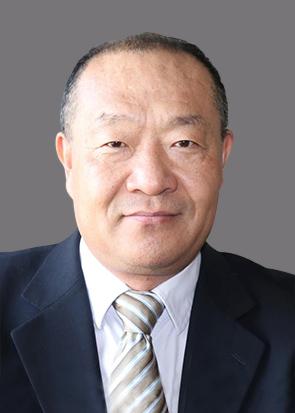 Wenyuan Gao (高文远)合作论文数Tianjin University of Science and Technology;School of Pharmaceutical Science and Technology, Tianjin University79
 Duanyun Si (司端运)合作论文数76Li Yazhuo合作论文数50Jun Xu (许浚)合作论文数Tianjin Pharmaceutical Research Institute Co., Ltd48ShuLi Man (满淑丽)合作论文数44Xiulin Yi (伊秀林)合作论文数42QuanSheng Li (李全胜)合作论文数37GuangLi Wei (魏广力)合作论文数37HongBing Zhang (张洪兵)合作论文数37
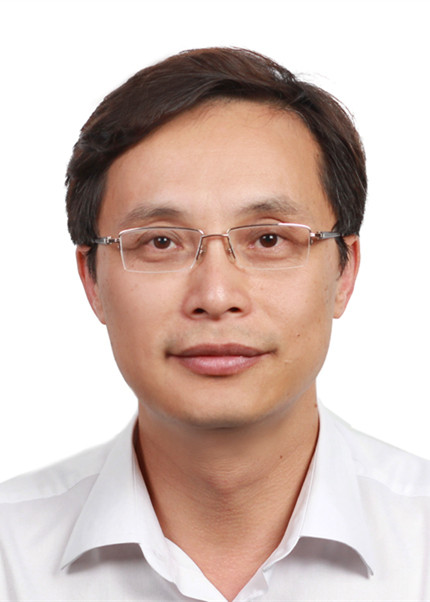 Luqi Huang (黄璐琦)合作论文数National Resource Center for Chinese Materia Medica, China Academy of Chinese Medical Sciences;Nanjing University of Chinese Medicine;National Administration of Traditional Chinese Medicine33YanQi Han (韩彦琪)合作论文数32
 Xin He (何新)合作论文数School of Traditional Chinese Medicine, Guangdong Pharmaceutical University31HuiRong Fan (樊慧蓉)合作论文数30
 Yuan Gu合作论文数28XiaoYan Ci (慈小燕)合作论文数27SuXiao Gong (龚苏晓)合作论文数27CAI Yong-ming合作论文数25
 Guangyi Liang合作论文数24shuhua xiao合作论文数22
 Yang Chu (褚扬)合作论文数22Xuefeng Xiao (肖学凤)合作论文数School of Chinese Materia Medica, Tianjin University of Traditional Chinese Medicine22Yong Zeng合作论文数22
 Rong Lu合作论文数21Jing-ze ZHANG (张静泽)合作论文数20WeiDang Wu (武卫党)合作论文数20
 Shuiping Zhou (周水平)合作论文数Tasly Pharmaceutical Group Co.,Ltd.20
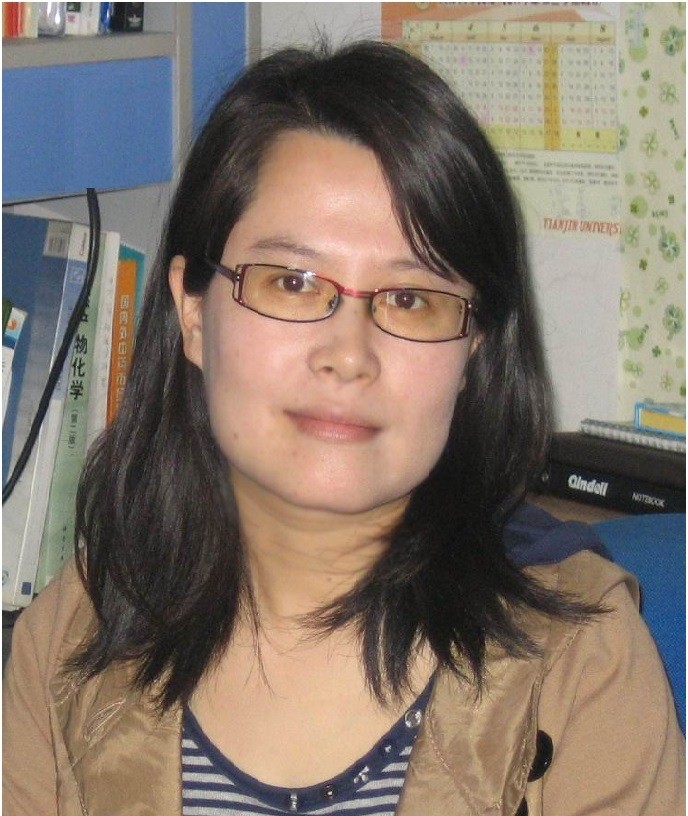 Xia Li (李霞)合作论文数School of Pharmaceutical Science and Technology, Tianjin University19Yong Ceng (曾勇)合作论文数17Zhen Liu合作论文数17
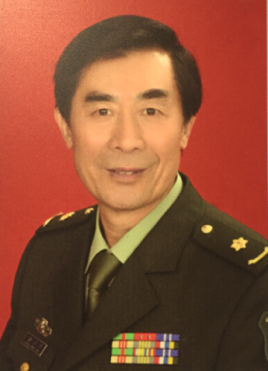 Zhengming Huang (黄正明)合作论文数Chinese PLA General Hospital17ZHANG Zong-peng合作论文数16
 Wenbin Hou (侯文彬)合作论文数天津药物研究院15
 Yanjun Zhang (张艳军)合作论文数Tianjin University of Traditional Chinese Medicine15
 Haiyu Xu (许海玉)合作论文数Institute of Chinese Materia Medica, China Academy of Chinese Medical Sciences15
 Xiuping Shen (申秀萍)合作论文数Tianjin Institute for Drug Control15Tao CUI (崔涛)合作论文数14Weiren Xu (徐为人)合作论文数天津药物研究院14
 Ke Lan (兰轲)合作论文数West China School of Pharmacy, Sichuan University14Wei Li合作论文数14
 Yanyan Xu (许妍妍)合作论文数School of Chinese Materia Medica, Tianjin University of Traditional Chinese Medicine14
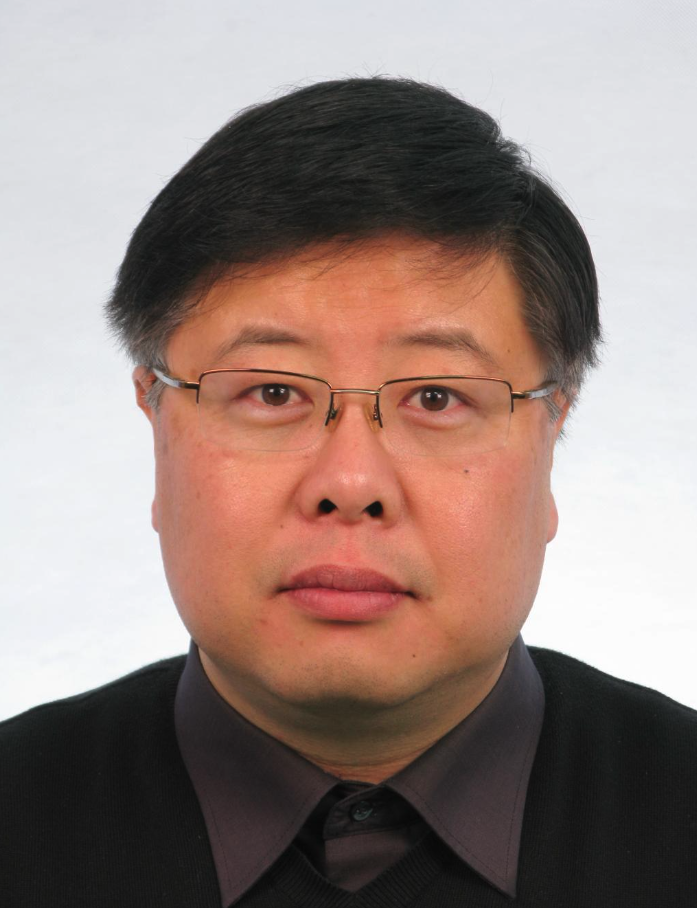 Gang Bai (白钢)合作论文数College of Pharmacy, Nankai University14Shiqi Dong合作论文数13Xiangyang Wang合作论文数13XingYan Zhang (张星艳)合作论文数13
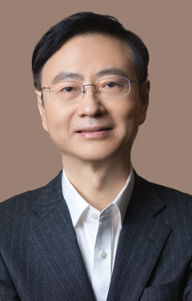 Wei Jia (賈偉)合作论文数Department of Pharmacology and Pharmacy, School of Chinese Medicine, Li Ka Shing Faculty of Medicine, The University of Hong Kong13ZiHong Wei (魏滋鸿)合作论文数12AiChun Ju (鞠爱春)合作论文数12Mao-Jin Zhou合作论文数12




