3D Gaussian Splatting achieves real-time photo-realistic rendering but struggles when training images contain transient objects that violate multi-view consistency. Existing methods face a fundamental dilemma: accurate transient detection requires well-reconstructed static scenes, yet clean reconstruction depends on reliable transient masks. This circular dependency causes persistent artifacts when both components are jointly optimized from poor initialization. We present DualSplat, a two-stage framework which sidesteps this dilemma by first generating pseudo masks from reconstruction failures, then using them to guide clean scene optimization. We observe that transient objects manifest as incomplete fragments during initial training, since they appear in only a subset of views. We consolidate these failures into pseudo masks via instance-level thresholding and a feature-residual filter guided by SAM2 boundaries. Then we trains a clean 3DGS model under pseudo-mask supervision, with a lightweight MLP refining masks online by progressively shifting from pseudo-priors to self-consistency as densification proceeds. Experiments on RobustNeRF and NeRF On-the-Go demonstrate that DualSplat achieves competitive performance with recent methods, with particularly strong results on scenes with high transient density.
While 3D Gaussian Splatting (3DGS) achieves real-time photorealistic rendering, its performance degrades significantly when training images contain transient objects that violate multi-view consistency. Existing methods face a circular dependency: accurate transient detection requires a well-reconstructed static scene, while clean reconstruction itself depends on reliable transient masks. We address this challenge with DualSplat, a Failure-to-Prior framework that converts first-pass reconstruction failures into explicit priors for a second reconstruction stage. We observe that transients, which appear in only a subset of views, often manifest as incomplete fragments during conservative initial training. We exploit these failures to construct object-level pseudo-masks by combining photometric residuals, feature mismatches, and SAM2 instance boundaries. These pseudo-masks then guide a clean second-pass 3DGS optimization, while a lightweight MLP refines them online by gradually shifting from prior supervision to self-consistency. Experiments on RobustNeRF and NeRF On-the-go show that DualSplat outperforms existing baselines, demonstrating particularly clear advantages in transient-heavy scenes and transient regions.
Large Language Models (LLMs) are increasingly deployed in medicine. However, their utility for non-generative clinical prediction is under-evaluated, and they are often assumed to be inferior to specialized models, creating potential for misuse and misunderstanding. To address this, our ClinicRealm benchmark systematically evaluates 15 GPT-style LLMs, 5 BERT-style models, and 11 traditional methods on unstructured clinical notes and structured Electronic Health Records (EHR) across predictive performance, reasoning, fairness, etc. Our findings reveal a significant shift: on clinical notes, leading zero-shot LLMs (e.g., DeepSeek-V3.1-Think, GPT-5) now decisively outperform finetuned BERT models. On structured EHRs, while specialized models excel with ample data, advanced LLMs demonstrate potent zero-shot capabilities, often surpassing conventional models in data-scarce settings. Notably, leading open-source LLMs match or exceed their proprietary counterparts. This provides compelling evidence that modern LLMs are competitive tools for clinical prediction, necessitating a re-evaluation of model selection strategies by health data scientists and developers.
As Multimodal Large Language Models (MLLMs) acquire stronger reasoning capabilities to handle complex, multi-image instructions, this advancement may pose new safety risks. We study this problem by introducing MIR-SafetyBench, the first benchmark focused on multi-image reasoning safety, which consists of 2,676 instances across a taxonomy of 9 multi-image relations. Our extensive evaluations on 19 MLLMs reveal a troubling trend: models with more advanced multi-image reasoning can be more vulnerable on MIR-SafetyBench. Beyond attack success rates, we find that many responses labeled as safe are superficial, often driven by misunderstanding or evasive, non-committal replies. We further observe that unsafe generations exhibit lower attention entropy than safe ones on average. This internal signature suggests a possible risk that models may over-focus on task solving while neglecting safety constraints.
Multi-object tracking (MOT) plays a critical role in applications such as autonomous driving and surveillance. Camera-based approaches offer rich texture features for object association, while LiDAR-based methods provide accurate geometric information for spatial reasoning. Although each modality addresses different challenges, their intrinsic discrepancies hinder effective cross-modal fusion and unified representation learning. To overcome these limitations, we propose IMH-MOT, an interactive multi-hierarchical MOT framework comprising three key modules. The Multi-modality Alignment Module (MMAM) enhances spatial representations by sampling and clustering instance-level point clouds. From different modalities are motion cues integrated by the Multi-modality Motion Estimation Module (MMEM) to build a unified motion model. To mitigate the impact of occlusion on single-frame appearance features, the Long-term Appearance Module (LAM) captures temporal appearance consistency by constructing a long-term appearance embedding. Guided by modality-aware cues from MMAM, MMEM generates reliable spatial representations, while LAM encodes robust long-term appearance features. These components are jointly integrated through a Multi-hierarchical Data Association (MHDA) strategy, enabling stable and accurate tracking. Extensive experiments on the KITTI MOT benchmark demonstrate the effectiveness of our framework, achieving 80.90% HOTA, 89.73% MOTA, and 470 IDSW, outperforming state-of-the-art methods in both standard and challenging scenarios.
3D Gaussian Splatting (3DGS) enables efficient rendering, yet accurate surface reconstruction remains challenging due to unreliable geometric supervision. Existing approaches predominantly rely on depth-based reprojection to infer visibility and enforce multi-view consistency, leading to a fundamental circular dependency: visibility estimation requires accurate depth, while depth supervision itself is conditioned on visibility. In this work, we revisit multi-view geometric supervision from the perspective of visibility modeling. Instead of inferring visibility from pixel-wise depth consistency, we explicitly model visibility at the level of Gaussian primitives. We introduce a Gaussian visibility-aware multi-view geometric consistency (GVMV) formulation, which aggregates cross-view visibility of shared Gaussians to construct reliable supervision over co-visible regions. To further incorporate monocular priors, we propose a progressive quadtree-calibrated depth alignment (QDC) strategy that performs block-wise affine calibration under visibility-aware guidance, effectively mitigating scale ambiguity while preserving local geometric structures. Extensive experiments on DTU and Tanks and Temples demonstrate that our method consistently improves reconstruction accuracy over prior Gaussian-based approaches. Our code is fully open-sourced and available at an anonymous repository: https://github.com/GVGScode/GVGS.
Multi-period image collections are common in real-world applications. Cities are re-scanned for mapping, construction sites are revisited for progress tracking, and natural regions are monitored for environmental change. Such data form multi-period scenes, where geometry and appearance evolve. Reconstructing such scenes is an important yet underexplored problem. Existing pipelines rely on incompatible assumptions: static and in-the-wild methods enforce a single geometry, while dynamic ones assume smooth motion, both failing under long-term, discontinuous changes. To solve this problem, we introduce ChronoGS, a temporally modulated Gaussian representation that reconstructs all periods within a unified anchor scaffold. It‘s also designed to disentangle stable and evolving components, achieving temporally consistent reconstruction of multi-period scenes. To catalyze relevant research, we release ChronoScene dataset, a benchmark of real and synthetic multi-period scenes, capturing geometric and appearance variation. Experiments demonstrate that ChronoGS consistently outperforms baselines in reconstruction quality and temporal consistency. Our code and the ChronoScene dataset will be made publicly available.
We introduce ColaCare, a framework that enhances Electronic Health Record (EHR) modeling through multi-agent collaboration driven by Large Language Models (LLMs). Our approach seamlessly integrates domain-specific expert models with LLMs to bridge the gap between structured EHR data and text-based reasoning. Inspired by the Multidisciplinary Team (MDT) approach used in clinical settings, ColaCare employs two types of agents: DoctorAgents and a MetaAgent, which collaboratively analyze patient data. Expert models process and generate predictions from numerical EHR data, while LLM agents produce reasoning references and decision-making reports within the MDT-driven collaborative consultation framework. The MetaAgent orchestrates the discussion, facilitating consultations and evidence-based debates among DoctorAgents, simulating diverse expertise in clinical decision-making. We additionally incorporate the Merck Manual of Diagnosis and Therapy (MSD) medical guideline within a retrieval-augmented generation (RAG) module for medical evidence support, addressing the challenge of knowledge currency. Extensive experiments conducted on three EHR datasets demonstrate ColaCare's superior performance in clinical mortality outcome and readmission prediction tasks, underscoring its potential to revolutionize clinical decision support systems and advance personalized precision medicine. All code, case studies and a questionnaire are available at the project website: https://colacare.netlify.app.
Security concerns related to Large Language Models (LLMs) have been extensively explored; however, the safety implications for Multimodal Large Language Models (MLLMs), particularly in medical contexts (MedMLLMs), remain inadequately addressed. This paper investigates the security vulnerabilities of MedMLLMs, focusing on their deployment in clinical environments where the accuracy and relevance of question-and-answer interactions are crucial for addressing complex medical challenges. We introduce and redefine two attack types: mismatched malicious attack (2M-attack) and optimized mismatched malicious attack (O2M-attack), by integrating existing clinical data with atypical natural phenomena. Using the comprehensive 3MAD dataset that we developed, which spans a diverse range of medical imaging modalities and adverse medical scenarios, we performed an in-depth analysis and proposed the MCM optimization method. This approach significantly improves the attack success rate against MedMLLMs. Our evaluations, which include white-box attacks on LLaVA-Med and transfer (black-box) attacks on four other SOTA models, reveal that even MedMLLMs designed with advanced security mechanisms remain vulnerable to breaches. This study highlights the critical need for robust security measures to enhance the safety and reliability of open-source MedMLLMs, especially in light of the potential impact of jailbreak attacks and other malicious exploits in clinical applications. Warning: Medical jailbreaking may generate content that includes unverified diagnoses and treatment recommendations. Always consult professional medical advice.
Recently, 3D Gaussian Splatting(3DGS) has excelled in novel view synthesis with its real-time rendering capabilities and superior quality. However, it faces challenges for high-resolution novel view synthesis (HRNVS) due to the coarse nature of primitives derived from low-resolution input views. To address this issue, we propose Super-Resolution 3DGS, which is an expansion of 3DGS designed with a two-stage coarse-to-fine training framework, utilizing pretrained low-resolution scene representation as an initialization for super-resolution optimization. Moreover, we introduce Multi-resolution Feature Gaussian Splatting (MFGS) to incorporates a latent feature field for flexible feature sampling and Gradient-guided Selective Splitting (GSS) for effective Gaussian upsampling. By integrating these strategies within the coarse-to-fine framework ensure both high fidelity and memory efficiency. Extensive experiments demonstrate that our method surpasses state-of-the-art HRNVS methods on challenging real-world datasets using only low-resolution inputs.
3DGS is an emerging and increasingly popular technology in the field of novel view synthesis. Its highly realistic rendering quality and real-time rendering capabilities make it promising for various applications. However, when applied to large-scale aerial urban scenes, 3DGS methods suffer from issues such as excessive memory consumption, slow training times, prolonged partitioning processes, and significant degradation in rendering quality due to the increased data volume. To tackle these challenges, we introduce HUG, a novel approach that enhances data partitioning and reconstruction quality by leveraging a hierarchical neural Gaussian representation. We first propose a visibility-based data partitioning method that is simple yet highly efficient, significantly outperforming existing methods in speed. Then, we introduce a novel hierarchical weighted training approach, combined with other optimization strategies, to substantially improve reconstruction quality. Our method achieves state-of-the-art results on one synthetic dataset and four real-world datasets.
Large Language Models (LLMs) are susceptible to generating harmful content when prompted with carefully crafted inputs, a vulnerability known as LLM jailbreaking. As LLMs become more powerful, studying jailbreak methods is critical to enhancing security and aligning models with human values. Traditionally, jailbreak techniques have relied on suffix addition or prompt templates, but these methods suffer from limited attack diversity. This paper introduces DiffusionAttacker, an end-to-end generative approach for jailbreak rewriting inspired by diffusion models. Our method employs a sequence-to-sequence (seq2seq) text diffusion model as a generator, conditioning on the original prompt and guiding the denoising process with a novel attack loss. Unlike previous approaches that use autoregressive LLMs to generate jailbreak prompts, which limit the modification of already generated tokens and restrict the rewriting space, DiffusionAttacker utilizes a seq2seq diffusion model, allowing more flexible token modifications. This approach preserves the semantic content of the original prompt while producing harmful content. Additionally, we leverage the Gumbel-Softmax technique to make the sampling process from the diffusion model's output distribution differentiable, eliminating the need for iterative token search. Extensive experiments on Advbench and Harmbench demonstrate that DiffusionAttacker outperforms previous methods across various evaluation metrics, including attack success rate (ASR), fluency, and diversity.
To address the nonlinear measurement problem of maneuvering target tracking with active sensors, an instrumental variable-based integrated pseudolinear Kalman filter (IV-IPLKF) is developed in this article. First, a pseudolinear measurement equation for range measurements is proposed, and the first and second-order statistical characteristics of the pseudolinear noise are derived. Following that, an integrated pseudolinear Kalman filter (IPLKF) is formulated to process mixed nonlinear range and bearing measurements. A thorough analysis of the IPLKF bias indicates that it primarily originates from the correlation between pseudolinear noise and the observation matrix, which has led to the development of the bias-compensated IPLKF (BC-IPLKF). Moreover, inspired by the asymptotically unbiased property of a closed-form instrumental variable estimator, an IV-IPLKF is proposed based on the recursive least square (RLS) method and BC-IPLKF. Finally, the stability and convergence of the proposed algorithm are proved based on the Lyapunov theory. Simulation results indicate that the IV-IPLKF enjoys better filtering accuracy and efficiency than state-of-the-art algorithms. It achieves performance closer to the posterior Cram & eacute;r-Rao lower bound (PCRLB) while taking only one-third of the cubature Kalman filter (CKF) runtime.
Knowledge graph (KG) quality evaluation seeks to assess the quality of triples in a KG. Existing approaches for KG quality evaluation often rely on high-dimensional embeddings to improve the model's evaluative performance. This reliance, however, not only increases the model's scale but also introduces feature redundancy, constraining its applicability to real-world problems. To tackle this challenge, this study proposes a Lightweight Embedding Method for KG Quality Evaluation (LEKGQE). This method performs kernel principal component analysis on each dimension of the triples, mapping multivariate data into univariate data, thereby effectively extracting the main features of the data. Furthermore, we quantify the contribution of each dimension on the target variable. Cross-entropy is used to identify the most discriminative features for KG quality evaluation, significantly reducing the model's embedding dimension and improving the KG quality evaluation performance under low-dimensional embeddings. Extensive experiments demonstrate the effectiveness of the LEKGQE model. With an embedding dimension of 32, the LEKGQE achieves a 14 % increase in F1 score on the FB15K dataset and a 12 % increase in F1 score on the WN18 dataset, markedly improving the model's performance in low-dimensional embedding scenarios.
Jailbreak attacks against multimodal large language Models (MLLMs) are a significant research focus. Current research predominantly focuses on maximizing attack success rate (ASR), often overlooking whether the generated responses actually fulfill the attacker's malicious intent. This oversight frequently leads to low-quality outputs that, while successful in bypassing safety filters, lack substantial harmful content. To address this gap, we propose JPS, Jailbreak MLLMs with collaborative visual Perturbation and textual Steering, which achieves jailbreaks via corporation of visual image and textually steering prompt. Specifically, JPS utilizes target-guided adversarial image perturbations for effective safety bypass, complemented by "steering prompt" optimized via a multiagent system to specifically guide LLM responses fulfilling the attackers' intent. These visual and textual components undergo iterative co-optimization for enhanced performance. To evaluate the quality of attack outcomes, we propose the Malicious Intent Fulfillment Rate (MIFR) metric, assessed using a Reasoning-LLM-based evaluator. Our experiments show JPS sets a new state-of-the-art in both ASR and MIFR across various MLLMs and benchmarks, with analyses confirming its efficacy. Codes are available at https://github.com/thu-coai/JPS.
Text-to-Image (T2I) diffusion models have achieved remarkable success in image generation. Despite their progress, challenges remain in both prompt-following ability, image quality and lack of high-quality datasets, which are essential for refining these models. As acquiring labeled data is costly, we introduce AGFSync, a framework that enhances T2I diffusion models through Direct Preference Optimization (DPO) in a fully AI-driven approach. AGFSync utilizes Vision-Language Models (VLM) to assess image quality across style, coherence, and aesthetics, generating feedback data within an AI-driven loop. By applying AGFSync to leading T2I models such as SD v1.4, v1.5, and SDXL-base, our extensive experiments on the TIFA dataset demonstrate notable improvements in VQA scores, aesthetic evaluations, and performance on the HPS v2 benchmark, consistently outperforming the base models. AGFSync's method of refining T2I diffusion models paves the way for scalable alignment techniques.
Purpose To evaluate a sham-artificial intelligence (AI) model acting as a placebo control for a standard-AI model for diagnosis of intracranial aneurysm. Materials and Methods This retrospective crossover, blinded, multireader, multicase study was conducted from November 2022 to March 2023. A sham-AI model with near-zero sensitivity and similar specificity to a standard AI model was developed using 16 422 CT angiography examinations. Digital subtraction angiography-verified CT angiographic examinations from four hospitals were collected, half of which were processed by standard AI and the others by sham AI to generate sequence A; sequence B was generated in the reverse order. Twenty-eight radiologists from seven hospitals were randomly assigned to either sequence and then assigned to the other sequence after a washout period. The diagnostic performances of radiologists alone, radiologists with standard-AI assistance, and radiologists with sham-AI assistance were compared using sensitivity and specificity, and radiologists' susceptibility to sham AI suggestions was assessed. Results The testing dataset included 300 patients (median age, 61.0 years [IQR, 52.0-67.0]; 199 male), 50 of whom had aneurysms. Standard AI and sham AI performed as expected (sensitivity, 96.0% vs 0.0%; specificity, 82.0% vs 76.0%). The differences in sensitivity and specificity between standard AI-assisted and sham AI-assisted readings were 20.7% (95% CI: 15.8, 25.5 [superiority]) and 0.0% (95% CI: -2.0, 2.0 [noninferiority]), respectively. The difference between sham AI-assisted readings and radiologists alone was -2.6% (95% CI: -3.8, -1.4 [noninferiority]) for both sensitivity and specificity. After sham-AI suggestions, 5.3% (44 of 823) of true-positive and 1.2% (seven of 577) of false-negative results of radiologists alone were changed. Conclusion Radiologists' diagnostic performance was not compromised when aided by the proposed sham-AI model compared with their unassisted performance. Keywords: CT Angiography, Vascular, Intracranial Aneurysm, Sham AI Supplemental material is available for this article. Published under a CC BY 4.0 license. See also commentary by Mayfield and Romero in this issue.
Recently, 3D Gaussian Splatting (3DGS) has excelled in novel view synthesis (NVS) with its real-time rendering capabilities and superior quality. However, it encounters challenges for high-resolution novel view synthesis (HRNVS) due to the coarse nature of primitives derived from low-resolution input views. To address this issue, we propose SuperGS, an expansion of Scaffold-GS designed with a two-stage coarse-to-fine training framework. In the low-resolution stage, we introduce a latent feature field to represent the low-resolution scene, which serves as both the initialization and foundational information for super-resolution optimization. In the high-resolution stage, we propose a multi-view consistent densification strategy that backprojects high-resolution depth maps based on error maps and employs a multi-view voting mechanism, mitigating ambiguities caused by multi-view inconsistencies in the pseudo labels provided by 2D prior models while avoiding Gaussian redundancy. Furthermore, we model uncertainty through variational feature learning and use it to guide further scene representation refinement and adjust the supervisory effect of pseudo-labels, ensuring consistent and detailed scene reconstruction. Extensive experiments demonstrate that SuperGS outperforms state-of-the-art HRNVS methods on both forward-facing and 360-degree datasets.
As the scale of parameters in deep learning models continues to grow, the cost of training such models increases accordingly, posing increasingly significant challenges for stochastic optimization methods. A central issue in gradient-based optimization lies in the selection of the step size, whose appropriateness directly affects training efficiency and model performance. To address this issue, a series of parameter-free optimization methods that do not require manual tuning of the step size have been proposed in recent years. Among them, DoG and its improved variant DoWG are the most representative. Despite demonstrating strong performance across various tasks, DoG and DoWG still suffer from performance instability or slow convergence under certain model architectures or training conditions. This paper introduces Decayed Adaptation over Gradients (DAoG), a novel parameter-free optimization method that systematically addresses these limitations. Our key innovation lies in incorporating a principled step size decay mechanism for the first time within the parameter-free optimization framework, which substantially enhances both optimization stability and model generalization. Additionally, a parameter compression strategy is employed to reduce sensitivity to the initial step size. Theoretical analysis demonstrates that DAoG exhibits favorable convergence properties under L-smooth and G-Lipschitz conditions. Empirical studies across representative tasks in natural language processing and computer vision demonstrate that DAoG outperforms both DoG and DoWG in terms of convergence speed and generalization performance. Notably, it even rivals or surpasses Adam with cosine annealing in several challenging scenarios. These theoretical and experimental results suggest that DAoG effectively mitigates the overly conservative step size issue in DoG and the instability problem in DoWG, thereby advancing the development of parameter-free optimization methods in deep learning.
 Yizhou Yu合作论文数Department of Computer Science, Faculty of Engineering, The University of Hong Kong;Division of AI & Data Science, School of Computing and Data Science, The University of Hong Kong16
 Yinghao Zhu (朱英豪)合作论文数School of Computing and Data Science, The University of Hong Kong;School of Computer Science, Peking University15
 Di Zhao (赵迪)合作论文数School of Cyber Science and Technology, Beihang University12
 Hongyi Li (李红裔)合作论文数School of Mathematical Sciences, Beihang University;School of Cyber Science and Technology, Beihang University11
 Shiyun Xie合作论文数10
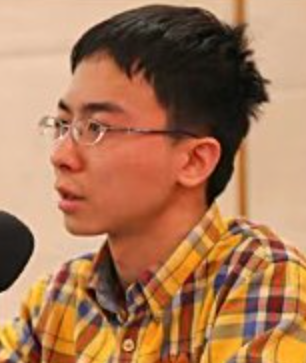 Liantao Ma (马连韬)合作论文数National Engineering Research Center For Software Engineering, Peking University8
 Yisong Chen (陈毅松)合作论文数School of Computer Science, Peking University8Zixiang Wang合作论文数6Changsheng Zhou合作论文数6
 Xiuli Li合作论文数Deepwise6
 Guoping Wang (汪国平)合作论文数School of Computer Science, Peking University6
 Kongming Liang (梁孔明)合作论文数School of Artificial Intelligence, Beijing University of Posts and Telecommunications5Hao Wang (王浩)合作论文数5
 Chaowei Fang (方超伟)合作论文数School of Artificial Intelligence, Xidian University5Jinpeng Li合作论文数Department of Computer Science and Engineering, The Chinese University of Hong Kong5
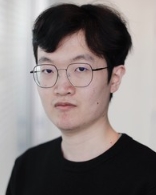 Junyi Gao (高峻逸)合作论文数University of Edinburgh5
 Longjiang Zhang (张龙江)合作论文数Medical School, Nanjing University;General Hospital of Eastern Theater Command;School of Medicine, Southeast University5
 Minlie Huang (黄民烈)合作论文数Department of Computer Science and Technology, Tsinghua University5JiaQian Shi合作论文数4XiaoQin Su合作论文数4QuanHui Liu合作论文数4Zheng Dong合作论文数4XiaoQing Cheng合作论文数Department of Medical Imaging, Jinling Hospital, Nanjing University School of Medicine, 305 Zhongshan East Road, Nanjing, 210002, Jiangsu, China.4
 Gangming Zhao合作论文数Department of Computer Science, The University of Hong Kong4
 Yasha Wang (王亚沙)合作论文数National Engineering Research Center For Software Engineering, Peking University4
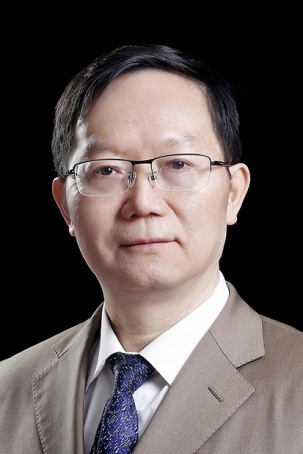 Guangming Lu (卢光明)合作论文数State Key Laboratory of Analytical Chemistry for Life Science, Nanjing University;Medical School of Nanjing University4Renmiao Chen合作论文数3
 Xinyuan Wang (王新元)合作论文数Beihang University3
 Jingkun An合作论文数3Baolian Qi合作论文数3Weibin LIAO (廖卫彬)合作论文数3
 Shi Zhao合作论文数Jockey Club Sch Publ Hlth & Primary Care, Chinese Univ Hong Kong3
 Fandong Zhang合作论文数3
 Lei Sha (沙磊)合作论文数Institute of Artificial Intelligence, Beihang University3
 Dingwen Zhang (张鼎文)合作论文数School of Automation, Northwestern Polytechnical University3
 U. Joseph Schoepf合作论文数Department of Radiology and Radiological Science, College of Medicine, Medical University of South Carolina3
 Ewen Harrison合作论文数Centre for Medical Informatics, Usher Institute, College of Medicine and Veterinary Medicine, The University of Edinburgh3
 Xiwang Dong (董希旺)合作论文数School of Artificial Intelligence, Beihang University;Institute of Unmanned System, Beihang University3Qinglin Zhang合作论文数2Victor Shea-Jay Huang合作论文数2Xi Zhu合作论文数2
 Zhexin Zhang合作论文数Conversational AI Group, Department of Computer Science and Technology, Tsinghua University2Changyu Ren合作论文数2
 Yicheng(Eli) Wu (吴轶成)合作论文数Imperial College London2
 Ziyi Chen合作论文数2Ze Shi合作论文数2Haoran Feng合作论文数2




