Background Symptomatic middle cerebral artery stenosis (sMCAS) accounts for 40%-70% of intracranial atherosclerotic stenosis (ICAS) in Asians. While elective endovascular therapy (EVT) improves luminal stenosis, post-EVT symptomatic intracranial hemorrhage (sICH) adversely affects outcomes. This study explored sICH risk factors following elective EVT in sMCAS patients. Methods We retrospectively analyzed data from 241 sMCAS patients undergoing EVT (2020–2024), including clinical characteristics, perioperative management, angiographic characteristics, and EVT strategies. Secondary collaterals were assessed via ASITN/SIR scale, tertiary collaterals via Matsushima grade and Baltsavias G’s method. SICH was diagnosed by cranial computed tomography (CT) and clinical manifestations. Results 235 patients were finally analyzed (excluding 6 ineligible cases), with 20 developing sICH. SICH patients had similar baselines to non-sICH patients (all P > 0.05), but showed significantly higher proportions of critical stenosis (≥ 90%) ( P = 0.008), inadequate secondary collaterals ( P = 0.028), and tertiary collateral formation (Matsushima grade, P = 0.011; Baltsavias G.’s method, P = 0.006). Multivariate regression identified inadequate secondary collaterals as a potential independent predictor of sICH (OR = 3.108, 95% CI: 1.067–9.047, P = 0.038). Conclusion Critical stenosis, inadequate secondary collaterals, and tertiary collateral formation were associated with post-EVT sICH in sMCAS patients, with inadequate secondary collaterals as a potential independent risk factor.
Pyroptosis is a special form of cell death that often occurs during excessive inflammation and injury, leading to tissue damage, disease progression, and other related issues. The Nod-like receptor family pyrin domain-containing 3 (NLRP3) inflammasome is an important regulatory factor in cellular pyroptosis that promotes the inflammatory response. Inhibitors targeting the NLRP3 inflammasome have emerged as promising potential therapeutic agents for inflammatory diseases. Through large-scale screening, we found that the FDA-approved drug CeeNU strongly inhibited NLRP3-mediated pyroptosis. CeeNU exhibited dose-dependent suppression of NLRP3 inflammasome activation and effectively mitigated inflammasome-driven pyroptotic cell death in both human and murine macrophages/microglia. Mechanistically, we further demonstrated that CeeNU specifically binds to arginine 335 within the NACHT domain of NLRP3, abrogating NLRP3 inflammasome activation by blocking its assembly. Importantly, CeeNU showed remarkable protective effects in multiple mouse models of NLRP3 inflammasome-mediated diseases, including experimental autoimmune encephalomyelitis (EAE) induced by myelin oligodendrocyte glycoprotein (MOG), lipopolysaccharide (LPS)-induced septic shock, monosodium urate (MSU)-induced peritonitis, and MSU-induced gouty arthritis. Our results demonstrate that CeeNU, a clinically available drug, acts as an NLRP3 inhibitor and holds therapeutic potential for NLRP3 inflammasome-mediated pyroptotic diseases.
ETHNOPHARMACOLOGICAL RELEVANCE:Rubia cordifolia L. is traditionally used in Chinese medicine for treating arthritic and inflammatory conditions by cooling blood and activating circulation. Gouty arthritis, one of the disease models investigated in this study, falls within this traditional anti-arthritic application. This study investigates whether rubimaillin (Rub), a naphthoquinone from Rubia cordifolia, selectively inhibits NLRP3 inflammasome activation and exerts therapeutic effects in relevant disease models. The NLR family pyrin domain-containing 3 (NLRP3) inflammasome is a key driver of various inflammatory, metabolic, and neurodegenerative disorders; yet, no clinically approved inhibitor is currently available. Rubia cordifolia L. is a traditional medicinal herb, and Rubimaillin (Rub), a naphthoquinone isolated from this herb, has potential anti-inflammatory properties, but its role and mechanism in regulating NLRP3 activation remain unclear. AIM OF STUDY:This study aimed to determine whether Rubimaillin (Rub), a naphthoquinone isolated from Rubia cordifolia L., can selectively inhibit NLRP3 inflammasome activation and yield therapeutic effects in relevant NLRP3-driven disease models. MATERIALS AND METHODS:Mouse primary microglia, bone marrow-derived macrophages (BMDMs), and the human macrophage cell line THP-1 were primed with lipopolysaccharide (LPS) for 3 h, then stimulated with Nigericin or ATP to induce NLRP3 inflammasome assembly and pyroptosis. Caspase-1 activation, apoptosis-associated speck-like protein containing a CARD (ASC) speck formation, interleukin-1β (IL-1β) release, and lactate dehydrogenase (LDH) secretion were quantified. Mutagenesis studies were conducted to identify critical residues required for Rub's binding to NLRP3. The in vivo therapeutic potential of Rub was assessed in three murine models of NLRP3-driven inflammation: LPS-induced sepsis, monosodium urate crystal (MSU)-induced gouty arthritis, and the APP/PS1 double-transgenic Alzheimer's disease (AD) mouse model. Mice received intraperitoneal Rub or vehicle, and disease severity was evaluated by histopathology, cytokine profiling, and behavioral tests. RESULTS:Rub significantly reduced pyroptosis and IL-1β release in mouse primary microglia, BMDMs, and THP-1 cells in a dose-dependent manner, without affecting Absent in melanoma 2(AIM2) or NLR family CARD domain containing 4 (NLRC4) pathways. Mechanistically, Rub directly bound to NLRP3, thereby blocking the oligomerization of both NLRP3 and ASC, as well as preventing caspase-1 activation and gasdermin D (GSDMD) cleavage. Furthermore, mutagenesis studies identified arginine 167 and tyrosine 381 as critical residues for Rub's binding to NLRP3. In vivo, Rub treatment significantly prolonged survival and attenuated lung injury in the sepsis model, reduced paw swelling and bone erosion in the gout model, and ameliorated cognitive deficits and neuroinflammation in the AD model, respectively. CONCLUSION:Collectively, these findings demonstrate that Rub selectively targets the NLRP3 inflammasome and exerts therapeutic effects on NLRP3-driven diseases including sepsis, gout, and AD. This study provides a molecular basis for the traditional application of Rubia cordifolia L. and highlights Rub as a promising natural lead compound for the treatment of NLRP3-driven disorders.
Excessive activation of microglia exacerbates secondary brain injury after ischemic stroke, yet the upstream mechanisms governing this response remain incompletely understood. This study aimed to investigate the role of RIO kinase 3 (RIOK3) in microglia-mediated neuroinflammation after ischemic stroke and to explore the underlying molecular mechanisms. RIOK3 expression was examined in mice subjected to transient middle cerebral artery occlusion and in primary microglia exposed to lipopolysaccharide or oxygen-glucose deprivation/reoxygenation. Microglia-targeted RIOK3 knockdown was achieved using a Cre-dependent adeno-associated virus-shRNA strategy in Tmem119-CreERT2 mice. RIOK3 was markedly upregulated in microglia after cerebral ischemia and in primary microglia following LPS or OGD/R stimulation. Microglia-targeted RIOK3 knockdown reduced infarct volume, improved early neurological and sensorimotor outcomes, preserved microglial process complexity, and reduced post-ischemic inflammation. In vitro, RIOK3 knockdown reduced microglial inflammatory responses and microglia-mediated neurotoxicity. Transcriptomic and biochemical analyses further showed that RIOK3 knockdown suppressed NF-κB-related transcriptional programs and decreased the phosphorylation of IκBα and p65. Mechanistically, immunoprecipitation assays identified Y-box-binding protein 1 (YBX1) as a RIOK3-interacting protein and mapped this interaction to the C-terminal kinase domain-containing region of RIOK3. RIOK3 enhanced YBX1 Ser102 phosphorylation and nuclear accumulation, whereas YBX1 knockdown attenuated NF-κB activation and the pro-inflammatory effects of RIOK3 overexpression. These findings identify microglial RIOK3 as an important driver of post-ischemic neuroinflammation and highlight the RIOK3-YBX1 axis as a potential therapeutic target for ischemic stroke.
Abstract Background and aims To investigate the incidence and predictors of delayed neurological improvement (DNI) in posterior circulation stroke (PCS) patients undergoing mechanical thrombectomy (MT). Methods This multicenter retrospective study (2020–2023) analyzed PCS patients treated with MT. DNI was defined as achieving a favorable functional outcome (mRS 0–3) at 3 months despite the absence of early neurological improvement (24h post-procedure). Independent predictors were identified via logistic regression to construct a nomogram, validated by the area under the curve (AUC). Results Of 256 patients, 188 (73.4%) exhibited no early improvement. Among them, 51 (27.1%) achieved DNI. Multivariate analysis identified male sex [OR 3.049 (1.064–8.738); P=0.038], lower baseline NIHSS [OR 0.891 (0.856–0.926); P<0.001], and higher PC-ASPECTS [OR 1.821 (1.255–2.641); P=0.002] as independent predictors. The nomogram demonstrated robust discriminative ability (AUC 0.87). Conclusions Approximately 27% of PCS patients lacking early clinical response to MT eventually achieve favorable functional outcomes. Male sex, lower initial stroke severity, and higher PC-ASPECTS independently predict DNI, providing crucial insights for prognostication and long-term management strategies. Conflict of interest The authors report no competing interests.
BACKGROUND:Amyotrophic lateral sclerosis (ALS) is a progressive neurodegenerative disorder characterized by motor system degeneration, yet its white matter (WM) functional pathophysiology remains underexplored. METHODS:This study utilized resting-state functional magnetic resonance imaging to decode WM functional abnormalities in 50 ALS patients and 55 healthy controls. Next, machine learning analysis was applied to evaluate the utility of these WM functional patterns in diagnosing ALS and predicting disease progression, and their pathophysiological mechanisms were preliminary explored through neurotransmitter mapping and imaging transcriptomics. RESULTS:ALS patients exhibited reduced activity in central WM regions (including bilateral corticospinal tracts), accompanied by elevated activity in anterior and posterior WM territories. The aberrant topological properties and disrupted functional connectivity are predominantly localized within bilateral precentral/postcentral WM networks. A support vector machine model incorporating these features achieved 75.24% classification accuracy and predicted the rate of disease progression (r = 0.56, p = 0.001). The spatial pattern of WM dysfunction in ALS was associated with both the spatial distribution of disease-related neurotransmitters and the expression profiles of specific genes. DISCUSSION:Our findings reveal distinct WM functional dysfunction patterns in ALS and their molecular-genetic underpinnings, providing novel insights into the pathophysiological mechanisms of ALS. CONCLUSION:ALS involves specific patterns of WM dysfunction, and these WM-centric biomarkers may facilitate the development of therapeutic monitoring frameworks for this devastating disease.
Ischemic stroke results from occlusion of a cerebral artery. According to current treatment guidelines, thrombolytic therapy and thrombectomy can effectively restore blood flow and salvage surviving neurons. However, ischemia-reperfusion injury post-stroke can lead to sustained neural dysfunction and blood-brain barrier (BBB) disruption, initiating an inflammatory cascade. 5,6,7-Trimethoxyflavone (TMF), a newly identified flavonoid with anti-inflammatory properties, has not been fully explored in the context of ischemic diseases or hypoxia-induced injury. In this study, TMF or a vehicle was intravenously administered to adult male C57BL/6 J mice subjected to 60-min middle cerebral artery occlusion (MCAO), followed by intraperitoneal injections 4.5 h after reperfusion and daily for an additional two days. Bulk RNA sequencing was conducted to investigate the molecular mechanisms of TMF in ischemic brain injury. Infarct size, BBB integrity, cerebral endothelial cell structure, and neurobehavioral outcomes were assessed to evaluate the effects of TMF treatment. TMF treatment significantly reduced neuronal death, preserved vascular integrity, decreased immune cell infiltration, inhibited the immune response, and alleviated post-stroke neurological deficits. Mechanistically, TMF mitigated BBB-associated protein loss, disrupted cytokine interactions linked to damage, and exhibited notable anti-inflammatory effects.
Indobufen, a reversible multi-target platelet aggregation inhibitor with anticoagulant properties, has been shown to reduce the risk of ischemic cardiovascular and peripheral vascular diseases. However, its efficacy and safety in patients with imaging-confirmed cerebral small vessel disease (CSVD) remain unclear. This trial protocol aims to compare the efficacy and safety of indobufen versus aspirin in patients with imaging-confirmed CSVD. We will conduct a randomized, double-blind, double-dummy, multicenter trial at 16 stroke centers in China. A total of 1,042 eligible patients will be randomly assigned in a 1:1 ratio to receive either indobufen (100 mg twice daily) or aspirin (100 mg once daily) for one year and will be followed for a total of three years. Randomization will be centrally generated by computer and stratified by participating center. The primary endpoint is the occurrence of new lacunar infarctions detected by neuroimaging within one year. Secondary endpoints include other ischemic vascular events (e.g., transient ischemic attack and myocardial infarction), cognitive impairment, and incident dementia. The primary safety outcome is hemorrhagic complications during follow-up.
Background: The 12-month findings from the Balloon Angioplasty for Symptomatic Intracranial Artery Stenosis (BASIS) trial demonstrated that balloon angioplasty combined with aggressive medical management (AMM) improved clinical outcomes compared with AMM alone in patients with symptomatic intracranial atherosclerotic stenosis (sICAS). However, the long-term durability of the efficacy and safety of balloon angioplasty for sICAS remains unclear. Methods: This study represented a prespecified long-term follow-up analysis of a multicenter, randomized, open-label, blinded end point clinical trial conducted at 31 clinical centers across China. Eligible participants were patients aged 35 to 80 years with 70% to 99% stenosis of a major intracranial artery and recent symptomatic events, who were randomly assigned in a 1:1 ratio to receive balloon angioplasty plus AMM or AMM alone. The prespecified main long-term clinical outcome was any ischemic or hemorrhagic stroke in the territory of the qualifying artery or all-cause death through 36 months after enrollment. Prespecified secondary long-term outcomes included any ischemic or hemorrhagic stroke in the territory of the qualifying artery or all-cause death through 24 months after enrollment, mRS scores at 24 and 36 months, intracranial hemorrhage and the composite of stroke, myocardial infarction, or vascular death through 24 and 36 months. Findings: Among 501 initially eligible patients, 475 patients (94.8%) completed the 3-year follow-up, including 234 patients in the balloon angioplasty group and 241 patients in the AMM group, with well-balanced baseline characteristics between the two groups. The incidence of main long-term clinical outcome was significantly lower in the balloon angioplasty group than in the AMM group at 3years (4.4% vs. 12.3%; HR, 0.33; 95% CI, 0.17–0.67; P=0.002), with ischemic stroke within the territory of the qualifying artery within 3years as the predominant event (2.0% vs. 10.7%). The landmark analysis indicates that among patients who were event-free at 1 year (n=241 in the balloon angioplasty group; n=229 in the AMM group), the incidence of the main long-term clinical outcome between 1 and 3 years was 1.2% versus 3.2% (HR, 0.34; 95% CI, 0.09–1.28; P=0.109). The incidence of any stroke in the territory of the qualifying artery or all-cause death within 2 years after enrollment was also lower in the balloon angioplasty group than in the AMM group (4.0% vs. 11.9%; HR, 0.32; 95% CI, 0.15–0.65; P=0.002). Similarly, The functional outcomes significantly favored the balloon angioplasty group both at 2 years (mRS, generalized OR, 1.21; 95% CI, 1.02-1.40; P=0.04) and 3 years (mRS, generalized OR, 1.38; 95% CI, 1.16-1.60; P=0.002). Interpretation: In this prespecified 3-year follow-up of the BASIS randomized clinical trial, the reduction in stroke-related clinical events achieved within the first year after angioplasty was sustained through 3 years, with few additional events occurring beyond 1year. These findings support the durability of the early treatment effect rather than the emergence of new long-term benefit, validating the regimen for secondary stroke prevention among high-risk patients.
Background Although dynamic network reconfiguration is altered in Alzheimer's disease (AD), its pattern in subjective cognitive decline (SCD), an early preclinical stage, remains unclear. Objective This study aims to identify the characteristics of dynamic network reconfiguration in SCD individuals compared to healthy controls (HCs) and AD patients. Methods Time-varying multilayer network models were built for AD (n = 111), SCD (n = 115), and HC (n = 111) groups using the GenLouvain algorithm. We compared dynamic reconfiguration features across groups and examined how abnormal reconfiguration affects the relationship between amyloid-β (Aβ) pathology and cognition. Results SCD individuals showed higher global recruitment and lower global integration than AD patients, and lower integration than HCs. At the nodal level, SCD was marked by increased recruitment and reduced integration in regions mainly within the default mode network (DMN) and somatomotor network (SMN). In SCD, recruitment in the left anterior insula and ventral frontal cortex linked Aβ pathology to memory performance. In AD, integration in the left superior frontal gyrus mediated the effects of Aβ on memory and verbal fluency. The combination of differences in nodal recruitment and integration across groups helped distinguish between healthy, SCD, and AD individuals. Conclusions SCD individuals show distinct patterns of dynamic network reconfiguration, high recruitment, and low integration in DMN and SMN, offering new insights into early AD pathophysiology.
Abstract Background and aims Symptomatic middle cerebral artery stenosis (sMCAS) accounts for 40%-70% of intracranial atherosclerotic stenosis in Asians. While non-acute endovascular therapy (EVT) improves stenosis, postprocedural symptomatic intracranial hemorrhage (sICH) adversely affects outcomes. This study aimed to investigate sICH-associated risk factors following non-acute EVT in sMCAS patients. Methods We retrospectively analyzed 241 sMCAS patients undergoing EVT (2020-2024) included clinical characteristics, perioperative management, angiographic characteristics, and EVT strategies. Secondary collaterals were assessed via ASITN/SIR scale, tertiary collaterals via Matsushima grade and Baltsavias G’s method. SICH was confirmed via cranial computed tomography (CT) findings and clinical manifestations. Results 235 patients were finally analyzed (6 excluded for procedural failure or poor imaging), with 20 developing sICH. SICH patients had similar baselines to non-sICH patients (all P > 0.05), but showed higher critical stenosis (≥ 90%) prevalence (P = 0.008), inadequate secondary collaterals (P = 0.028), and more frequent tertiary collaterals formation (Matsushima, P = 0.011; Baltsavias G.’s method, P = 0.006). Multivariate regression identified inadequate secondary collaterals as an independent predictor of sICH (OR = 3.108, 95% CI: 1.067-9.047, P = 0.038). Conclusions Critical stenosis, inadequate secondary collaterals, and tertiary collaterals formation were linked to post-EVT sICH in sMCAS patients, with inadequate secondary collaterals as an independent risk factor. Conflict of interest Weidong Ling1, Yun Luo, Yun Xu,Xin Zhang, Qing Ye.nothing to disclose
The heterogeneous nuclear ribonucleoprotein-associated protein Raly plays a role in regulating cell proliferation and metabolism in eukaryotic nerve cells. However, the biological significance of Raly in oligodendrocyte lineage progression has not been previously explored. In this study, we found that Raly expression decreased during maturation of oligodendrocyte lineage cells. Knockdown of Raly in primary oligodendrocyte progenitor cells cultured in differentiation medium resulted in a significant increase in myelin-related proteins myelin basic protein and MAG. Furthermore, injection of an adenovirus expressing Raly shRNA into the subventricular zone of mice promoted oligodendrocyte progenitor cell differentiation, restored white matter integrity, and ameliorated cognitive deficits in the bilateral common carotid artery stenosis and senescence model. We further investigated the mechanism by which Raly regulates oligodendrocyte progenitor cell differentiation. Downregulation of Raly in primary oligodendrocyte progenitor cells led to increased mRNA and protein levels of Sox10, a pivotal player in oligodendrocyte development. The stability of Sox10 mRNA was unaffected by Raly downregulation, and RNA immunoprecipitation assays showed no binding between Raly and Sox10 mRNA. Dual luciferase and chromatin immunoprecipitation assays revealed that Raly downregulated the transcription of Sox10 by binding to a site located 1200 bp upstream of the Sox10 start codon. Collectively, our findings suggest that Raly plays a crucial role in oligodendrocyte progenitor cell differentiation and negatively regulates Sox10. These results may provide new insights into therapeutic strategies for neurological disorders associated with hypomyelination.
Objective:Obacunone (OB) possesses anti-inflammatory, antioxidant, and anticancer properties. This study aimed to investigate the neuroprotective effects of OB in ischemic stroke, and to elucidate the underlying mechanisms. Methods:Primary microglia were preincubated with OB for 2 h, followed by lipopolysaccharide (LPS) stimulation for either 3 or 24 h. The levels of inflammatory cytokines in primary microglia were assessed via real-time PCR, enzyme-linked immunosorbent assay (ELISA), and Western blot. The activation of the mitogen-activated protein kinase/nuclear factor kappa B (MAPK/NF-κB) signaling pathway was evaluated via immunofluorescence staining and Western blot. For in vivo experiments, 8-week-old male C57BL/6J mice were randomly assigned to 4 groups: the sham-operated group, the middle cerebral artery occlusion (MCAO) model group and the MCAO group treated with OB (5 mg/kg/day and 10 mg/kg/day), and the sham-operated and MCAO model groups received an equivalent volume of vehicle. The neurological deficits and memory functions were evaluated by a cassette of behavior tests. 2,3,5-Triphenyl tetrazolium chloride (TTC) staining and Evans blue staining were performed to evaluate infarct size and blood-brain barrier permeability. Additionally, network pharmacology and molecular docking predicted mitogen-activated protein kinase 1 (MAPK1) as a potential target of OB, and this interaction was validated via surface plasmon resonance (SPR), cellulase thermal shift assay (CETSA), and drug affinity responsive target stability (DARTS) experiments. Results:OB effectively inhibited the activation of the MAPK/NF-κB pathway and reduced microglia-mediated inflammatory cytokine production both in vitro and in vivo. In addition, OB attenuated ischemic brain injury in MCAO mice and improved memory function 30 days after MCAO. Moreover, OB directly bound to MAPK1, with ARG-146 as the critical binding site. Conclusion:Our findings suggest that OB binds to MAPK1 and alleviates neuroinflammation and ischemic injury, making it a potential therapeutic agent for ischemic stroke.
Microglia play a pivotal role in the pathophysiology of ischemic stroke, with substantial microglial demise occurring following cerebral ischemia. This study examined whether colony-stimulating factor 1 (CSF-1) and interleukin-34 (IL-34), ligands of the colony-stimulating factor 1 receptor (CSF1R) critical for microglial survival, promote microglial proliferation and ameliorate outcomes after ischemic stroke. In a mouse model of middle cerebral artery occlusion (MCAO), endogenous CSF-1 levels showed dynamic changes within the first 24 h post-ischemia. Administration of CSF-1, but not IL-34, significantly improved neurological outcomes and reduced infarct volume. CSF-1 treatment was associated with a less reactive microglial morphology and an anti-inflammatory, homeostatic microglial phenotype. In vitro, CSF-1 enhanced Ki67 expression in oxygen-glucose deprivation (OGD)-exposed microglia, while decreasing pro-inflammatory cytokine production and excessive phagocytosis of neuronal debris. Conditioned medium from CSF-1-treated microglia and co-culture experiments further indicated that increased microglial numbers contribute to reduced OGD-induced neuronal apoptosis. Collectively, these findings suggest that CSF-1 fosters a neuroprotective microglial phenotype during acute ischemia, highlighting its potential as a therapeutic agent to mitigate ischemic brain injury through modulation of microglial proliferation and inflammatory responses.
Traumatic brain injury (TBI) is a global public health problem which causes long-term neurologic damage caused by both primary mechanical injury and secondary pathological processes. Extracellular vesicles (EVs) such as exosomes, microvesicles (MVs) and apoptotic bodies (ApoBDs) serve as critical vehicles mediating intercellular communication in the central nervous system (CNS) following TBI. The biogenesis and the content of EVs, including proteins, lipids and RNAs, are greatly changed and involved in the evolution of inflammation or tissue repairing after TBI. In this overview, we recapitulate the cellular origin of EVs and the function of EVs in the neuroinflammatory process after TBI, highlighting the dual regulatory roles of EVs in the biological response to TBI, whereby certain EV populations amplify secondary injury cascades, while others promote endogenous repair and recovery processes. We next investigate the progress in EV engineering and targeted delivery systems and report the potential mechanisms, emphasize the prospects and potential of engineered EVs for therapy, and comment on challenges and perspectives for clinical application in TBI.
Abstract Background and aims Aberrant microglial metabolism is linked to pro-inflammatory responses, a critical pathological factor influencing stroke prognosis. Our prior single-cell RNA-sequencing and spatial transcriptomics analyses identified two stroke-associated microglial subclusters—ischemic core-associated (ICAM) and penumbra-associated (IPAM)—with opposing branched-chain amino acid (BCAA) catabolism patterns. This study investigates the role of microglial BCAA catabolism in ischemic responses and injury. Methods BCAA catabolic gene expression was quantified in vitro and in vivo. Spatial metabolomics was performed in mice after middle cerebral artery occlusion (MCAO). Conditional microglial BCAA catabolism enhancement was evaluated for infarct volume, neurological deficits, cytokines, and ICAM/IPAM proportions. Pharmacological enhancement was assessed by transcriptomics, targeted metabolomics, and Seahorse assays. Arid3a regulation was investigated using RT-qPCR, CUT&RUN, dual-luciferase assays, and metabolomics. Microglia-specific Arid3a knockdown or overexpression in MCAO mice was examined for BCAA accumulation, cytokines, subcluster shifts, infarct size, and neurological outcomes. Results BCAA catabolic genes were downregulated in ICAM but upregulated in IPAM, with marked BCAA accumulation in the ischemic core post-MCAO. Enhancing microglial BCAA catabolism alleviated neuroinflammation, promoted IPAM dominance, suppressed ICAM, and mitigated acute ischemic injury. Pharmacological enhancement inhibited glycolysis and the TCA cycle. Arid3a emerged as an upstream regulator of microglial BCAA catabolism post-ischemia. Microglia-specific Arid3a knockdown impaired BCAA breakdown, worsened infarction and deficits, and decreased neuroprotective IPAM. Conversely, Arid3a overexpression conferred acute-stage protection. Conclusions Defective microglial BCAA catabolism promotes ICAM dominance, impedes IPAM induction, and amplifies pro-inflammatory responses in ischemic stroke. Arid3a, as a critical upstream regulator, is a promising therapeutic target for mitigating microglia-mediated brain injury. Conflict of interest nothing to disclose
Background Cerebral small vessel disease (CSVD) represents a leading aetiology of vascular cognitive impairment, yet effective treatments for CSVD-related cognitive impairment (CSVD-CI) are limited. Although edaravone has shown potential in alleviating CSVD’s pathophysiological changes, its efficacy in CSVD-CI remains underexplored, partly due to the lack of a suitable long-term dosage form.Aim This trial aims to assess the efficacy and safety of edaravone sublingual tablets (EST) for cognitive impairment in patients with CSVD.Methods and design This multicentre, randomised, double-blind, placebo-controlled trial will enrol patients with CSVD-CI, randomly assigning them to receive either EST or placebo for 24 weeks of treatment with concurrent follow-up, followed by an additional 24-week post-treatment follow-up period. Cognitive function, safety, MRI-based CSVD burden, cerebral arterial endothelial function and immune-mediated inflammation will be assessed. The primary outcome is the between-group difference in Montreal Cognitive Assessment score changes from baseline to week 48, along with adverse event incidence. Secondary outcomes include changes in cognitive domain scores, CSVD burden, deep regional cerebral perfusion and levels of glial fibrillar acidic protein (GFAP), neurofilament light chain and inflammatory factors in peripheral blood from baseline to weeks 24 and 48.Discussion This trial will evaluate the efficacy and safety of EST in patients with CSVD-CI, potentially offering a new treatment strategy for this condition.
IntroductionAmyloid-beta-targeting monoclonal antibodies (mAbs) for Alzheimer's disease frequently induce amyloid-related imaging abnormalities with hemorrhage (ARIA-H), yet systematic comparisons of ARIA-H incidence across therapeutic agents remain limited. Post-approval research prioritizes dosing over mechanism, leaving unresolved whether ARIA-H variations originate from intrinsic mAb properties. We address two gaps: comparative ARIA-H risk stratification among clinically available/investigational mAbs, and elucidation of structural/functional features influencing ARIA-H susceptibility. MethodsA systematic comparison of seven mAbs (donanemab, aducanumab, bapineuzumab, lecanemab, gantenerumab, crenezumab, solanezumab) was conducted, analyzing clinical trial data and molecular characteristics. ResultsARIA-H incidence ranked as follows (highest to lowest): donanemab > aducanumab > bapineuzumab > lecanemab > gantenerumab > crenezumab > solanezumab. Five mAb-specific determinants emerged: (1) Types of Aβ Binding: Enhanced clearance of mature amyloid plaques correlated with elevated ARIA-H risk. (2) Polymer binding Affinity: Reduced small oligomer-binding capacity predicted higher ARIA-H incidence. (3) Epitope location: N-terminal-targeting mAbs showed greater ARIA-H incidence vs. mid/C-terminal binders. (4) Fc region structure: IgG4-based constructs showed higher ARIA-H incidence than IgG1 analogs. (5) Clearance kinetics: Rapid attainment of amyloid reduction thresholds amplified ARIA-H incidence. DiscussionWe identify a risk hierarchy for ARIA-H among anti-Aβ mAbs and link specific mAb biophysical properties—Aβ binding type, affinity for soluble oligomers, epitope specificity, Fc structure, and plaque clearance dynamics—directly to ARIA-H pathogenesis. ConclusionThese findings establish a mechanistic framework for ARIA-H risk and provide concrete molecular predictors to guide antibody engineering strategies. Prioritizing mAbs with controlled amyloid clearance, C-terminal binding domains, and IgG1 frameworks may enhance therapeutic safety, advancing precision immunotherapy for Alzheimer's disease.
Background Obstructive sleep apnea-hypopnea syndrome (OSAHS) is a prevalent sleep disorder linked to brain alterations, but its brain network patterns and convenient screening methods remain unclear. This study aimed to characterize OSAHS functional brain networks via co-classification network analysis and assess their diagnostic utility. Methods 174 participants were stratified by the apnea-hypopnea index (AHI) into none or mild (nm-OSAHS) and moderate or severe (ms-OSAHS) groups, and by the lowest oxygen saturation (SpO2 nadir) into none or mild (nm-hypoxemia) and moderate or severe (ms-hypoxemia) groups. (Registered number: MR-32-25-040098). They underwent out-of-center sleep testing, neuropsychological tests, and MRI. Co-classification networks (via consensus modularity analysis) and traditional functional networks (via graph theory) were analyzed, with random forest model for diagnostic accuracy. Results Ms-OSAHS and ms-hypoxemia groups showed worse sleep respiratory parameters. Co-classification network analysis revealed significant alterations in intra-module z score, participation coefficient (PC), and diversity coefficient (SD) in the visual, dorsal attention, salience/ventral attention, and executive control networks in ms-OSAHS patients. PC in the left temporo-occipital junction and right parietal operculum was positively correlated with AHI, while PC in limbic regions was negatively correlated with lowest SpO2. The random forest model using co-classification metrics demonstrates good diagnostic performance for OSAHS, with dorsal attention, control, and salience networks mostly contributing to classification. Conclusions OSAHS induced widespread nodal dysfunction in brain networks, with distinct changes driven by hypoxemia and apnea frequency. Co-classification network analysis outperforms traditional methods in detecting network abnormalities, and machine learning models based on nodal parameters show high diagnostic accuracy, suggesting potential for OSAHS screening.
In China, the growing need for stratified cognitive assessment demands portable solutions. However, in community-based screening, neuropsychological assessments suffer from low acceptance and low efficiency. Thus, we aimed to develop a serum Raman spectroscopy-based ensemble learning approach for graded cognitive screening, and explore the Raman spectral features of cognitive impairment and their mapping relationship to brain function. We recruited 220 subjects for modeling and 40 subjects for validation. Ensemble learning model was built using serum Raman spectra. High-weight features were analyzed for inter-group differences, graph theory properties, and associations with brain networks. We developed a serum Raman spectroscopy-based ensemble learning approach for graded cognitive screening. The model distinguishing normal cognition, mild cognitive impairment, and dementia achieved area under curve of 0.92 (testing) and 0.89 (validation). Raman shifts at 1602, 1002, and 1666 cm⁻¹ showed intensity and nodal changes, linking their modulation to both cognitive decline and altered posterior default mode network (pDMN) interactions. The Raman spectroscopy-based ensemble learning model was powerful for cognitive screening. The alteration at the 1602, 1002, and 1666 cm⁻¹ represented key Raman signatures of cognitive impairment, reflecting impaired pDMN-related inter-network interactions.
 Hui Zhao (赵辉)合作论文数Nanjing Drum Tower Hospital, Affiliated Hospital of Nanjing University Medical School80
 Xinyu Bao合作论文数76
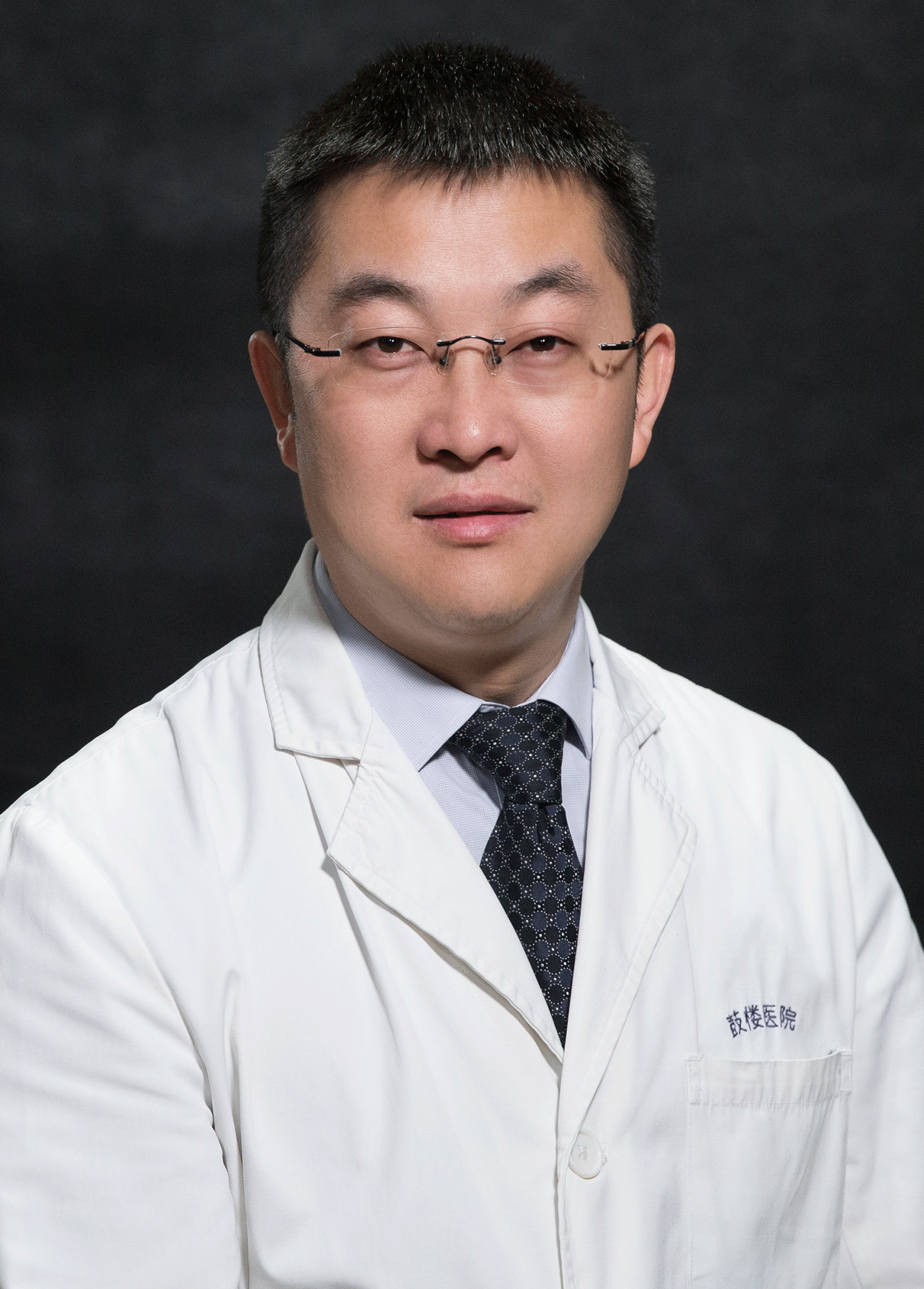 Jingwei Li (李敬伟)合作论文数Nanjing Drum Tower Hospital, The Affiliated Hospital of Nanjing University Medical School76Xiang Cao合作论文数69
 Bing Zhang (张冰)合作论文数Department of Radiology, The Affiliated Drum Tower Hospital, Medical School, Nanjing University68
 Xiaolei Zhu (朱晓蕾)合作论文数Nanjing Drum Tower Hospital61Shengnan Xia合作论文数61Ruomeng Qin合作论文数53DeNing Guan (管得宁)合作论文数53
 Meijuan Zhang (张梅娟)合作论文数Nanjing Drum Tower Hospital52Yu Linjie合作论文数51Lili Huang合作论文数48Renyuan Liu合作论文数47Jiali Jin合作论文数43Pinyi Liu合作论文数42Yun Luo (罗云)合作论文数39Dan Yang合作论文数38
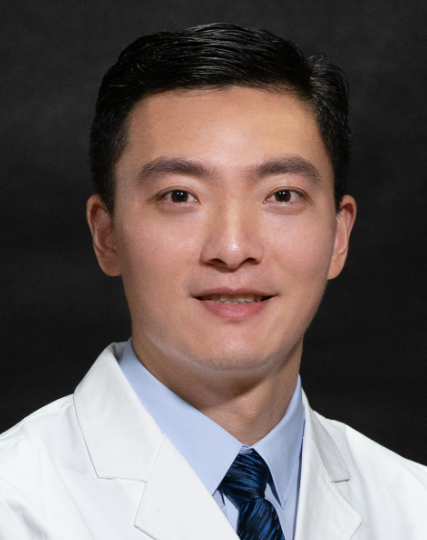 Feng Bai (柏峰)合作论文数Medical School of Nanjing University32
 Lai Qian合作论文数30
 Pengfei Shao合作论文数Department of Urology Surgery,, The First Affiliated Hospital, Nanjing Medical University29Qing Ye合作论文数25
 Jian Chen合作论文数25Hui Yang合作论文数24Caimei Luo合作论文数24
 Yanting Chen合作论文数23Zhuo Liu合作论文数The Affiliated DrumTower Hospital of Nanjing University Medical School(Nanjing Gulou Hospital,Drum Tower Hospital,Gulou Hospital,Nanjing Drum Tower Hospital),Nanjing,China22Haiyan Yang合作论文数22Yue Cheng合作论文数22Zhi Zhang合作论文数21Hailan Meng合作论文数Nanjing Univ, Sch Med, Drum Tower Hosp, Dept Neurol, 321 Zhongshan Rd, Nanjing 210008, Jiangsu, Peoples R China21Yuting Mo合作论文数20
 Qingxiu Zhang (张清秀)合作论文数Nanjing Drum Tower Hospital20ZhengJuan Lu (卢正娟)合作论文数20Wenbo Wu合作论文数Nanjing Med Univ,
Sch Basic Med Sci, Dept Neurobiol,State Key Lab Reprod Med,Key Lab H, Nanjing, Peoples R China19Mengchun Li合作论文数19Feng-Nan Niu合作论文数19Siyi Xu合作论文数18Chong Wang (王翀)合作论文数18
Qingxiu Zhang (张清秀)合作论文数Nanjing Drum Tower Hospital20ZhengJuan Lu (卢正娟)合作论文数20Wenbo Wu合作论文数Nanjing Med Univ,
Sch Basic Med Sci, Dept Neurobiol,State Key Lab Reprod Med,Key Lab H, Nanjing, Peoples R China19Mengchun Li合作论文数19Feng-Nan Niu合作论文数19Siyi Xu合作论文数18Chong Wang (王翀)合作论文数18 Zhenyu Yin (尹震宇)合作论文数Nanjing Drum Tower Hospital, The Affiliated Hospital of Nanjing University Medical School18
 Yi Liu (刘易)合作论文数Department of Occupational Medicine and Environmental Health, School of Public Health, Nanjing Medical University17Hengheng Xu合作论文数16Chenglu Mao (毛程璐)合作论文数15Lijuan Han合作论文数15Lei Ye合作论文数15Yan Chen合作论文数15Rong Huang (黄嵘)合作论文数15Zhihong Ke合作论文数14LeiLei Chang (常蕾蕾)合作论文数14
 Guiquan Chen (陈贵泉)合作论文数Model Animal Research Center, Medical School of Nanjing University14




