Microbial colonization is essential for intestinal maturation, yet how spatial organization of the microbiome shapes host tissue function remains unresolved. Here, we applied Stereo-seq V2 spatial platform to simultaneously profile the host transcriptome at single-cell resolution and microbial meta-transcriptome at 5 × 5 μm resolution across the proximal, middle, and distal colon of germ-free (GF) mice and mice reconstituted by fecal microbiota transplantation (FMT), integrated with time-course fecal metagenomics. We observed that, four weeks after FMT, microbial colonization established a mature colonic architecture, increased goblet cell number and mucus layer thickness, diversified epithelial lineages, and expanded stem/transit-amplifying, myeloid, and T-cell populations. Metagenomic profiling showed succession from early colonizers to a metabolically mature, short-chain fatty acid (SCFA)-producing community that stabilized by four weeks. Distance-resolved spatial analysis resolved two reproducible strata of colonized microbiota along the radial host-lumen axis, separated at approximately 150 μm. The epithelium-proximal stratum was enriched for mucus-associated taxa such as Bacteroides thetaiotaomicron , whereas the luminal stratum harbored fiber-associated taxa such as Ruminococcus champanellensis . This radial organization was underpinned by co-occurrence networks of spatial co-localization and co-exclusion. Finally, we identified a butyrate-producing guild that preferentially colonized the epithelium-proximal stratum, localized closer to epithelial and stromal cells, and showed active butyrate-responsive transcriptional activity. Colonization therefore establishes a spatially integrated host-microbiome interface with quantifiable, stratified microbial niches in which location, and not composition alone, coordinates epithelial and immune maturation.
We are standing at the crossroad of clinical medicine. Delivery of healthcare and practice of medicine will see revolutionary changes in the coming decades. This is a good time to change because medicine is seeing major breakthrough but healthcare service is becoming unsustainable. Expanding medical capabilities come with expensive cost, aging population leads to ever-rising burden on healthcare system, and realization that medical treatment should be personalized adding sophistication to healthcare delivery. A revolutionary change in medical and health services is very much needed.
Objective: Left- and right-sided colorectal cancer (CRC) exhibit distinct molecular and clinicopathologic features. However, little is known about the spatial heterogeneity of microbial signatures. In this study the profiles and ecologic patterns of disease-associated intestinal microbiome were investigated in patients with an adenoma(s) or CRC at different anatomic locations. Methods: A total of 690 stool, colonic aspirate, and mucosal biopsy samples were prospectively collected from 32 healthy, 30 adenoma, and 31 CRC patients. Results: CRC was associated with alterations in fecal and mucosal microbiomes. Furthermore, the overall composition of the mucosal microbiome, stratified by metacommunities, differed between the patients with left- and right-sided neoplastic lesions. Patients with right-sided CRC had an elevated inter-phylum ecologic network, while patients with left-sided CRC had an enriched abundance of Fusobacterium . Interestingly, rectal neoplasia harbored a tumor microbiome that was distinctly different from the tumor microbiome at other anatomic sites. Conclusion: The mucosal microbiome of right-sided CRC was distinctly different from the mucosal microbiome of left-sided CRC patients, suggesting distinct microbial ecology and heterogeneous host-microbial ecologic relationships that may contribute to differences in the tumor microenvironment between left- and right-sided CRC.
 Jun Yu (于君)合作论文数Department of Medicine & Therapeutics, Faculty of Medicine, The Chinese University of Hong Kong453
 Francis Ka-Ming Chan (陈家明)合作论文数Department of Immunology, School of Basic Medical Sciences, Zhejiang University;Department of Immunology, Duke University School of Medicine258
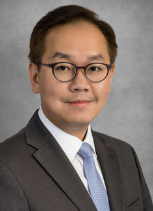 Justin Che Yuen Wu (胡志遠)合作论文数Division of Gastroenterology and Hepatology, Department of Medicine and Therapeutics, Faculty of Medicine, The Chinese University of Hong Kong;Institute of Digestive Disease, The Chinese University of Hong Kong204
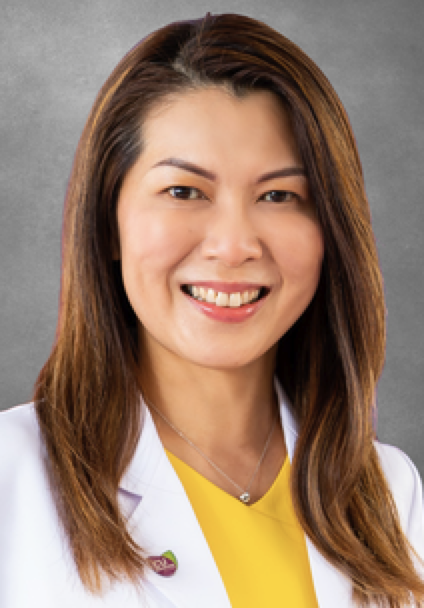 Siew C. Ng (黃秀娟)合作论文数Department of Medicine and Therapeutics, Faculty of Medicine, The Chinese University of Hong Kong;GenieBiome Limited;Microbiota I-Center, The Chinese University of Hong Kong198
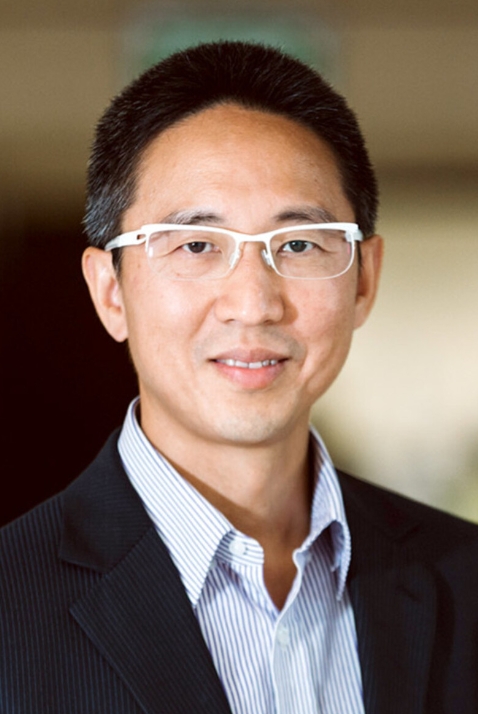 Henry LY Chan (陈力元)合作论文数S.H. Ho Centre for Digestive Health, The Chinese University of Hong Kong;Union Hospital;Shanghai Henlius Biotech, Inc.181
 Sunny Wong合作论文数Lee Kong Chian School of Medicine, Nanyang Technological University166
 Enders K. W. Ng (吳國偉)合作论文数Department of Surgery,The Chinese University of Hong Kong161
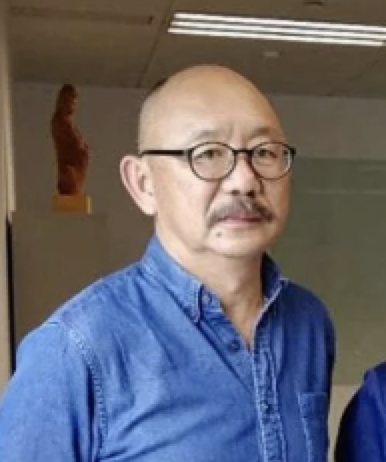 Sydney Chung合作论文数Endoscopy Centre, Prince of Wales Hospital, The Chinese University of Hong Kong159
 Jessica Yuet-Ling Ching合作论文数155
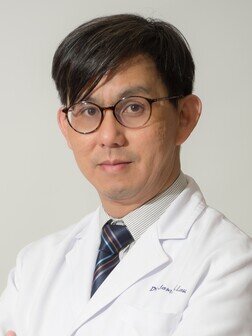 James Yun Wong Lau (劉潤皇)合作论文数Department of Surgery, Faculty of Medicine, The Chinese University of Hong Kong140
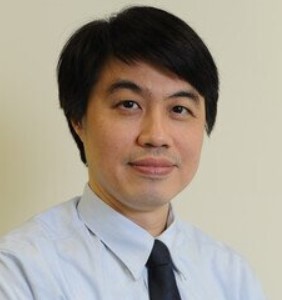 Ka-fai To (杜家輝)合作论文数Department of Anatomical and Cellular Pathology, Faculty of Medicine, Chinese University of Hong Kong;State Key Laboratory in Oncology, Chinese University of Hong Kong133
 Francis K. L. Chan (陳家亮)合作论文数Department of Medicine & Therapeutics, Faculty of Medicine, The Chinese University of Hong Kong;G-NiiB GenieBiome;Microbiota I-Center, The Chinese University of Hong Kong132
 Vincent Ws Wong (黃煒燊)合作论文数Department of Medicine & Therapeutics, Faculty of Medicine, The Chinese University of Hong Kong116
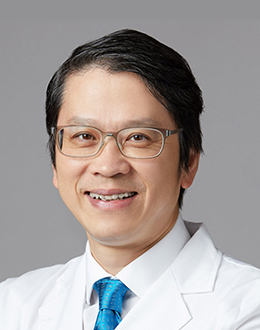 Wai Keung Leung (梁伟强)合作论文数LKS Faculty of Medicine, The University of Hong Kong;Department of Medicine, School of Clinical Medicine, The University of Hong Kong115
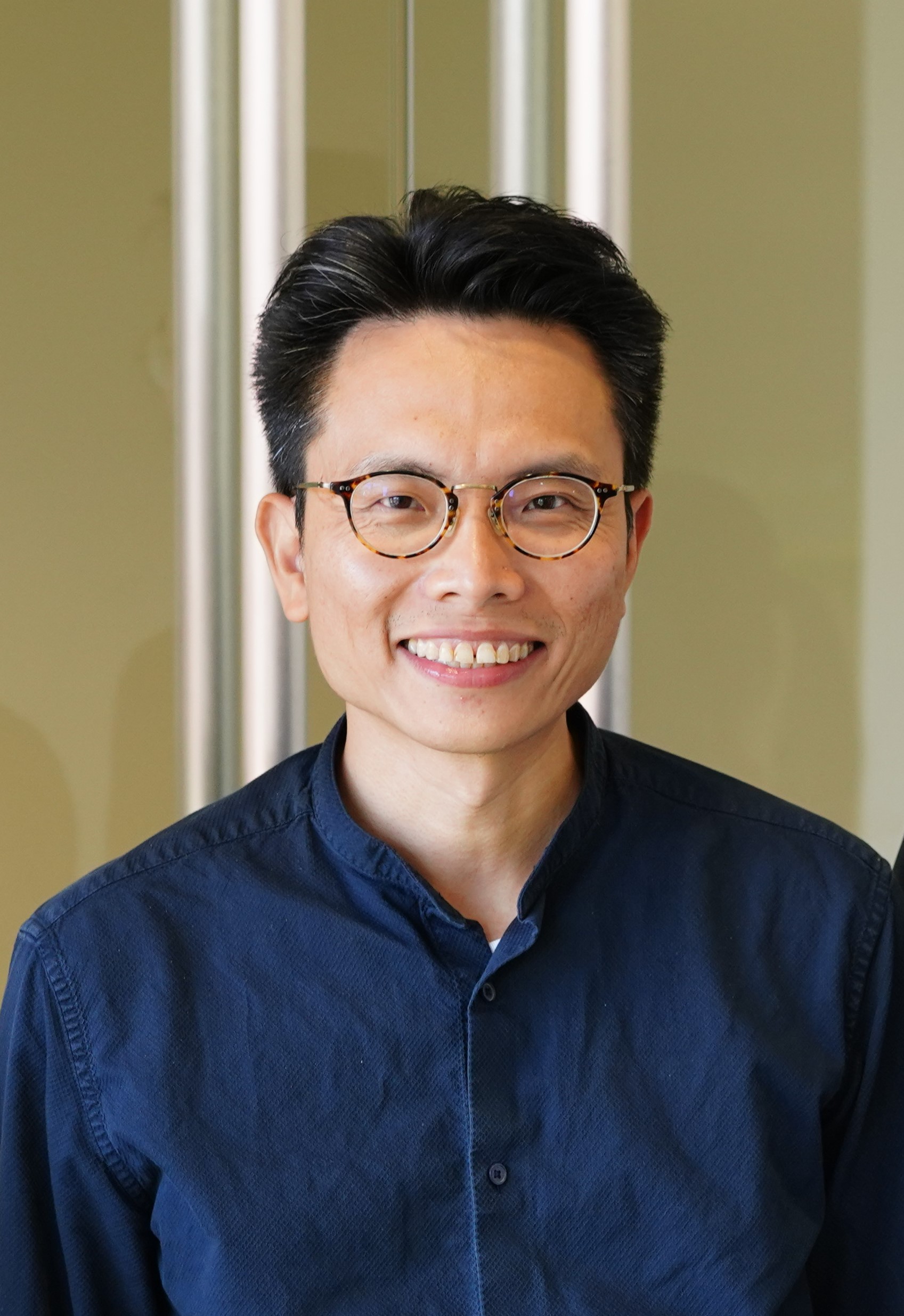 Sze Lok Alfred Cheng (鄭詩樂)合作论文数School of Biomedical Sciences, Faculty of Medicine, The Chinese University of Hong Kong108
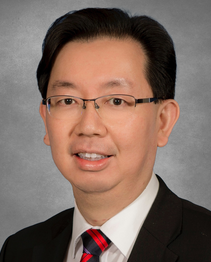 Siu Man Simon Ng (吳兆文)合作论文数Division of Colorectal Surgery, Department of Surgery, Faculty of Medicine, The Chinese University of Hong Kong98
 William K. K. Wu (胡嘉麒)合作论文数South Sichuan Institute of Translational Medicine;Department of Anaesthesia and Intensive Care, Faculty of Medicine, The Chinese University of Hong Kong;Peter Hung Pain Research Institute, The Chinese University of Hong Kong96
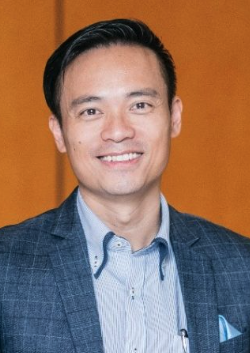 Kelvin Kam-Fai Tsoi (蔡錦輝)合作论文数The Jockey Club School of Public Health and Primary Care, Faculty of Medicine, The Chinese University of Hong Kong;Stanley Ho Big Data Decision Analytics Research Centre, The Chinese University of Hong Kong;The Jockey Club Institute of Ageing, The University of Chinese University93Fkl Chan合作论文数91
 Grace Lai Hung Wong (黃麗虹)合作论文数Department of Medicine and Therapeutics, Faculty of Medicine, The Chinese University of Hong Kong;Institute of Digestive Disease, The Chinese University of Hong Kong;State Key Laboratory of Digestive Diseases, The Chinese University of Hong Kong76
 Paul K.S. Chan (陳基湘)合作论文数Department of Microbiology, Faculty of Medicine, The Chinese University of Hong Kong;New Territories East Cluster, Hong Kong Hospital Authority;Centre of Research and Promotion of Women's Health75
 Philip Wai Yan Chiu (趙偉仁)合作论文数Department of Surgery, Faculty of Medicine, The Chinese University of Hong Kong75
 Martin Chi-Sang Wong (黃至生)合作论文数Division of Family Medicine and Primary Health Care, Jockey Club School of Public Health and Primary Care, Chinese University of Hong Kong;Peking University;Peking Union Medical College73
 Nelson Lee合作论文数Clinical Public Health Division, Dalla Lana School of Public Health, University of Toronto67
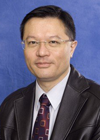 David SC Hui (許樹昌)合作论文数Department of Medicine & Therapeutics, Faculty of Medicine, The Chinese University of Hong Kong;Stanley Ho Centre for Emerging Infectious Diseases, The Chinese University of Hong Kong;SH Ho Sleep Apnoea Management Center, The Chinese University of Hong Kong;Prince of Wales Hospital60
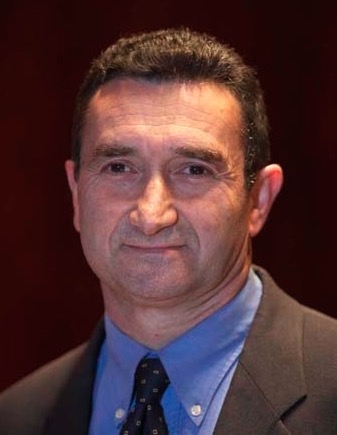 Michael Kamm合作论文数Faculty of Medicine, Dentistry and Health Sciences, University of Melbourne;St Vincent's Hospital58Eagle S H Chu合作论文数57
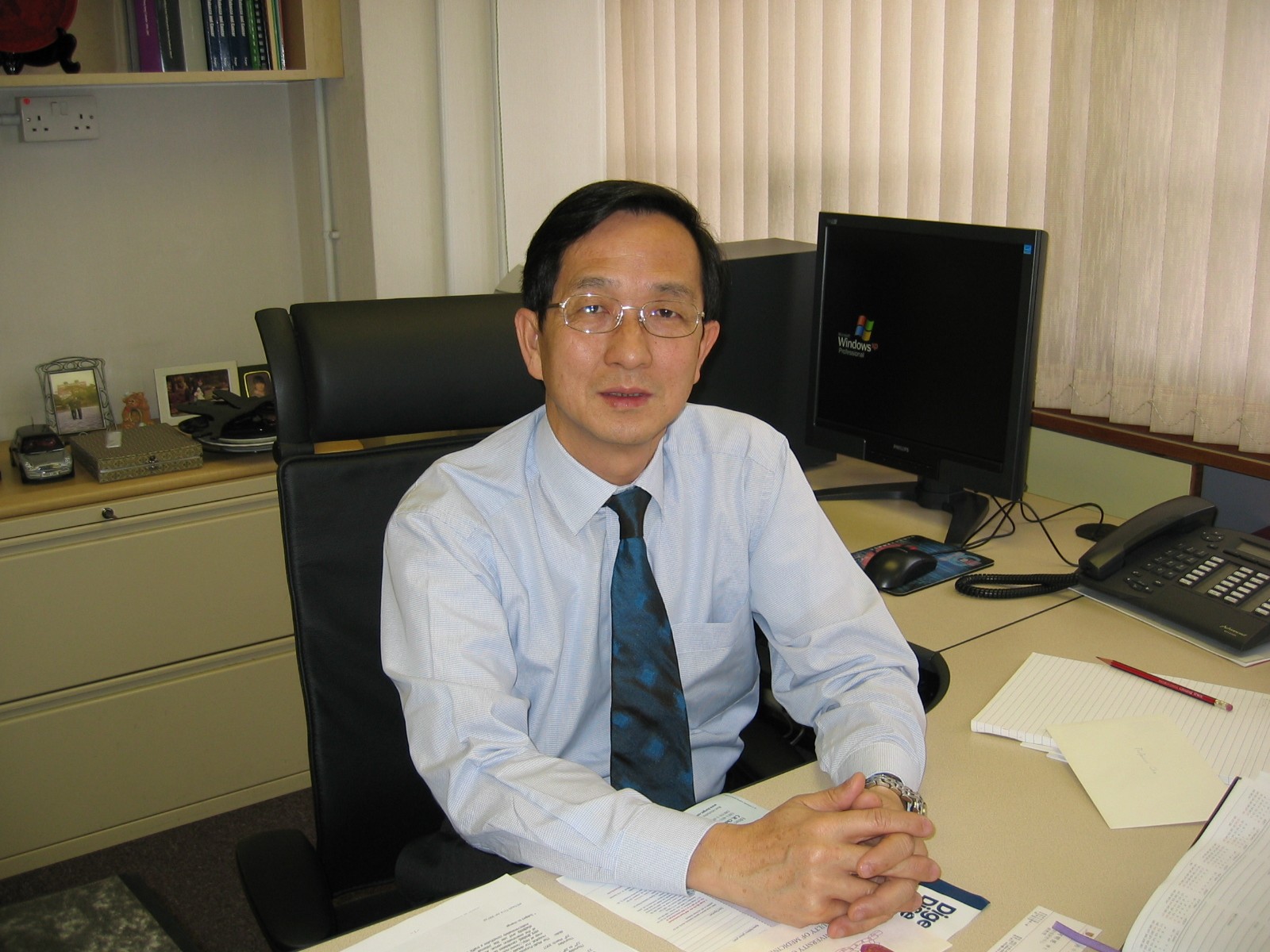 Chi Hin Cho (曹之宪)合作论文数School of Biomedical Sciences, The Chinese University of Hong Kong54Alex Y. Hui合作论文数Prince of Wales Hospital, Chinese University of Hong Kong53JYW Lau合作论文数53Raymond S. Tang合作论文数52Thomas Y. T. Lam合作论文数50
 Xiaoxing Li (李晓星)合作论文数Institute of Precision Medicine, The First Affiliated Hospital, Sun Yat-sen University;Cancer Center, Sun Yat-sen University49
 Jingwan Zhang合作论文数49
 Dong Yujuan合作论文数Institute of Digestive Disease, The Chinese University of Hong Kong46Luk Arthur K C合作论文数44Chung-Wah Wu合作论文数43
 Chi-Chun Wong (黃子雋)合作论文数Department of Medicine & Therapeutics, Faculty of Medicine, The Chinese University of Hong Kong42Minnie Yy Go合作论文数42
 Mark Morrison合作论文数Diamantina Institute, Faculty of Medicine, The University of Queensland41
 Goh Khean Lee合作论文数University of Malaya Specialist Centre41
 Wei Kang (康巍)合作论文数School of Bioengineering, Dalian University of Technology41Kaichun Wu (吴开春)合作论文数39Chan Victor C W合作论文数39
 Amy L. Hamilton合作论文数39Jcy Wu合作论文数38
 Amy Louise Wilson-O'Brien合作论文数St Vincent's Hospital, The University of Melbourne38My Yung合作论文数37




